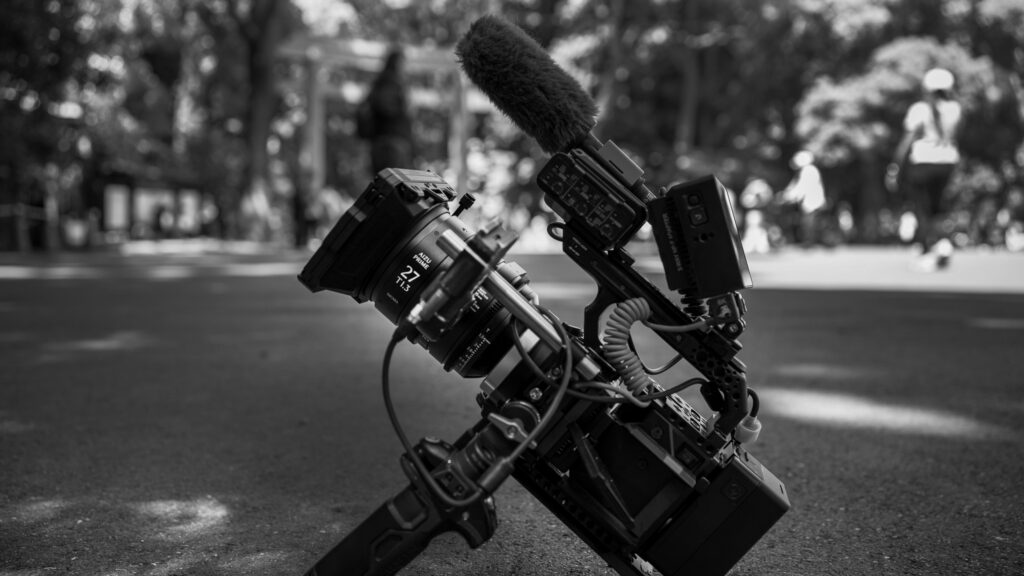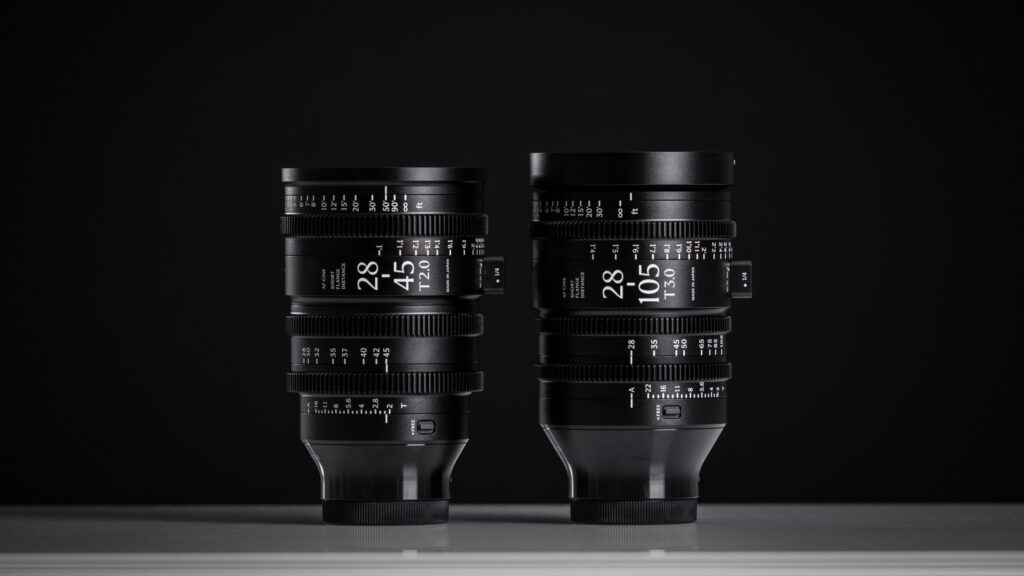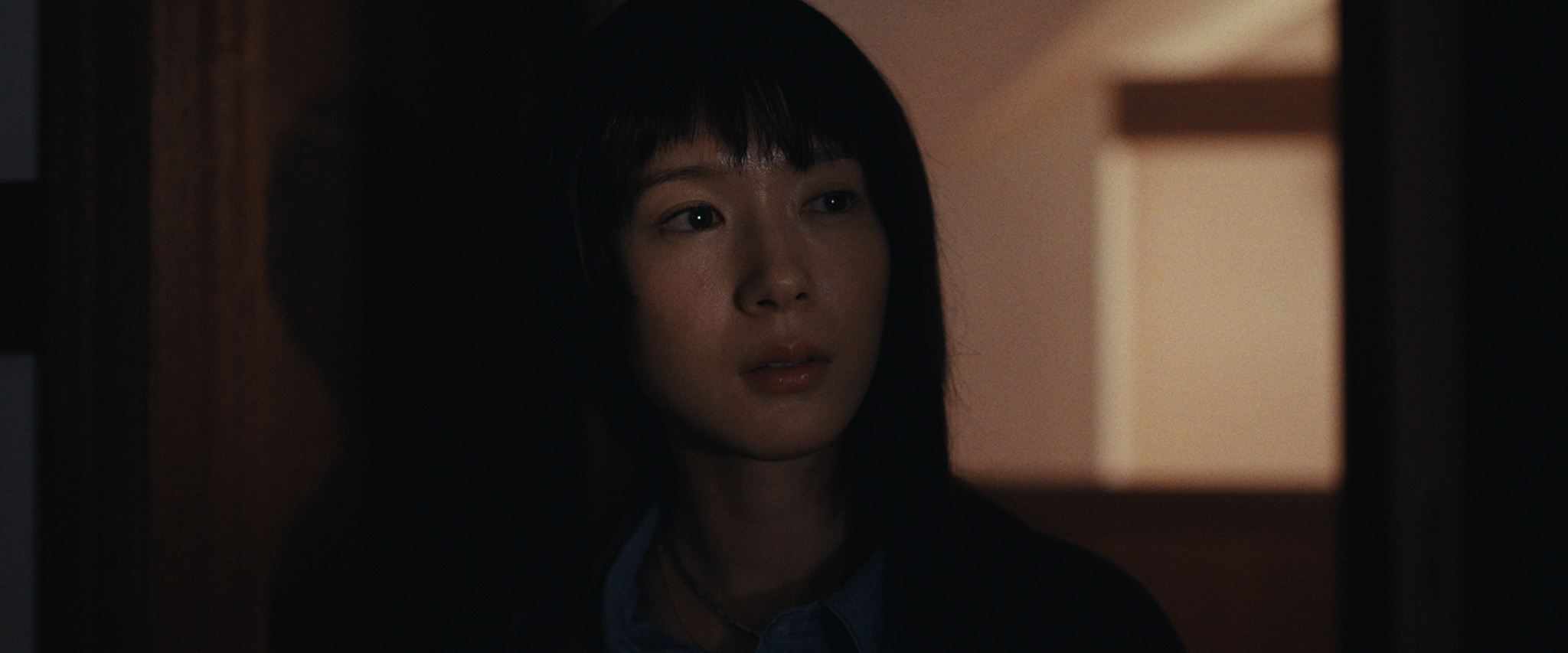
Director of Photography Patrick Ouziel has shot with Sigma Cine lenses across a long run of commercial and narrative projects, and brought that experience (plus a near full set of Sigma Cine High-Speed Primes) onto Never After Dark. The film stars Moeka Hoshi, the Shōgun breakout best known for her Emmy-nominated role as Usami Fuji – a series that was also shot, in part, on Sigma Cine glass.
We caught up with Patrick to talk lens choices, low budget flexibility, building a vintage look with modern glass, and why he keeps coming back to the same Sigma High-Speed Prime set no matter the size or nature of the job.
Q&A with Director of Photography Patrick Ouziel
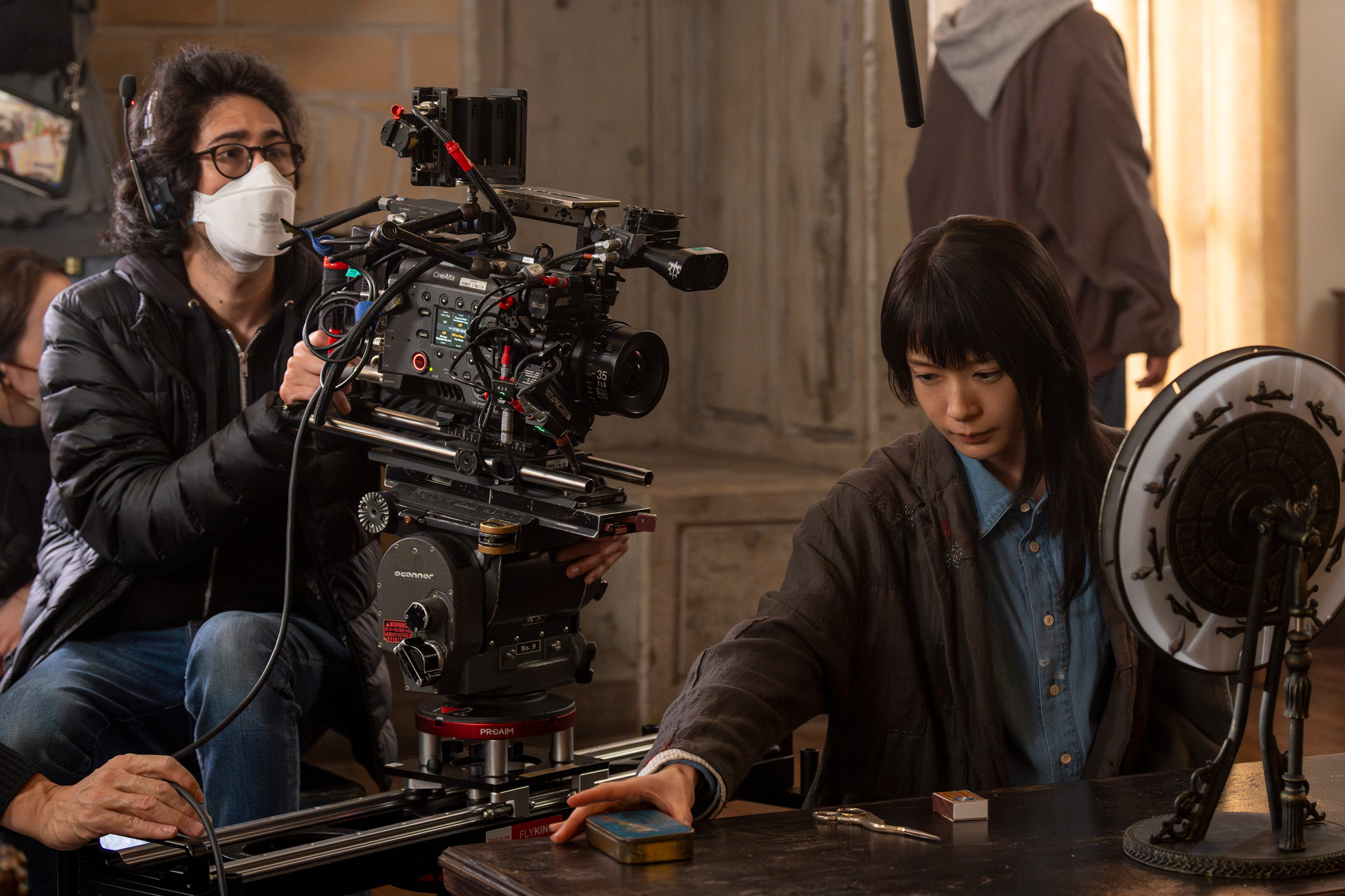
Sigma (Sam Delaware, interviewer):
What led you to the High-Speed Primes for this project, and how involved was director Dave [Boyle] in that choice?
Patrick Ouziel (Director of Photography, Never After Dark):
I originally suggested them to Dave. I hadn’t shot with them extensively at that point, but I’d used them enough on commercials and other narrative work to know they’re phenomenal – compact, fast, and consistent wide open. This was a lower-budget film, so I had to be pragmatic, and the Sigmas gave me a set that performed at a high level without the price tag of a Supreme or Signature Prime set. Close focus in particular was a big factor. I’ve done side-by-side comparisons against other prime sets, and the Sigmas outperform them right up until the 85mm. Being able to have an actor walk from far away into a tight close-up without diopters, and without losing their mark, matters a lot to me.
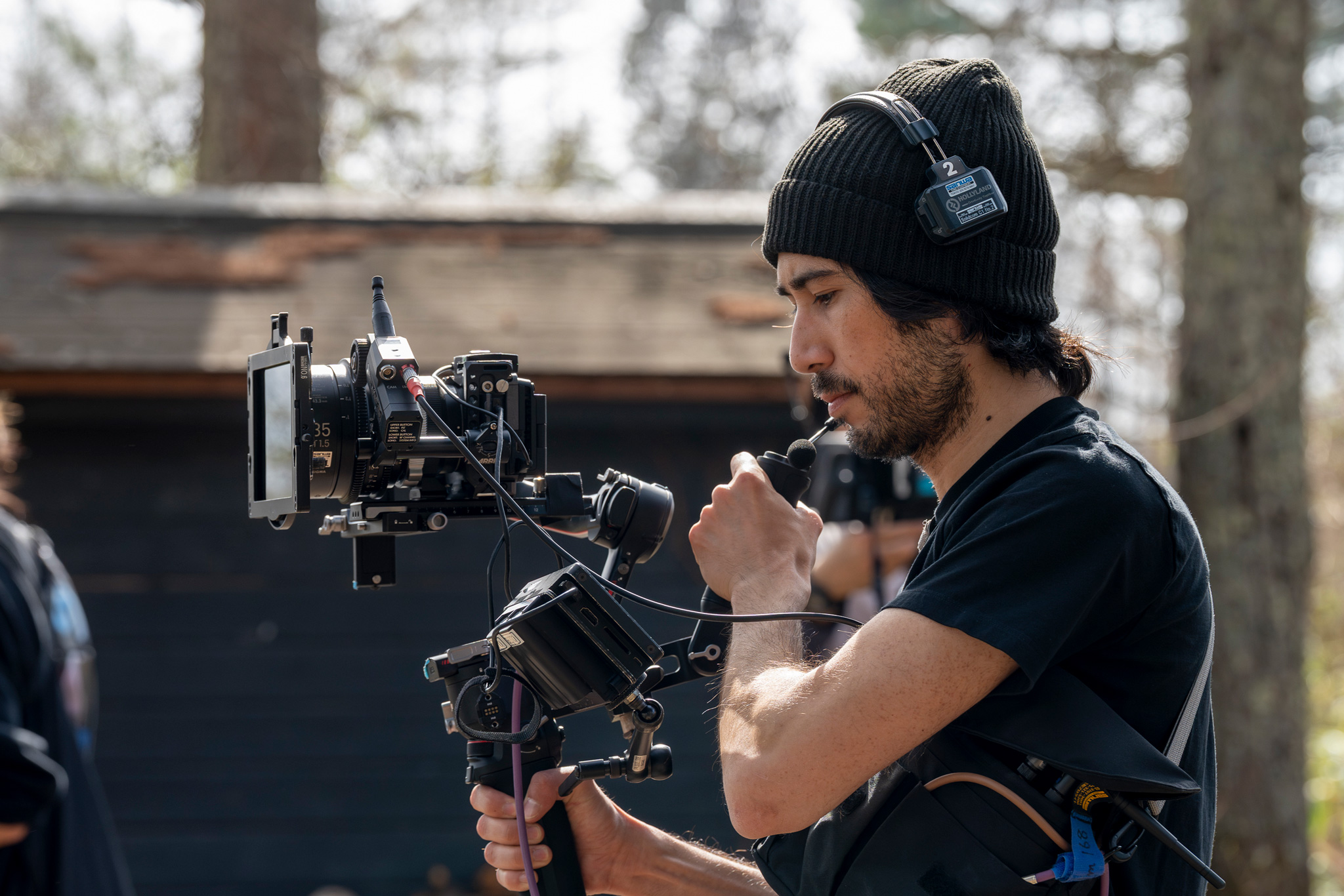
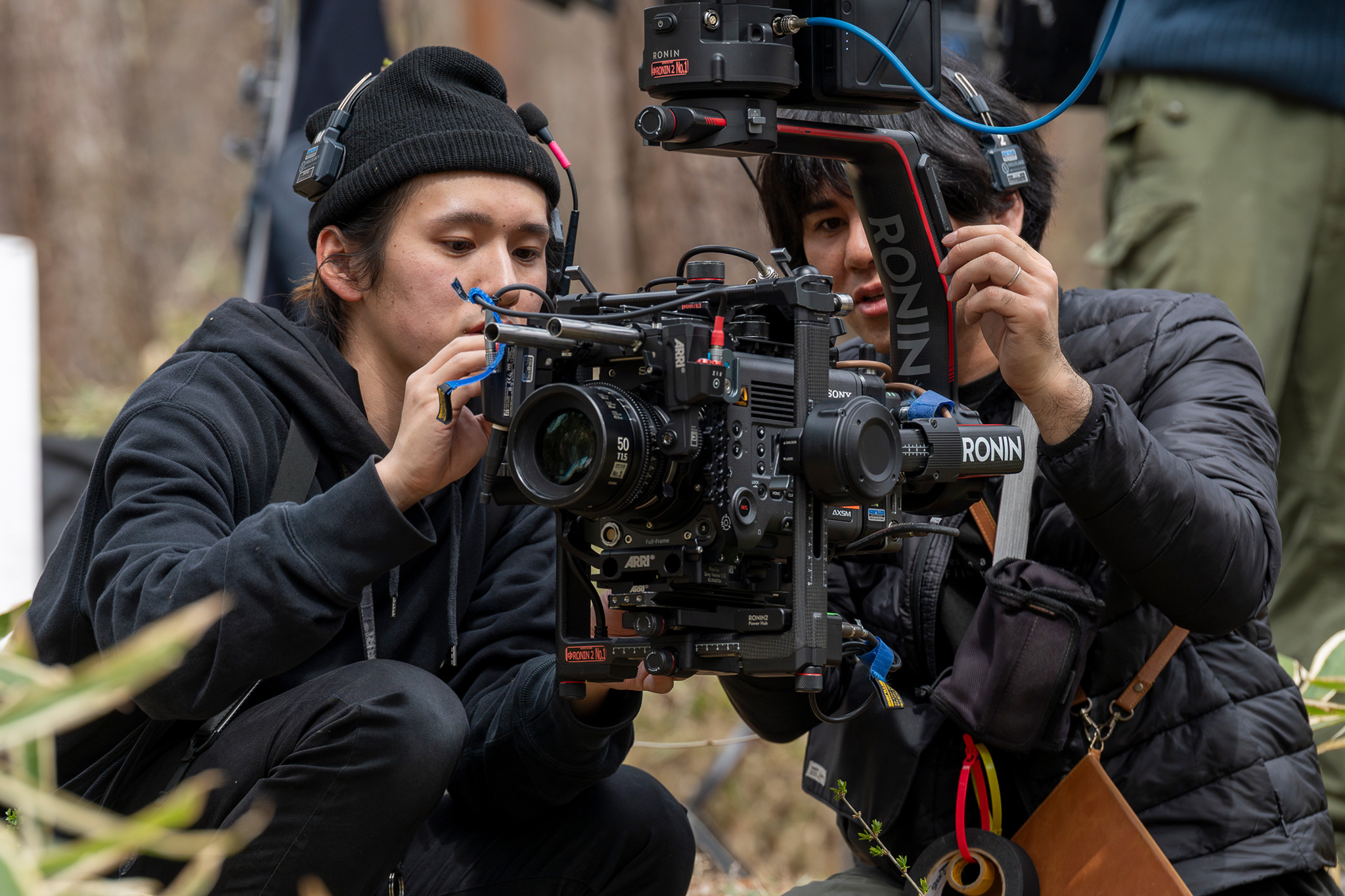
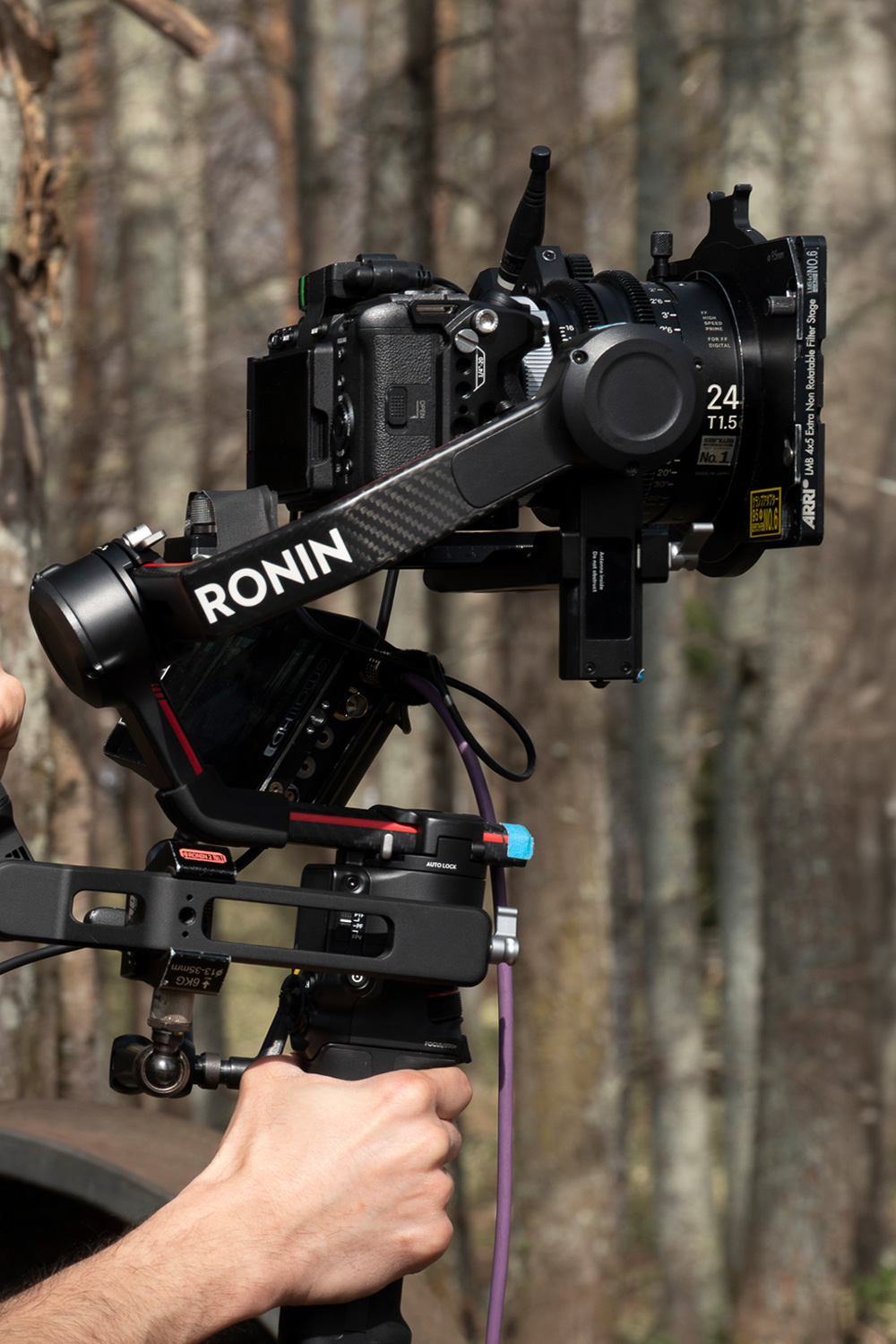
We also had a lot of rig work planned from the start, an FX3 mounted to cars, to a doorway, to a shower setup for a stunt fall – plus Ronin remote, head shots. With the Venice already being a larger body, having lenses that stayed small and light across the whole set was a real practical requirement, not just a “nice-to-have”.
Sigma:
Dave wanted a ’70s-inspired, vintage aesthetic. How do you get that look out of a lens set known for being clean and sharp?
Ouziel:
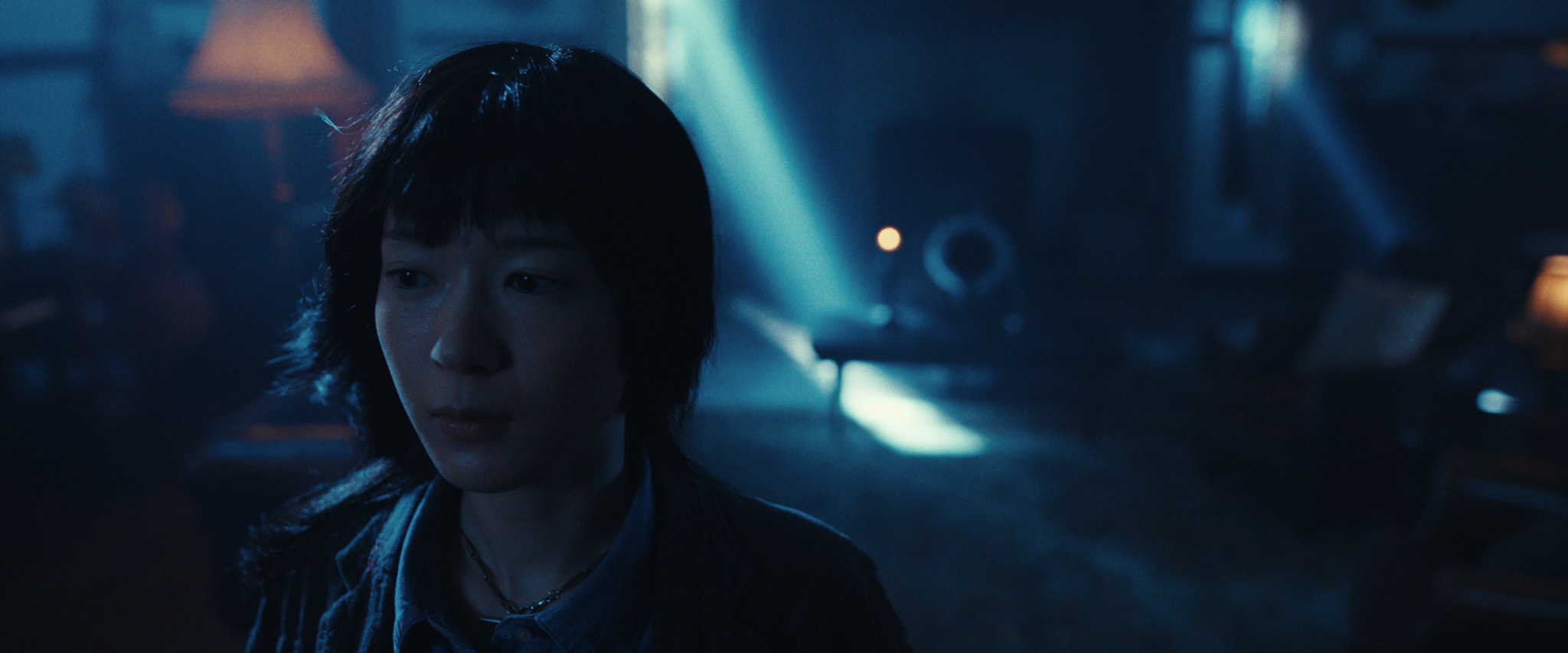
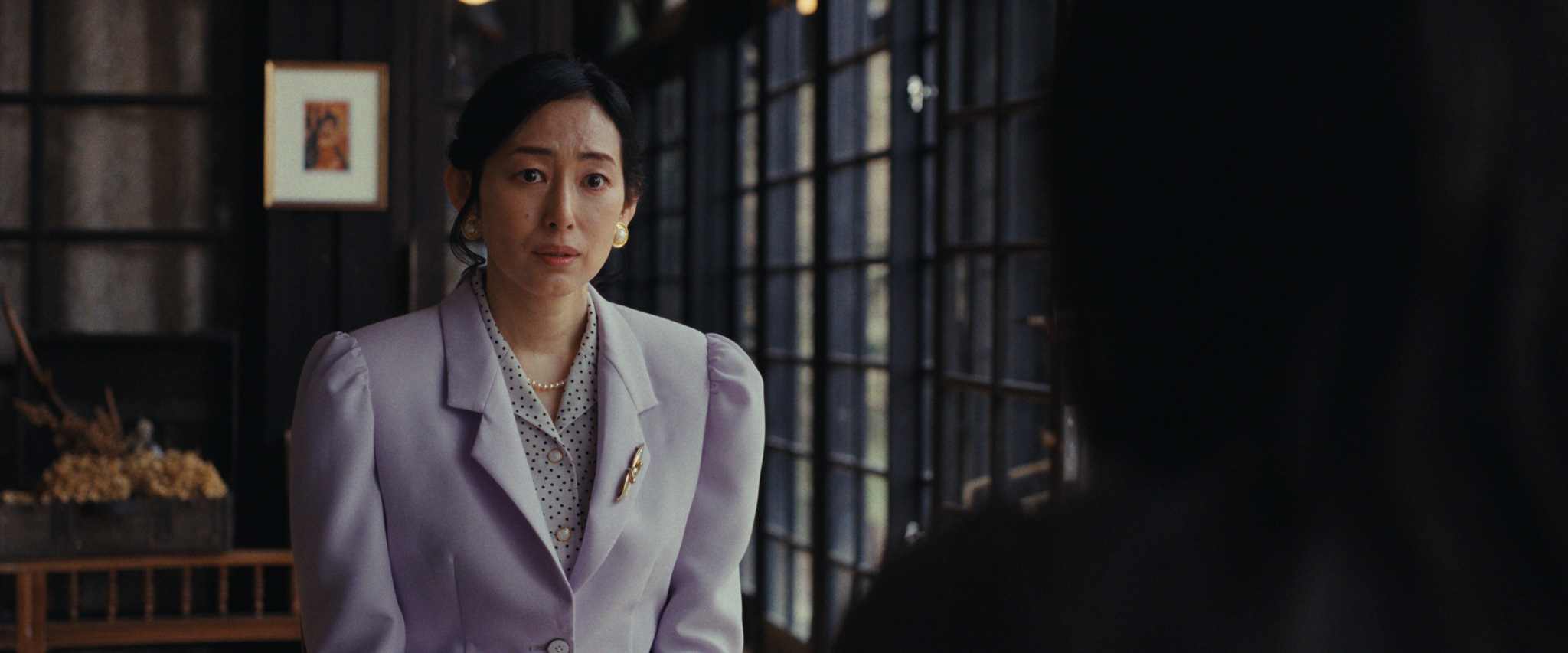
That’s really a post question more than a lens question. I don’t love shooting with diffusion – you get unpredictable double reflections you can’t always plan around, and you don’t always know when they’ll show up until you pan into a lamp or a window. Instead, I worked with our colorist to build a softening recipe in the DI, based on a workflow I’d developed on an earlier short. We applied grain and halation on top of a clean, high-resolution image rather than trying to soften things optically on set.
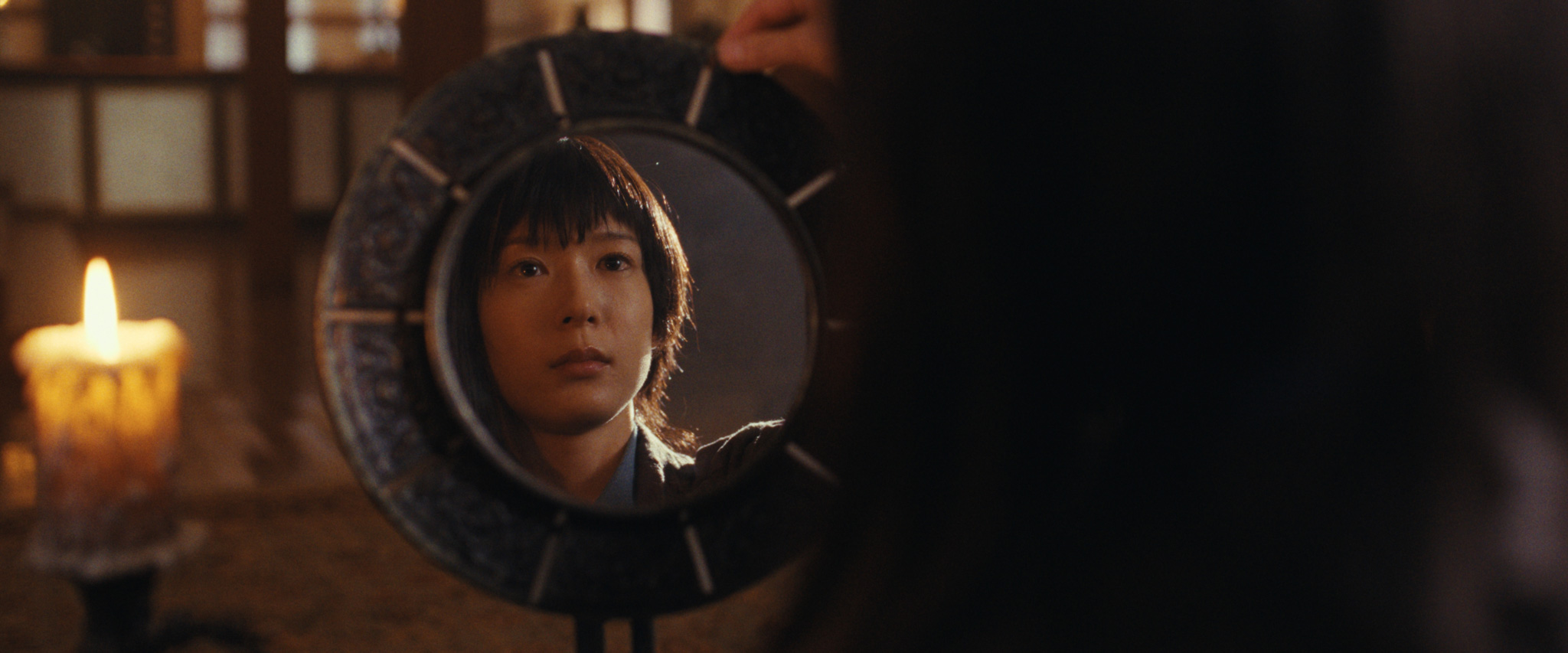
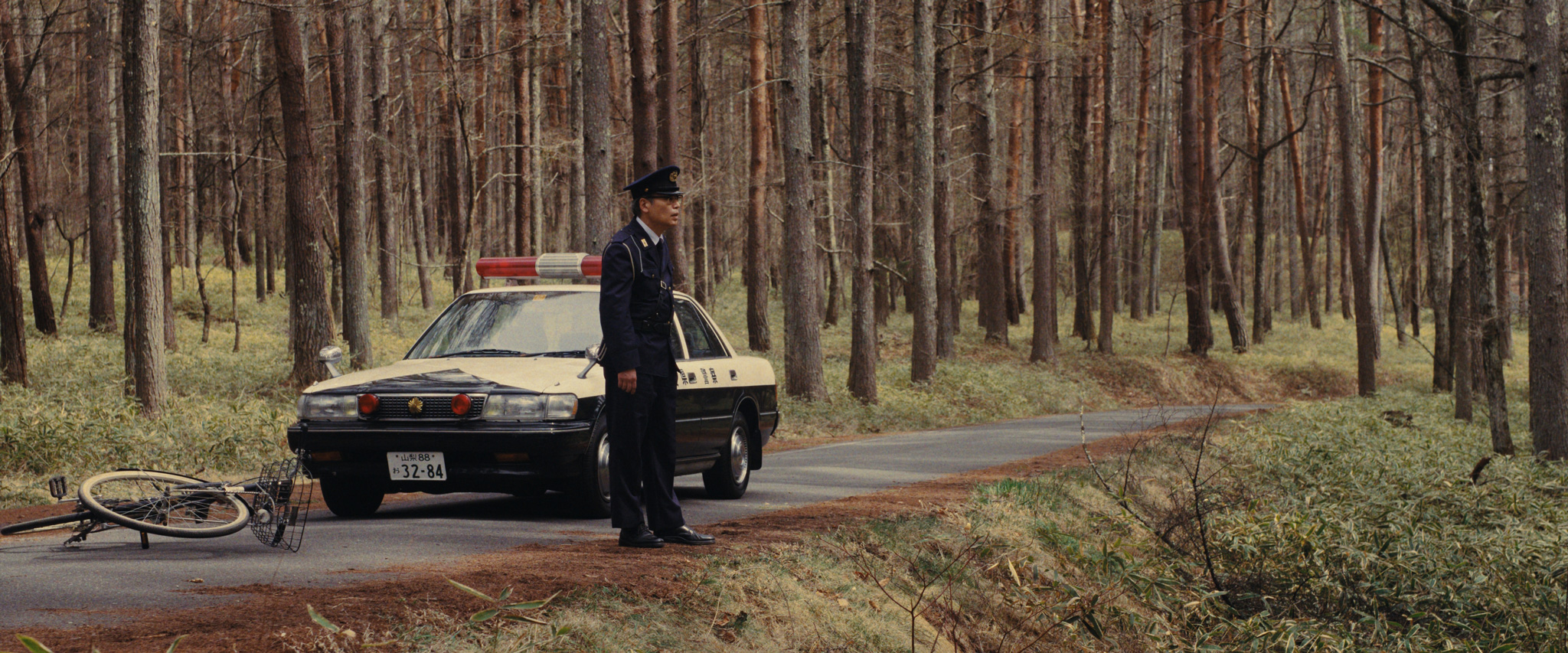
We shot camera tests early and projected them big for Dave, who wasn’t on set for that session. His first reaction was that the lenses looked too sharp – which is a completely normal reaction to a raw camera test with no grade on it. Rather than jettisoning the lens package, I showed him the test again alongside other footage I’d shot on the same combination, and once he saw the full pipeline, the grain, the halation, the overall softness… he was fully on board. We barely touched that look again for the rest of the shoot.
Sigma:
Was there a specific reference point that gave you confidence this approach would work?
Ouziel:
Yes – a short film I’d shot a couple of years earlier called Relationship to Patient (2024) on the Venice with the Sigmas. We finished it in 2K with grain and halation added in post. I saw it projected at a festival, and people came up to me afterward asking what camera and lenses I’d used. They were surprised it wasn’t sharper or more “digital” looking, in a good way. That experience gave me the confidence that shooting clean and building texture deliberately in the grade could get me the same organic quality I love in films shot on real film with very clean glass, without having to compromise on lens performance or flexibility on set.
Sigma:
Which focal lengths did you lean on most?
Ouziel:
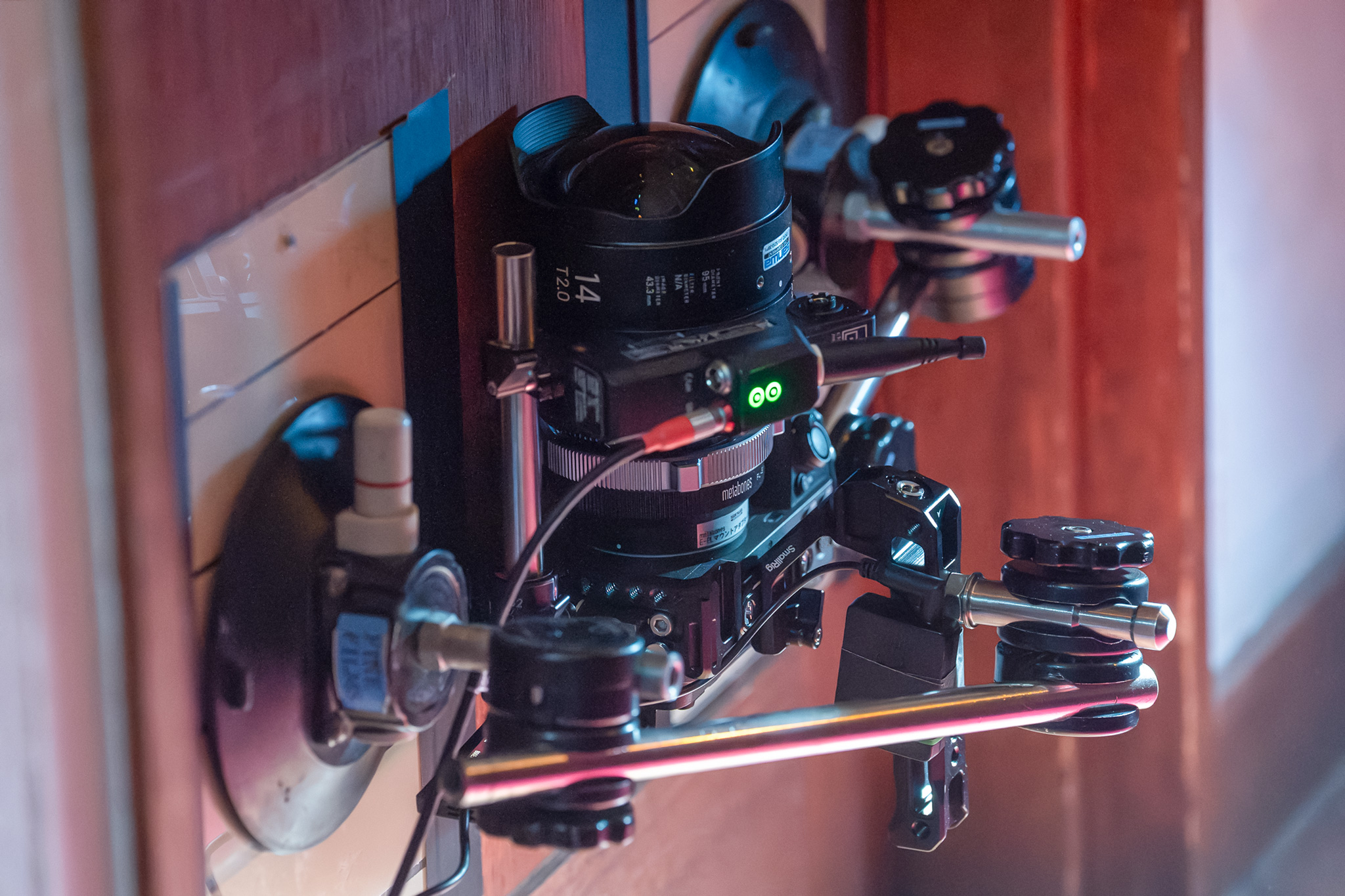
Our set ran 14mm through 135mm, but we lived mostly between 20mm and 50mm, the 24mm and 35mm especially. The 14mm did a lot of work for wides in tight spaces. It’s remarkably rectilinear for how wide it is, and small enough that we rigged it to an FX3 for a few POV setups, including one mounted at the base of a doorway. I tested that framing in my apartment during prep, just using my phone and a viewfinder app to see exactly how the 14mm would read on that sensor and crop before we ever got on set.
We didn’t reach for the 85mm or 135mm much, mostly a handful of close-ups and inserts. If I’m honest, I really wanted a 28mm on the order too; it splits the difference between the 24 and 35 in a way that felt right for a few shots, but it got cut in negotiations with the rental house. We made do with the 24mm and 35mm instead and it was fine, but it’s become one of my go-to focal lengths on commercials since then.
Sigma:
How much of the film was shot wide open, given the fast T-stop (T1.5) of the High-Speed Primes?
Ouziel:
Less than people might expect. Part of the vintage approach meant shooting a bit more traditionally, closer to how people used to shoot at a T2.8 or T4 even in full frame, where that’s still fairly shallow. Most interiors sat around a T2.8, exteriors leaned closer to T5.6. But the real advantage of the Sigma x Venice combination is how fast you can adjust on the fly – you can drop in some ND and open the lens up between setups without worrying that the lens will behave differently once it’s wide open. That consistency across the aperture range, rather than raw speed alone, is what I actually rely on most.
Sigma:
Any moment on this shoot where the lenses’ size or performance really mattered?
Ouziel:
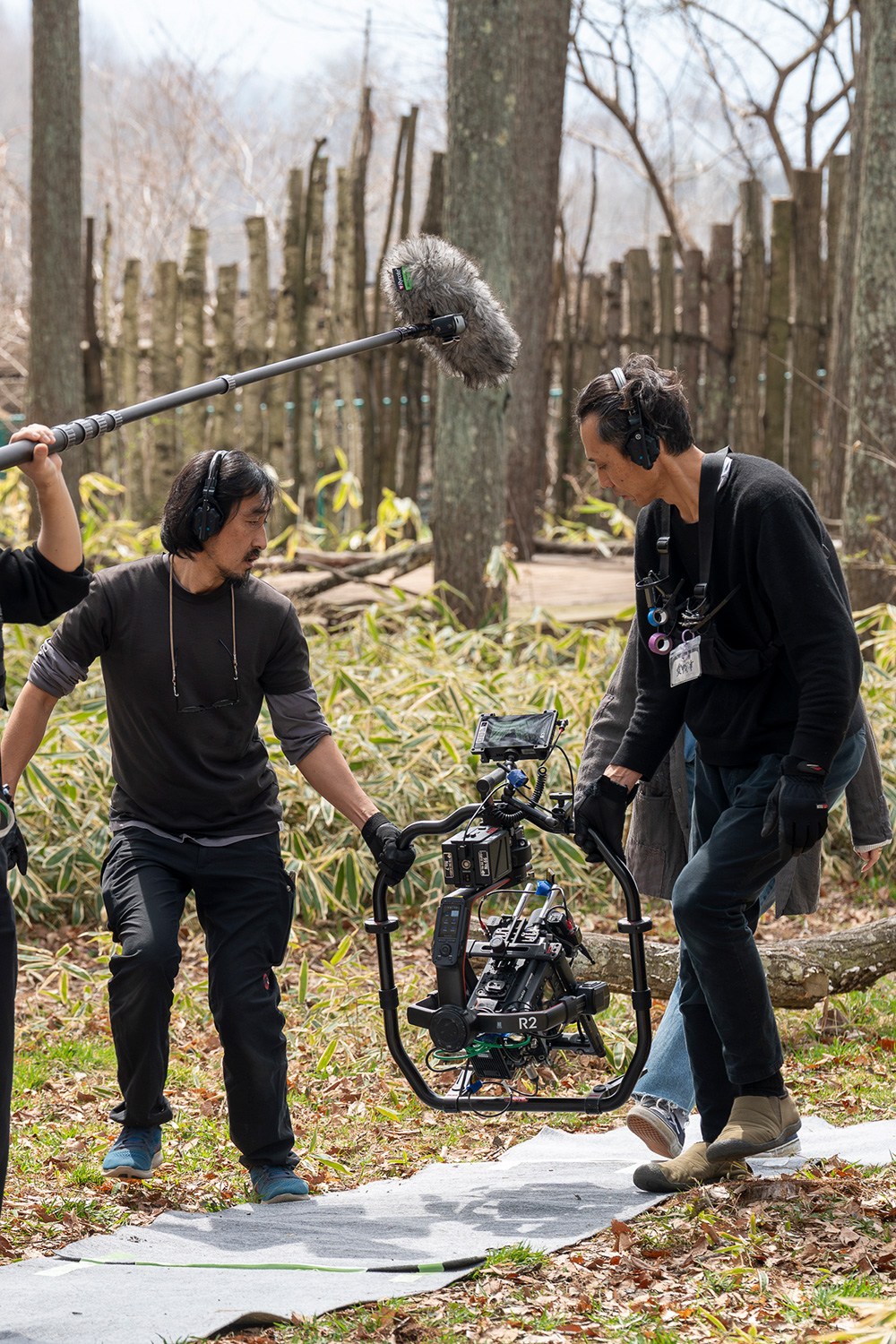
The Sigmas’ size was a huge advantage for our rig work. We had an FX3 on a Ronin 2 for remote, head shots and a handheld gimbal build for a couple of days when Steadicam wasn’t available. Because the lenses are so light, our dolly grip could operate handheld without the strain you’d get from a heavier prime set. I’ve seen operators get asked to carry much bigger zooms on a gimbal, and I try to avoid putting that kind of weight on anyone if I can help it.
Sigma:
The film leans on a lot of low-light night-time scenes. Did the lenses’ resolving power make a difference there?
Ouziel:
It did, though the low-light scenes in this film weren’t at extreme light levels. My gaffer, a very experienced Japanese lighting director, built a lot of deliberate, controlled hard-light setups rather than relying purely on ambient sources. Between his approach and my preference for clean exposures, the images came out sharp rather than muddy. You can see real detail in the shadows and midtones, even in wide shots with a lot of depth in frame.
Sigma:
What do you want people to take away from how this film looks?
Ouziel:
Clean glass doesn’t mean a clinical image. Multiple people who’ve seen the film assumed we shot on vintage glass – they were surprised to hear it was Venice and Sigma. That’s the point: you decide how you want to build the texture, whether that’s baked in optically or built deliberately in post. I’d rather have a versatile, reliable set I trust completely… one that performs the same whether I’m wide open or stopped down, on a Steadicam or a handheld gimbal, on a product insert or a face – and shape the look on my own terms from there.
Given the choice between testing five more lens packages or spending an extra week shot-listing with the director, I’ll take the extra week every time. For me, that has a bigger impact on the finished film.
Never After Dark, directed by Dave Boyle, is finishing its theatrical release and will be arriving on VOD platforms soon. Visit the official website for information.
Discover our exceptional quality cine glass