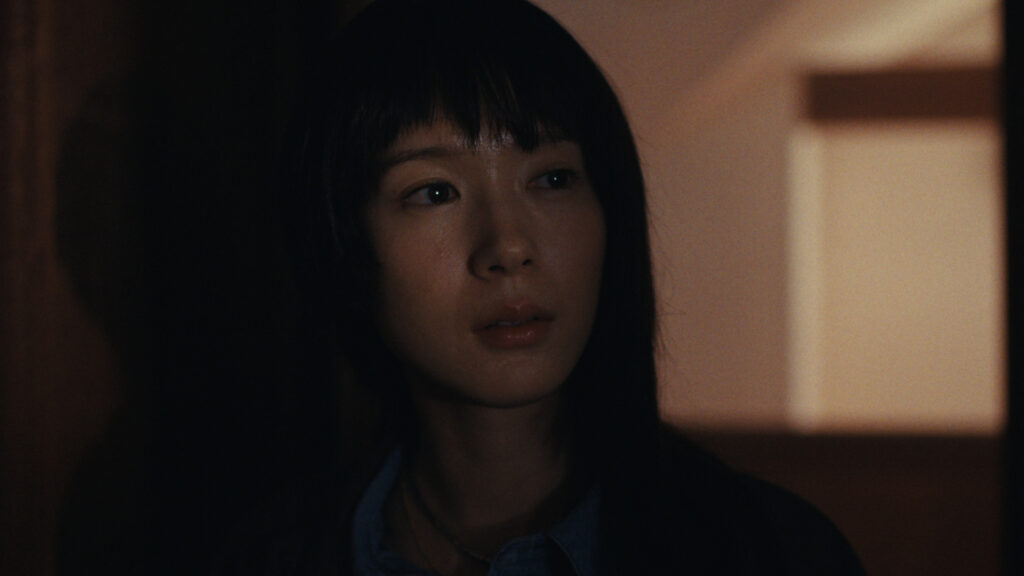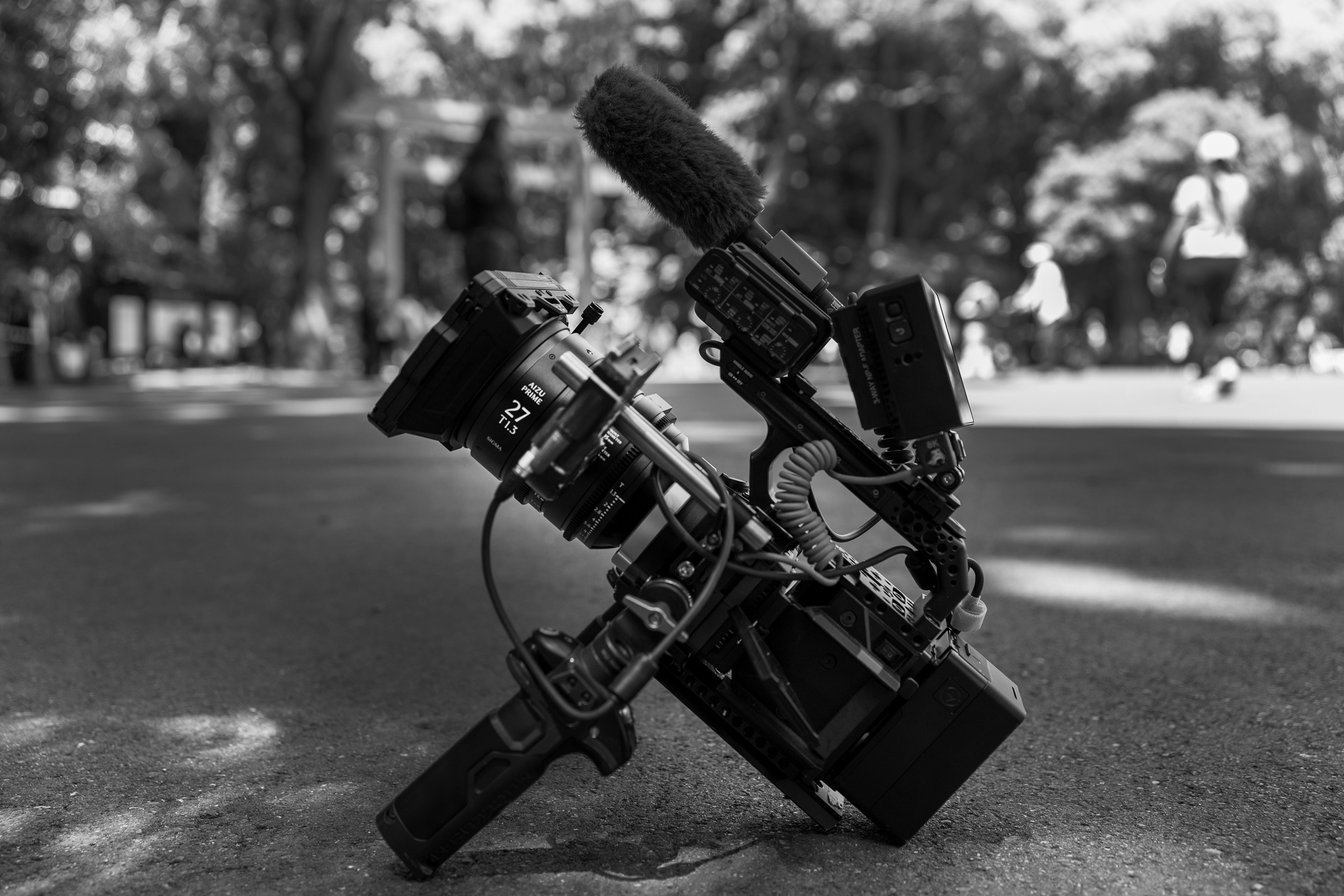
When I was hired to shoot a docuseries in Japan exploring themes of grief, loss, and self-discovery, I knew I needed a set of lenses that were fast, reliable, and capable of translating complex emotions on screen. Not only did I need to capture our subject’s personal journey, but I also needed to translate the culture and atmosphere of Japan itself.
Japan is a place where rituals, tradition, and moments of personal reflection carry deep meaning, which all tied into the story we were trying to tell. With that in mind, I thought long and hard about a lens that could communicate the vision on screen while also allowing us to move quickly to make sure we didn’t miss important moments. I typically gravitate toward the Sigma Cine High Speed Primes (they’re one of my favorite lens sets on the market, especially for commercial work), but this project called for a slightly softer, dreamy feel. After establishing the overall aesthetic, I decided that the Sigma Aizu Primes would be the perfect lens package to bring this story to life.
Why the Siga Aizu Primes?
The Sigma Aizu Primes offered everything this project demanded when it came down to image quality and overall design. The creamy bokeh, smooth focus throw, subtle lens flares, and shallow depth of field all helped produce a dynamic image from the very start.
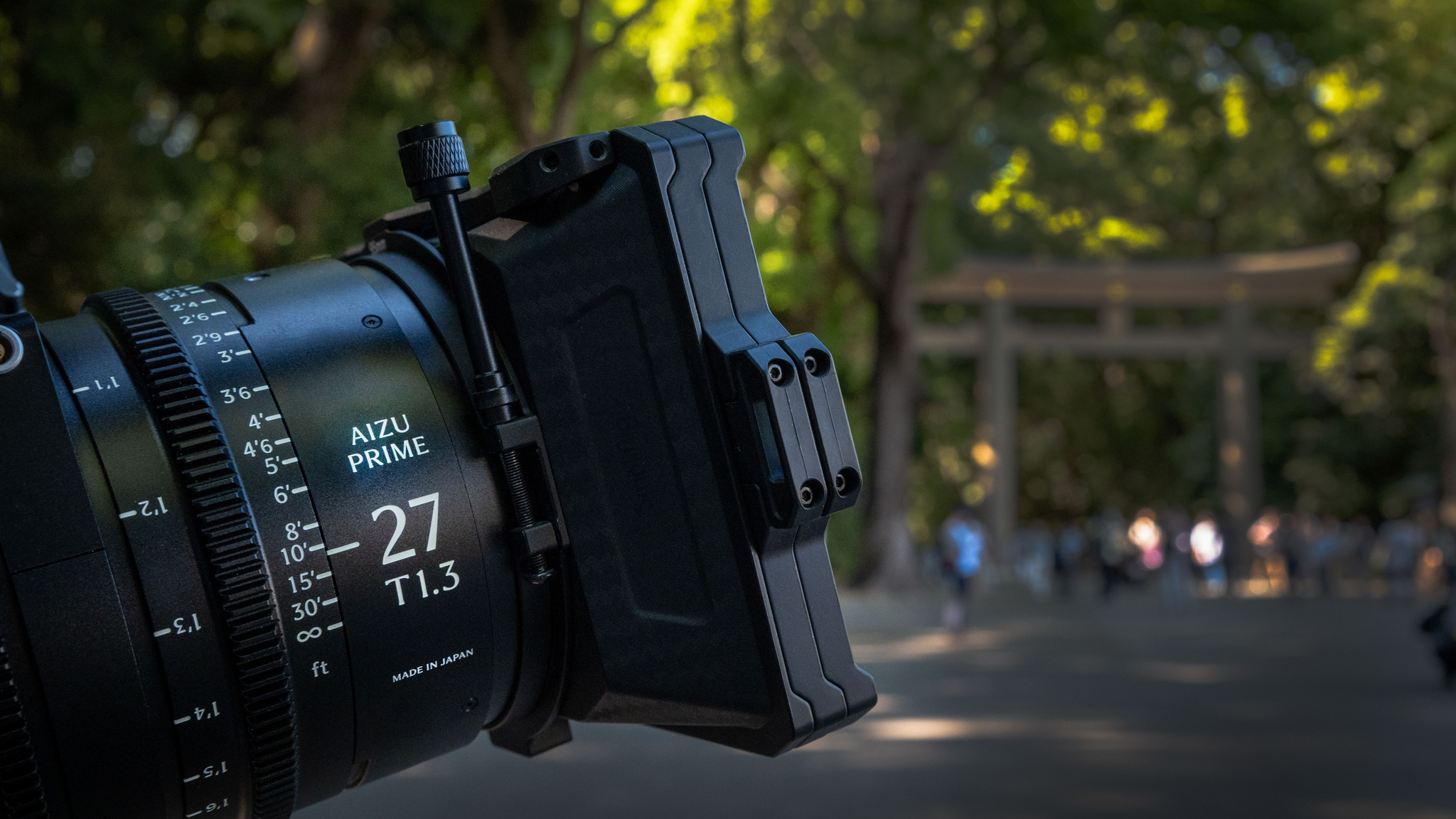
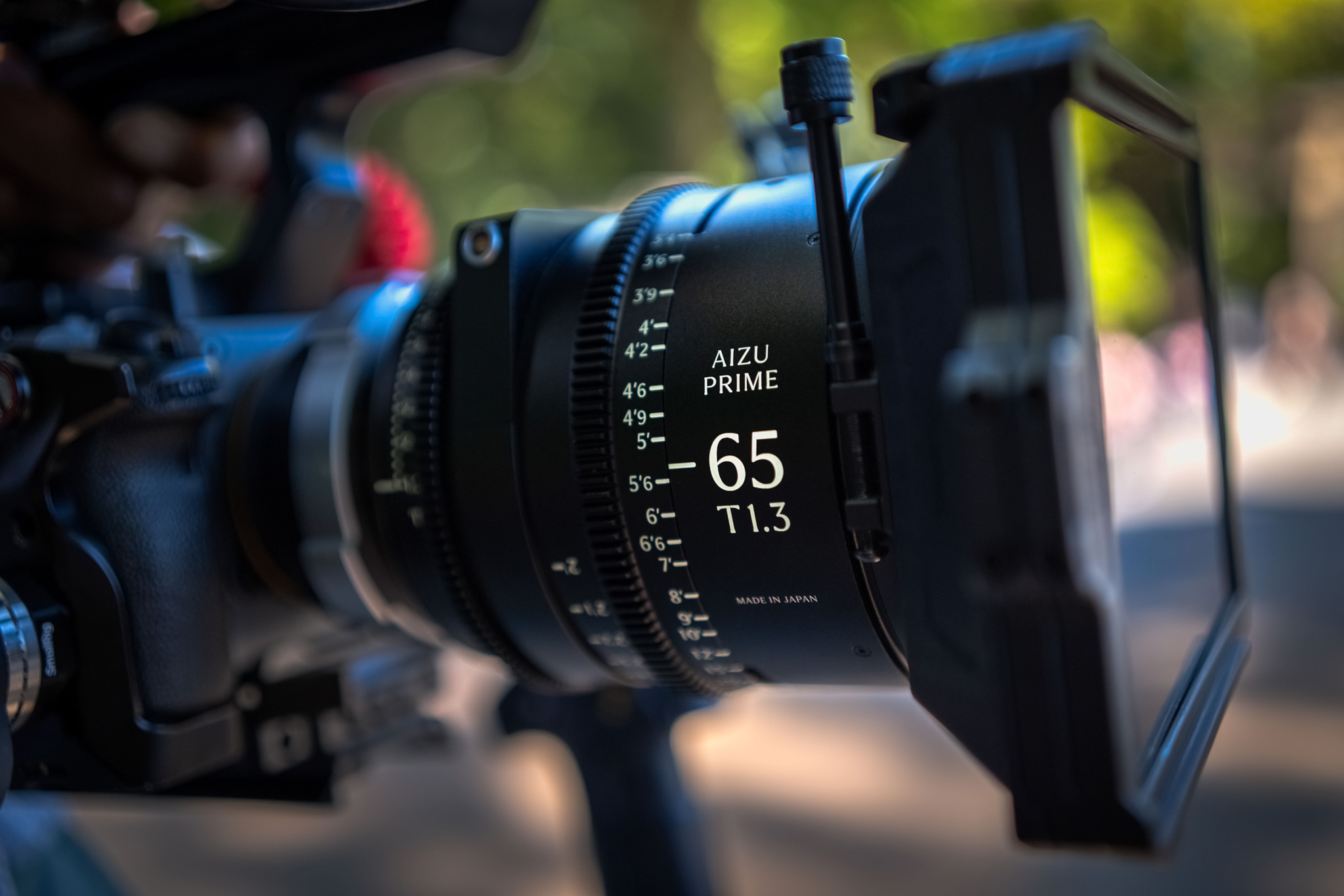
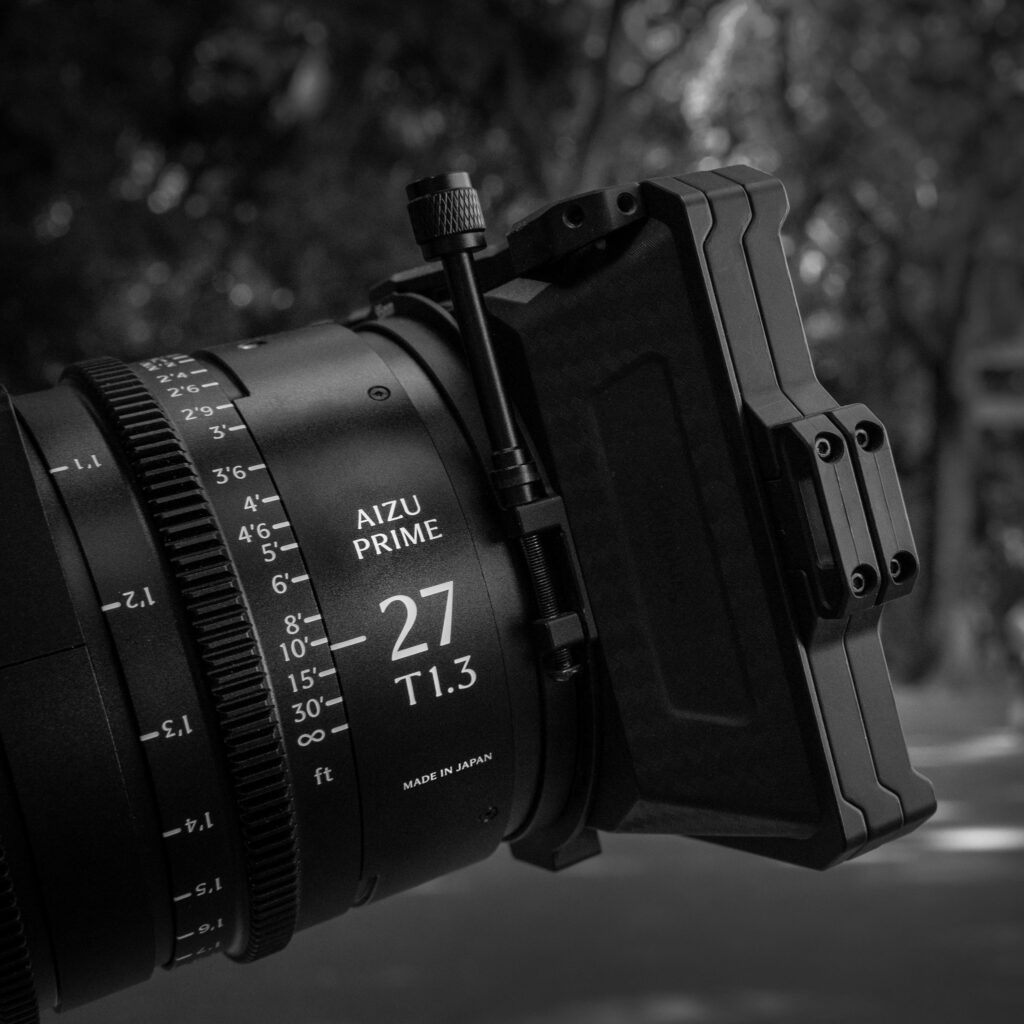
In order to take our look to the next level, I decided to add a Dream FX filter to the front of the lens. Choosing to add filtration meant we were going to need a matte box for every setup in order to maintain a consistent look. The fact that the Aizu Primes have the same 95mm front diameters made swapping lenses incredibly easy, and gave me the confidence to build a look based on the aesthetic I wanted rather than worrying about changing matte box adapters. While these details might seem small, they make all the difference when you’re trying to capture a story that’s constantly unfolding in front of you.
Another characteristic of the lenses that I relied heavily on was the fast aperture. All Aizu Prime lenses have a T1.3 across the board. Knowing we wanted to lean into the “dreamy” look, I chose to shoot everything wide open as we walked through different shrines and temples. When shooting wide open, you get incredible subject separation and depth of field that just draws you into the frame.
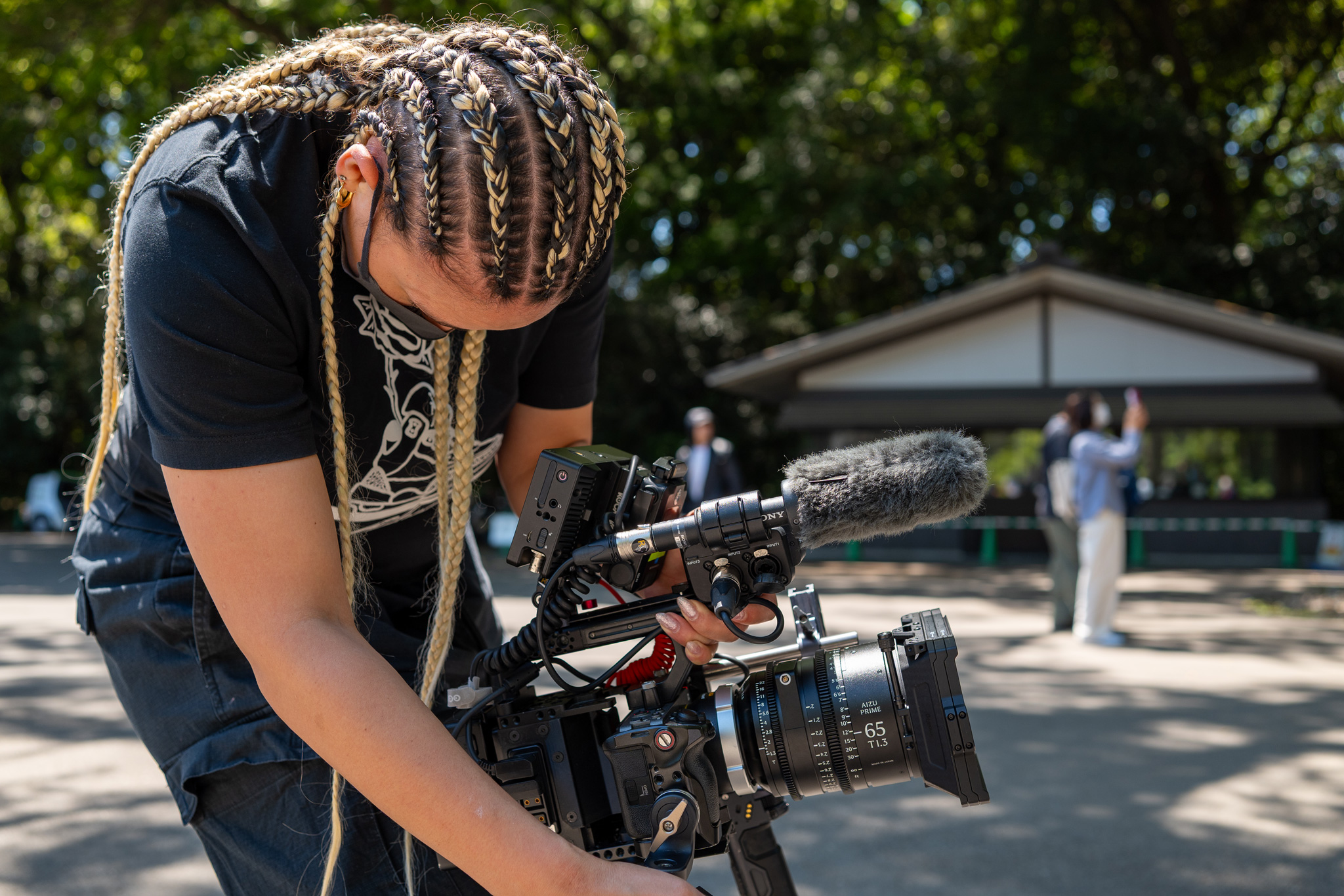
I was also pleasantly surprised how easy it was to maintain focus with these lenses. Oftentimes, I was pulling directly from the barrel and walking backwards to get a frontal shot of my subject as he wandered around the temple. The Aizu Primes did a great job of maintaining sharpness while delivering focus fall off that felt natural and grounded.
Takeaways
The Sigma Aizu Primes really shined on this project and I couldn’t be happier with the results. The consistently fast T1.3 aperture, beautiful bokeh, incredible subject separation, and overall image delivered the look we envisioned from day one. It’s clear these lenses were crafted with cinematographers in mind where even the smallest design detail made all the difference when it came down to capturing the story.
For cinematographers looking for a premium lens set that combines exceptional image quality and mechanical build, the Aizu Primes are absolutely worth your consideration.
Learn more about the Aizu Prime line of cinema lenses