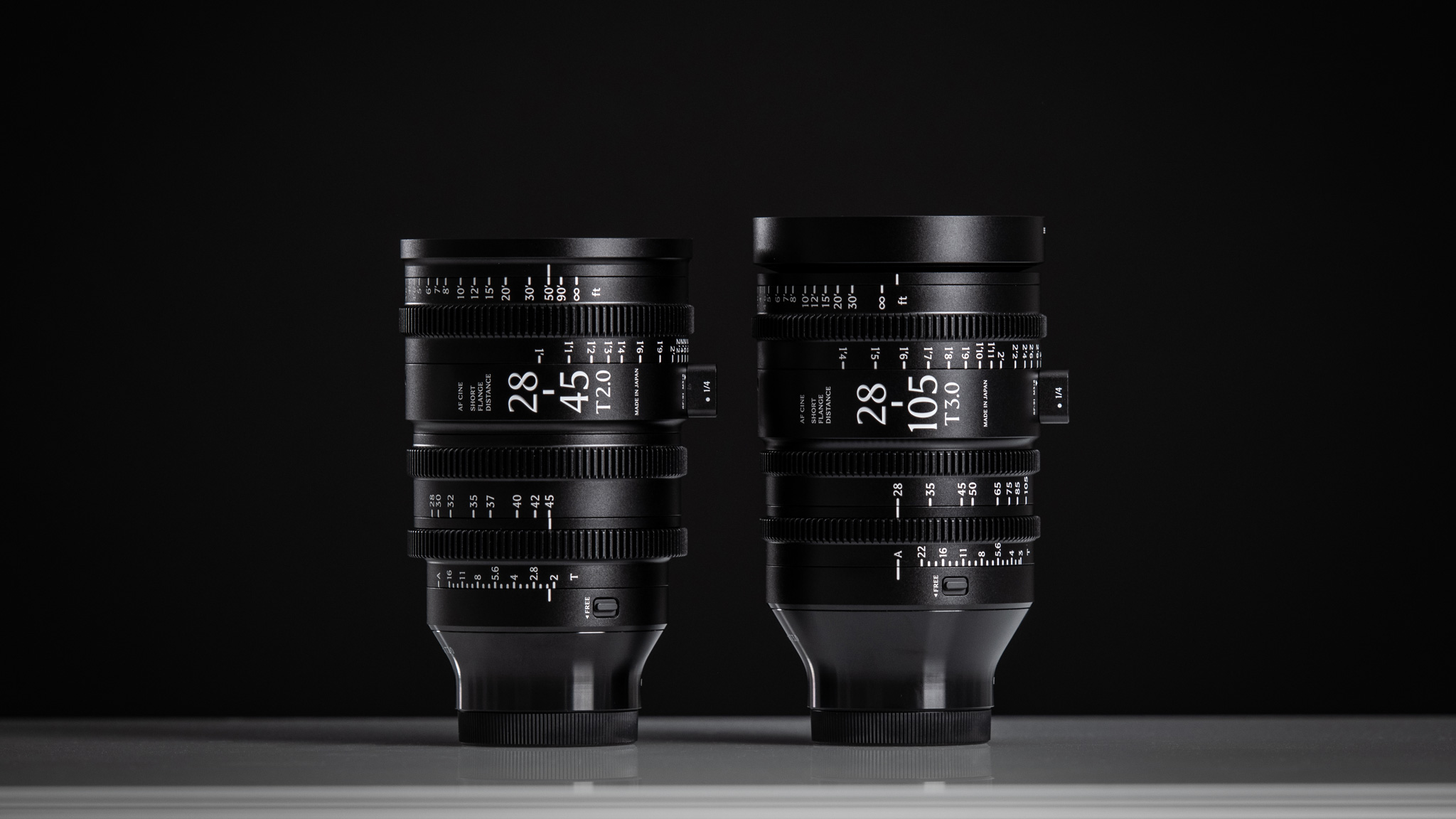
As both a documentary and scripted ICG Local 600 director of photography, high-quality autofocus in a cinema lens housing is a concept that I immediately embraced.
My go-to lenses should be versatile enough to accompany challenging jobs as I shoot in every environment, from Chernobyl to Alaska to the jungles of the Philippines, but that’s easier said than done from an engineering perspective. Thankfully, Sigma’s engineers in Aizu, Japan have done just that, creating something truly special with the AF Cine line, and I have been lucky enough to experience these new zooms over the course of several months in the field.
First take on the AF Cine Line
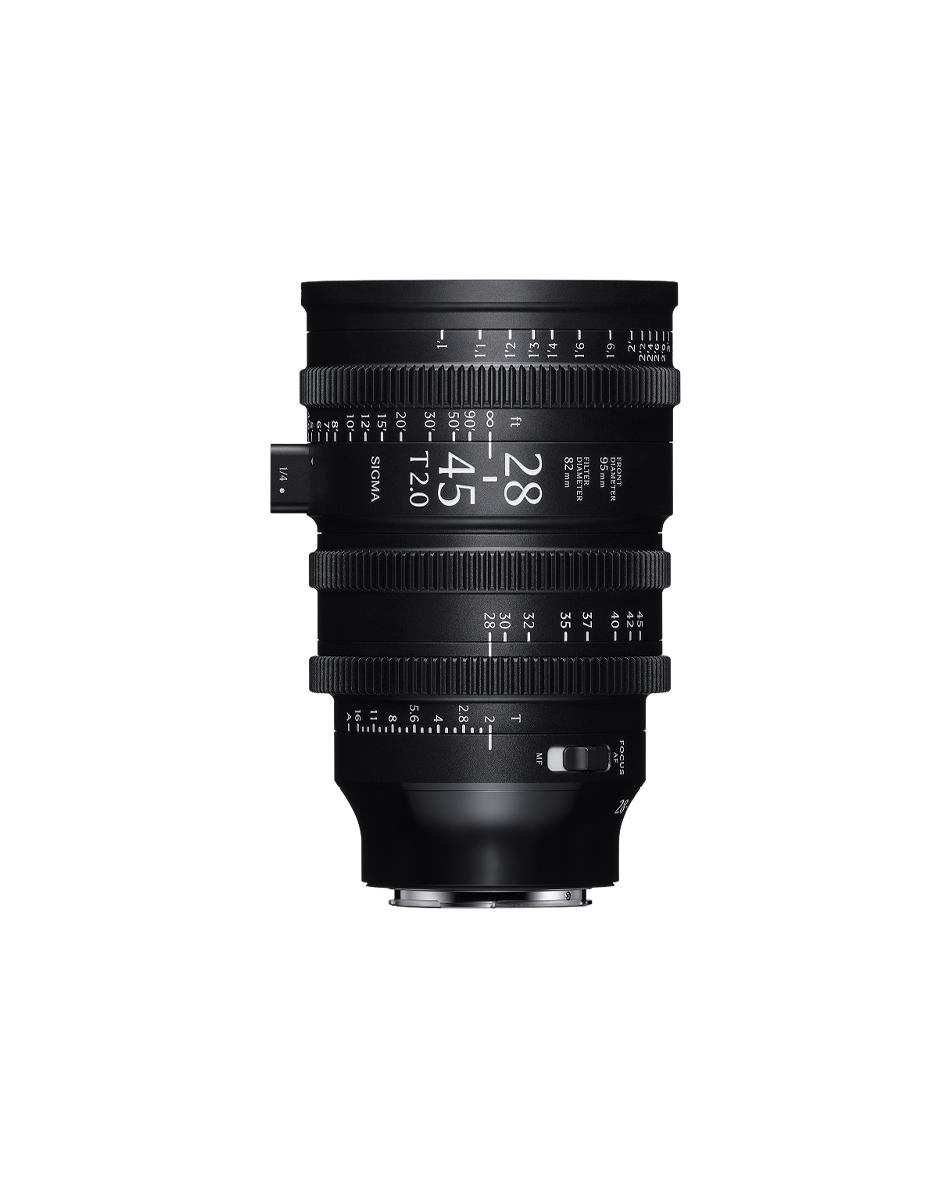
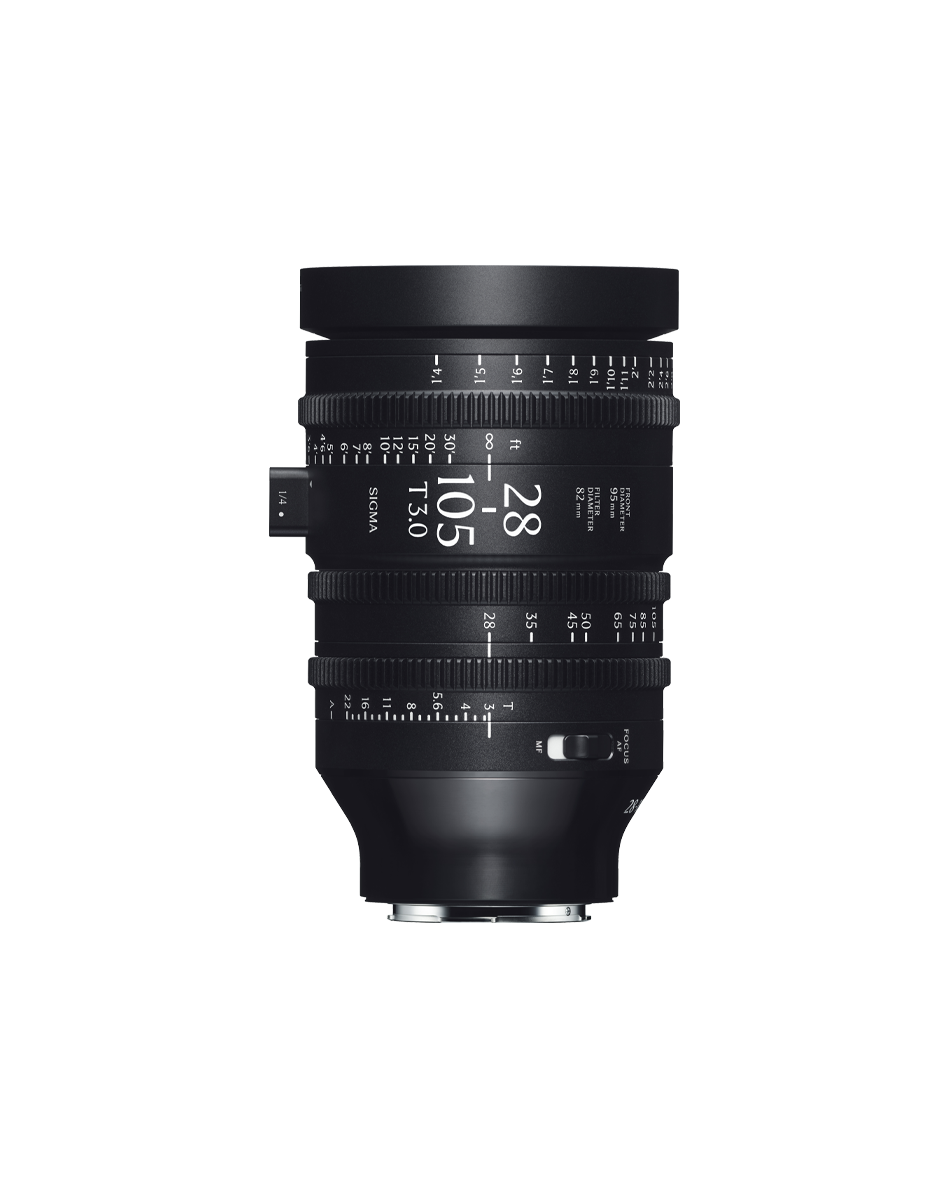
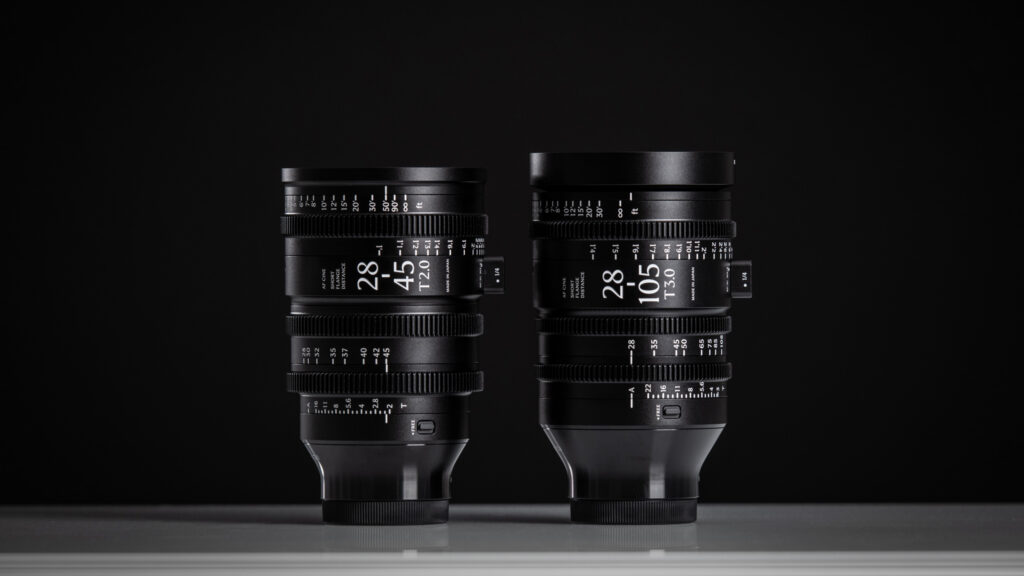
Both the AF Cine 28-105mm T3 FF and 28-45mm T2 FF are candidates to be the zooms I keep in my kit 24/7, 365. For me, these autofocus cine zooms follow me into uncertain documentary filming situations where I’m not sure exactly what I’m walking into, but capturing the full incident or event is critical. It might sound surprising, but this scenario happens to me a lot.
The worlds of marketing, film and television, event coverage, news gathering and more expand and contract with the broader market, and when the crew is large, the AF Cine line can excel in that environment paired with wireless follow focus and a 1st AC. When the crew is smaller, I have confidence knowing that the little autofocus switch on the side of the lens has my back when I need it.
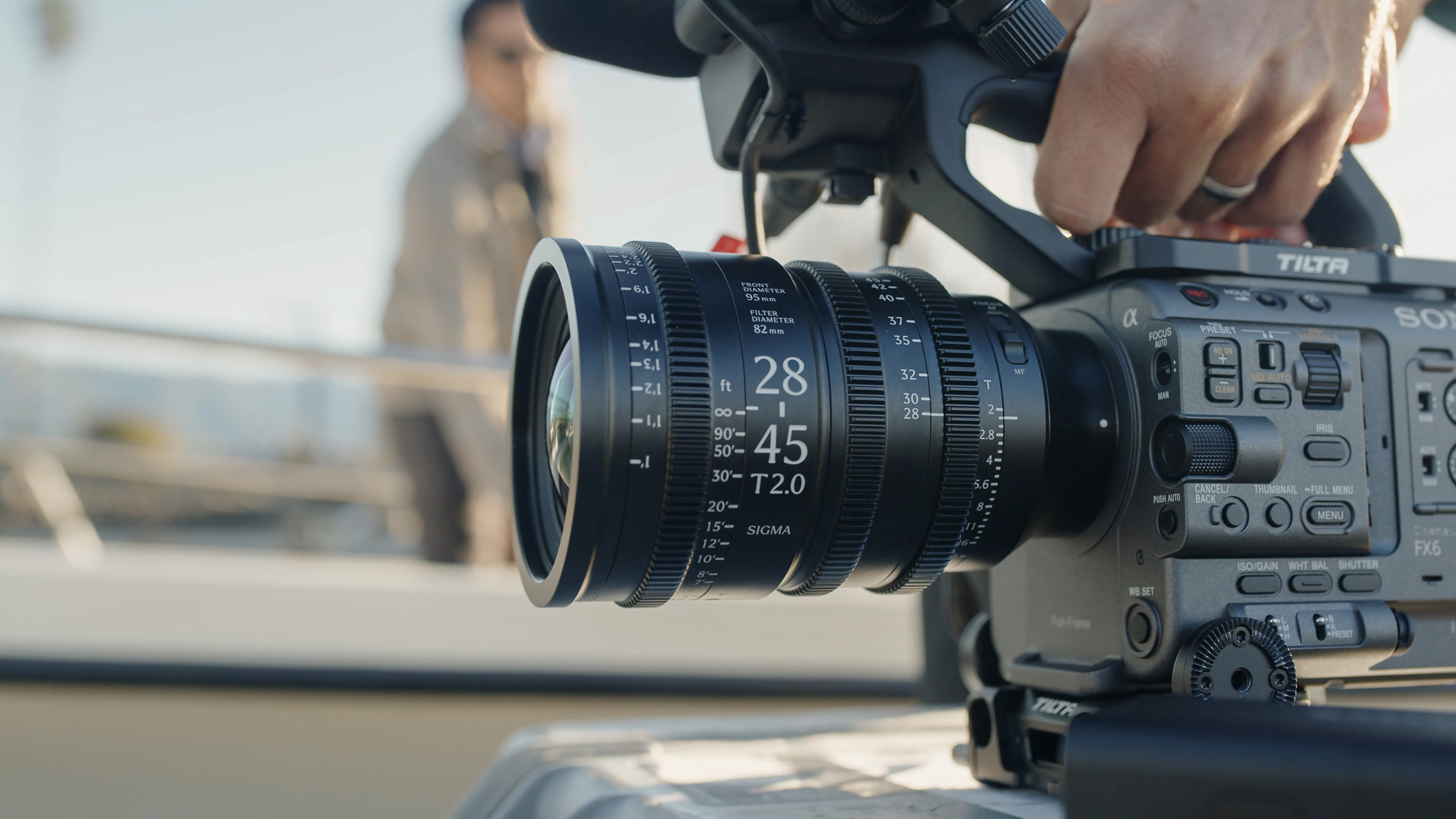
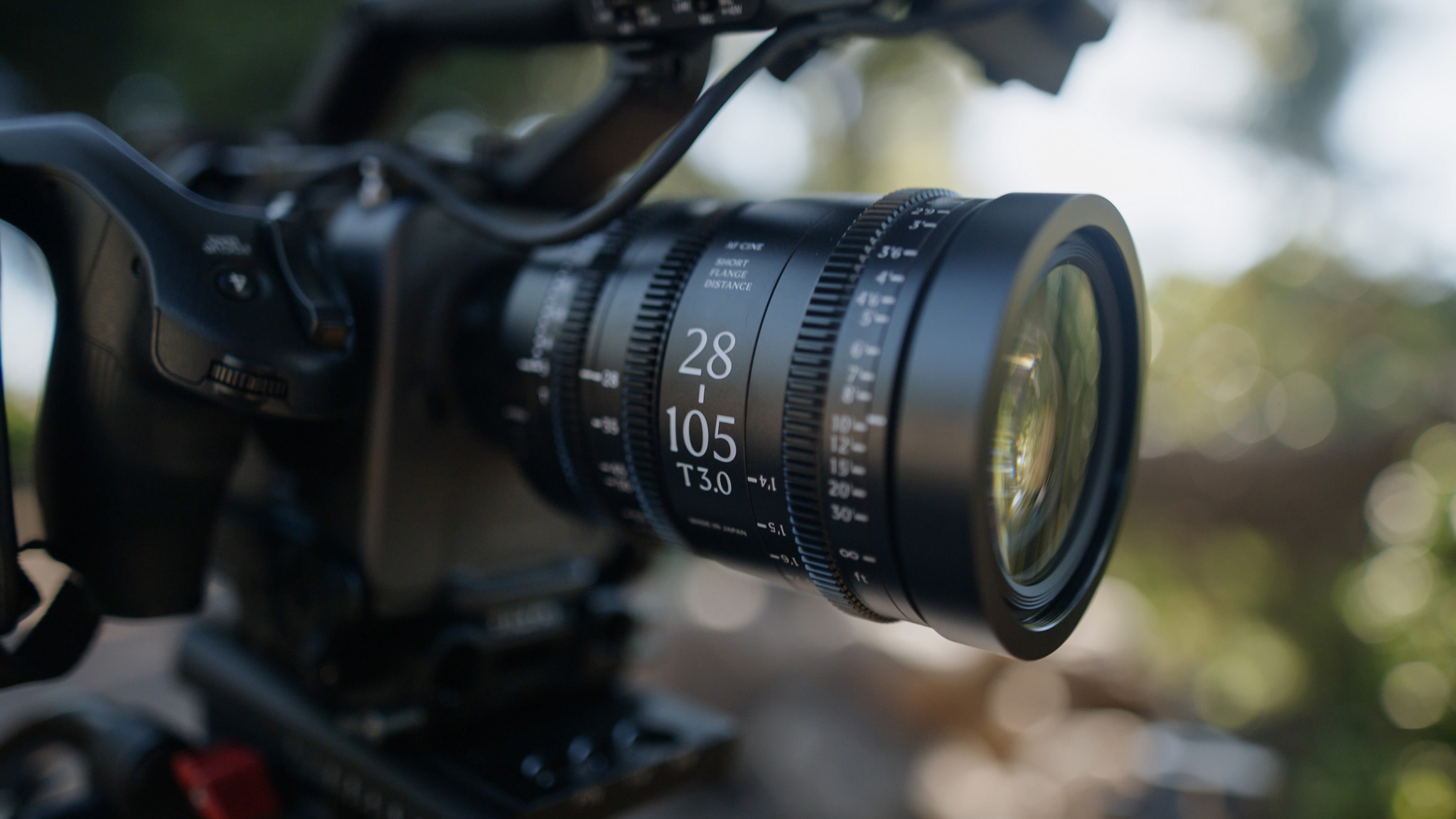
These lenses can shine individually, or as a pairing. 28-105mm is an optimal focal range for a variety of subjects I film, and the close focus performance of 16 inches (0.4m) gives me added versatility in extreme closeups. Need a more compact rig for gimbal work? For that, the 28-45mm is the ideal choice. Pair both AF zooms together, and you have a fantastic combo for shooting interviews – perhaps with a closeup at 105mm at T3, and a classic medium shot at 45mm T2.
The 28-45mm T2 is no slouch when it comes to close focus either, and even edges out the 28-105mm T3 slightly with a minimum focus of 12 inches (0.3m).
Features & specs
Build quality
Out of the box, the AF Cine zooms have Sigma’s latest generation mechanical build quality that I have come to expect from the company that brought me the extraordinary High Speed Prime lenses that have been glued to my camera bodies for nearly a decade at this point. High-volume rental houses and owner/operators in the field will appreciate the rugged cinema housing for its ability to take a bump and keep on going.
The look
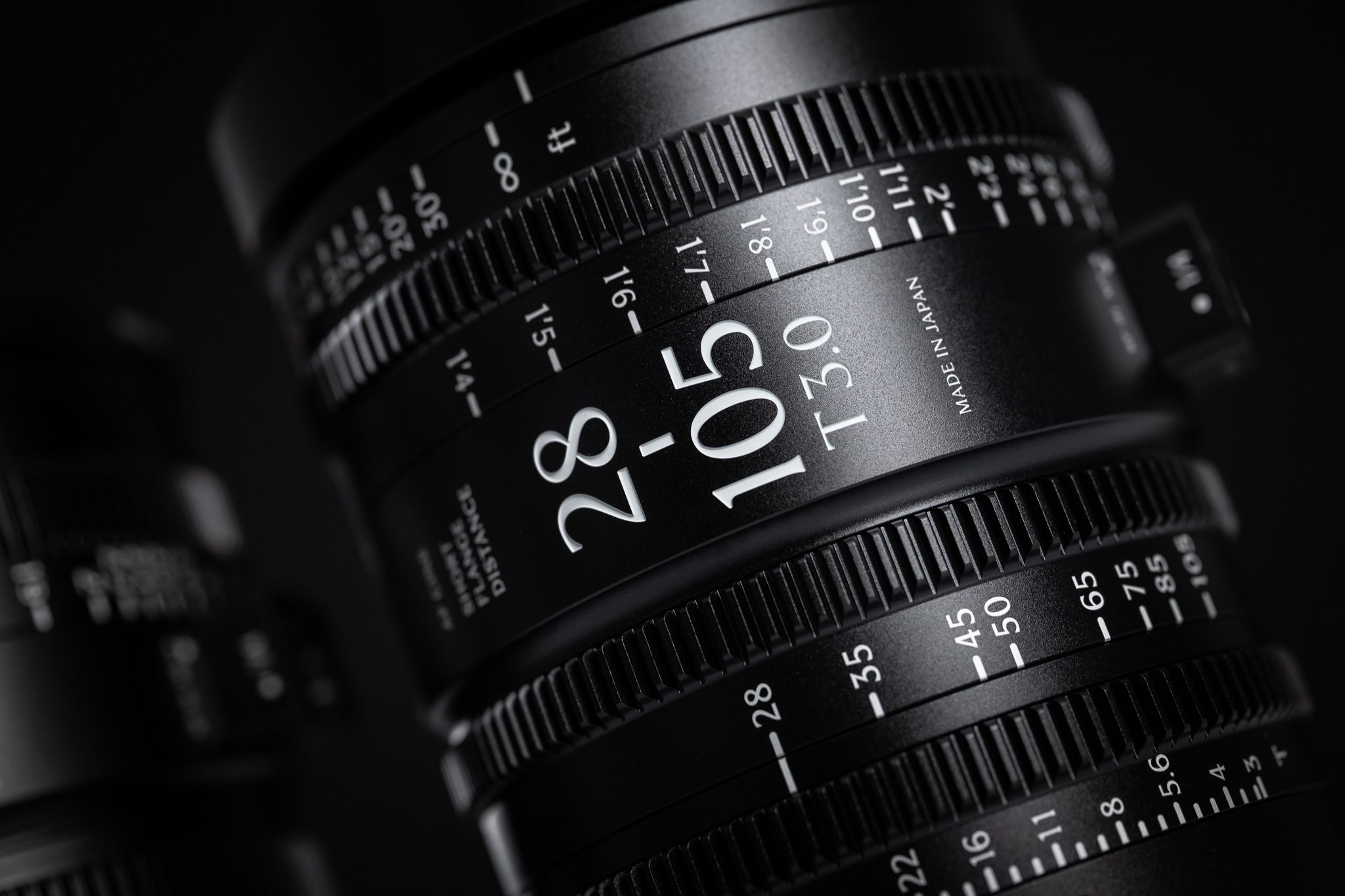
However, the first thing most cinematographers want to know about a new lens isn’t how it’s built, but how it looks. The look out of Sigma’s lenses as a whole tend to be on the sharper side from edge to edge with neutral color, and that’s the case here with these AF Cine zooms as well. It’s a beautiful, clean look that will serve many projects I work on, but my favorite filters also pair well with these zooms.
Adding filtration to a matte box fitted for the uniform 95mm front diameters of both lenses is easy, or you can build an even smaller camera rig by using standard 82mm threaded filters.

Manual focus
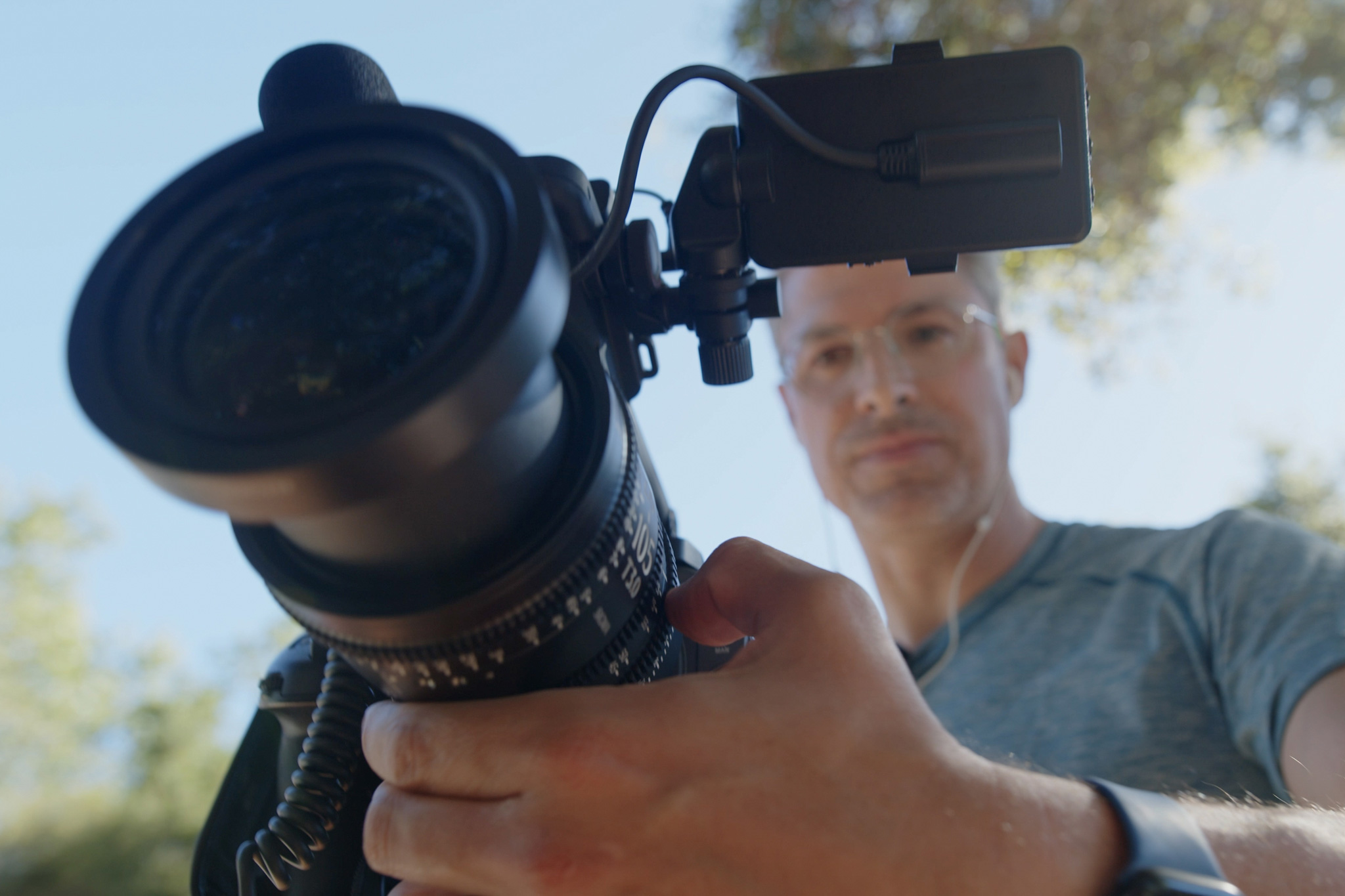
The 200-degree focus ring rotation also makes following a subject while manually focusing much, much easier, and more repeatable from take to take, versus manually focusing a lens built primarily for photography. Add in uniform 0.8 pitch gears for your favorite follow focus (wireless or otherwise) and both of these zooms are professional camera department approved.
Autofocus performance
As a former manual focus-only purist myself, I find both the AF Cine zooms to have accurate and quiet autofocus performance when paired with a Sony E-mount or L-Mount camera. And when I disagree with the camera’s autofocus choice mid-shot, I can simply rotate the focus ring and snag control back from autofocus in a pinch.
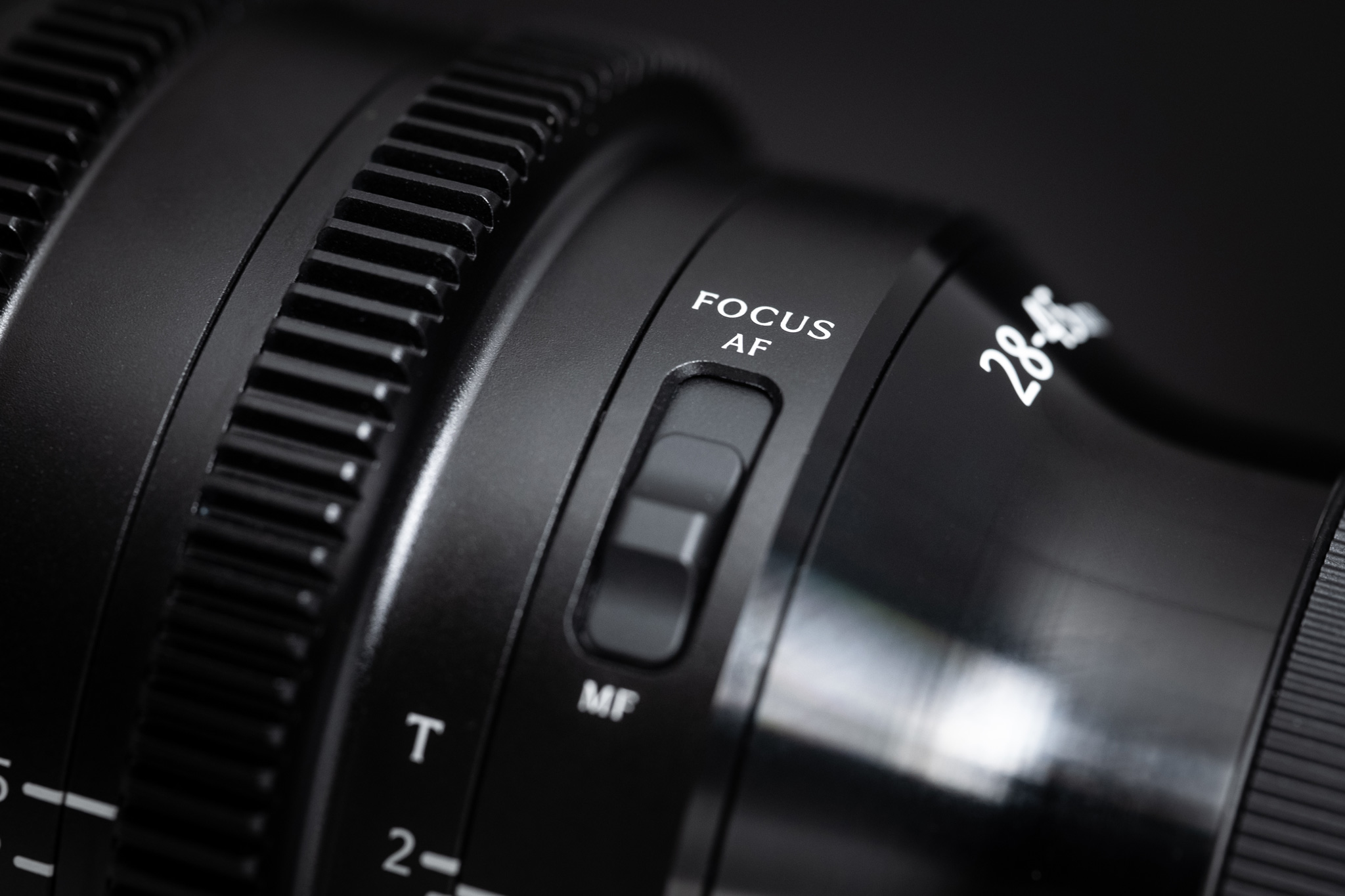
The iris ring also has stepless manual control, and you can set the ring to “A” to allow the aperture to be controlled directly by the camera body.
Part of my testing meant setting a Sony FX6 to its fastest in-camera AF speed setting of 7, and both AF cine zooms never missed a beat. Most importantly, they didn’t have that nasty computerized searching-for-subject behavior we’ve all had to endure in the past. Your results will vary between camera bodies because autofocus is a collaboration between the camera and the lens, but the AF performance on both of these zooms sets you up for autofocus success.
Usability in the field
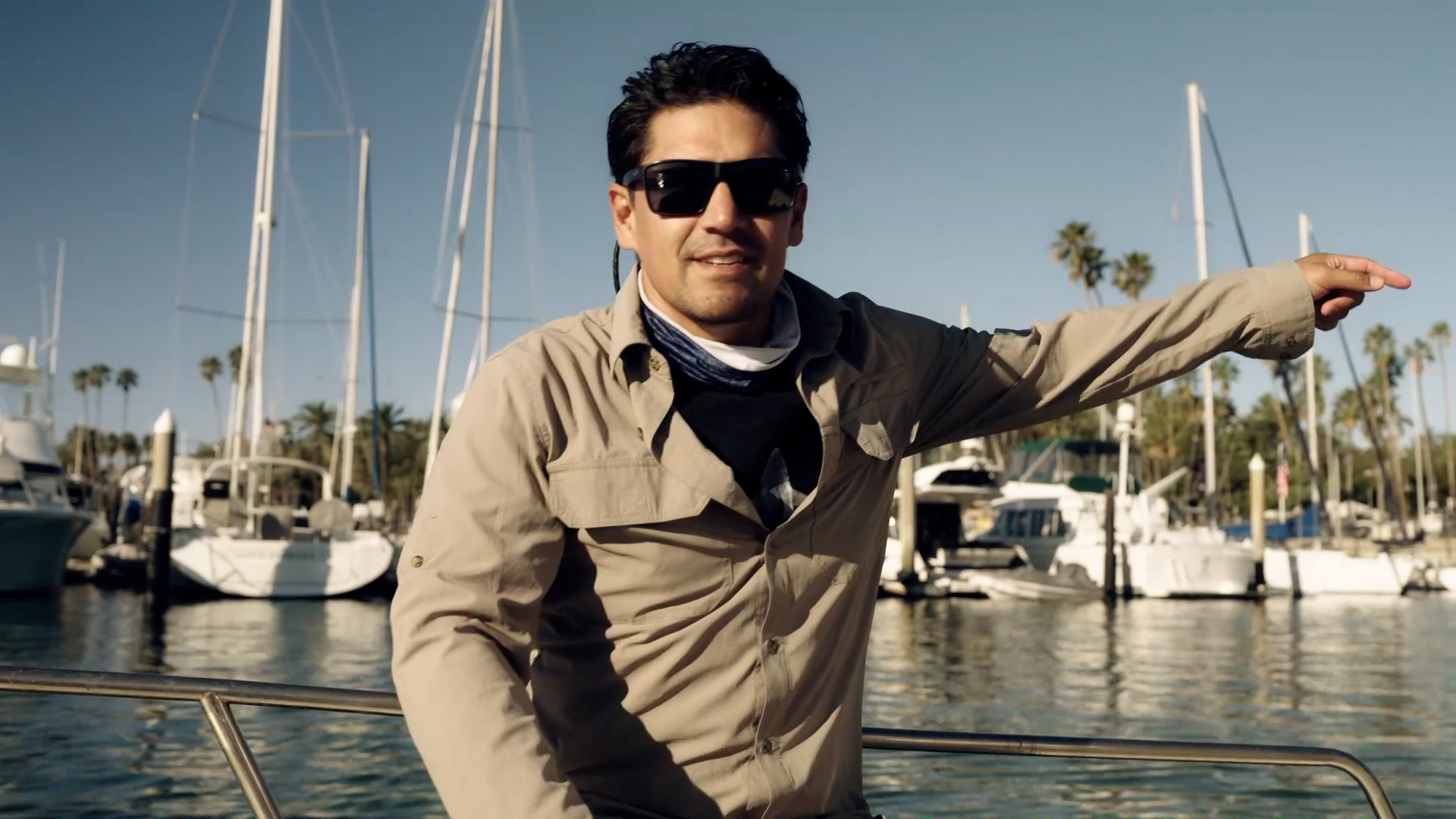
When the AF Cine lenses were first announced, I spent time with them looking for great white sharks off the coast of California, and the autofocus capability and light weight meant being able to follow the action while keeping one point of contact on the boat for safety. Not every shoot is this action-packed from a filming perspective, but that’s the point: both these zooms can adapt to your workflow and not get in your way.
Lens recommendations for users
The 28-105mm T3 FF is certainly a candidate for the fabled “one lens to rule them all” label. I find T3 to be a perfect T-stop for most of my documentary work, and 28-105mm is an amazing range to be able to capture wide master shots and close-ups in a single zoom. At 2.8 pounds (1.3kg) it is also deceptively lightweight for handheld work despite its robust build.
For me, each project is different, but this lens works for so many potential applications. Sometimes I’m trying to give my subject a bit of space – easily done at 105mm. Sometimes I’m trying to have the audience feel engaged in the action with quick, close pans – 28mm will certainly amp that feeling up.
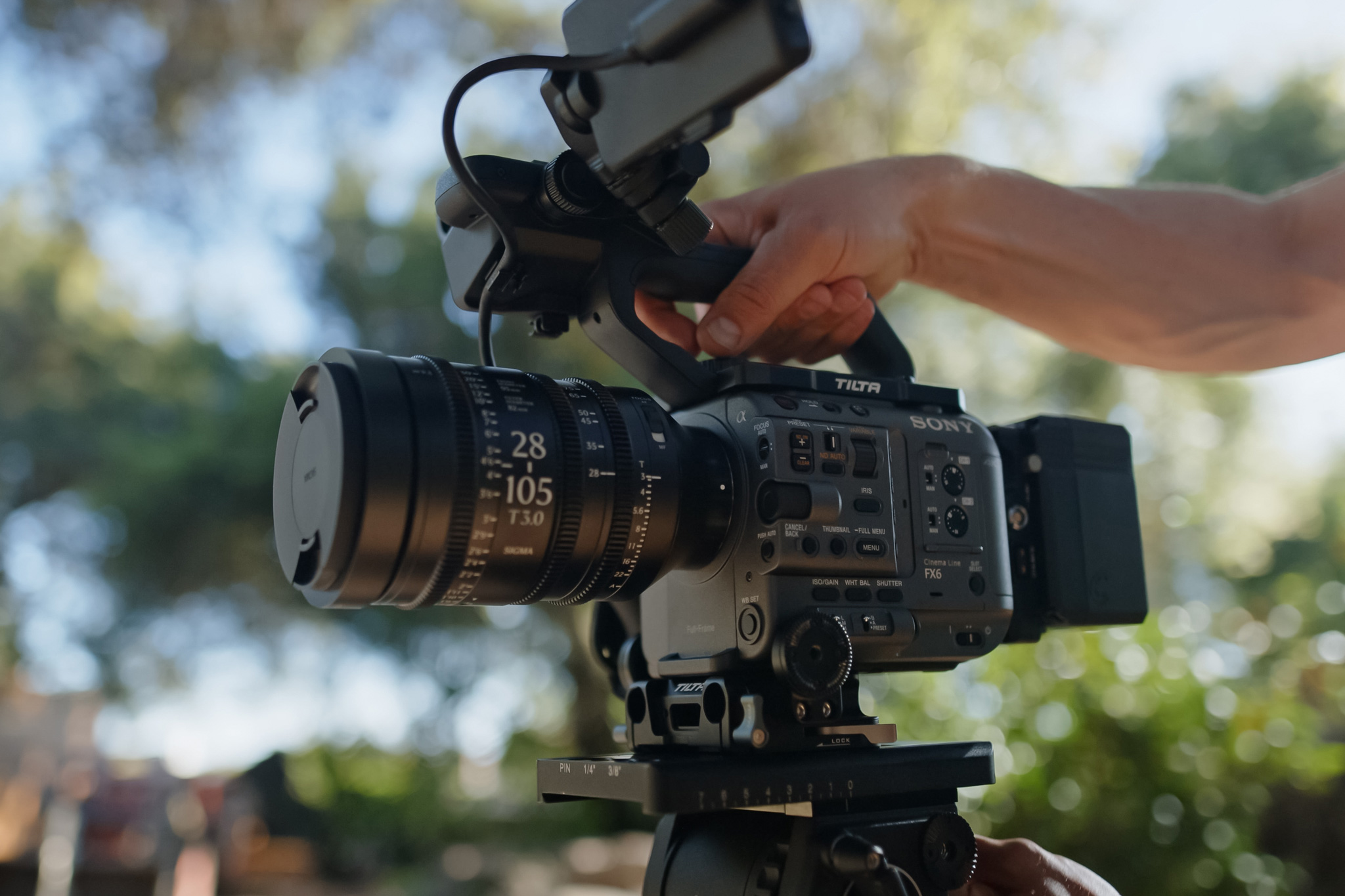
Meanwhile, the 6-inch long, 2.6-pound 28-45mm T2 FF with its internal zooming mechanism will certainly appeal to gimbal operators. And that T2 maximum brightness will serve cinematographers well in low-light situations where adding in-camera digital grain isn’t ideal. Not to mention – the bokeh this 11-blade iris lens produces behind my subjects while shooting all the way open at T2 is especially lovely.

In short, if I’m grabbing one lens in a hurry and running out the door, I’m taking the 28-105mm T3 FF, but the 28-45mm T2 FF is an equally excellent choice for low-light needs and for optimal balance on a gimbal.
A powerful pairing of cine zooms
In the end, cinematographers may reach for the 28-105mm first, but these zooms exist best as a pair in my opinion – each excelling in their different use cases and each serving as an extension of the user’s creativity.
If you are currently in a place where exploring cinema-quality glass makes sense for you, the Sigma AF Cine zooms are a fantastic and comparatively affordable first step. If you already are a cinema glass user, you’ll appreciate the build quality and versatility of the zoom range. Either way, they are a useful addition to any kit, and ultimately, two rock solid lenses that you can absolutely rely on.
Learn more and get yours