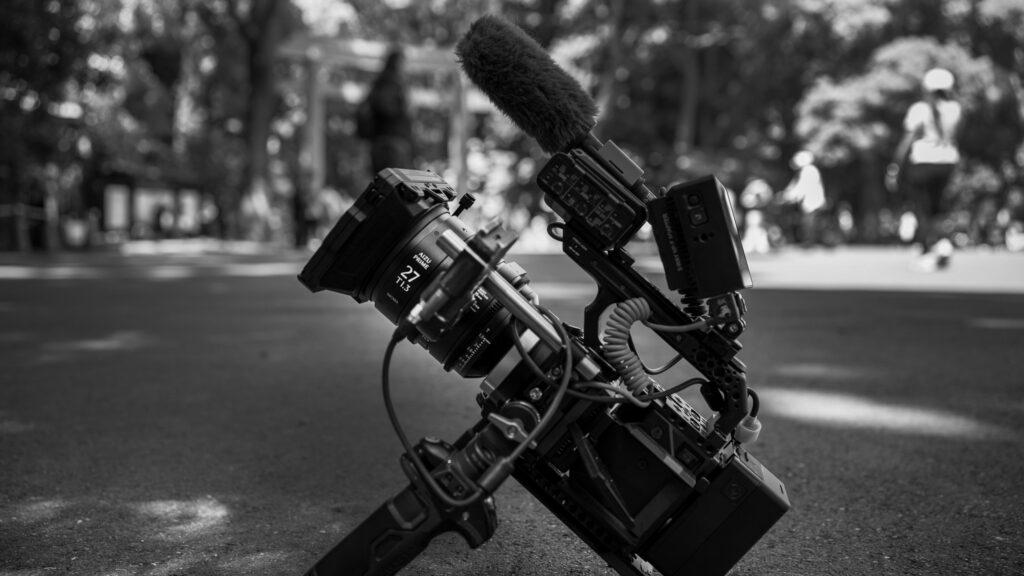
The world of reality television is not particularly known for memorable visuals, but rather, memorable personalities, outlandish situations, and never-ending drama. But guilty pleasures can only go so far. For cinematographer Sherri Kauk, the images on screen should deliver just as much impact as the cast of characters.
Sigma and Kauk discussed how her work has been shaped by her choice of lenses, and how these behind-the-scenes decisions benefit the final product. We also checked in with fellow DP from The Secret Lives of Mormon Wives, Nate Carrington, to get his perspective on their collaborative efforts.
Discussion with Sherri Kauk
Sigma (Sam Delaware, interviewer)
Can you introduce yourself and tell us about your background and the projects you’ve used Sigma Cine lenses on?
Sherri Kauk:
I’m Sherri Kauk, a cinematographer working worldwide. What’s unique about my career path is that I came into the industry with a narrative filmmaking background just as a major writers’ strike pushed a lot of production toward reality television. For the last 20 years, I’ve been bringing a cinematic, narrative aesthetic into the non-scripted and documentary space.
About a decade ago, I began working closely with showrunners Andrea Metz and Michelle Peerali, who also came from narrative backgrounds. Together, we’ve spent years developing a more cinematic approach to docu-series storytelling.
I’ve worked on projects including The Chi, Angel City, The L Word, The Secret Lives of Mormon Wives, and most recently Million Dollar Nannies.
Sigma:
How did you first discover Sigma cinema lenses?
Kauk:
I first became aware of Sigma Cine lenses while working as a camera operator for Director of Photography Jason Hafer. At the time, many productions wanted a cinematic look but didn’t necessarily have the budget for higher-end lens packages.
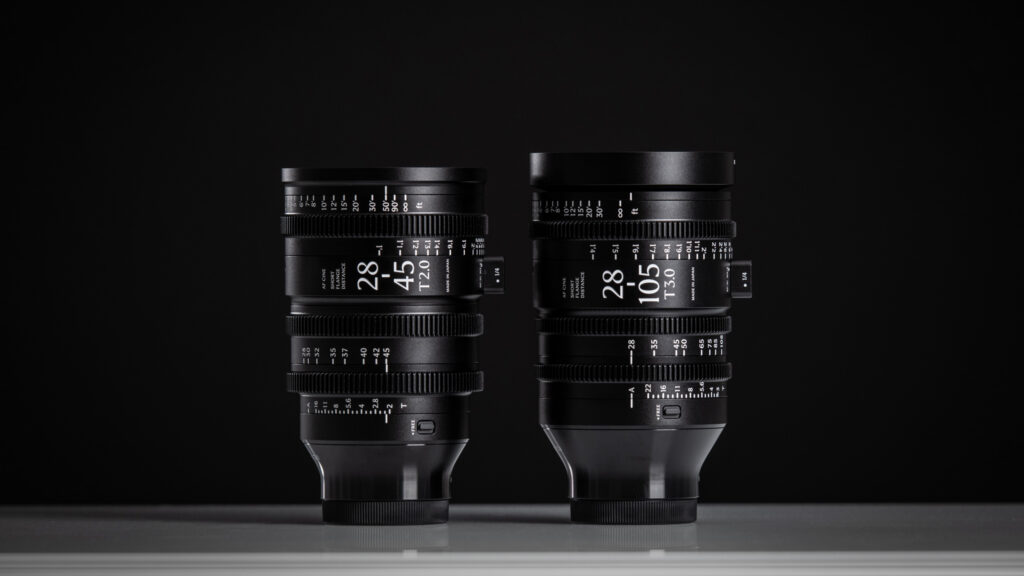
What really stood out about Sigma was the combination of image quality, affordability, and speed. The 18-35mm and 50-100mm zooms became incredibly useful because they provided a cinematic look while still supporting the realities of documentary-style shooting.
We used those lenses on projects like The Contender reboot and Making the Cut. They became the foundation for a lot of our visual approach because they allowed us to maintain documentary flexibility while achieving a much more cinematic image.
Sigma:
When The Secret Lives of Mormon Wives came along, what made the Sigma Full Frame High-Speed Primes the right choice?
Kauk:
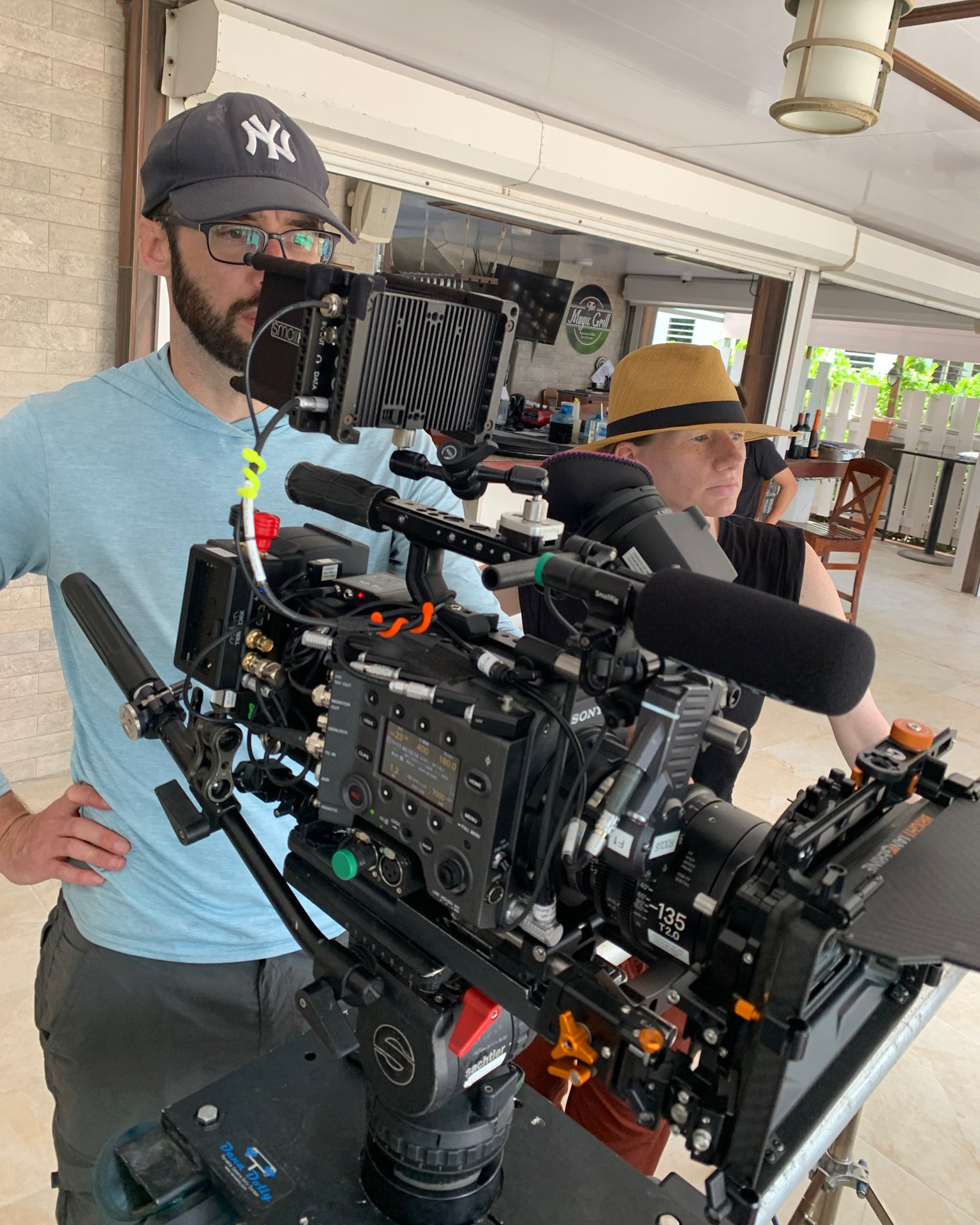
We were shooting on Sony FX9s and wanted a prime-forward approach. We needed full-frame coverage and wanted something that could deliver a cinematic look while remaining practical for reality production.
By that point, we already had extensive experience with Sigma’s zooms, so moving into the High-Speed Primes felt like a natural progression. They offered the full-frame coverage we needed, excellent speed, and a look that fit the show perfectly.
Sigma:
Did you test other prime lenses before settling on Sigma?
Kauk:
We had experience with lenses like Zeiss Super Speeds and some vintage options, but ultimately Sigma checked the boxes we needed.
The priority was finding something fast, reliable, repeatable, and cinematic while still being practical for television production. Sigma’s zooms had already proven themselves, and when we moved to a full-frame prime workflow, Sigma was the logical choice.
Image circle coverage was also a major consideration. We didn’t want to sacrifice the full-frame look by using lenses that required cropping.
Sigma:
Once Season 1 of Secret Lives was complete, was it an easy decision to continue using the lenses for future seasons?
Kauk:
Absolutely. Season 1 was really about discovering the workflow and helping everyone adapt to shooting reality television on primes. Many crew members and even some directors hadn’t worked with primes in that kind of environment before. But once people experienced how lightweight the lenses were and saw the results, the workflow became much more natural. By the time Season 2 arrived, the show was a success and we’d already established a visual language. There was no reason to reinvent it.
One thing I noticed during Season 2 was that we ended up using the Sigma look as our color reference. We had multiple brands of lenses on set, but the Sigma lenses were consistently clean and neutral, so color correction often matched other lenses back toward the Sigma look.
Sigma:
Where do the Sigma primes excel most in your reality workflow?
Kauk:
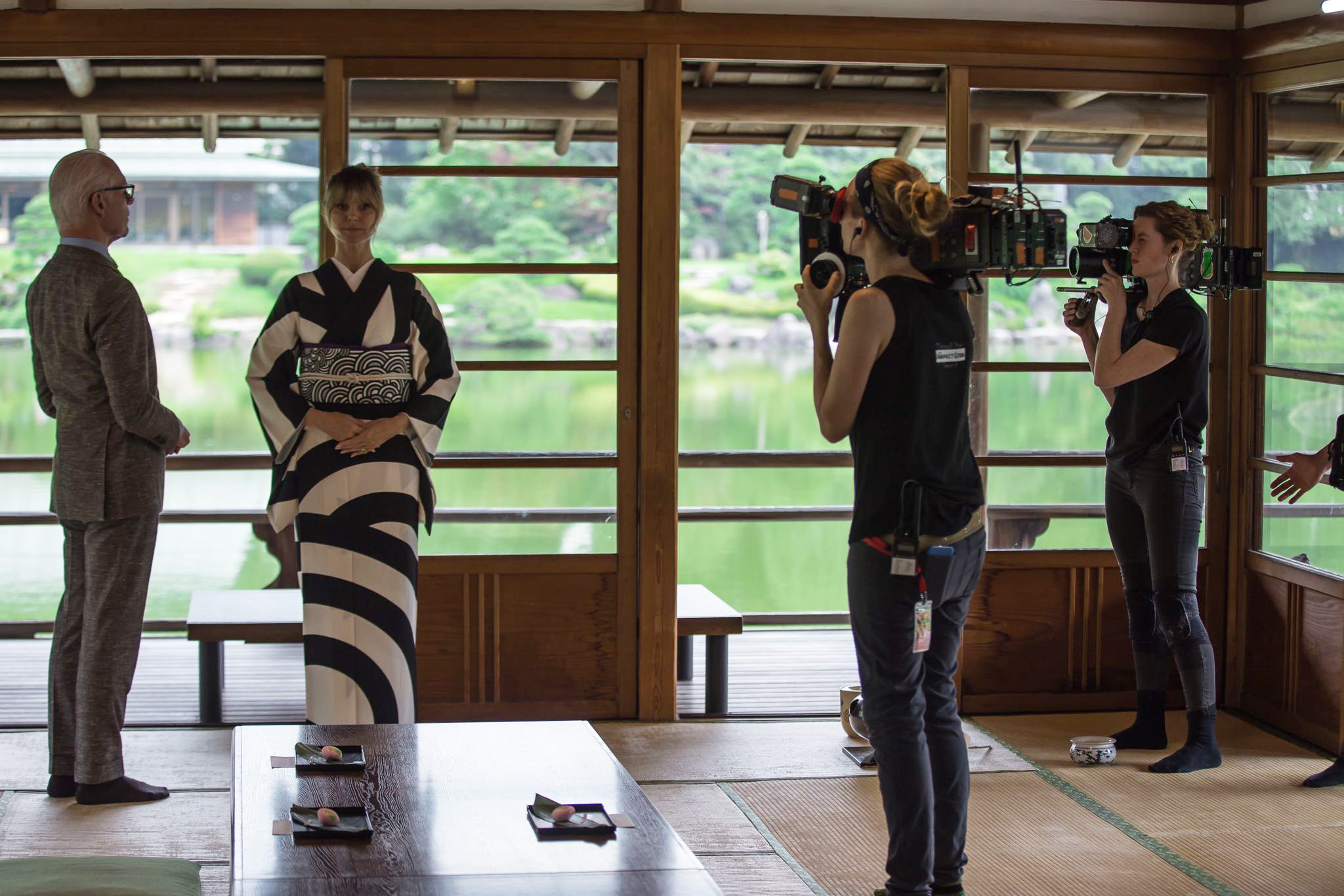
About 80% of what we shoot is scene work: two or three people sitting and talking.
We’ll often use photo zoom lenses for arrivals, walk-ups, and certain gimbal shots, but once we’re inside the scene, the Sigma Cine primes take over.
The primes allow us to create a much more cinematic visual language for conversations and coverage. We use them for scene work, B-roll, interviews, and almost anything where we can control framing.
For B-roll, we approach shots much more like narrative filmmaking. Rather than simply zooming in and grabbing coverage, we’ll use apps like Artemis to plan focal lengths and build shots intentionally.
Sigma:
Were there specific focal lengths you found yourself relying on most?
Kauk:
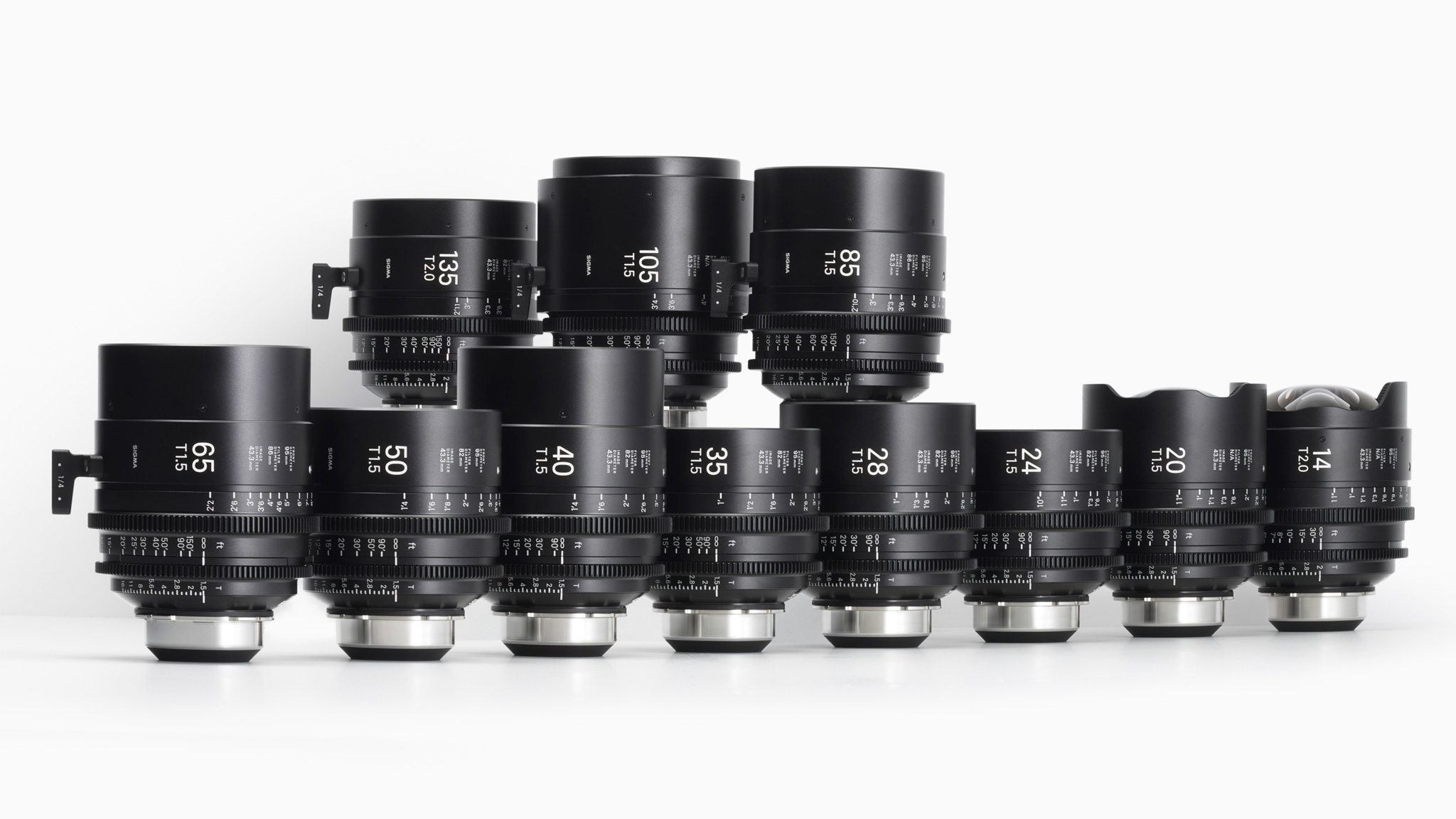
For wider coverage, we often use the 35mm T1.5 FF.
Most of our primary coverage happens with combinations of 40mm, 50mm, and 85mm lenses. Historically, we’d even swap lenses during scenes to adjust coverage and maintain visual variety.
Today we tend to keep setups more consistent because modern rigs involve motors and accessories that make rapid lens changes more complicated, but those focal lengths remain our core toolkit.
Sigma:
Did your approach change at all when shooting Million Dollar Nannies?
Kauk:
The overall philosophy remained the same, but the show itself presented different challenges.
On Million Dollar Nannies, I was the DP and we had multiple teams working simultaneously, so we carried three full sets of Sigma High Speed FF Primes.
The show often featured larger groups of people. Instead of constantly punching in for close-ups, we could sometimes use wider compositions and guide attention through focus rather than coverage.
That gave the show a slightly different visual feel compared to Mormon Wives, which is much more close-up driven.
Sigma:
How do you see the visual language of reality television evolving?
Kauk:
I think we’re entering another transition period. We’ve spent years bringing cinematic tools and techniques into reality television, and now many productions are doing the same. The challenge becomes finding the next evolution.
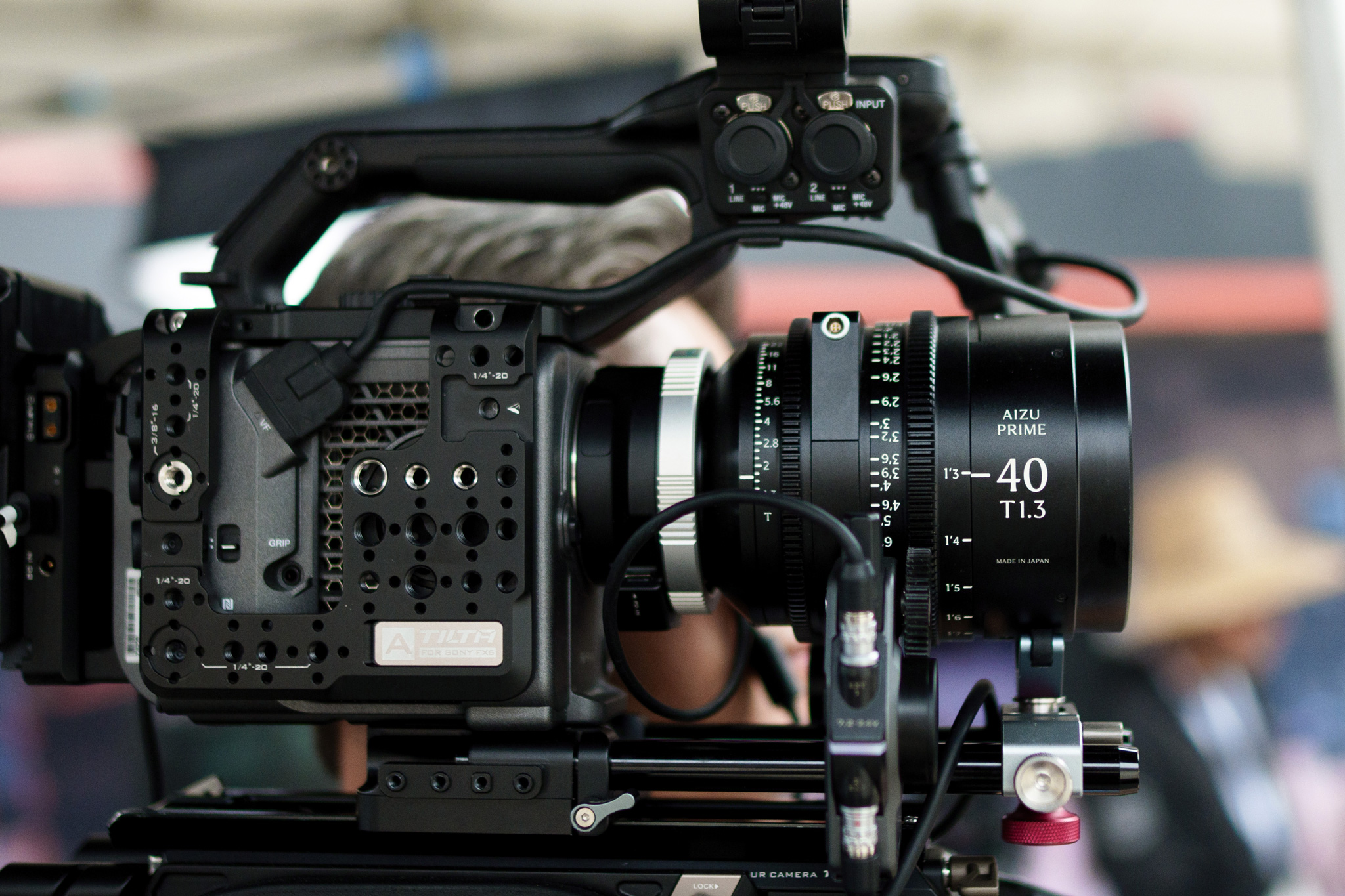
One thing we always wrestled with on the original High Speed FF Primes was that they’re very sharp. For certain projects, we wanted a little more softness and gentleness in skin tones, but reality production doesn’t always provide enough time for extensive testing or filtration.
That’s one reason the Sigma Aizu Primes are exciting. They offer a different character while maintaining the speed and reliability we’ve come to expect from Sigma. They feel slightly softer, a bit warmer, and give us a new visual direction without forcing us to start from scratch.
Sigma:
How much lighting are you using on these shows? Do you typically shoot the Sigma primes wide open?
Kauk:
More than most people realize. Every team carries a full lighting package and we light every scene. However, we always motivate that lighting from natural sources. We ask where the windows are, where practical light would naturally come from, and build around that.
Compared to most reality shows, our productions are heavily lit. Compared to scripted television, we’re still working with relatively small packages. But lighting is absolutely part of our visual approach.
We also generally shoot wide open as often as possible and control exposure through variable NDs or internal NDs. The only exceptions tend to be longer focal lengths like the 85mm or 105mm, where depth of field can become extremely shallow.
That shallow depth of field has become part of the visual language of our shows. Sometimes subjects drift in and out of focus slightly, and that’s become part of the aesthetic.
Sigma:
Do you view Sigma as an ecosystem now that you’ve worked with their zooms, High Speed Primes, and Aizu Primes?
Kauk:
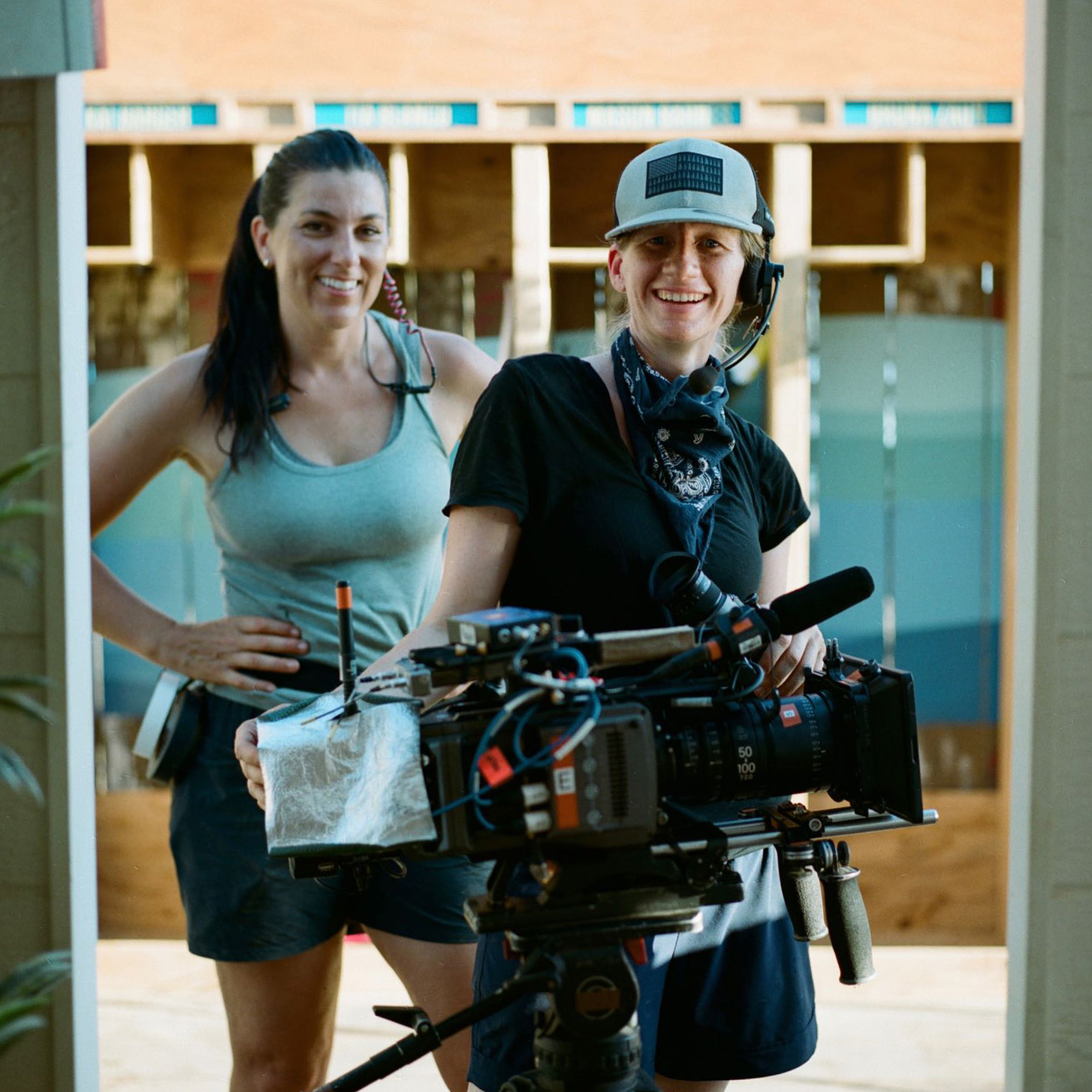
While we still use other long zooms and specialty lenses, Sigma absolutely occupies an important place in our workflow. Going forward, I would likely choose the Aizu Primes over the original High Speed FF Primes because I prefer their character.
For me, Sigma’s role continues to be intimate scene work, interviews, and B-roll – areas where cinematic primes can have the greatest impact.
Sigma:
Is there anything else you’d like to add?
Kauk:
One thing that’s important is how versatile these lenses have been.
We’ve used Sigma Cine lenses on competition shows, fashion shows, boxing series, travel productions, lifestyle reality shows, and docu-series. They’ve worked across a huge range of non-scripted genres.
They’re not a specialty lens that only works for one project. Their relatively neutral rendering allows them to adapt to different visual styles while still maintaining a cinematic quality.
That versatility is one of the biggest strengths of the Sigma ecosystem and one of the reasons they’ve remained part of our toolkit for so many years.
Discussion with Nate Carrington
Sigma:
As the DP (1st Unit) on The Secret Lives of Mormon Wives, how did you establish a framework for the series that could handle the unpredictability of reality while still feeling intentional and cohesive?
Nate Carrington:
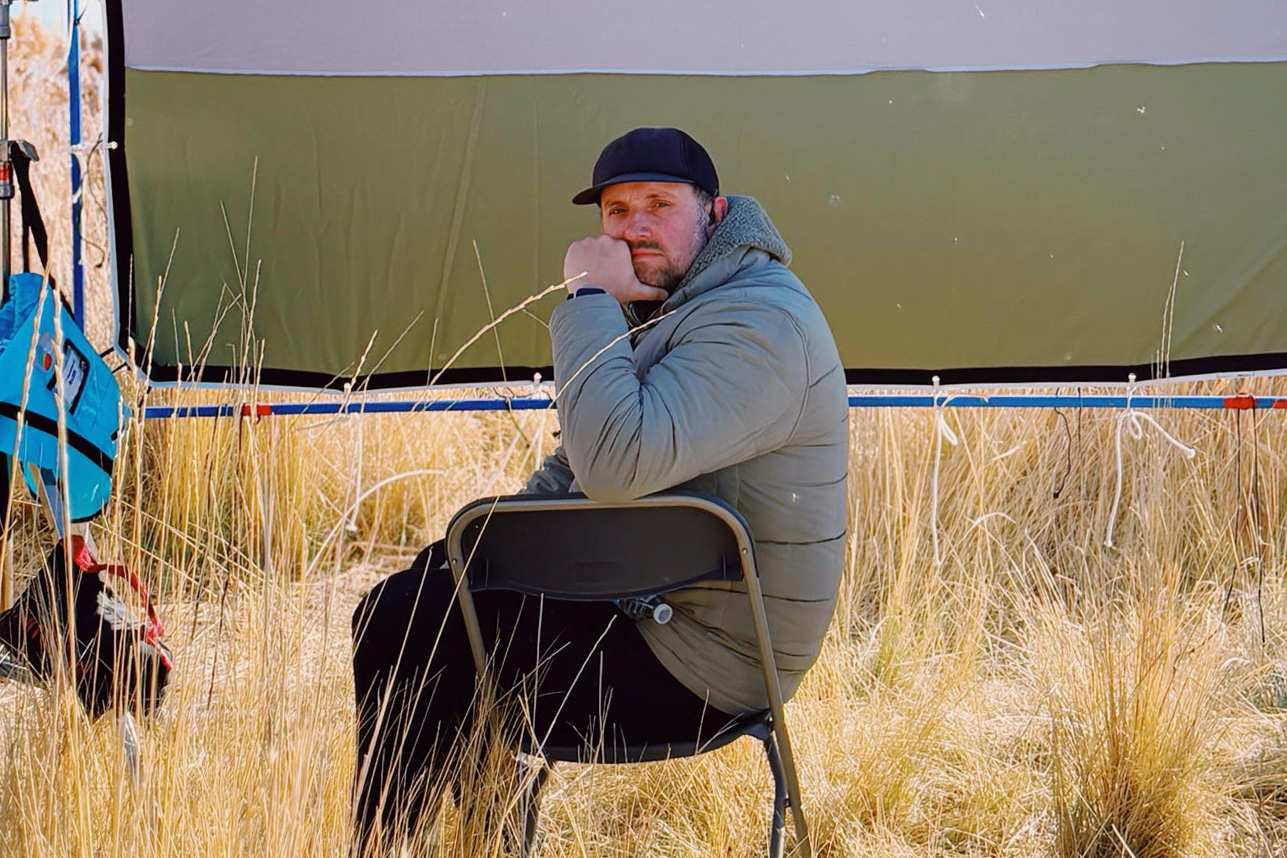
To establish the visual framework for Secret Lives, we have to have the trust of the full team to let us be creative while also covering scenes in an ever-changing environment. The producers of this show allow us to prioritize the look while also knowing we will be ready to capture any unexpected reality moments. We wanted this show to feel different and elevated, and we achieved that with a mix of prime and zoom lenses that allowed for a more cinematic approach to our coverage.
Sigma:
In unscripted television, most of the dramatic moments happen without warning. Have you developed instincts or techniques for recognizing when a scene is about to shift and positioning your team to capture it?
Carrington:
With all of our operators, I really make sure we prioritize listening to the audio of what is happening. It’s crucial to be able to see that something might be about to pop off, or to catch a glance from one person to another. Reality TV thrives on subtle moments with a look or a connecting shot to tell the story. We are constantly following the story and listening for any clues that could help us capture the perfect moment. Audio is crucial to what we shoot.
Sigma:
When multiple conversations and storylines are unfolding at the same time, what’s your approach to coverage?
Carrington:
Trying to decide what to capture in a moment really depends on what stories we are currently following or what we think could develop into something more. A lot of it is intuition or a suggestion from our producers who are directing the coverage from the monitors.
Sigma:
Speaking with Sherri Kauk, the 2nd Unit Director of Photography, The Secret Lives of Mormon Wives relies heavily on coordination between operators, camera teams, and ultimately, the showrunner. What makes a great reality camera team? How do you keep everyone working toward the same goal?
Carrington:
Coordination between operators is crucial in reality TV. I’ve been working with my B Cam op Rick Cox for over ten years and countless shows. We have an unspoken communication style and can know what the other one is getting or moving to with a glance. Scenes are long and physically demanding, and the most important content could be at the end of a 3-hour scene, so you always have to be ready for what’s next and try to stay fresh. The line is always changing so the dance is crucial. We are trying to capture events in real time and coordinate our coverage with multiple teams, in the same room sometimes. You are threading the needle trying to avoid other cameras while also getting the necessary coverage. It’s like one big dance between the whole camera team.
Sigma:
What are the biggest challenges in maintaining a consistent visual identity across an entire season?
Carrington:
There are many challenges in maintaining visual consistency throughout a full season. Everyday is a new location (many of which we are seeing for the first time about an hour before we shoot). Our lighting team does an amazing job of keeping a consistent cinematic look while also giving us freedom to move freely within a scene without seeing lights or stands everywhere. I think it’s just a familiarity of a team that has been working together a long time and has established a certain style.
Sigma:
Reality television has historically favored zoom lenses for flexibility and coverage. What made you comfortable incorporating Sigma Cine FF High Speed Primes into your workflow? Where do you feel they offer the biggest advantage?
Carrington:
Reality TV has traditionally shot on zooms, and we still have to prioritize zoom lenses for certain scenes, but our team has given us the freedom to incorporate Sigma primes into our coverage for more intimate and private scenes. I think it helps the audience feel like they are really part of the scene and just another guest sitting in our cast’s living room. Changing the sensor on our FX9 has also been a nice technique we incorporate into a camera work to give our prime lenses a little more diversity.
Sigma:
How do you balance getting close enough to capture that emotion while remaining unobtrusive enough for people to forget the cameras are there?
Carrington:
I think being able to capture intimate, emotional scenes comes from years of shooting these kinds of shows. You get to know the cast and they get comfortable with you in their space and the hope is you kind of disappear into the background. You want to be friendly but maintain a distance with a cast so they aren’t looking to you when something happens. I just wanted to be there to capture the true reality of what is happening in a given moment.
Sigma:
Audiences seem to be expecting reality television to have the same visual sophistication as scripted series. From your perspective, where is unscripted cinematography headed next?
Carrington:
I think reality TV will continue to push the envelope as far as cinematic looks. There are truly talented people working in reality and I’m excited to see where we take it next. Reality ops are required to step into a location we’ve never scene and capture an uncontrolled scene in a cinematic way while also getting all the necessary coverage. It’s a challenge everyday, but one we live for. We want to continue to tell real stories and capture them in intimate ways, but always try to figure out what we can do to make it look better and better. The idea remains the same, but we want to be able to continue to expand our looks and visual style. I want it to feel cinematic and intimate really captivate the audience. The cast of these shows really pours their heart and souls into these projects and it’s our privilege to tell their stories in the best way possible.
Explore Sigma Cine