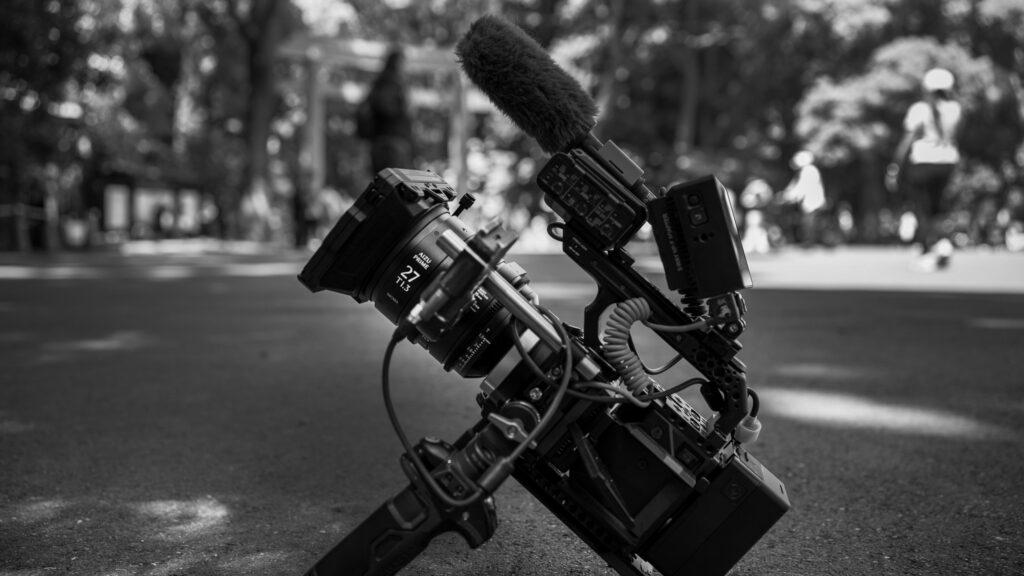
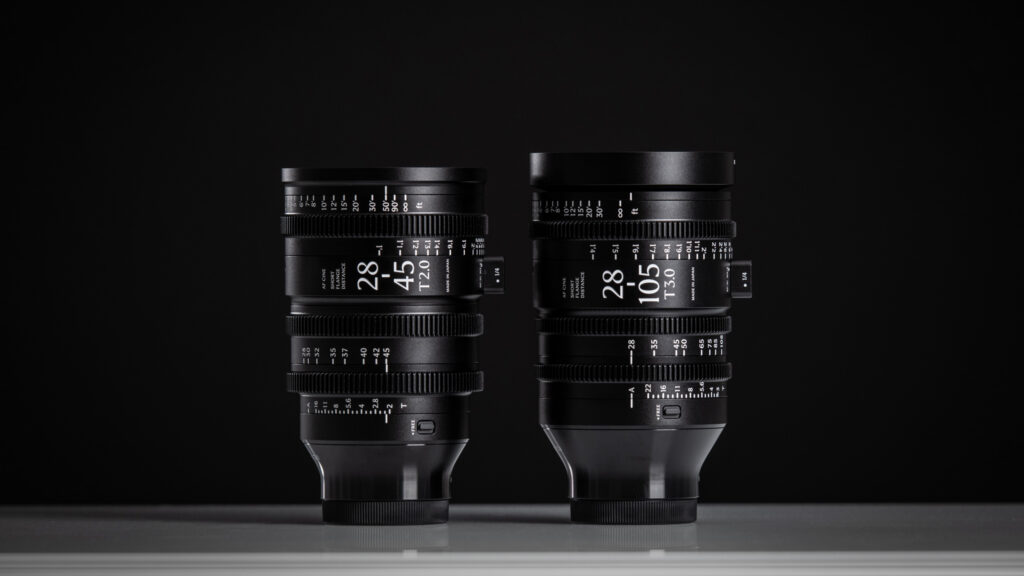
Across four separate film projects, director and producer Dmitriy (Dima) Usov kept returning to the same set of lenses, each story shaped by the Sigma large format Aizu Primes. Different environments, different narratives, different challenges and demands, but a consistent visual language grounded in balance and restraint.
“I’ve used them on four projects now,” Usov says. “And each time, they’ve brought something slightly different to the image, but always within a range that feels controlled.”
A balance between consistency and character became the foundation of our conversation. While each project explored a different tone, the throughline was clear: a preference for lenses that don’t overpower an image, but shape it.
Project 1: You and I
SIGMA: Can you talk about You and I and your lens choices?
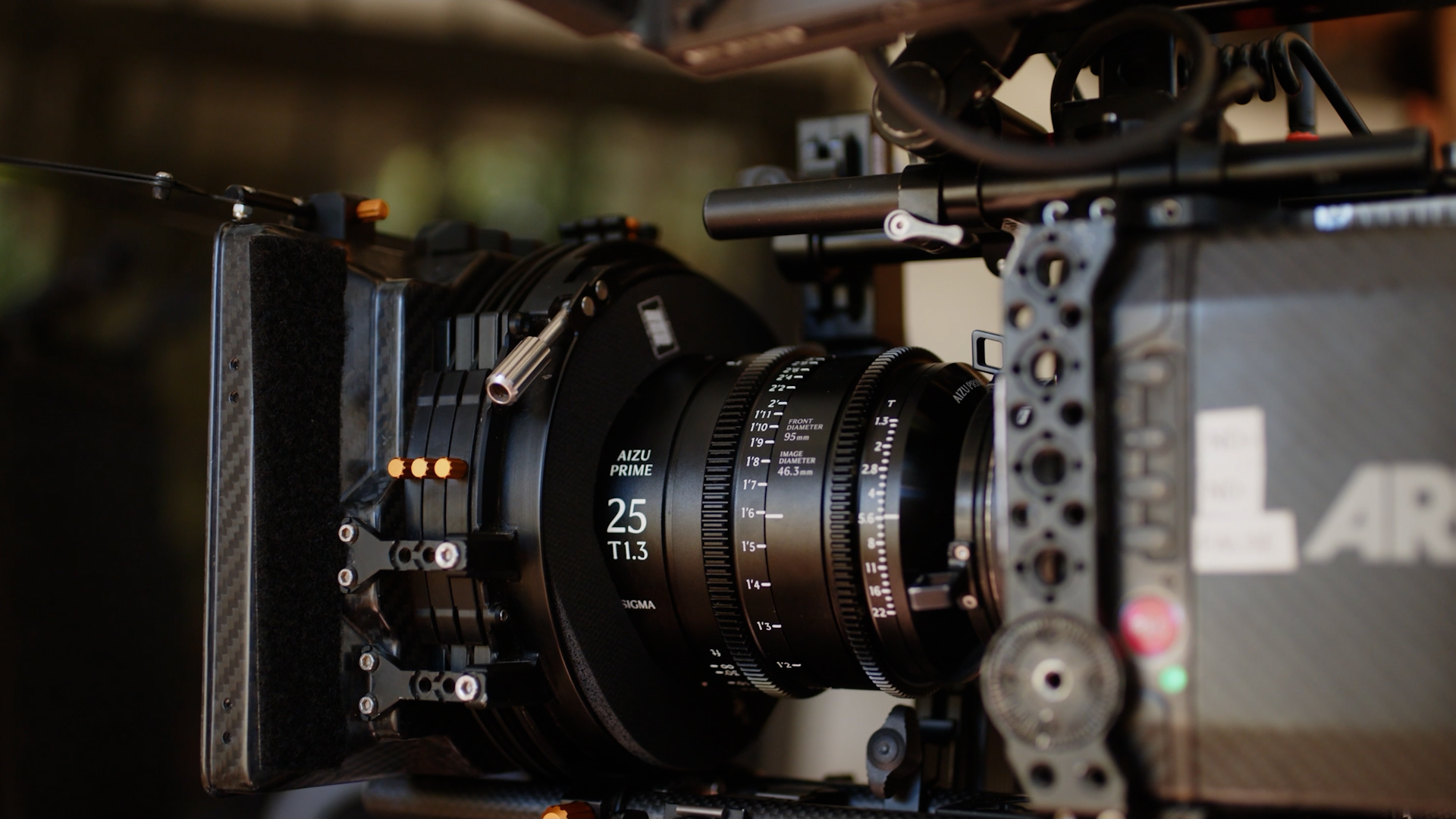
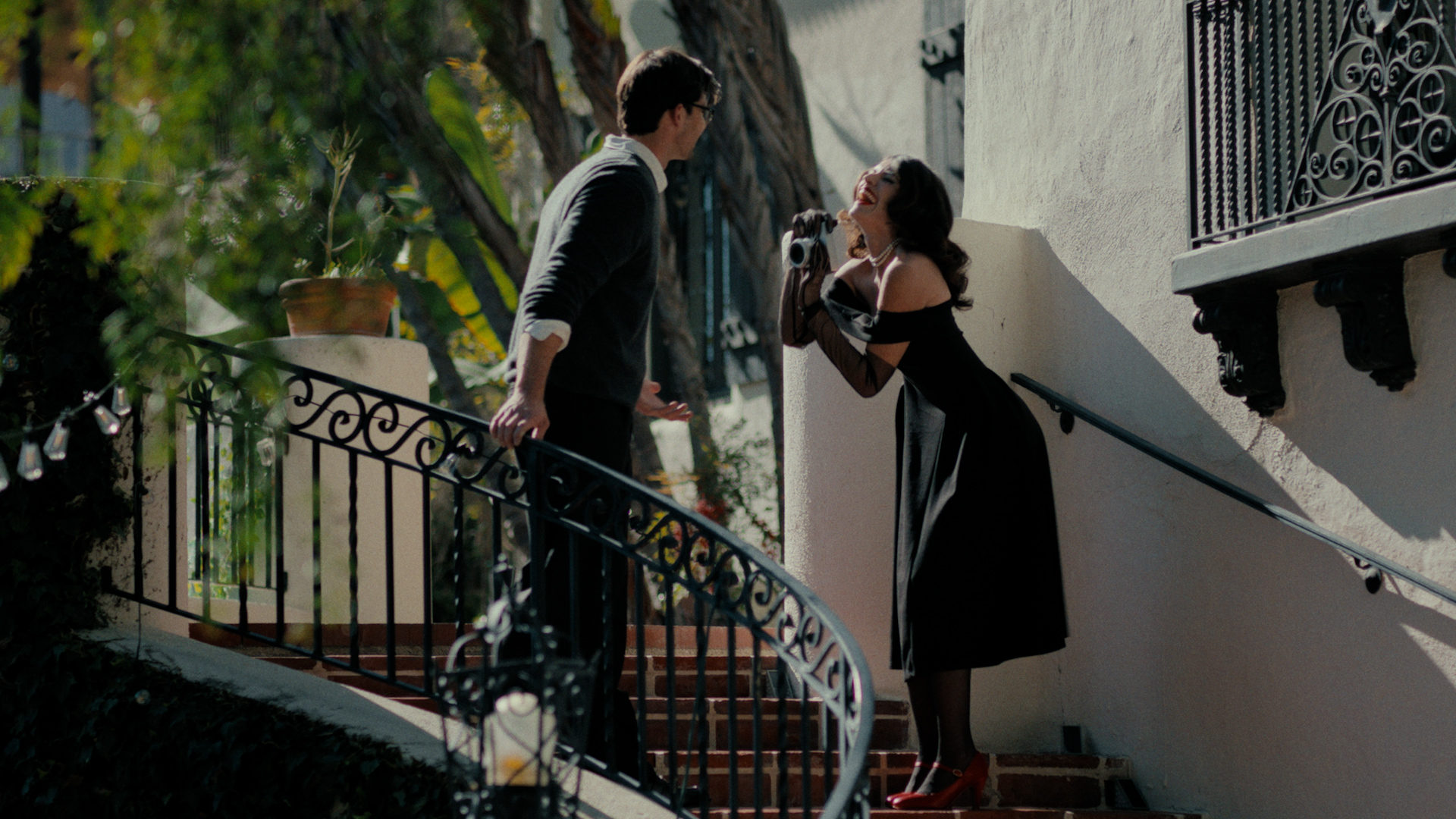
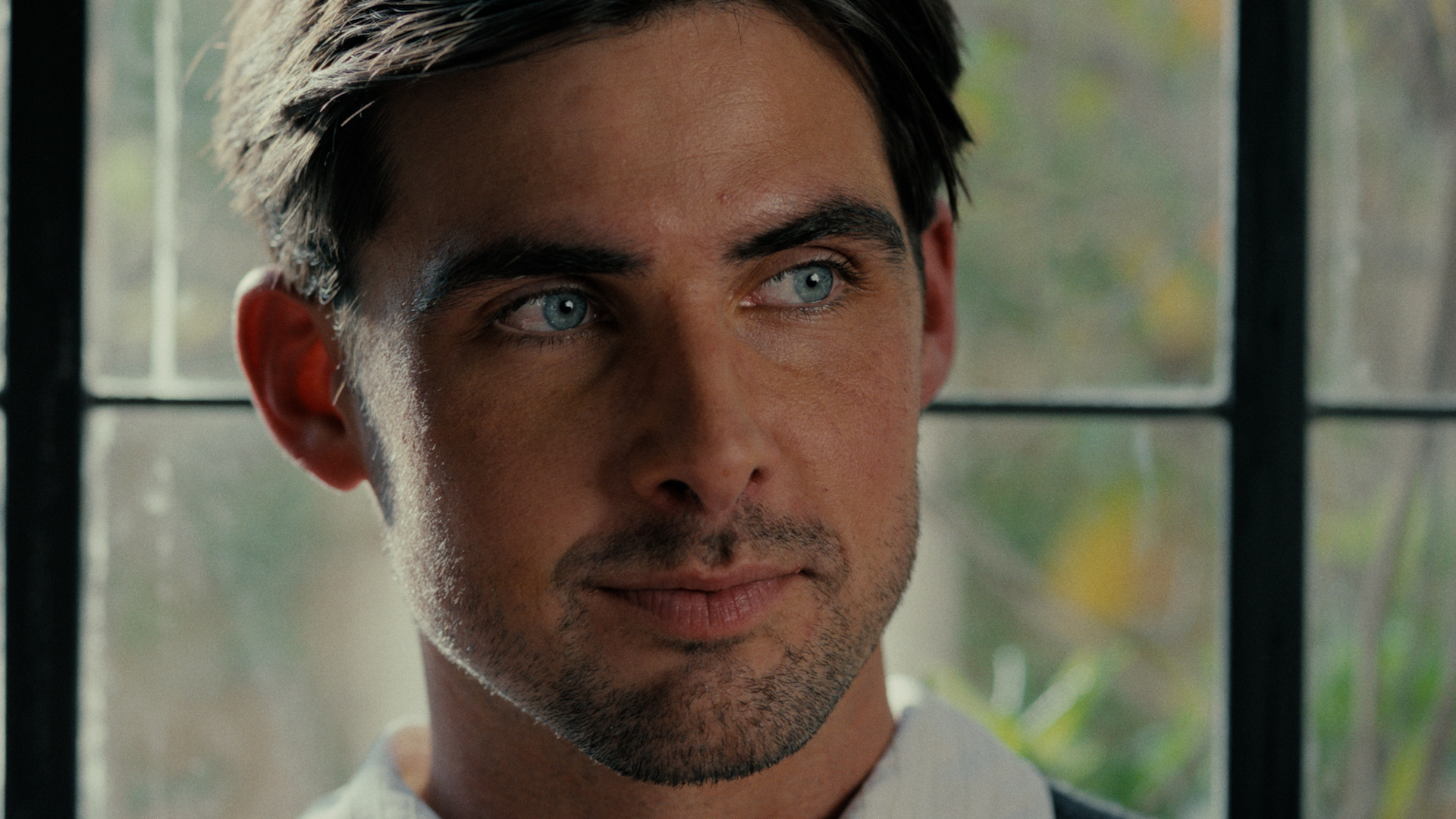
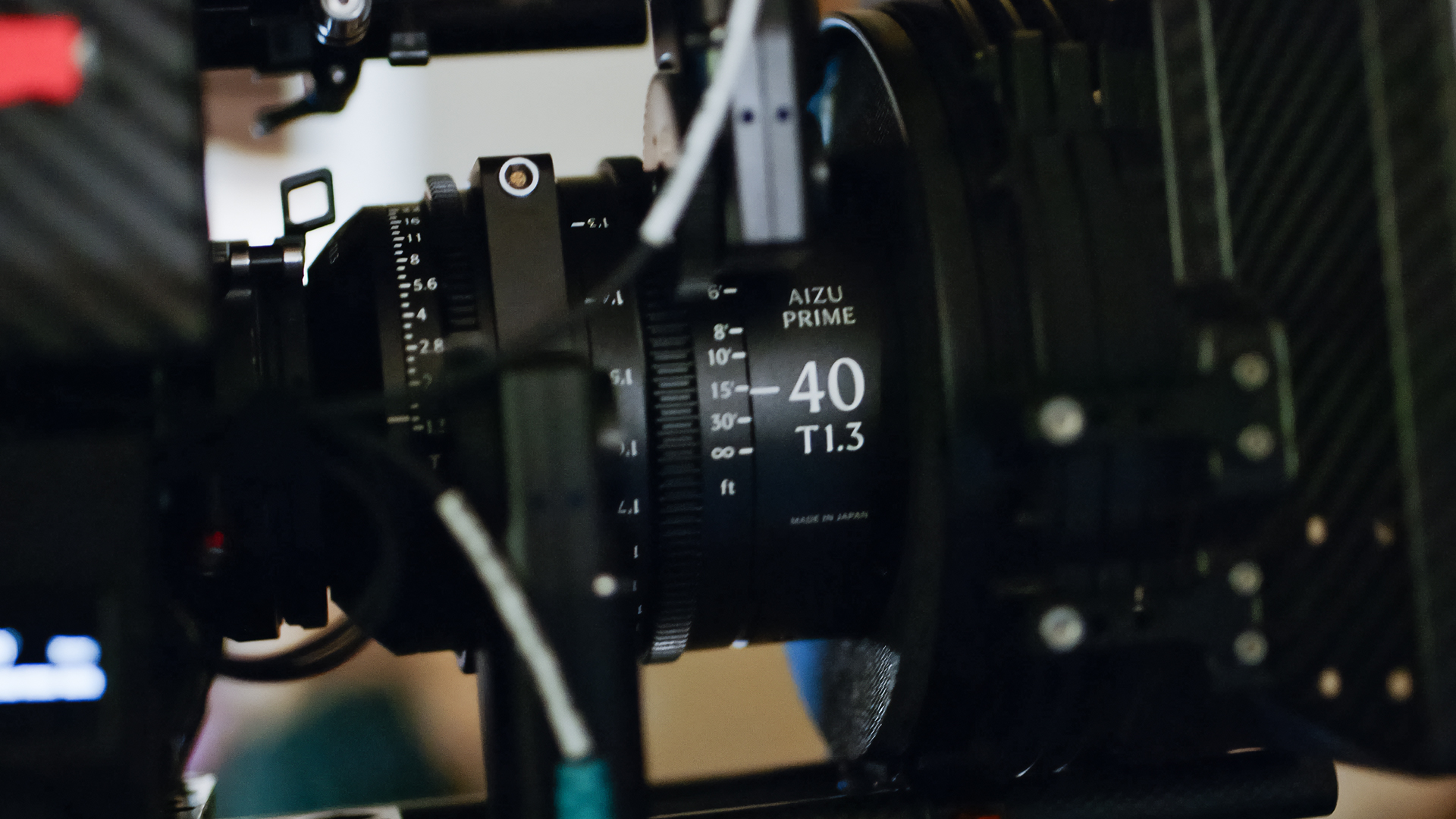
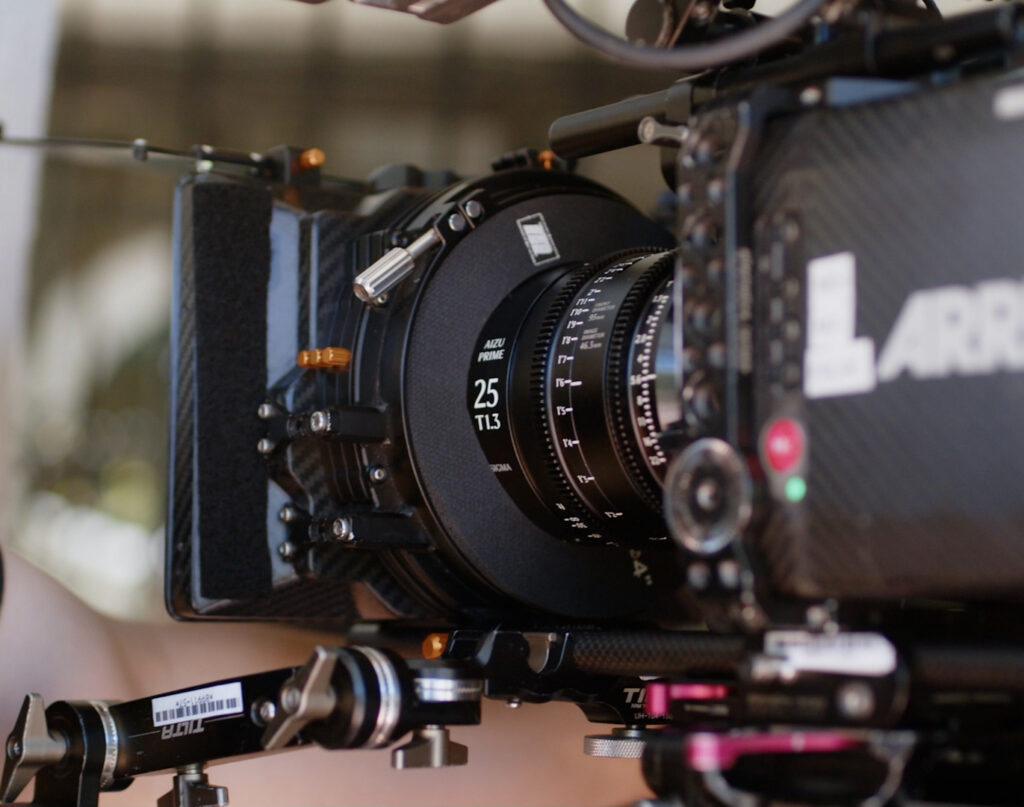
USOV: You and I – a short film created to promote the Sigma BF camera – is set in an old-style Hollywood mansion, with the two actors taking pictures of each other with the Sigma BF camera. Initially, we were thinking to shoot everything with the BF, but then we wanted to bring a slightly different, more cinematic quality to it, so we decided to shoot with the ARRI Alexa Mini using Sigma Aizu Primes. The focal lengths that we used were 25mm, 40mm, and 65mm.
We were trying to stay within the range of what a natural human eye would see, because the film itself is very observational and intimate. We didn’t want to go too wide, so 25mm was great for wider shots, and then we also wanted something a little bit more journalistic but not super long. So 65mm was the longest focal length we used. And 40mm is a good in-between a 35 and a 50, so that was the middle ground we decided on for this project.
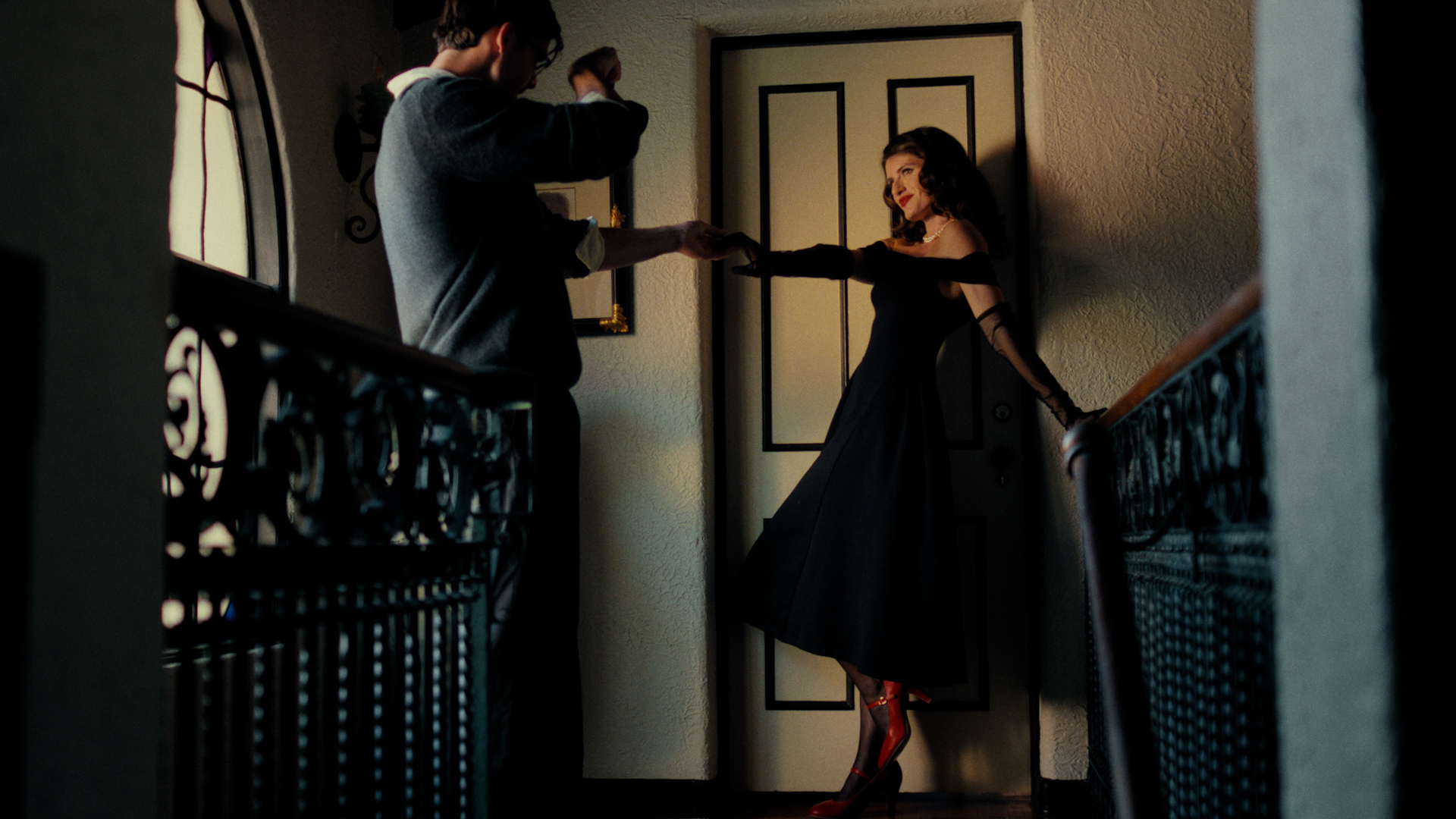
We shot in a very old wood house, and the look is very natural light with small light sources coming through windows and practicals.
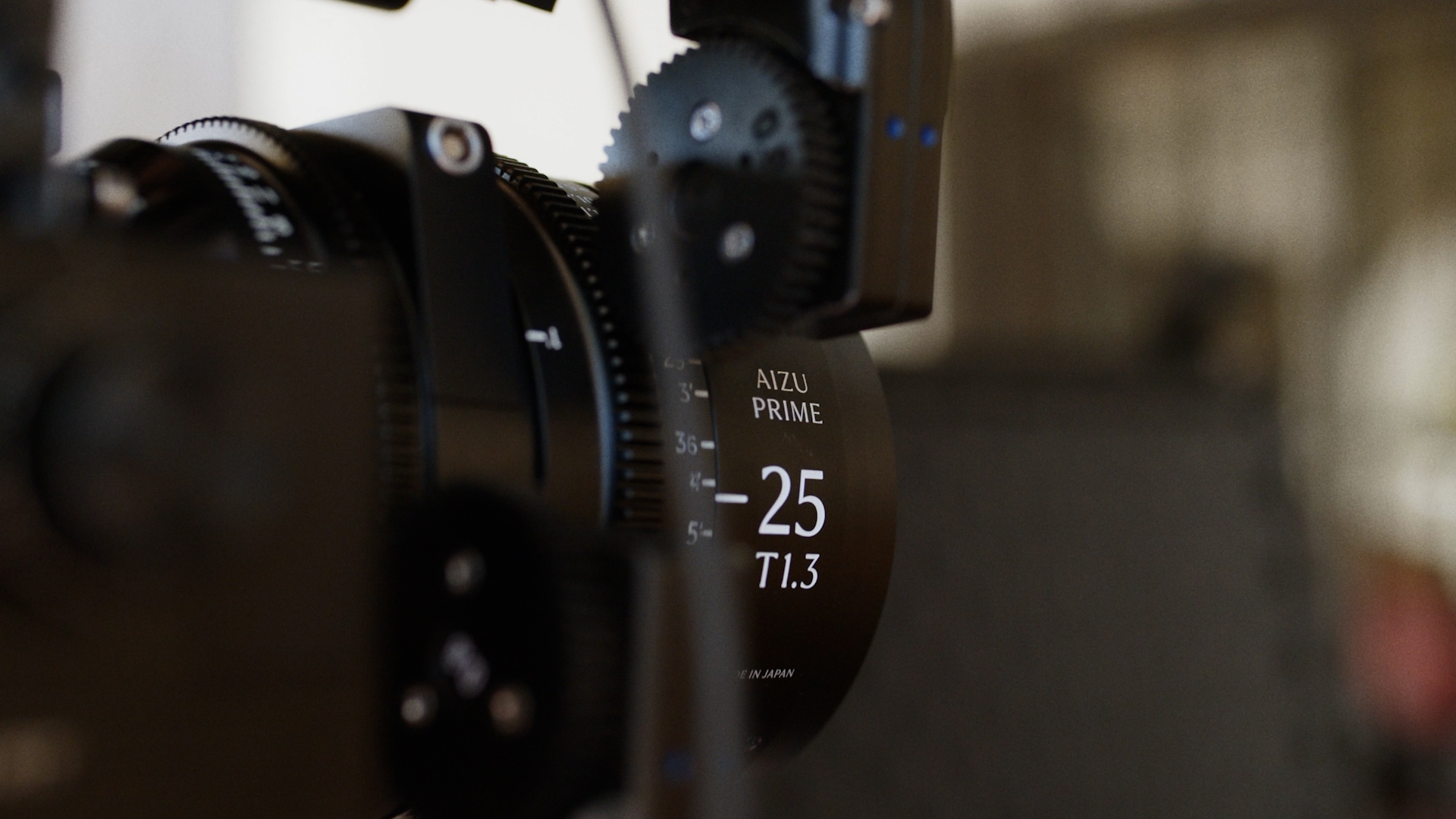
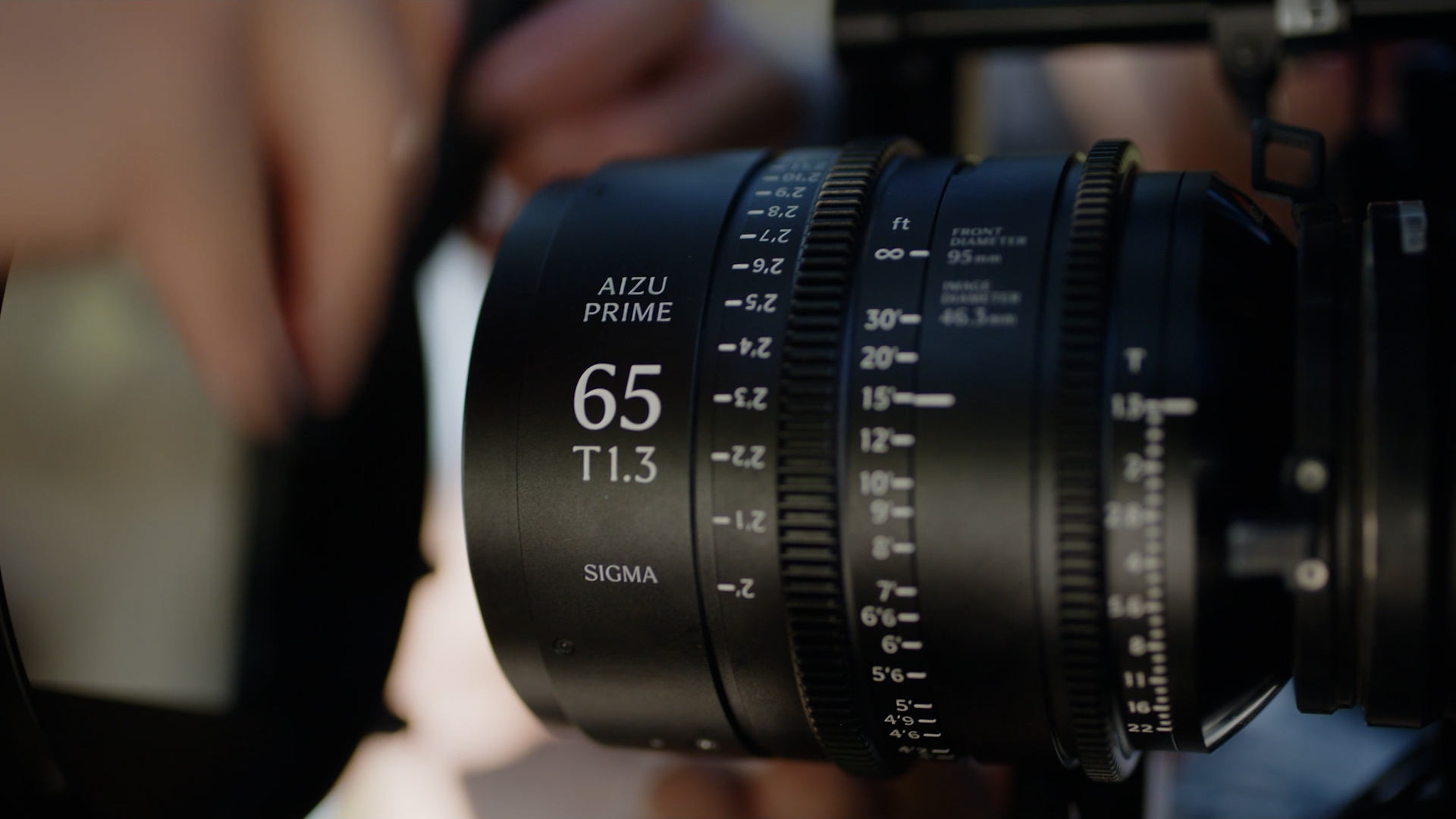
Did shooting at T1.3 help with exposure consistency?
Yes. One of the big advantages of Aizu Primes is that they have a T1.3 wide open aperture. It helped us stay consistent for every single setup. We shot exteriors in the morning and then interiors later in the day where lighting conditions were slightly different. To keep exposure consistent, it was important to stay at T1.3 for most of it.
What stood out to you in terms of lens character?
For this project, you had scenes where light was shining through windows and would occasionally catch the glass and flare. The Aizu Primes are pretty balanced in contrast. There is not much ghosting or anything like that, but when flare happens it feels controlled and natural.
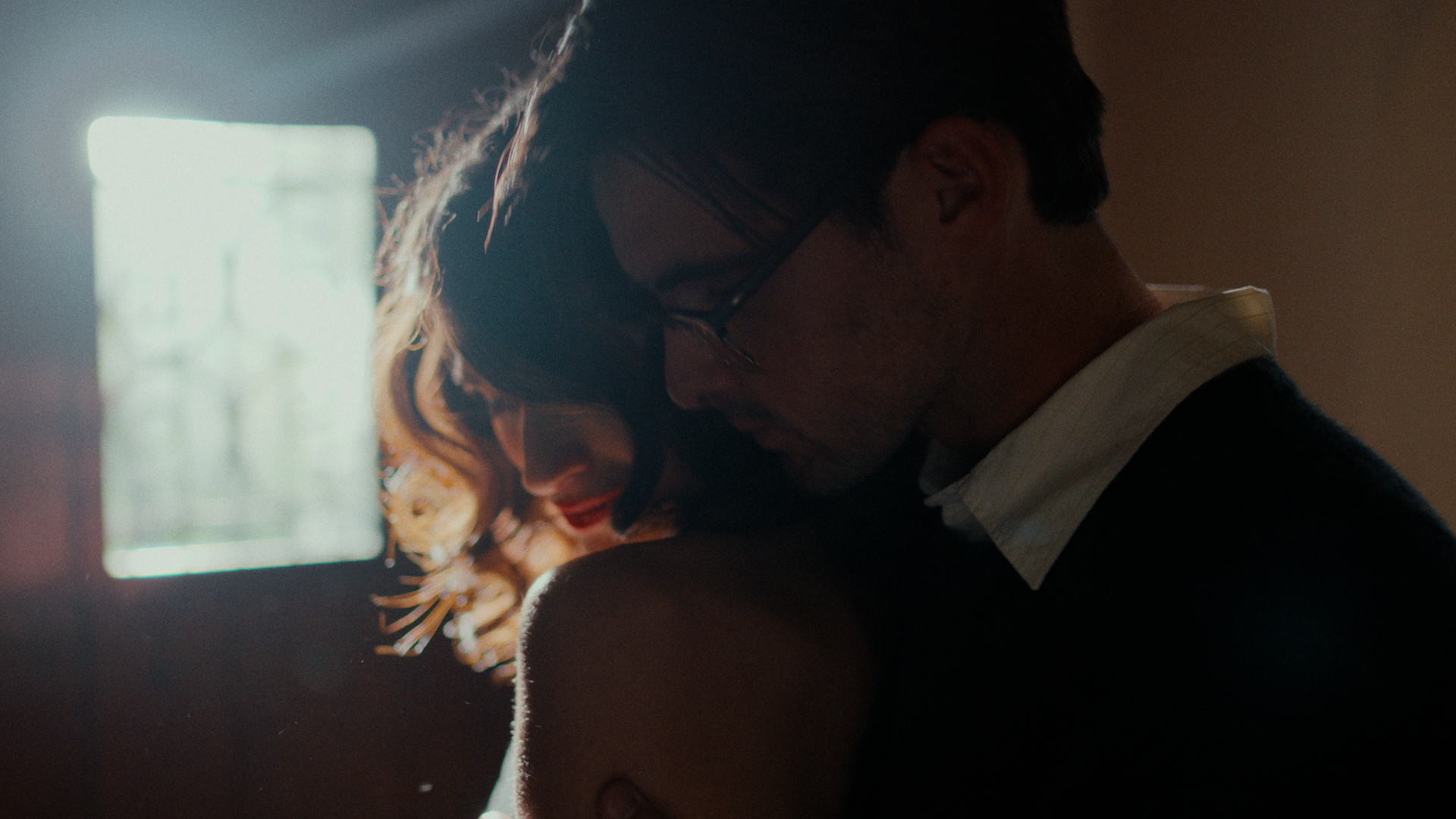
What I really like about Aizu Primes is that they still have sharpness that is usually attributed to Sigma lenses, but they also have a nice texture that makes them feel a little more vintage and nostalgic. The bokeh is very interesting and the roll off creates a very specific look that combines modern and vintage feel.
In my experience, Aizu Primes maintain a very nice balance between modern sharpness and vintage character. They maintain detail in the center of the image, but the edges have more interesting rendering and shape compared to Sigma’s High-Speed Primes, which are more uniform from edge to edge.
How did the close focus performance work for you?
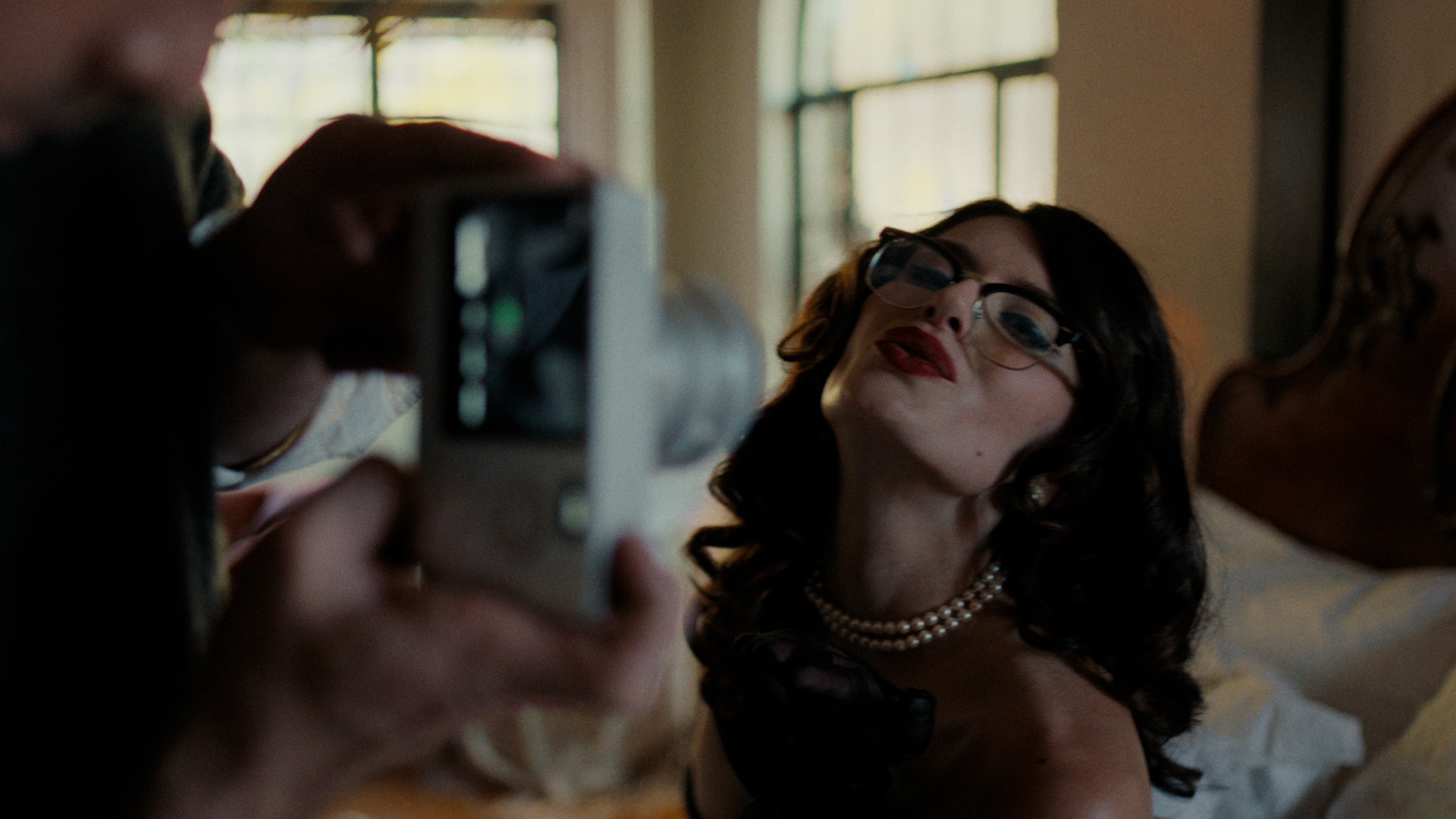
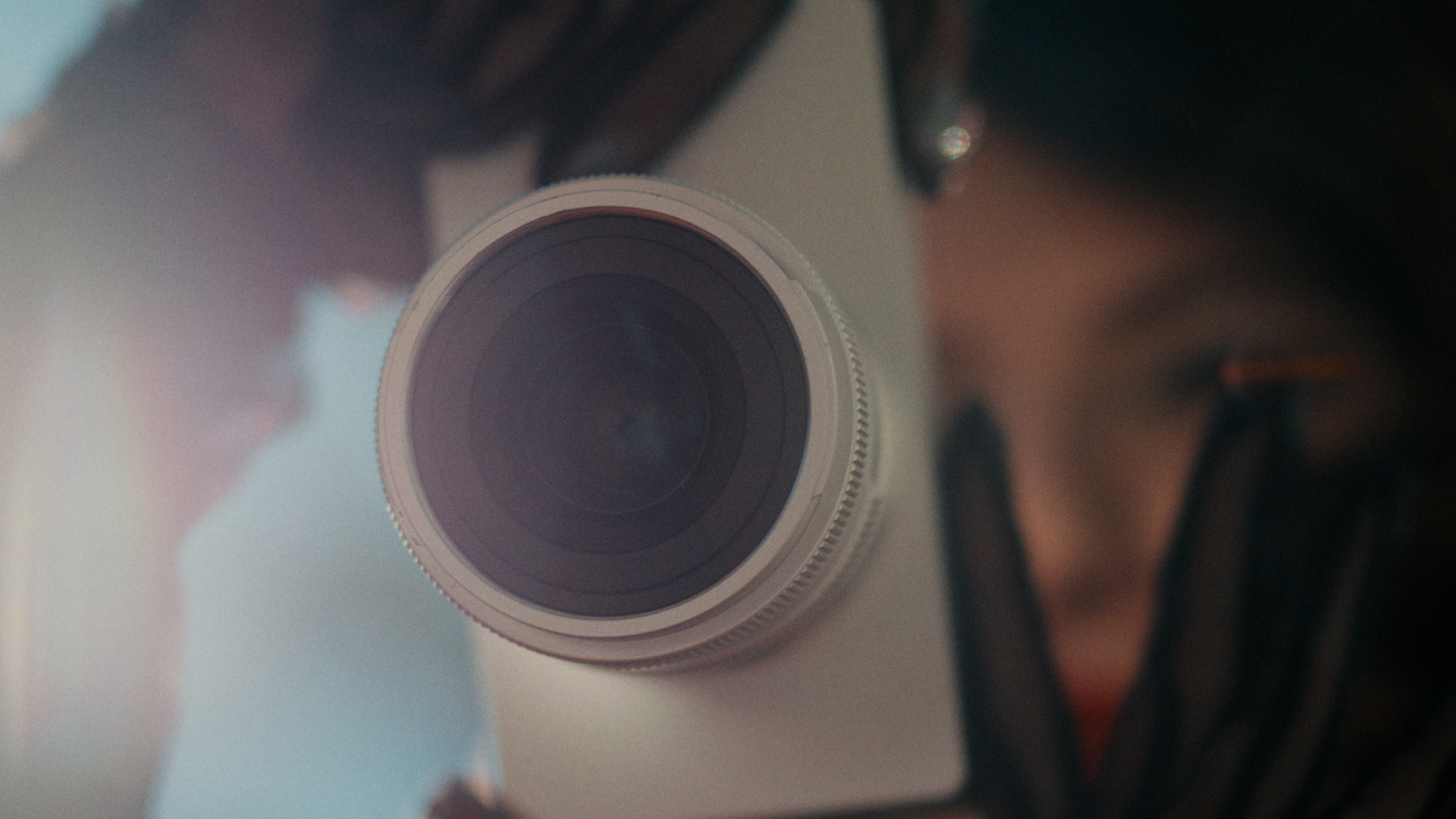
One of the characteristics of Aizu Primes is that they maintain a very good close focus distance, which makes them very versatile. This short was heavily portraiture, but we also had frames where we showed the BF camera very close up to highlight detail. Initially we were not sure if we could achieve that level of detail without a diopter, but once we started shooting, we realized the close focus on Aizu Primes is very good.
We were able to go very close to the actors’ faces and also close up on the camera itself. So, it turned out to be very versatile and very useful for both portrait and product work.
Shadow, D-Anna (Music Video)
SIGMA: Let’s talk about Shadow. Can you give us some background on the project?
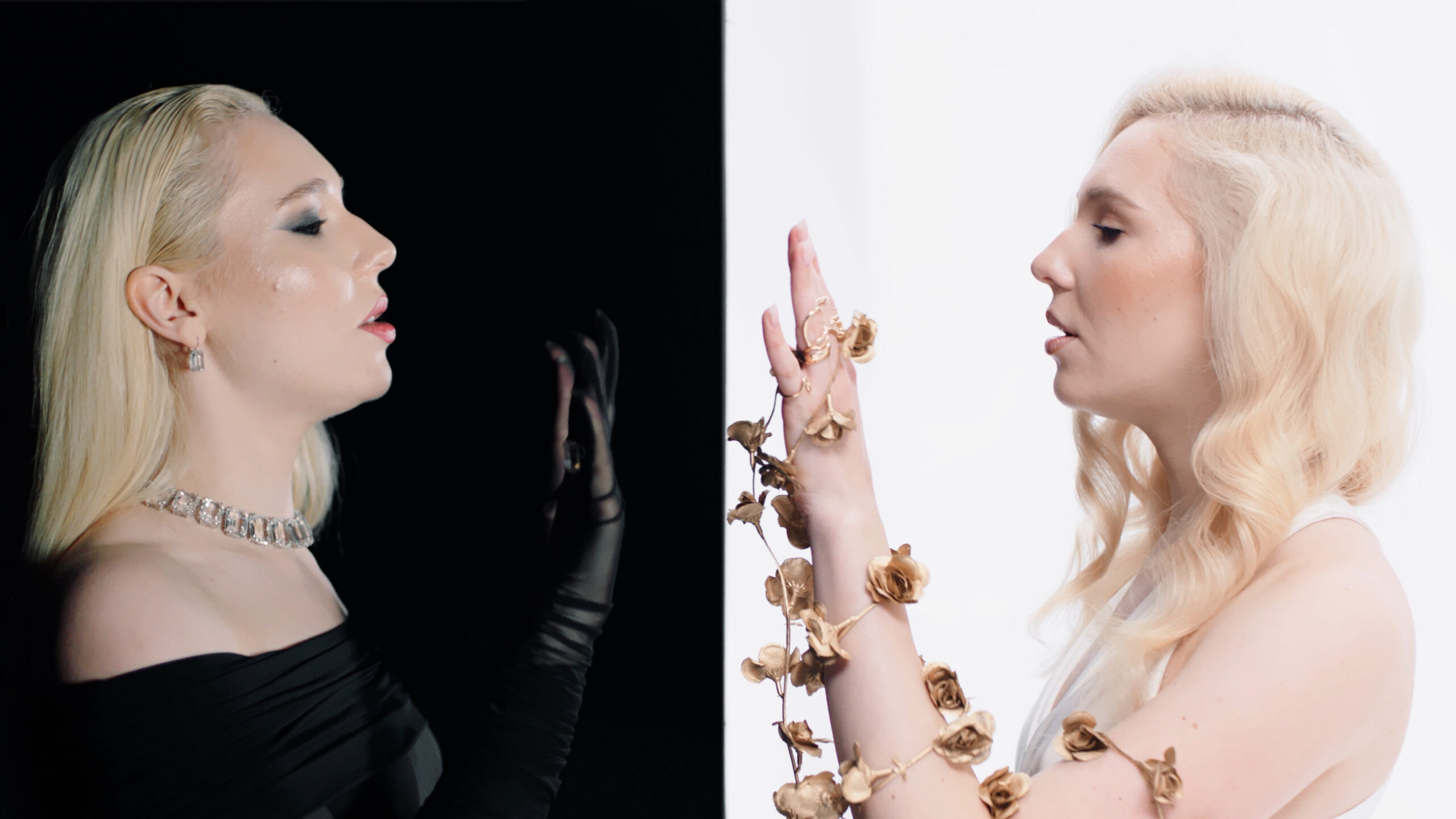
USOV: This project is a music video for an artist called D-Anna, for a song titled Shadow, also shot with the Sigma Aizu Primes. The main concept of the song is the interplay between your dark side and your bright side, integrating your shadow and exploring the duality between darkness and light.
Early in the conversations with the artist, we established that there would be a lot of silhouette work, a lot of practical lighting, and a strong contrast between shadow and light, black and white elements, and so on.
What was really interesting about this project is that I usually direct and work with cinematographers to execute the vision, but for this one, I decided to challenge myself and DP the entire music video myself. That gave me more creative control over the camera work and lens choices, which I usually don’t have in such a hands-on way. It also allowed me to experiment more directly with lighting, camera settings, and the Sigma Aizu Primes we used, specifically, the 27mm, 40mm, and 65mm.
The video moves between very dark, high-contrast setups and bright, high-key setups. Can you talk about how the lenses handled that range?
In the darker setups, we were really isolating parts of her face and working with shadow areas, which created strong contrast. What’s great is that, even as we were doing color, there isn’t much contrast work needed because it’s already baked into the image.
Similarly, in the very bright setups with harsh white light and minimal shadows, the lenses still retain enough character in the highlights and on the face, so it doesn’t feel completely flat. Even with strong direct sources of light, there is still texture and separation in the image.
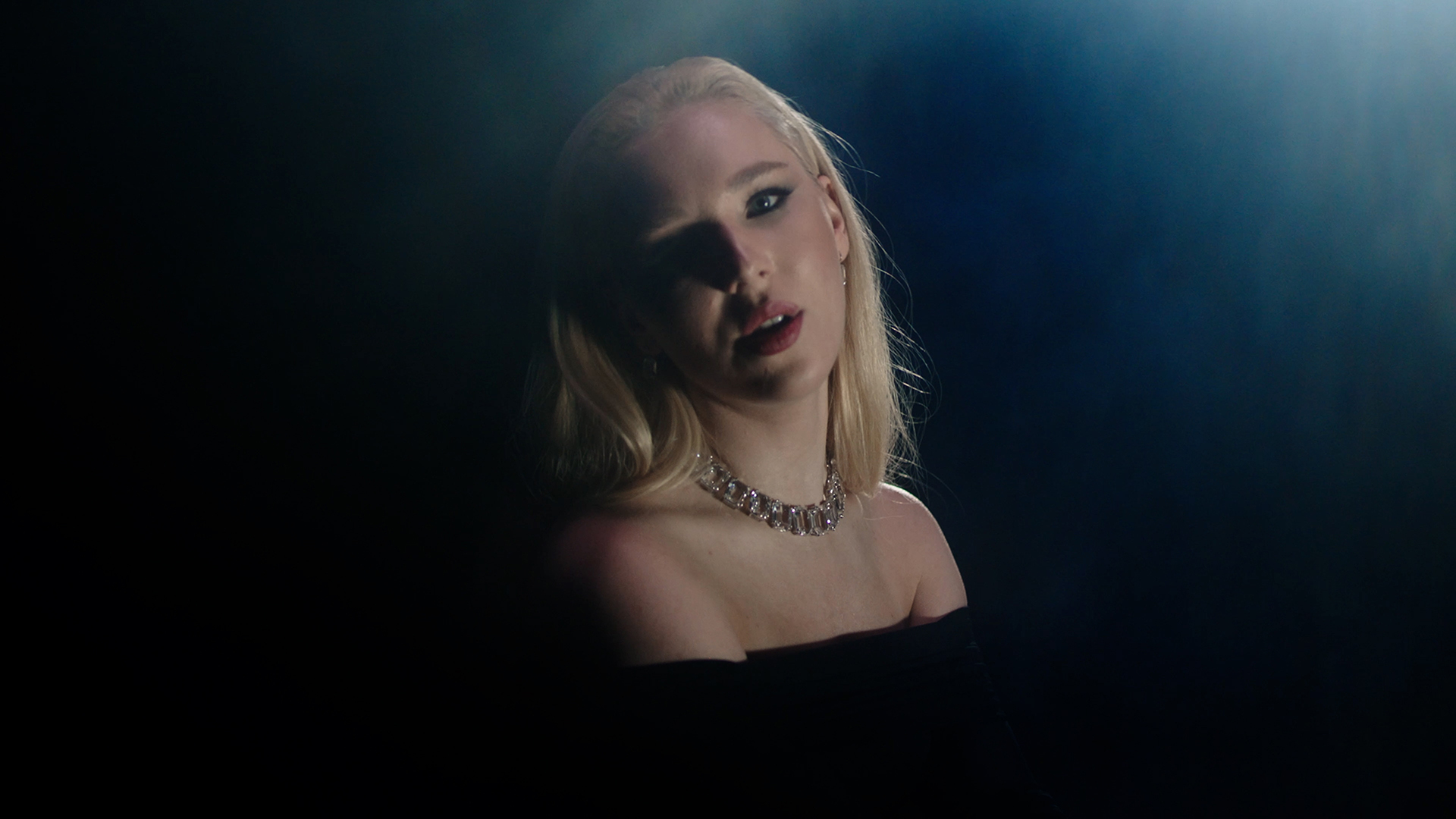

Another important thing was consistency. We were working with different colored light sources – green, blue, tungsten – in different setups, and when we moved between wider shots and close-ups, there wasn’t a noticeable shift between lenses. That helped a lot in maintaining consistent skin tones throughout the video.
There are moments with strong flares and experimentation with light. Can you talk about the look and any filtration or techniques used?
I personally love flare, especially in more artistic projects like music videos, where light becomes almost a character itself. It was interesting to see how much flare we could push through the Aizu Primes depending on different stops and lighting conditions. The response was very surprising in a good way.
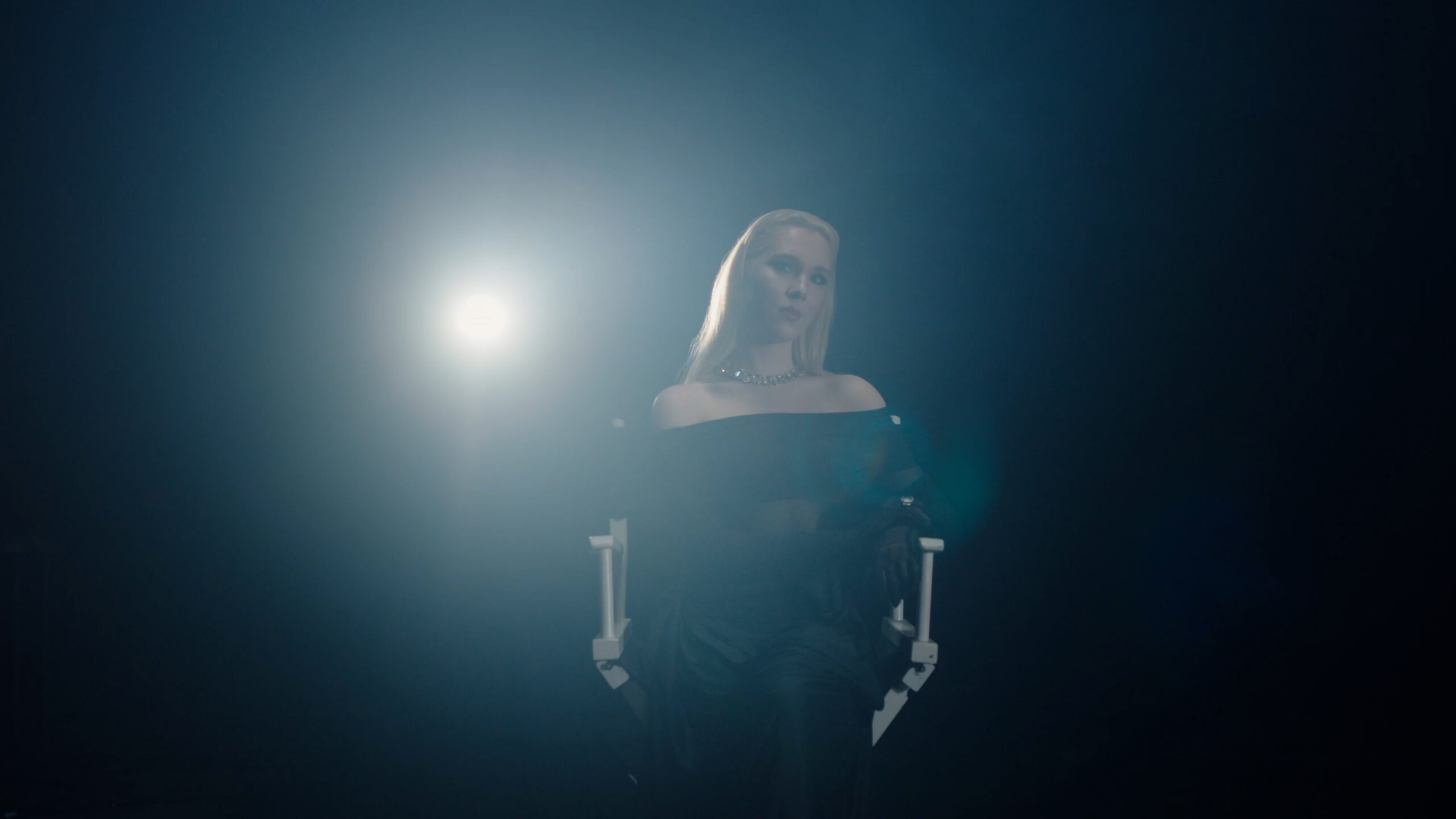
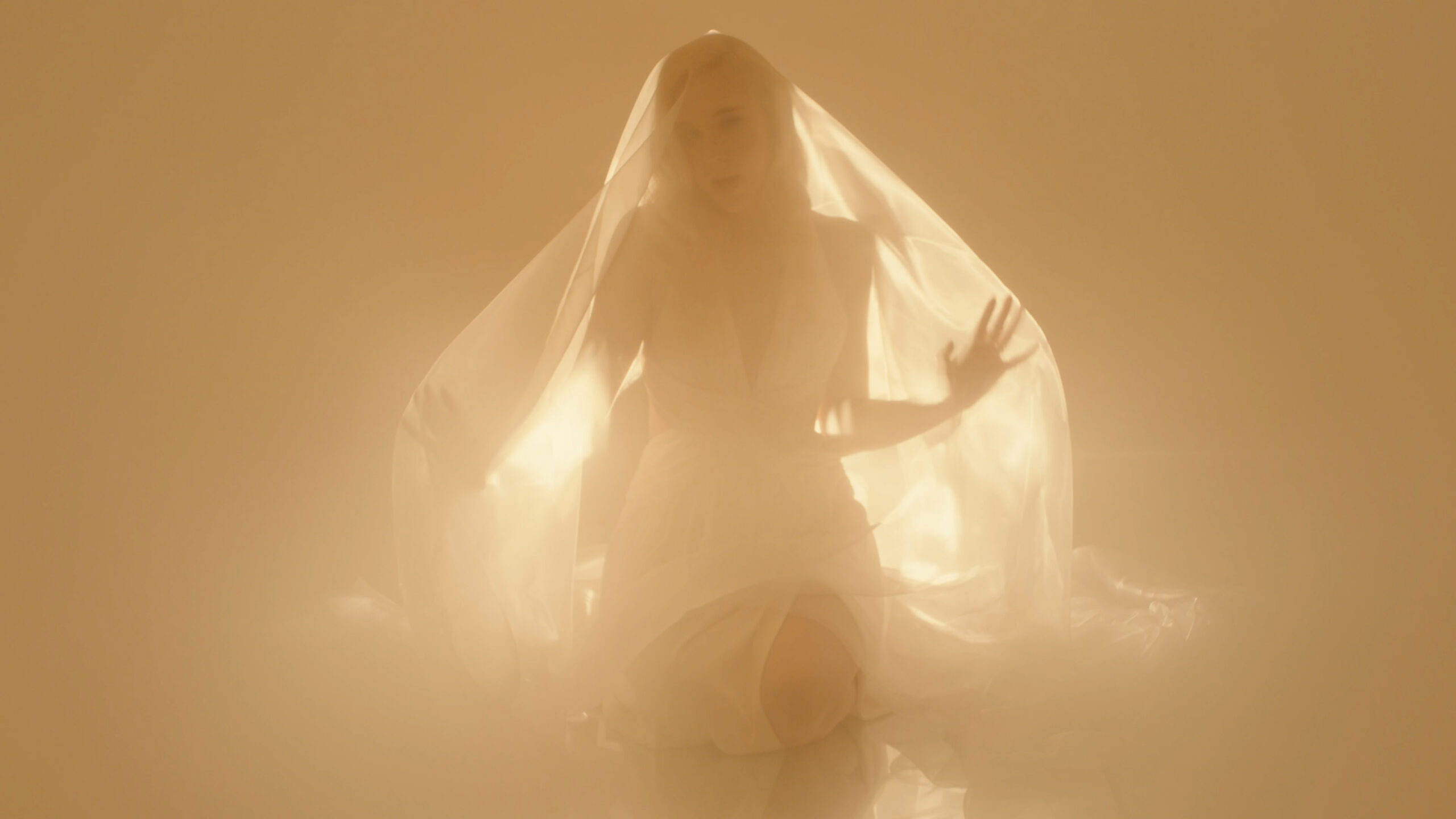
We did experiment with filtration, but we didn’t use any specific front filters. We used a clear ND, and we also used petroleum jelly around the edges of the lens. That worked well with the natural edge falloff of the Aizu Primes. The jelly enhanced that falloff, softened the edges, and created a more distorted and expressive image.
Hello Kitty, Nanamé (Music Video)
SIGMA: Can you talk about the Hello Kitty music video and how it came together?
USOV: The first project that I shot with Sigma Aizu Primes is a music video for my friend and collaborator Nanamé, who I’ve worked with for a couple of years now. I’d been wanting to try Aizu Primes for a long time since they were announced, and I was excited that this was the first project where I finally got my hands on them.
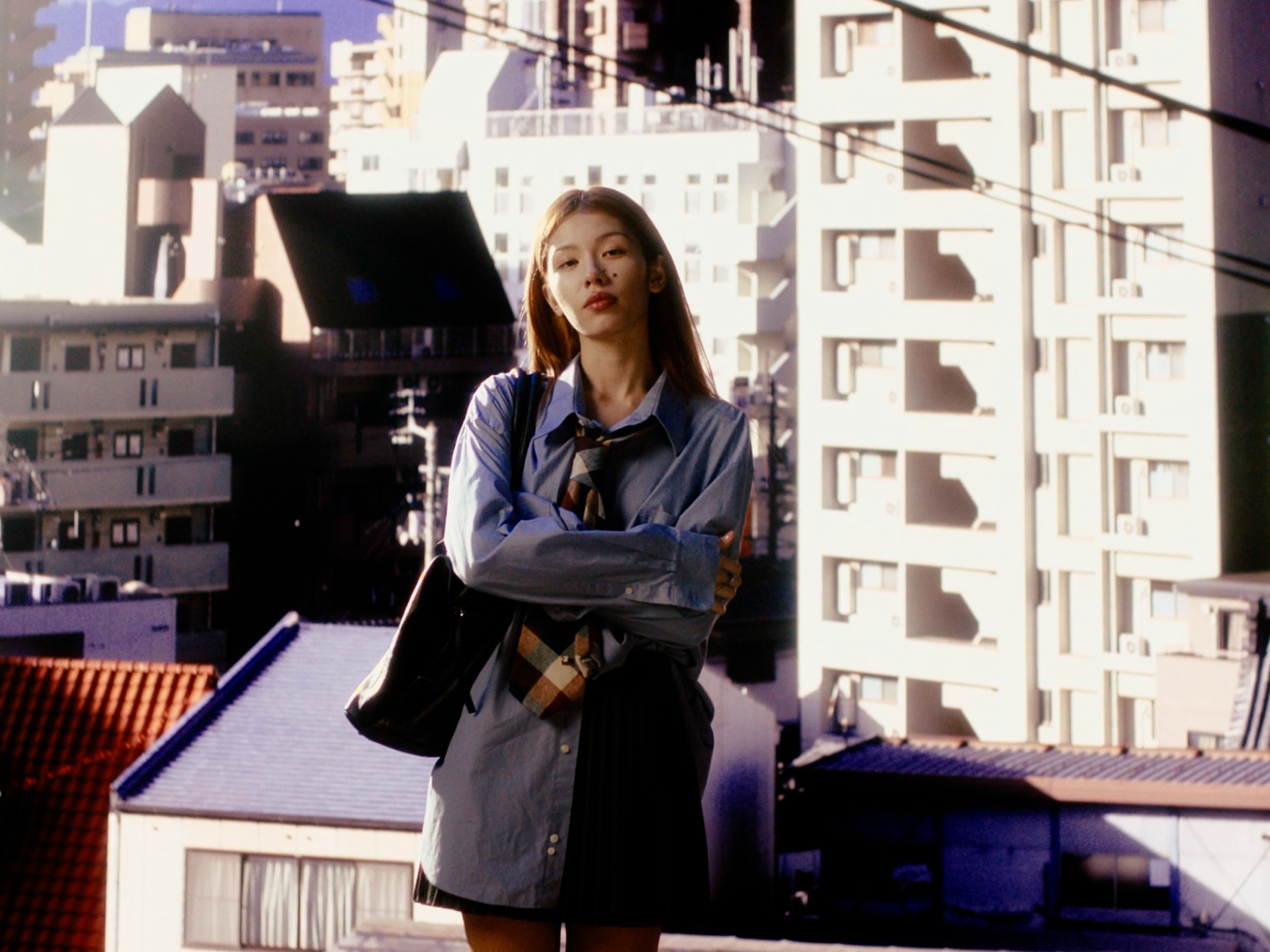
During pre-production, me and Nanamé talked a lot about trying to achieve a Japanese 80s film look. We’re both big fans of Japanese cinema, and Sigma Aizu Primes just felt like the right choice for that. We were visually inspired by the color, composition, feel, and overall look of 80s cinema, as well as the aesthetic of Tokyo in general. One of the biggest challenges was finding locations in Los Angeles that would fit that world or building it in a way that felt believable.

You also used virtual production for this project. Can you explain that approach?
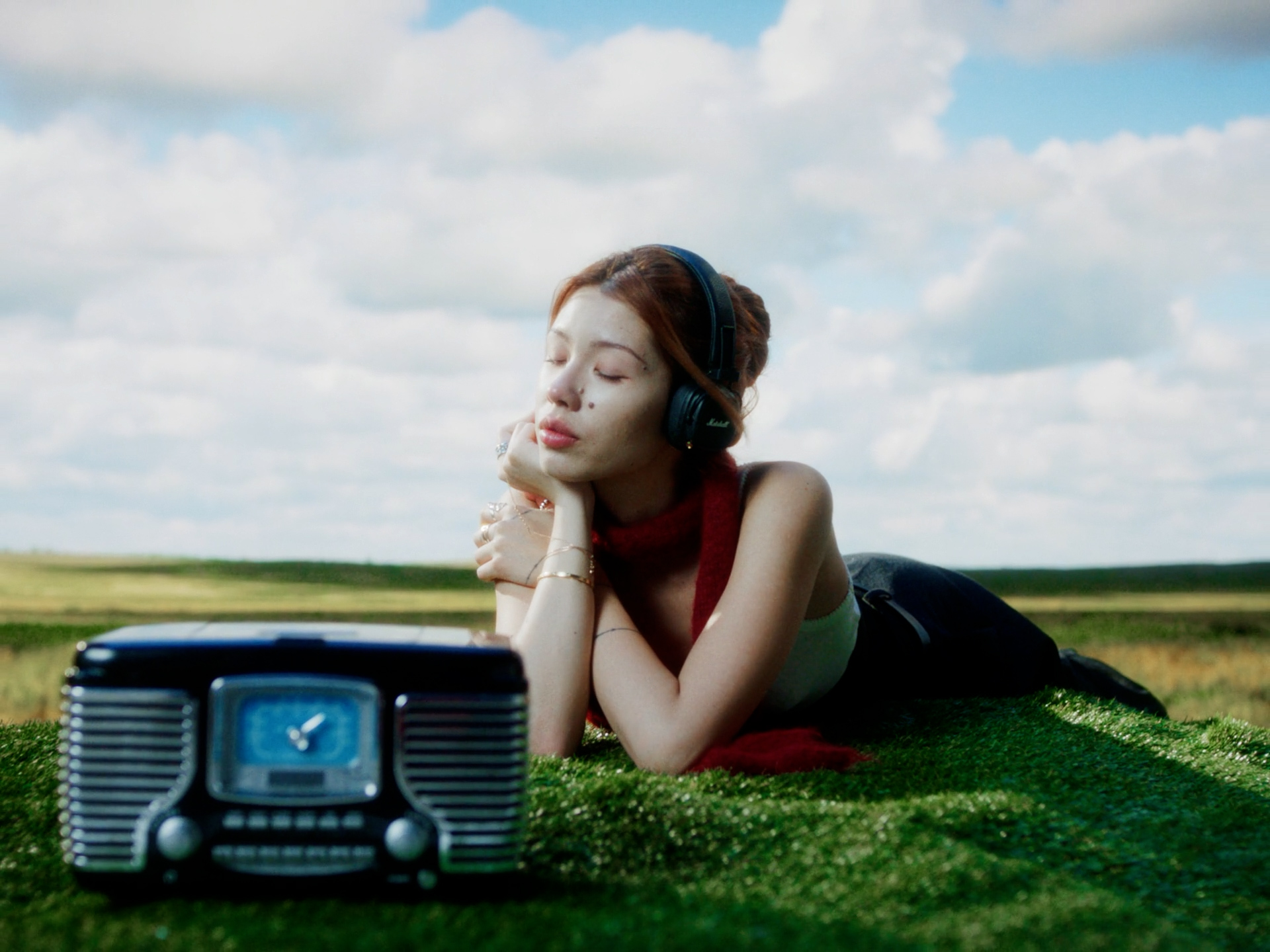
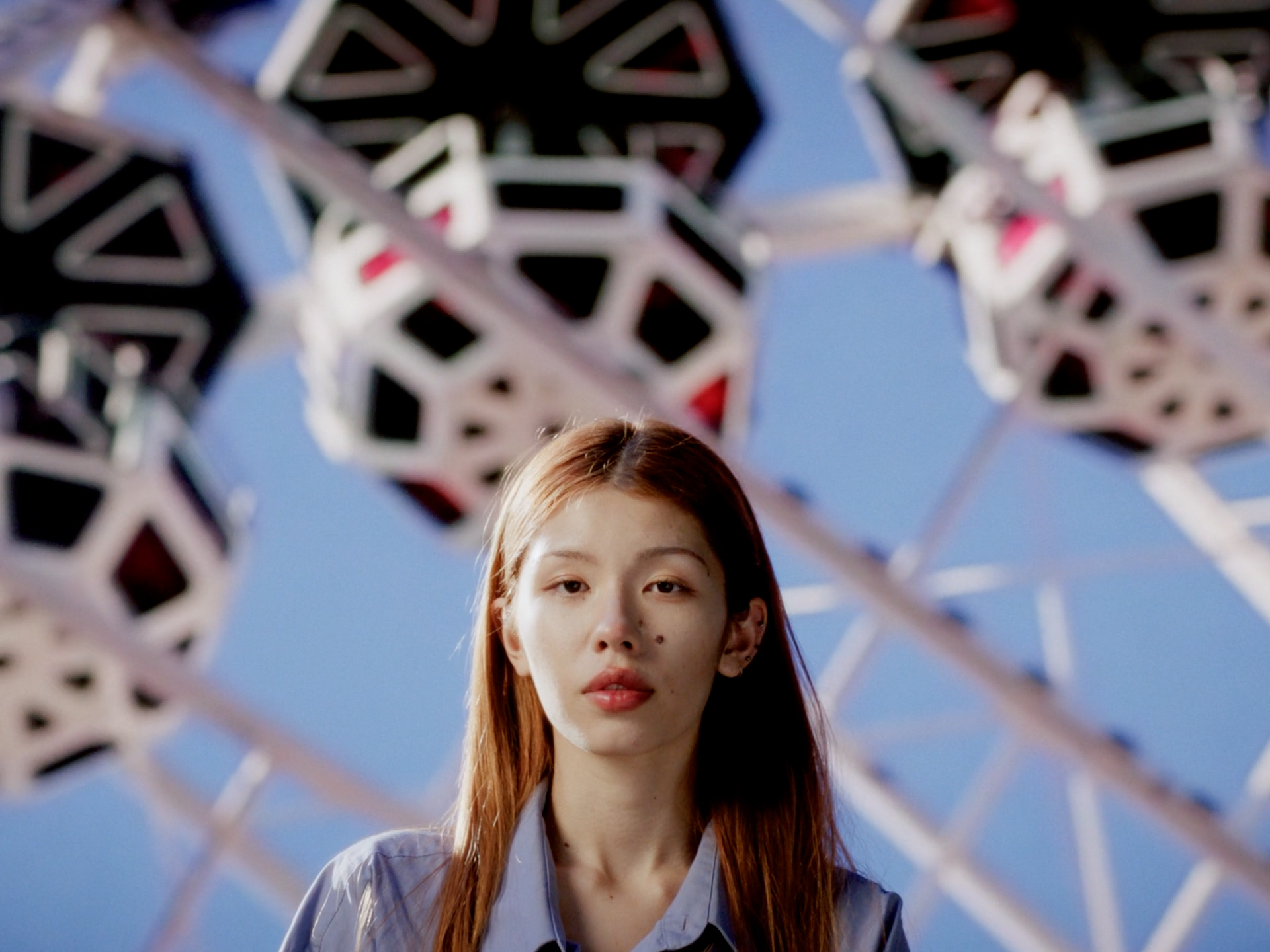
We created around 10 different virtual backgrounds, and I think 7 or 8 of them ended up in the final music video. We also had visualizer-style setups with rooftops, ferris wheels, fields, and other elements that reflect that Japanese cinematic world. The goal was to blend everything, so you couldn’t immediately tell it was an LED wall, while still keeping the color and boldness of the backgrounds, so they felt alive.
How did the lenses perform in a virtual production environment?
I think the Aizu Primes really helped us in that environment. Because of the shallow depth of field and the bokeh, the LED backgrounds felt much more natural. The subject stayed sharply in focus, usually centered in frame, while the edges rolled off in a way that made everything feel like it existed in the same world.
That was important because one of the biggest challenges with virtual production is when the background feels disconnected or fake. In this case, the lens choice helped bridge that gap between the real foreground and the LED background.
What focal lengths did you use on Hello Kitty?
We shot with 25mm, 35mm, 50mm, and 65mm focal lengths, although we mostly stayed in the 35mm and 50mm range. The 4×3 aspect ratio and the virtual production wall, which was around 10×10 feet, created certain limitations in how wide we could go.
We only used the 25mm for one shot, where the artist was very close to the background, and we were also very close to her. That shot also included a plexiglass element in the foreground to create a window-like effect. The 50mm lens was especially useful because it helped isolate the subject and created a strong sense of depth, which worked well in the 4×3 frame.
Can you talk about the color approach and how the lenses supported it?
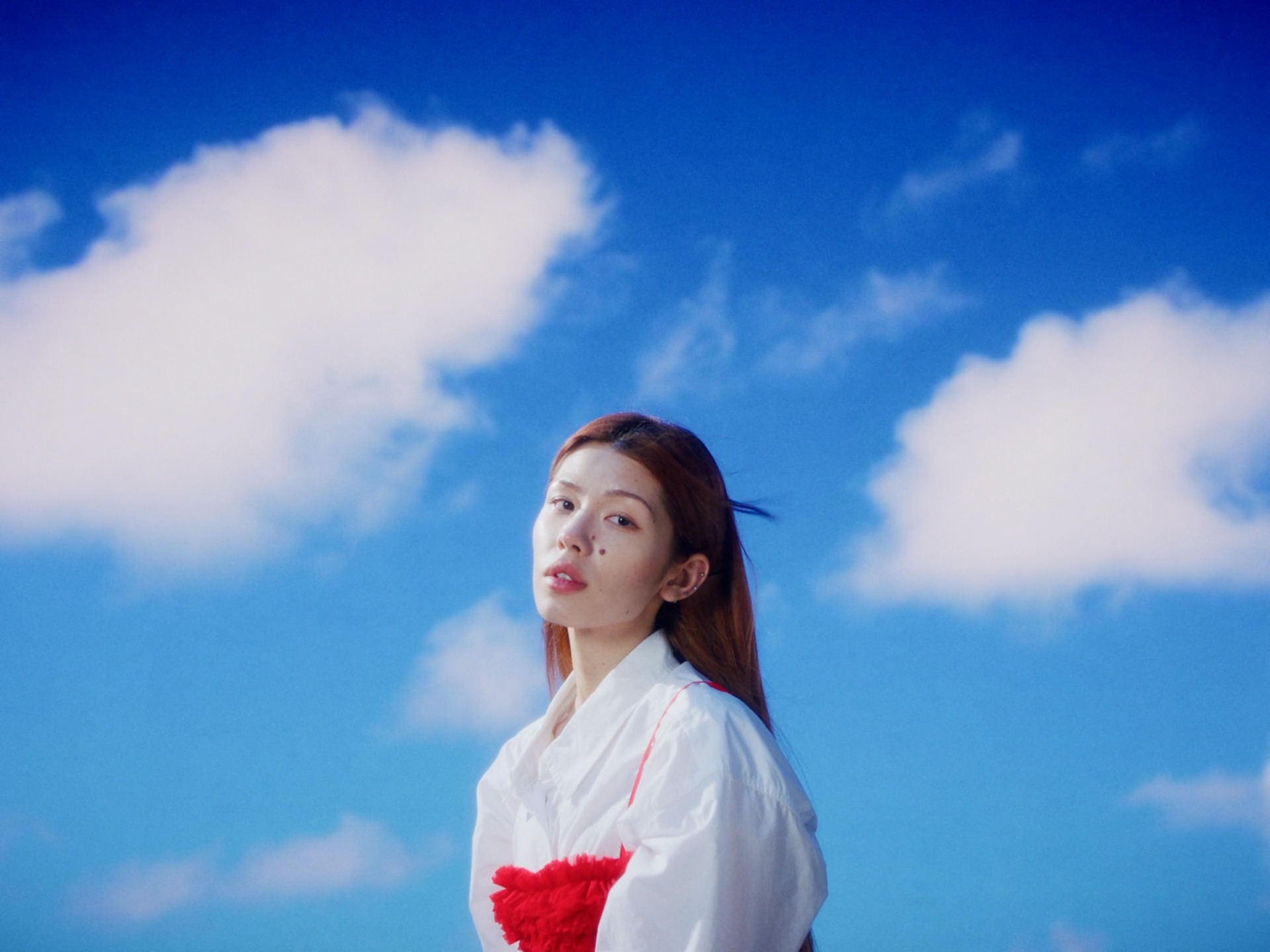
The artist was very specific about the color direction for the music video and visualizers. We were working within a palette heavily influenced by Japanese 80s cinema and Tokyo neon culture. That world is very vibrant and saturated, with strong color identity.
We shot on the ARRI Alexa Mini paired with the Aizu Primes, which helped support that look in terms of color reproduction and overall image response. The combination of the camera system and the lenses helped us maintain rich colors while keeping separation in the image, especially in scenes with heavy neon lighting.
Visions (Fiction, Short Visualizer):
SIGMA: Can you talk about the project Visions and how it came together?
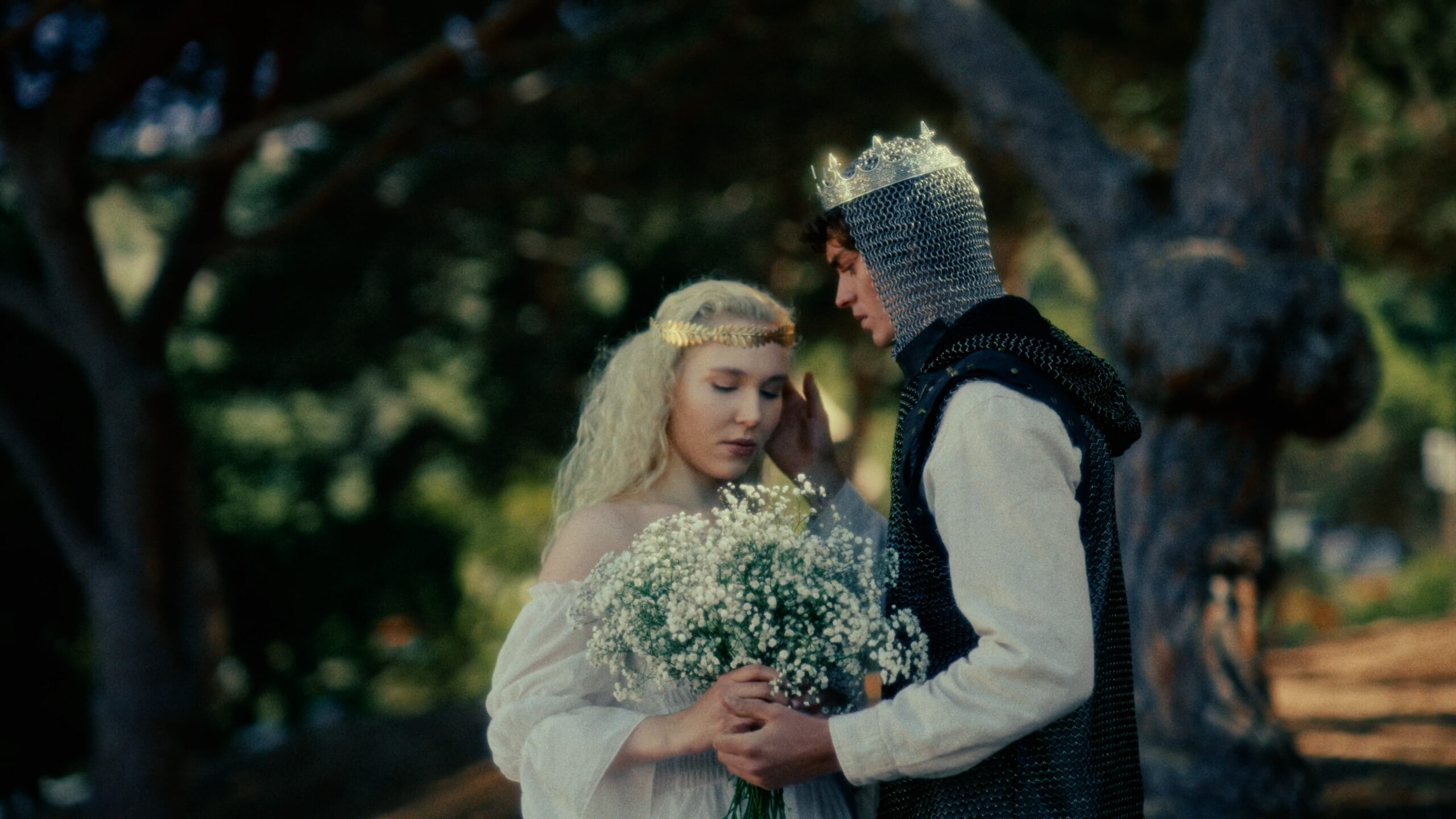
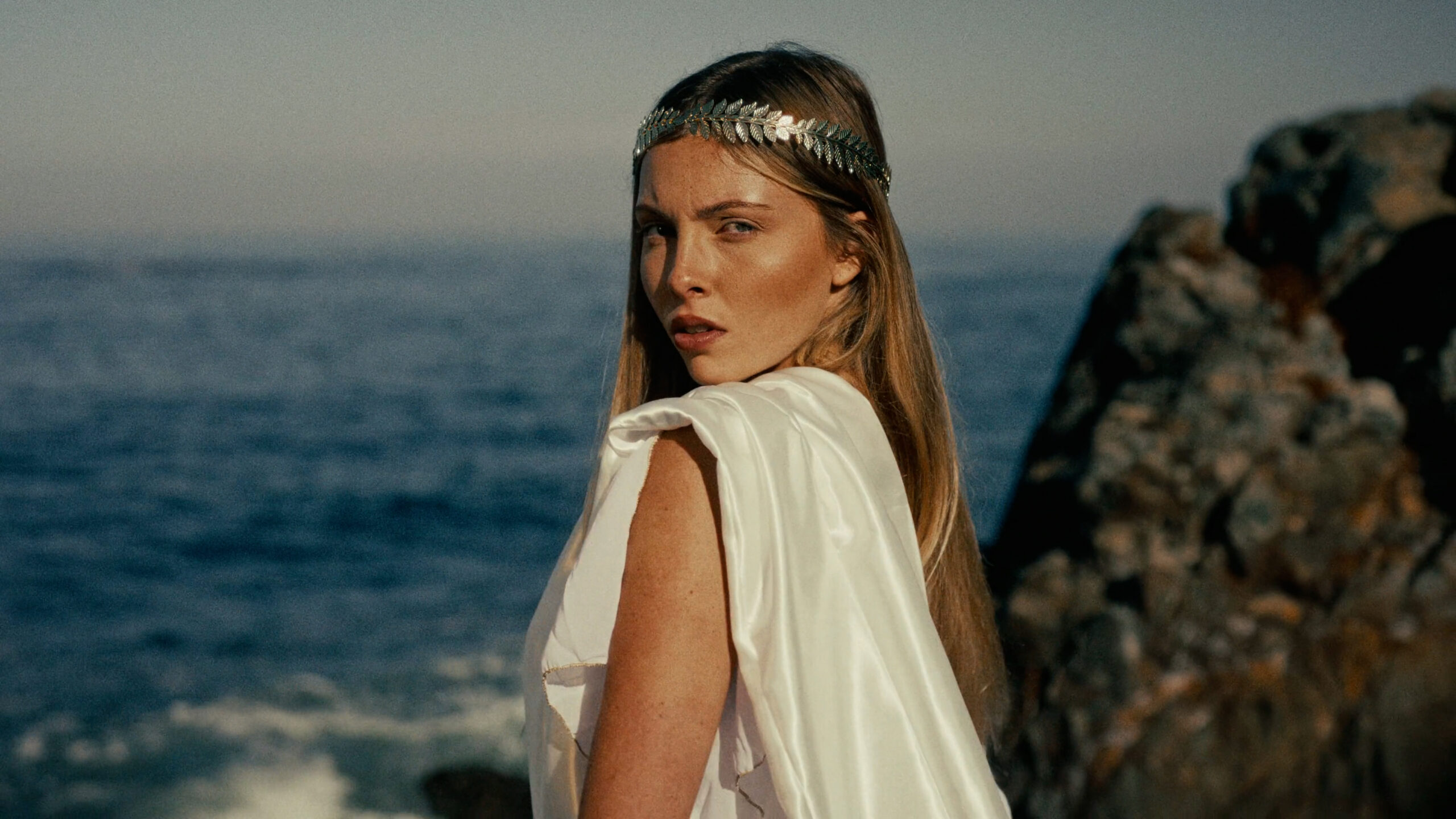
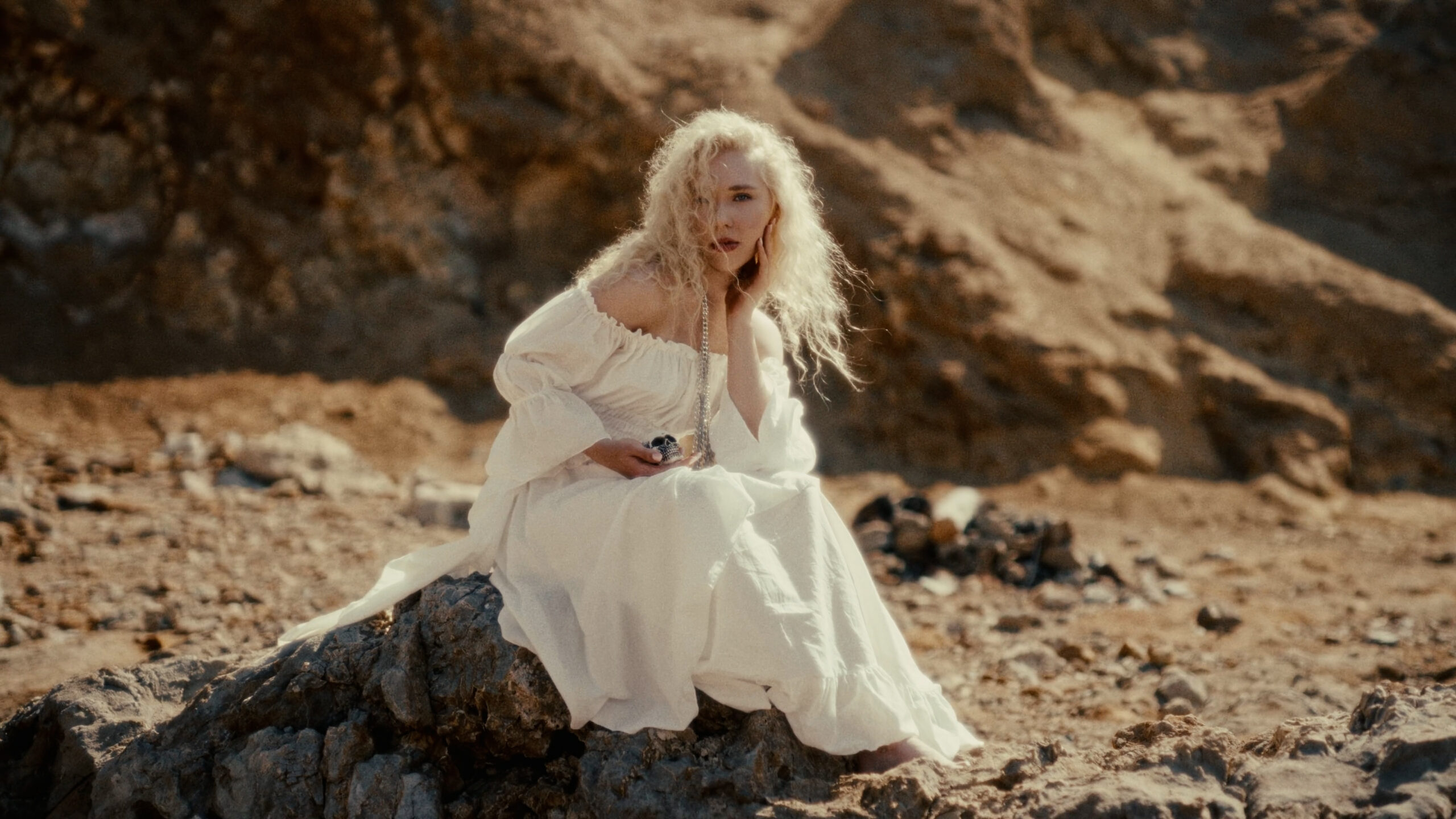
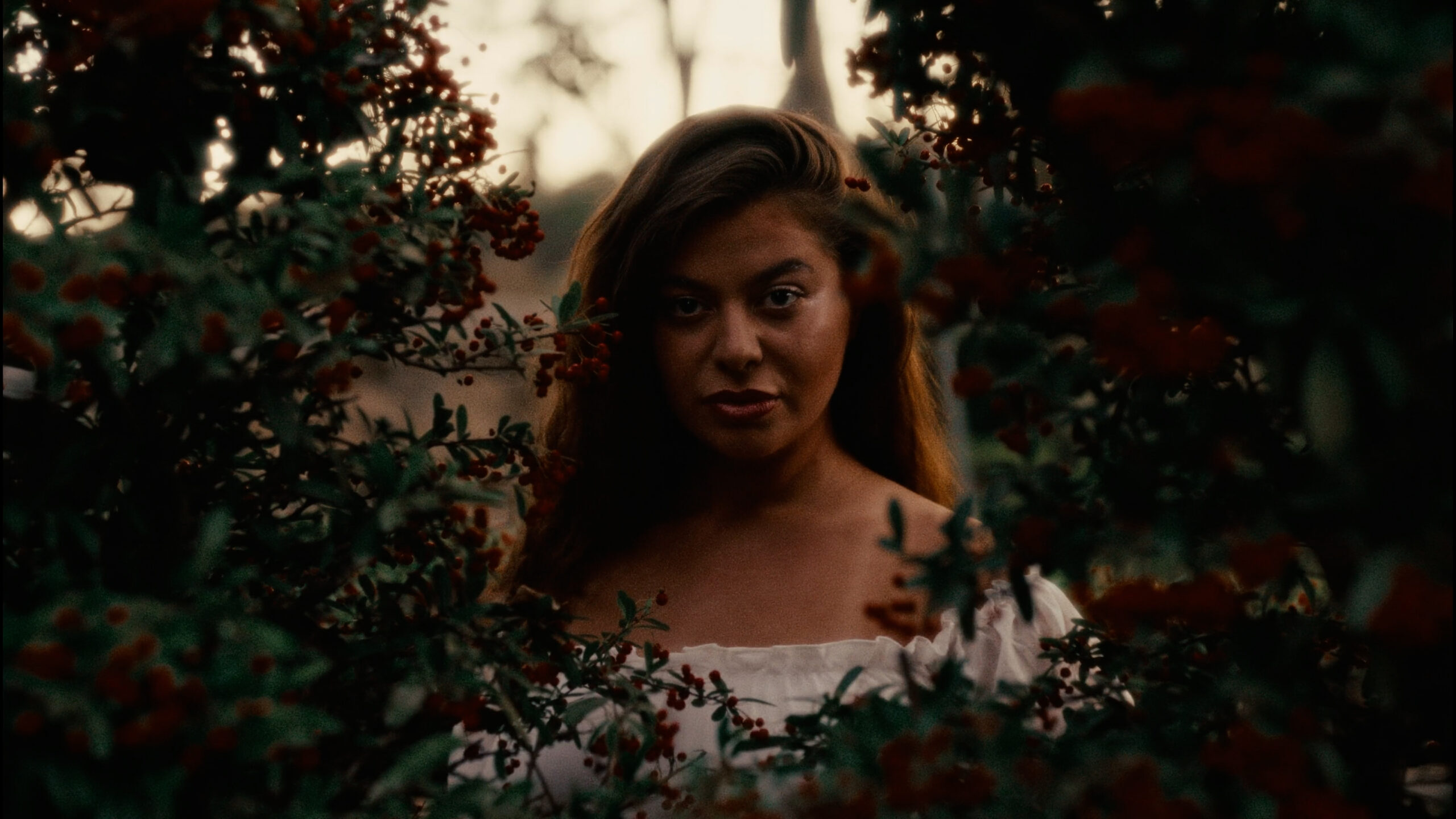
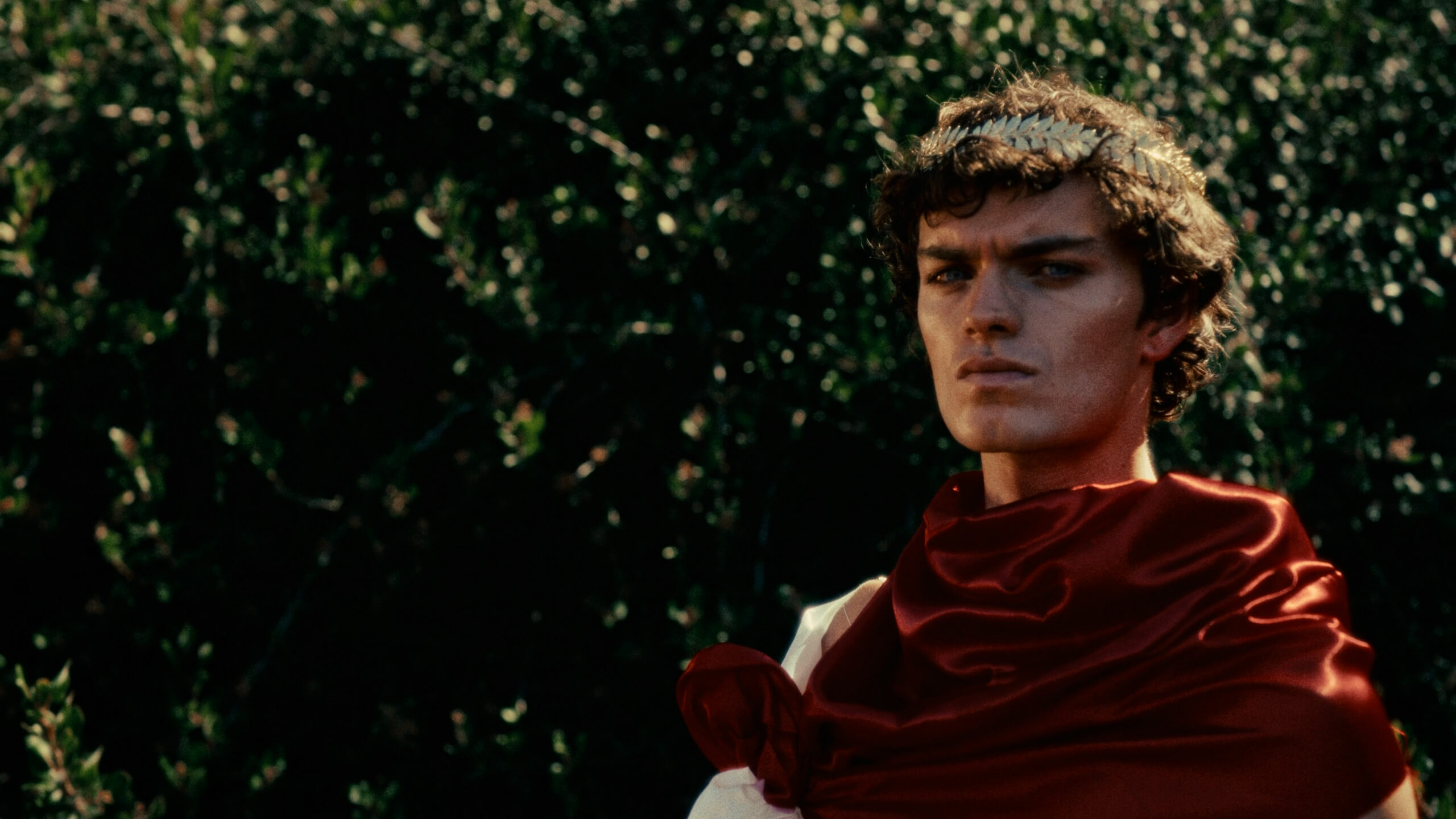
USOV: The second project that I shot with Sigma Aizu Primes was a project titled Visions, which is a video portrait rendition of classical pre-Raphaelite paintings.
Me and my collaborator, senior photographer on the project, Brandon Schloss, had been talking about doing something like this for a very long time. After we shot another project together, we decided that Aizu Primes would be a great fit for bringing those portraits to life. We really liked the contrast ratio on the Aizu Primes from previous work, and we felt like it would translate well into this project.
What drew you to pre-Raphaelite inspiration?
A lot of my inspiration in general comes from classical art. My father was a painter, so I grew up around art history and looked at classical paintings from a very young age. The pre-Raphaelite era was always very interesting to me because it feels like it should be much older than it is. It was a group of artists who took classical Renaissance conventions and applied them in a more modern context.
I thought it would be interesting to do something similar today, taking those classical conventions and recreating them in a modern setting using modern technology, cameras, lenses, and lighting, while still preserving that Renaissance or medieval feeling.
How did you approach translating paintings into video portraits?
Paintings have a lot of detail, but they also have a very direct focus. You cannot overstimulate the frame, but you also cannot make it too minimal. We started by studying the paintings and selecting ones that would translate well into video portraits. Then we paired specific models with each painting and worked within the limitations of locations and available resources to create compelling compositions.
One of the main challenges is that paintings are two dimensional, and their backgrounds often have geometry and vanishing points that do not match how a camera naturally sees space. So we had to figure out how to recreate that feeling in camera without painting backgrounds or building artificial sets. We focused on composition, layering foreground and background, and carefully choosing framing to suggest that same visual structure.
How did focal length and lens choice factor into that process?
We spent a lot of time thinking about focal lengths, because, in paintings, the subject and the background can feel like they exist at different focal lengths. For example, the subject might feel like it is rendered closer to a 50 or 65mm perspective, while the background feels much wider. So the question became how to combine those ideas in a real camera setup. We approached that through composition, depth, and separation between foreground and background.
What Sigma Aizu Primes really helped us achieve was a balance between sharpness and softness. The center of the frame stays very sharp, which reflects the precision of classical paintings, while the edges fall off with a softer, more aged feeling.
Can you talk about the overall look and finishing process?
We experimented a lot with lighting and color, and we also explored different looks in post-production. We shot on the Sony FX3, and its color space combined with the Aizu Primes gave us a strong foundation. In post, we created multiple versions of each portrait with different color grades, trying to match the tones and feeling of the original paintings, while also considering how those paintings might look aged over time.
Did you consider using vintage lenses for this project?
We did think about vintage lenses, but ultimately, I don’t think they would have worked for this project. A lot of vintage or rehoused vintage lenses are too soft or can feel flat, and they often introduce imperfections that don’t align with classical paintings. Paintings are very precise and tend to strive toward a kind of perfection.
With the Aizu Primes, you still get that sharpness that helps replicate the clarity of a painting, but you also get a subtle softness and character on the edges.
Another factor is reliability. Vintage lenses can be unpredictable, especially when you’re working with movement, dollies, cranes, and precise focus pulling.
Modern lenses like Aizu Primes are much more consistent and easier to use. The focus throw is smooth and reliable, which is very important when working with controlled movement and timing.
While vintage lenses might bring character, but for this project they would have introduced too many limitations.
Wrap Up
SIGMA: After using Sigma Aizu Primes across four projects, how do you see yourself using them moving forward?
USOV: I definitely want to continue using them in the future and keep experimenting with them on new work. One thing I’ve been wanting to try for a long time in my narrative work is shooting an entire project using only one focal length. The 65mm in particular is a focal length I’d like to experiment with.
How do Aizu Primes fit into your overall creative approach?
I think Aizu Primes are great for a mix of narrative and commercial work. For me personally, every commercial project I do has some kind of narrative or nostalgic element.
What Aizu Primes help me achieve is a balance between those two worlds. They have sharpness, but also softness. They capture motion very well but can also feel more subtle and cinematic at the same time.
Who would you recommend Aizu Primes to?
I would recommend Aizu Primes to filmmakers who like a mix of both commercial and narrative styles. They are great for people who don’t want a purely clinical, sharp image, and who are not afraid of a little bit of flare, character, and edge roll-off. They are also a good fit for filmmakers who like working with contrast and are open to experimenting with different looks. In my own work, I like combining a modern image with a slightly nostalgic cinematic feel, and I think Aizu Primes offer a really strong balance of both.
Our most premium lenses, where modern meets vintage