On a decades-long solo mission to the edge of space, an astronaut clings to routine as reality begins to fracture and isolation takes its toll… but are they truly alone?
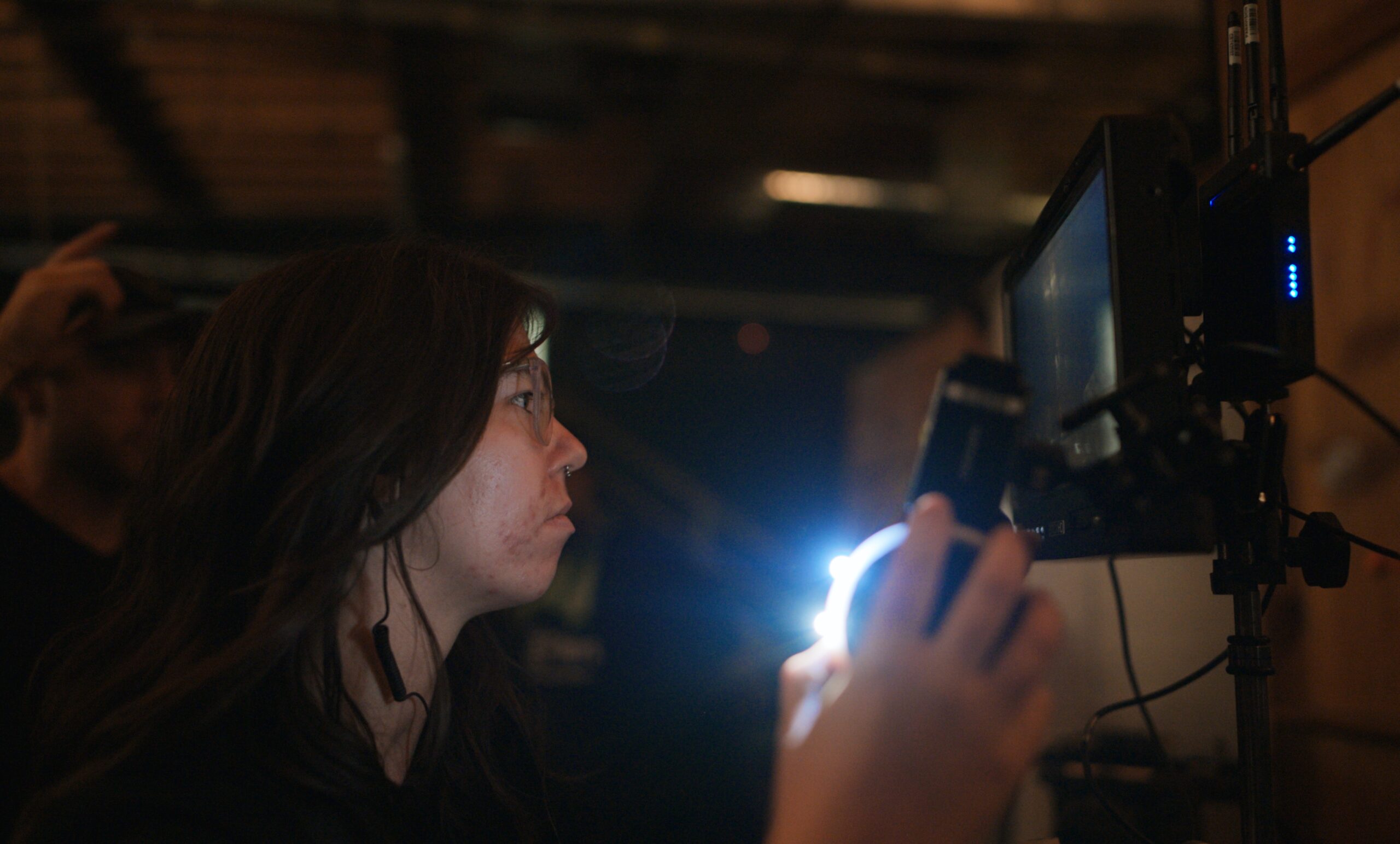
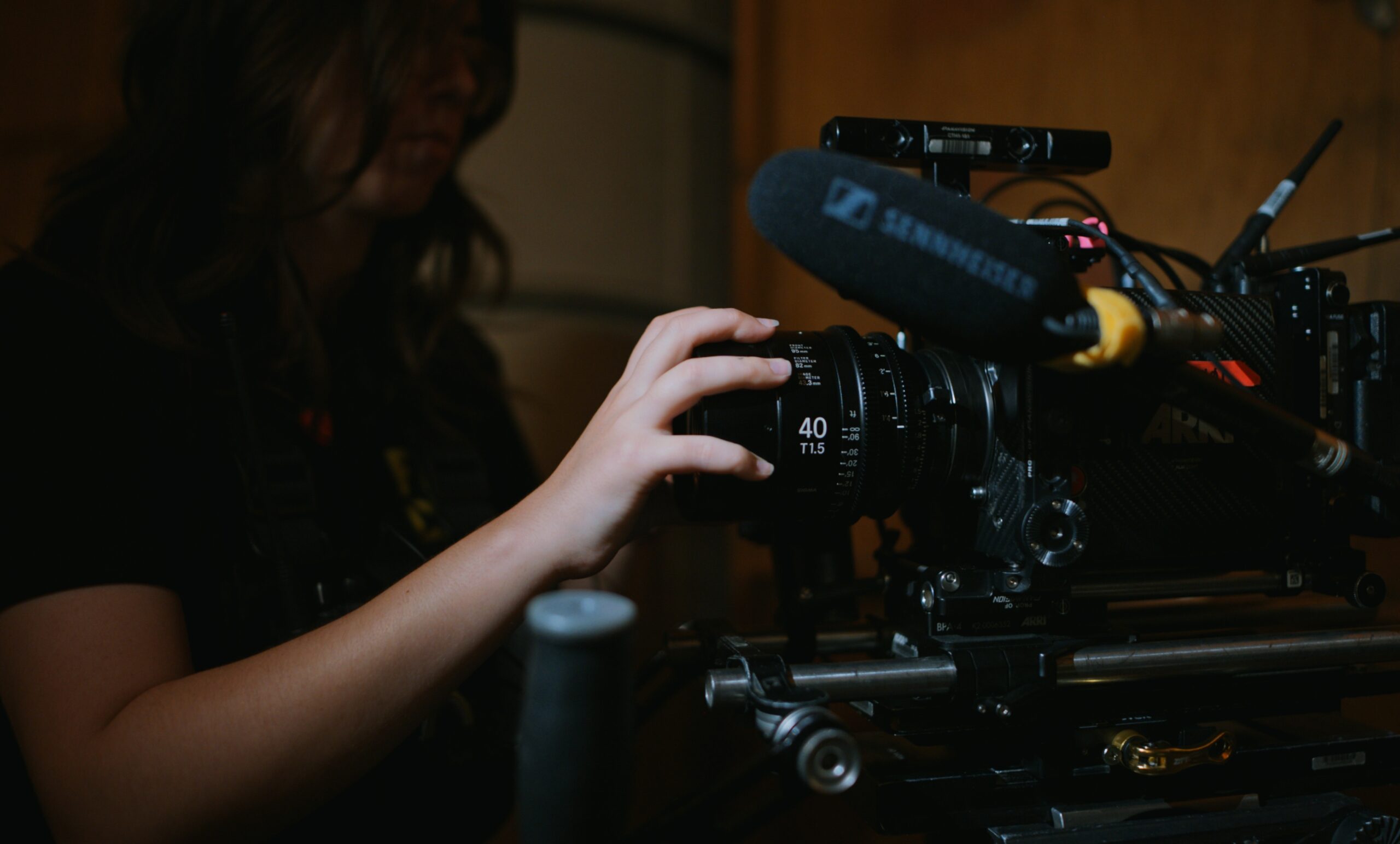
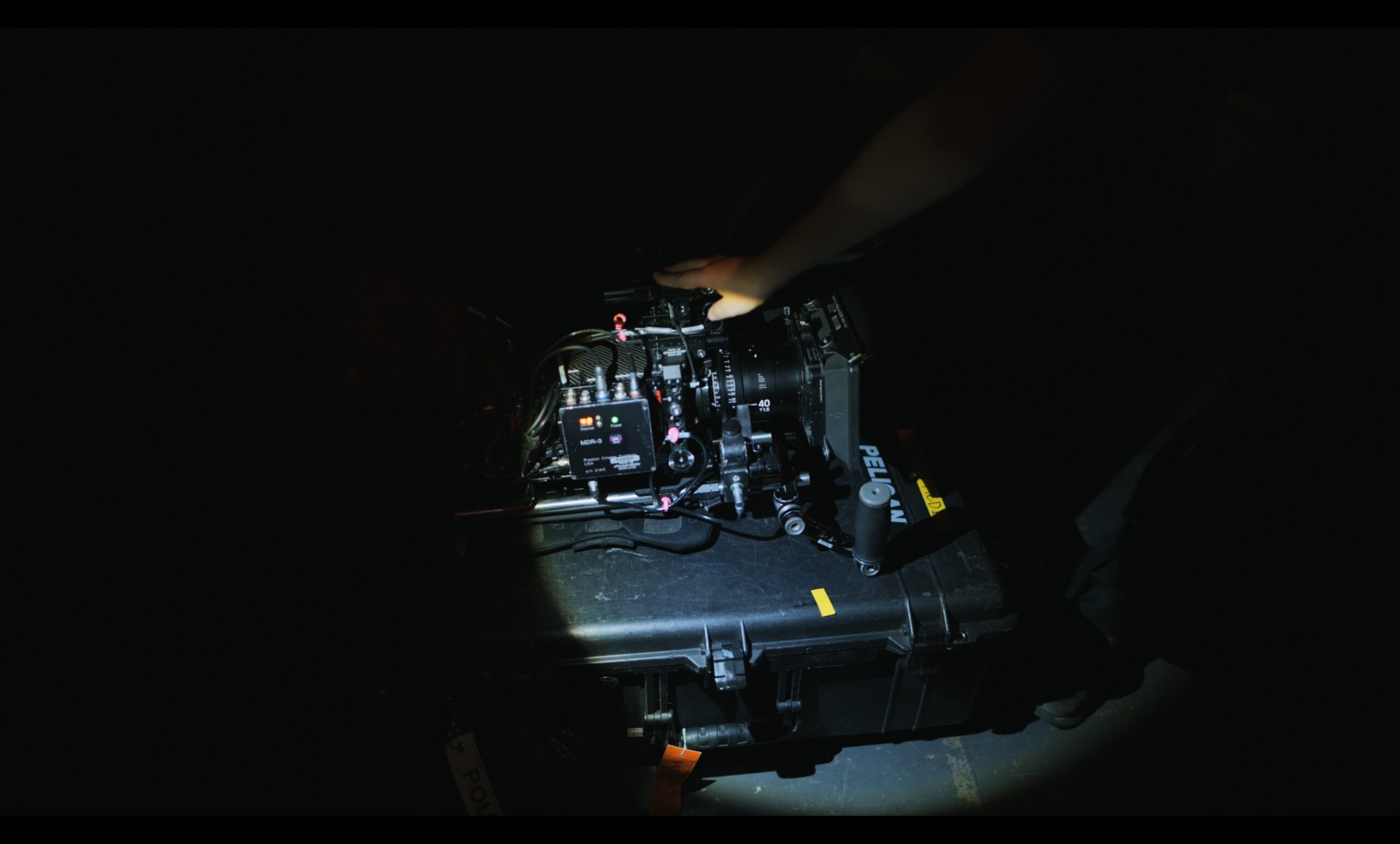
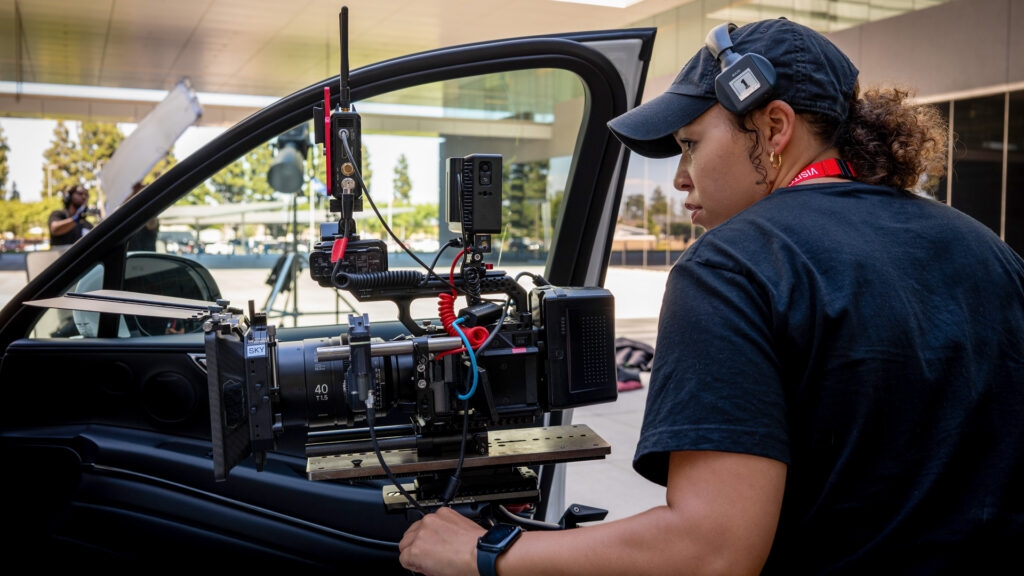
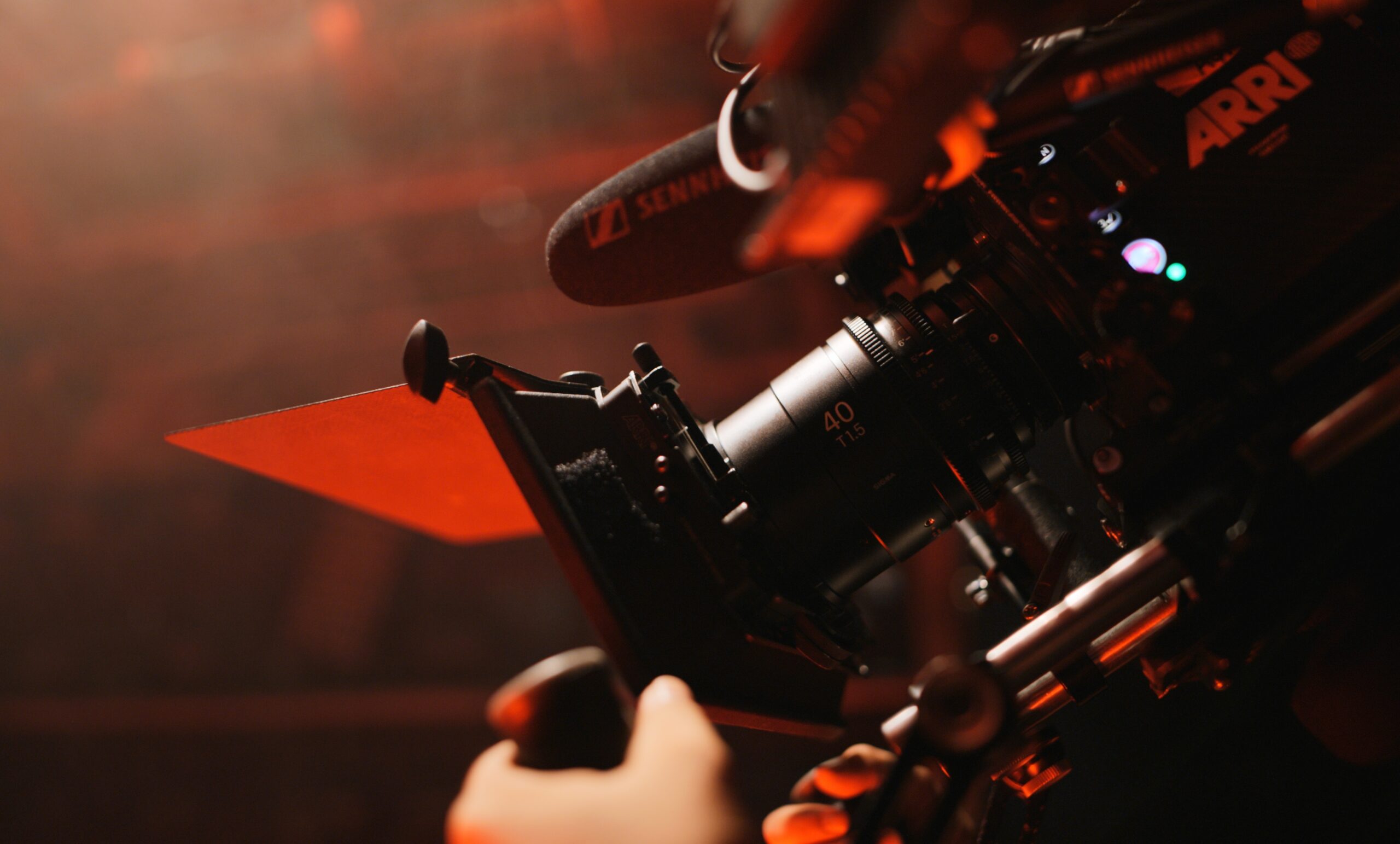
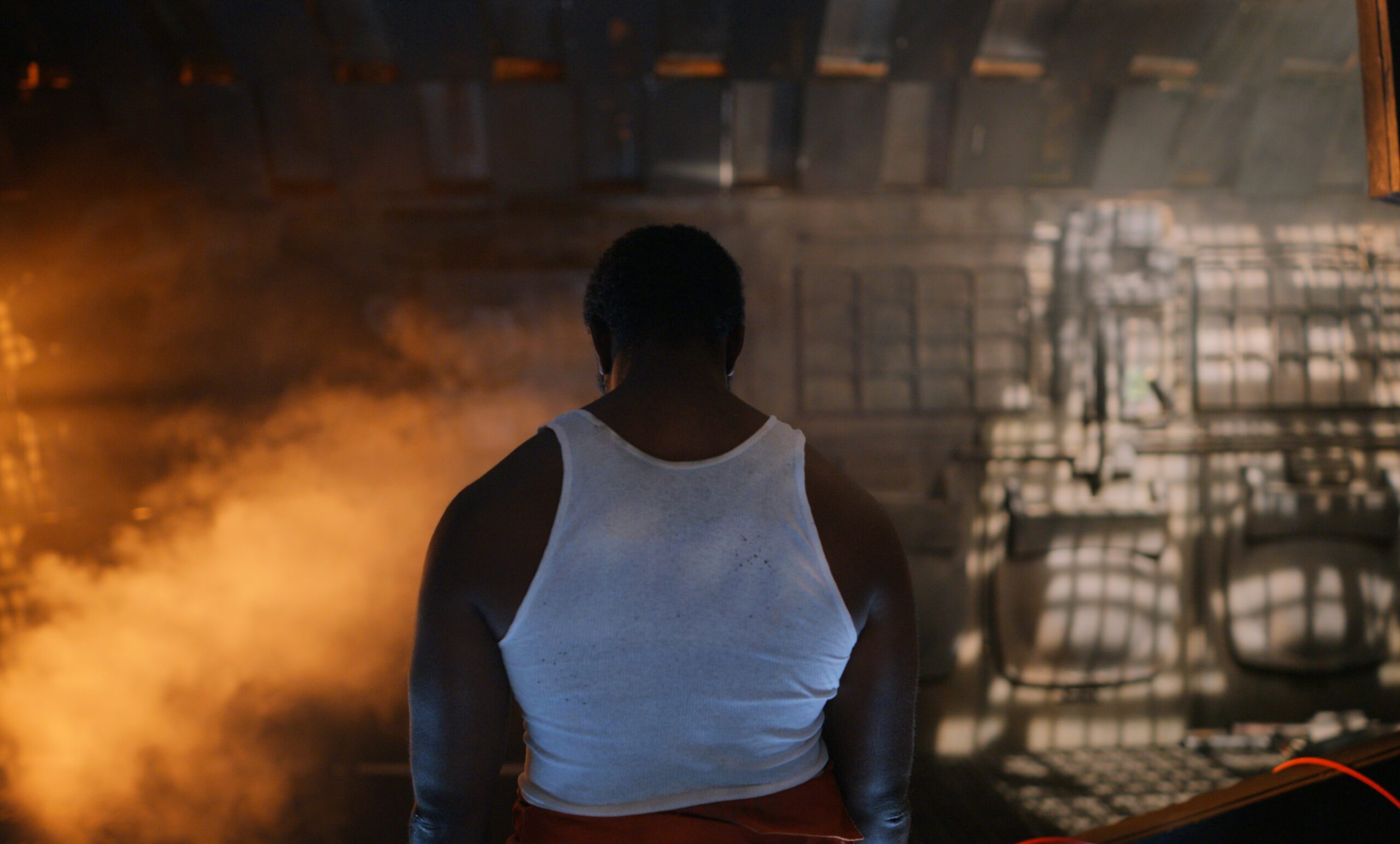
Director Cody Mobley turned to Sigma’s Full Frame High Speed Primes and Full Frame Classic Primes for his recent sci-fi short Termination Shock.
We caught up with Mobley shortly after production wrapped to hear firsthand how the lenses shaped his visual approach and what the experience was like bringing this story to life.
Low Light Capability
Sigma:
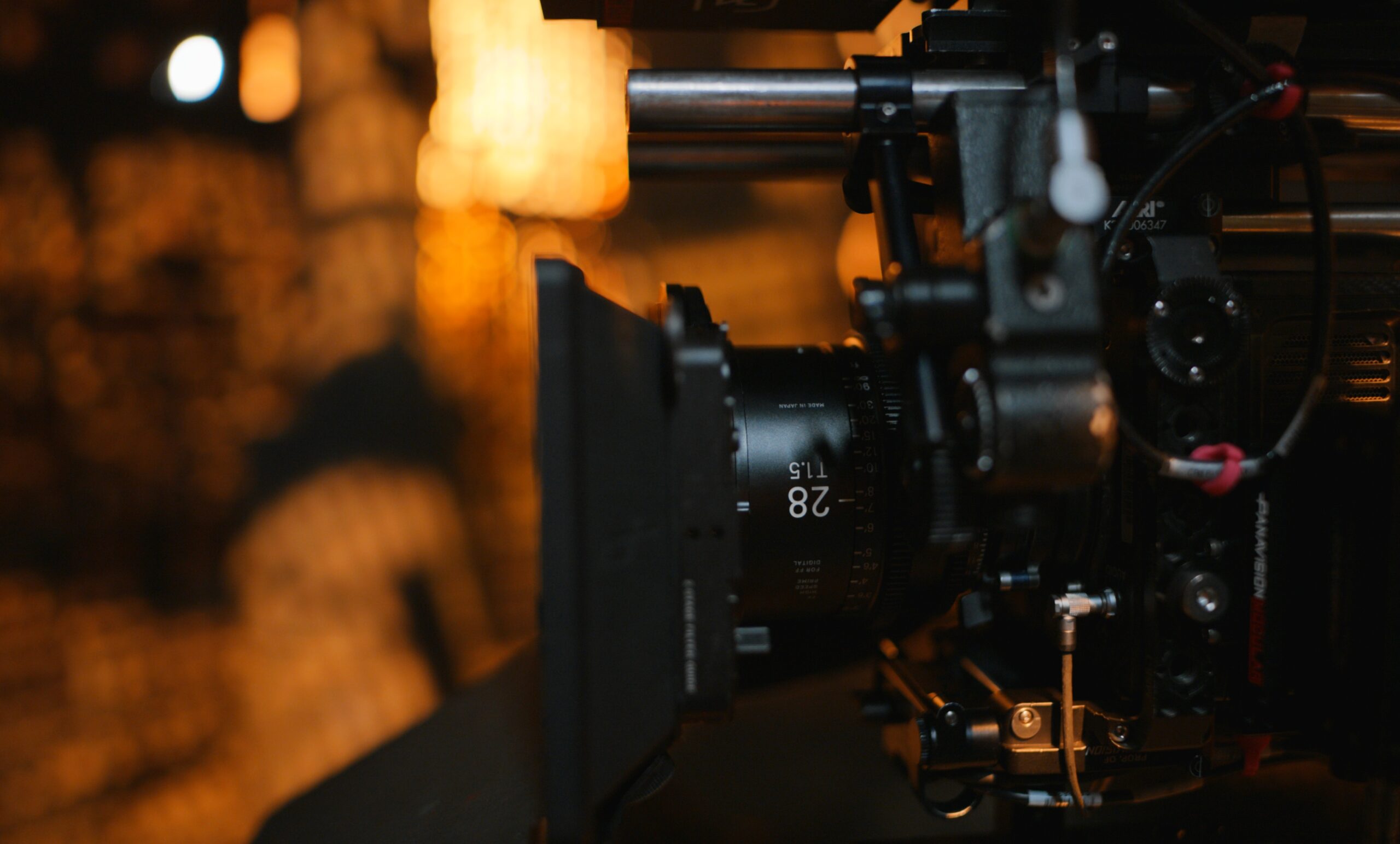
The Sigma High Speed Primes open up to T1.5 and as such, are well-regarded for their performance in low light. Did this play an important role in how you approached the darker, atmospheric sequences in Termination Shock?
Mobley:
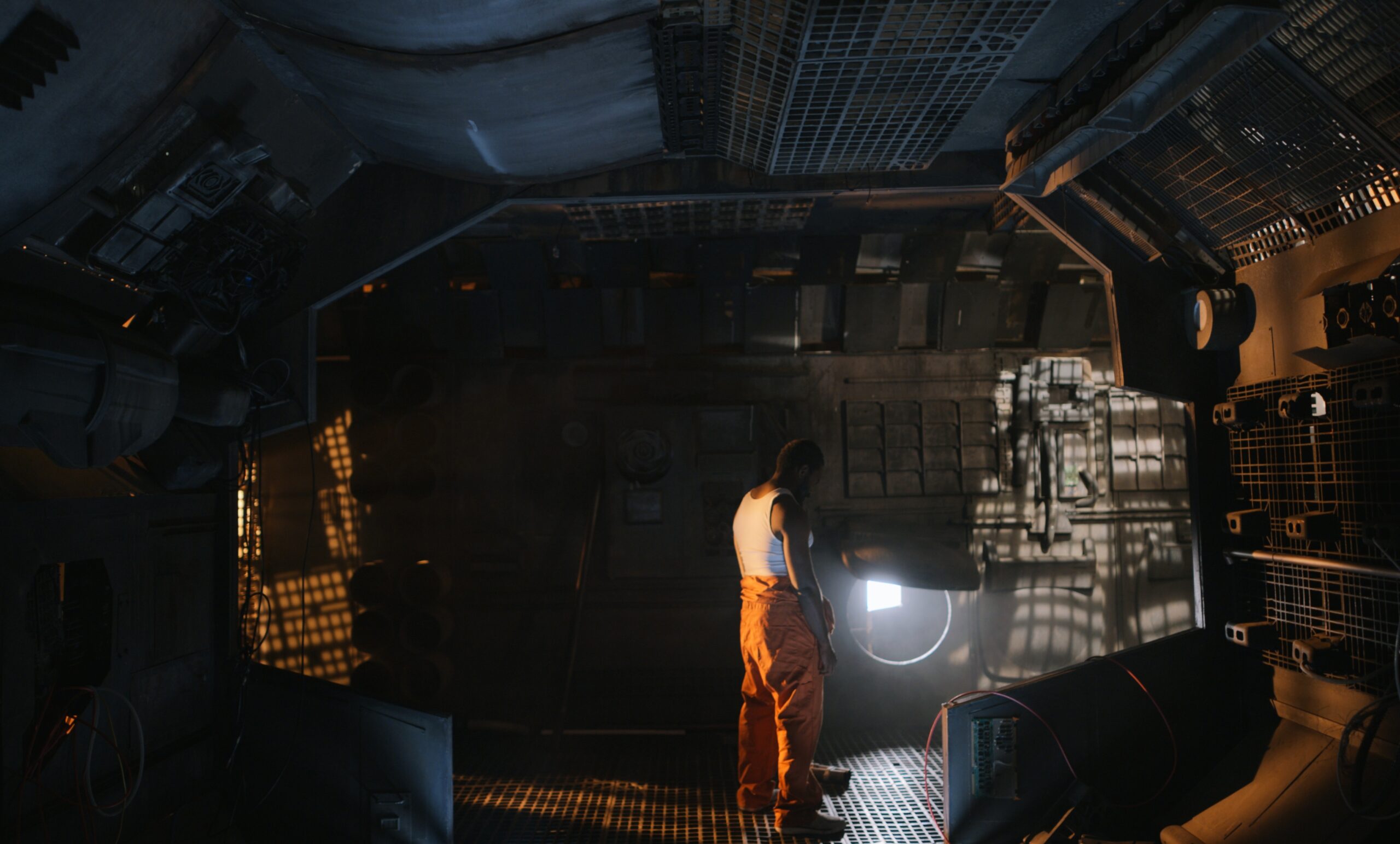
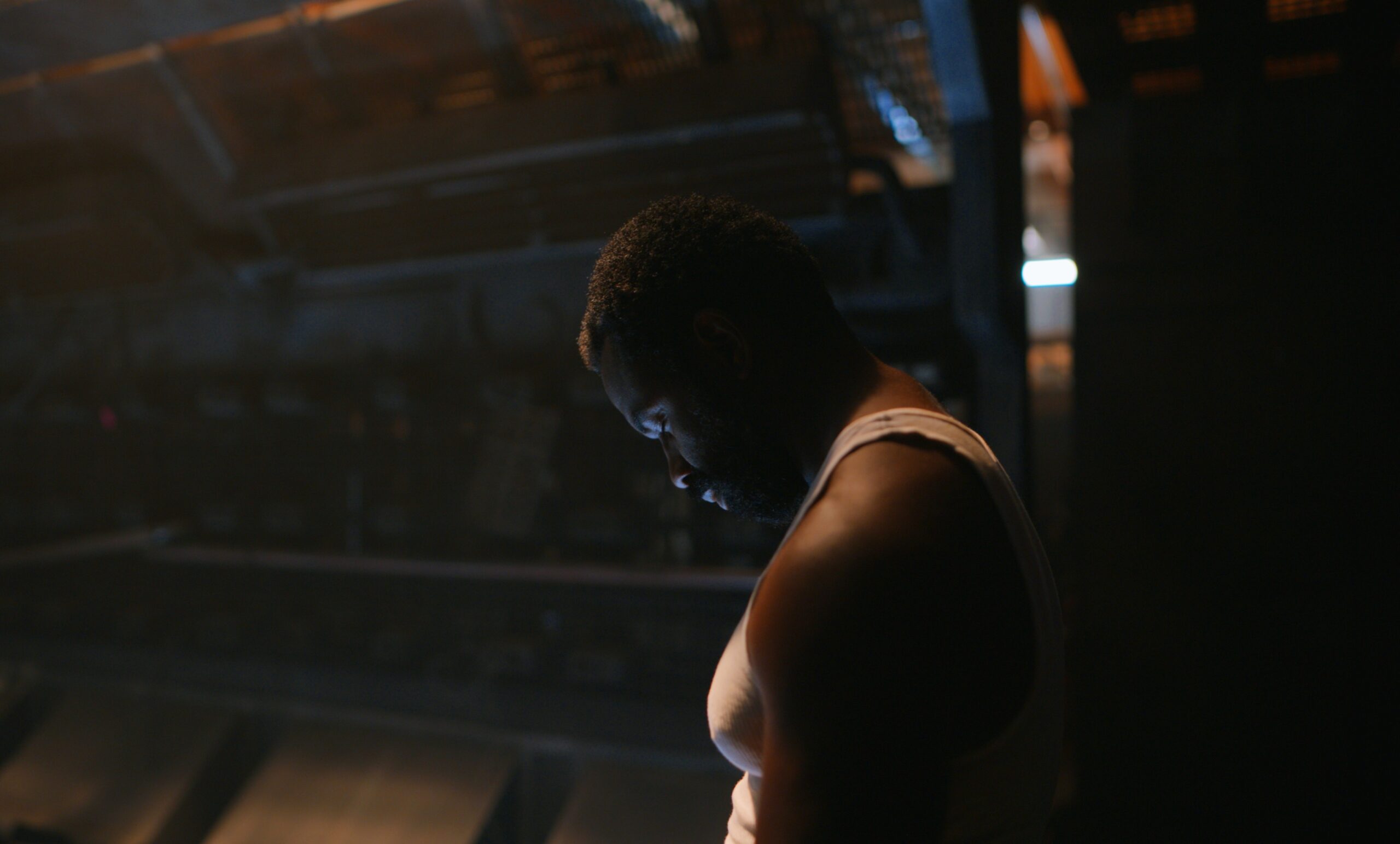
There was a specific moment of deep emotion and anguish where our main character Lieutenant Taylor (played by Darian Michael Garey) has a breakdown. When you ask an actor to go somewhere dark and bring that emotion out, you want to make sure to capture as much of their performance as you can on the first few takes, or risk putting them somewhere deep in their head. Even in the darkened room, with a small splash of color on him, you can see the despair, the tears streaming down his face. We couldn’t have accomplished this shot without great low-light performance. This is an issue many filmmakers have, especially when making a thriller or horror, since you want to show what’s in the dark, without fully showing what’s in the dark.
World Building
Sigma:
Sci-fi demands a visceral sense of atmosphere and immersion. Did the lenses help capture the scale, texture, or detail you needed to sell the story of Termination Shock?
Mobley:
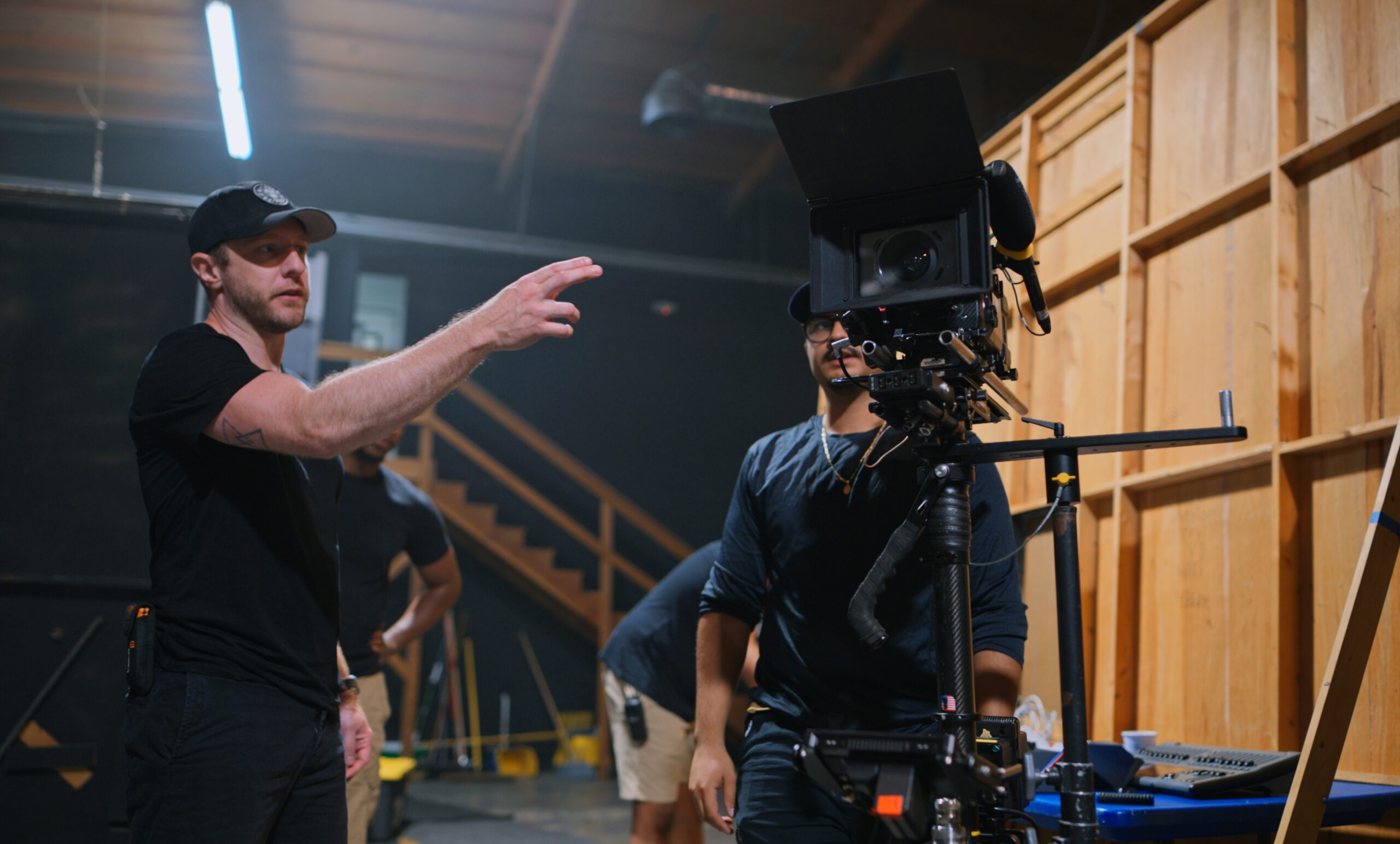
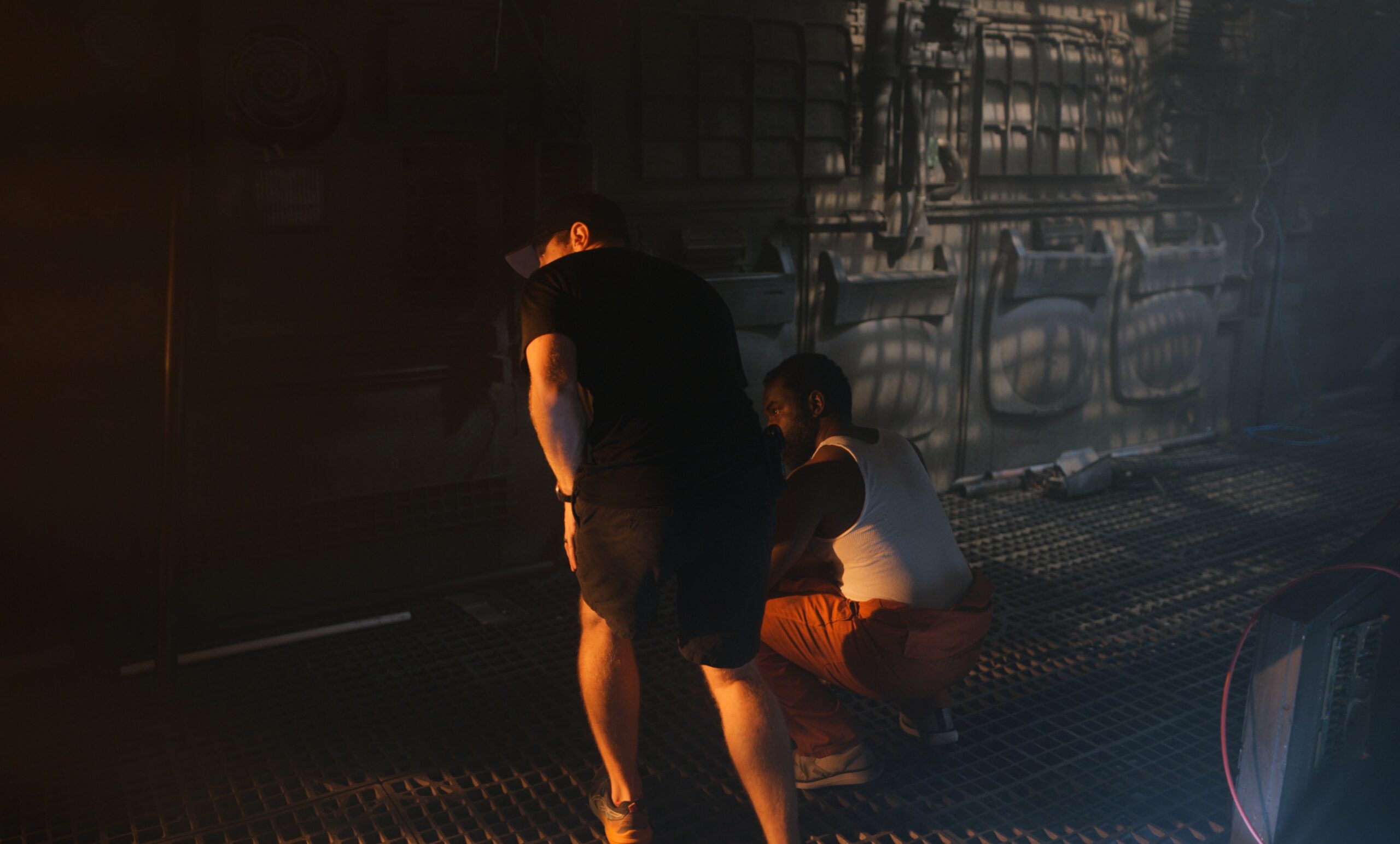
The very first shot we tackled was one of our more lengthy and technical takes, where we track down a long hallway and swing to a closeup of a small object on the ground before sliding back to reveal our actor within the space. Going from micro to macro and back again isn’t easy on just any lens, especially on a space ship set flooded with fog, lights, and debris. So to say that the lenses helped capture the scale and detail would be insanely accurate. It was a very cool moment, everyone holding their breath watching on one of the monitors, wondering what the “look” of the story would be — and after I cut, this wave of excitement and awe passed through the crew. We knew at that moment we had something awesome on our hands..
Creating Isolation
Sigma:
Most of Termination Shock unfolds in close quarters with a single character. Was lens choice a consideration regarding how to capture the astronaut’s psychological state or convey something as abstract as the feeling (or reality) of isolation?
Mobley:
It was one of the biggest considerations we had when building our rig. Using a single character, with no dialogue, can create obstacles or opportunities, depending on how you look at it. Having the correct lenses was pivotal in showing the inner turmoil that our main character never outwardly expresses, and can be the key to encapsulating the feeling of being trapped while something stalks you through tight spaces — we made the best choice going with the Primes.
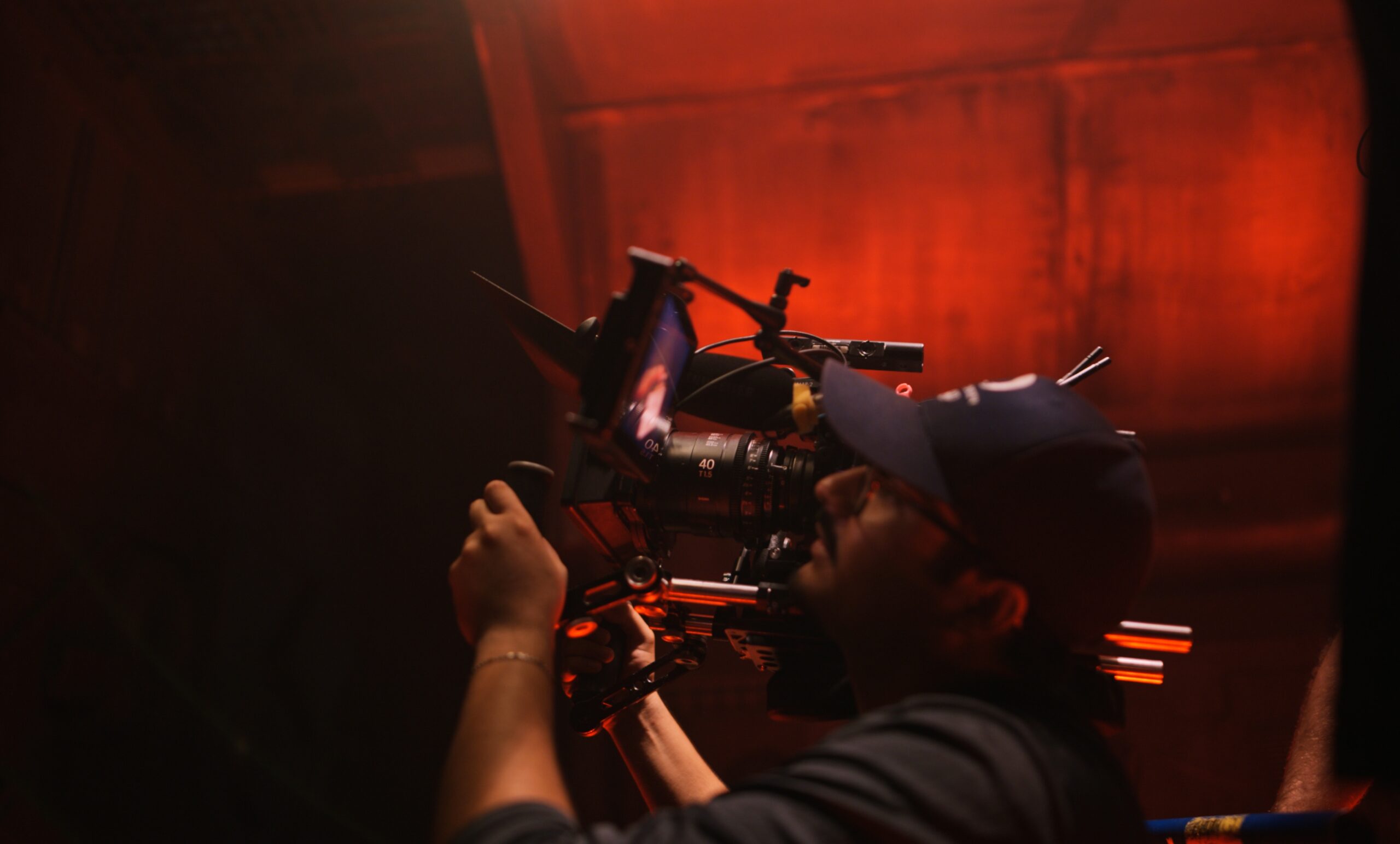
Image Character
Sigma:
The High Speed Primes have developed a reputation for their edge-to-edge sharpness and hyper-accurate color rendition. Did the “look” (or even lack thereof) of the lenses contribute to how you and your Director of Photography Eric Payne envisioned the overall look/feel of the film?
Mobley:
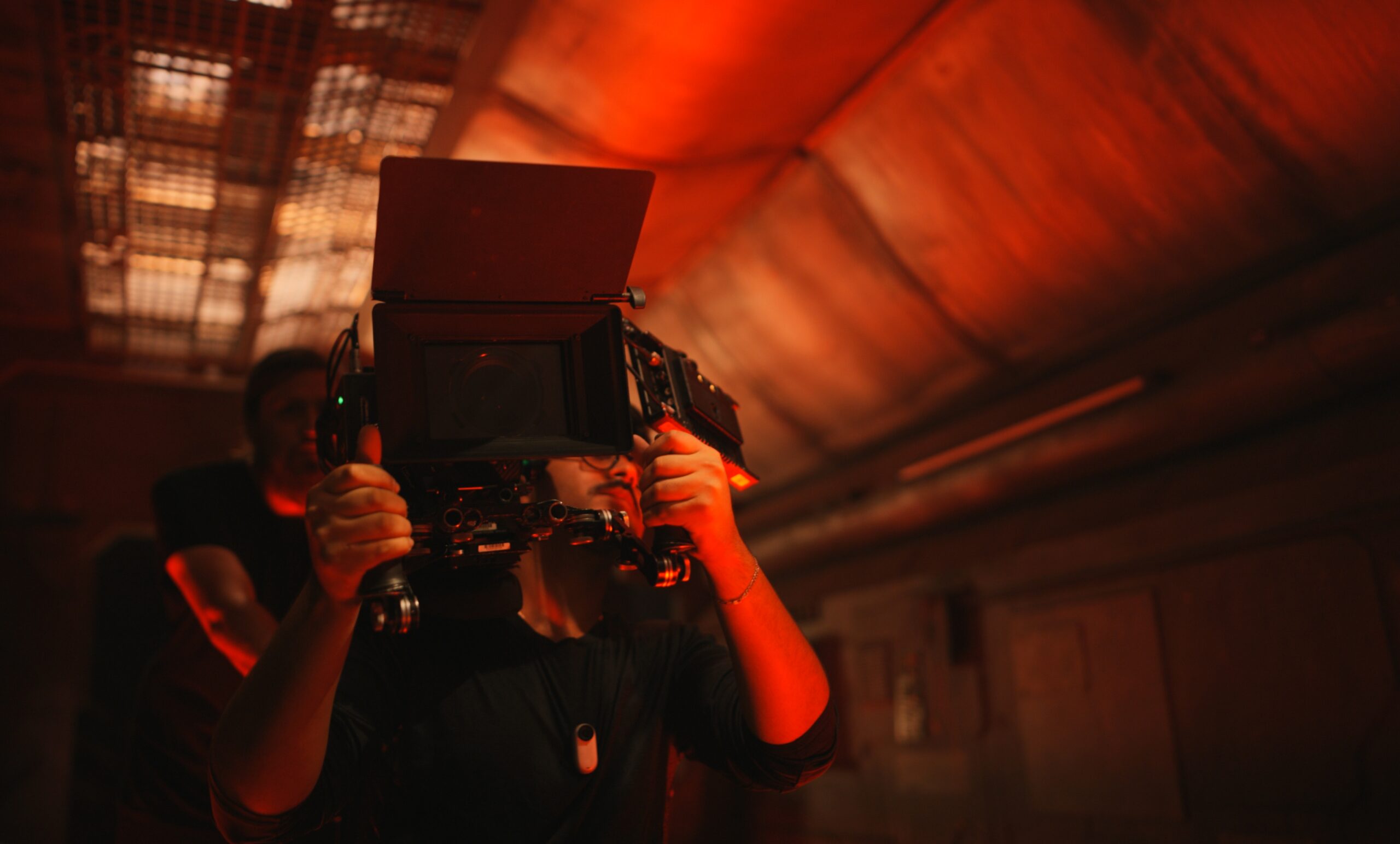
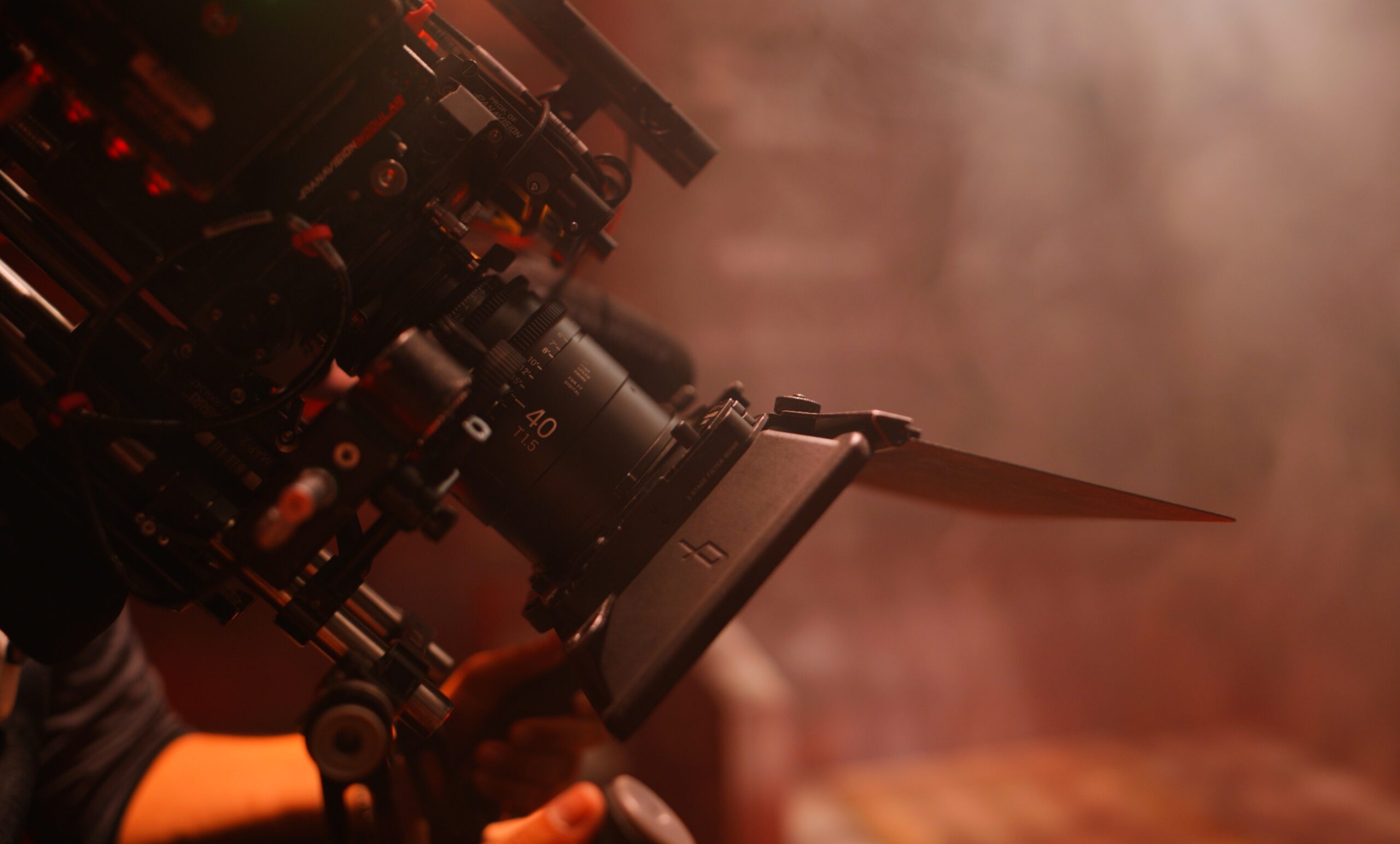
From day one when we were building the project I was adamant to shoot on the Primes, and all of our pre-production stills and camera tests were done with them; so it’s safe to say that the lenses not only had a large impact on the aesthetic of the film but shaped the look from the beginning. My DP Eric Payne likes to color correct our projects, and sets the shots up knowing what we are looking for in advance, and it was refreshing to see how close the raw footage aligned with our desired look.
(Practical) Production Demands
Sigma:
From a production standpoint, how did the build and practical usability of the lenses support your team on set—especially when working in controlled or minimal spaces like a tiny spacecraft set?
Mobley:
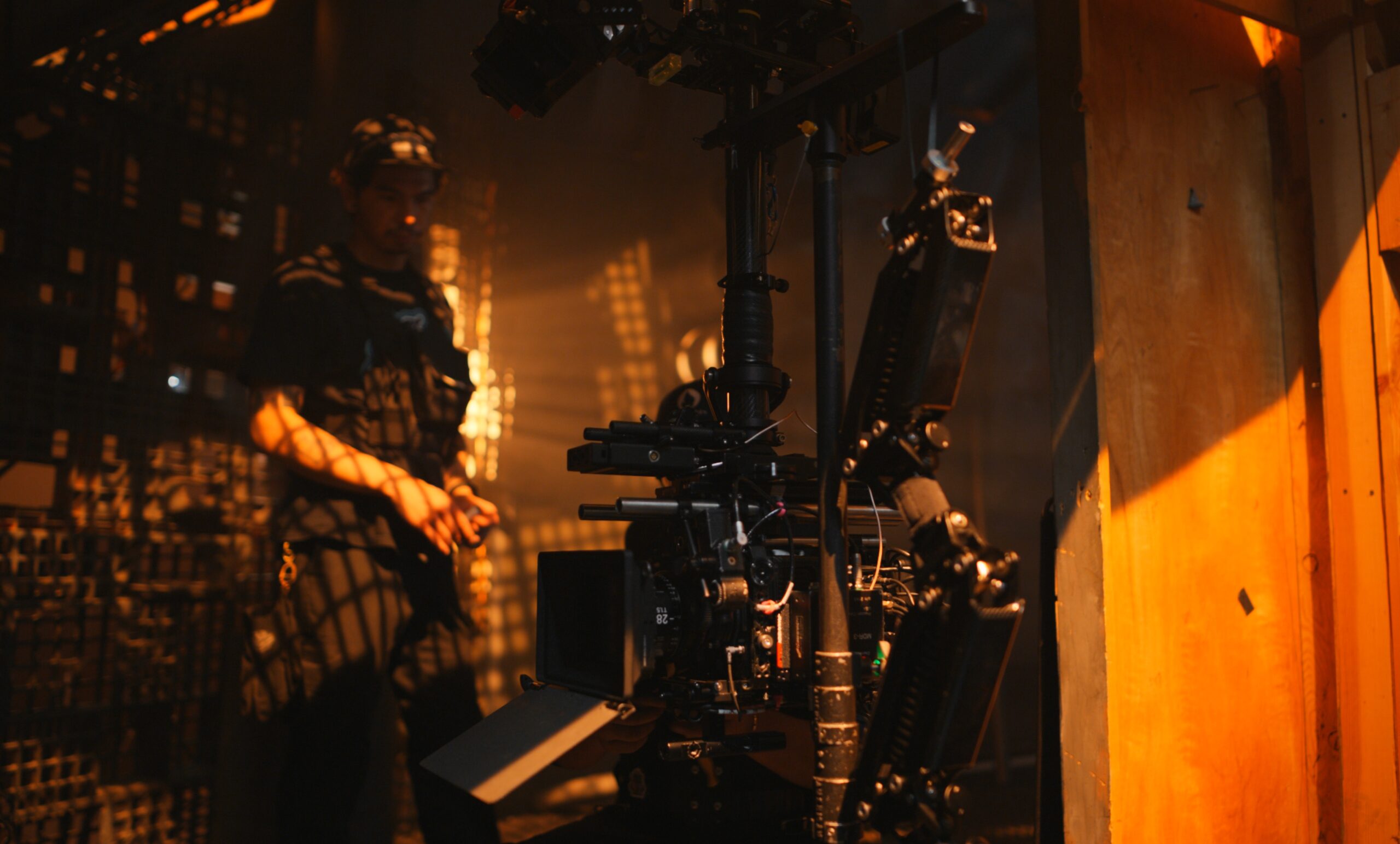
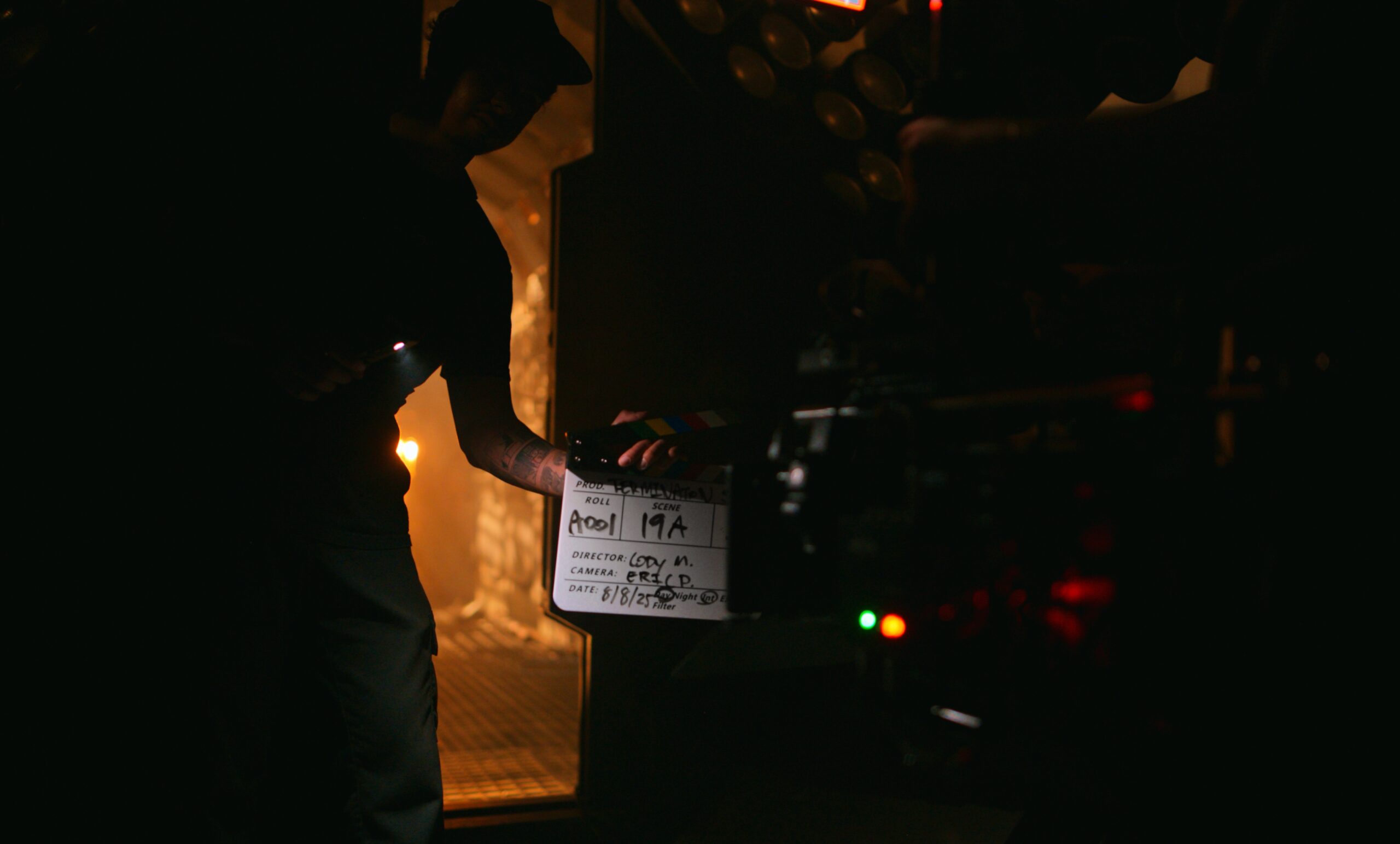
Well I can tell you that our cam-op (Jesse Mar Ramirez) definitely appreciated the lighter weight of the Sigma Primes when we went handheld! But honestly, an added benefit was the easy swaps when we were on Steadicam. When you can spend less time balancing the rig and reconfiguring the follow-focus, it takes a lot of stress off the production as a whole. I also can say the close focus listed for each lens was pretty much dead on, so thanks for that.
Post-Production
Sigma:
In terms of post-production, especially if visual effects were involved, how did the image quality from the High-Speed Primes influence your post process?
Mobley:
I prefer to go practical with my shoots. Nothing looks as good as real, solid, practical effects. Still, it’s hard to do a spaceship computer screen practically when the screens don’t actually work, so we had to go with a larger visual effect footprint than usual. I had always wanted to stay away from the green or blue tint you generally see on spaceship HUDs, and after going through our footage it was highly beneficial for us to go with a more muted and “older” looking graphic instead. Because the ship looks so real and crisp thanks to the Primes, it became a choice to make the special effects look dated and warped to better convey what you would expect after 27 years running non-stop.
Creative Flexibility
Sigma:
Did having access to a full range of focal lengths in the High Speed Prime set give you more creative freedom in how you framed and told the story? Which focal lengths did the production and your DOP Eric Payne end up utilizing the most?
Mobley:
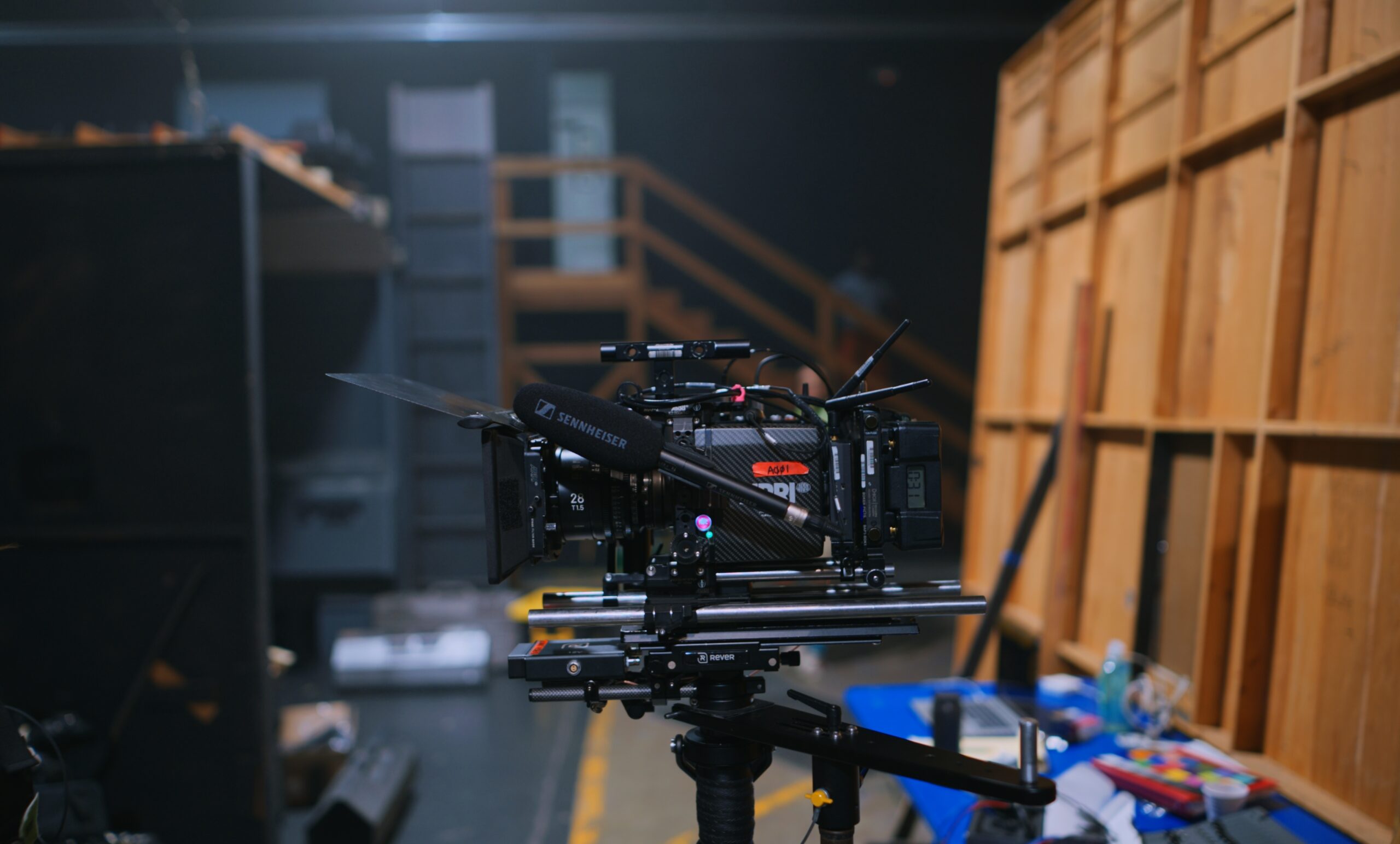
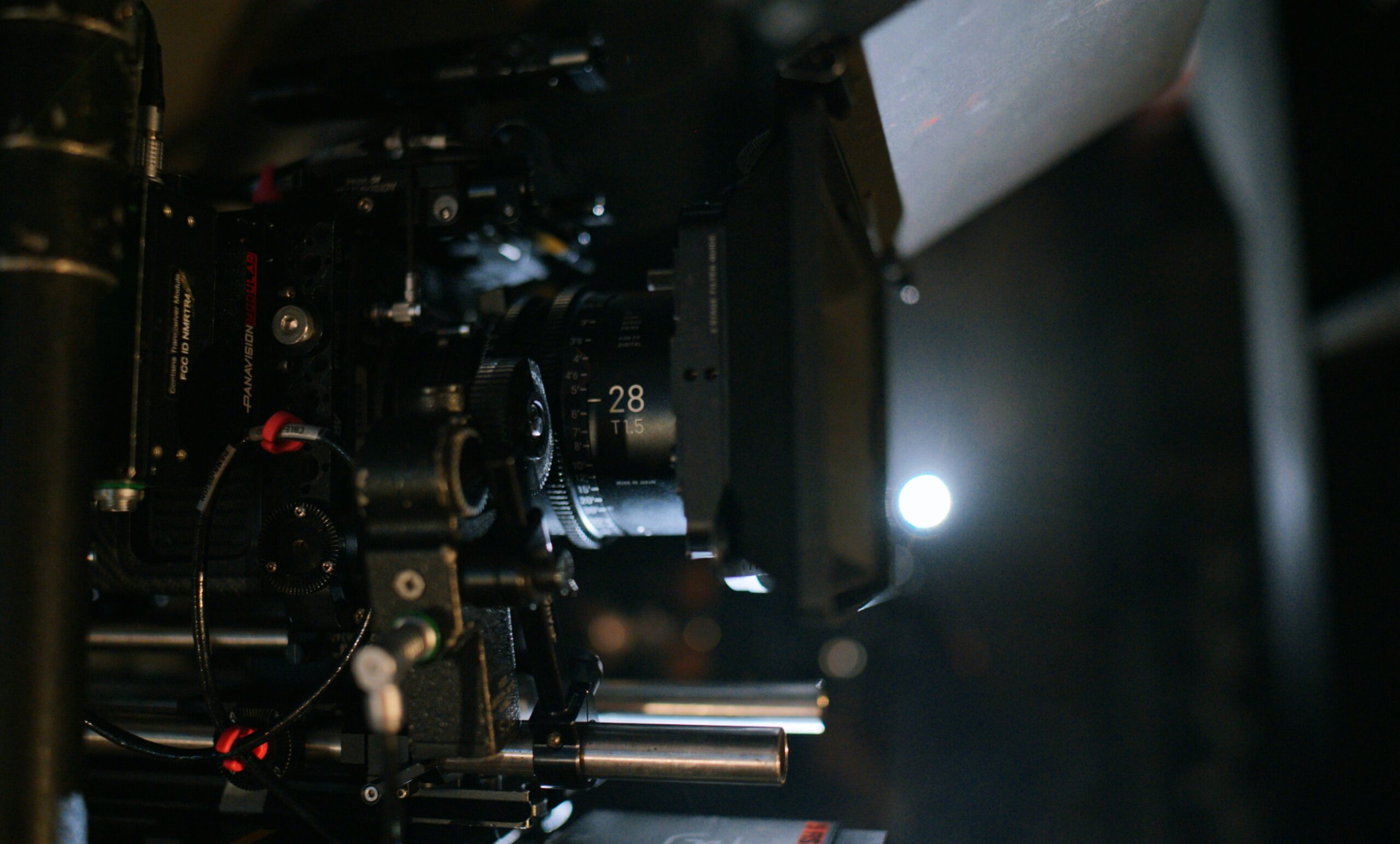
Absolutely. Being able to craft a story with a full range of lenses is paramount, especially when we want to convey the isolation and turmoil in our main character’s head. Because each “day” in the story is shot differently, we used a variety of focal lengths depending on if we were on steadicam, handheld, or locked off on sticks. That being said, as it generally is on a tightly scheduled film shoot, we ended up relying heavily on the 28, 35, and 50 when we needed to nail a shot. We did capture the final shot of the film on a 35mm Classic though, to give us a bit more flare and ethereal feel to end our journey.