SIGMA BF
ISO 400, F1.4, 1/500s
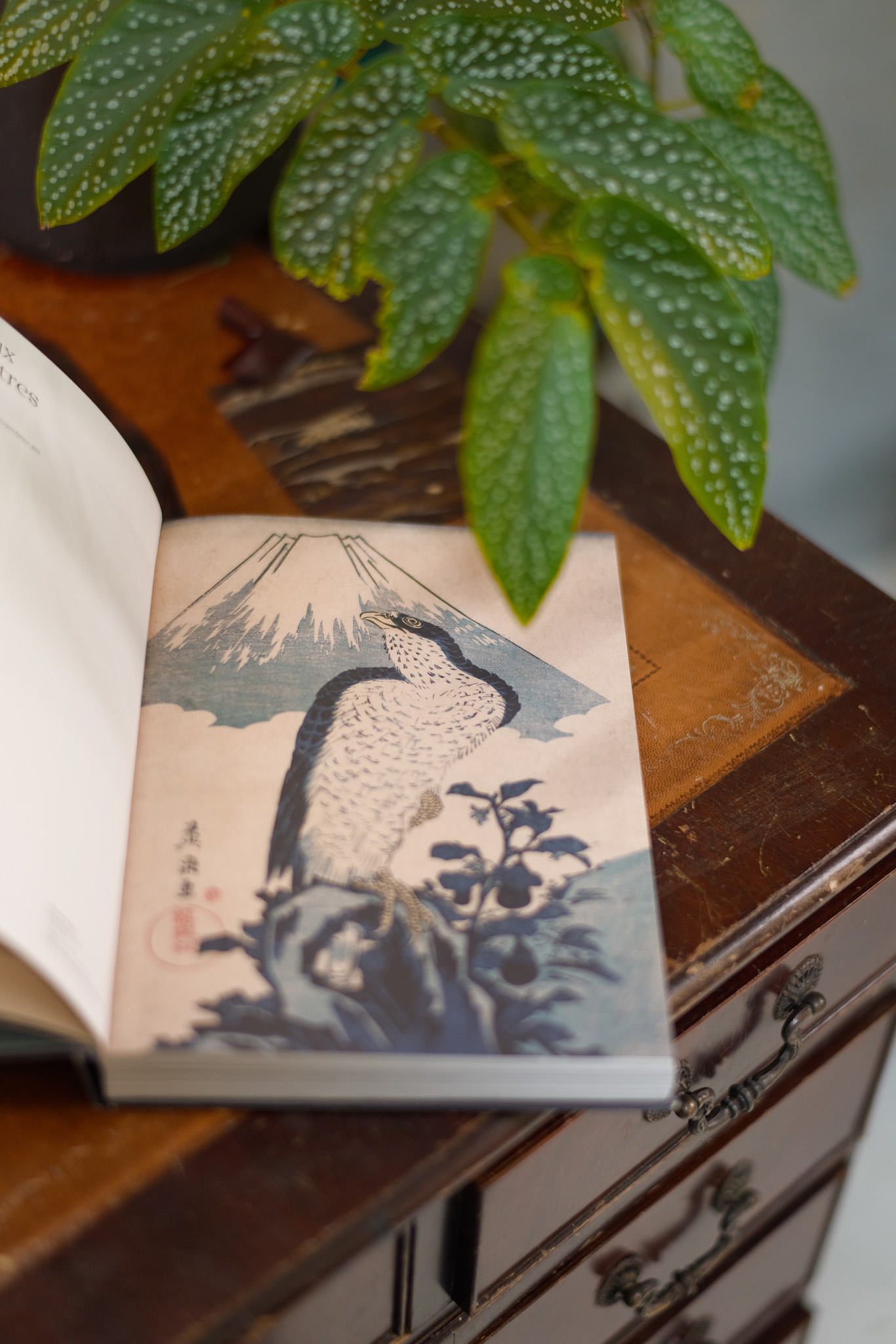
I met Loumi Le Floc’H three years ago. When our paths first crossed, she told me about Hatsuyume, the first dream of the year in Japanese tradition. According to this belief, three images are particularly auspicious when they appear in this initial dream: Mount Fuji, the hawk, and the eggplant. ichi-Fuji, ni-taka, san-nasubi.
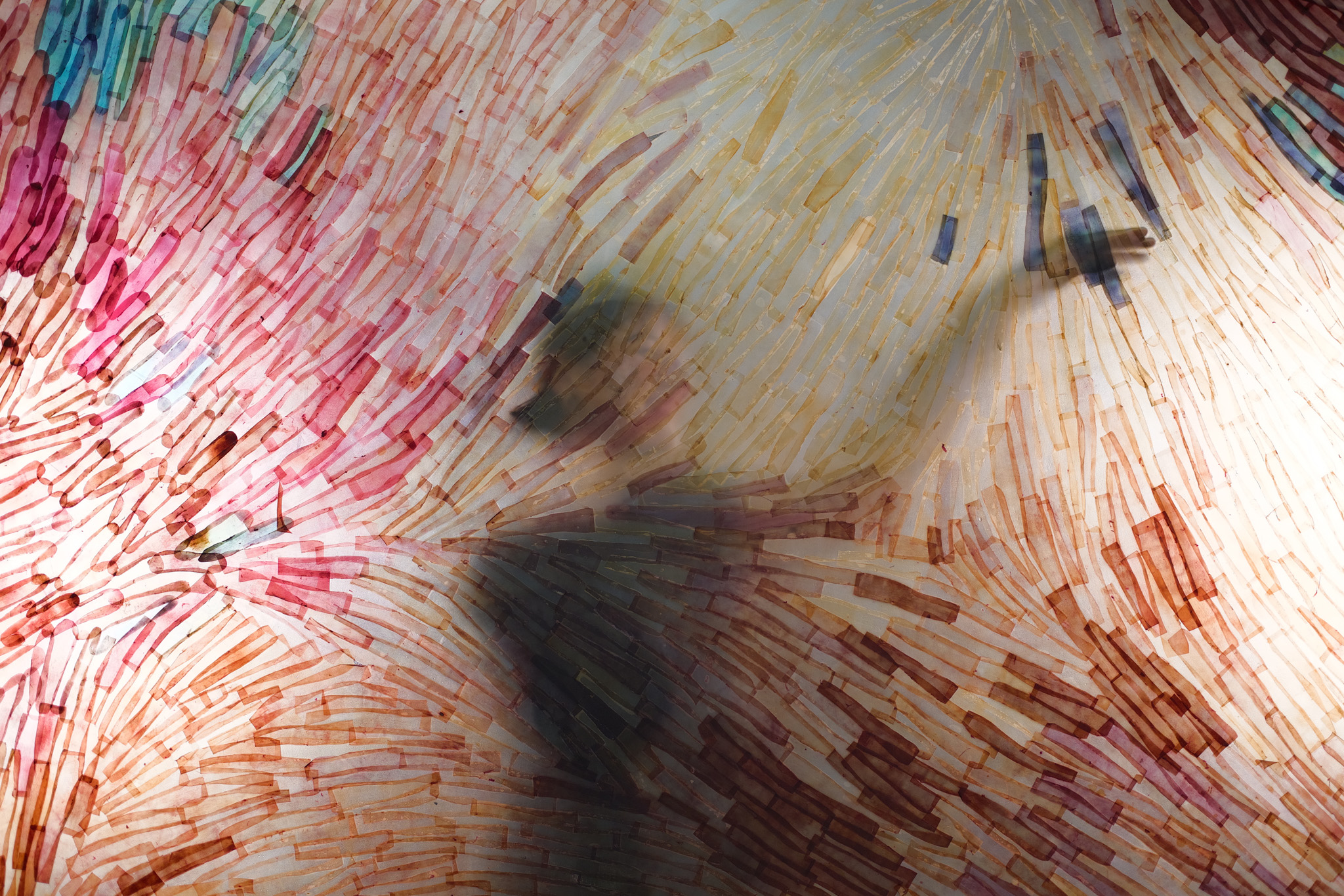
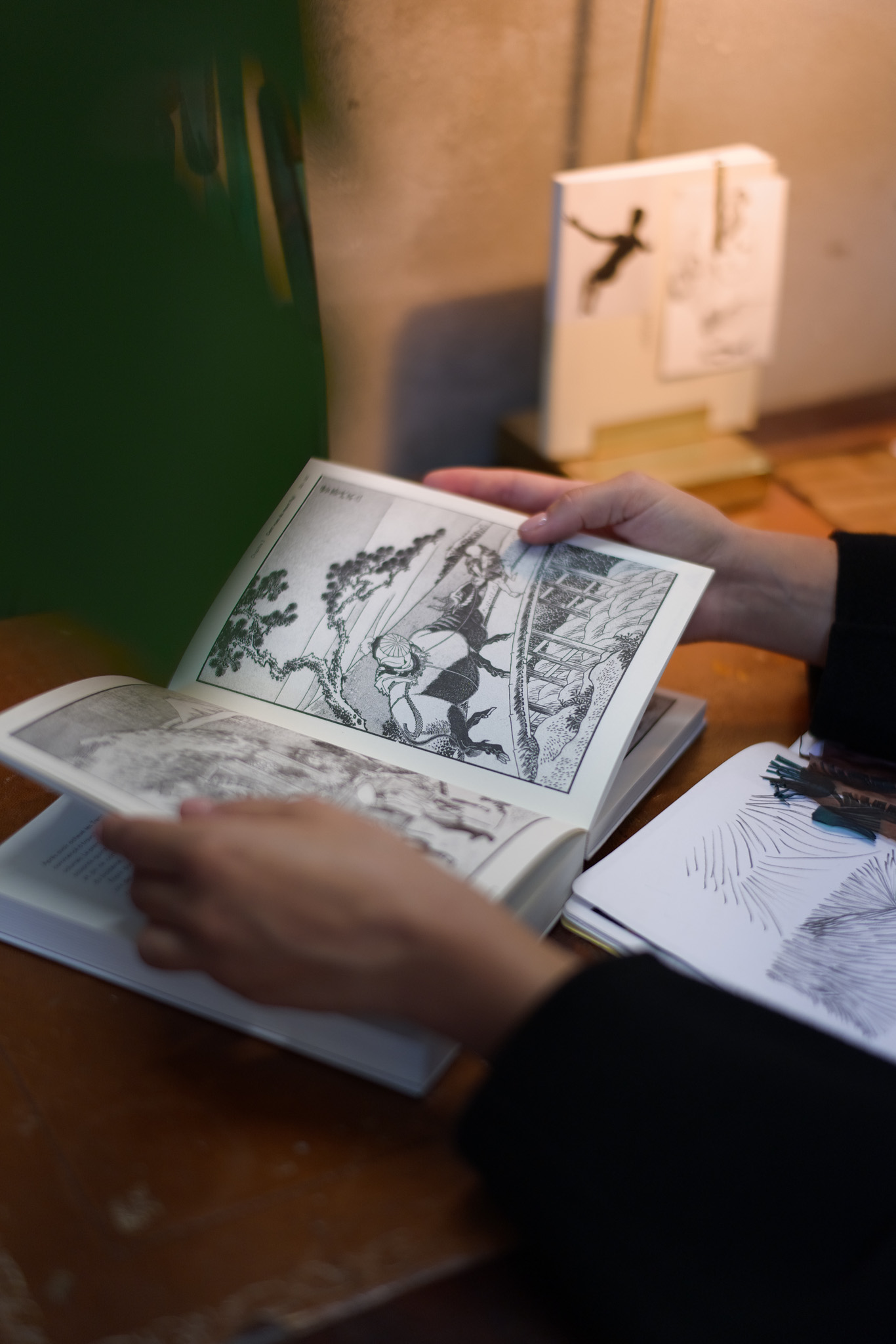
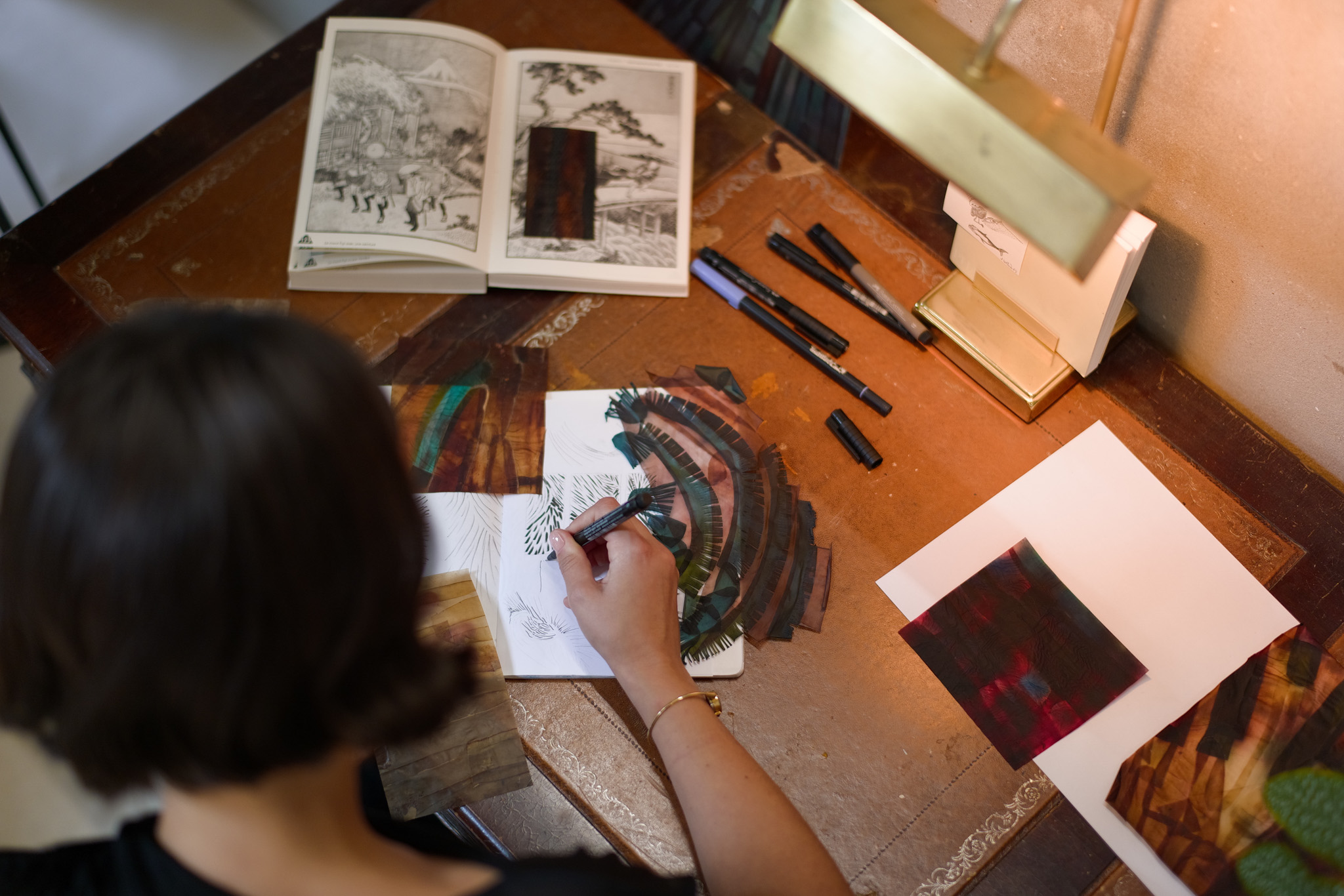
This story inspired me to explore her creative world. I then visited her Brussels studio, where I was immediately captivated by her work and the strange alchemy that allows her to transform humble materials into exceptional works of art.
SIGMA BF
ISO 400, F1.4, 1/160s

SIGMA BF
ISO 400, F1.4, 1/500s
SIGMA BF
ISO 400, F1.4, 1/200s
SIGMA BF
ISO 400, F1.4, 1/250s

SIGMA BF
ISO 400, F2, 1/320s
SIGMA BF
ISO 400, F1.4, 1/125s
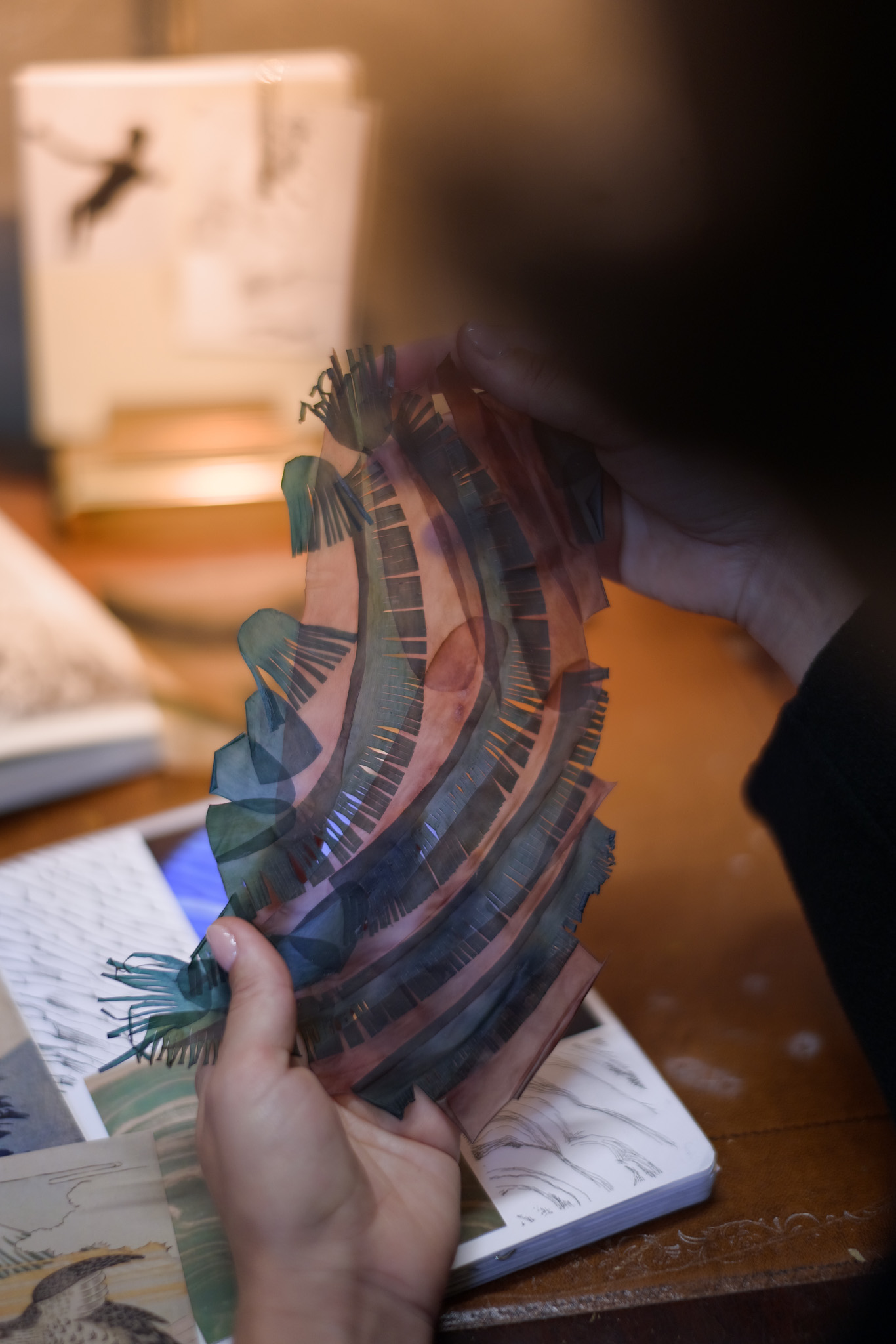
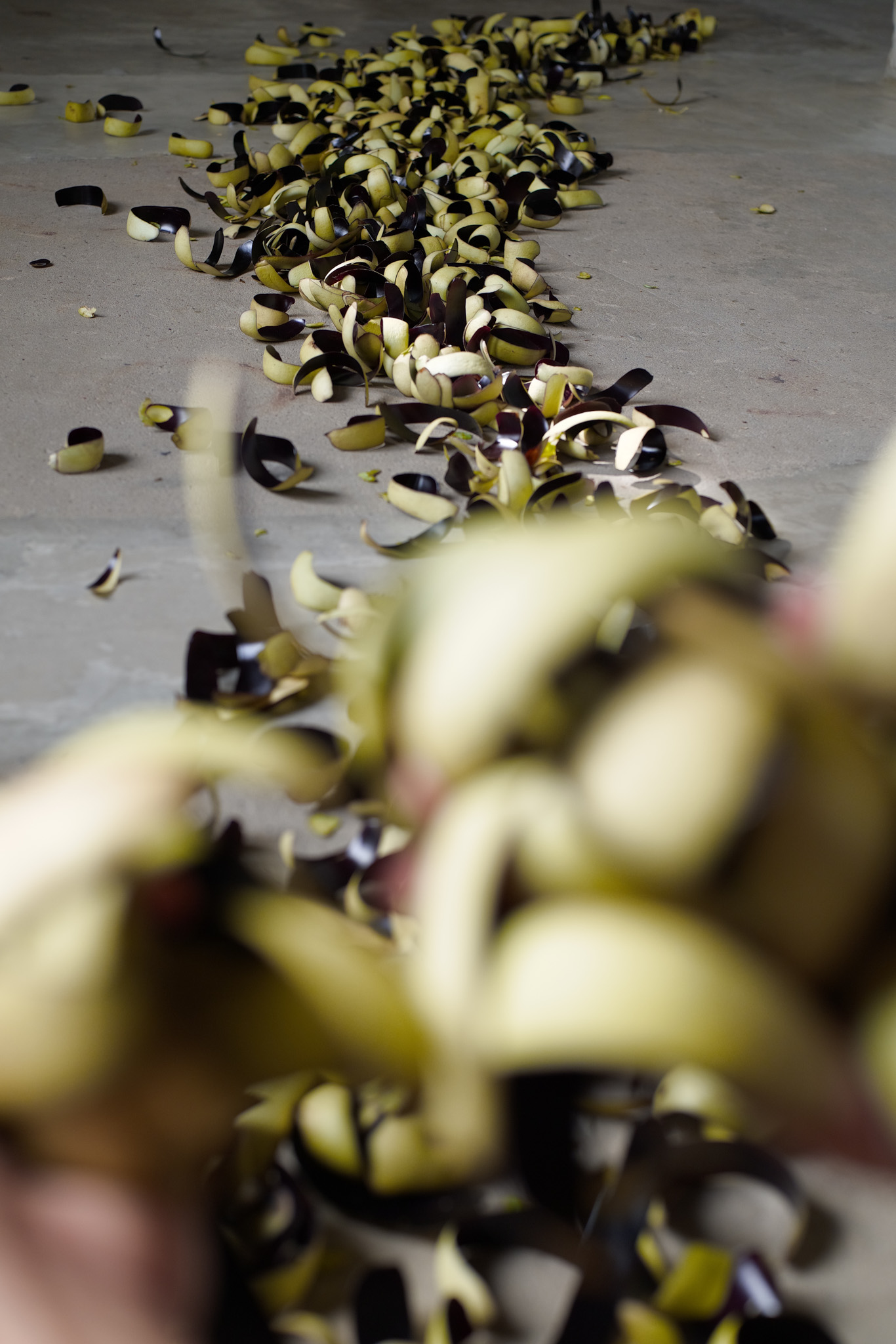
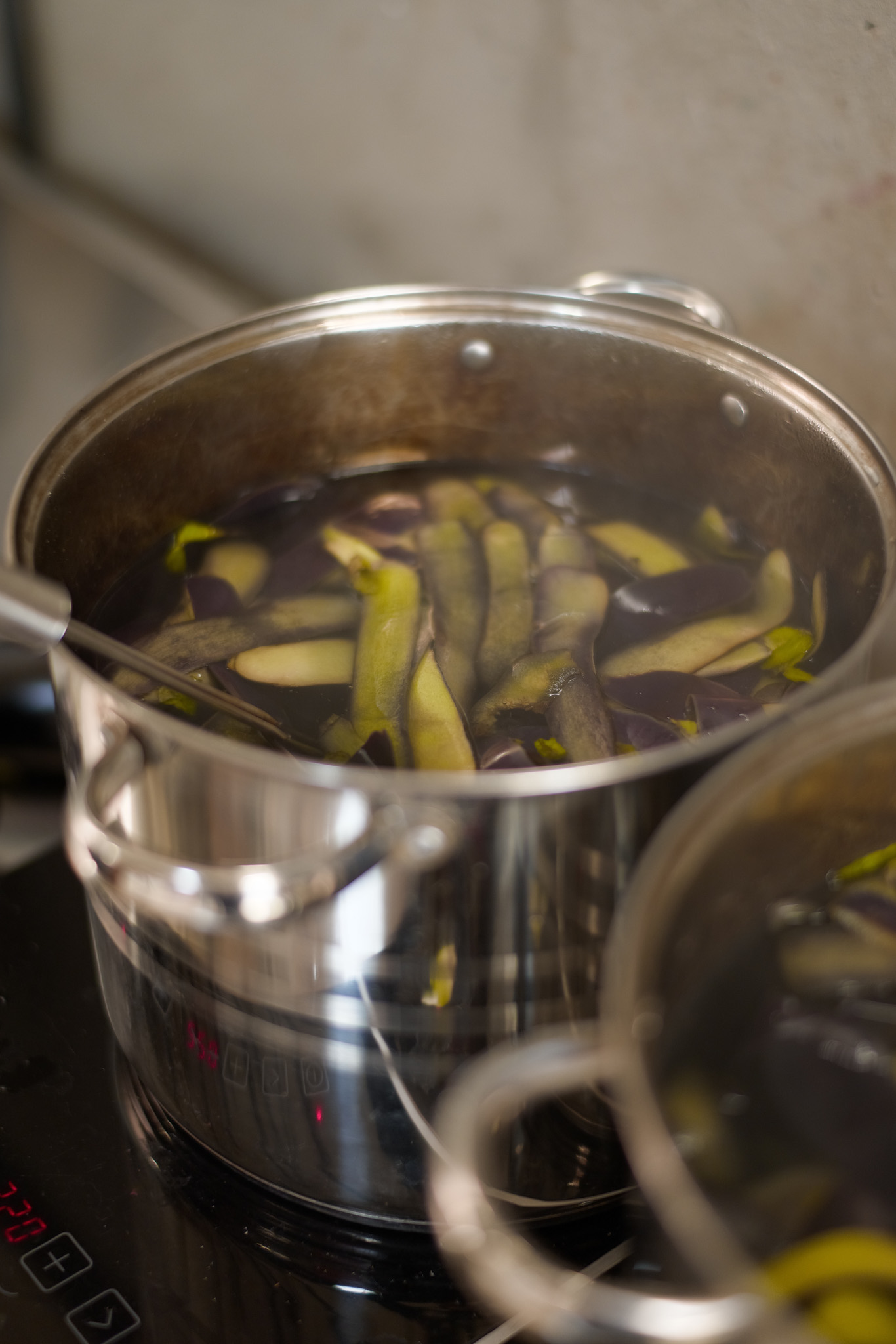
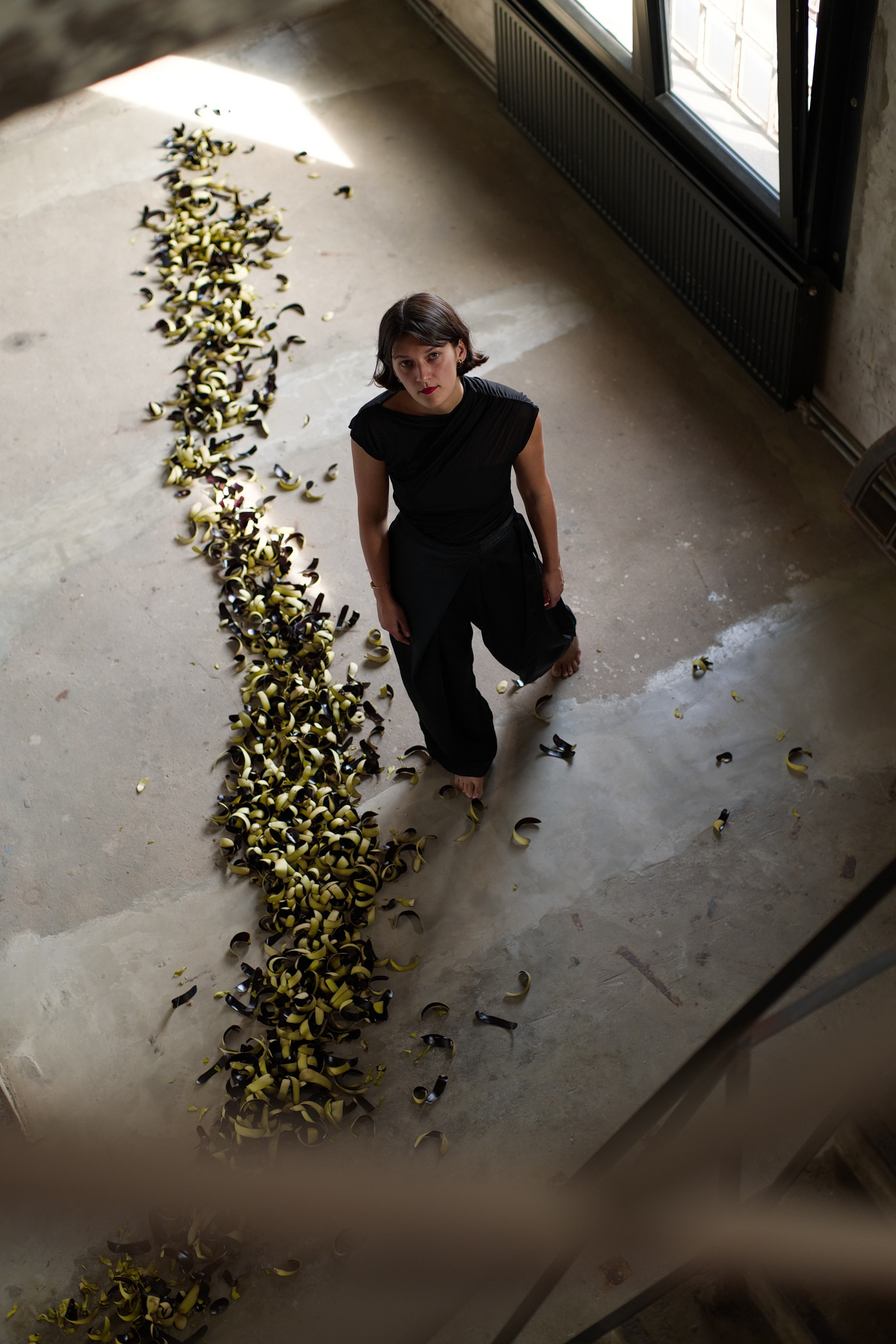
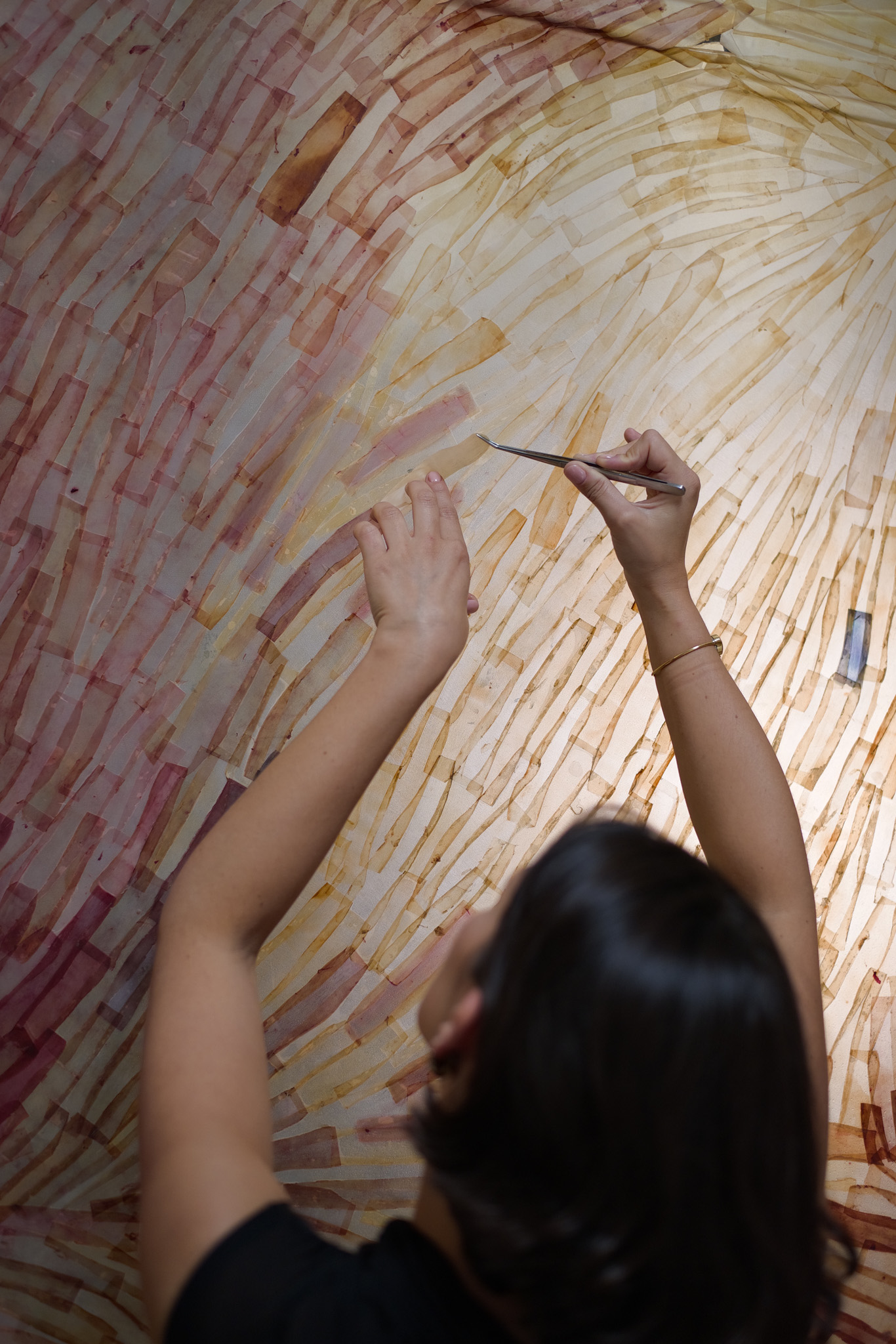
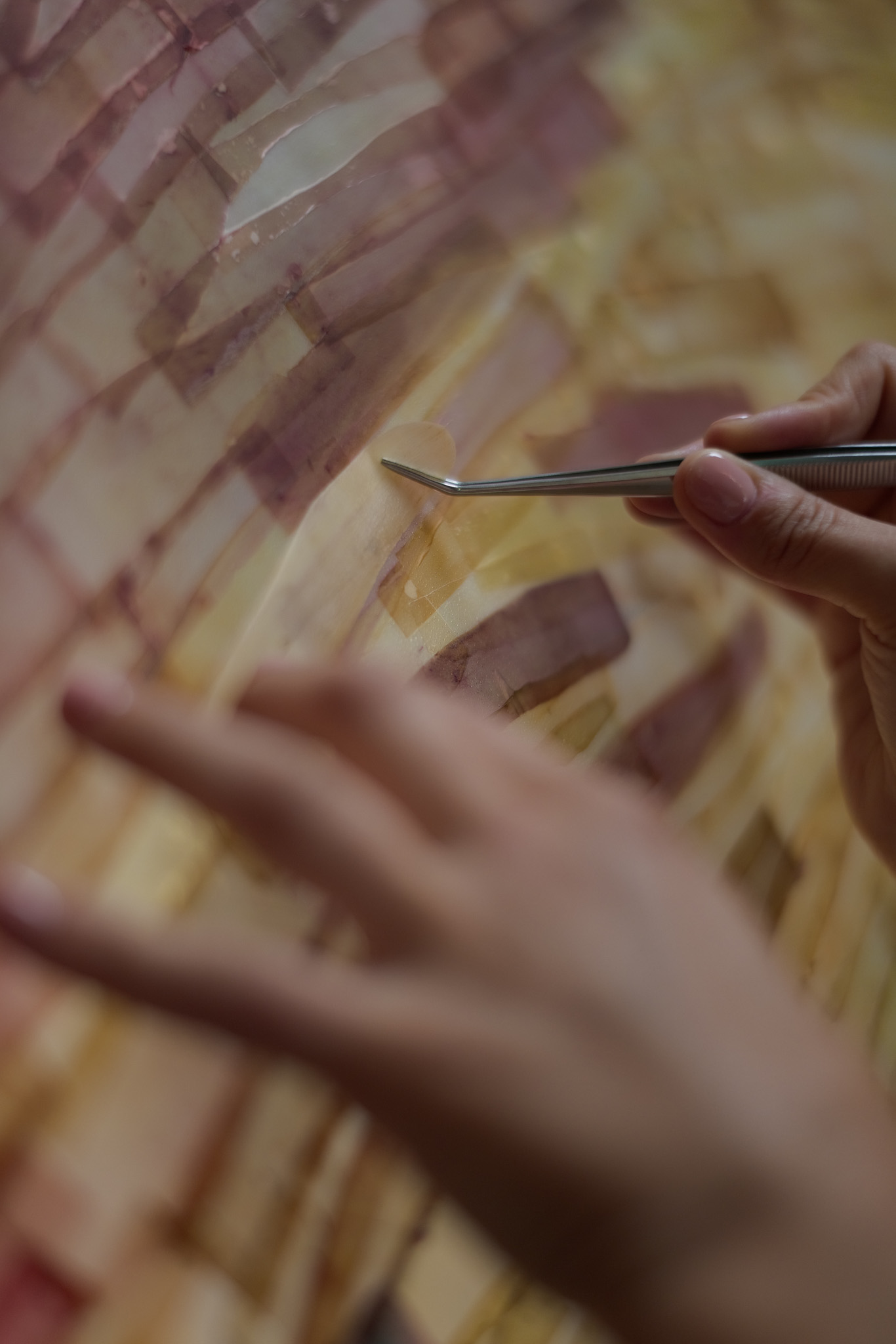
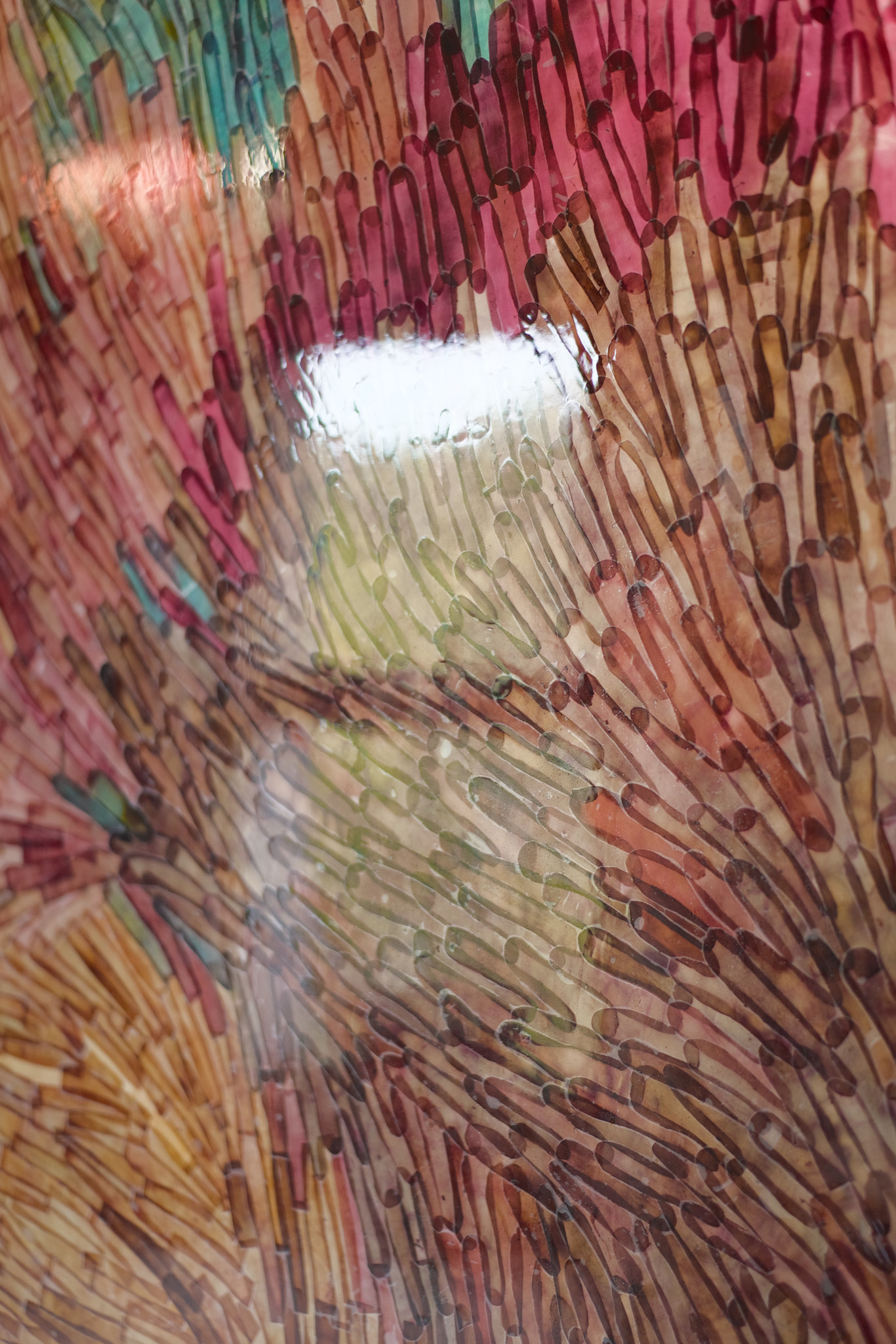
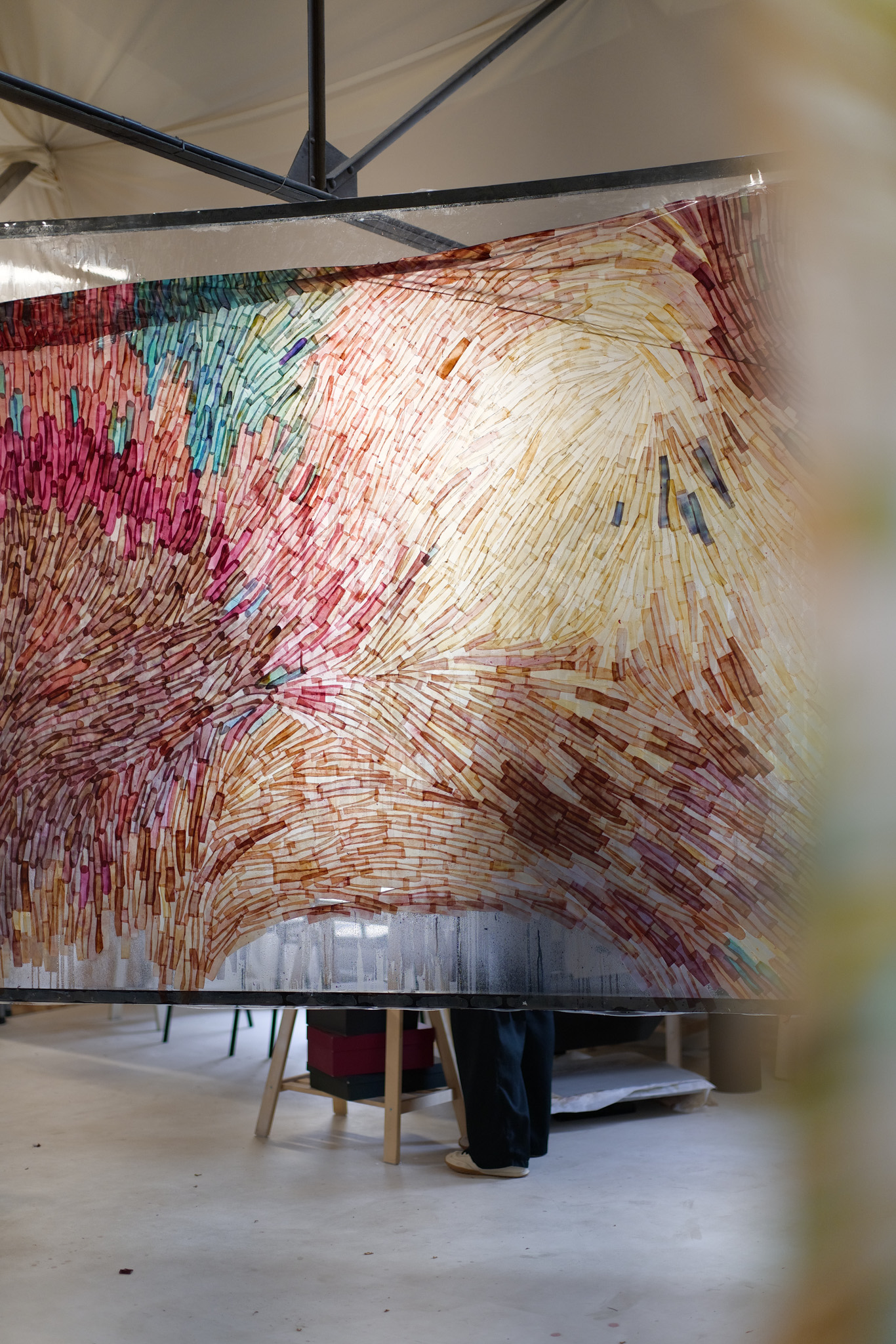
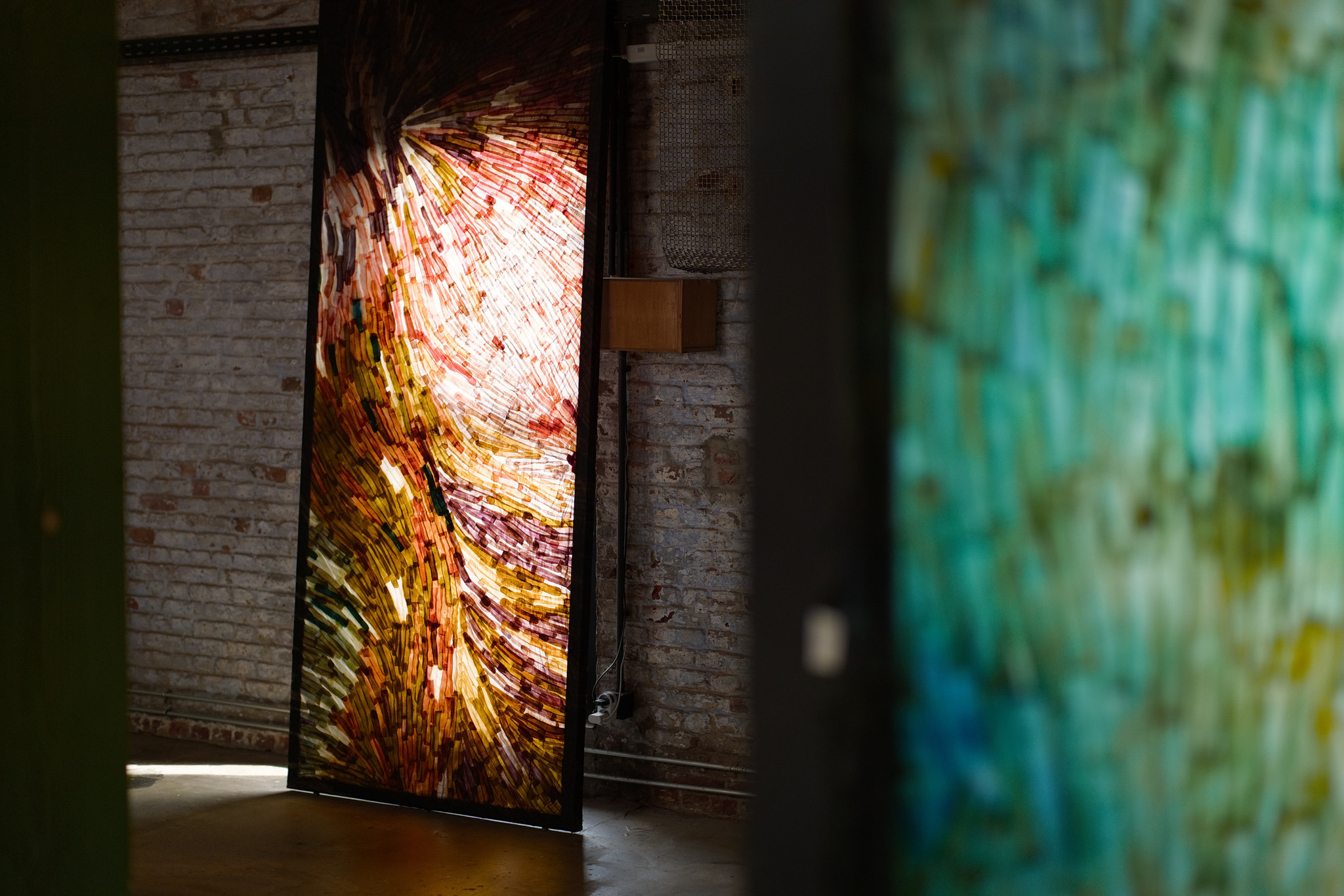
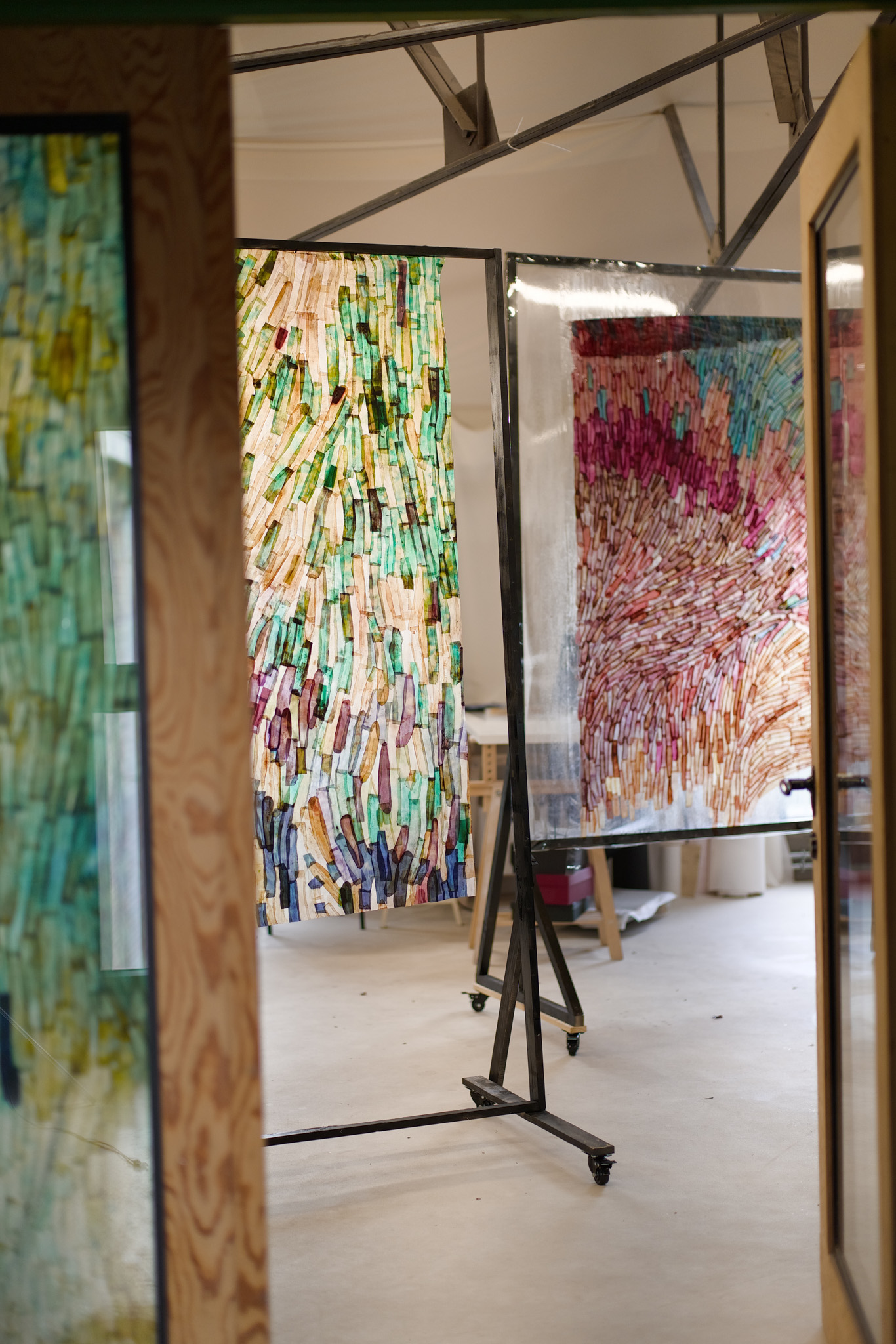
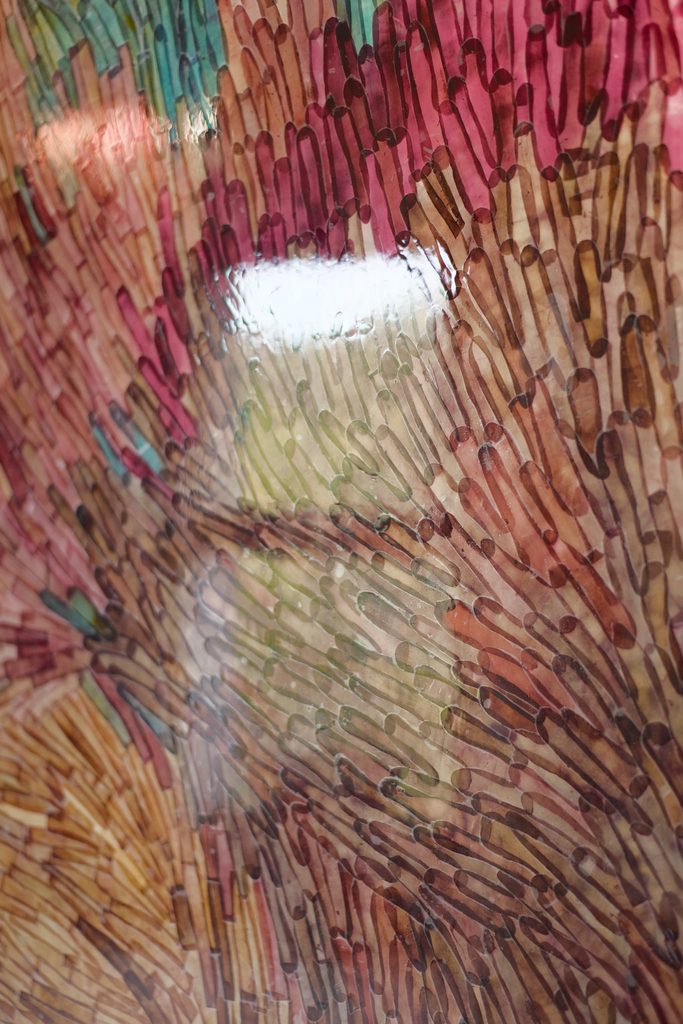
Loumi works from thousands of eggplant skins reclaimed from a Lebanese restaurant. She cooks, dyes, and prepares them, before composing and assembling them with extraordinary meticulousness and patience. Every single fragment is carefully chosen, positioned, and adjusted. Gesture by gesture, she constructs motifs and wall hangings of immense beauty. Some of her pieces have required several months of work and can incorporate up to 7,000 strips of skin.
SIGMA BF
ISO 400, F4.5, 1/80s
SIGMA BF
ISO 400, F1.4, 1/100s
SIGMA BF
ISO 400, F2.2, 1/200s
In her hands, the eggplant finds new form. It becomes surface, landscape, movement. Certain forms evoke Mount Fuji, while others suggest the wings or the flight of a bird. Her work naturally resonates with this imagery of dreams, transformation, and emergence.
It is this ability to conjure the unexpected from a modest material that deeply moved me. It also invites a reflection on what the craftsmanship of tomorrow might look like: less dependent on the rarity or intrinsic value of a raw material, and more rooted in the ability to transform it. Creating beauty from so little. Revealing the potential of an existing material through precision of gesture, patience, and inventiveness.
For Loumi, true craftsmanship stems not merely from what she uses, but from what she is able to make out of it.
SIGMA BF
ISO 400, F1.8, 1/800s
SIGMA BF
ISO 400, F1.4, 1/800s

SIGMA BF
ISO 400, F1.4, 1/250s
SIGMA BF
ISO 400, F1.4, 1/200s
SIGMA BF
ISO 400, F1.4, 1/500s
Photographing such intricate, modest beauty requires a lens capable of true delicacy. This is what inspired me to bring Loumi’s work into dialogue with the Sigma 50mm F1.4 CL DG | Contemporary.
It, too, possesses a singular rendering: soft, velvety, hushed, and warm, almost intimate, that envelops the image and lends a tactile presence to the surfaces. This is a remarkably fitting quality for photographing Loumi’s wall hangings, which are composed of fragments, folds, transparencies, and overlays. The lens delicately captures their textures, nuances, and subtleties.
Here, two crafts converge: Loumi’s patient transformation of eggplant skins, and the lens’s ability to shape light into this distinctive rendering. Photography then prolongs this metamorphosis: the skin becomes material, the material becomes art, and the art becomes an image.
SIGMA BF
ISO 400, F1.4, 1/400s
SIGMA BF
ISO 400, F1.8, 1/320s
Hatsuyume finds a particular resonance here. The eggplant, one of its three auspicious symbols, becomes mountain, movement, or flight beneath Loumi’s touch, as if the material itself had begun to dream. The lens gently accompanies this dream.
In a world where images increasingly resemble one another, this singularity feels precious. It stems from a unique vision and an intimate relationship with the material.


Moreover, the name Loumi means “light.” A word that deeply resonates with this encounter: revealing, through material and light, an unsuspected beauty.
It is precisely this light that I sought to capture with the Sigma 50mm F1.4 CL DG | Contemporary.
Discover a beautiful new classic