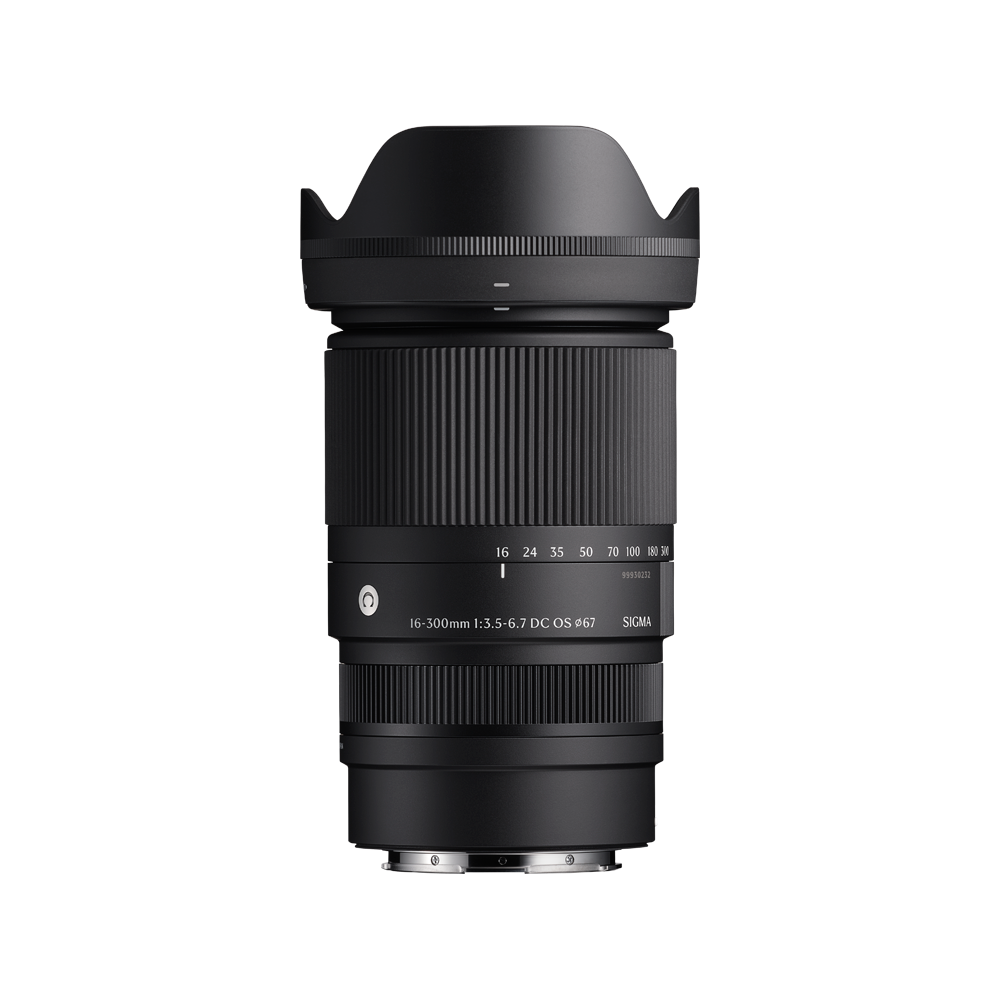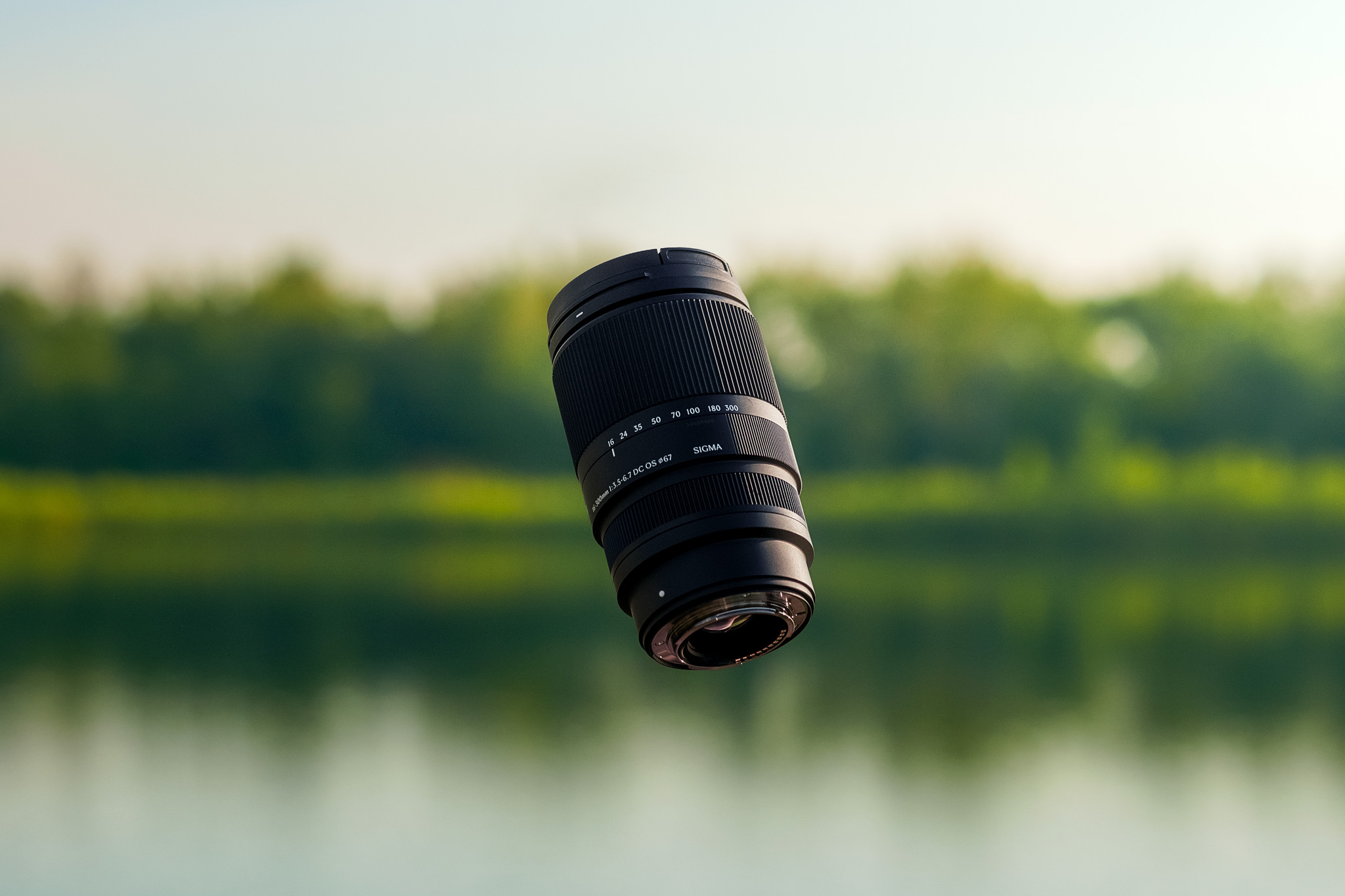
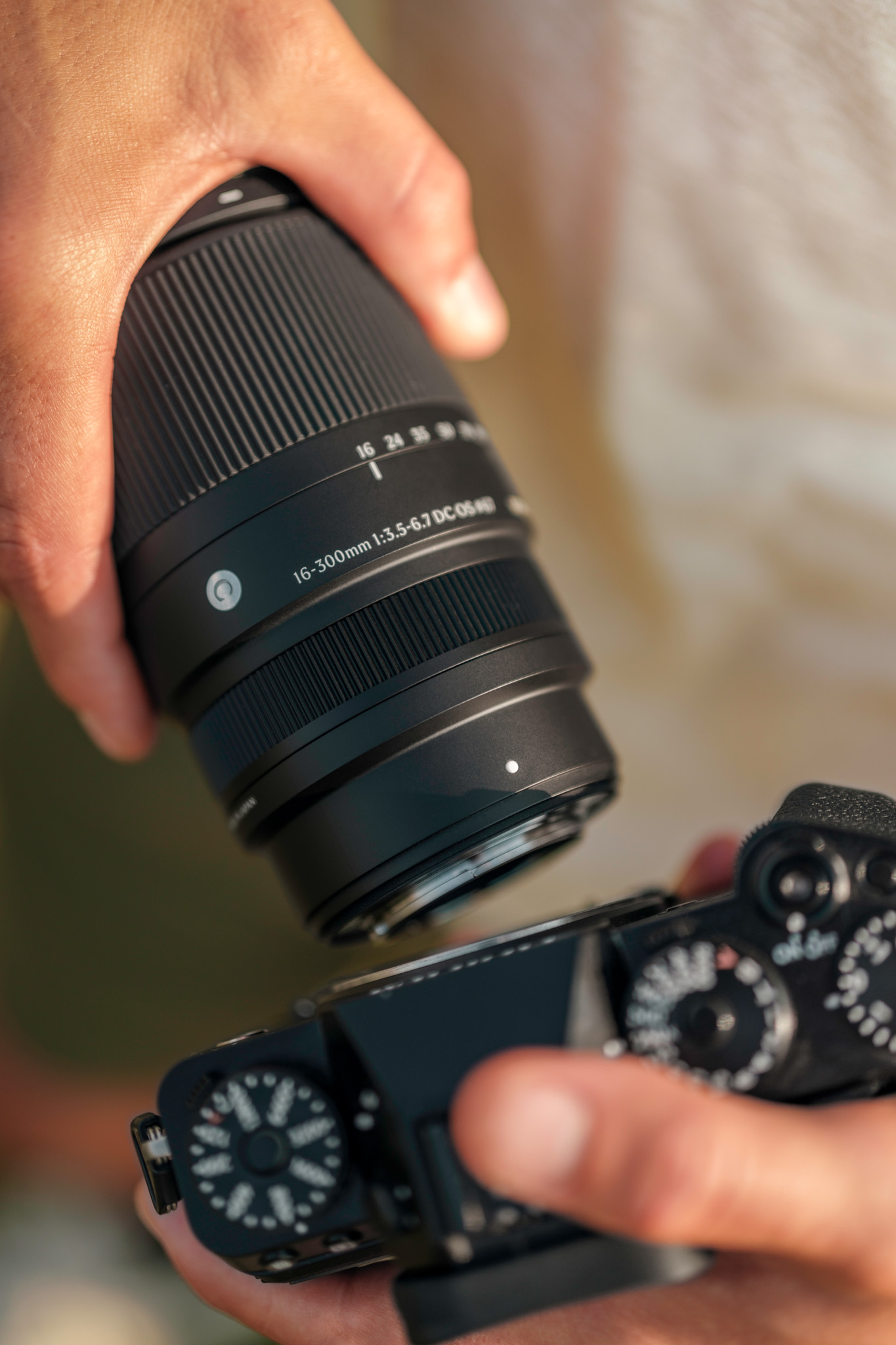
When I picked up the Sigma 16-300mm F3.5-6.7 DC OS | Contemporary, I had one simple goal: find a single, travel-friendly lens that could keep up with a full-on mountain road trip, from the Tetons to Yellowstone, through the Sawtooths, and down into the Sierra Nevada, without spending most of its time buried in my camera bag.
I wanted something I could trust from blue hour to harsh mid-day sun, on roadside pullouts and quiet trails, with enough range that I wasn’t constantly second-guessing myself about which focal length I “should” be using.
Let’s see if the Sigma 16-300mm was able to stand up to this epic road trip.
One Lens, Many Landscapes
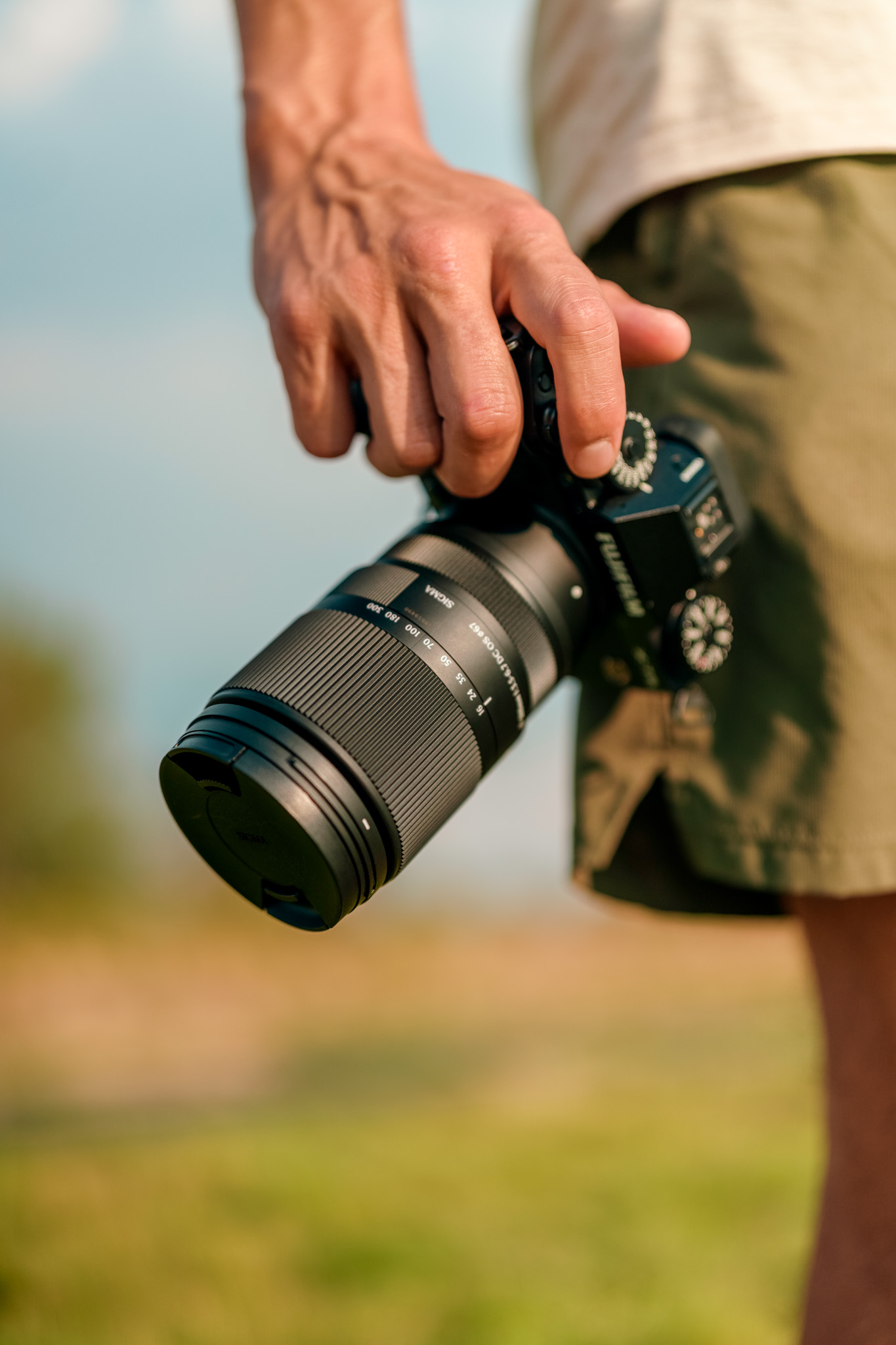
On this trip, the 16-300mm lived on my crop-sensor Fujifilm camera body the entire time. Most of my shooting was handheld, leaning on the Optical Stabilizer to keep things sharp when I dropped shutter speeds in lower light. I bounced across the range, often starting wide at 16mm around f/8 for deeper depth of field, then zooming in toward 200-300mm with slightly wider apertures to keep shutter speeds safer as the light dipped.
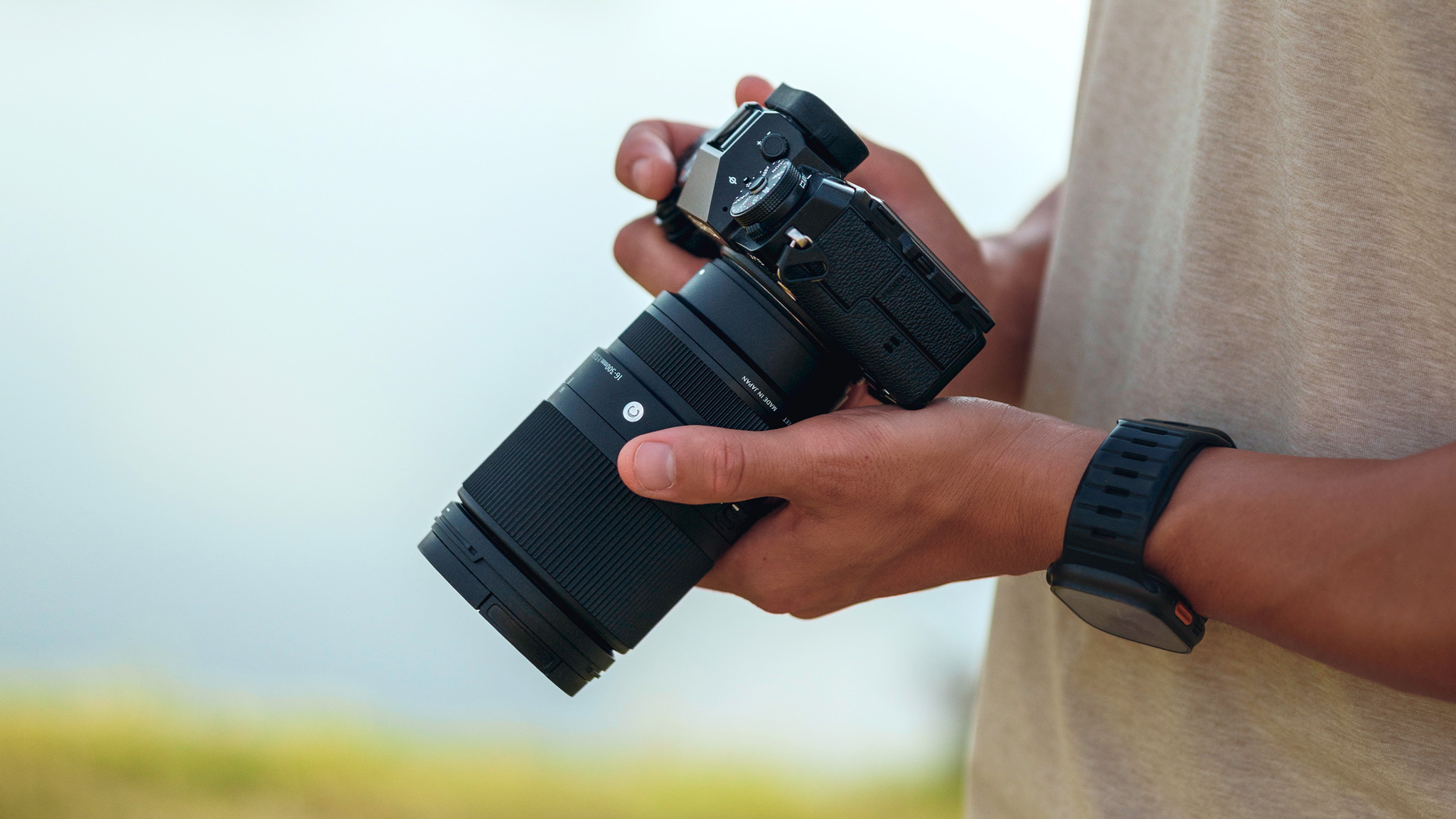
That’s the real superpower of this lens for an outdoor photographer: it turns a “maybe I’ll stop and grab a shot” moment into a captured moment without a second thought. Instead of digging through my backpack, swapping lenses, or wondering if I should have brought a telephoto, I just twist the zoom ring, watch the composition change, and react.
Grand Canyon of the Yellowstone
At the Grand Canyon of the Yellowstone, I didn’t want yet another tight postcard shot of the waterfall. Instead, I started at around 20-28mm, framing the falls deep in the canyon while still holding the winding river and rock walls in the frame. The wider perspective made the viewpoint feel like a complete landscape instead of just a zoomed-in punch of the water.
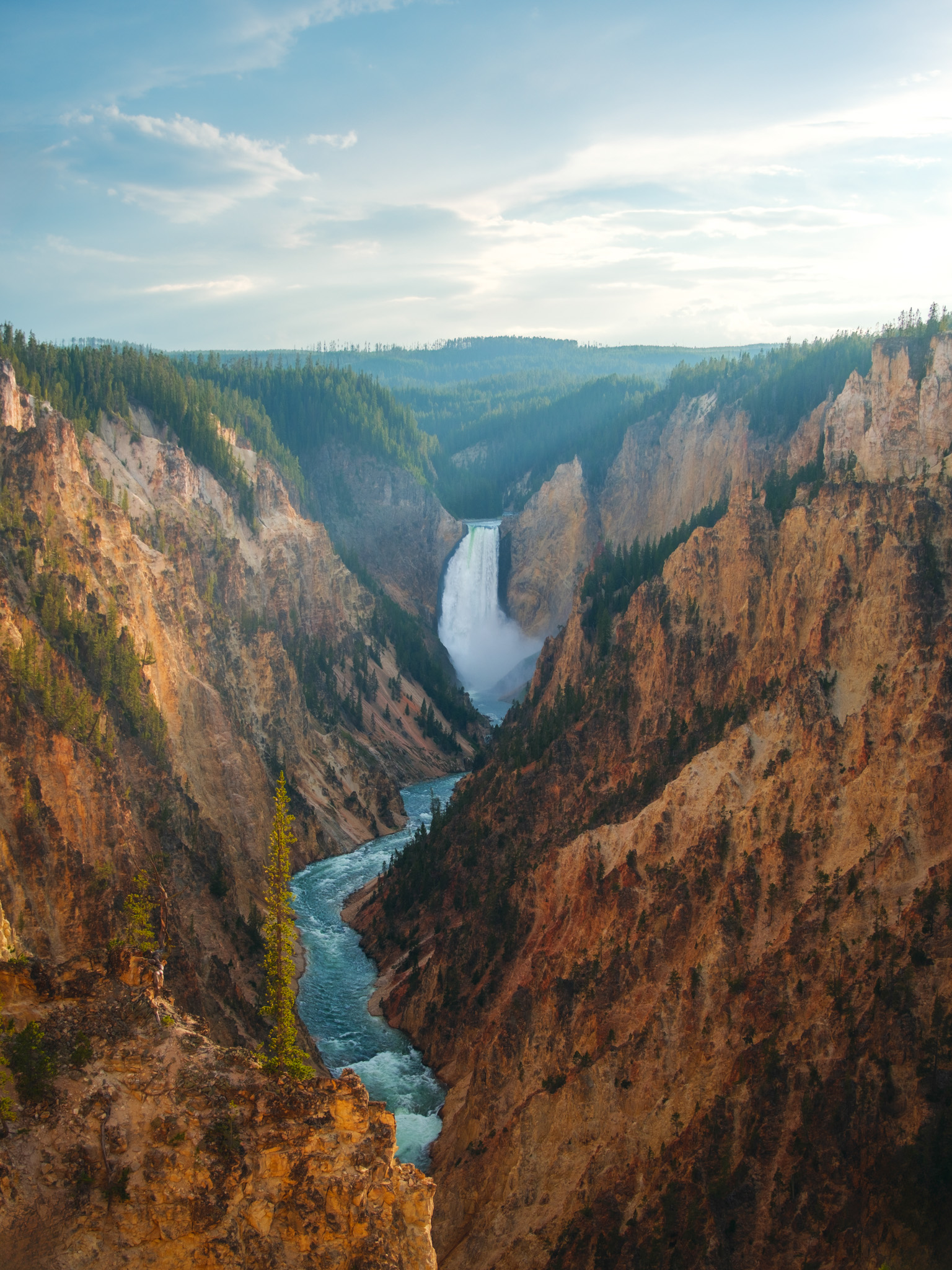
Fujifilm X-T5
28mm, F5, 1/1000s, ISO 125
Playing Wide and Tight in the Sawtooth Mountains
In Idaho’s Sawtooths, I spent a lot of time working that classic fence line leading out toward jagged peaks. At 16mm, I dropped to around f/9-f/11 and focused a little in front of the fence for solid front-to-back sharpness. The board rails became bold, graphic leading lines, almost exaggerated by the wide perspective, pulling the eye straight toward the stunning mountain range backdrop.
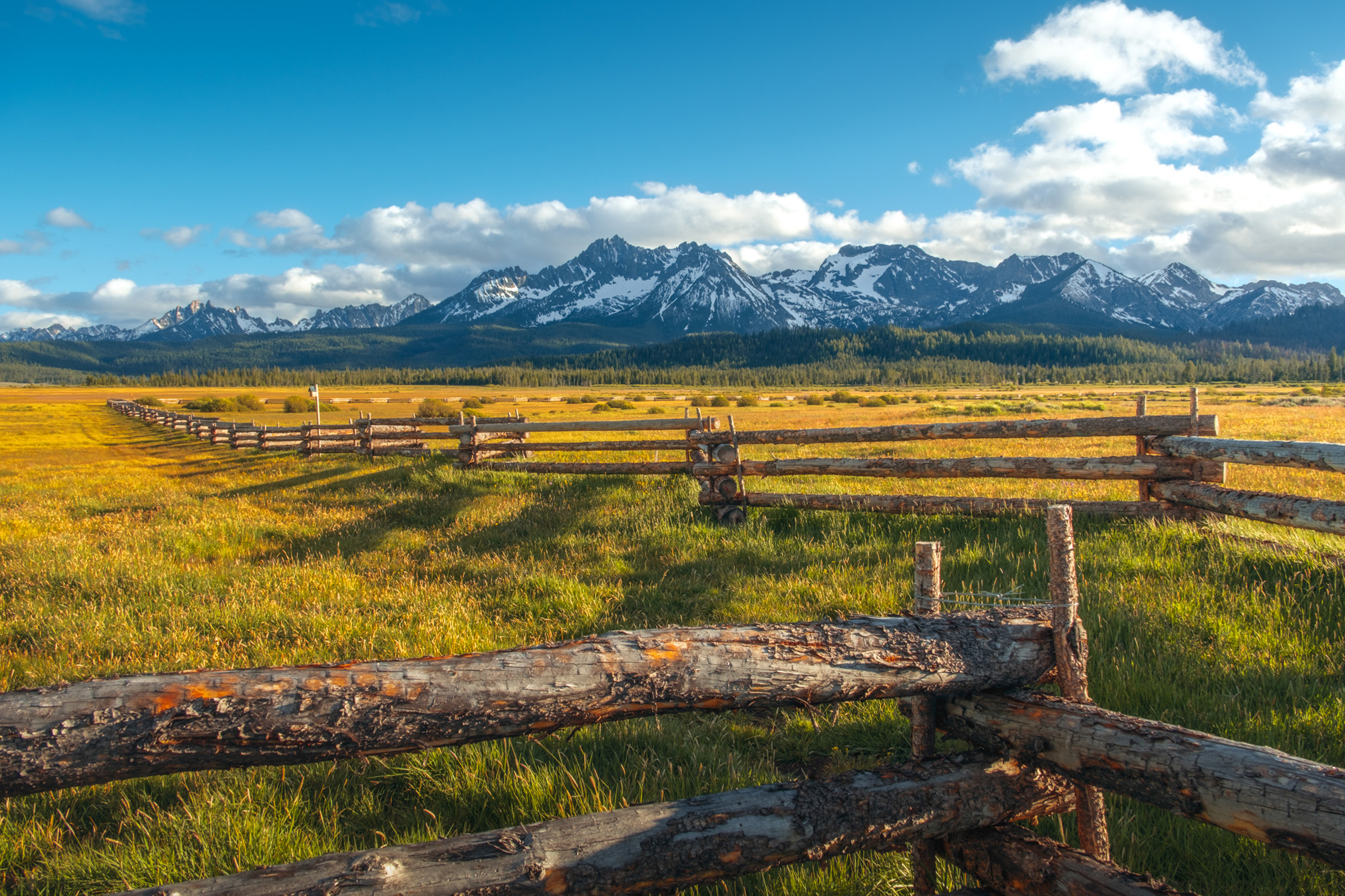
Fujifilm X-T5
16mm, F10, 1/200s, ISO 125
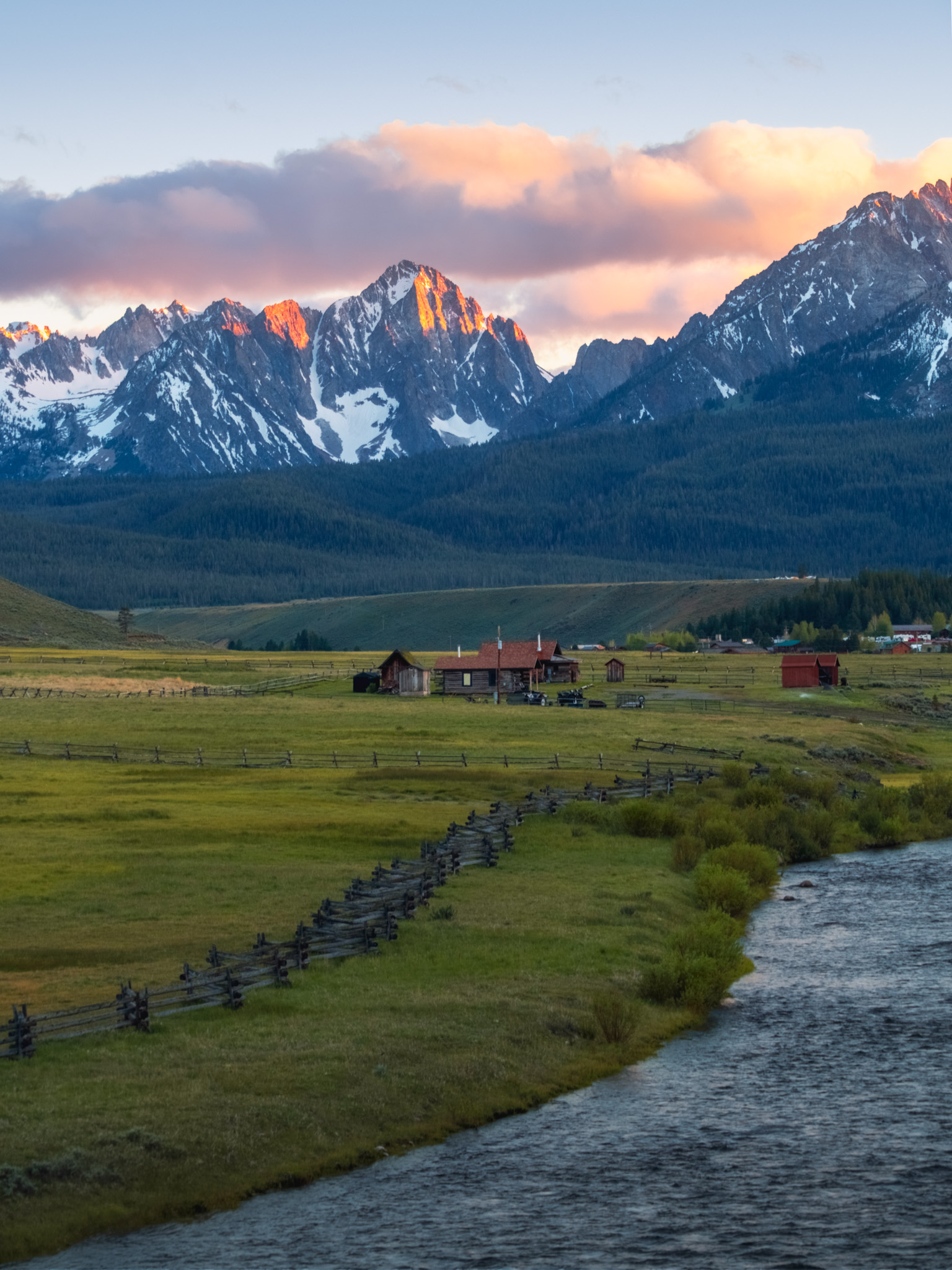
Fujifilm X-T5
75mm, F6.3, 1/250s, ISO 640
When I wanted the mountains to dominate the frame, I took advantage of the lens’s zoom capability. As the focal length increased, the peaks gained additional weight and presence, filling the frame and making the fence feel more like a subtle guide than the star of the show (above). When it was time to feature only the mountains (below), I barely needed to move my feet; most of the “movement” was in the zoom ring, which is exactly what you want when the light is changing and you don’t want to miss a moment.
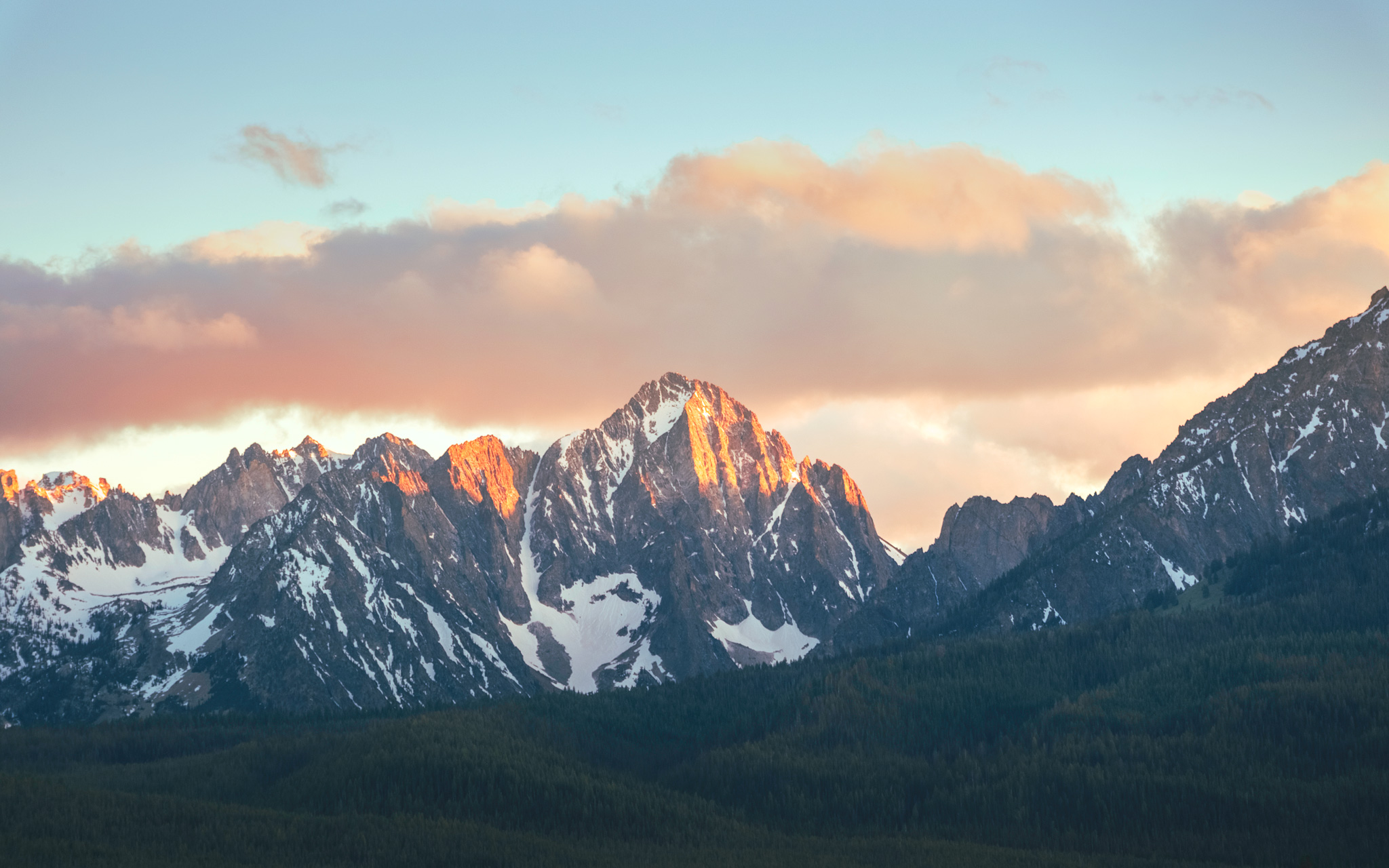
Fujifilm X-T5
128mm, F6.3, 1/250s, ISO 640
Small Details Within Big Context at Stanley Lake
Down at Stanley Lake, I incorporated many of the environmental details – the reflections, grasses, and little ripples catching evening light – into a broader mountain story that contained layered ridges, pockets of light on the shoreline, and lake reflections. This setting was full of opportunities to capture individual details, which I did, but ultimately this wide-angle image put it all together. And of course, the 16-300mm provided all the composition options I could ever want.
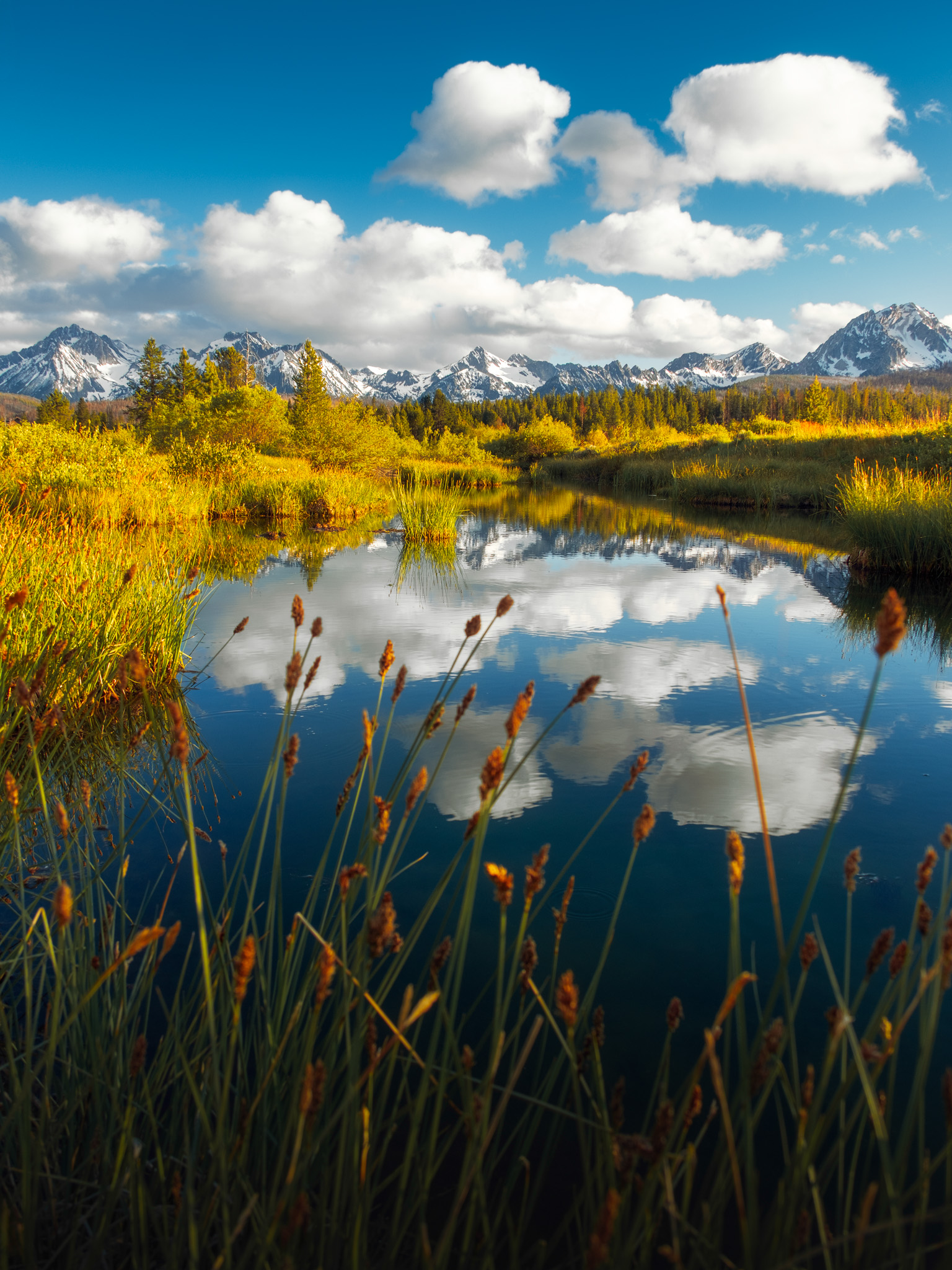
Fujifilm X-T5
16mm, F7.1, 1/100s, ISO 125
Empty Roads in the Sierra Nevada
On June Lake Road in the Sierra Nevada, I set up in the middle of the asphalt, using the center line as a leading element. At 45mm, the road stretched out in a dramatic yet natural-looking way, exaggerating the sense of distance a bit, while still keeping the mountains crisp in the back of the frame.
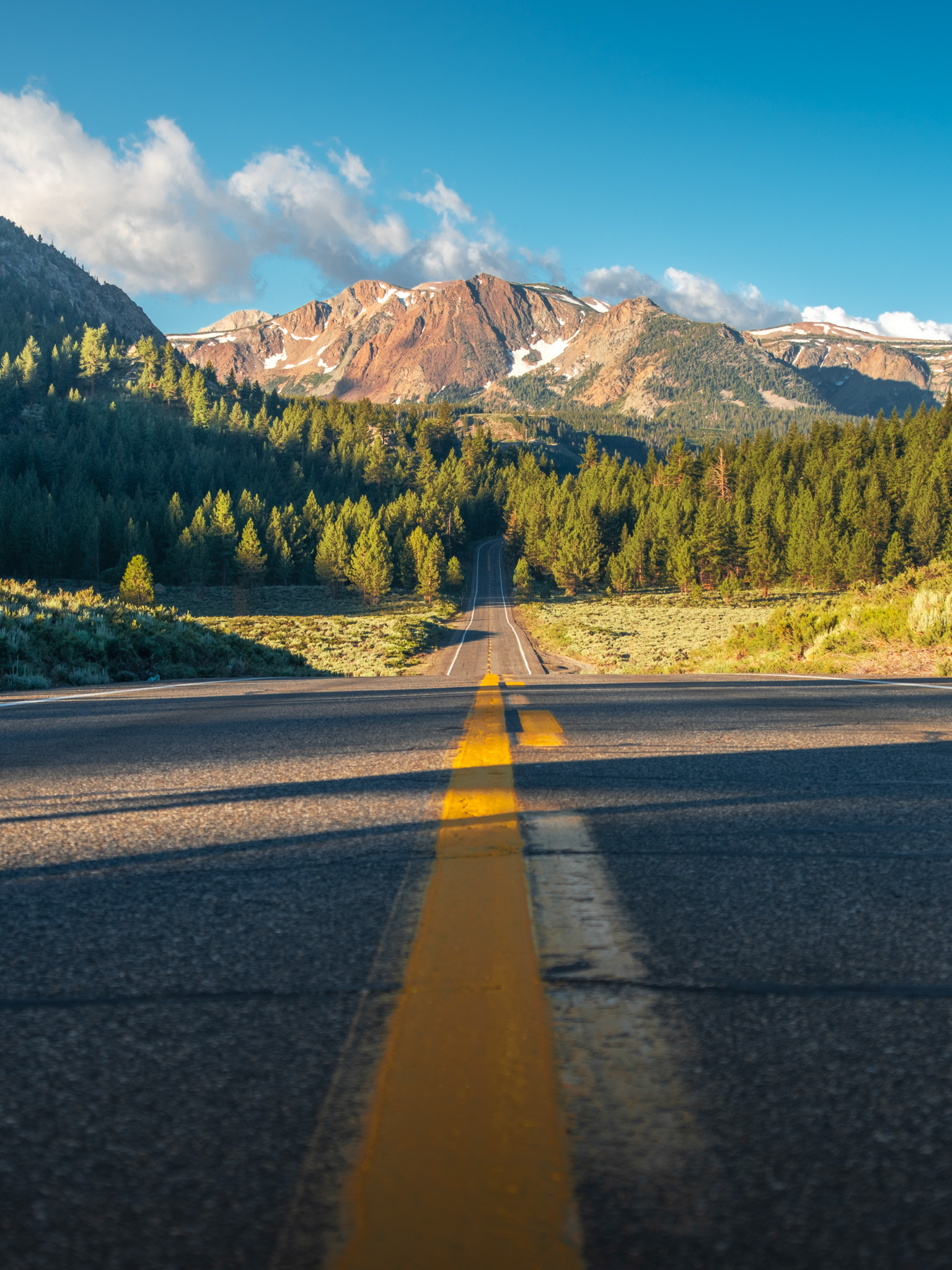
Fujifilm X-T5
45mm, F6.3, 1/500s, ISO 125
The lens nicely maintained sharp detail in the trees and ridges beyond, which matters if you plan to print big or crop later. I kept my ISO moderate, trusting the OS to keep handheld shots solid, and fired off a sequence as the light shifted, knowing the lens could handle minor changes in contrast and color without falling apart.
The Sierras gave me plenty of opportunities to approach familiar landscapes in interesting ways. For the first image below, I again used the road as a leading line to draw the eye toward the mountains while still keeping the surrounding landscape in the frame, while at Hot Creek, I went a little wider and used the winding creek to create depth to guide the eye through the scene. On this part of the trip, I found myself looking for leading lines, layers, and depth in the landscapes that would guide the viewer through each image, and with the 16-300mm you have the flexibility to explore countless compositions.
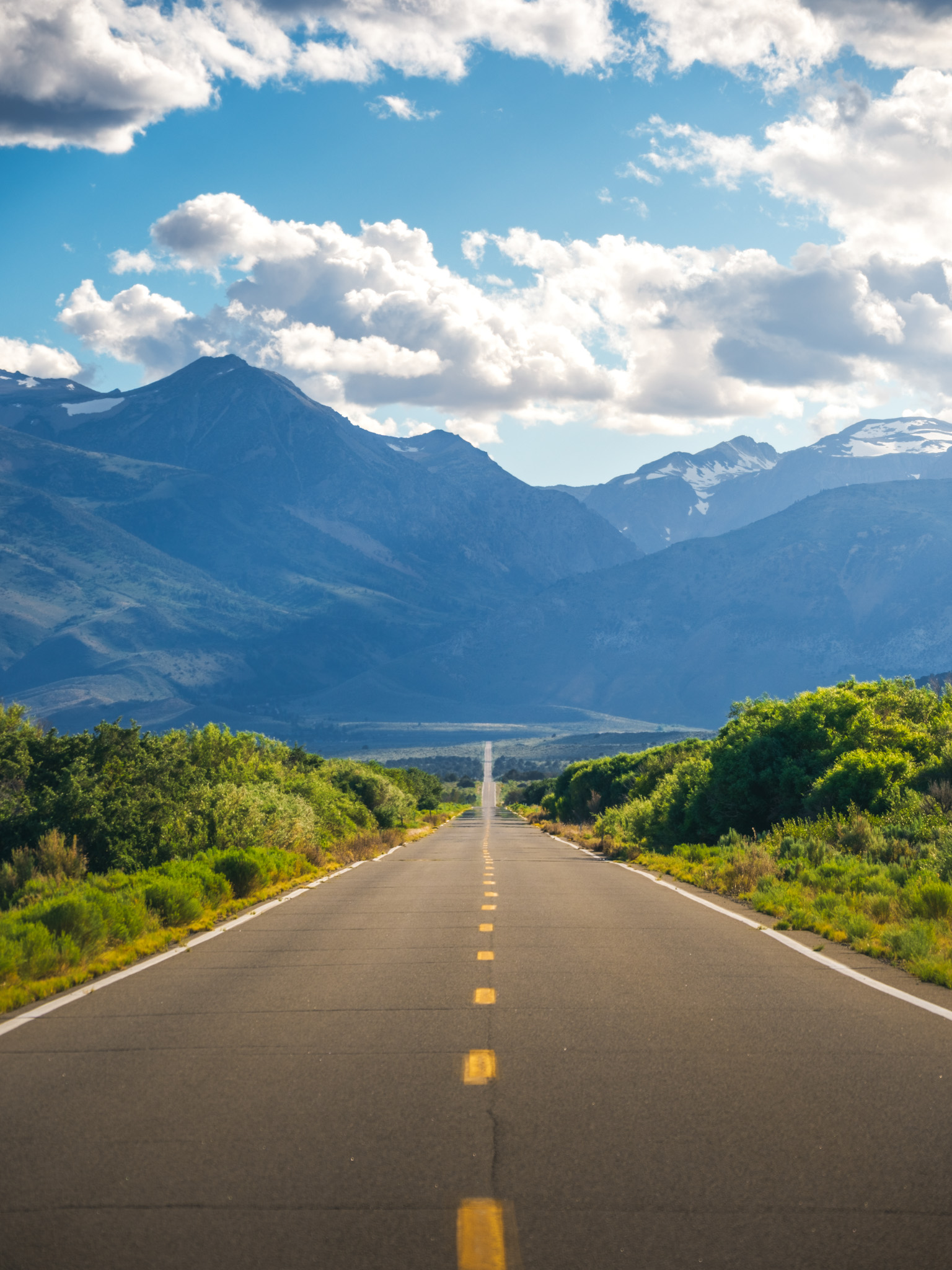
Fujifilm X-T5
99mm, F6.3, 1/2500s, ISO 125
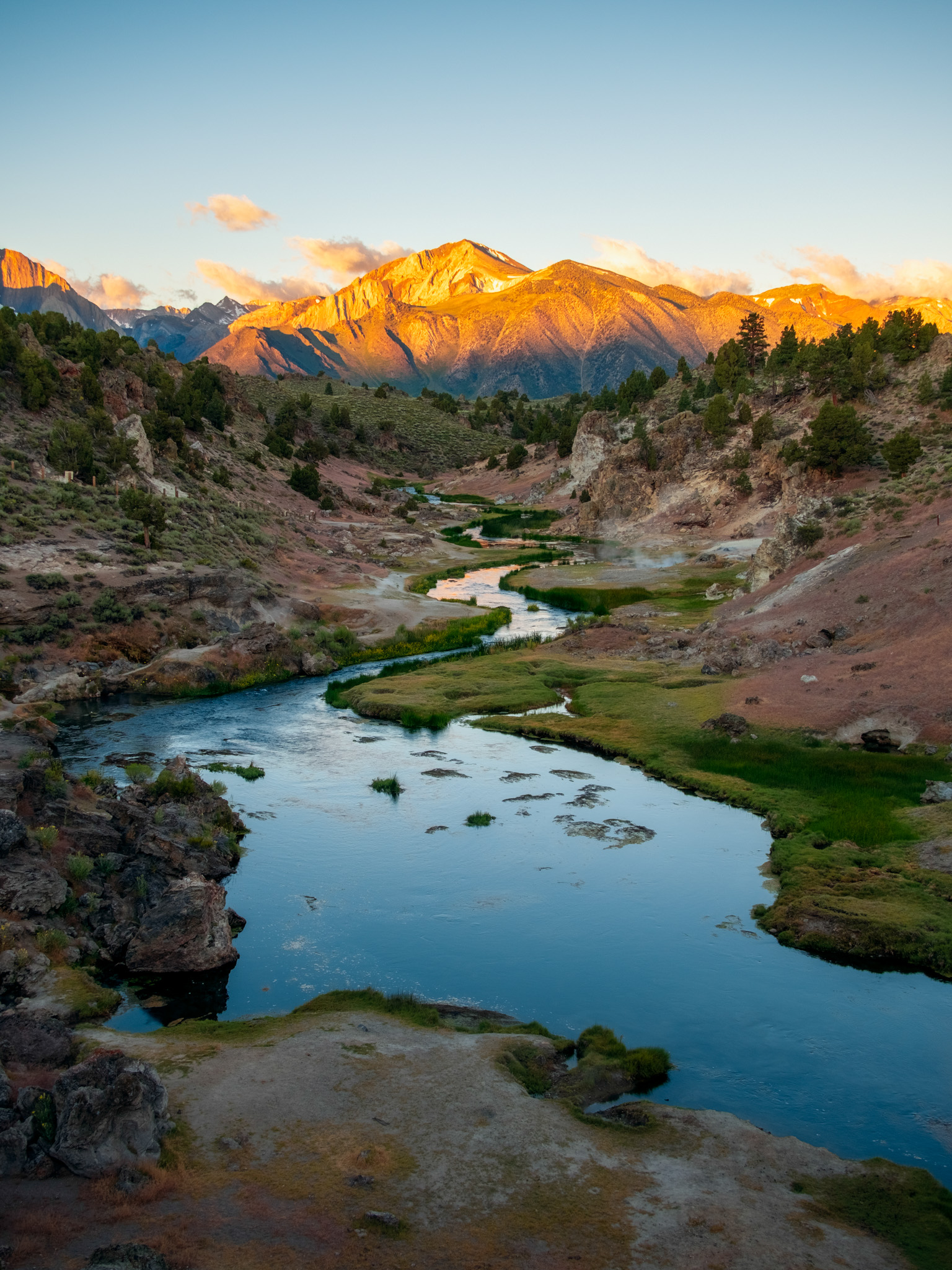
Fujifilm X-T5
24mm, F5.6, 1/200s, ISO 400
Living at Snake River Overlook in the Tetons
In Grand Teton National Park, the 16-300mm was basically glued to the camera. At Snake River Overlook, I leaned into the slightly wide range to balance trees, river curves, and mountains. That focal length gave the Tetons enough prominence without losing the layers of forest and water that make the scene feel grounded.
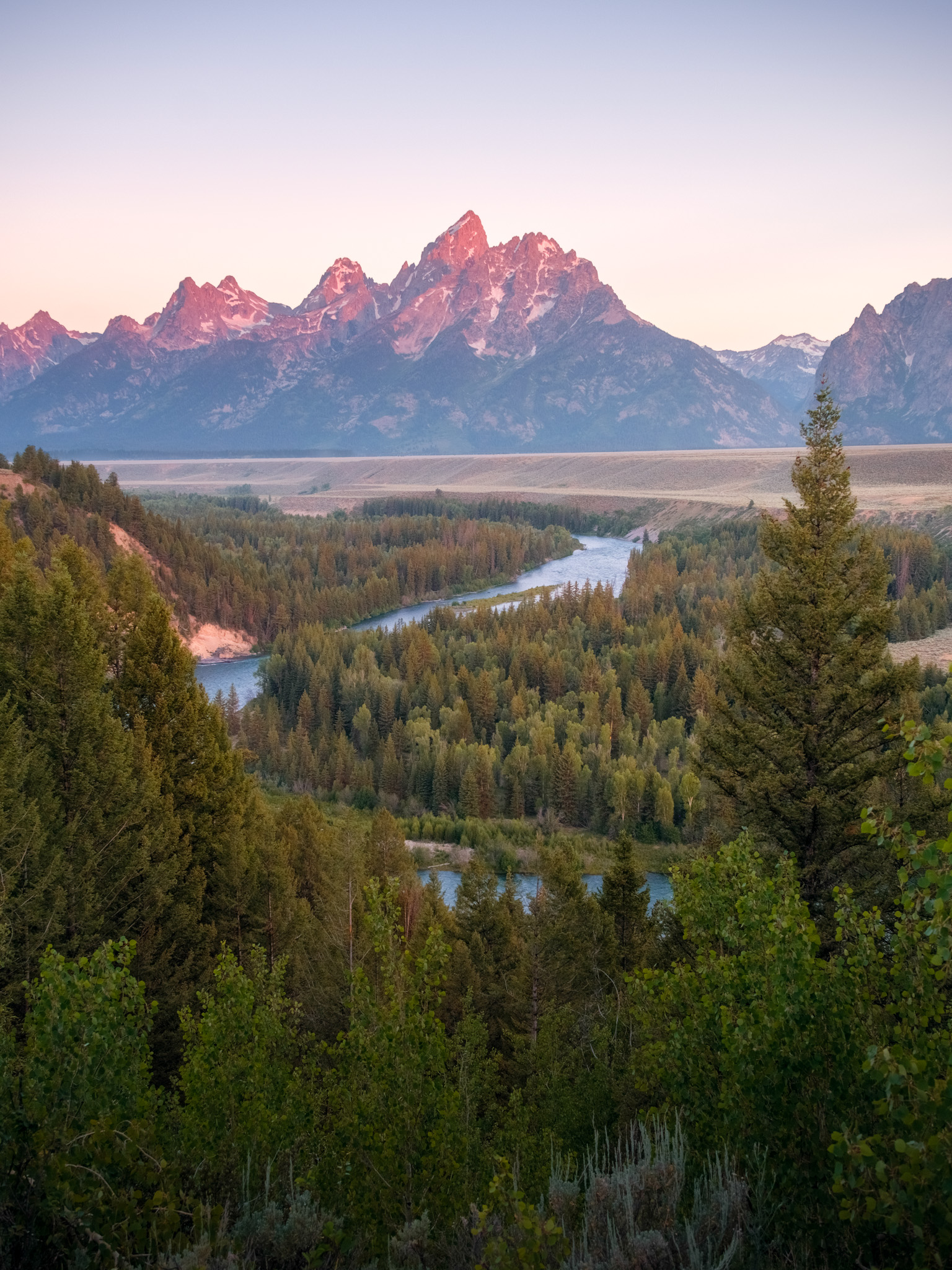
Fujifilm X-T5
24mm, F5.6, 1/200s, ISO 800
Later, when the sun cut through at a sharper angle, I pushed out toward 200-250mm to isolate the main summit catching warm, direct light. At those longer focal lengths, I nudged the shutter speed up to keep things crisp, paired with OS to stabilize handheld shooting on the overlook railing. The result was a collection of frames from one location that looked like several different stops, all using the same lens.
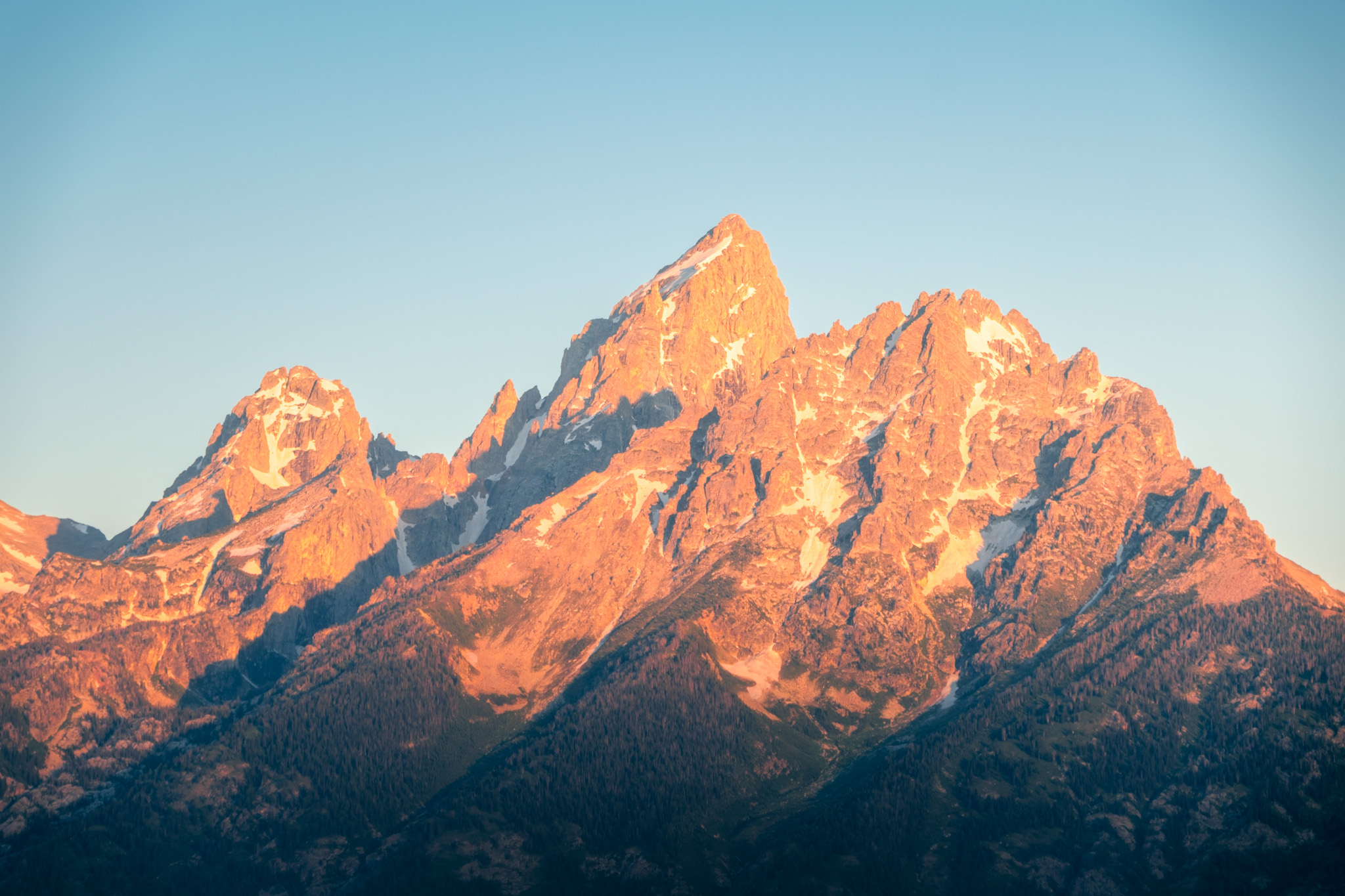
Fujifilm X-T5
99mm, F6.3, 1/125s, ISO 200
Shooting Into Strong Light
One of my favorite sets from the trip involved shooting directly into strong light in the Tetons. I aimed toward the sun, stopped down to around f/8 at a standard or mid-range focal length, and let the lens deal with flare and haze. Instead of a harsh, blown-out mess, I got a softer, glowing view of layered hills and bright hillside, with enough contrast preserved to keep the valley from turning flat or muddy.
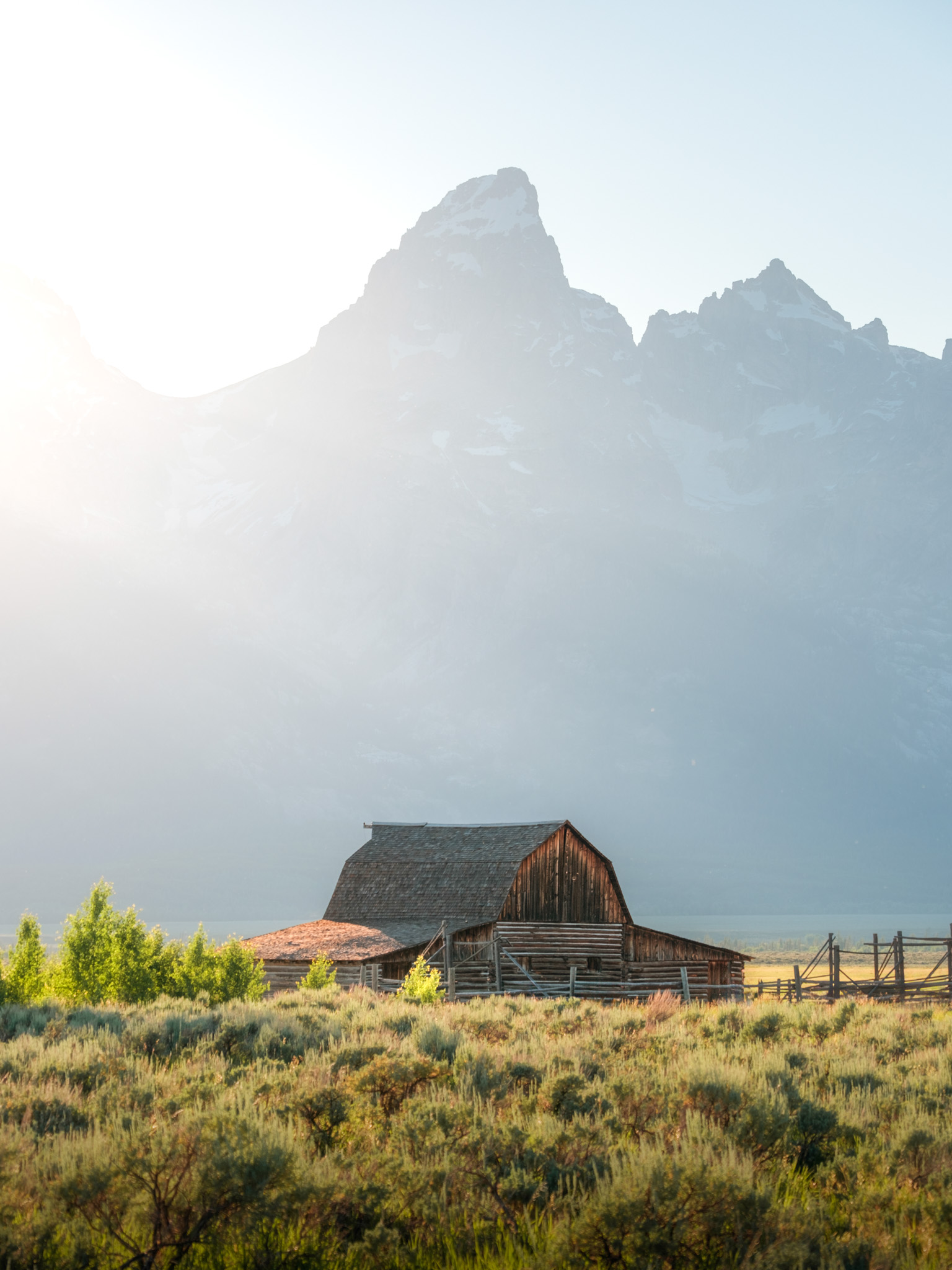
Fujifilm X-T5
80mm, F8, 1/500s, ISO 125
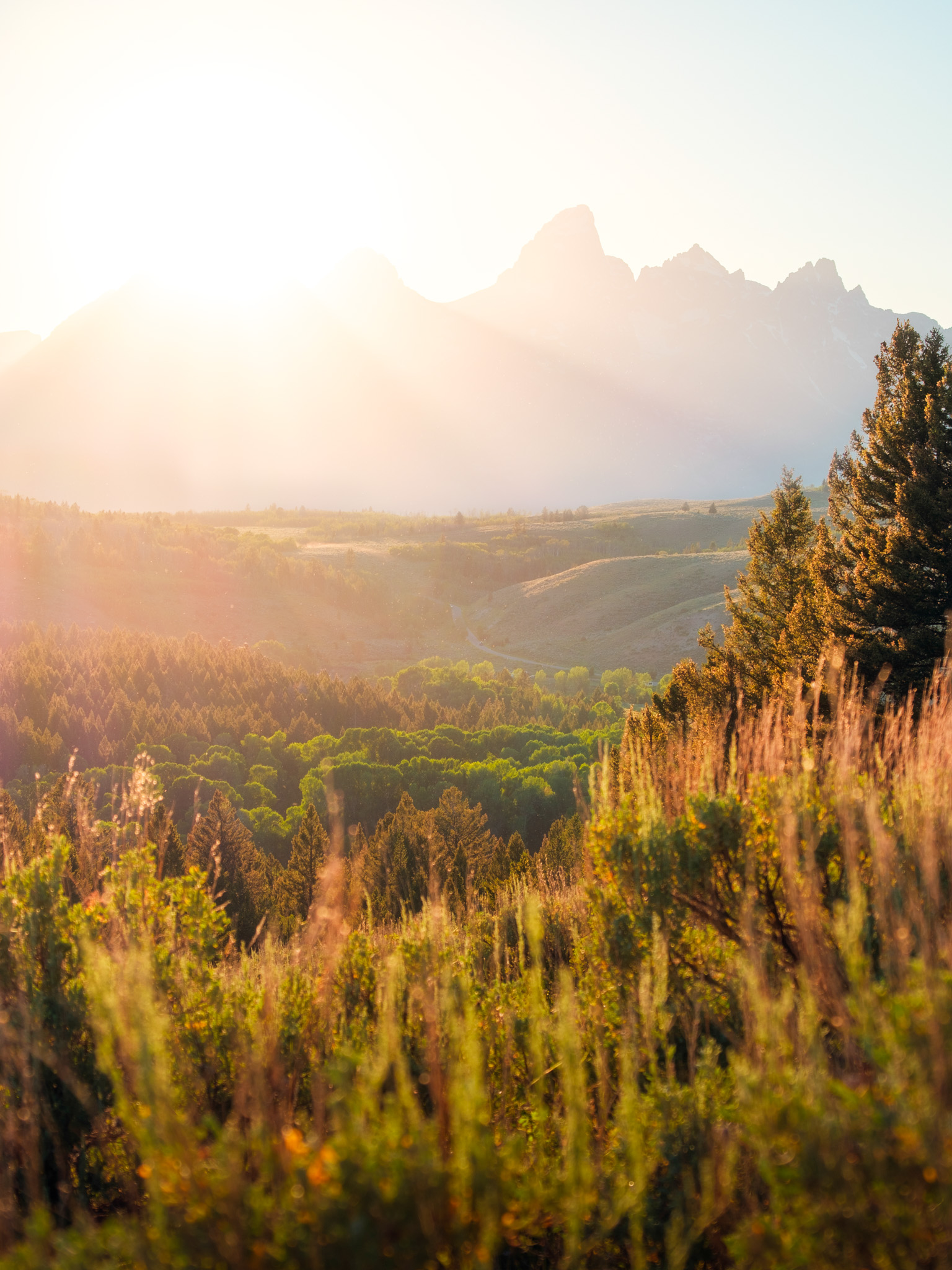
Fujifilm X-T5
50mm, F8, 1/500s, ISO 125
Color rendering was controlled and natural. Warm, late-day light on the ridges stayed rich without becoming overly saturated, and greens in forests and meadows looked alive but not cartoonish. Clouds held shape in a deep blue sky, with enough micro contrast that post-processing was about fine tuning mood rather than fixing color issues or blown highlights.
Staying in the Moment, Not in the Gear
On the practical side, this lens made the whole trip smoother. I wasn’t juggling multiple lenses or trying to figure out whether a separate telephoto or ultra-wide was “worth” carrying to a viewpoint. From roadside pullouts to short hikes, I ran one lens that could hit wide environmental frames, mid-range scenes, and distant peaks and details when I wanted compression.
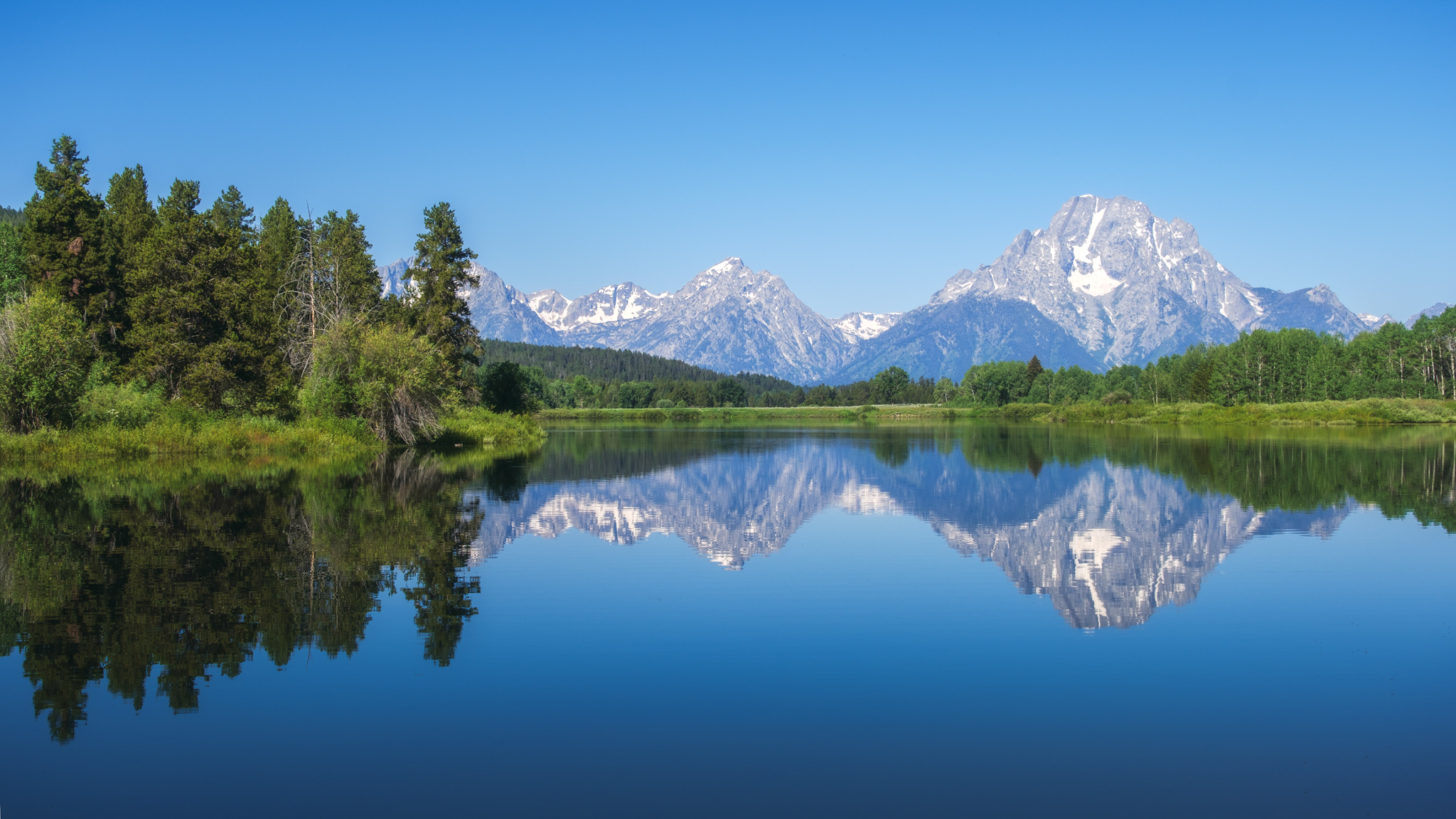
Fujifilm X-T5
35mm, F8, 1/800s, ISO 125
If your idea of a great trip looks anything like mine: Tetons at sunrise, Yellowstone in soft evening light, empty fences in the Sawtooths, and long, quiet roads through the Sierra, the Sigma 16-300mm F3.5-6.7 DC OS | Contemporary is that single lens that lets you come home with a complete visual story.
You get the wide shots that set the scene, the tighter frames that reveal character, and the longer, compressed views that bring the mountains right up to the viewer, all without overcomplicating your kit.
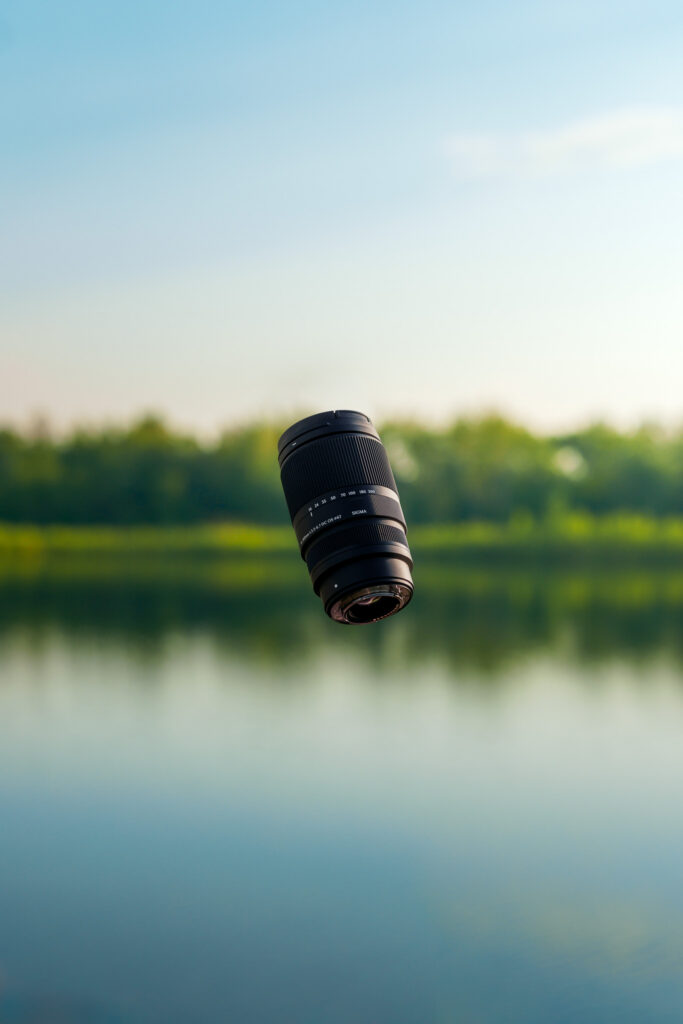
Learn more about this 18.8x zoom travel companion