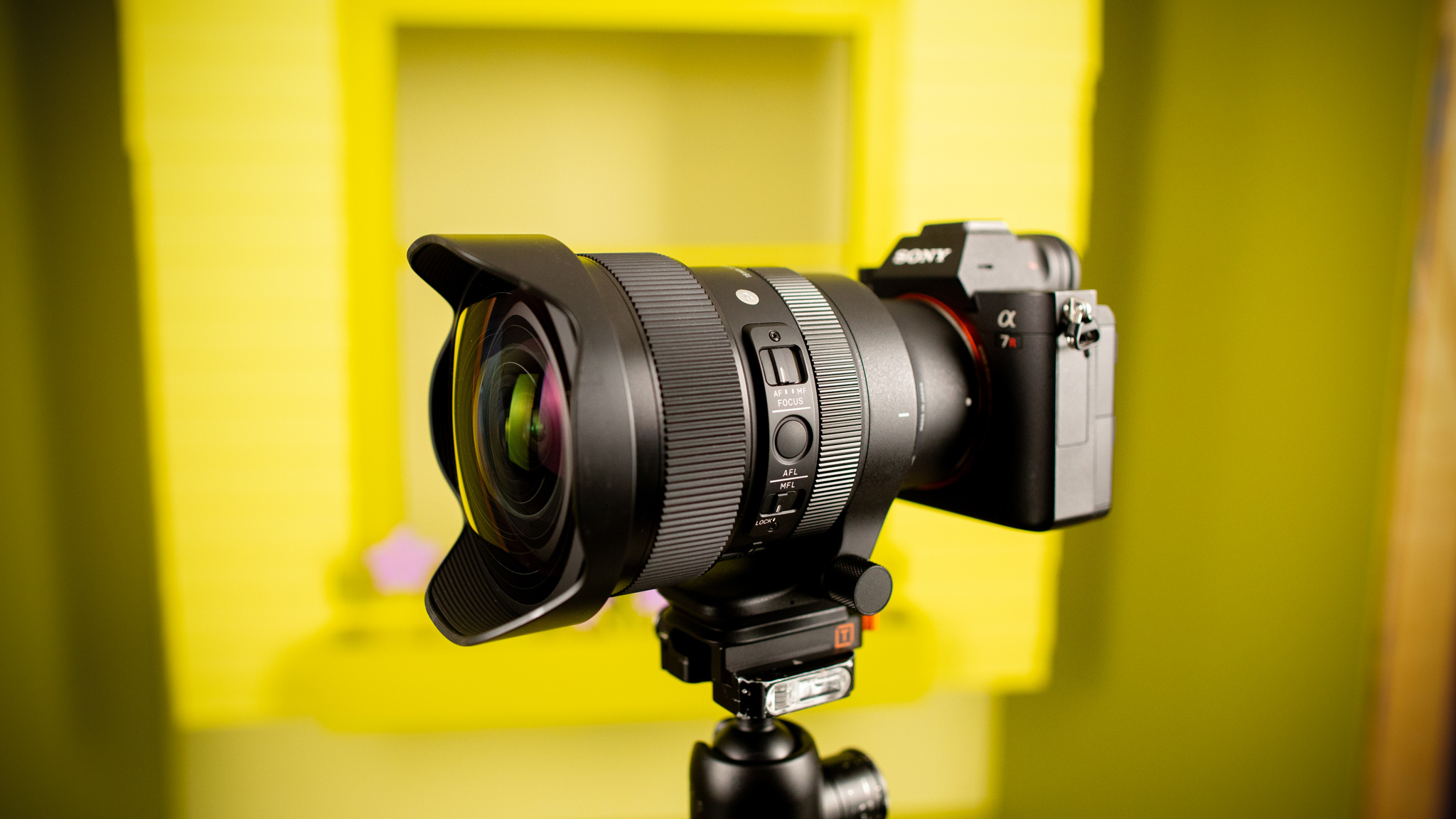
Lens choice is one of the first creative decisions we make when planning a photoshoot.
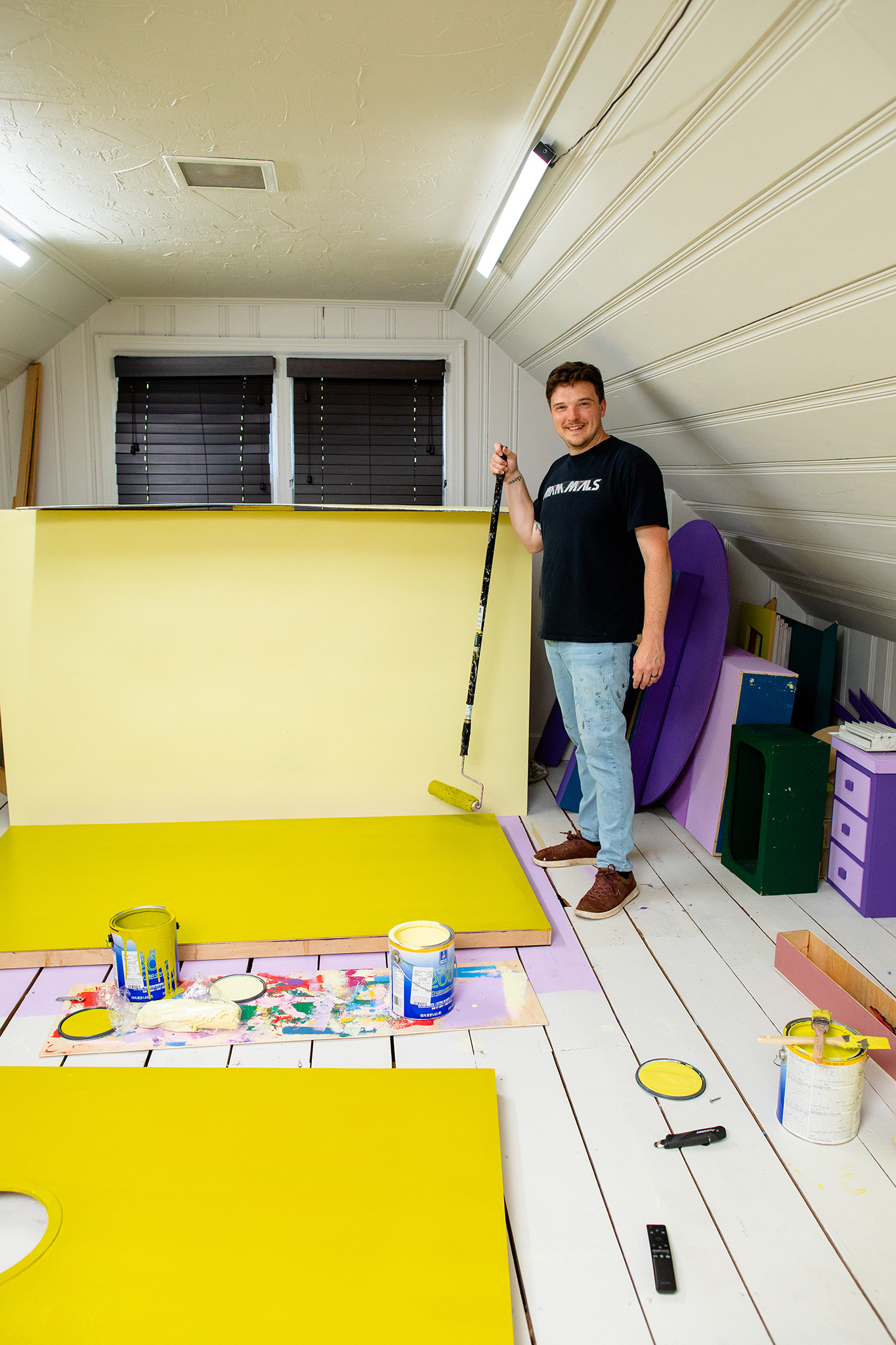
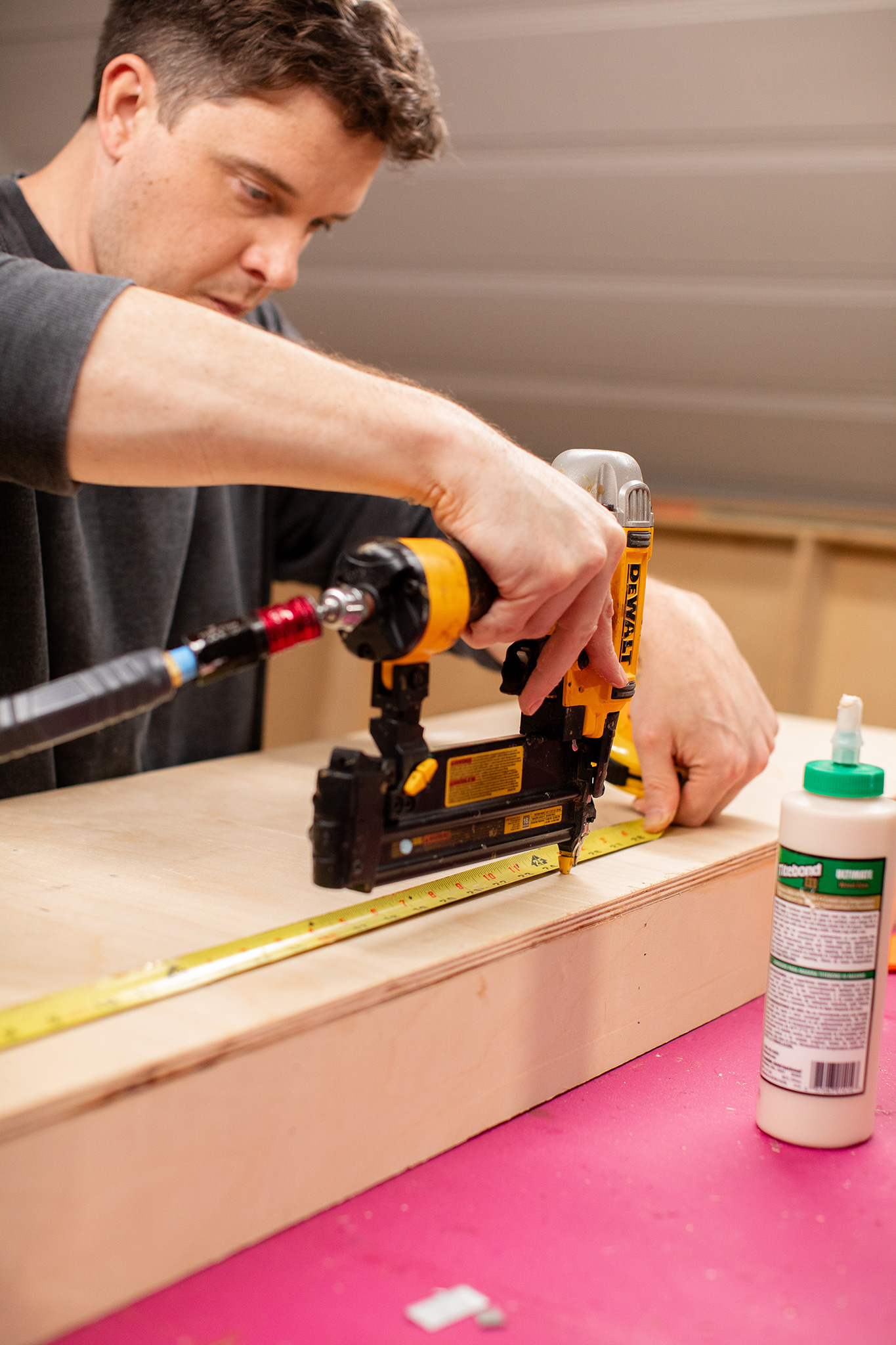
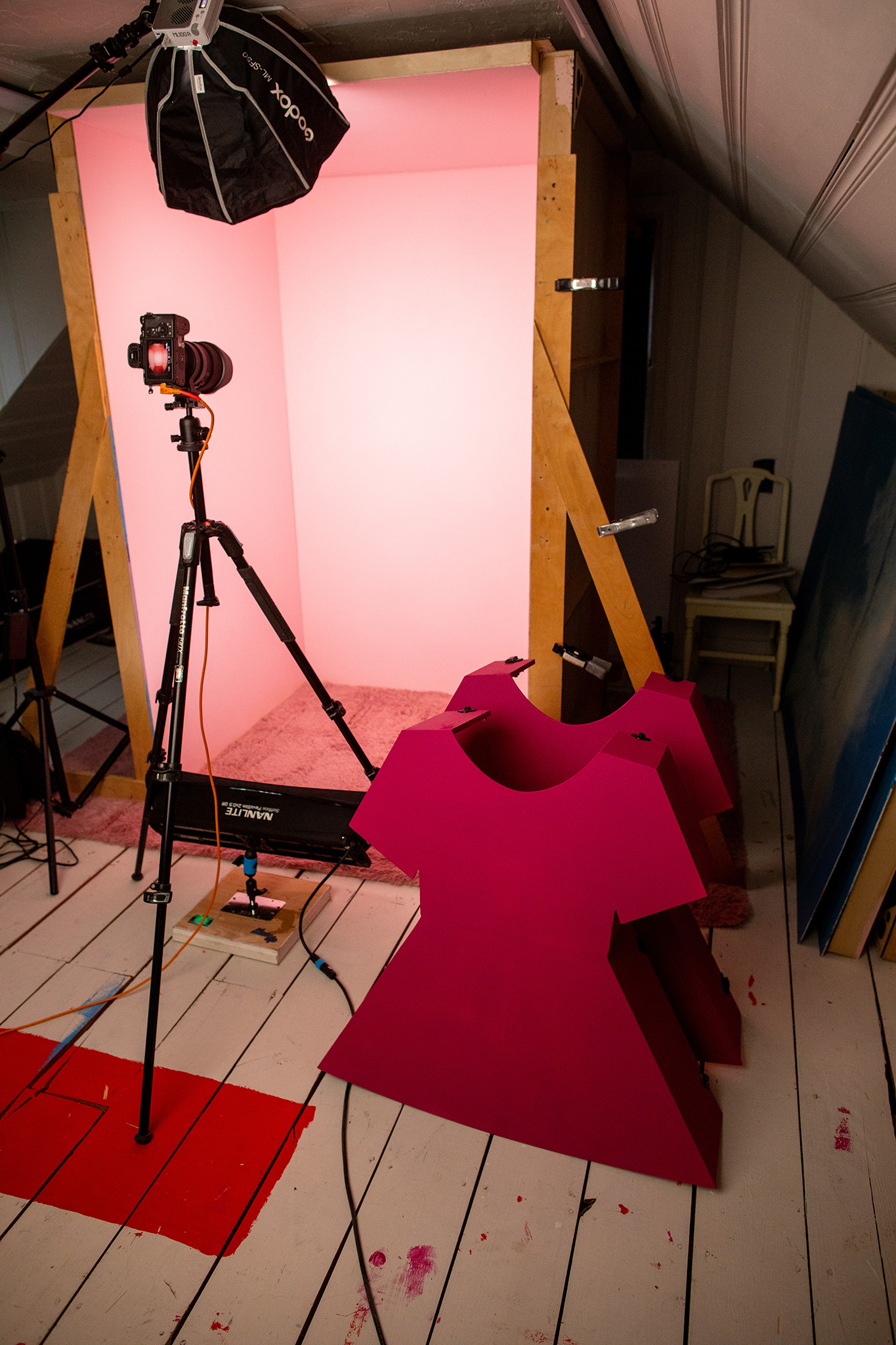
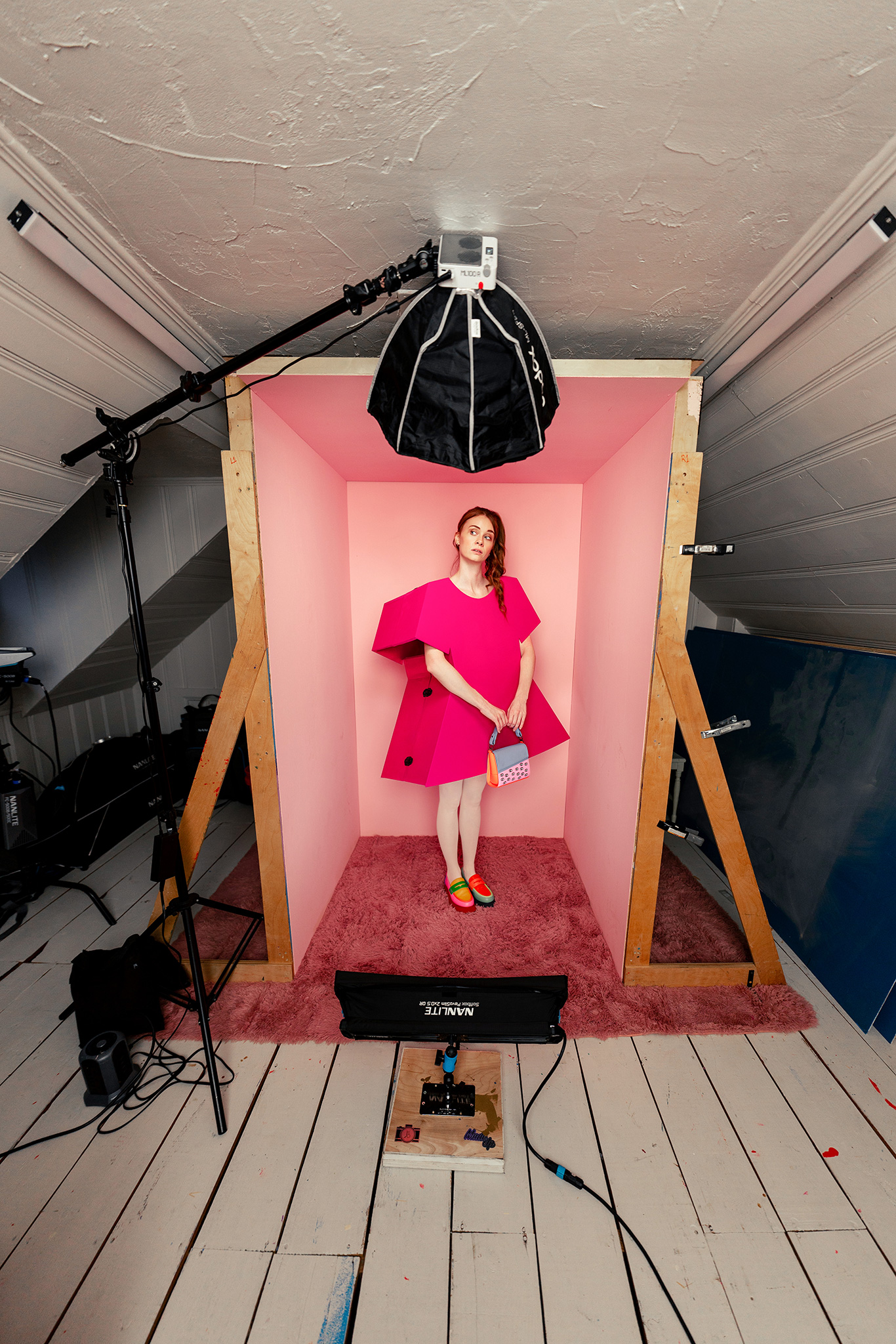
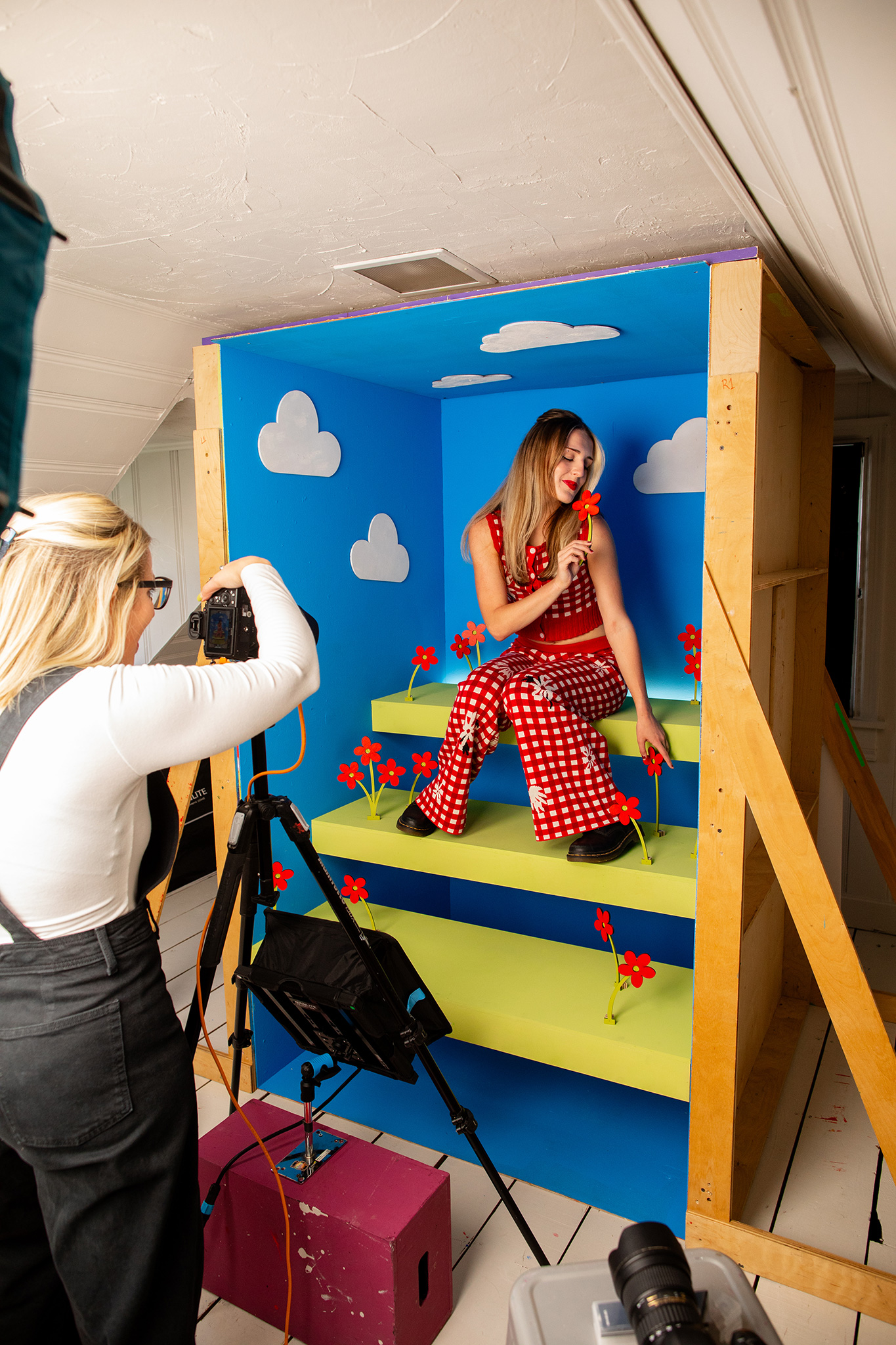
My husband David and I are photographers and set designers, and we build custom environments for nearly every image we create (check out some set design BTS at the end of this article). Because of that, lenses don’t just influence the final photo… they influence how we design the set itself.
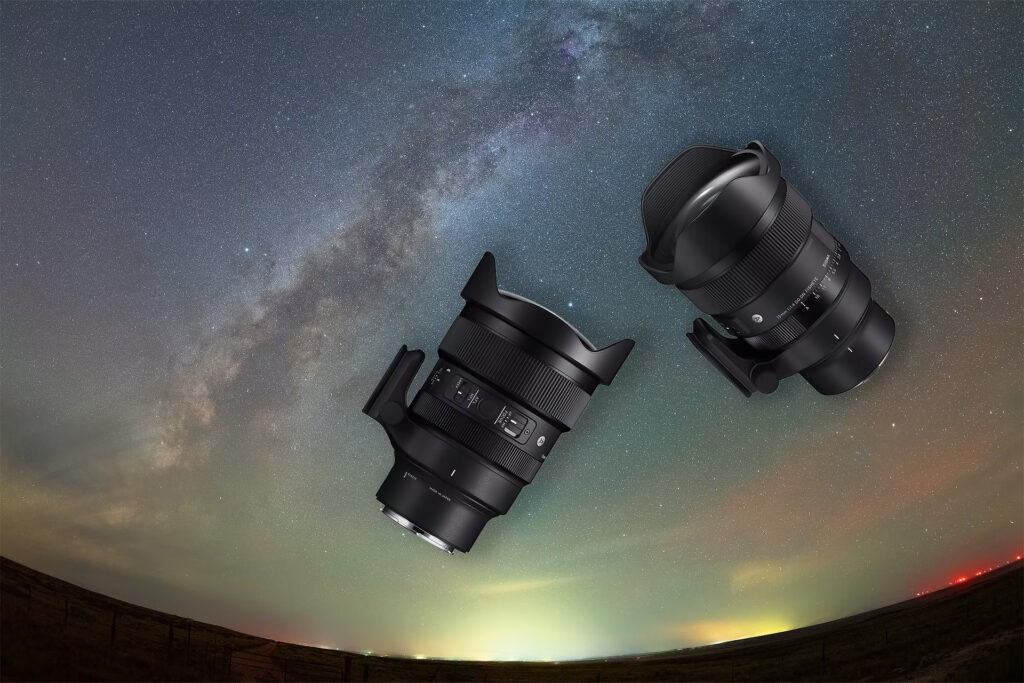
For this project, we wanted to explore how three very different Sigma lenses would shape both the design process and the final images. We photographed our sets with the Sigma 15mm F1.4 DG DN Diagonal Fisheye | Art, the 28-105mm F2.8 DG DN | Art, and the 135mm F1.4 DG | Art.
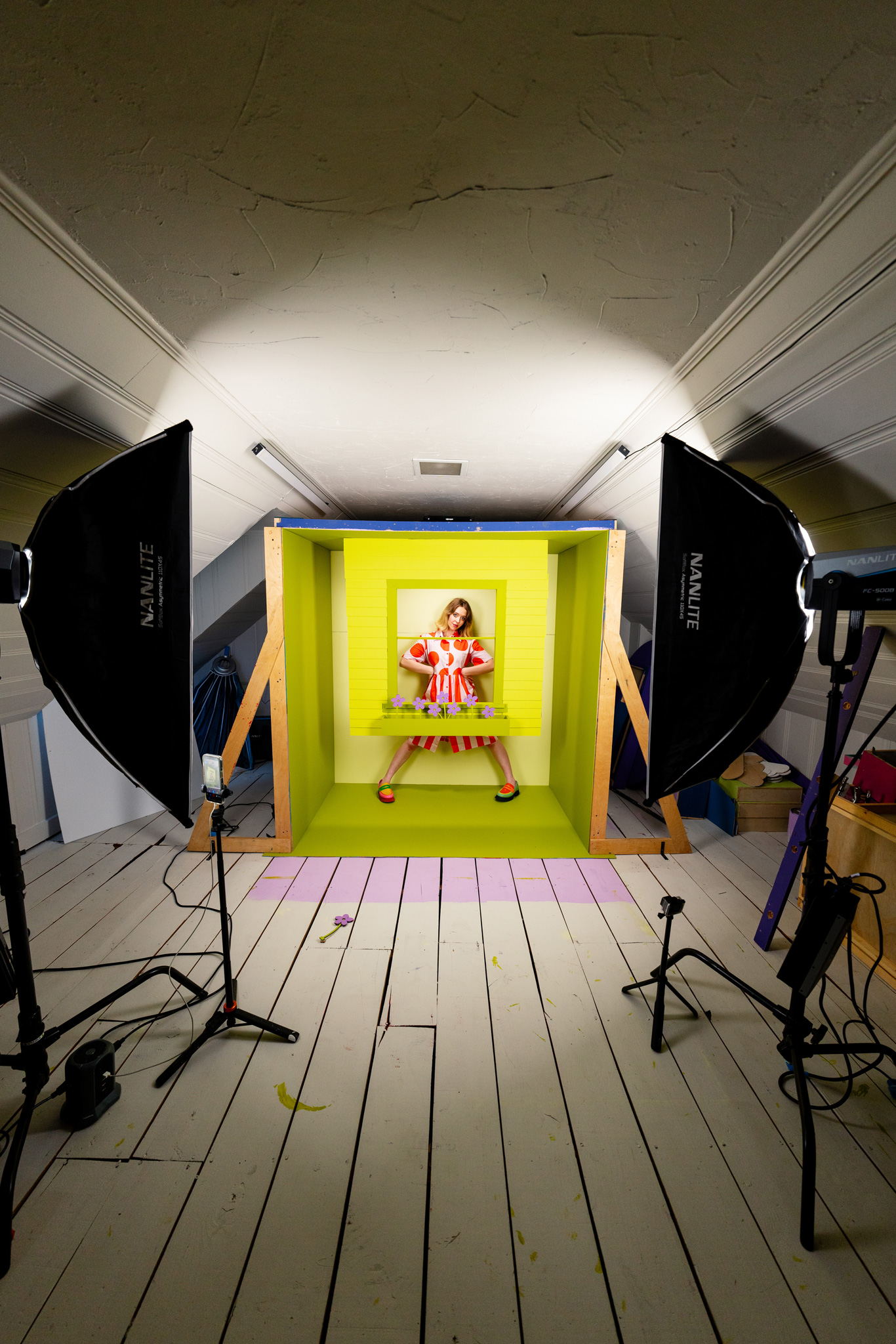
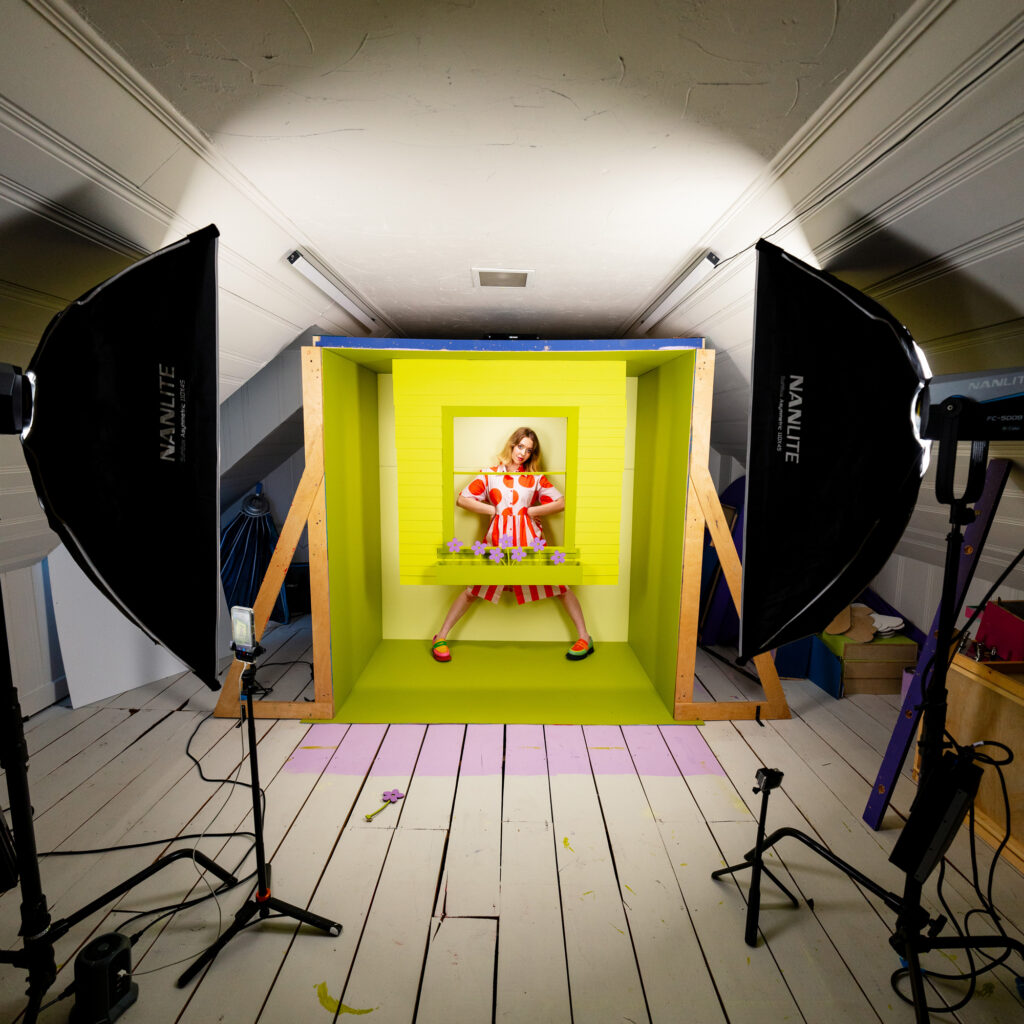
All of the images were created inside our tiny 400 square foot attic studio. The space is small, which made the differences between these lenses even more noticeable. Each one completely changed the way the sets felt and how we approached photographing them.
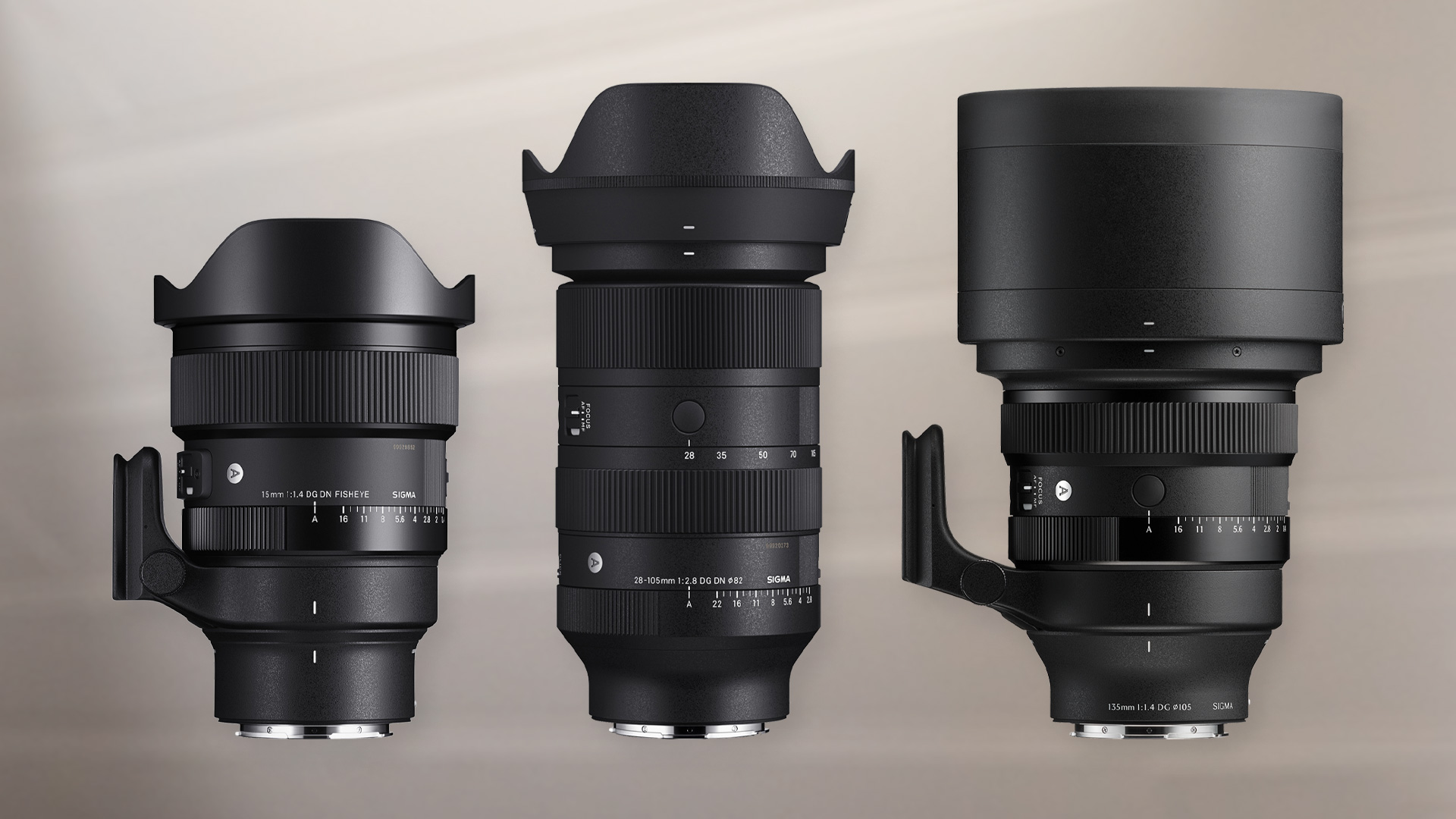
Sigma 15mm F1.4 DG DN Diagonal Fisheye | Art
The 15mm F1.4 Fisheye was easily the most unique lens of the group. We chose it because we wanted perspective itself to become part of the image.
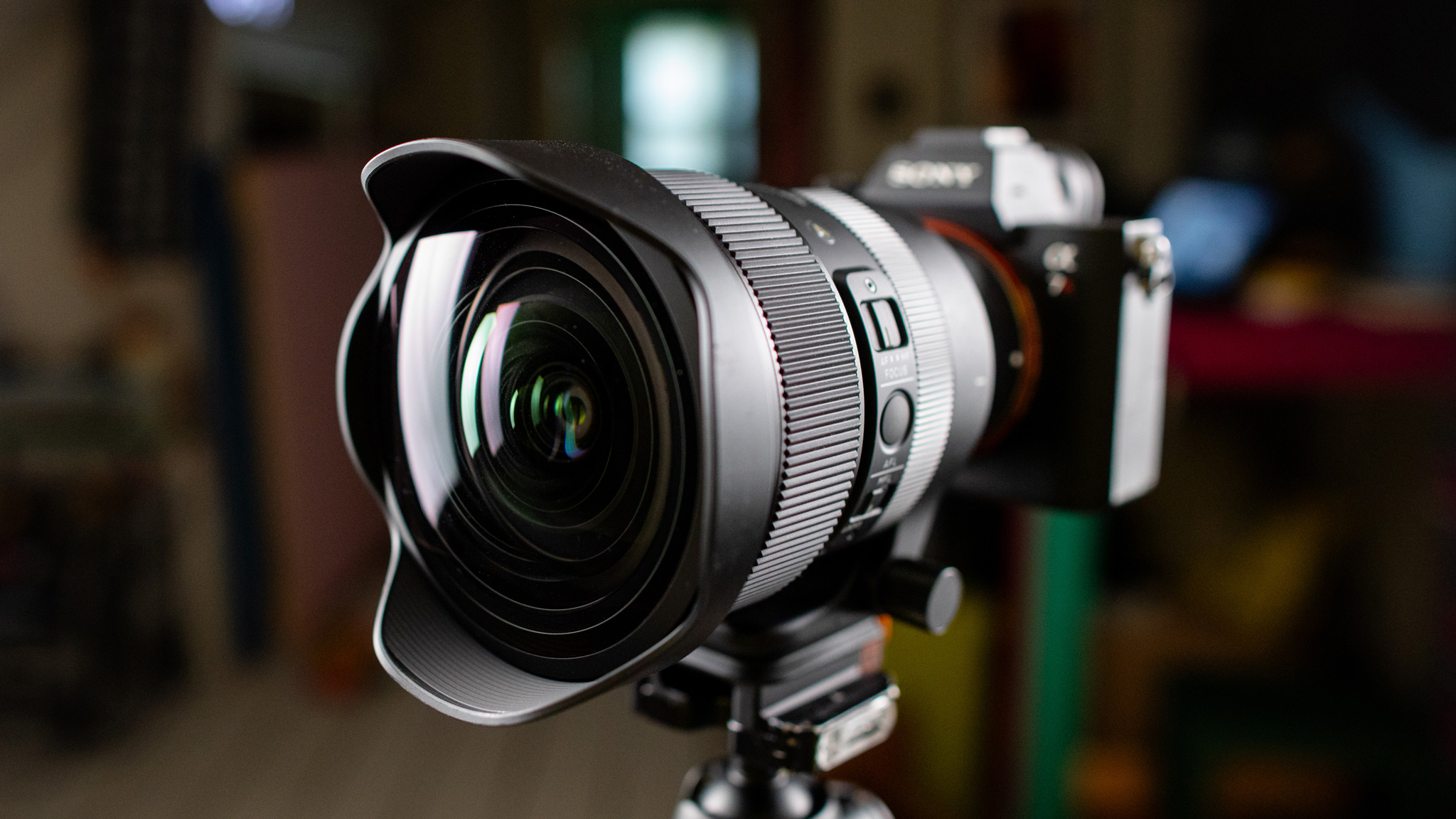
This lens completely transformed our attic studio. Even though we were working in a small space, it made the sets feel huge. The 180-degree angle of view allowed us to capture entire environments, while the distortion stretched and exaggerated whatever was closest to the camera.
One of the sets we designed was a surreal picnic scene. The environment was already intentionally off kilter, and shooting it with the 15mm F1.4 Fisheye pushed that feeling even further. The exaggerated perspective made the scene feel more immersive and slightly disorienting in the best possible way, pulling the viewer directly into the environment.
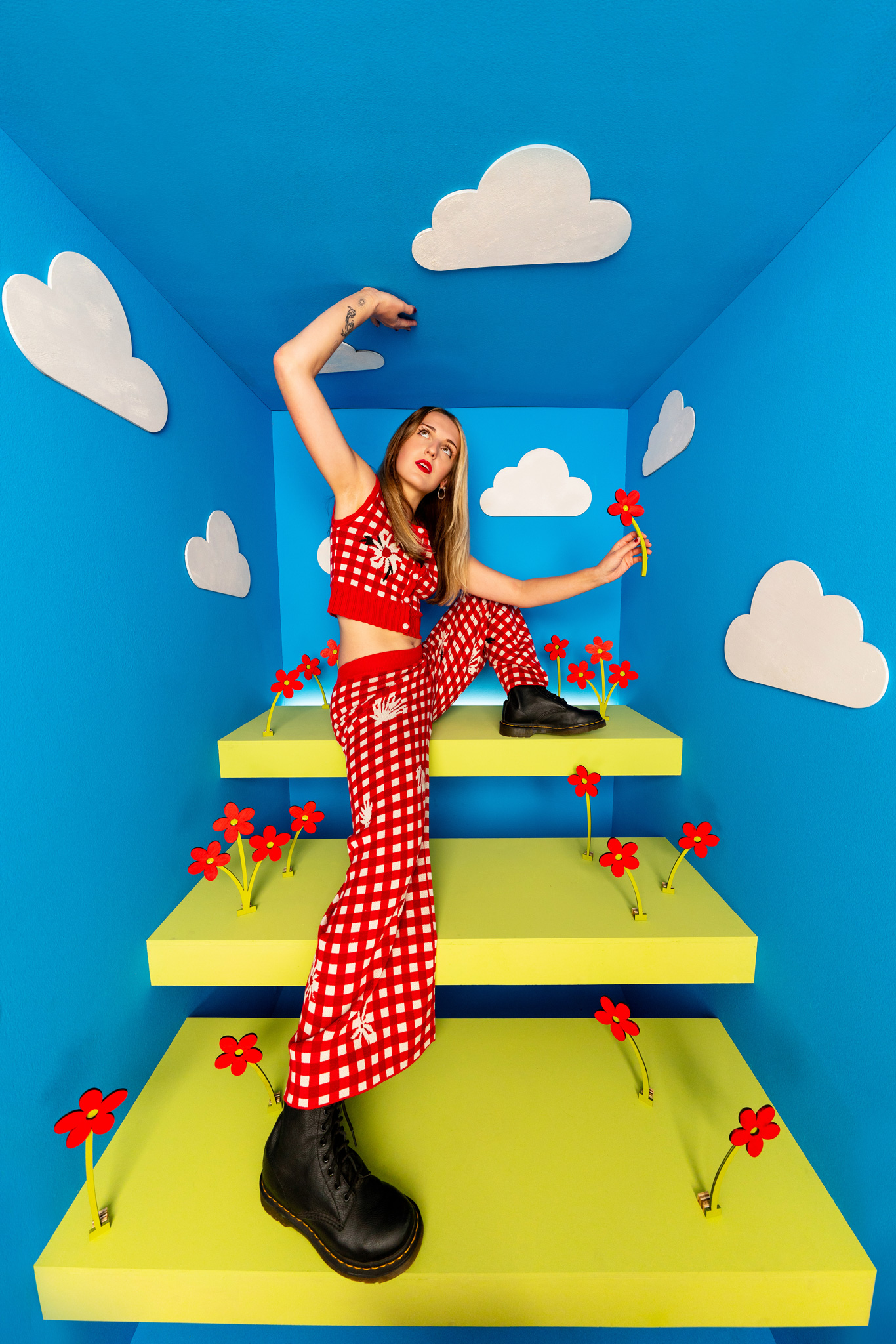
Sony A7R III
F4, 1/200s, ISO 640
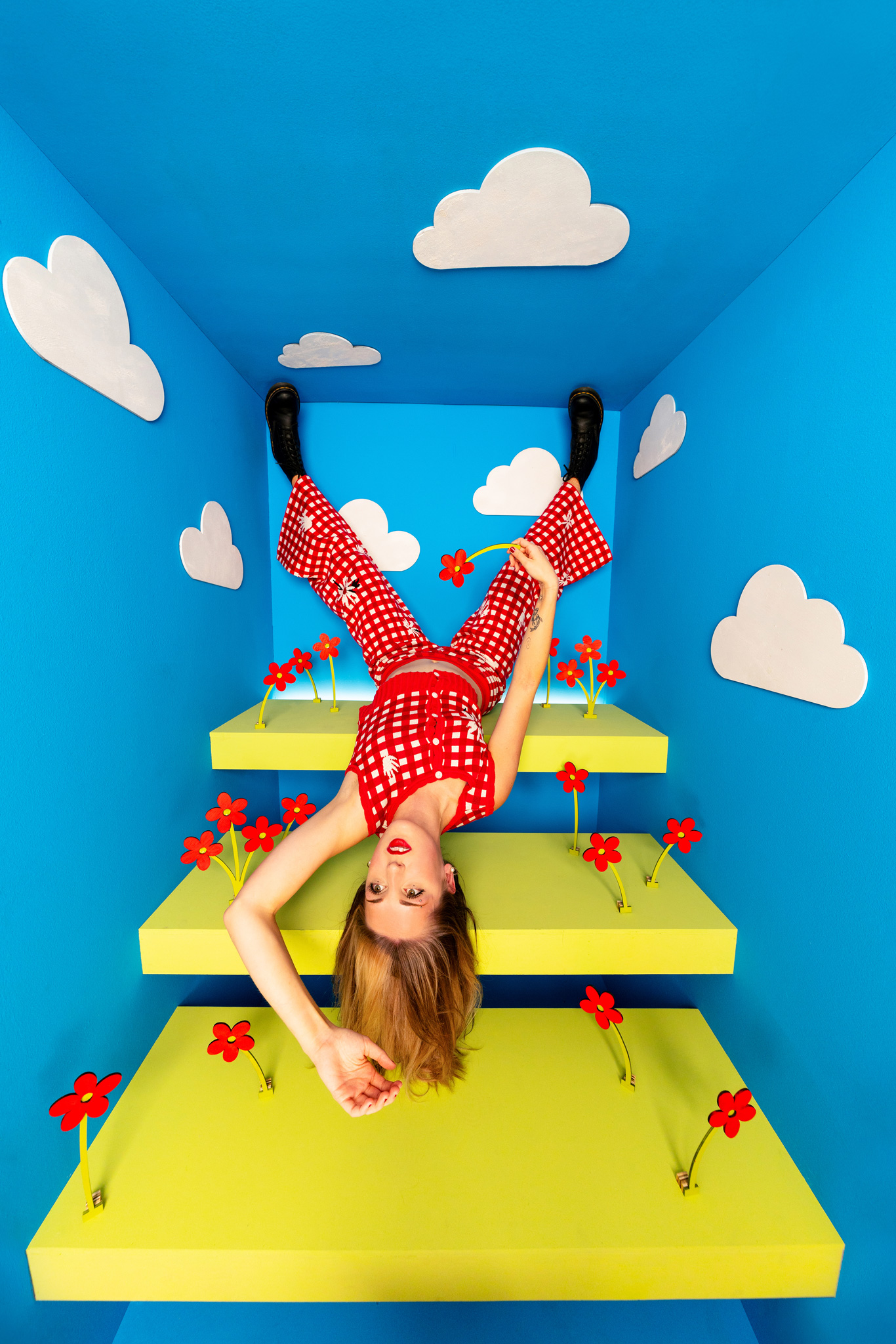
Sony A7R III
F4, 1/200s, ISO 640
We also built a dress entirely out of plywood and photographed it with this lens. By positioning the model’s legs toward the camera, the fisheye exaggerated the proportions dramatically. Her legs appeared incredibly long while her head became much smaller in comparison, which amplified the playful, almost cartoon-like quality of the image. It took an already unusual concept and pushed it even further.
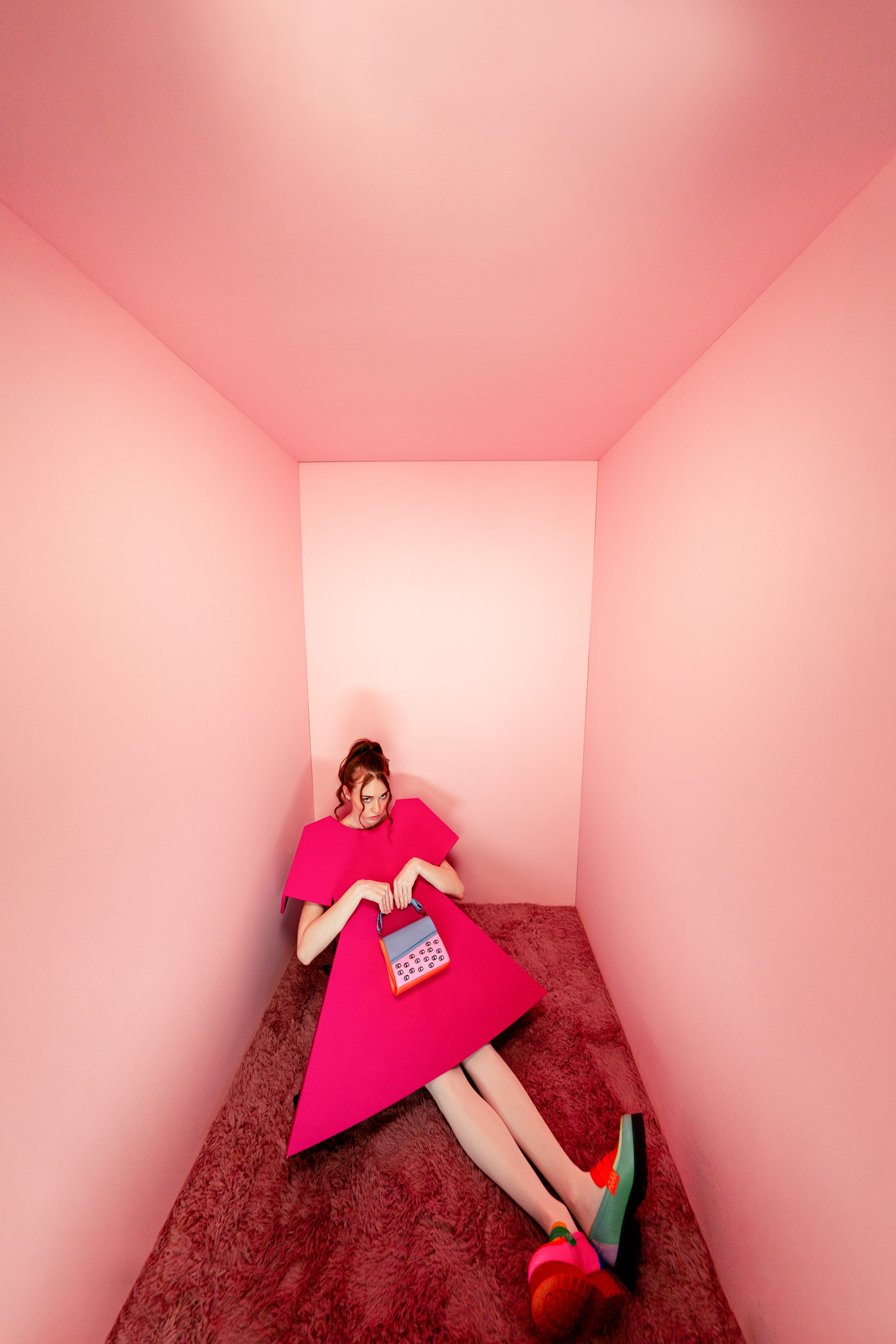
Sony A7R III
F1.4, 1/200s, ISO 320
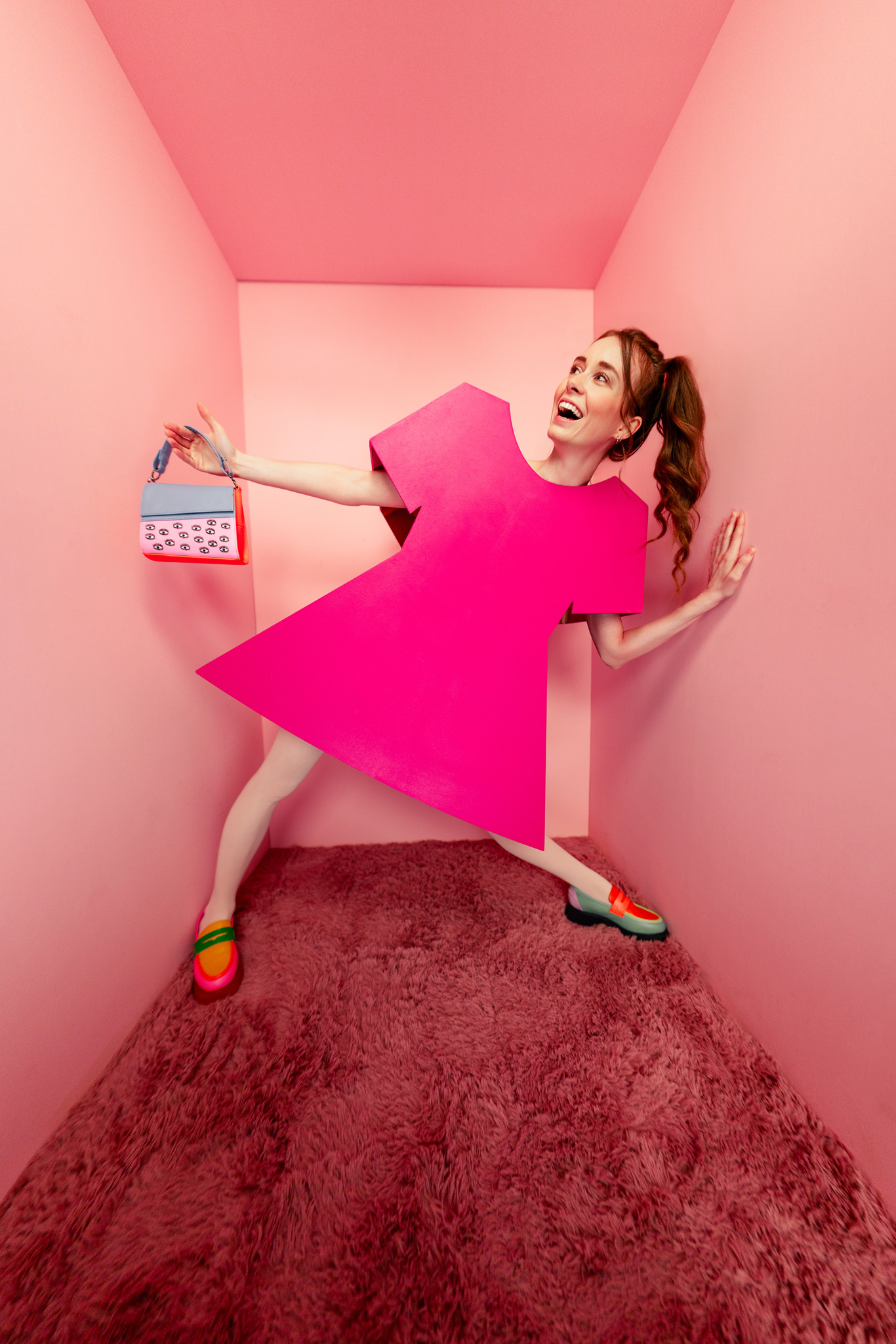
Sony A7R III
F1.4, 1/200s, ISO 250
At 15mm, there is nowhere to hide. Every wall, prop, and detail becomes part of the frame, so every visible surface had to be considered during the build process. The lens also changed the way I directed our models. I encouraged them to extend their arms and legs toward the camera because the lens exaggerated those shapes and created a stronger sense of movement and scale.
The biggest surprise was how sharp it was. Even wide open at F1.4, images were incredibly crisp. Autofocus was fast and reliable, and image quality never felt like a compromise despite how specialized the lens is.
This lens creates images that simply aren’t possible with a more traditional focal length.
Sony A7R III
F2.8, 1/200s, ISO 640
Sigma 28-105mm F2.8 DG DN | Art
If the fisheye was the most specialized lens, the 28-105mm F2.8 was the most versatile.
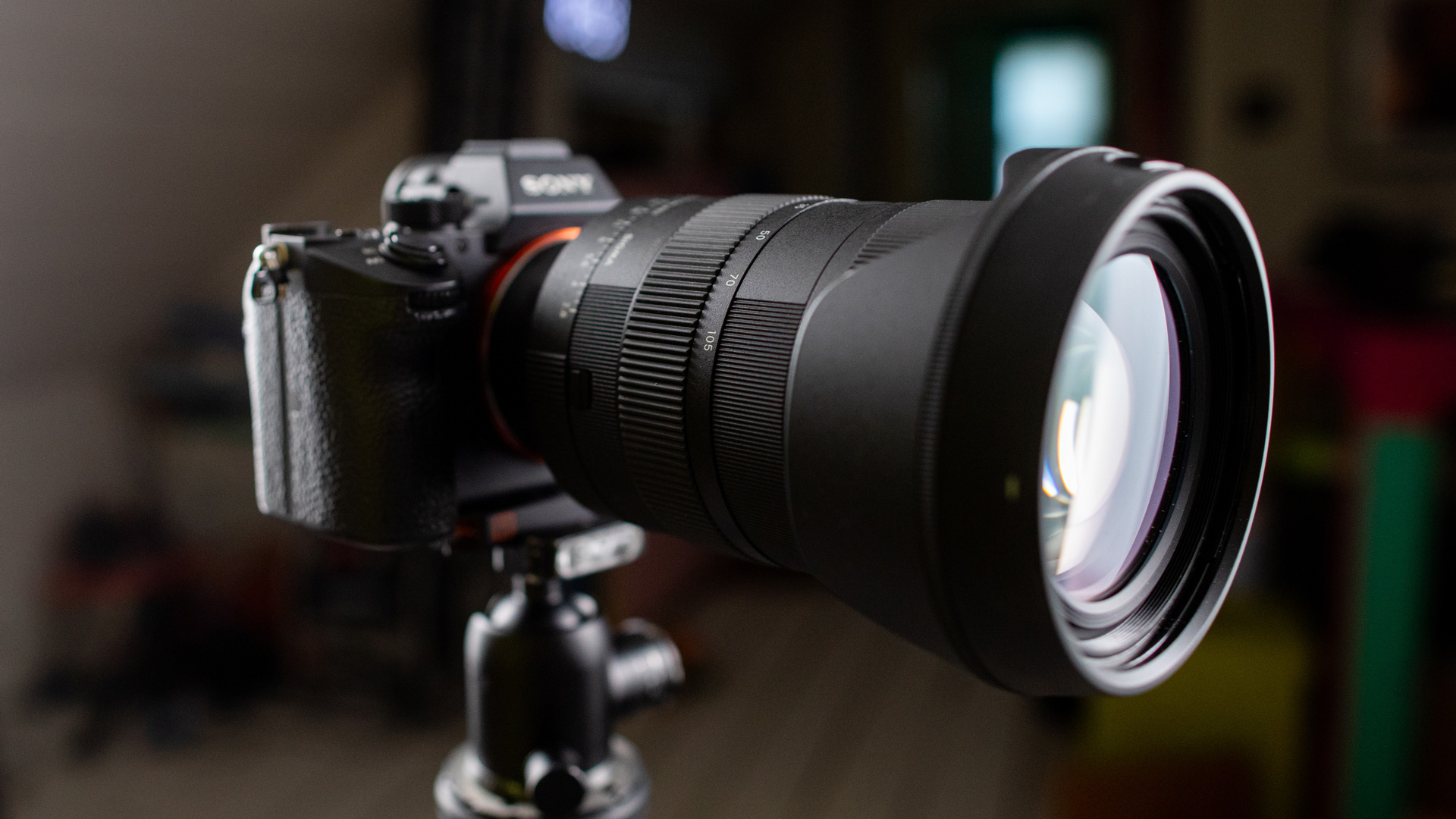
As set builders, we spend days constructing an environment and then try to pull as many different images from it as possible. This lens made that easy. We photographed those same sets with the 28-105mm, and it gave us a completely different way to approach them.
In the picnic scene, the lens allowed me to zoom in and focus more on the model’s expression while still keeping enough of the environment visible to tell the story. Instead of the set becoming the main subject, the focus shifted more toward the person within the scene.

Sony A7R III
28mm, F4, 1/200s, ISO 640
The plywood dress shoot benefited from the lens in a different way. While the fisheye exaggerated the proportions for a more surreal look, the 28-105mm allowed me to create full body environmental portraits that felt much more natural. I could show the entire dress and set while maintaining realistic proportions, which helped highlight the craftsmanship of the build itself.
What I loved most was how much variety we could create without changing lenses. We could move from environmental portraits to tighter crops in seconds and completely change the feel of the image.
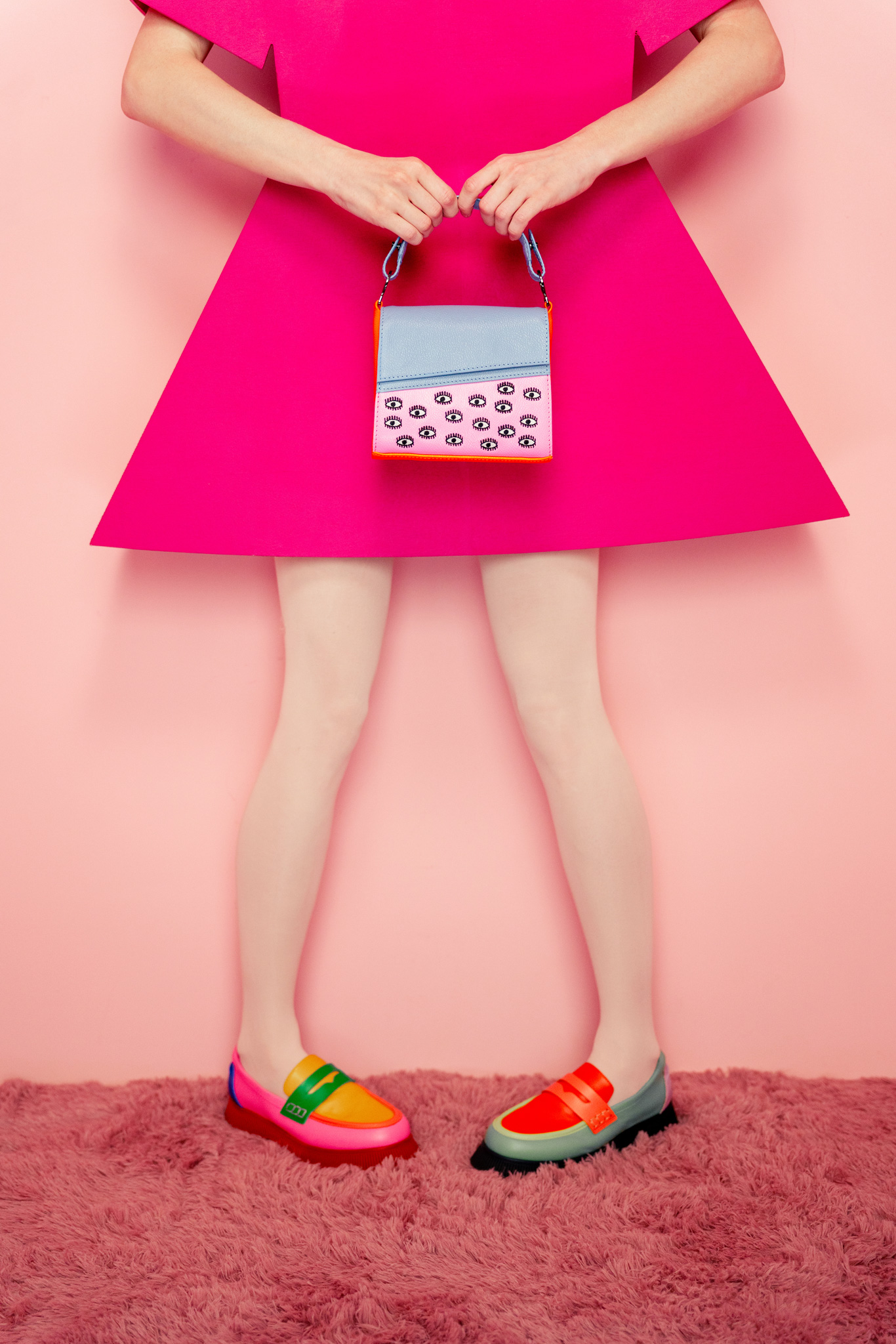
Sony A7R III
50mm, F2.8, 1/200s, ISO 1000
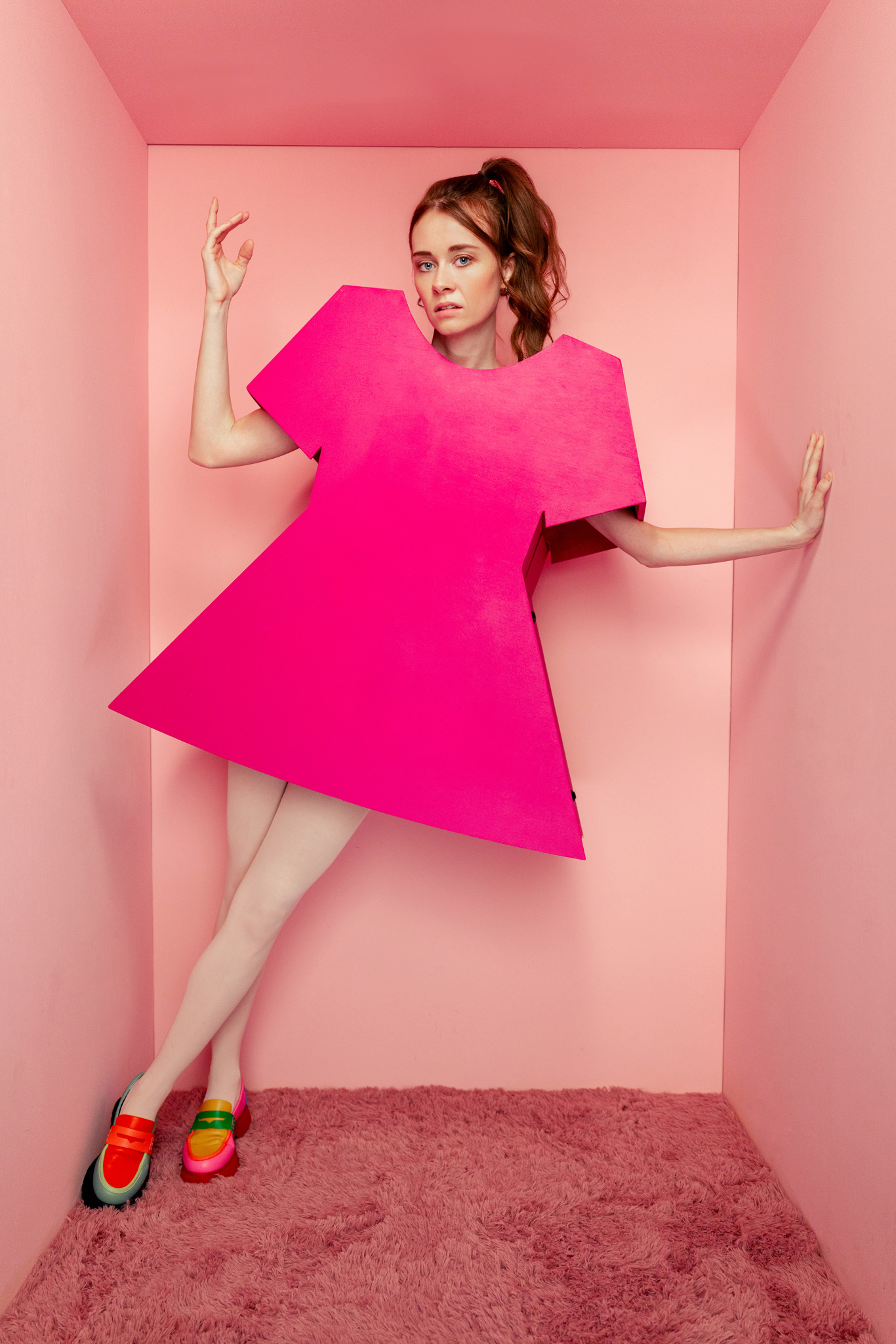
Sony A7R III
28mm, F2.8, 1/200s, ISO 1000
For a lens with this focal range, it feels surprisingly light and comfortable to work with. The zoom action is smooth, autofocus is quick, and for the way we work, the lens felt responsive and easy to use throughout the shoot.
If I could only bring one lens to a portrait shoot, this would be a strong contender simply because of how much flexibility it provides.
Sigma 135mm F1.4 DG Art
The 135mm F1.4 DG | Art was all about portrait performance. We wanted a lens that could create strong subject separation, compress the scene, and simplify the frame.
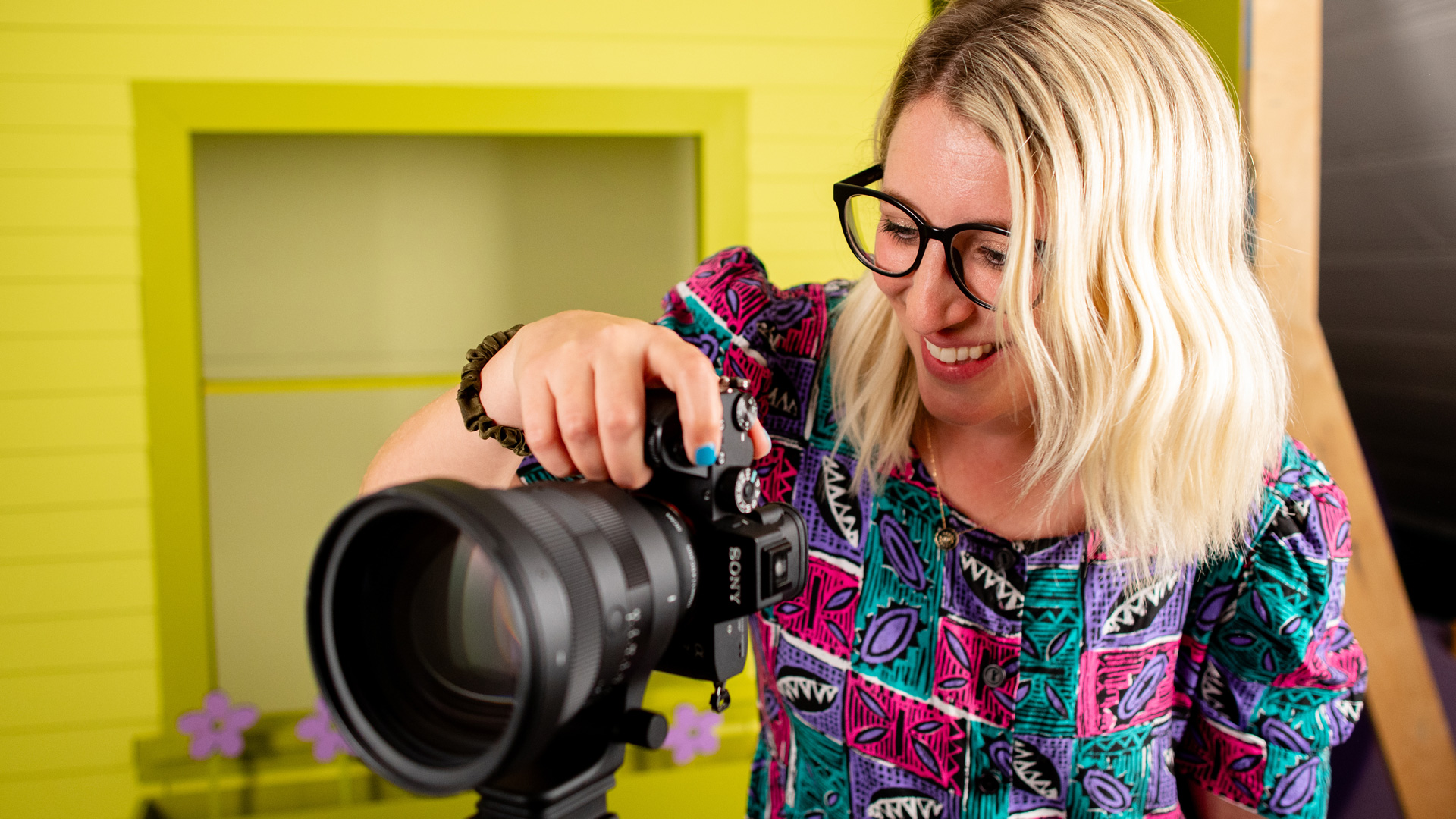
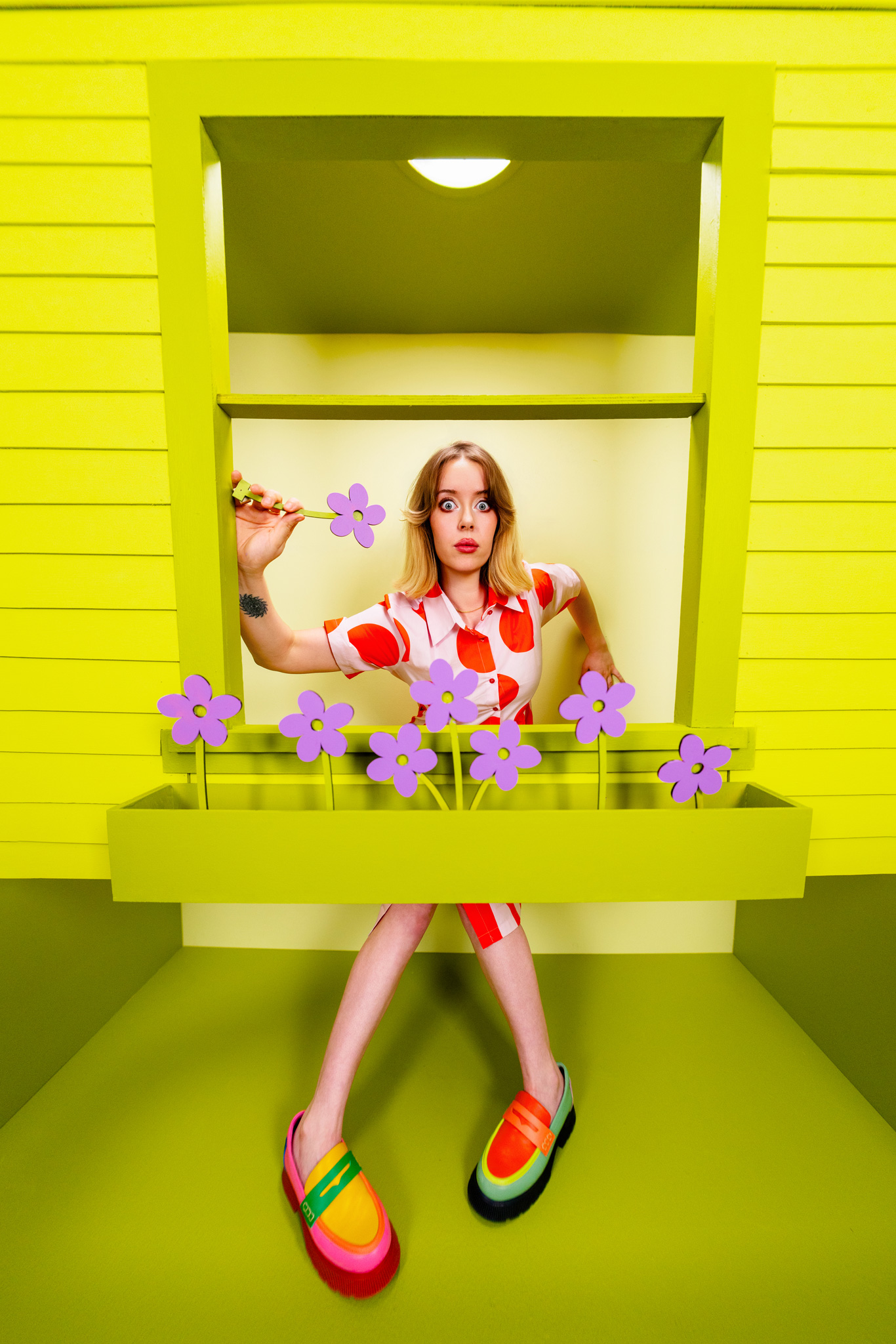
For this set, we created a small window and flower box scene. My goal was to frame the image so it felt like the subject was inside a house looking out the window. To achieve that composition, I was standing roughly ten feet away from the subject despite working inside our tiny attic studio.
What I love about the 135mm F1.4 is how it simplifies a scene. Instead of showing the entire environment, it allowed me to isolate just the pieces that mattered. The frame became less about the set itself and more about the emotion and expression of the subject.
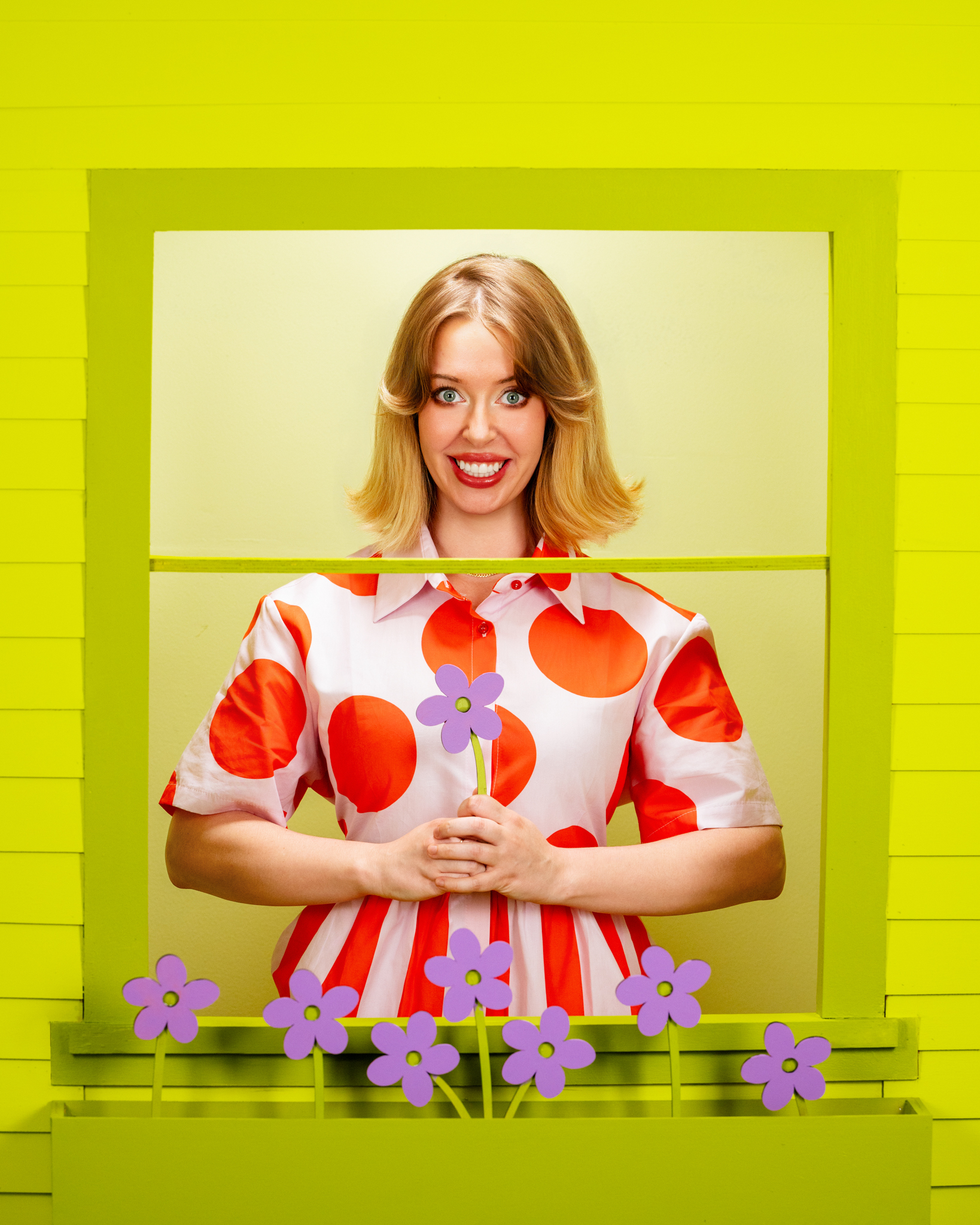
Sony A7R III
F3.5, 1/200s, ISO 800
The resulting image feels much quieter and more intimate than the photographs we created with the fisheye. What’s interesting is that both images were made in the same attic studio. When photographed with the 15mm Fisheye, the scene feels surreal, playful, and exaggerated. With the 135mm, the image becomes more personal and cinematic.
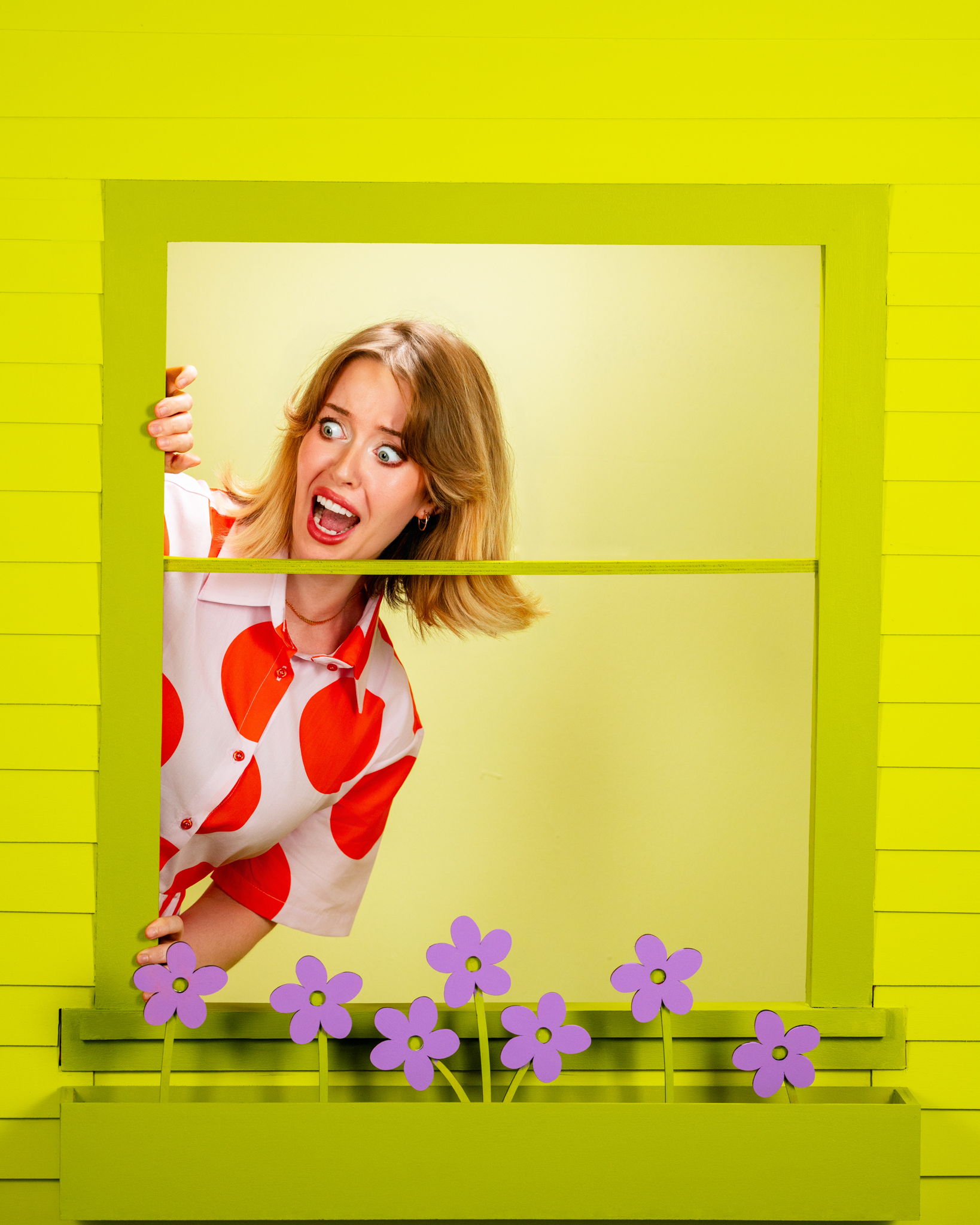
Sony A7R III
F3.5, 1/200s, ISO 800
This lens quickly became one of my favorite portrait lenses. Even wide open at F1.4, it was incredibly sharp. The background blur is beautiful, and subjects have that almost three dimensional “cut out from the background” look that portrait photographers love.
Autofocus was also impressively fast, which was important because I tend to work quickly and direct a lot of movement during shoots.
Final Thoughts
What I enjoyed most about this project was seeing how differently each lens interpreted a scene.
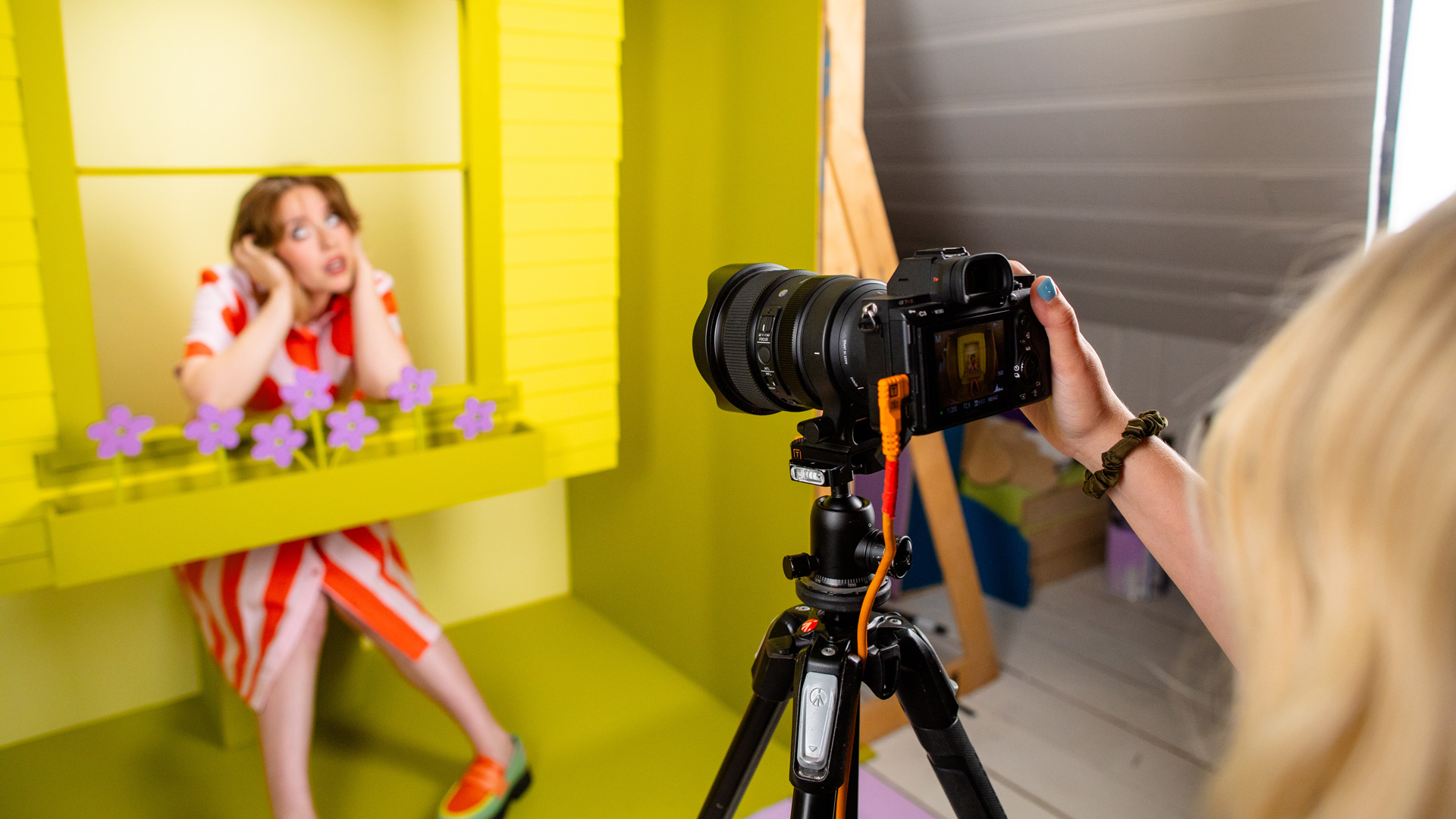
The fisheye lens made our attic studio feel huge and exaggerated perspective in really fun ways.
The 28-105mm zoom gave us incredible flexibility and allowed us to create multiple looks from the same set.
The 135mm prime delivered beautiful subject separation and some of the strongest portraits of the project.
As photographers who build everything specifically for the camera, these lenses influenced the creative process long before we pressed the shutter. They shaped the sets we built, the way we photographed them, and ultimately the final images themselves.
This project was a reminder that lens choice isn’t simply a technical decision. It’s one of the most powerful creative decisions a photographer can make.
Explore these Sigma lenses
Behind the scenes in the attic studio