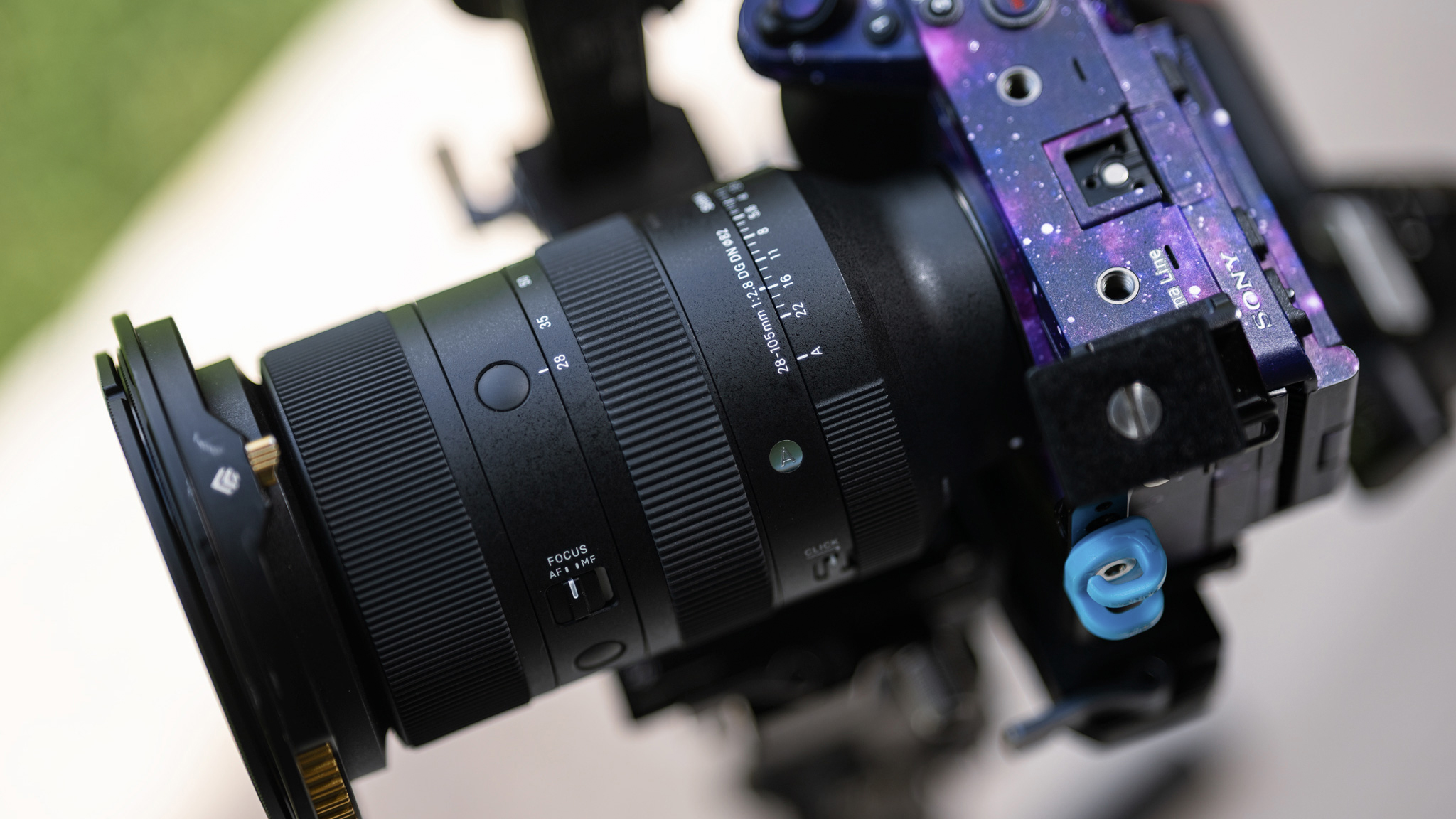
Let me start by saying this up front: after using the Sigma 28-105mm F2.8 DG DN | Art for over a year, this lens has easily become one of the most used lenses in my bag.
Having a zoom lens that gives me an extremely useful 28-105mm focal range with a constant F2.8 aperture all the way through is amazing. It gives me more flexibility than a traditional 24-70mm F2.8, especially when I need just a little more reach, without changing lenses. Yes, it is a little heavier than a 24-70mm, but for the range, flexibility, and image quality I get out of it, I can definitely get over that.
That being said, let me tell you why this lens stays on my camera.
Fast, accurate, and reliable
Most of my photography work is shot on a full-frame Sony camera body, and when I pair this lens with system, the performance is exactly what I need it to be. The autofocus is fast, accurate, and reliable. It does not hunt, it does not struggle, and it performs just like I need it to when working with clients.
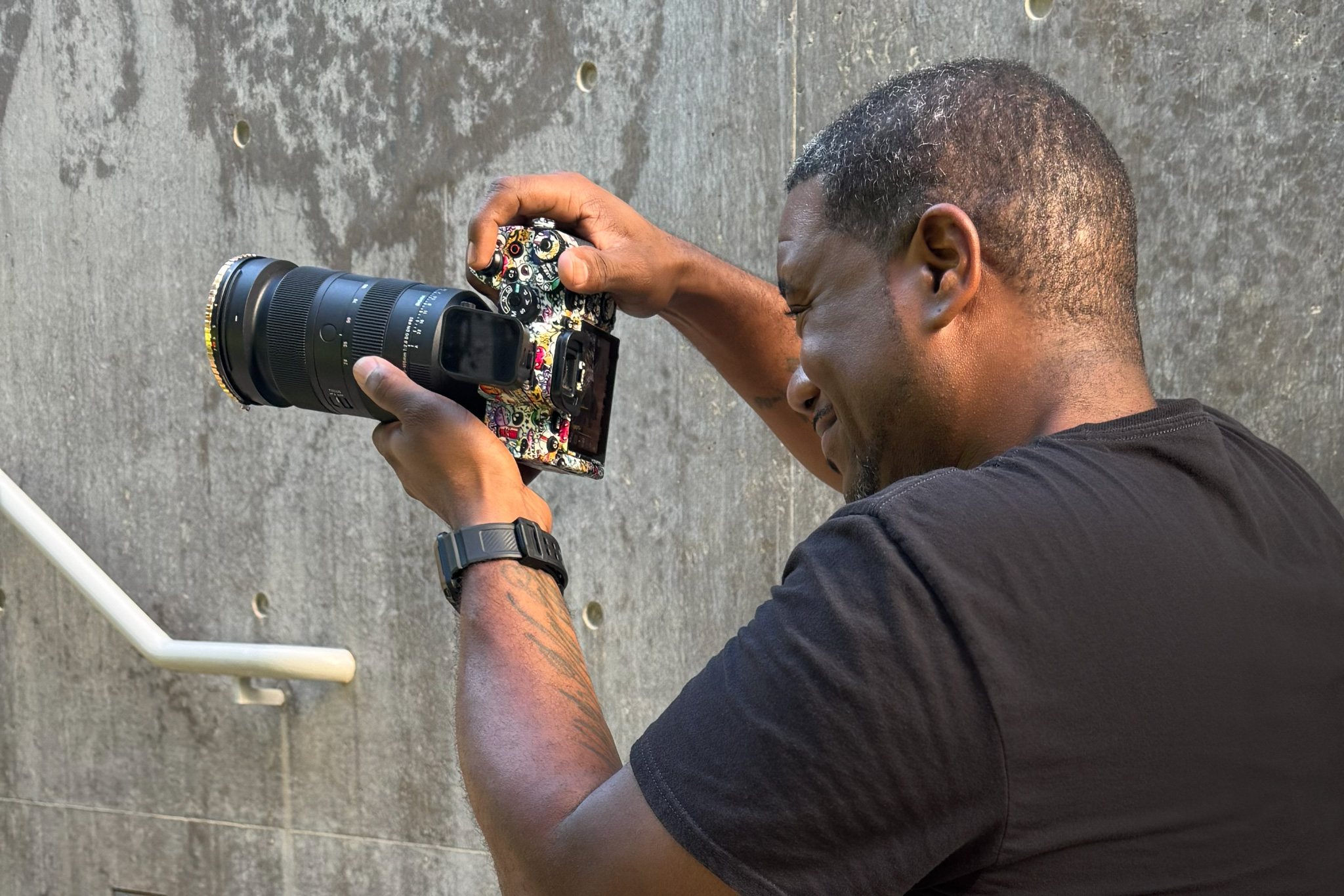
The color and the way this lens renders images is beautiful. The files are clean, sharp, and have that Sigma look that I really enjoy.
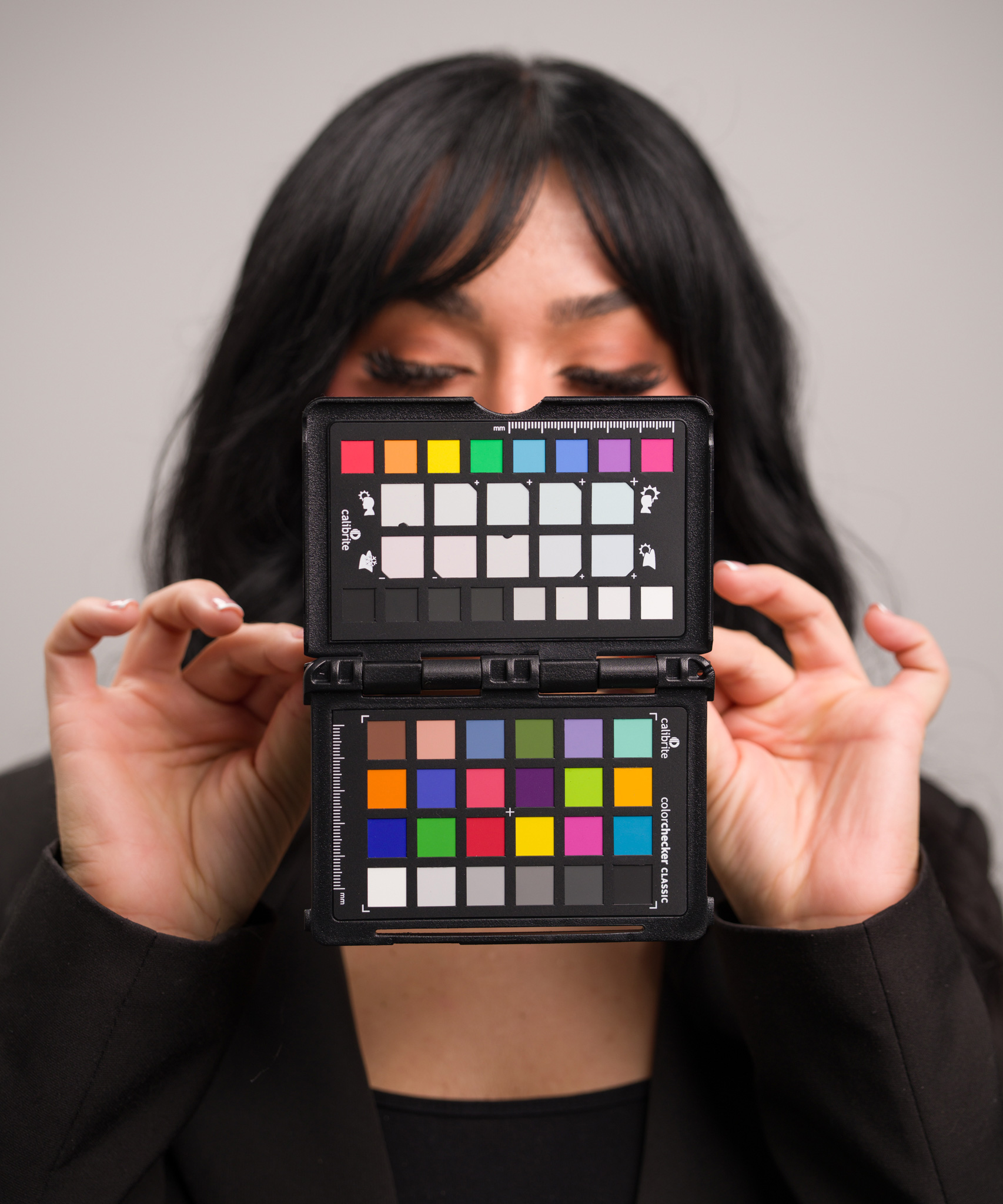
Speaking of color, here is a quick tip: use a color chart before every shoot, especially if you are staying in the same lighting setup or moving between different lighting scenes. That little step will help you get the most accurate color possible every time.
Flexible range for client work
I have used this lens on a lot of client work, including shoots for a motorcycle shop in North Texas called Monkey Moto. Most of the work there may seem simple, but the space is tight, and that is where this lens really shines. The 28-105mm range gives me the flexibility I need without constantly switching lenses.
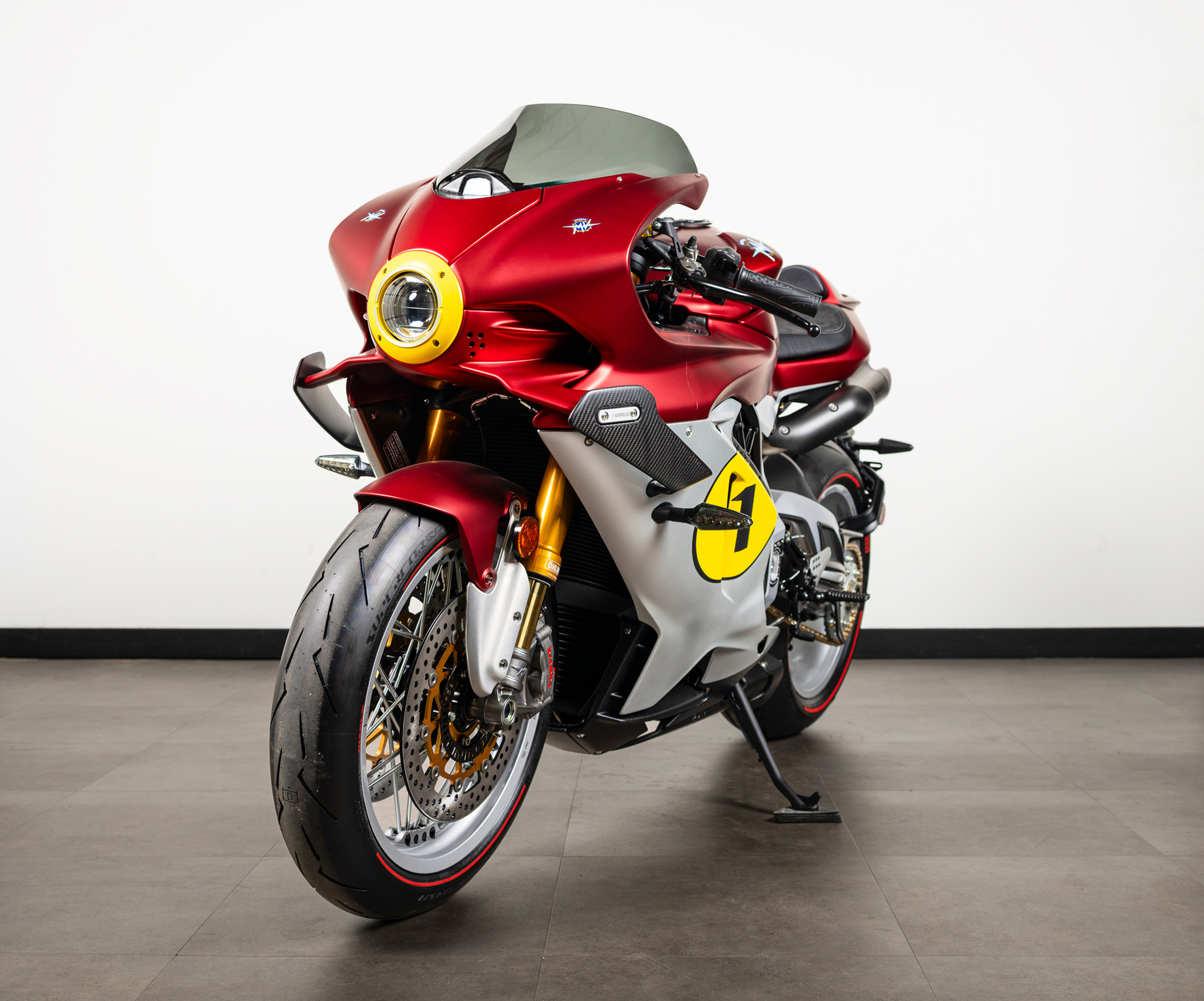
Sony A7R V
28mm, F4.5, 1/160s, ISO 160
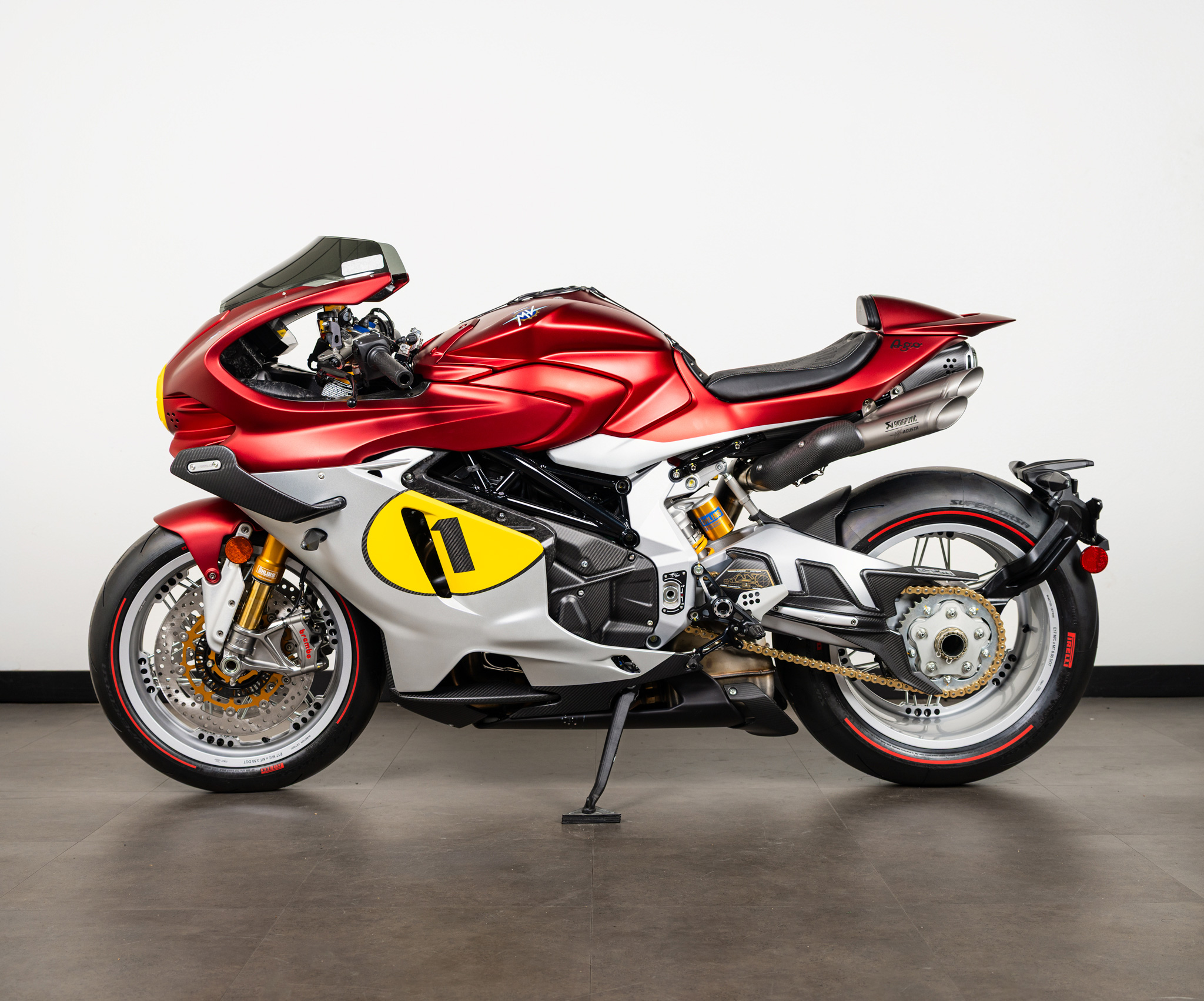
Sony A7R V
34mm, F4.5, 1/160s, ISO 160
For these images, I used a two-light setup with softboxes. I also used a light meter to keep my lighting consistent from week to week. No matter where the lights are placed in the shop, I meter everything so my wide shots are consistent.
For most of the wider shots, I set my aperture to around F4.5. For the closer detail shots, I usually stop down between F7.1 and F9 to make sure I get the details nice and sharp.
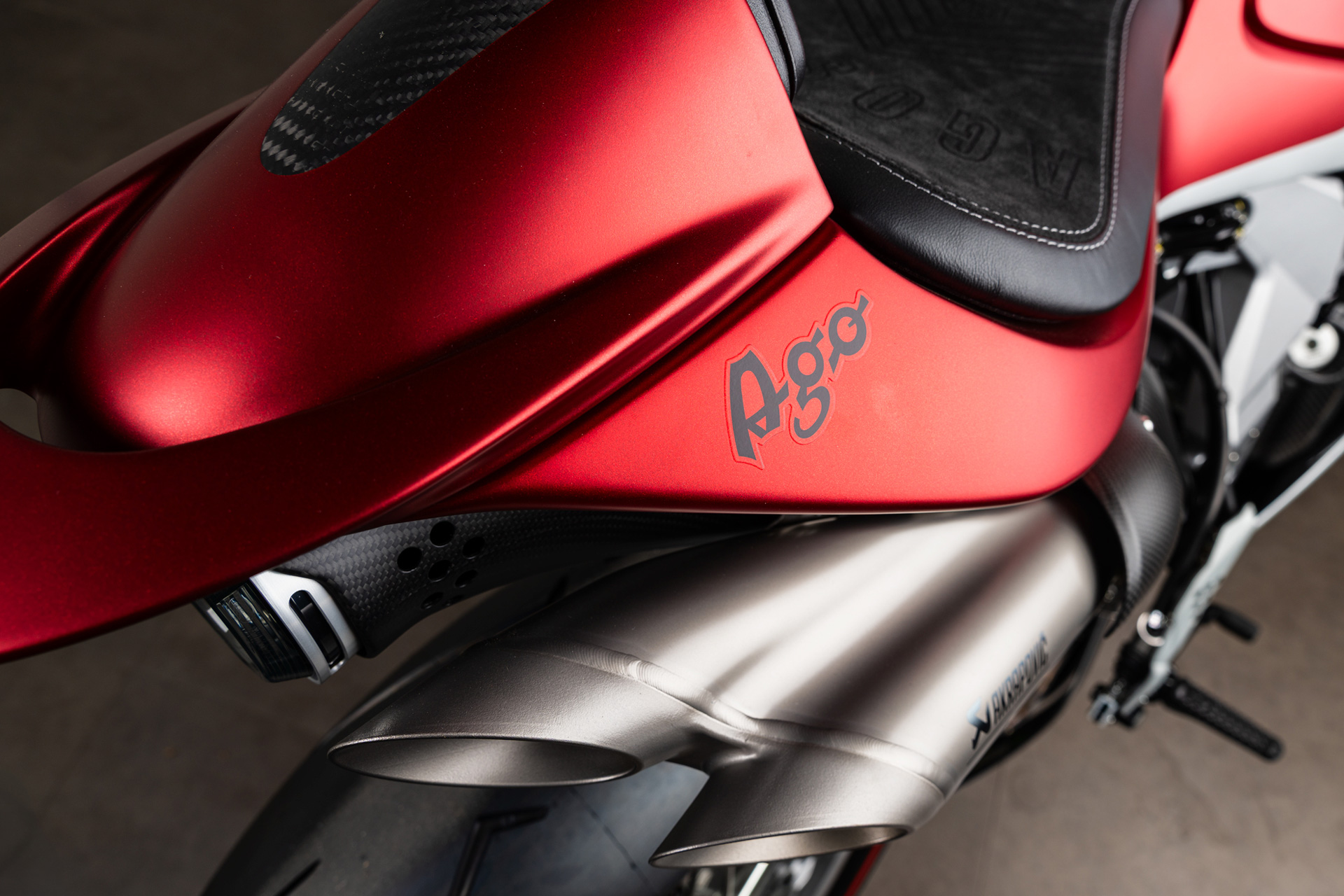
Sony A7R V
28mm, F7.1, 1/160s, ISO 160
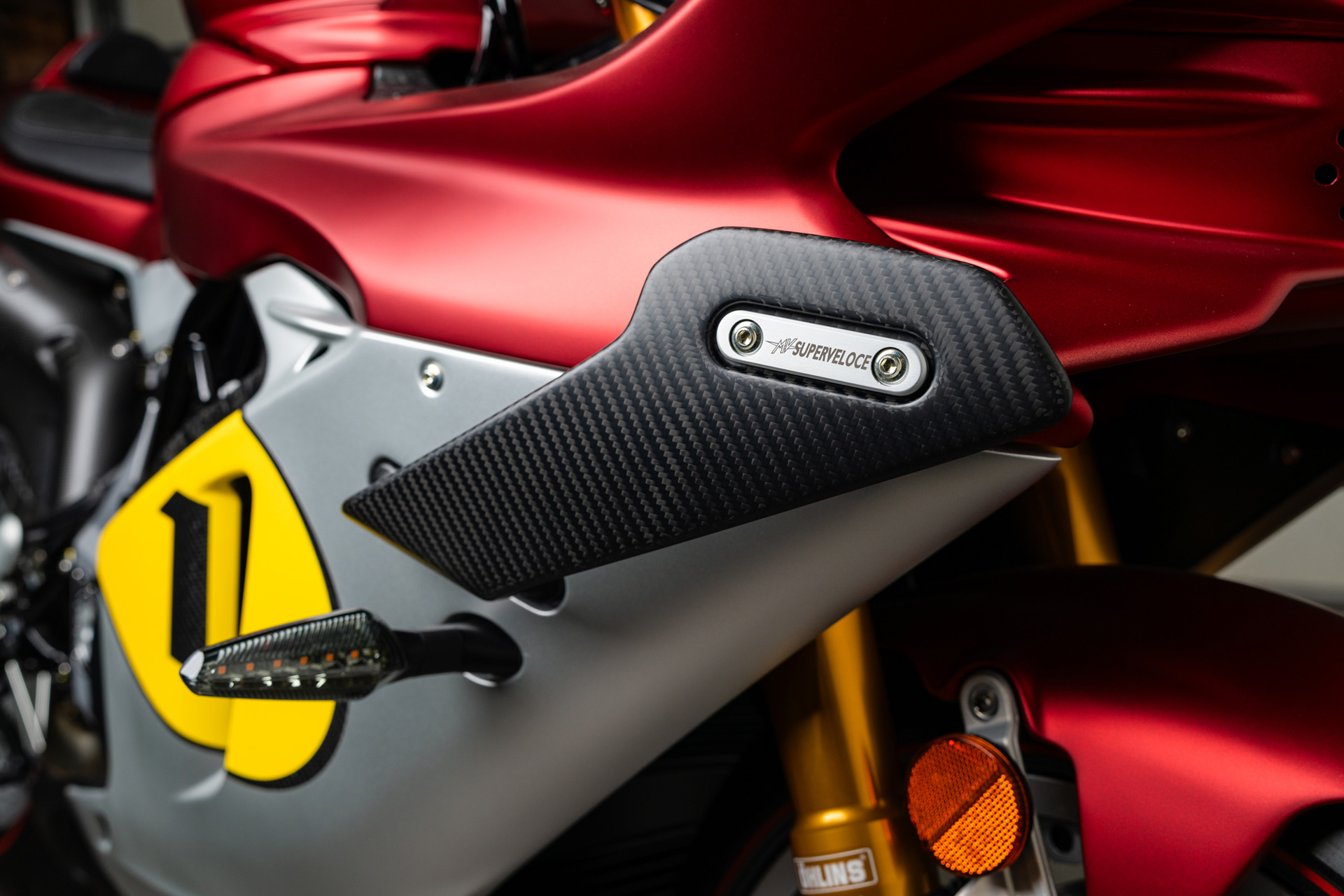
Sony A7R V
35mm, F6.3, 1/160s, ISO 160
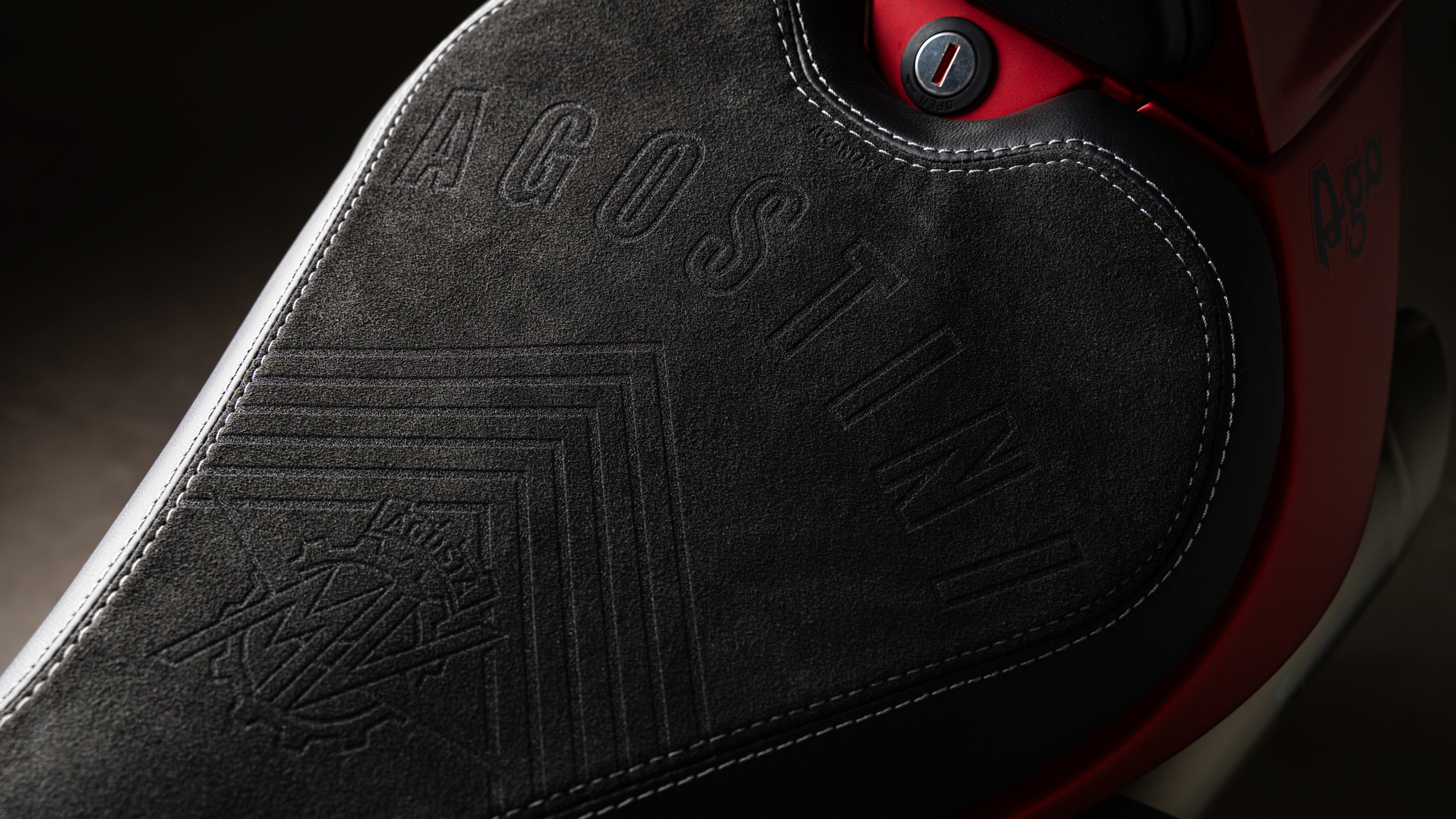
Sony A7R V
32mm, F6.3, 1/160s, ISO 160
Portrait work: Do not count this lens out
When it comes to portraits, I normally love using prime lenses like the Sigma 85mm F1.4 DG DN | Art or 135mm F1.4 DG | Art because of the compression and the look they give. But you definitely cannot count the 28-105mm F2.8 out, especially for its versatility.
At the end of the day, background blur is not just about aperture. It is also about lens-to-subject distance and subject-to-background distance. So if you’re a little closer to your subject, or zoomed in a bit, you can absolutely get separation from your background with this lens, especially at F2.8.
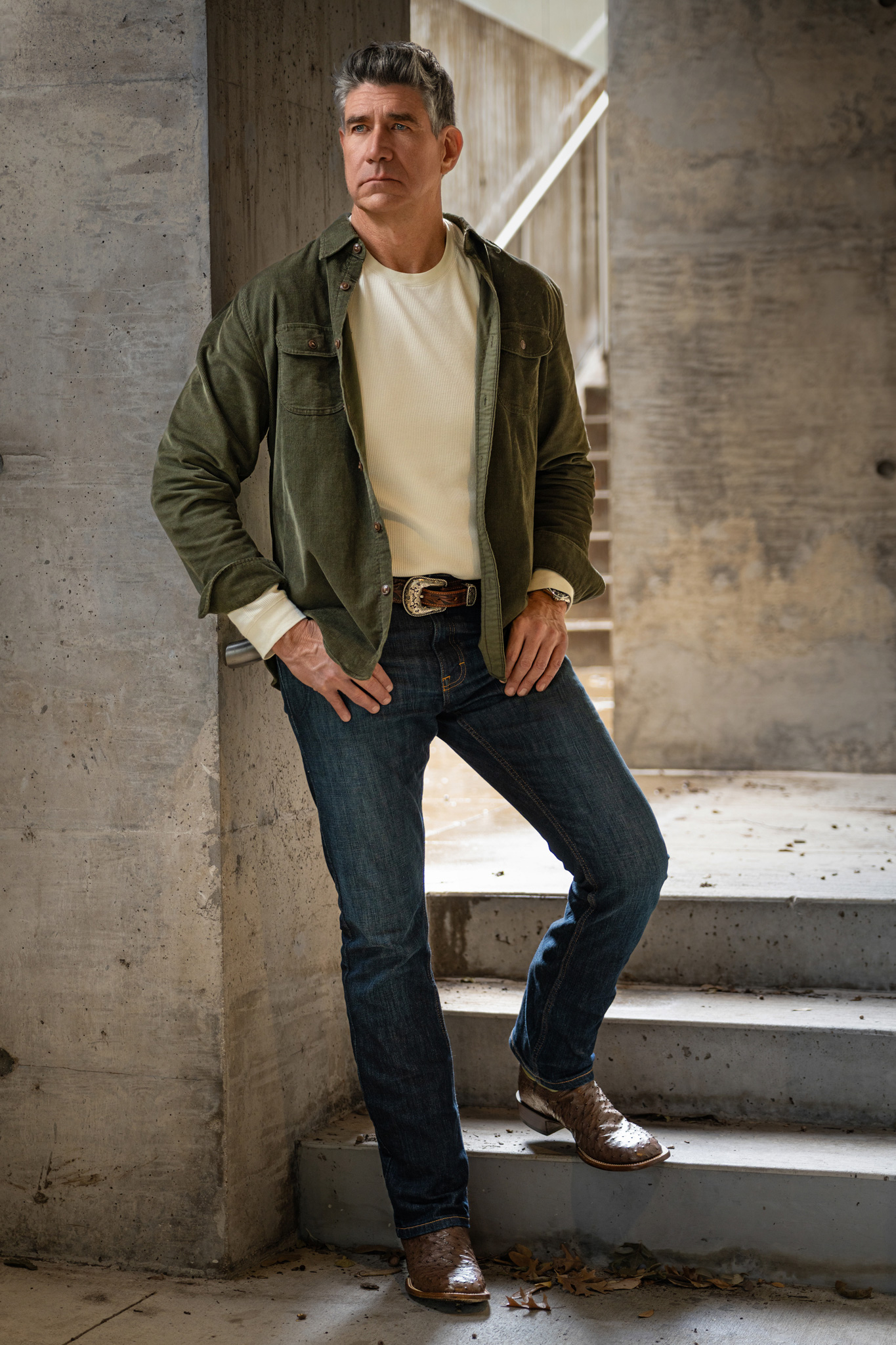
Sony A7R V
71mm, F2.8, 1/100s, ISO 500
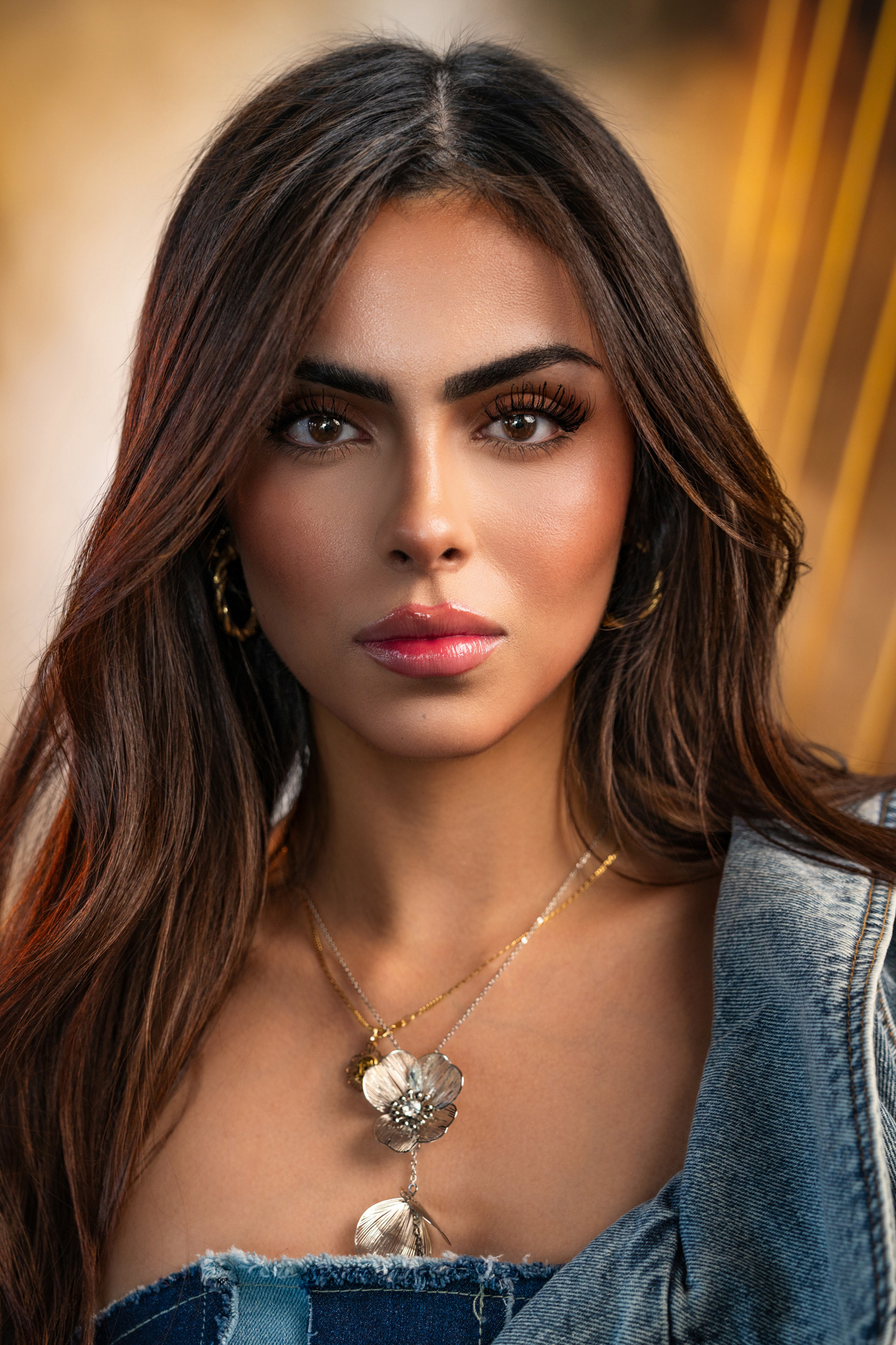
Sony A7R V
66mm, F4.5, 1/100s, ISO 320
I tend to use this lens a lot for portraits in the studio or when I am shooting indoors. It gives me the ability to work quickly, frame tight, go wider when needed, and keep moving without stopping to change lenses.
I used this lens during PhotoCon Kansas City, and if you have never been to one of Bedford Camera’s PhotoCon events, you really should check one out. They are amazing conferences with a lot of learning opportunities, classes, and hands-on experiences.
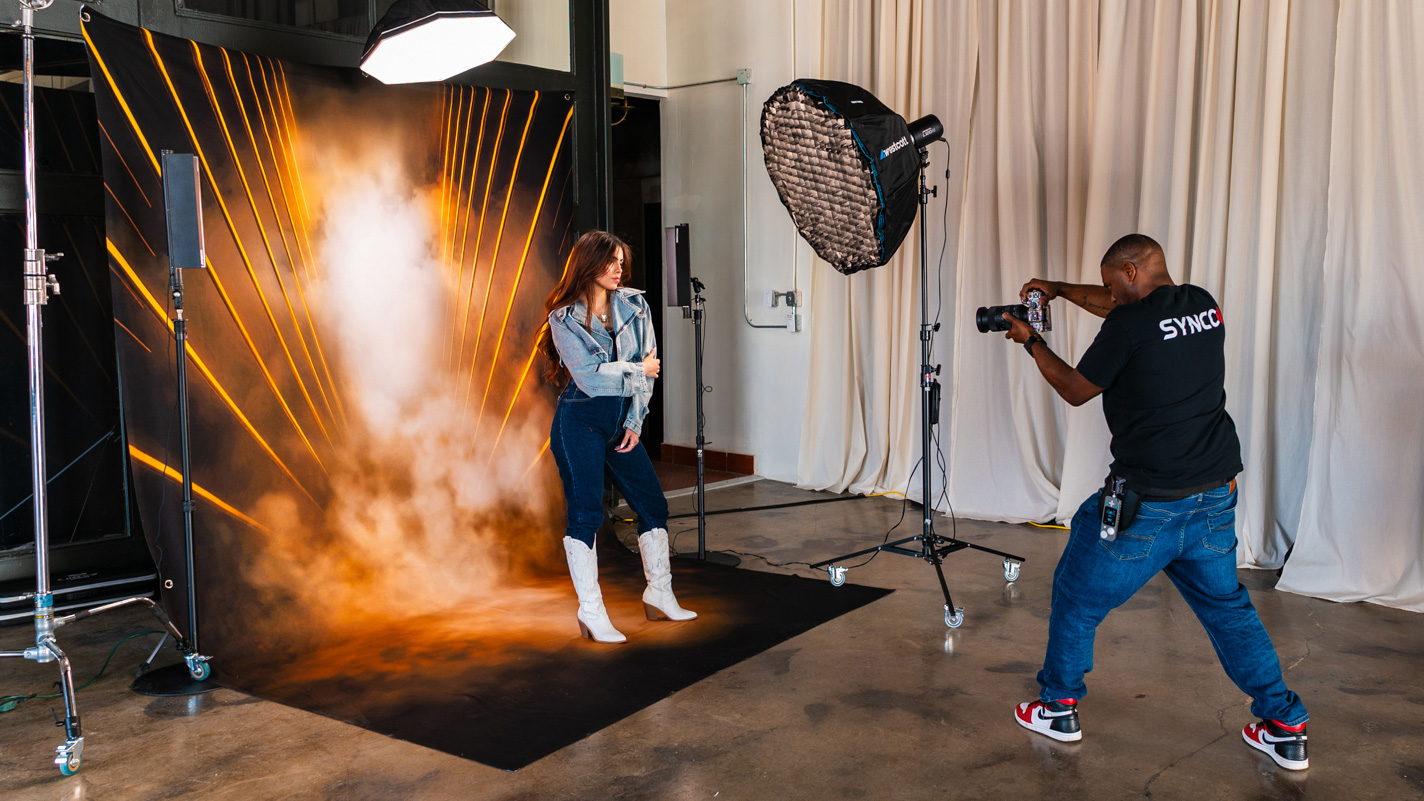
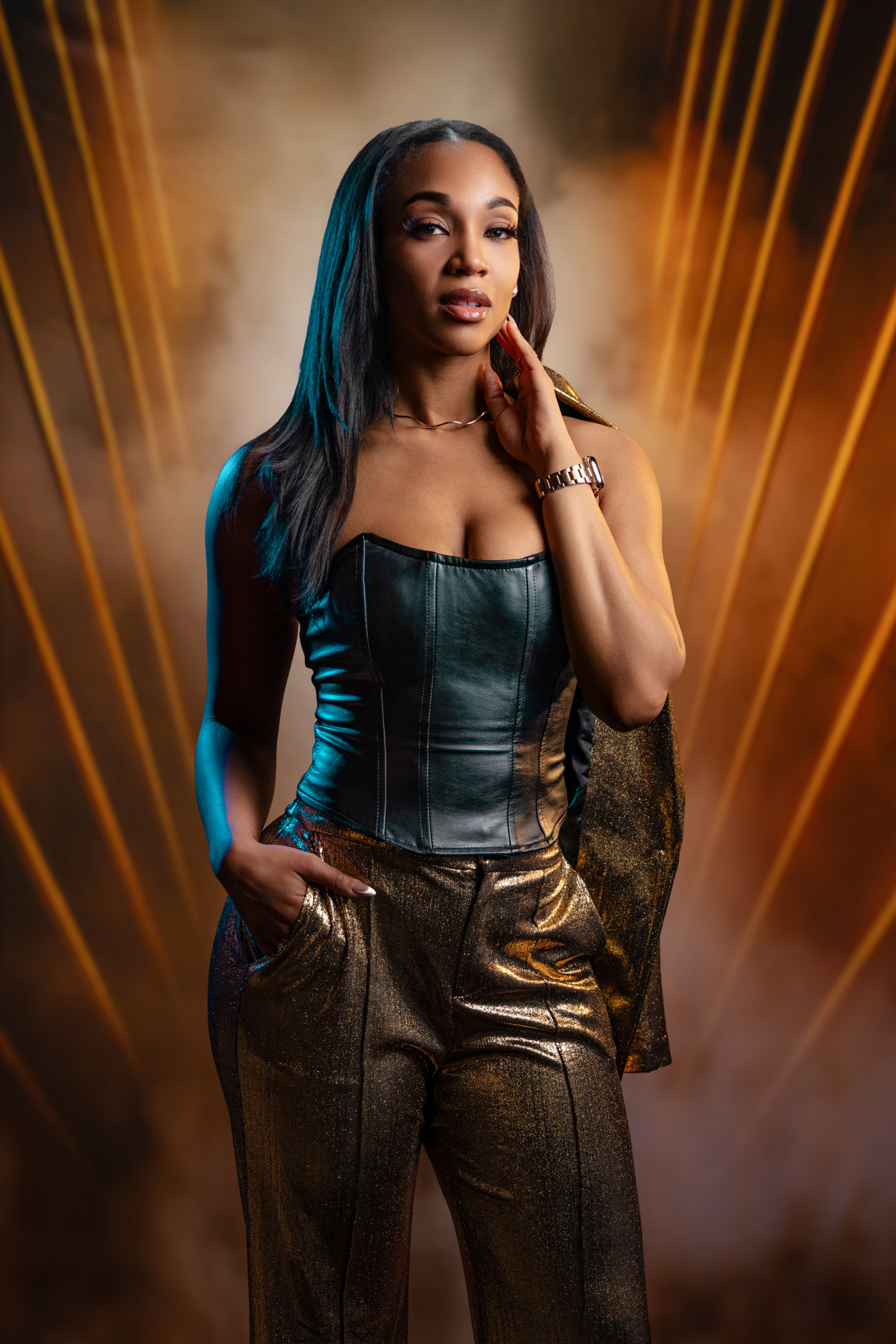
Sony A7R V
66mm, F2.8, 1/100s, ISO 320
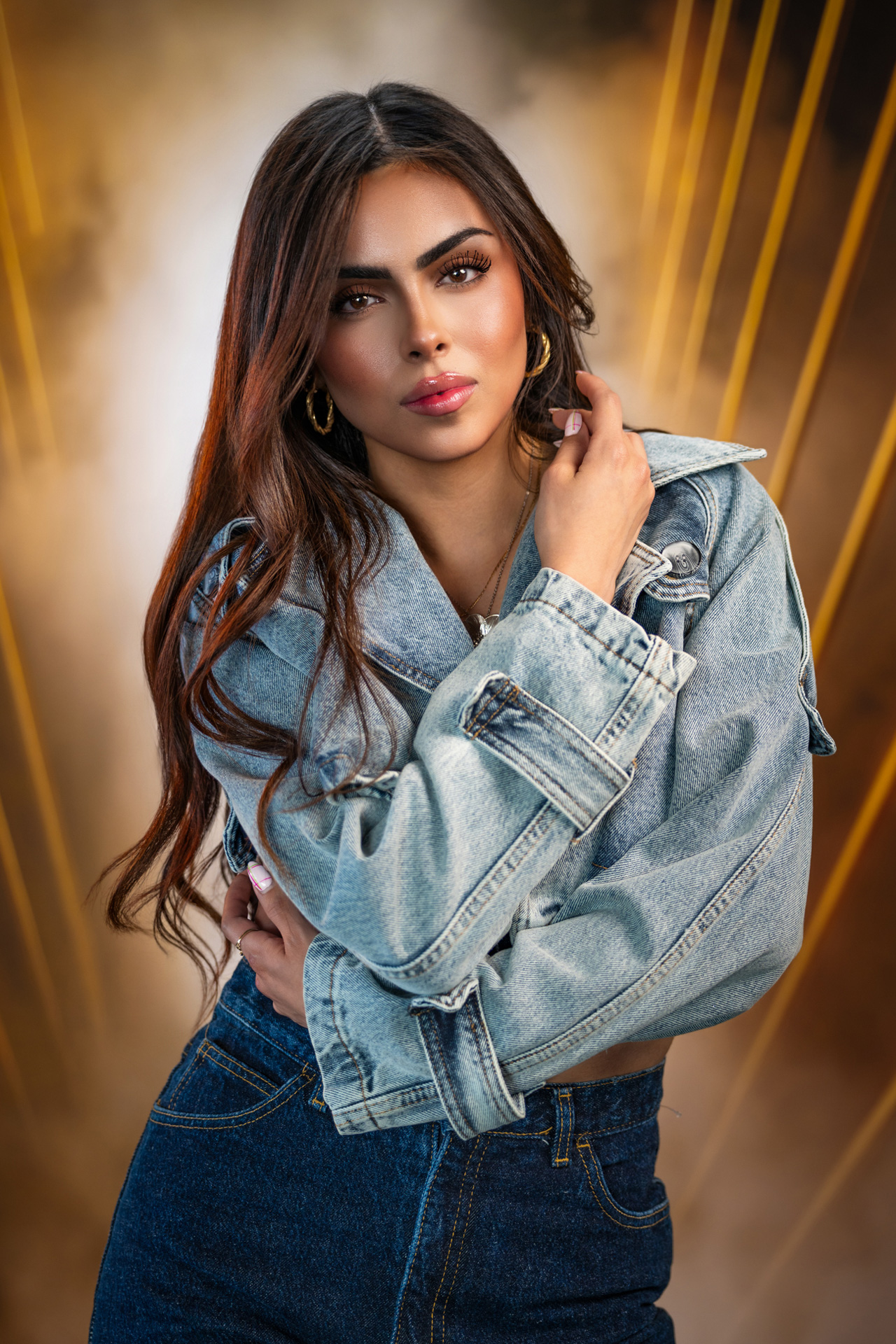
Sony A7R V
66mm, F2.8, 1/125s, ISO 320
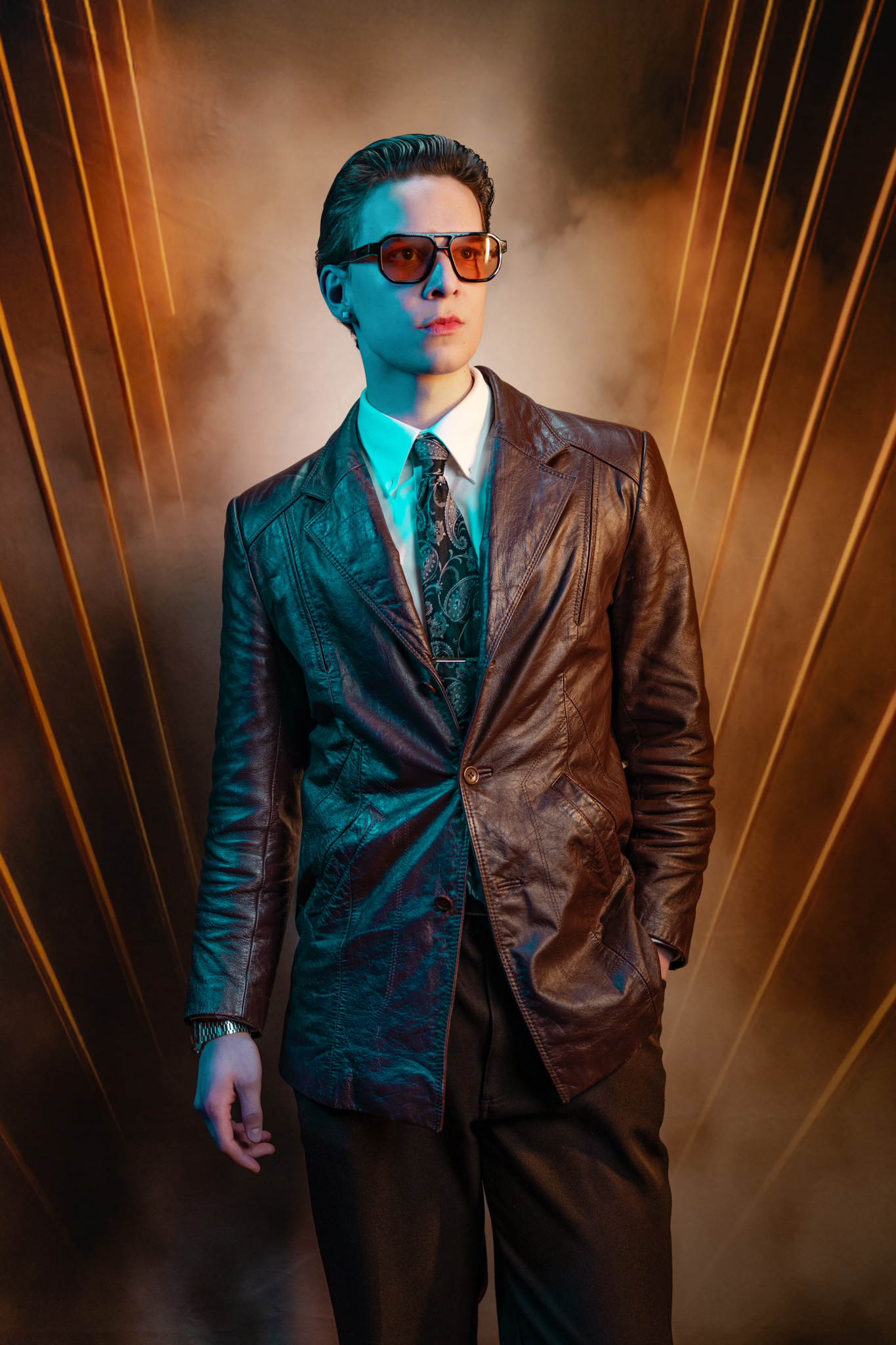
Sony A7R V
48mm, F2.8, 1/100s, ISO 320
Close-up portraits and beauty work
Shooting close-up portraits with this lens is a breeze, and I hope you are starting to see why I love it so much.
I also used the Sigma 28-105mm F2.8 DG DN | Art for a shoot with a makeup artist Xjia who was building her brand. For that setup, I used a two-light system with double-diffused softboxes to keep the light soft, clean, and flattering.
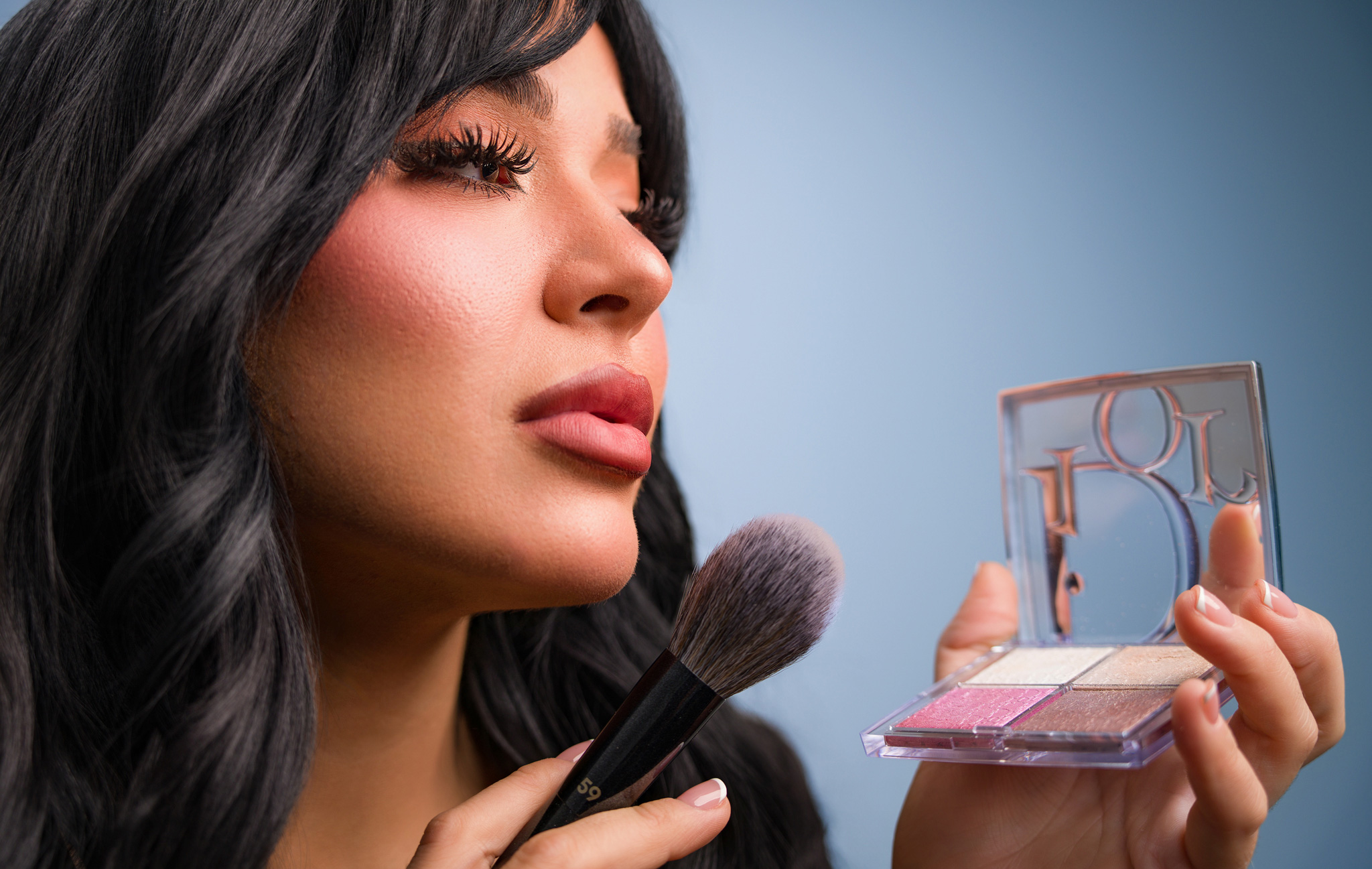
Sony A7R V
46mm, F3.5, 1/160s, ISO 160
The lens handled the close-up work beautifully. It gave me sharp detail, great color, and enough flexibility to move between tighter beauty shots and slightly wider branding images without needing to swap glass.
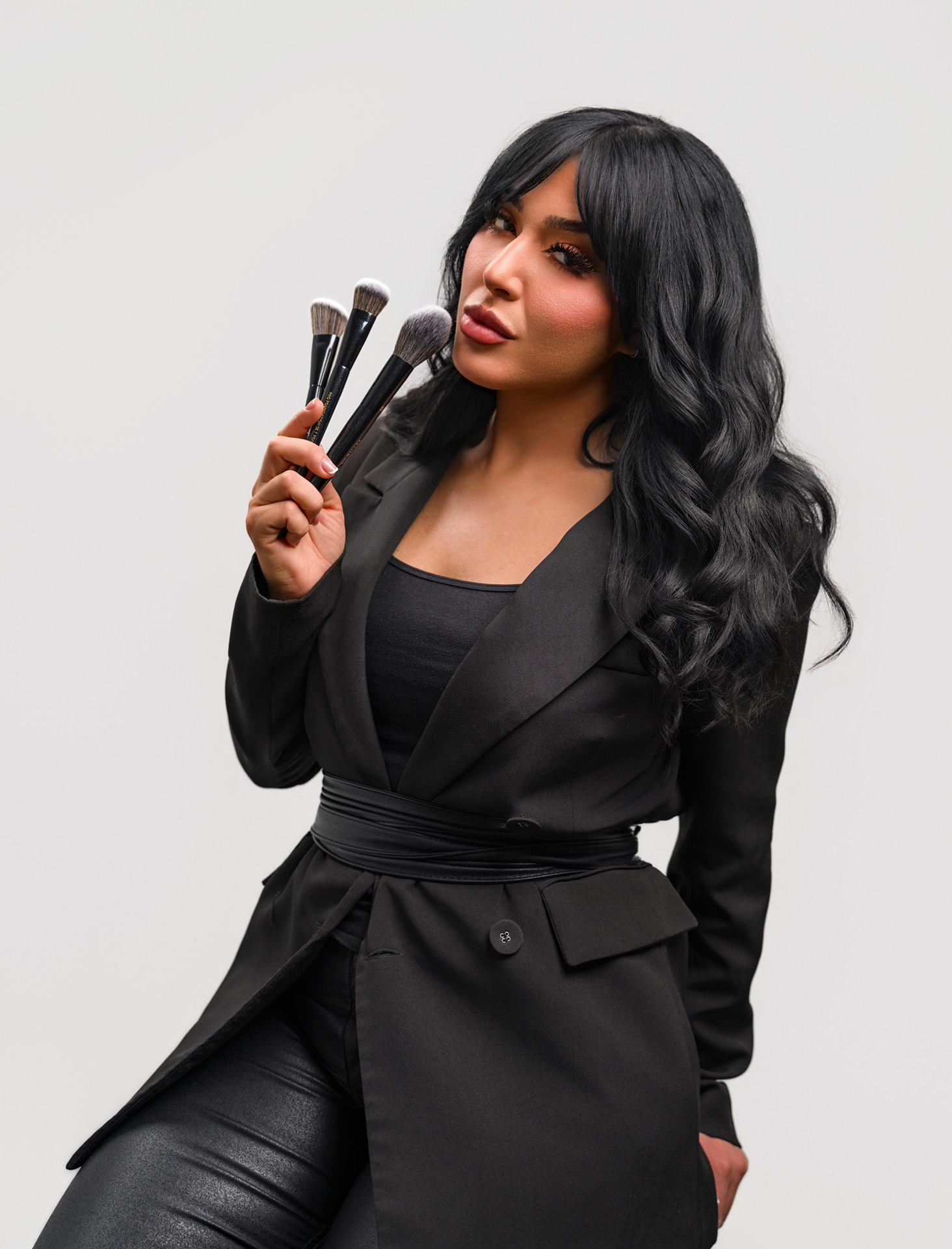
Sony A7R V
43mm, F3.5, 1/160s, ISO 160
Is it good for video?
Enough talk about photos. Is this lens any good for video?
Yes. Absolutely.
The Sigma 28-105mm F2.8 DG DN | Art is a great video lens. Throw a variable ND filter on the front, and now you have a powerful, cinematic, flexible setup that can handle just about anything you throw at it.

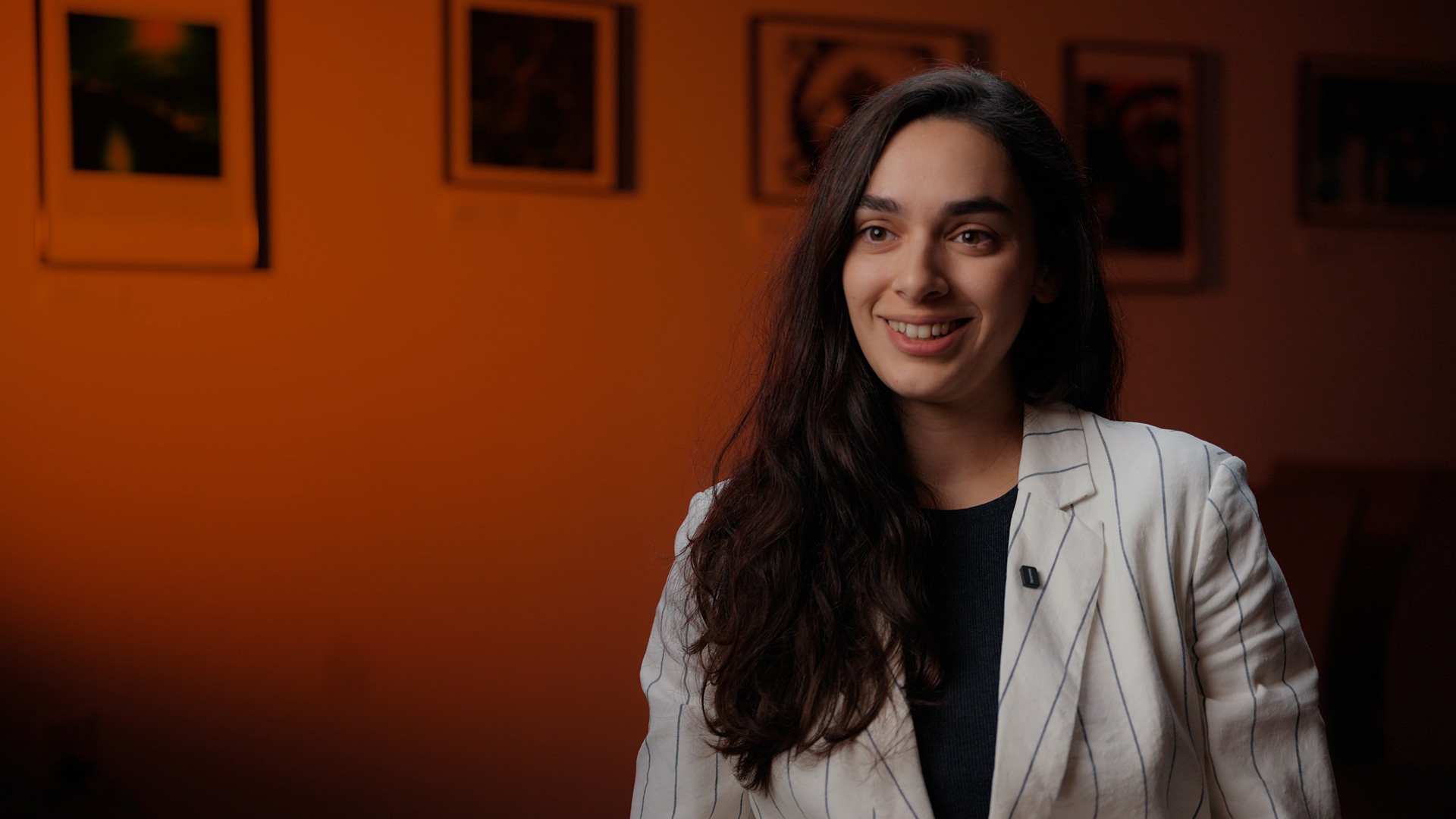
I usually run this lens on a Sony FX-series camera when shooting interviews, especially when the camera is on a tripod. It gives me a great range for framing, whether I want a wider shot or a tighter interview look.
It can also be used on a gimbal, but because this lens is a little heavier and longer than most standard zooms, I recommend using a model designed to accommodate larger lenses.
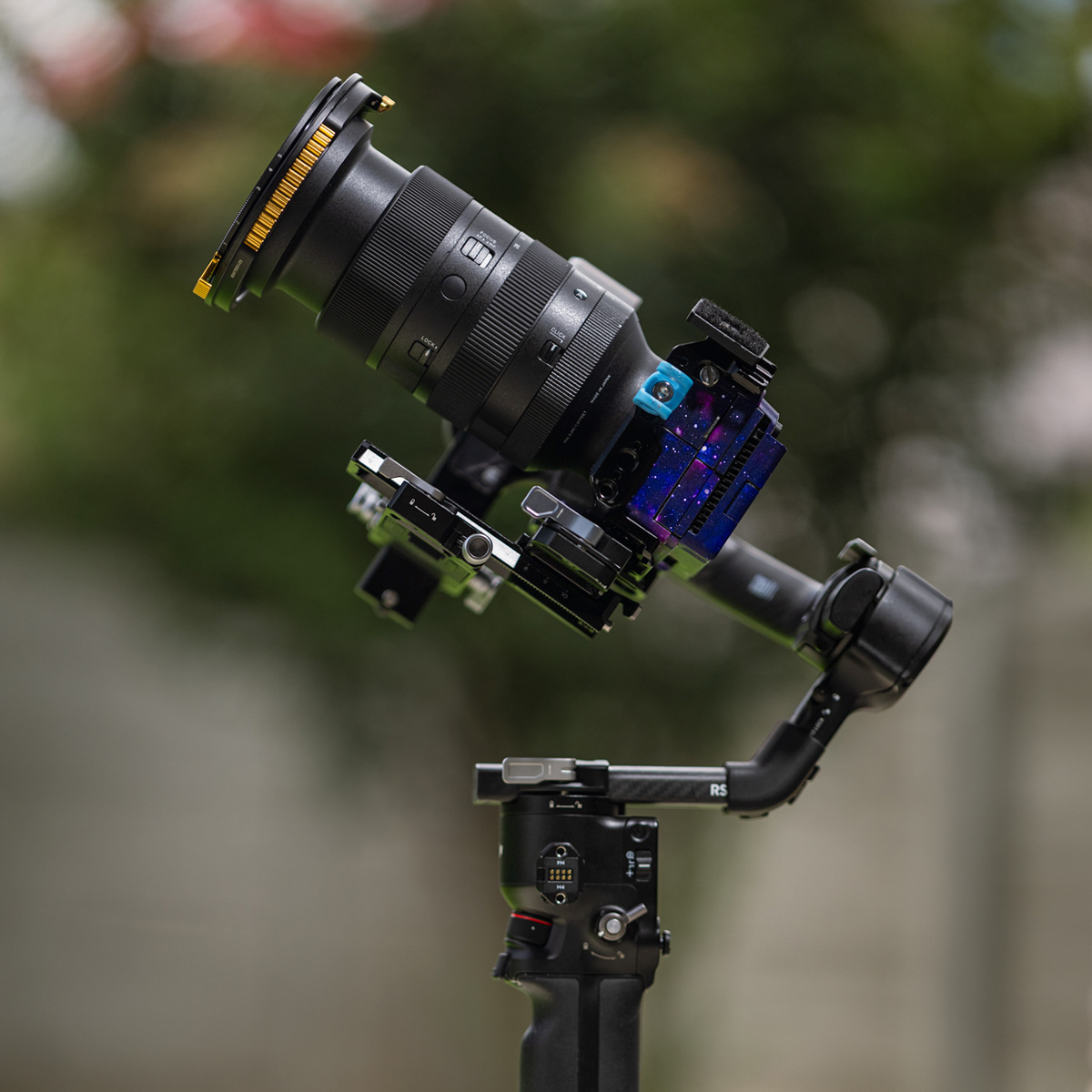
Here is another quick tip: when balancing this lens on a gimbal, zoom the lens out about halfway and balance it there. That gives you a better middle point so the lens is easier to work with if you need to zoom in or out during a shoot.
I also love pairing this lens with Sigma’s 28-70mm F2.8 DG DN | Contemporary for interview setups. Between those two lenses, I can cover a lot of ground and still keep the look consistent.
Final thoughts
So, can this be one of the most versatile lenses Sigma has ever made?
For me, yes.
The Sigma 28-105mm F2.8 DG DN | Art checks a lot of boxes. It gives me the flexibility of a zoom, the constant F2.8 aperture I need, beautiful color, reliable autofocus, and professional image quality for both photo and video work.
If you are looking to upgrade from a kit lens, or you want a lens with more range without sacrificing a fast aperture, this is a lens I highly recommend.
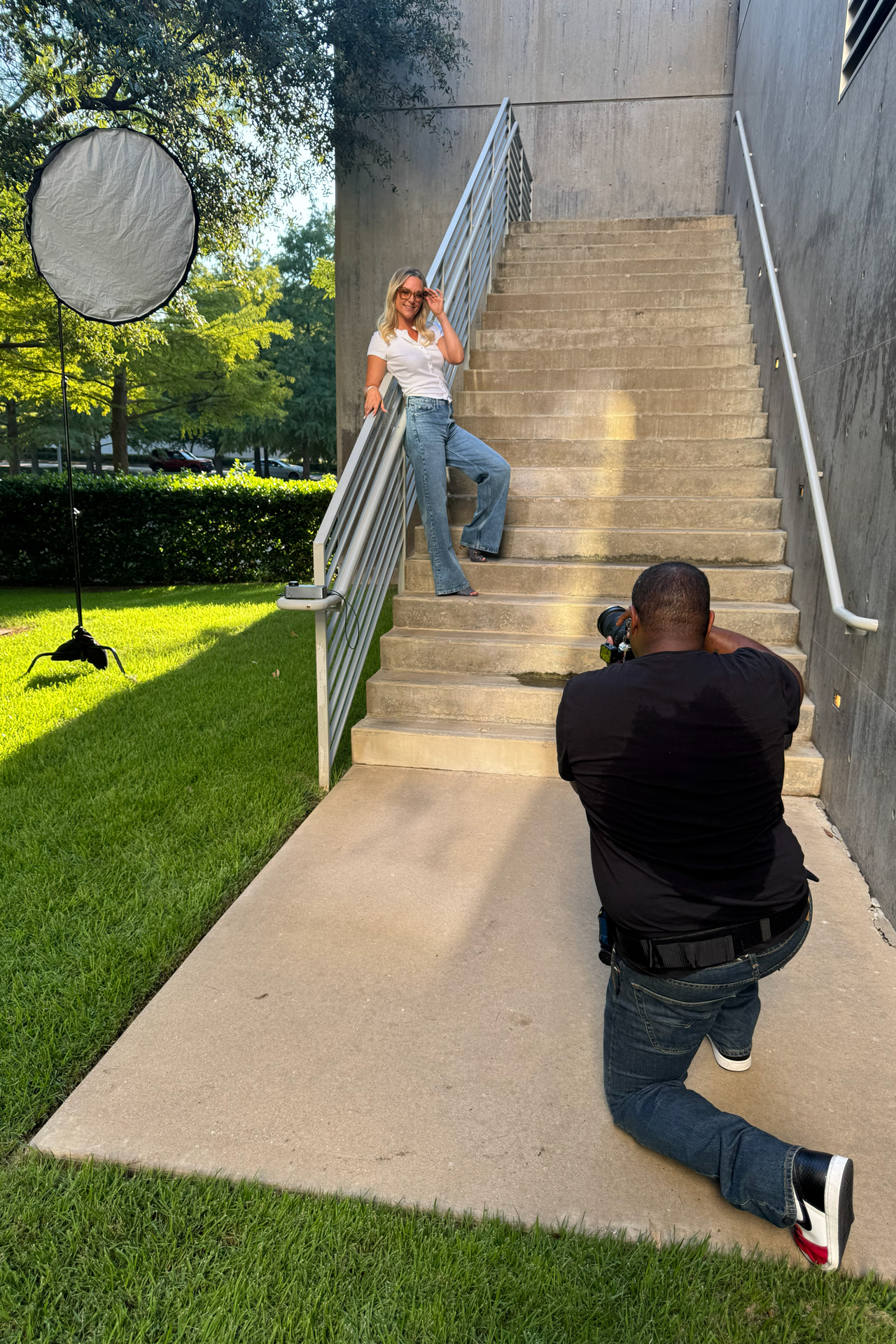
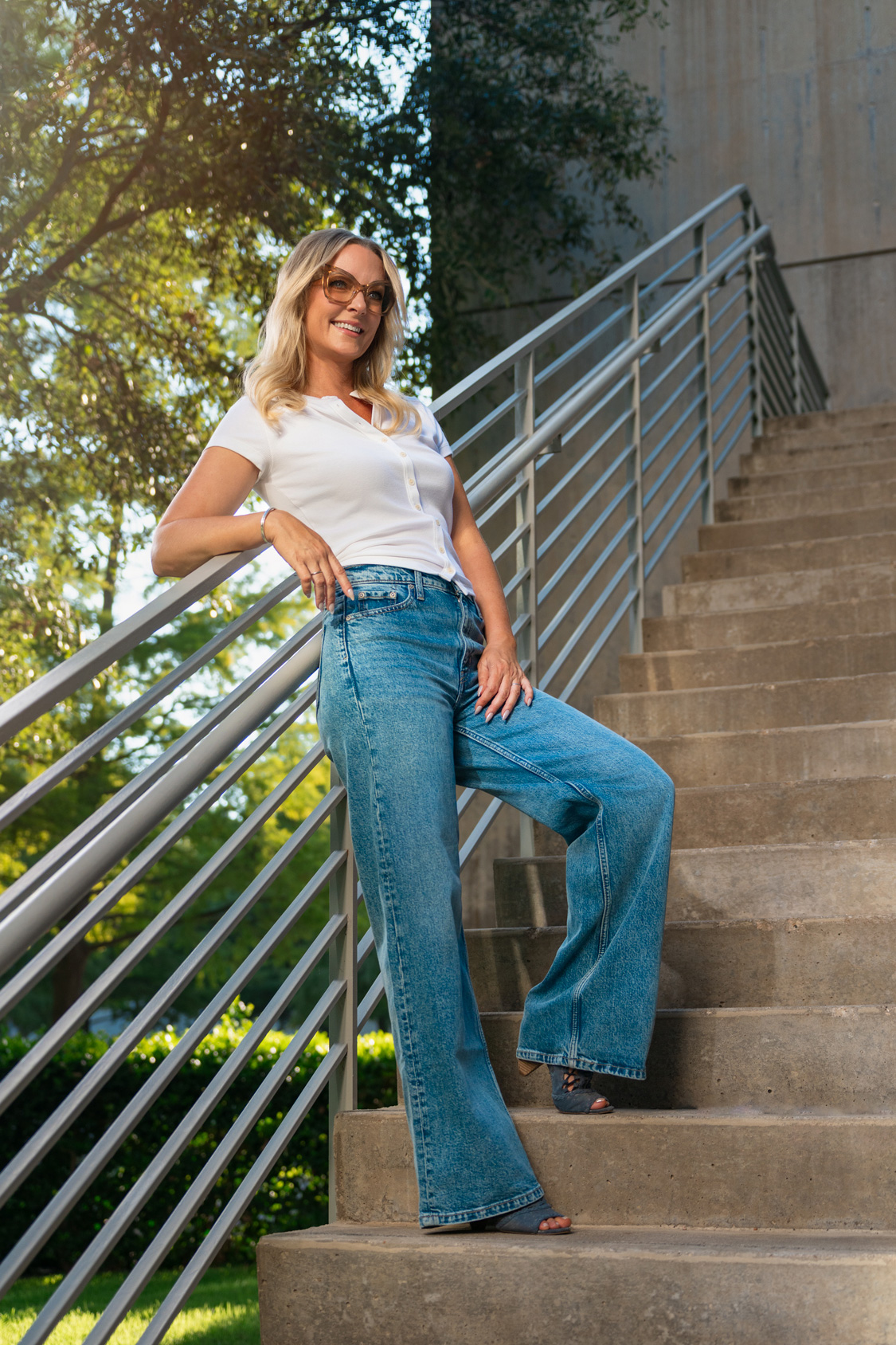
Sony A7R V
40mm, F2.8, 1/125s, ISO 320
Now, if you want all the technical specs, MTF charts, and nitty-gritty details, there are plenty of YouTube videos and blogs that go deep into all of that. This review is coming from the perspective of someone who actually uses this lens on real professional work day after day.
And for me, this lens is on my camera for about 90% of what I shoot professionally.
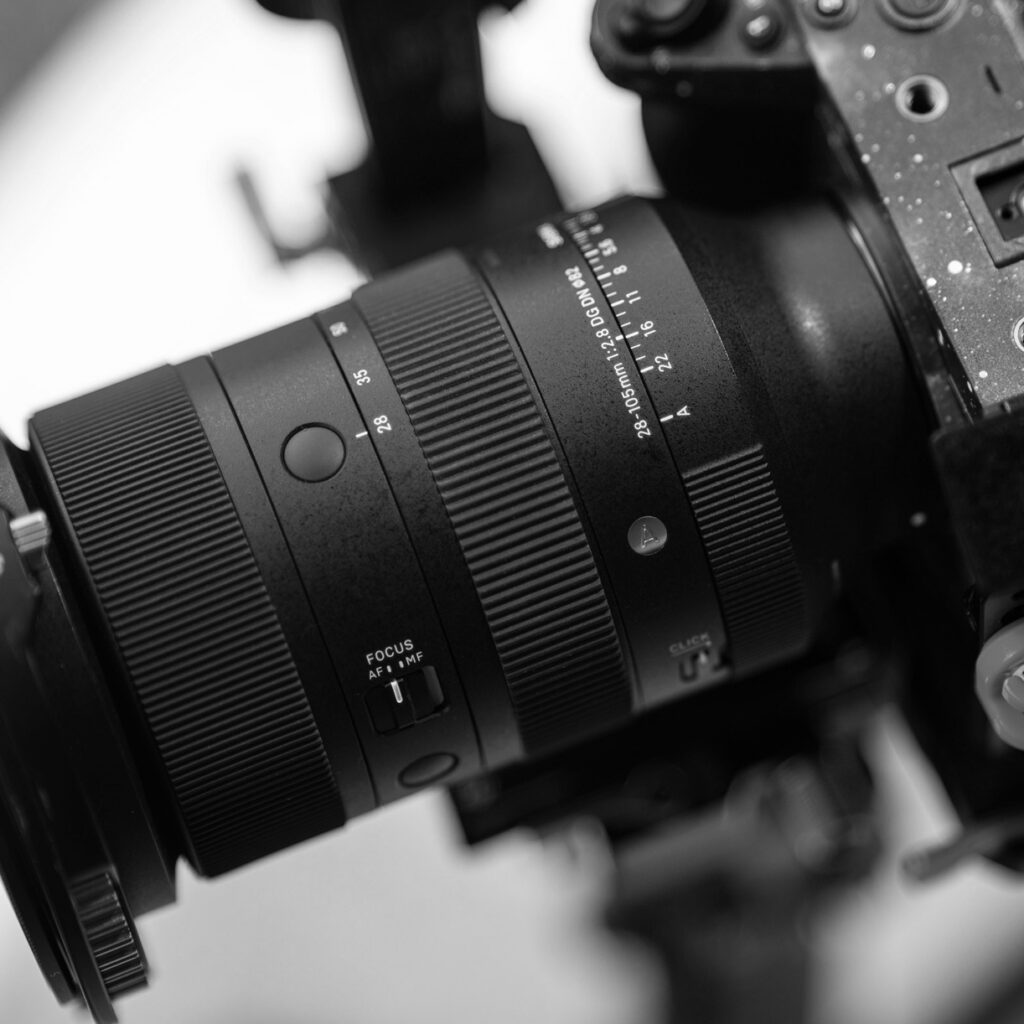
Shop now for this ultra-versatile zoom