EAA AirVenture Oshkosh: Over 700,000 people. 10,000+ aircraft. Over 30 hours of air shows. And one of the best showcases for aviation photography.
Enter the Sigma 300-600mm F4 DG OS | Sports lens for the challenge.
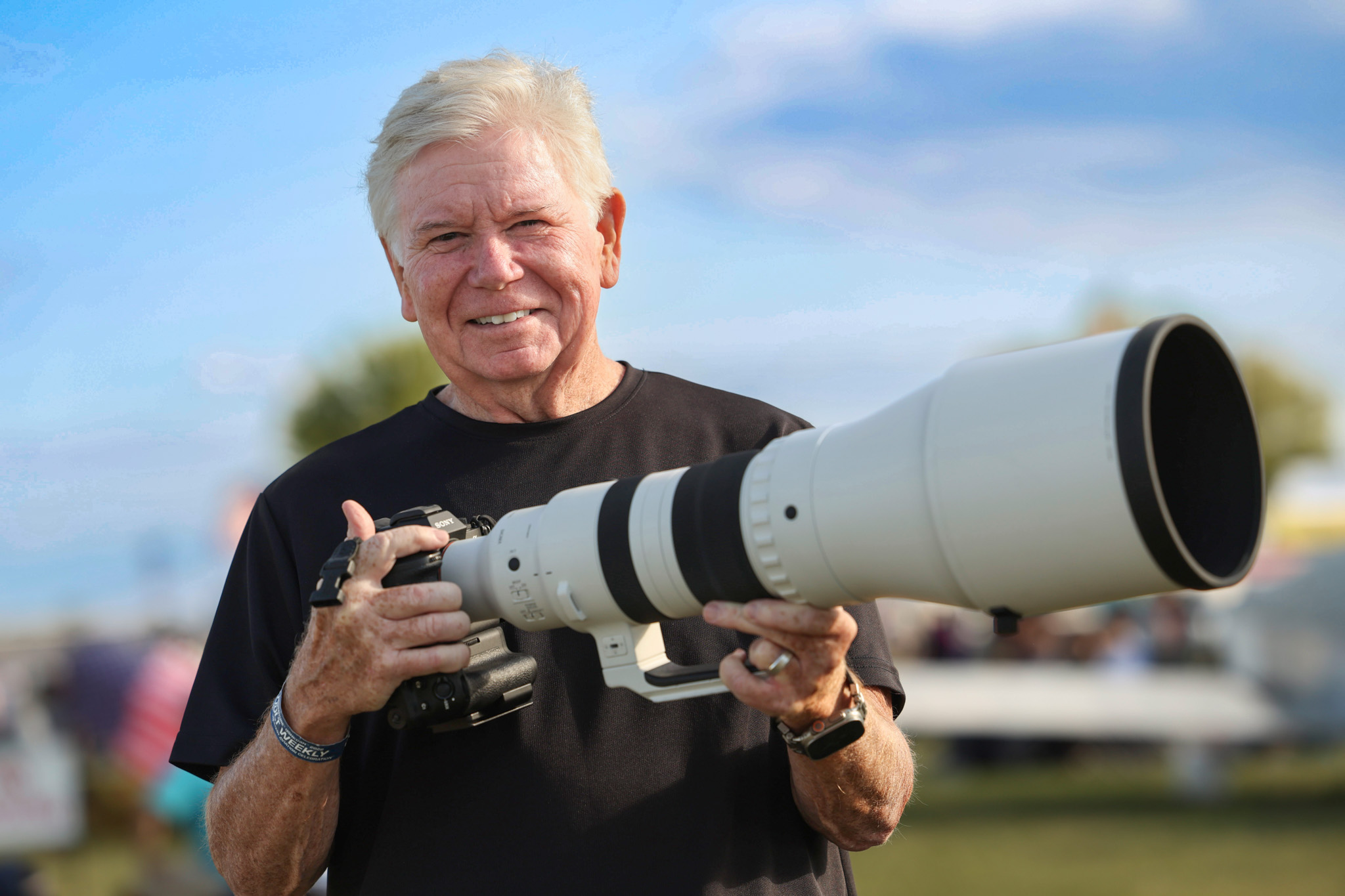
Why the 300-600mm F4 DG OS | Sports? Well, it’s a top-of-the-line lens for nature and action sports photography, so it seems a natural for aviation action. And, relying on over 40 years of photographing aviation and air shows… I can confidently say that it takes the best to give you the best. And this lens is the best.
The lens has, of course, all of the latest technical features that Sigma offers:
- HLA-driven high-speed AF motors
- 5.5 stops of stabilization (including Sigma’s upgraded OS2 algorithm)
- Anomalous and high-refractive glass; 28 elements in 21 groups including 6 FLD and 1 SLD elements
But what really sets this lens apart for me, and for my aviation photography, is the constant F4 aperture with internal zoom. After a long week at an air show, every piece of my equipment seems to be covered in dust, so the internal zoom is a definite plus to avoid dust from getting sucked into the lens.
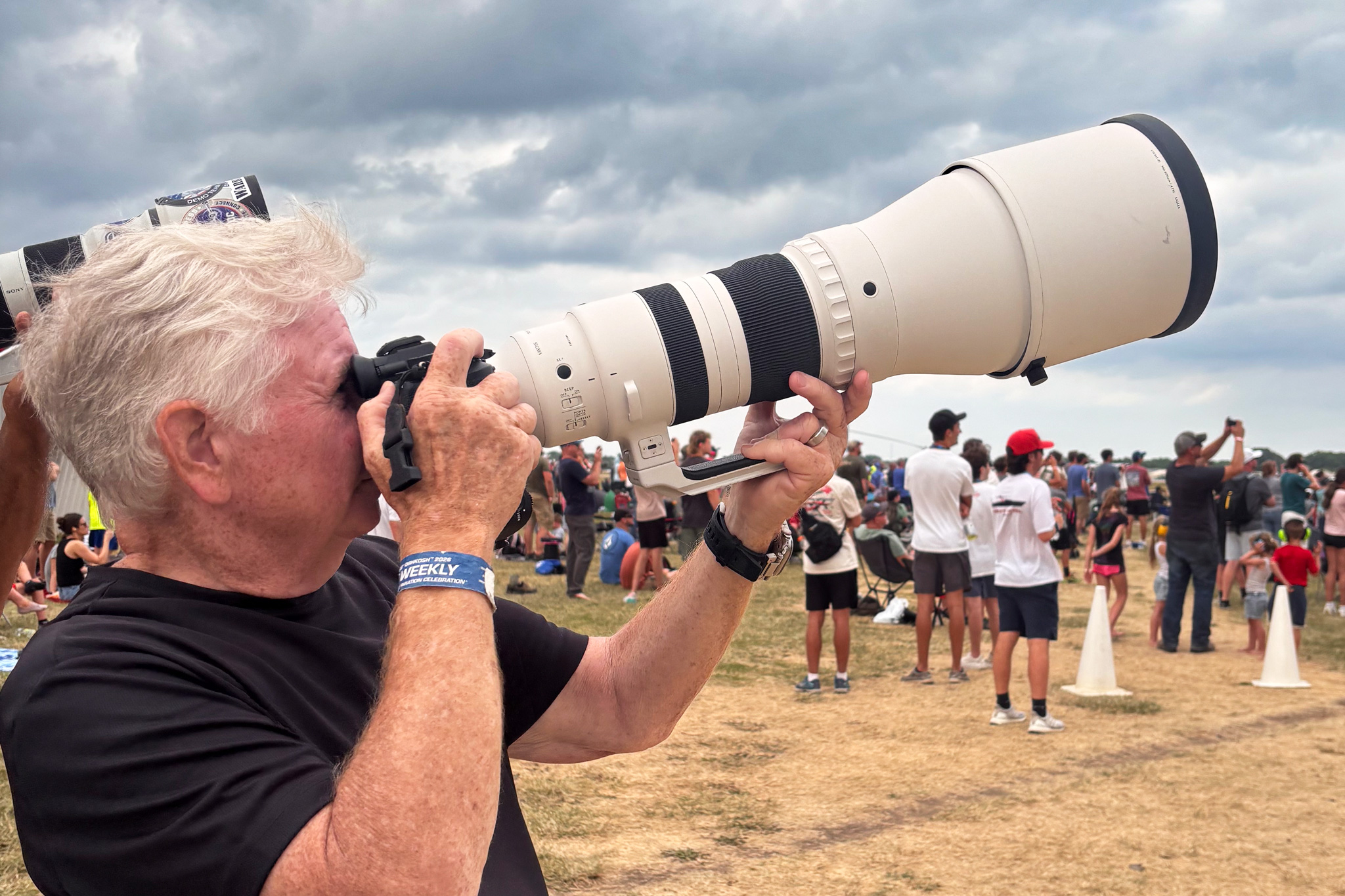
But why is having a lens with a maximum aperture of F4 a benefit? Aside from my general rule of thumb that the lower the maximum aperture, the better the glass (remember those 6 FLD and 1 SLD elements?), that F4 aperture helps keep the ISO reasonable when shooting jets at very high shutter speeds, especially in cloudy or fading light.
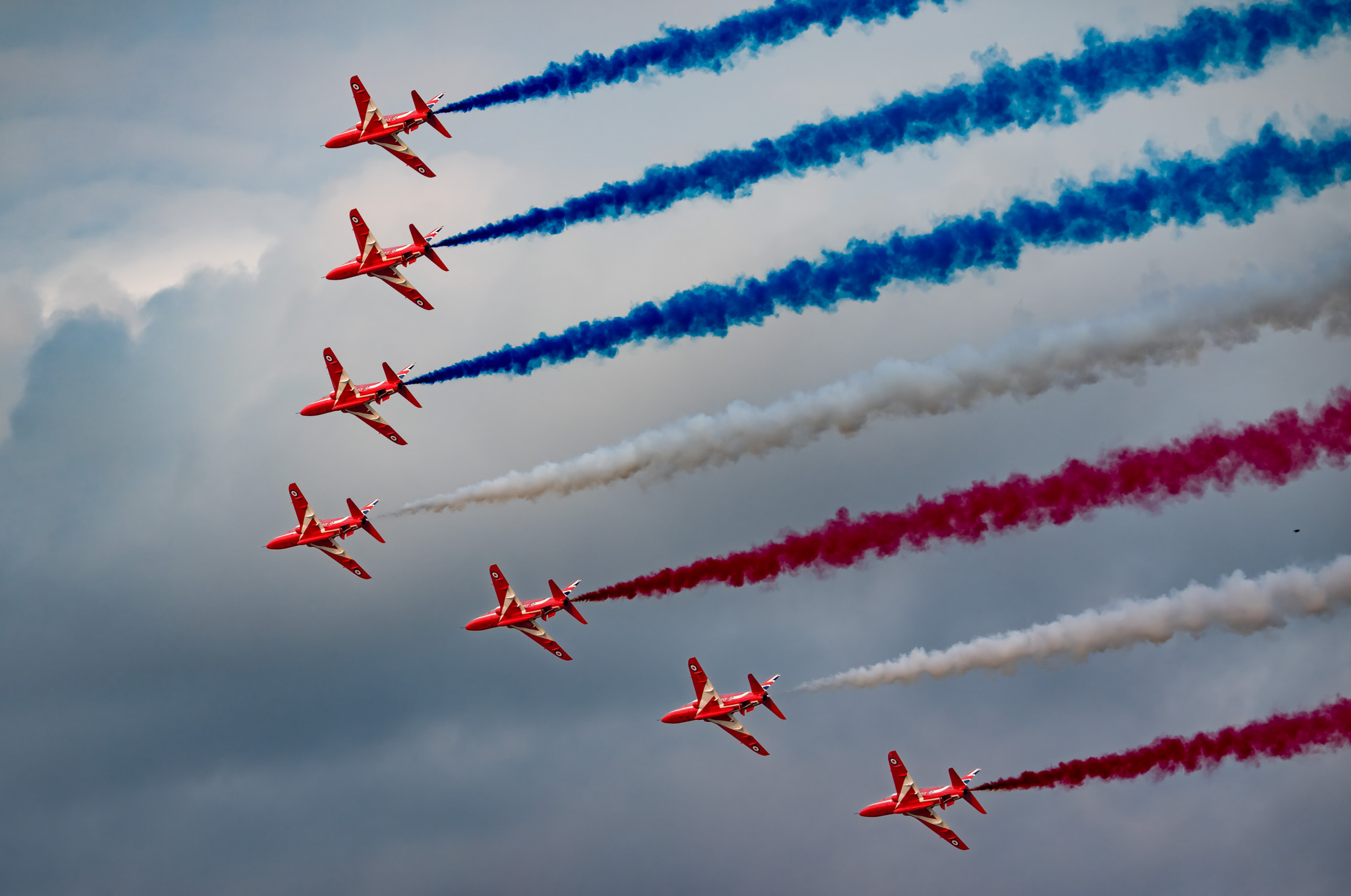
Sony A1 II
F4, 1/4000s, ISO 320
Results in the field
Let’s see how the Sigma 300-600mm F4 DG OS | Sports lens performed in a few different situations.
Jets
When I bump the shutter speed up to 1/4000s (and at times, even 1/8000s) I know I have an advantage of more keepers when that F22 makes a high-speed pass. And with the HLA motor focusing the lens at lightning speed, I’m able to lock on and get the shot.
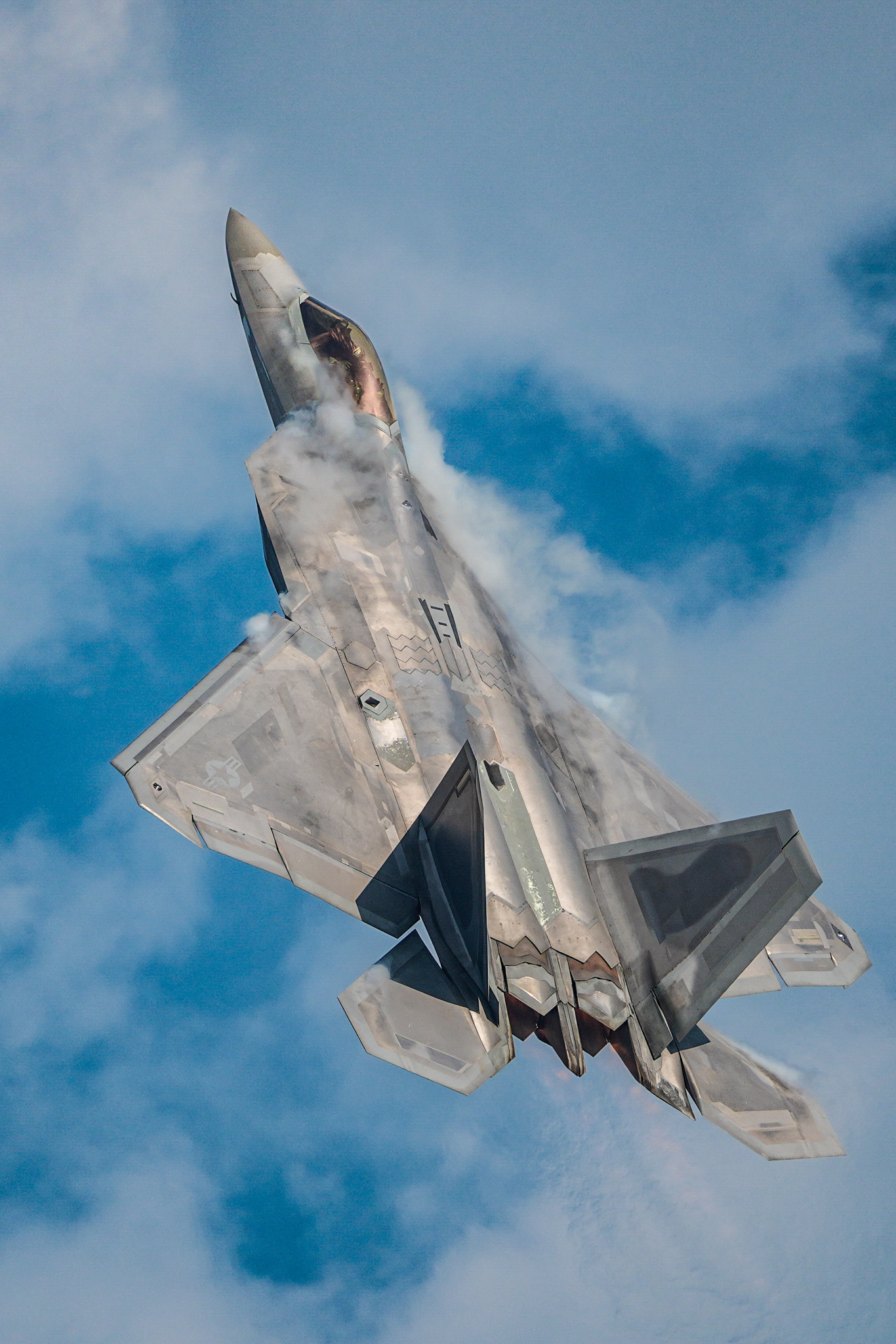
Sony A9 III
F4, 1/6400s, ISO 320
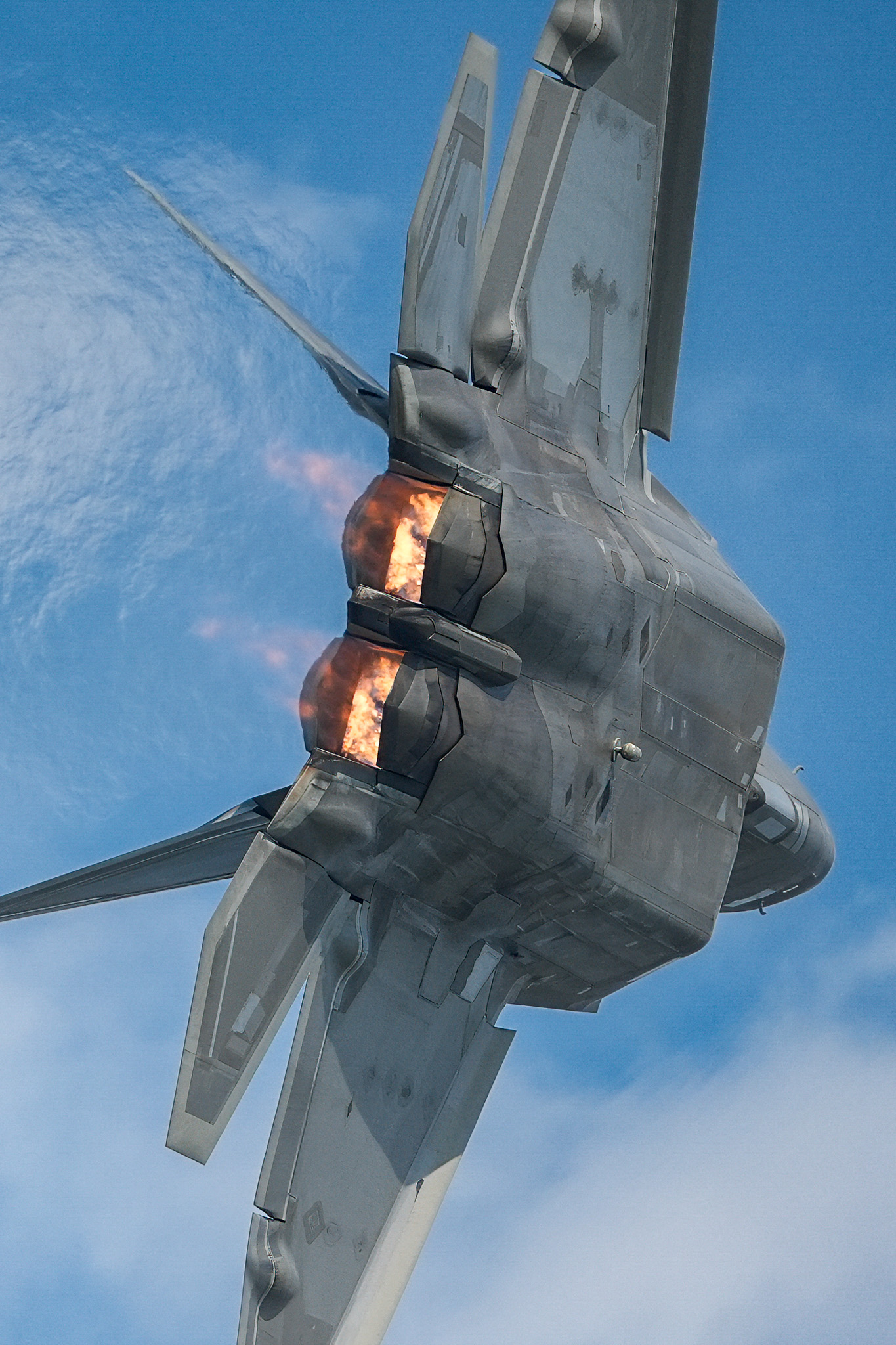
Sony A9 III
F4, 1/6400s, ISO 500
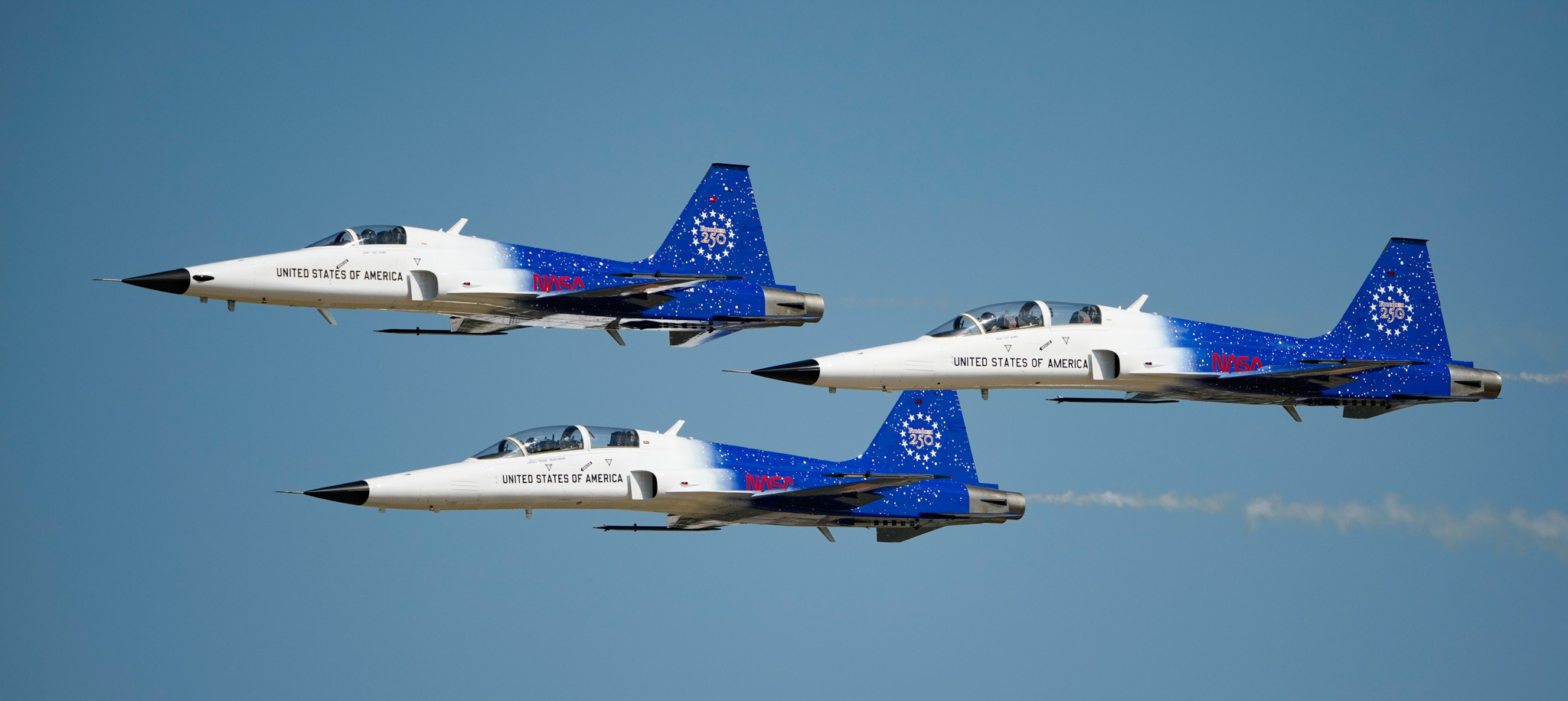
Sony A1 II
F4, 1/5000s, ISO 200
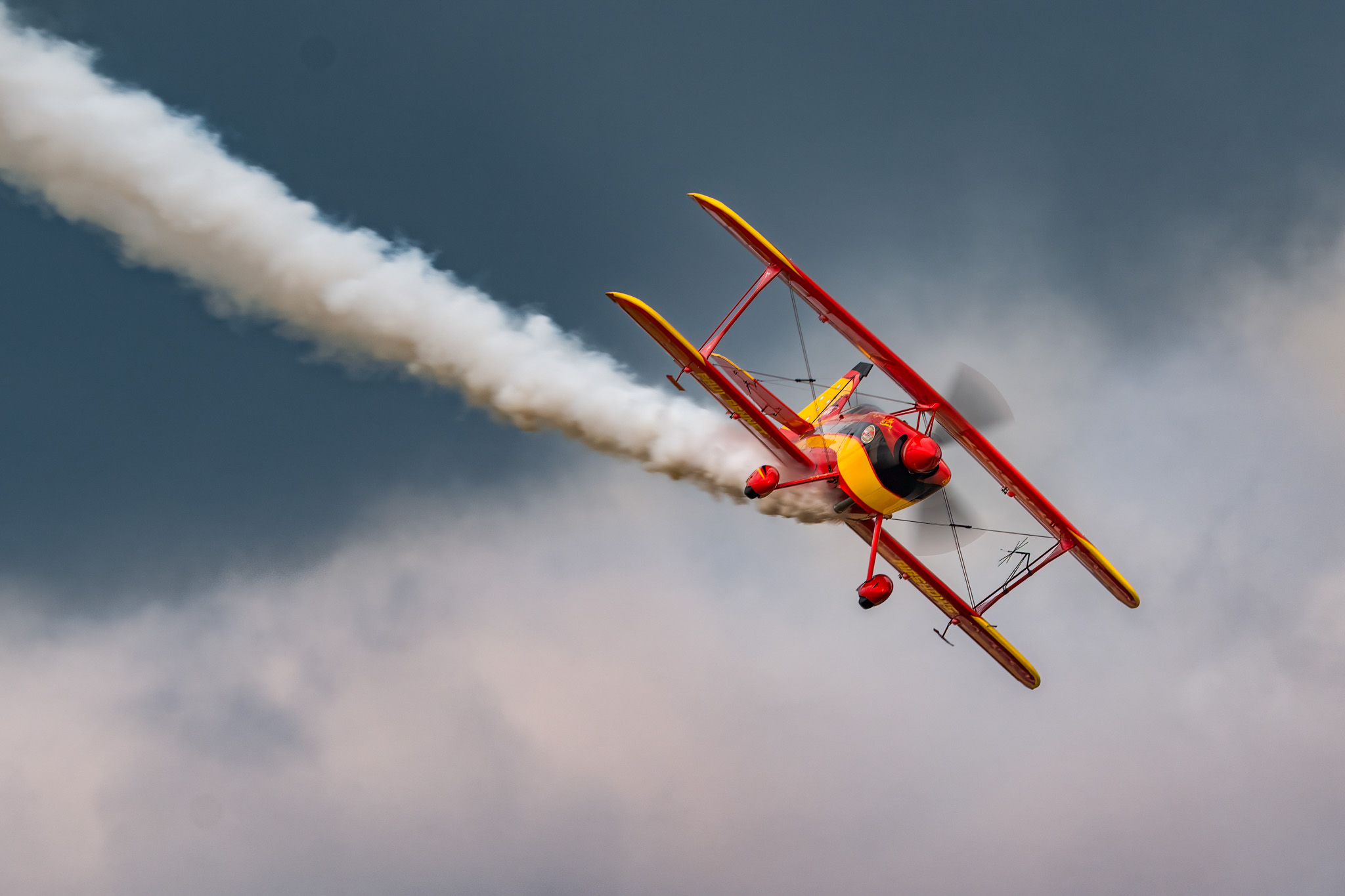
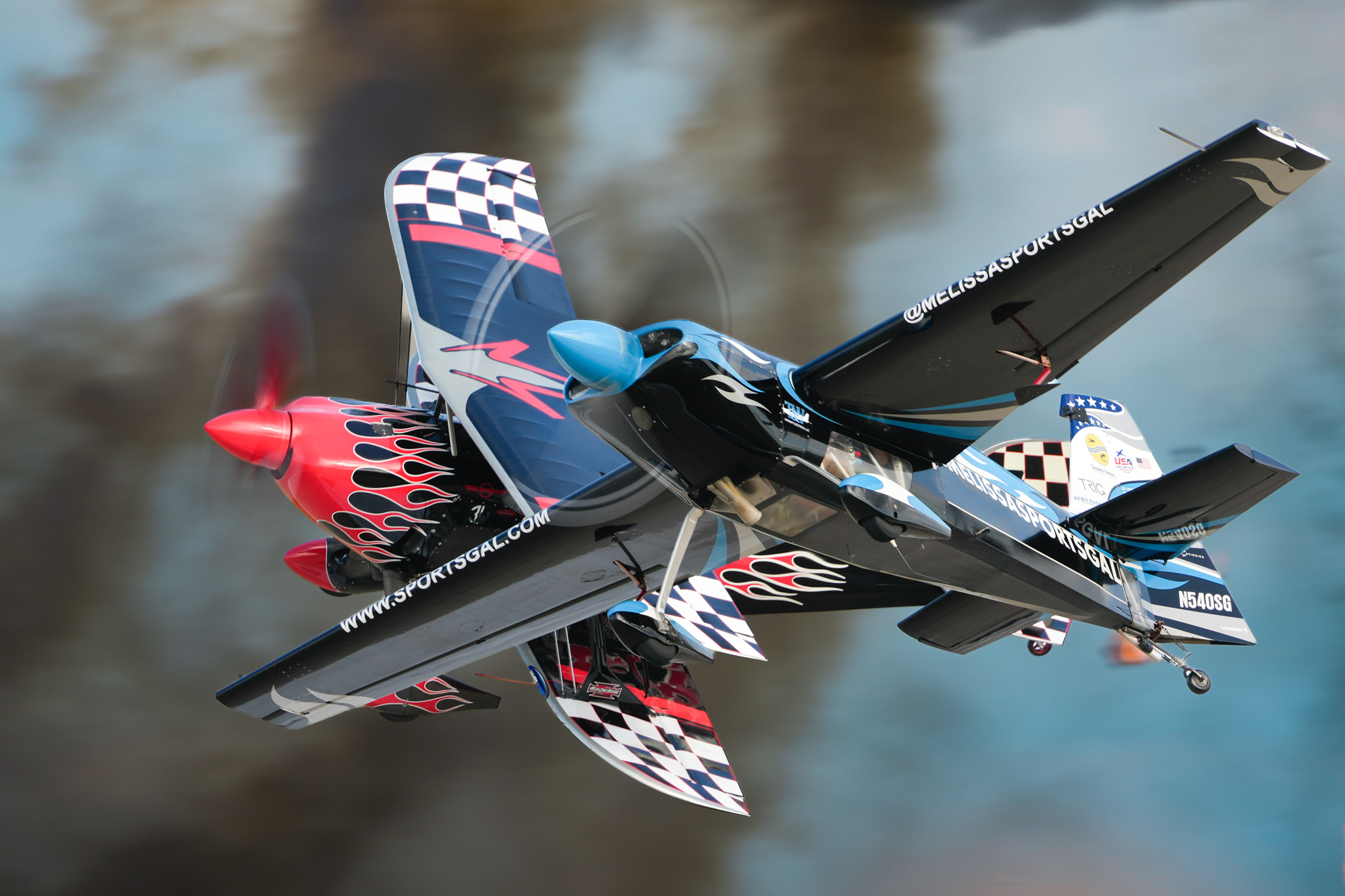
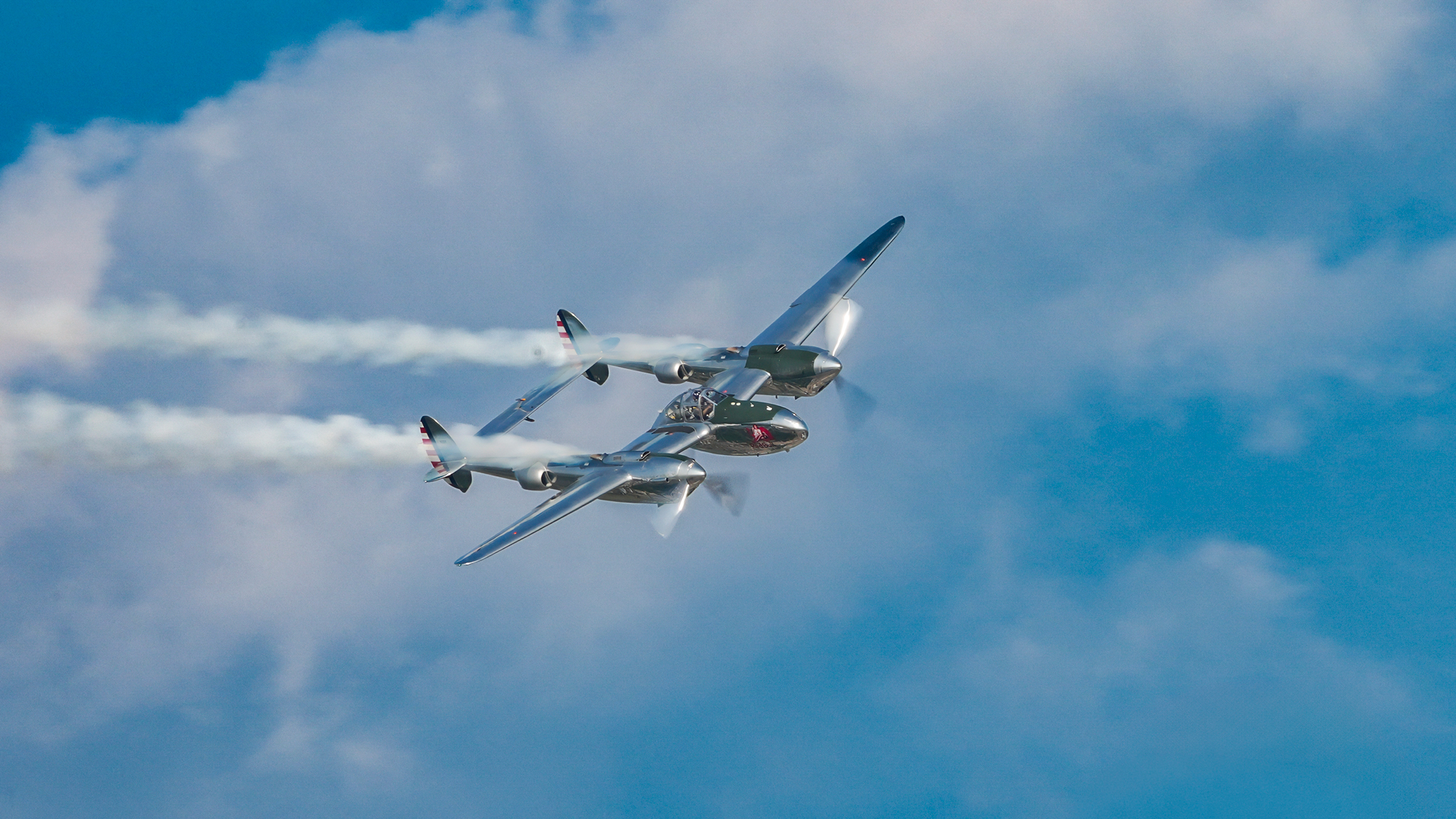
Propeller planes
Prop aircraft are always a challenge. The goal is to have a sharp image while also having blur in the propeller that projects movement. It’s a compromise as well as playing the odds to achieve both of those objectives. And, what counts are the good images… not the ones you delete. I was happy with the results with the 300-600mm F4 DG OS | Sports lens in balancing these challenges. I tried various, relatively slow shutter speeds to compare the results. And the final results yielded some great images.
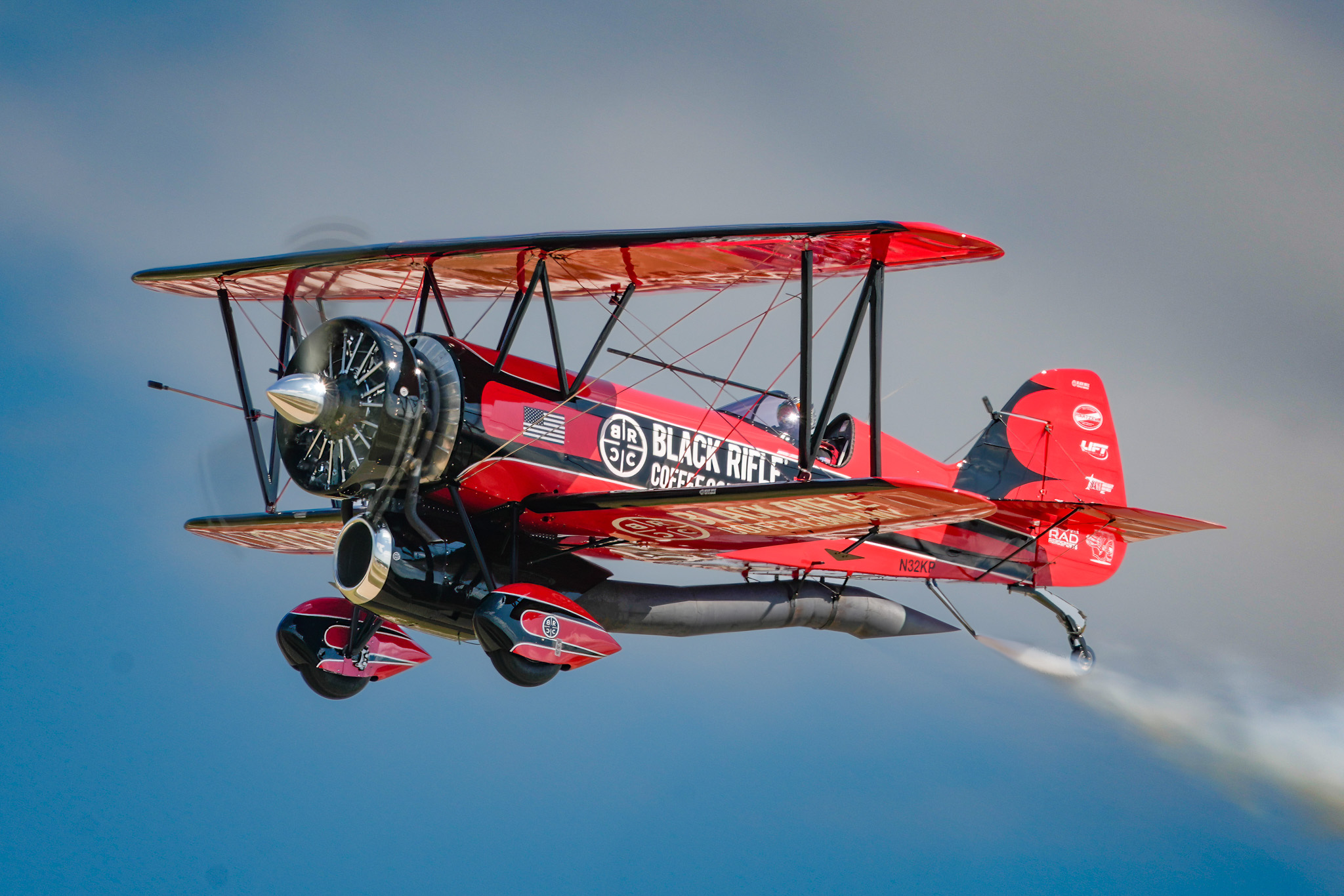
Sony A1 II
F11, 1/320s, ISO 100
Sony A1 II
F7.1, 1/320s, ISO 100
Sony A1 II
F7.1, 1/200s, ISO 100
Sony A9 III
F22, 1/160s, ISO 250
Evening air shows
I love my Sigma 60-600mm F4.5-6.3 DG DN OS | Sports lens for the ability to cover just about every aspect of an air show. “Just about” means up until the sun starts fading and the golden hour is creating masterpieces that I just can’t get at F6.3. So, when the night air shows begin, I have to trade out the 60-600mm for anything that lets in more light. And usually, that means trading light for a lot less reach.
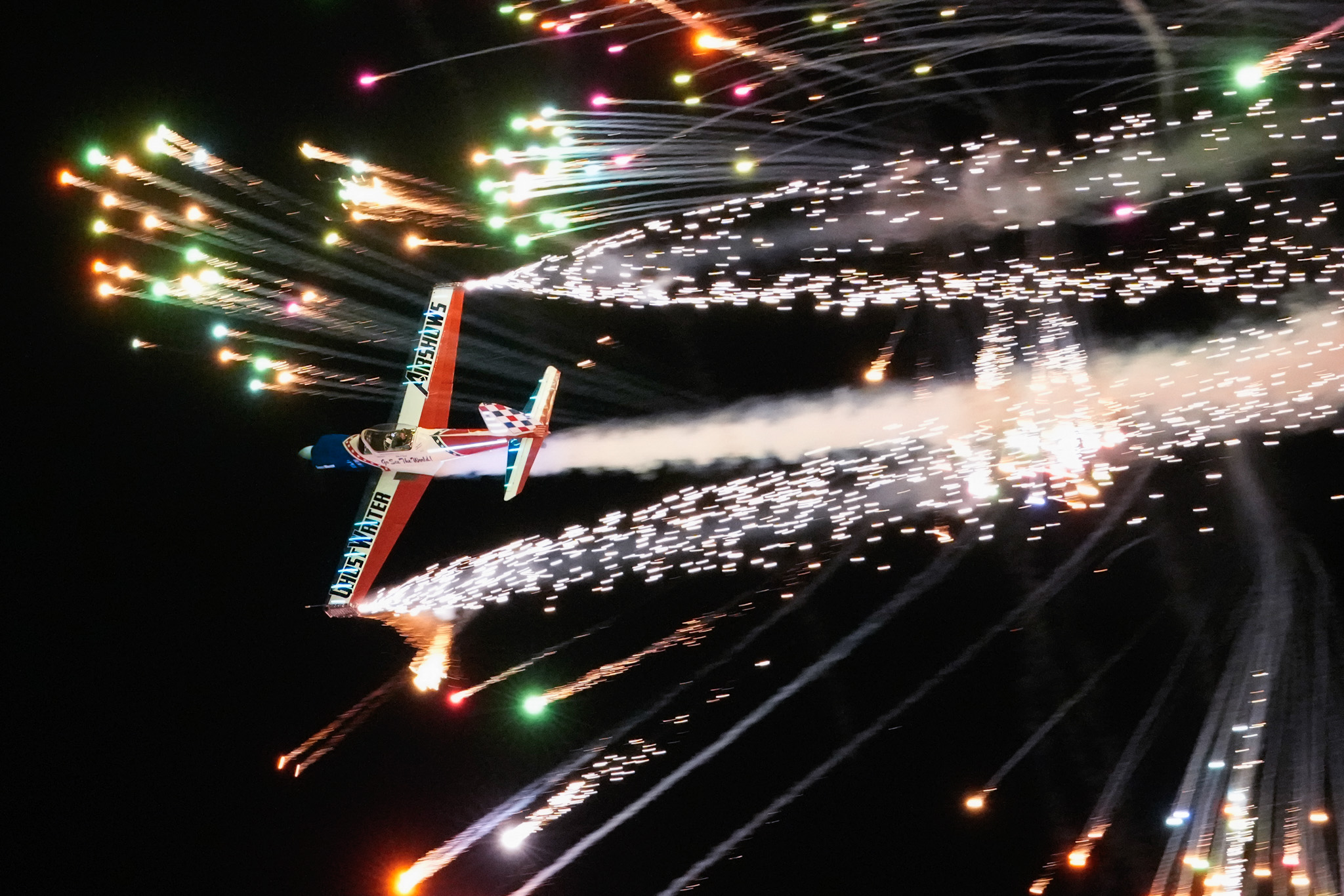
Now, with the 300-600mm F4, I don’t have to compromise reach for a faster aperture. And with so many air shows adding an evening/night show to the schedule, this lens becomes really valuable after the sun goes down.
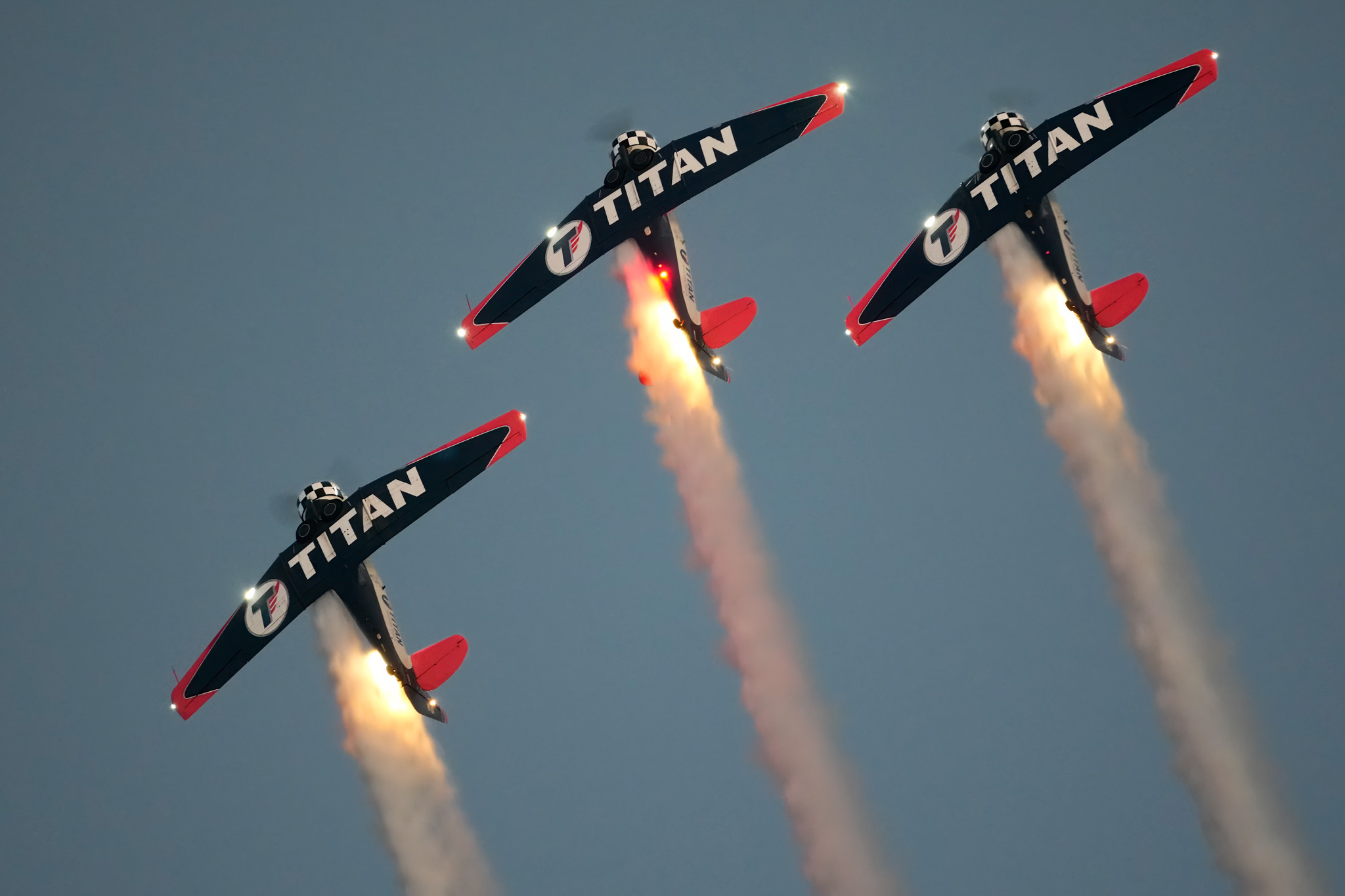
Sony A1 II
F4, 1/160s, ISO 5000
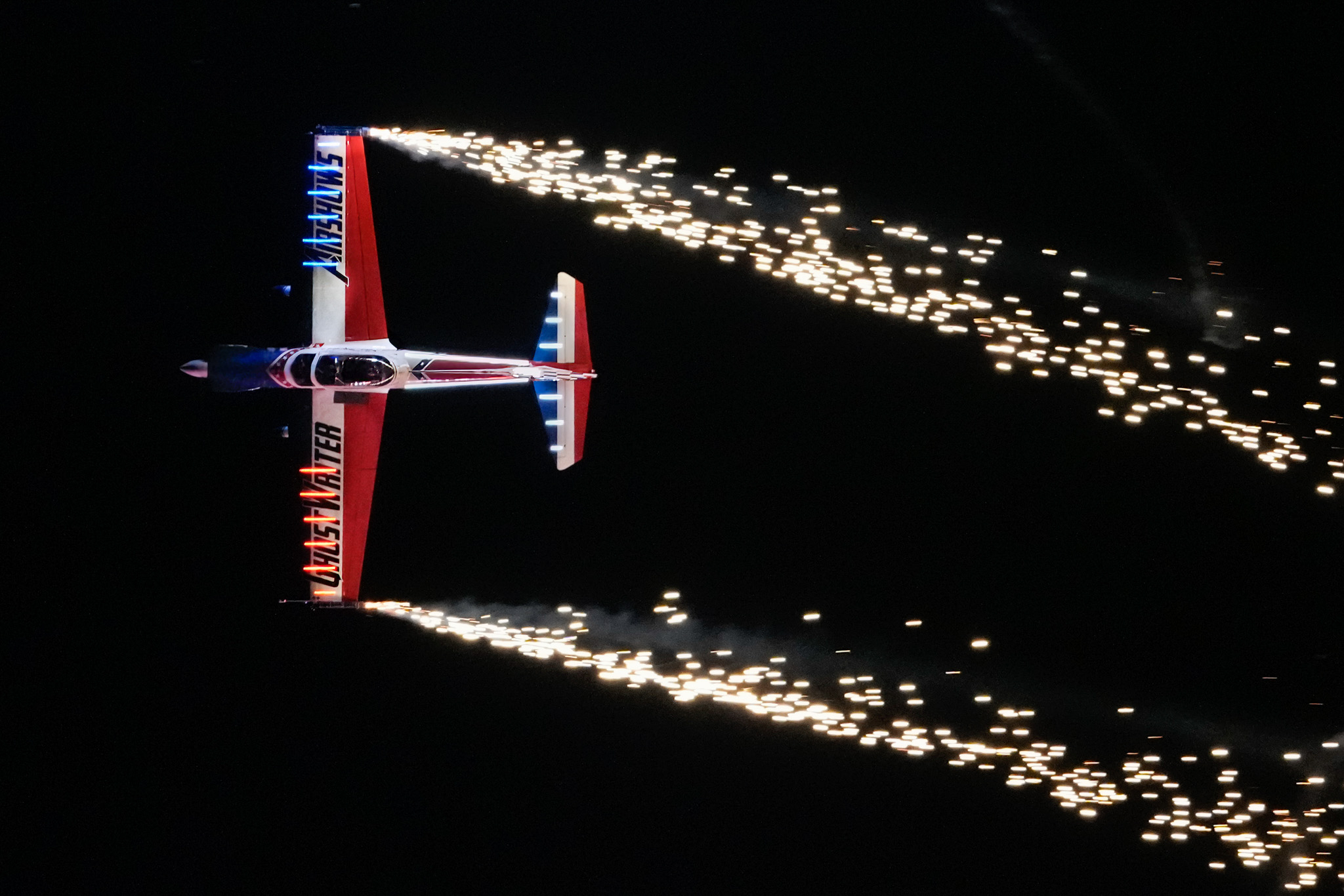
Sony A1 II
F4, 1/125s, ISO 12800
Overall takeaways
Although it’s a big and slightly heavy lens at 8.75 pounds (3.97kg), it’s in the same weight range as most 600mm F4 prime lenses, which many photographers use at air shows. A huge advantage, however, is the zoom range, adding necessary flexibility when composing the shot.
I also found this lens to be a definite asset when panning, especially airplanes taking off and landing. When the focus locked on and the OS2 stabilization took over (using Mode 2, specifically for panning shots), the photos were tack sharp with a nice blurred background.
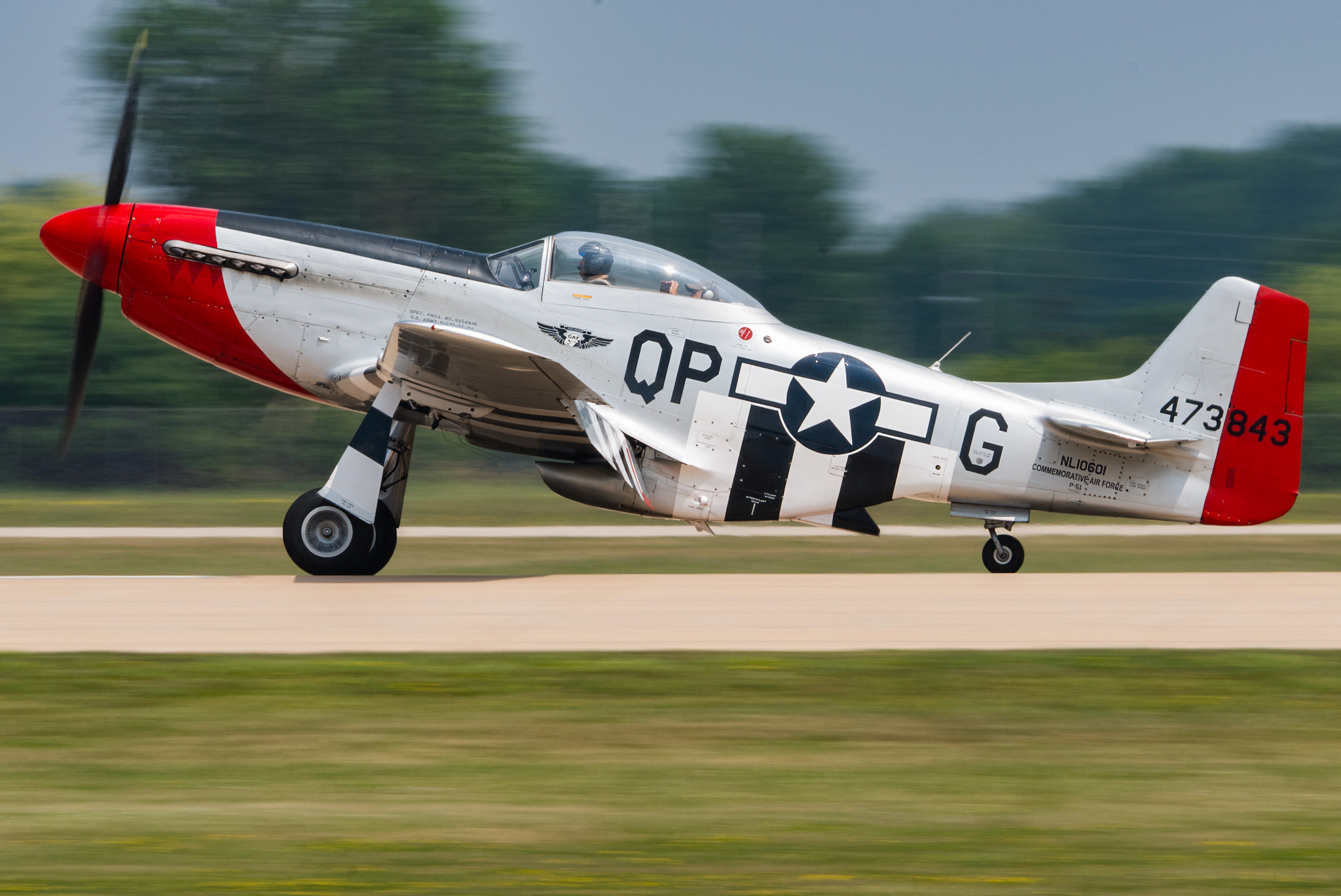
Sony A9 III
F22, 1/80s, ISO 250
When it comes to autofocus, it easily locked onto jet aircraft at high speeds, and with the combination of the F4 aperture and high shutter speed, produced amazingly sharp images.
On the opposite end of the spectrum, I captured propeller-driven aircraft at shutter speeds from 1/80s to 1/320s with great results.
For me, aviation photography, especially at an air show like EAA AirVenture, is about capturing a unique composition. Hundreds of photographers are photographing the same airplane. I want mine to be different. I want it in my style. That may come from the way I crop in post production. It may also be using this top-of-the-line Sigma 300-600mm F4 DG OS | Sports lens.
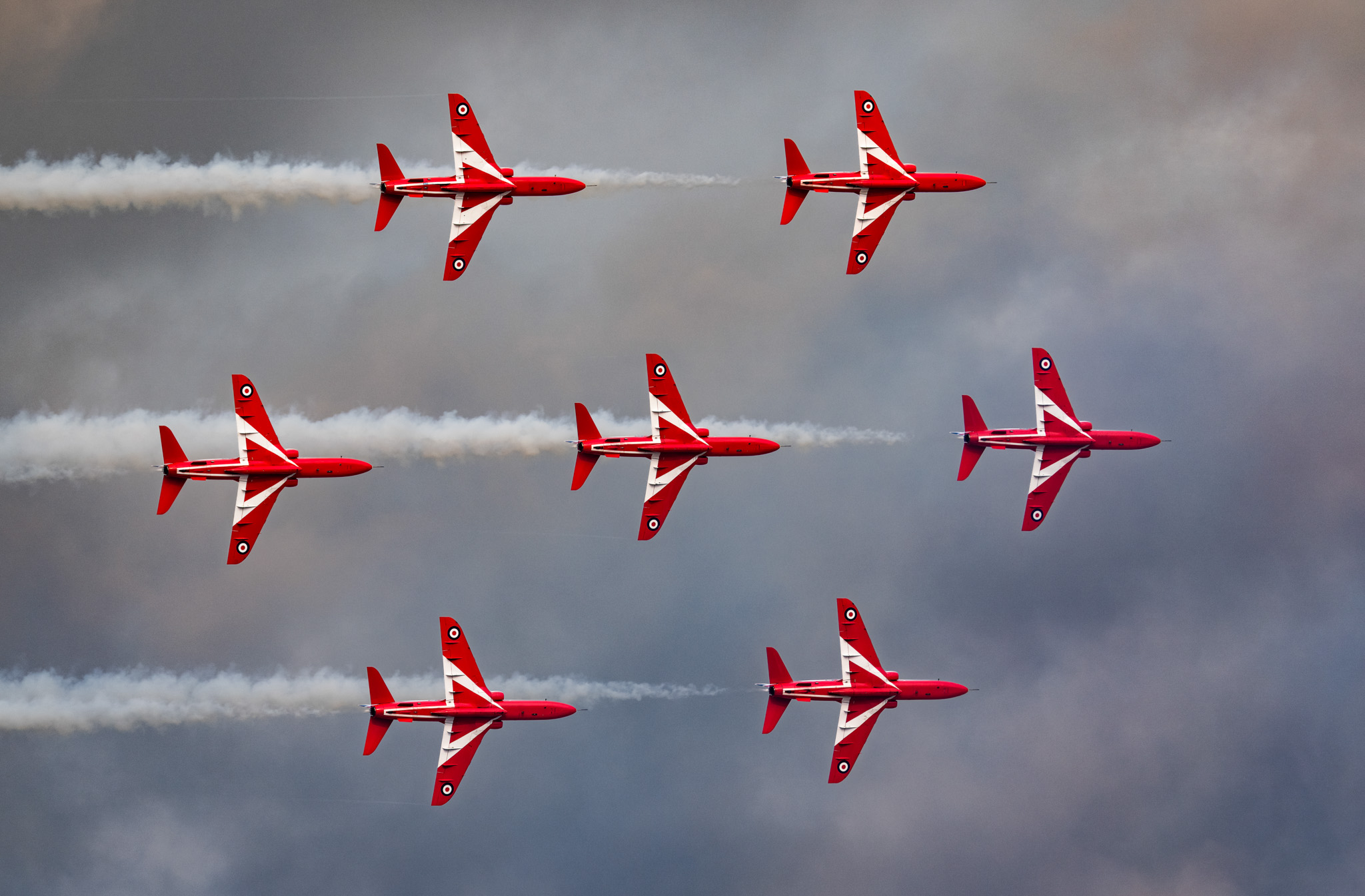
Sony A1 II
F4, 1/2000s, ISO 160
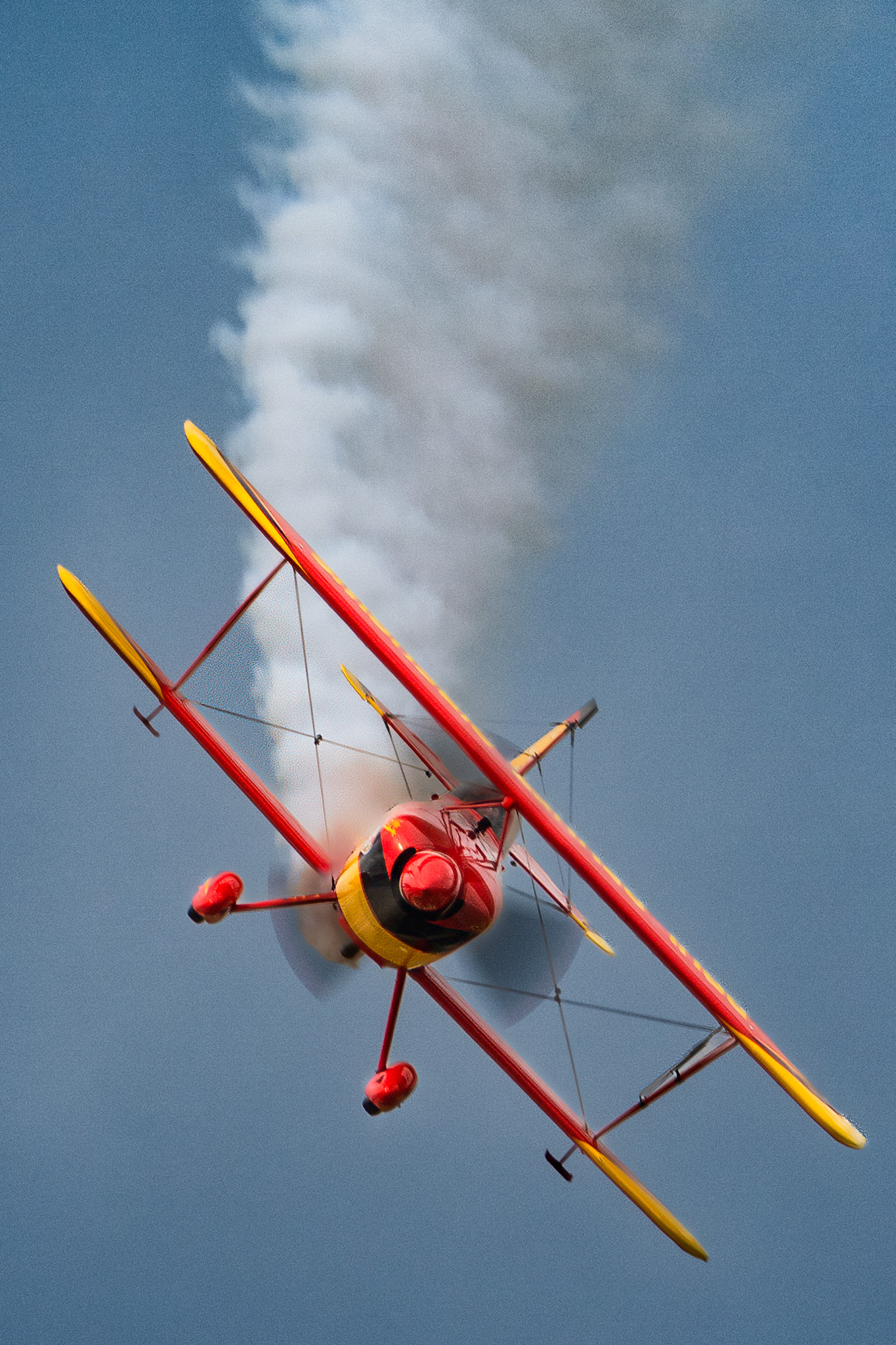
Sony A1 II
F7.1, 1/320s, ISO 100
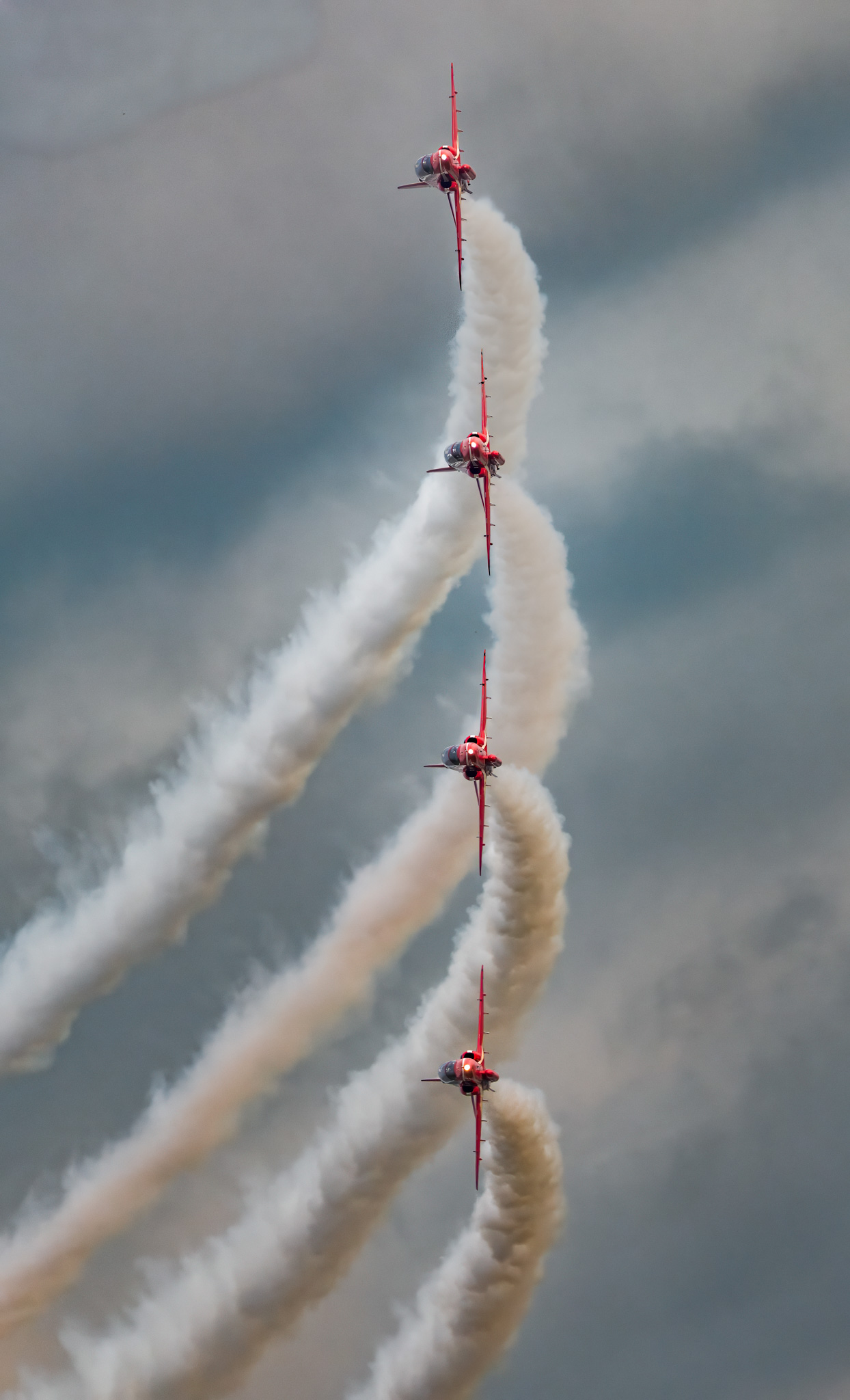
Sony A1 II
F4, 1/4000s, ISO 400
And, as I said in my beginning comments about this lens… it takes the best to give you the best.
Aviation enthusiasts, get yours now: