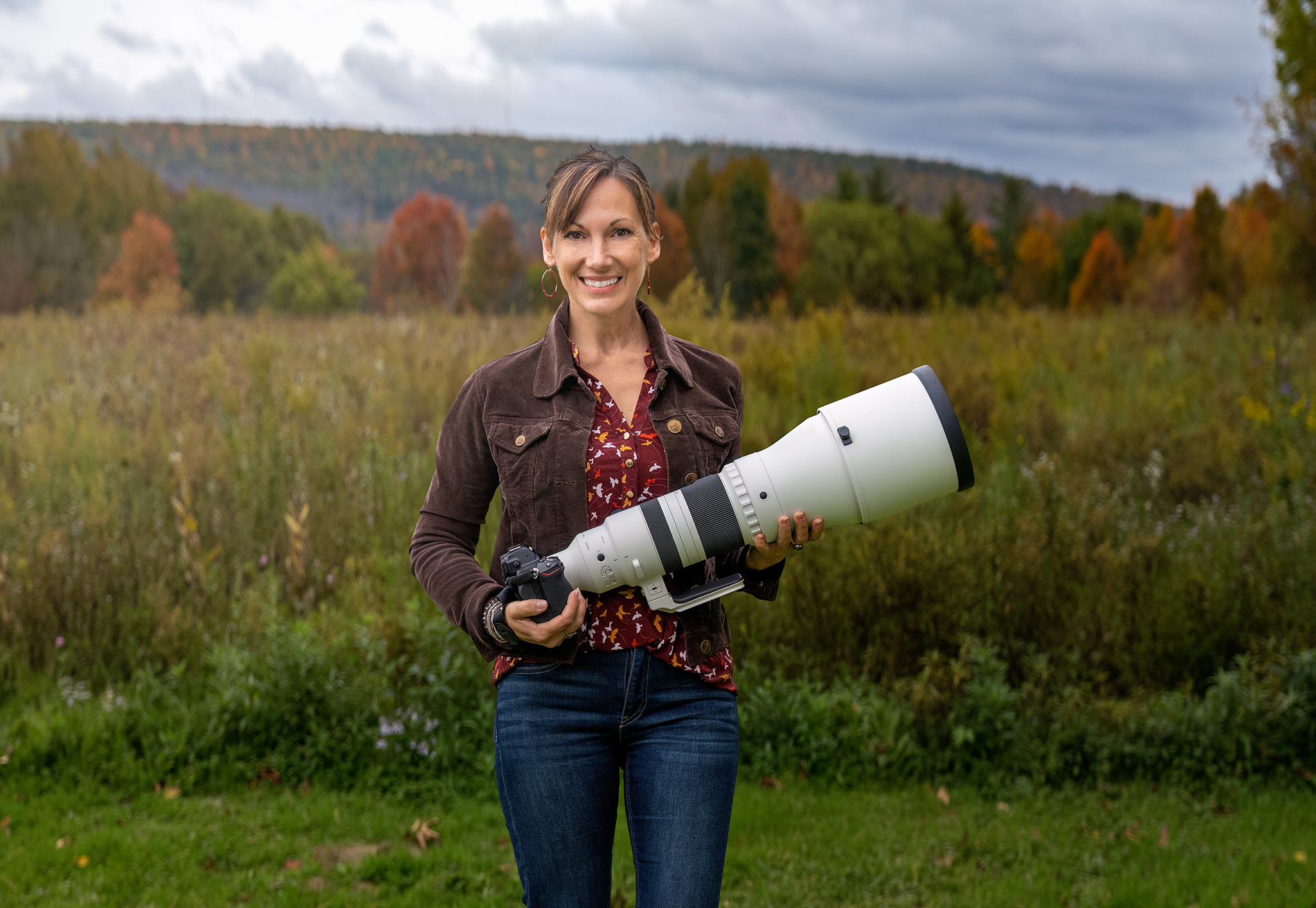
There are lenses you use, and then there are lenses that become part of the way you photograph. For me, the Sigma 300-600mm F4 DG OS | Sports lens has become the latter.
After more than 25 years as a professional photographer, I have used A LOT of lenses. I have learned what I need from my equipment and, just as importantly, what I don’t need. When I’m in the field, I don’t want to be thinking about my gear. I want to be thinking about the animal or scene in front of me, the light, the background, the behavior of the animal and that split second when everything comes together.
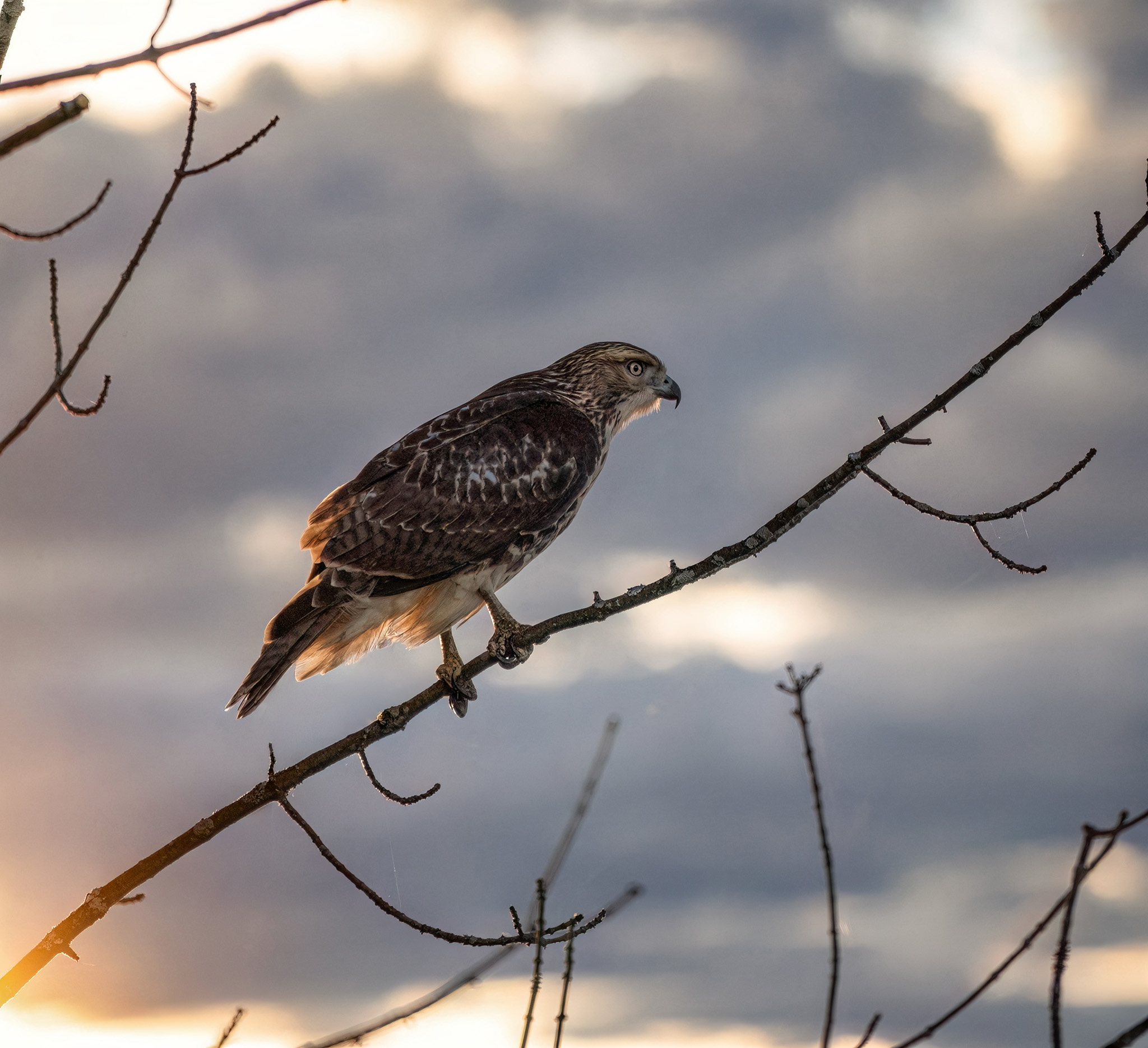
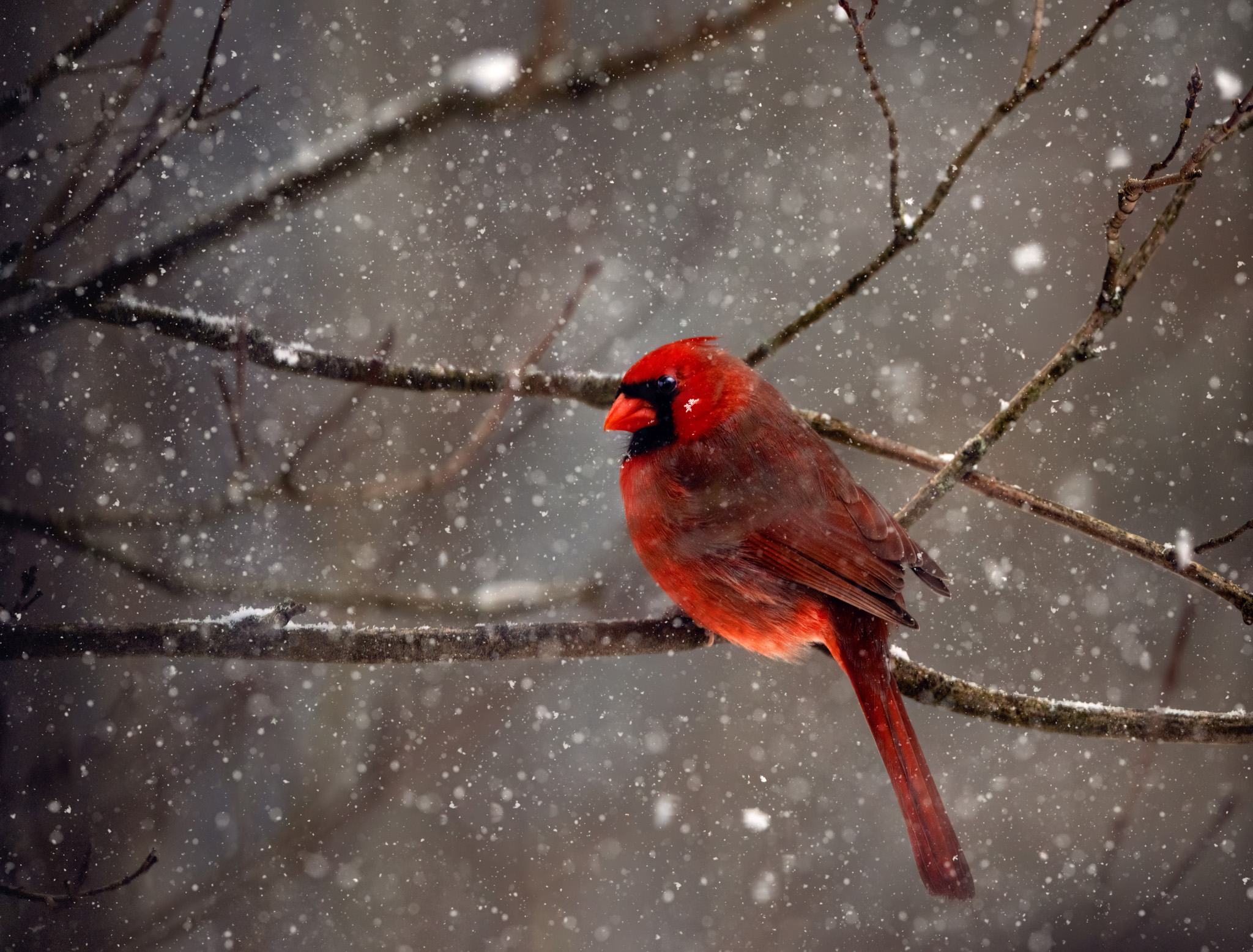
600mm, F4, 1/3200s, ISO 800
That is where this lens has really impressed me. And there is one thing I should say right away because it tends to surprise people:
I hand-hold this lens for all my images. I don’t use a tripod or monopod. That’s how I prefer to photograph.
I want to move. I want to follow. I want to react.
And I want to be ready when wildlife does something completely unexpected – which, of course, is usually exactly what wildlife does.
The first thing I noticed: Freedom
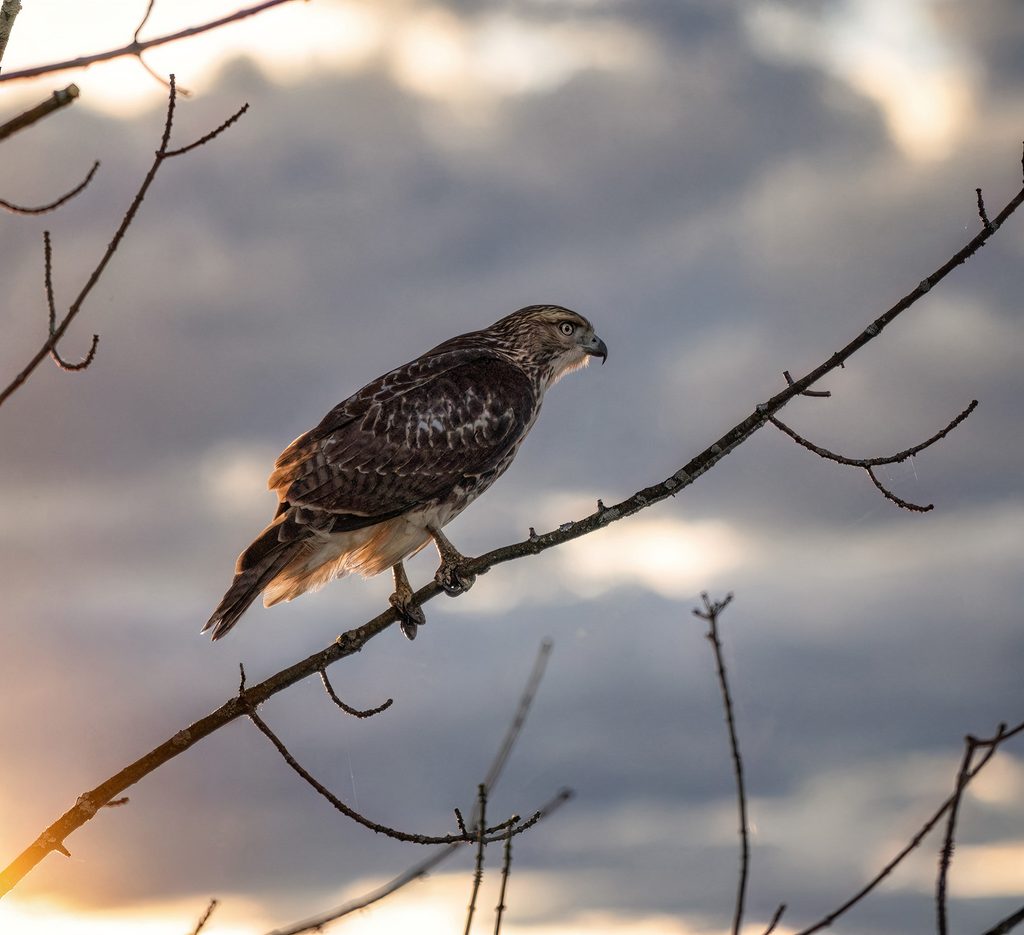
The biggest thing this lens has given me is freedom. The 300-600mm focal range is incredibly useful for the way I photograph wildlife, and even pets. At 300mm, I can include more of the environment and tell a larger story. If a deer is standing in a field, I can show the field. If a bird is perched in a tree, I can include the branches, sky and surrounding habitat.
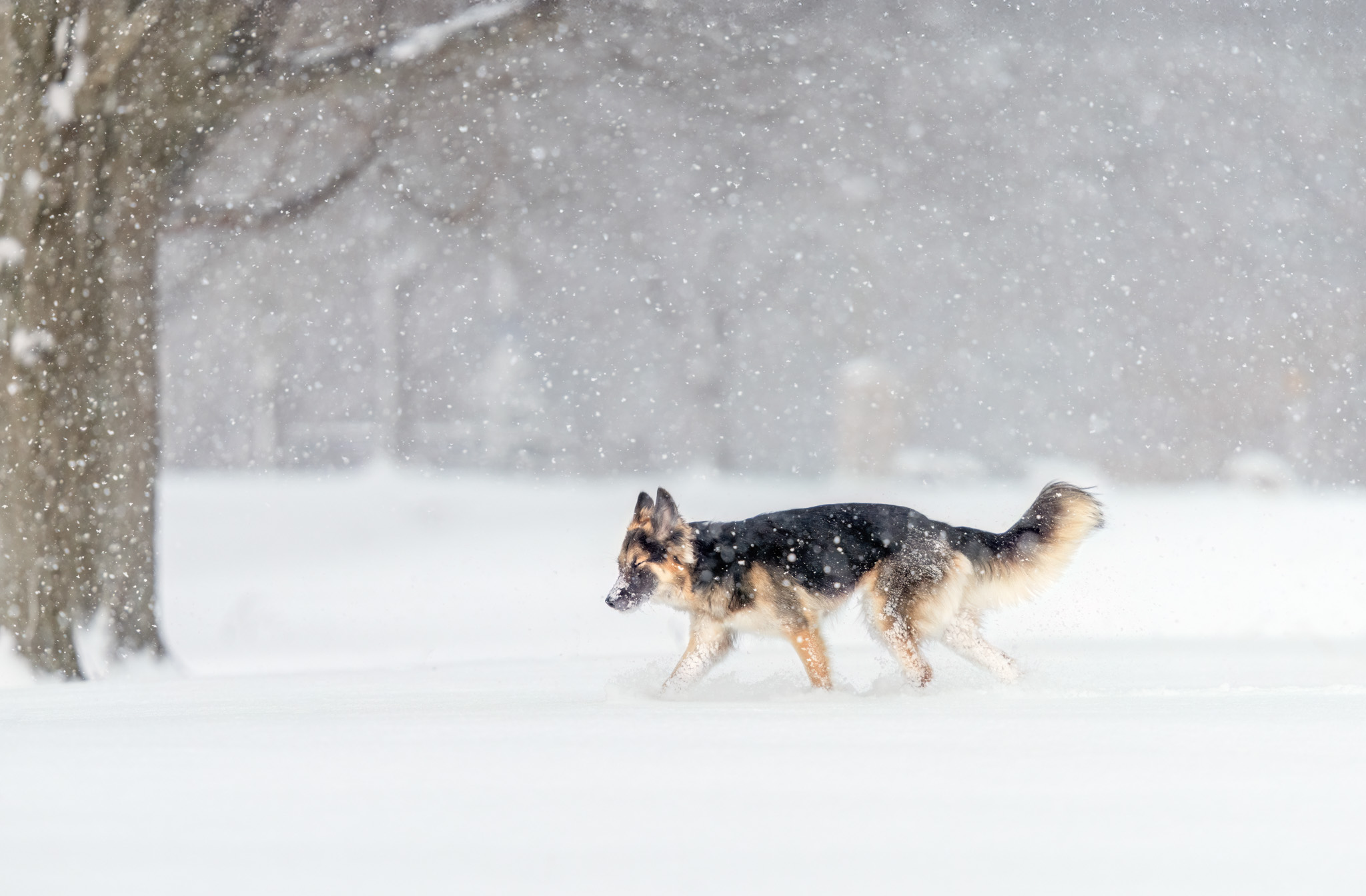
335mm, F4, 1/2500s, ISO 800
Then I can move toward the 600mm and completely change the story. Suddenly, I’m isolating the animal. I’m capturing an eye. I’m watching feathers move in the breeze. I’m filling the frame with an expression. And I can do all of that without changing lenses. That matters enormously when you’re photographing wildlife. I don’t get to tell the animal, “Hold that pose while I change lenses.” Nature doesn’t work that way. When the moment happens, and I have to be ready.
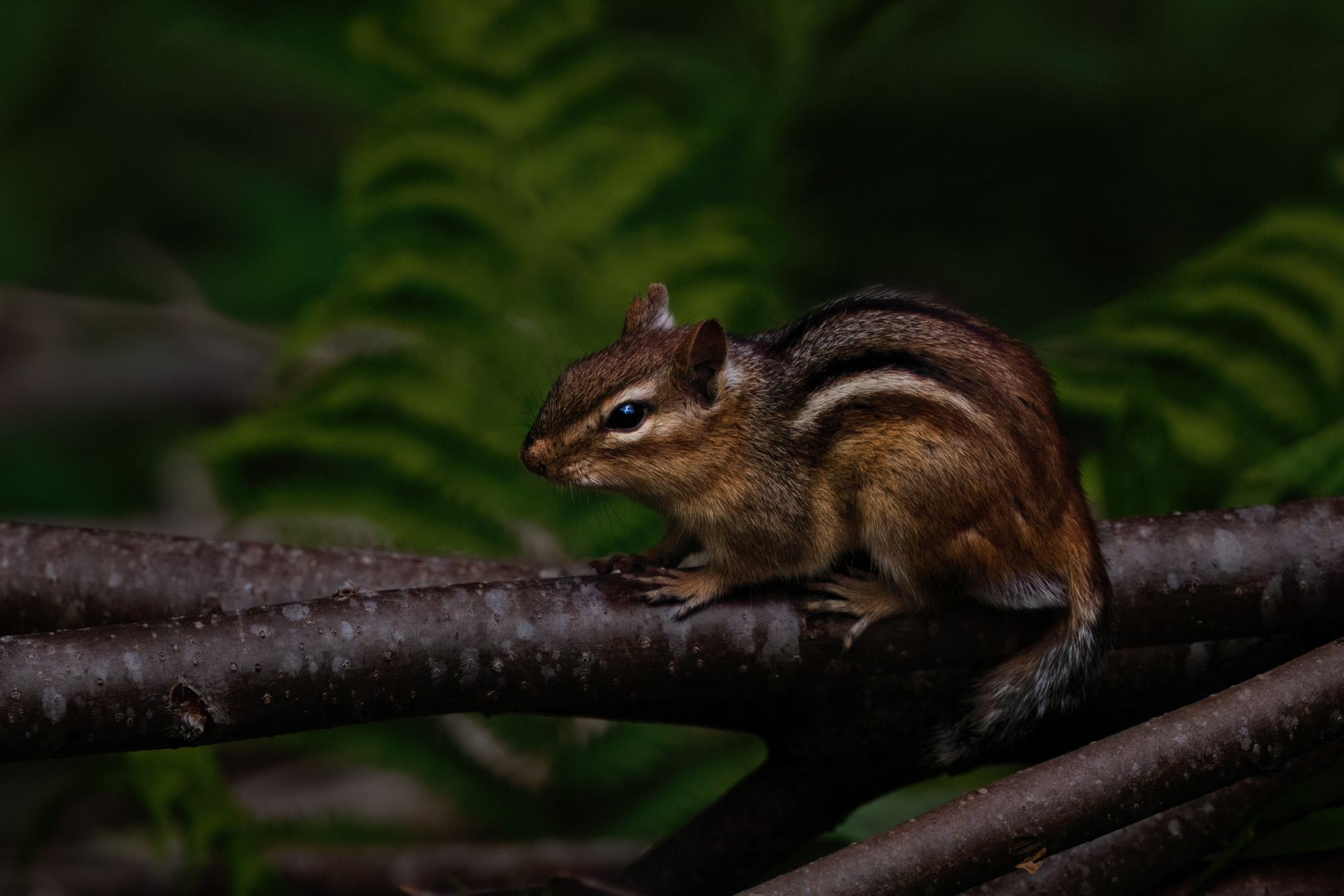
600mm, F5, 1/8000s, ISO 640
I shoot it handheld, every time
I know photographers are going to ask me about this. “How are you hand-holding an 8.8-pound lens?”
The answer is experience, technique, and knowing your equipment. I’ve been doing this for many, many years. Over that time, I’ve learned how to use my body, my stance and my movements to support the camera and lens. I have learned how to track subjects, how to anticipate movement and how to stay steady when I’m excited about what is happening in front of me. And I have learned that I personally photograph better when I am not attached to a tripod.
I like being mobile. I like being able to take a step. I like being able to change my angle. I like being able to swing the camera when a bird takes off. I like being able to follow an animal as it moves through the landscape. For me, that freedom is worth everything.
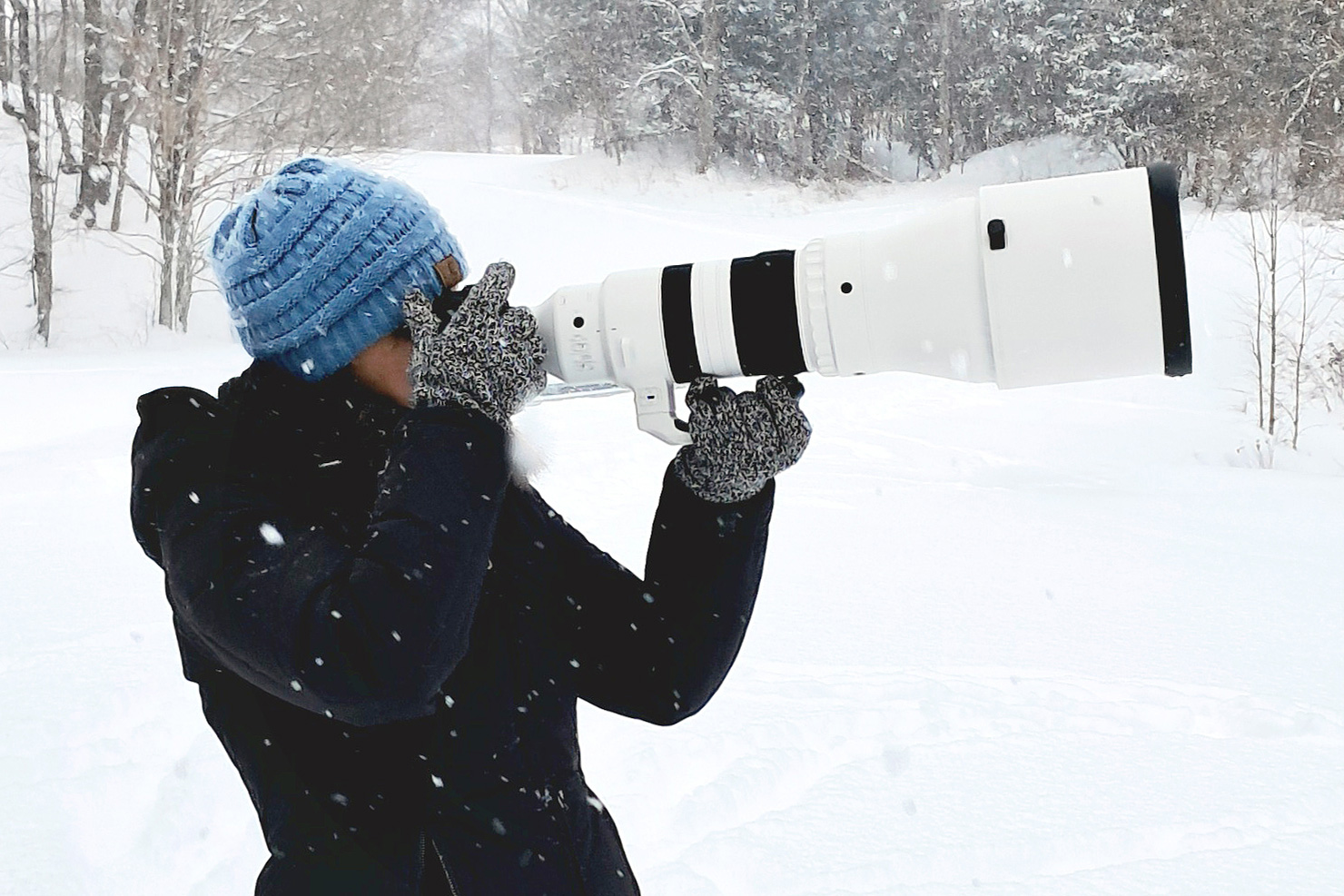
The internal zoom design of the 300-600mm F4 DG OS | Sports also helps. The lens doesn’t physically extend as I move from 300mm to 600mm, which helps maintain a consistent balance. The center of gravity is also positioned toward the camera, making the lens feel more manageable in my hands.
It is still a substantial lens.
I’m not going to pretend otherwise.
But in my hands, it works.
OS2 gives me confidence
Sigma’s OS2 optical stabilization system is another reason I am so comfortable hand-holding this lens.
Sigma’s optical stabilization provides up to 5.5 stops of stabilization at 600mm. There are two OS modes: Mode 1 for general photography and then one I use the most, Mode 2, for panning.
What does this mean for me in the field? Confidence.
When I’m at 600mm and I’m following a bird in flight; I don’t want to be fighting camera movement while I’m trying to concentrate on the subject. I want to be thinking about composition, light and where the bird is going, not where it just was. And when I’m panning, Mode 2 is particularly useful because it is designed to accommodate that intentional movement.
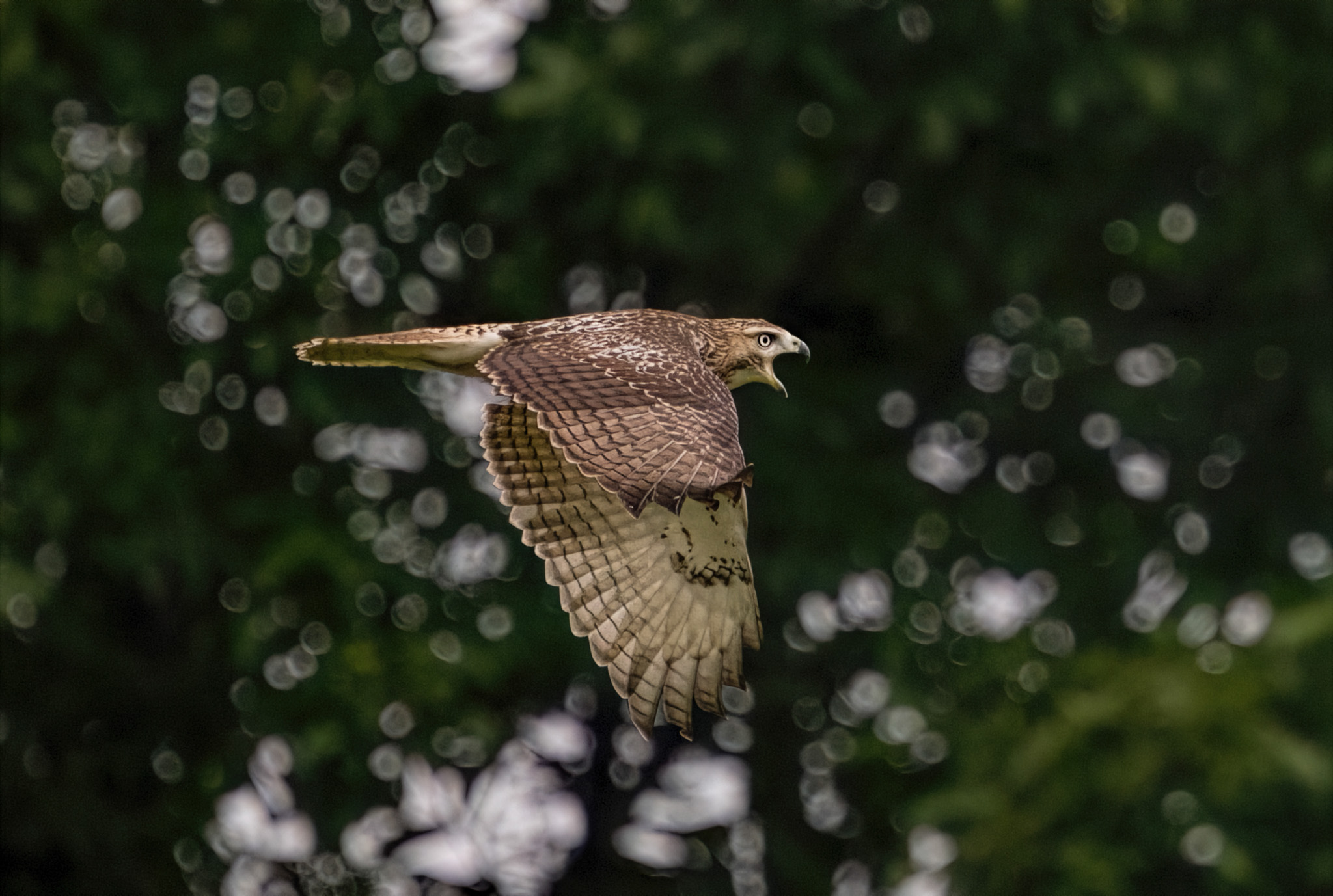
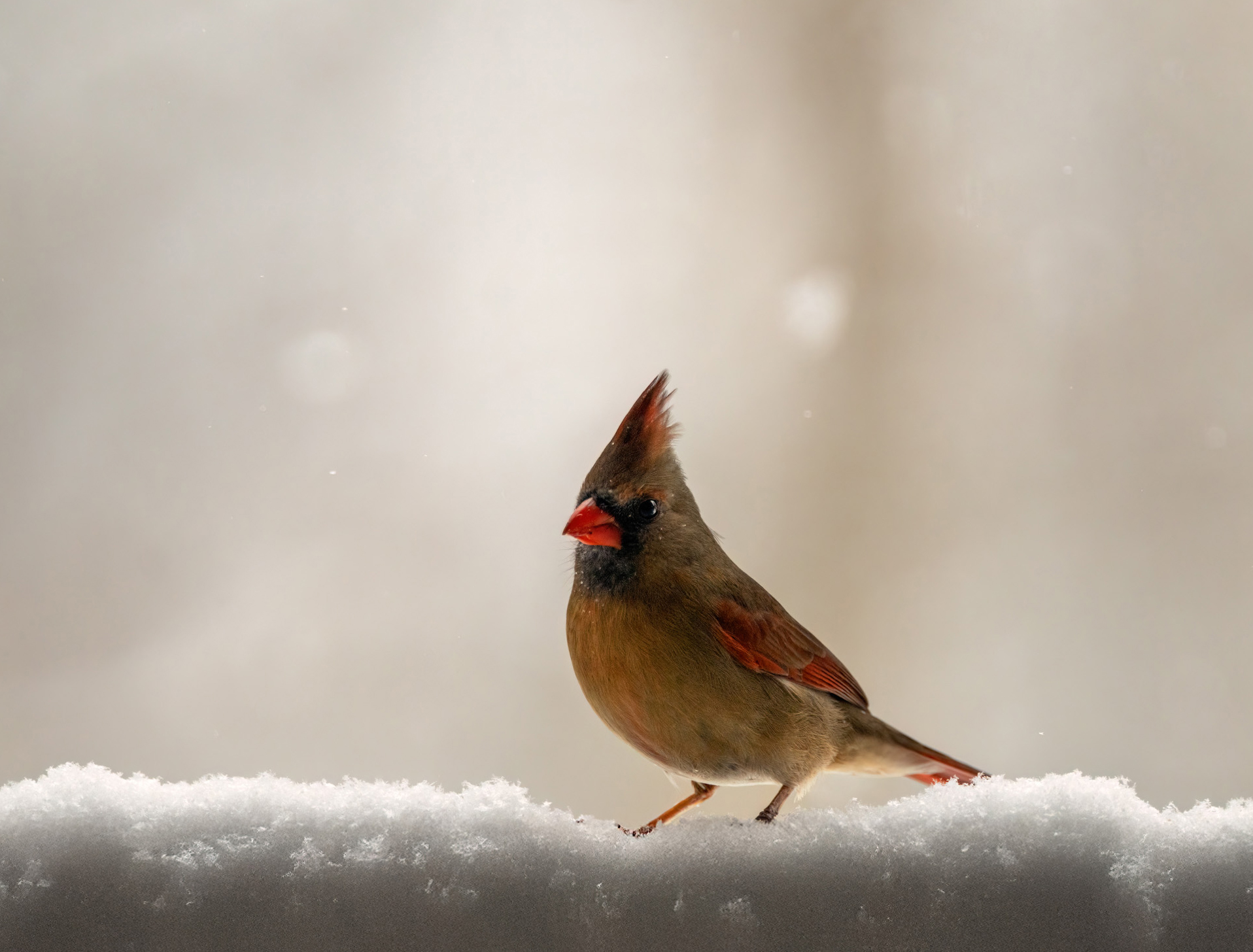
589mm, F5, 1/3200s, ISO 800
That’s one of those features that might sound super tech-y when you first read about it, but I promise you will understand its value immediately when you’re trying to follow a fast-moving subject.
The constant F4 aperture IS a big deal
Another feature I love is the constant F4 aperture. I have F4 available whether I’m shooting at 300mm or 600mm. For me, that is important because wildlife photography is often about controlling several things at once. I need enough shutter speed to freeze movement. I need enough light. And I often want to separate my subject from its surroundings. That beautiful separation can help draw the viewer’s eye exactly where I want it. At the same time, I’m not always photographing in perfect light. Nature certainly doesn’t schedule itself around ideal photography conditions.

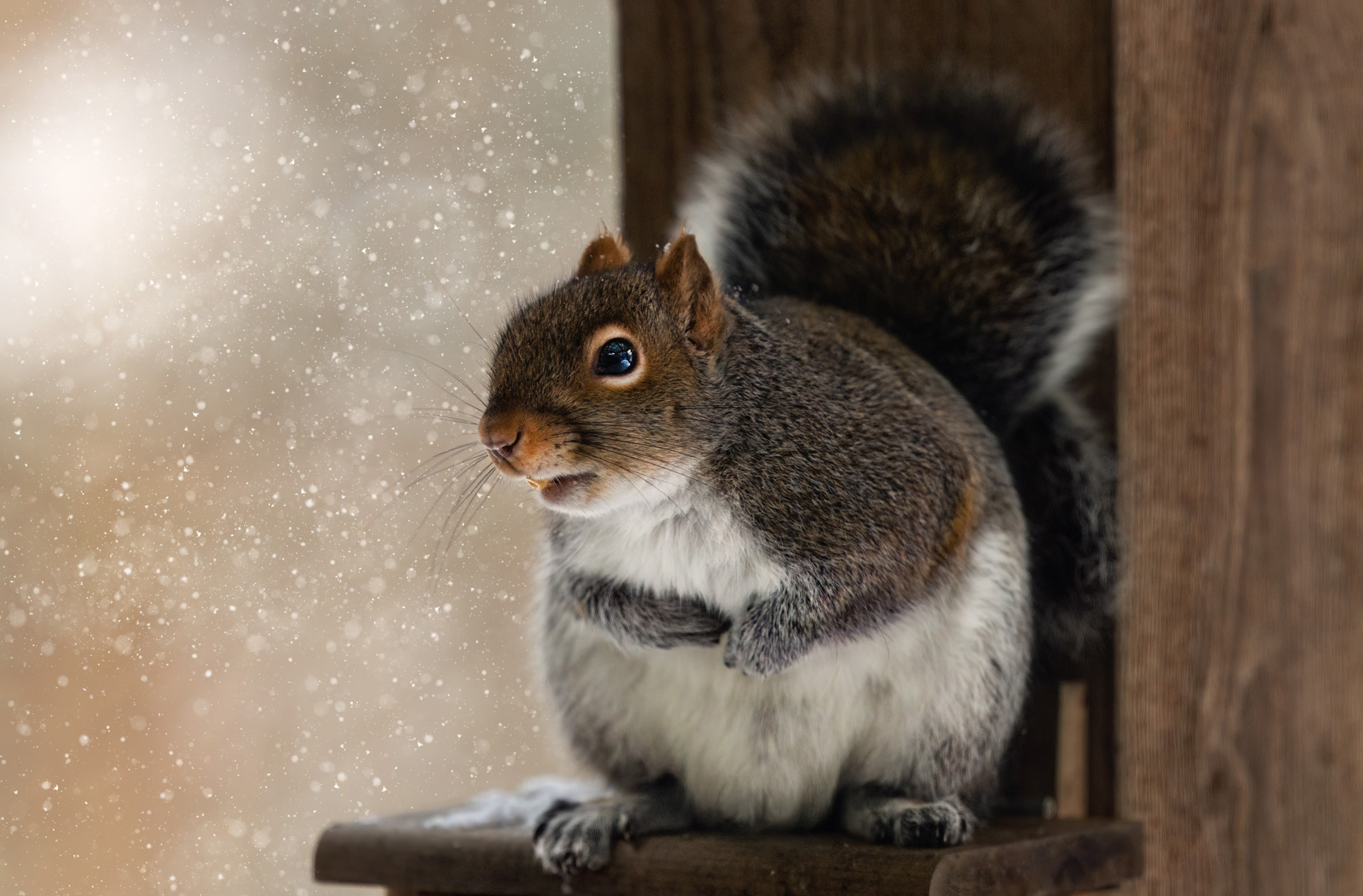
300mm, F4, 1/2500s, ISO 800
Early morning, late afternoon, overcast skies, deep woods, changing weather, those are all part of the job, having the F4 throughout the zoom range gives me consistency and another tool to work with when the light starts changing.
The controls are there for a reason
One thing I’ve come to appreciate about this lens is that the many switches and controls aren’t just there to make the specification sheet look impressive. I actually use them!
The lens has dedicated controls for focus mode, focus limiting, optical stabilization and more.
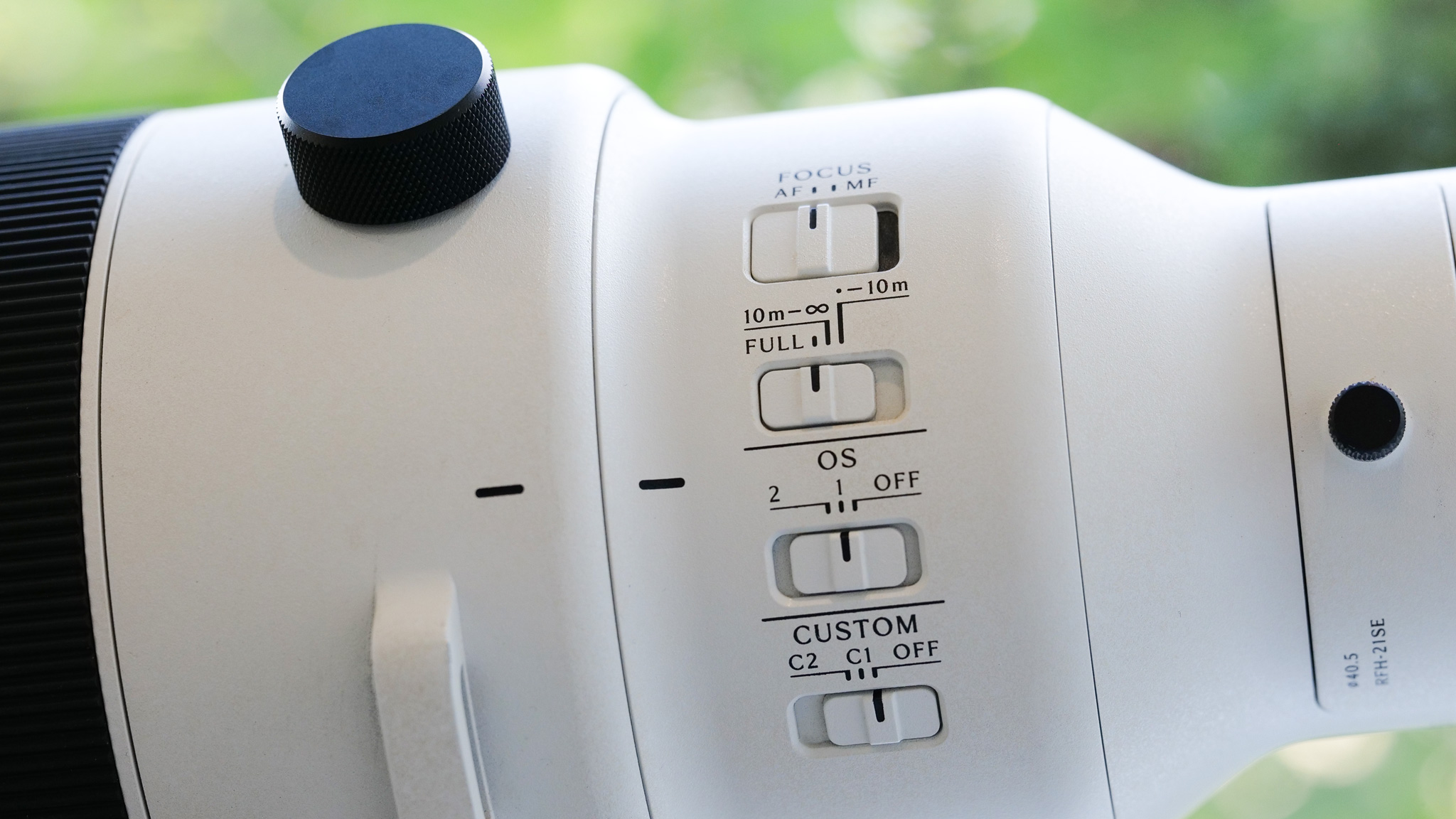
When I’m photographing wildlife, being able to make adjustments quickly matters.
The focus limiter lets me control the focusing range. If I know my subject is farther away, I can limit the lens to a range that makes sense for what I’m photographing. That can help prevent the lens from searching through an unnecessary range when I’m trying to lock onto a subject. And with wildlife, every fraction of a second matters.
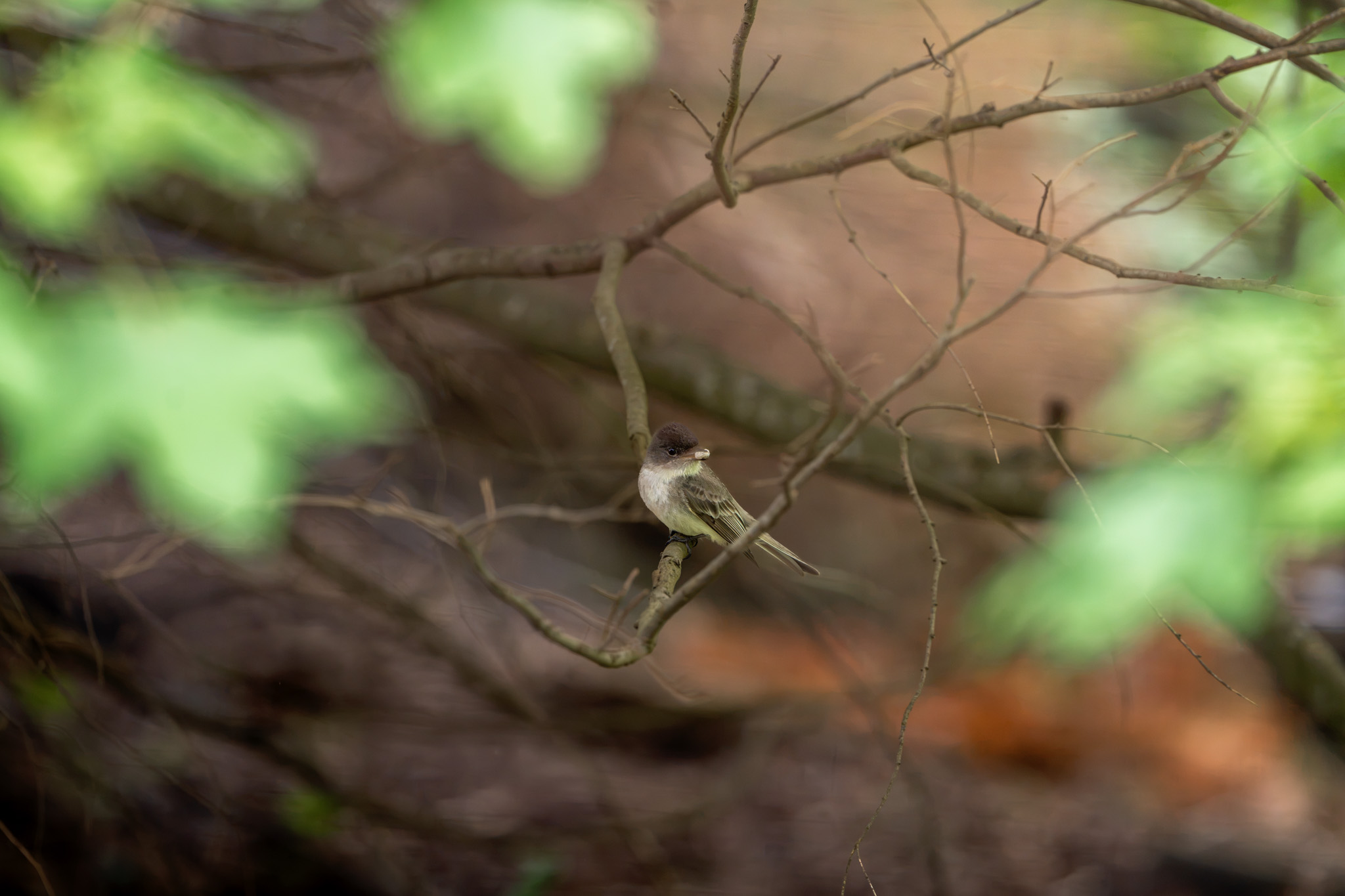
395mm, F5, 1/640s, ISO 640
The OS Mode switch lets me choose the stabilization mode I need. Mode 1 is my general shooting mode (stationary wildlife, not moving much) and as mentioned, Mode 2 is designed for following fast moving wildlife.
They’re just simple switches, but it gives me another way to adapt to what is happening rather than forcing me to adapt my photography around my equipment.
The HLA autofocus keeps up with me
The lens uses Sigma’s High-response Linear Actuator (HLA) autofocus system.
For me, what matters isn’t simply that the autofocus is technically fast, it needs to respond to what I’m doing.
A bird sitting still is one thing, a bird suddenly launching itself into the air is something entirely different. A deer looking toward me is one situation, a deer suddenly running through the woods is another.
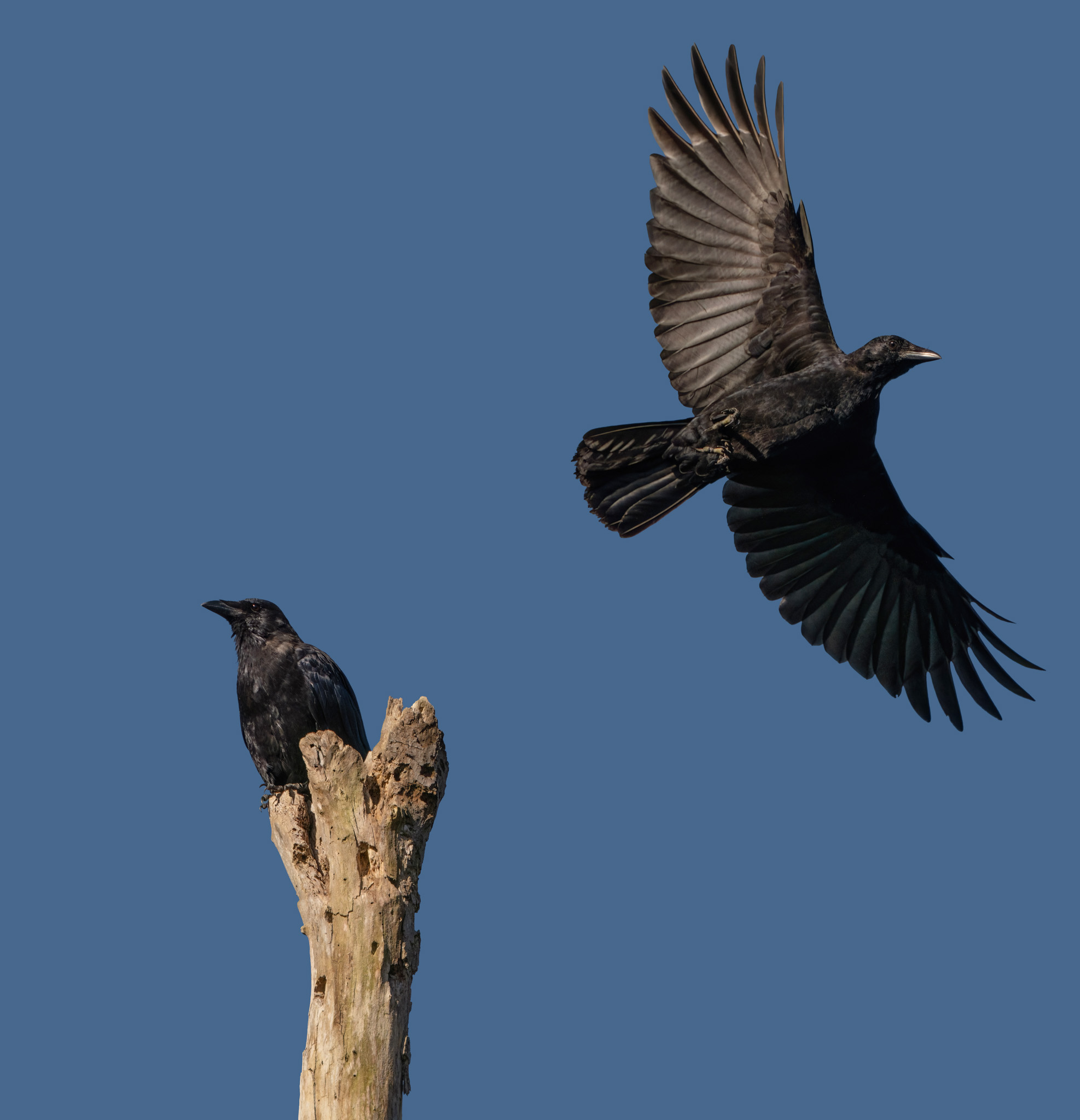
My photography changes from moment to moment, and I need autofocus that can keep up with those changes. The Sigma 300-600mm F4 DG OS | Sports easily keeps up with me and the wildlife around me.
I push myself – and I push this lens
I’m probably harder on myself than I need to be. I’m always trying to improve. I want a different angle, a different perspective. I want a different expression, moment and I don’t want to simply photograph an animal. I want to photograph that animal, in that moment, in that light… that’s a big difference.
Sometimes, I’ll deliberately push the lens to see what I can get out of it. Because, I believe that we grow as photographers when we stop doing what is comfortable.
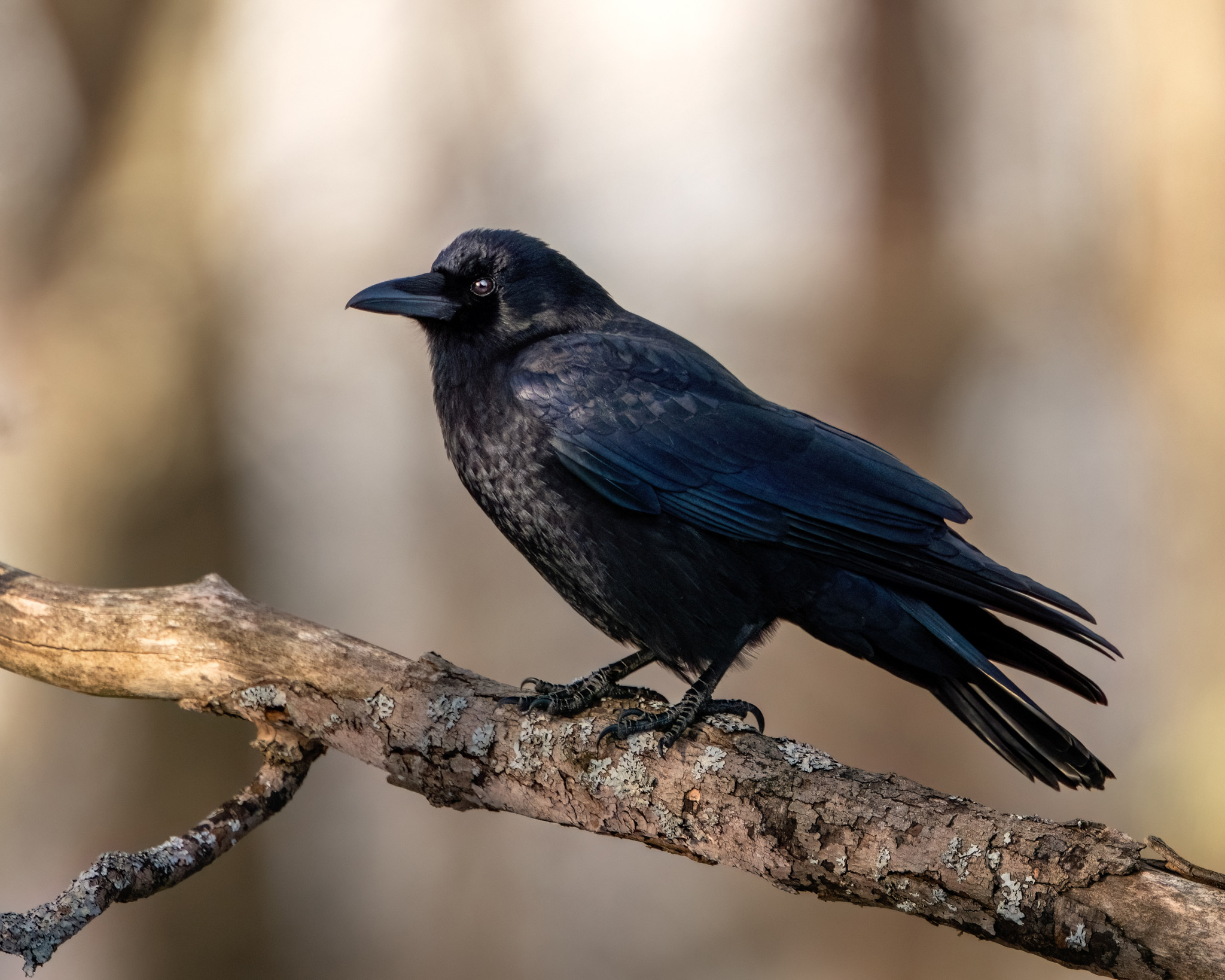
The Sigma 300-600mm F4 DG OS | Sports lens hasn’t replaced my experience, it has amplified it. My years of photographing nature has taught me patience, observation, anticipation and timing. This lens gives me the tools to put those things into practice.
My final take
After spending a great deal of time with the Sigma 300-600mm F4 DG OS | Sports lens, I can honestly say that this is a lens that fits the way I photograph.
I don’t photograph from a tripod. I don’t want to be stationary, I want to be immersed in the environment. I want to walk, I want to explore, I want to follow the light and when something incredible happens, I want my camera in my hands and my lens ready. That’s what this lens allows me to do.
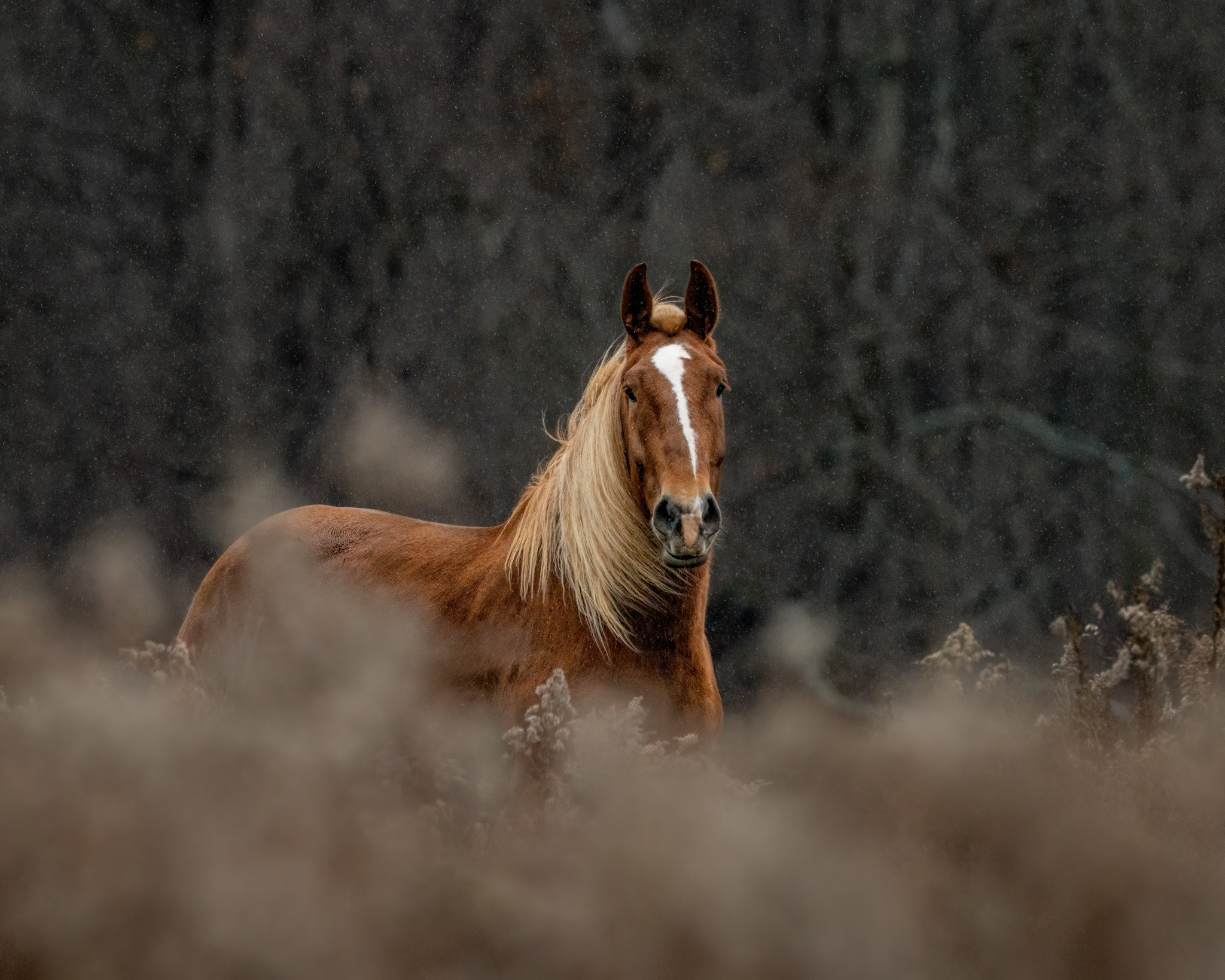
And that’s where I want to be.
Behind the camera.
In nature.
Hand-holding the Sigma 300-600mm F4 DG OS | Sports lens.
Waiting for the next moment.
Ready when it comes, and knowing this lens will not let me down when it does.
Explore the lens that never lets me down