Sony ZV-E10 II
ISO 100, F4, 1/320s
“It’s a quiet night. The stars are clearly visible as I roll out of my sleeping bag on the trailhead. It’s 4 o’clock in the morning and I spent the night in the back of my converted car.
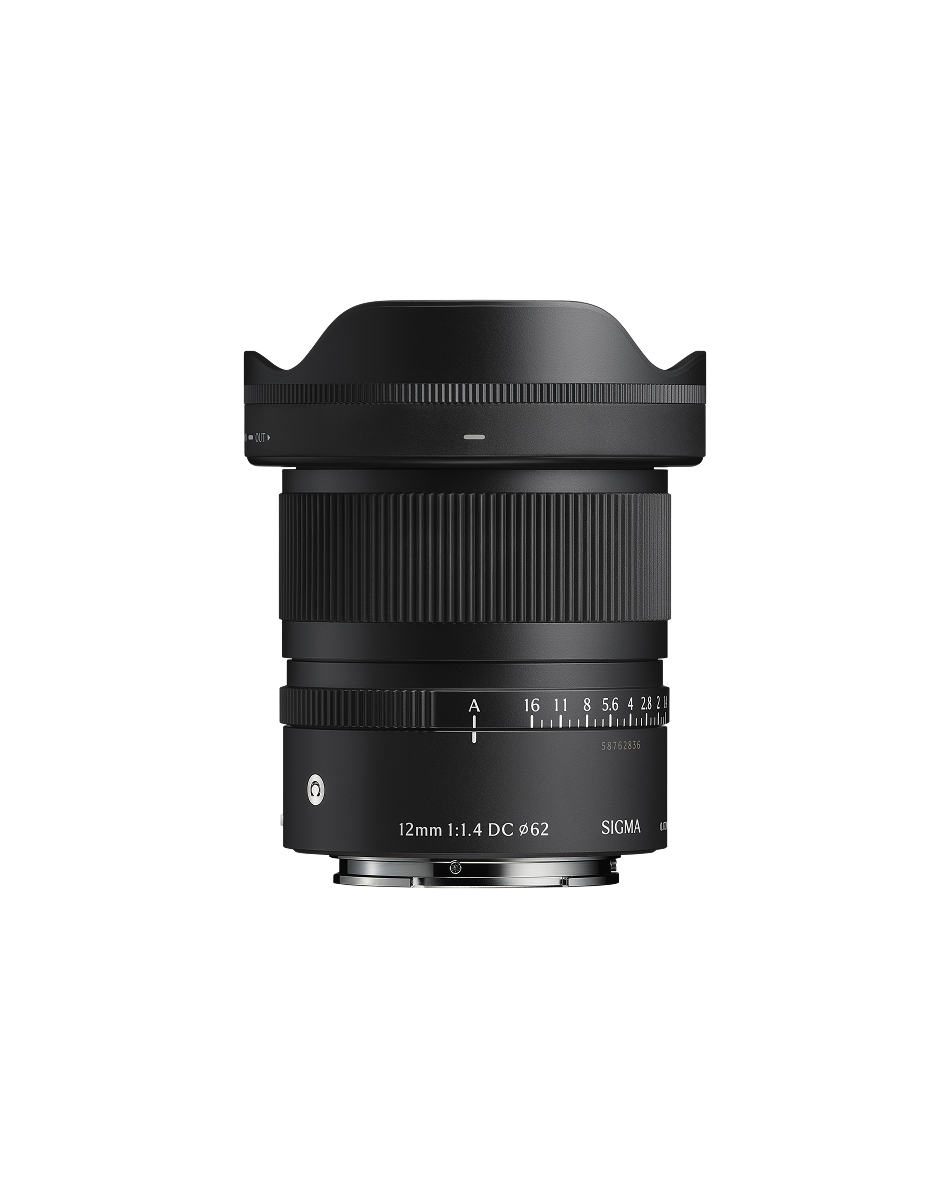
Shortly after waking up, Max and Philipp also arrive in the parking lot. So why are we out here so early in the morning? Because I want to shoot trail running with the new Sigma 12mm F1.4 DC | Contemporary for APS-C cameras.
Max is here to film it all and Philipp will be our talent in front of the camera. Since the lens has such a wide aperture of F1.4 I wanted to start shooting before sunrise to showcase its capabilities.”
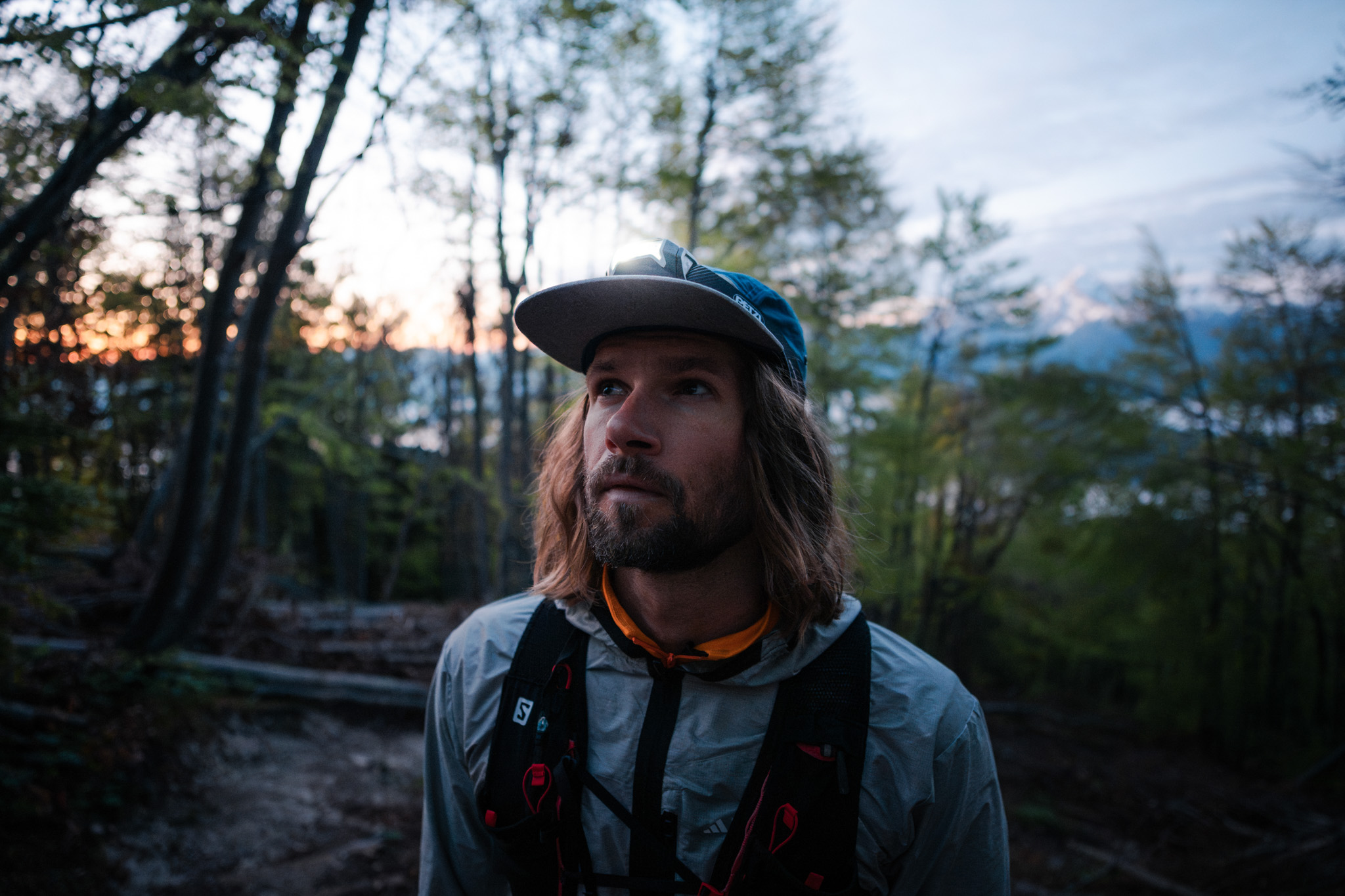
Sony ZV-E10 II
ISO 1600, F1.4, 1/125s
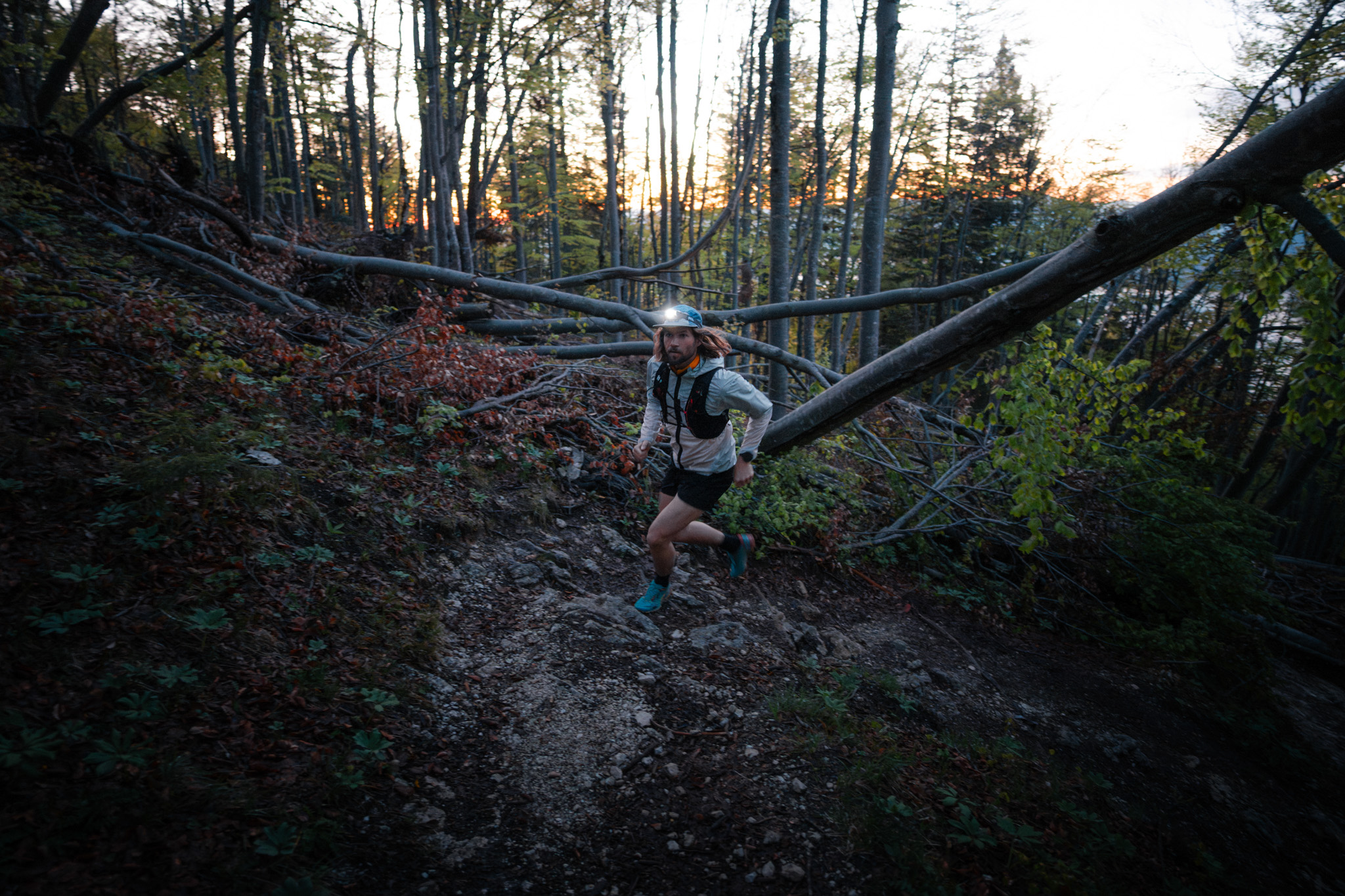
Sony ZV-E10 II
ISO 1250, F1.4, 1/100s
“To make it to our location in time we raced up the first 400 vertical meters in 20 minutes with e-bikes. Then we continued on foot. It was so nice to have such a light weight setup in my backpack.
The Sigma 12mm F1.4 DC | Contemporary lens weighs almost next to nothing and takes up hardly any space.”
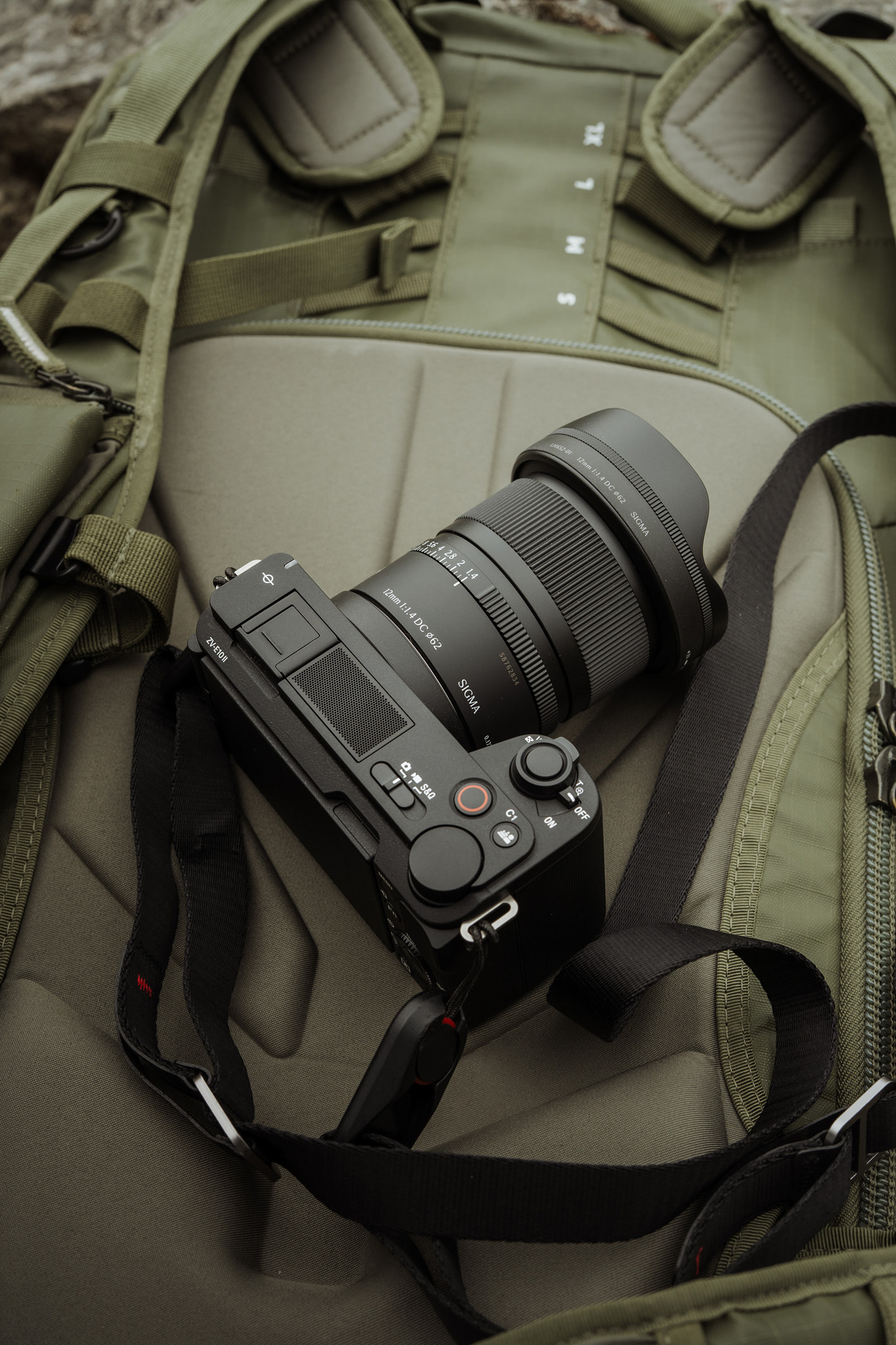
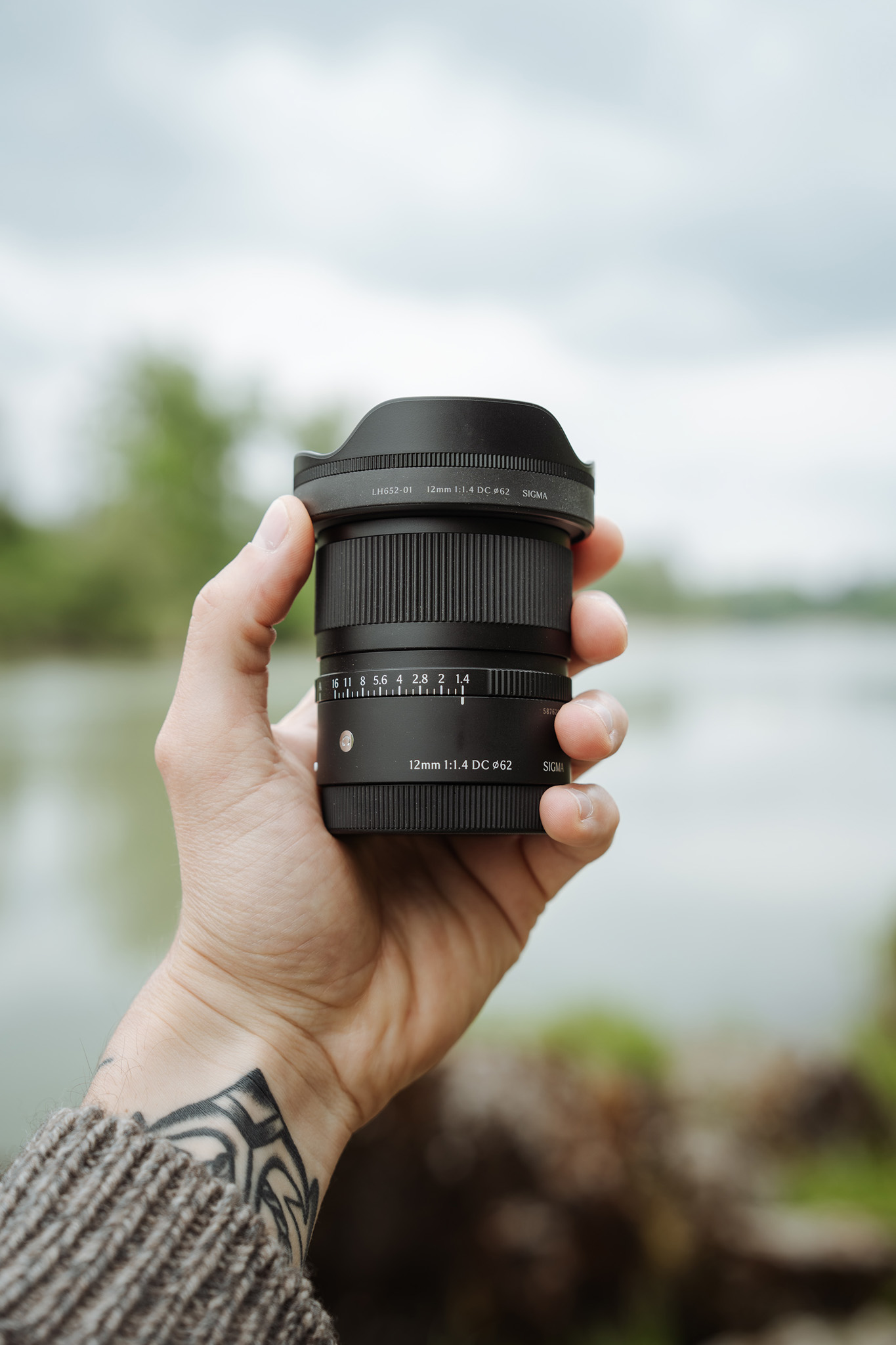
“The first thing I noticed when I started shooting is that there is almost no distortion. Even around the edges. The images come out super clean and I was even able to shoot some nice portraits and details with it.
The F1.4 aperture also really helped to keep the ISO as low as possible. But it had still enough sharpness to really capture these stunning early morning moments.”
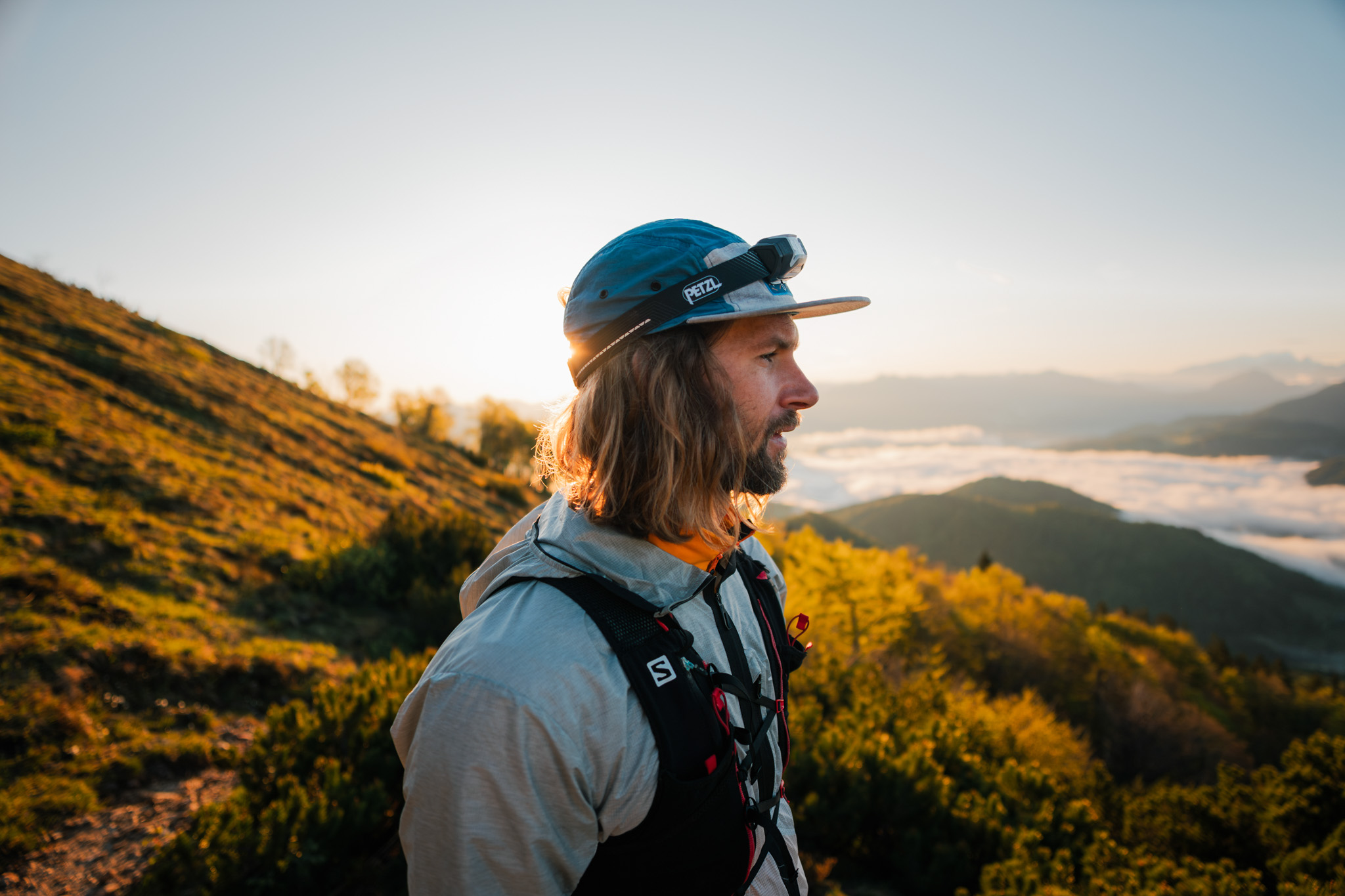
Sony ZV-E10 II
ISO 100, F1.4, 1/1600s
“It sometimes can be hard to focus in low light conditions. Especially when your subject becomes really small in a big landscape. But the Sigma 12mm F1.4 DC | Contemporary performed great and never hunted for focus.
Even when I had Philipp running towards me with the rising sun in the background I had absolutely no issues.”

Sony ZV-E10 II
ISO 100, F4.0, 1/320s
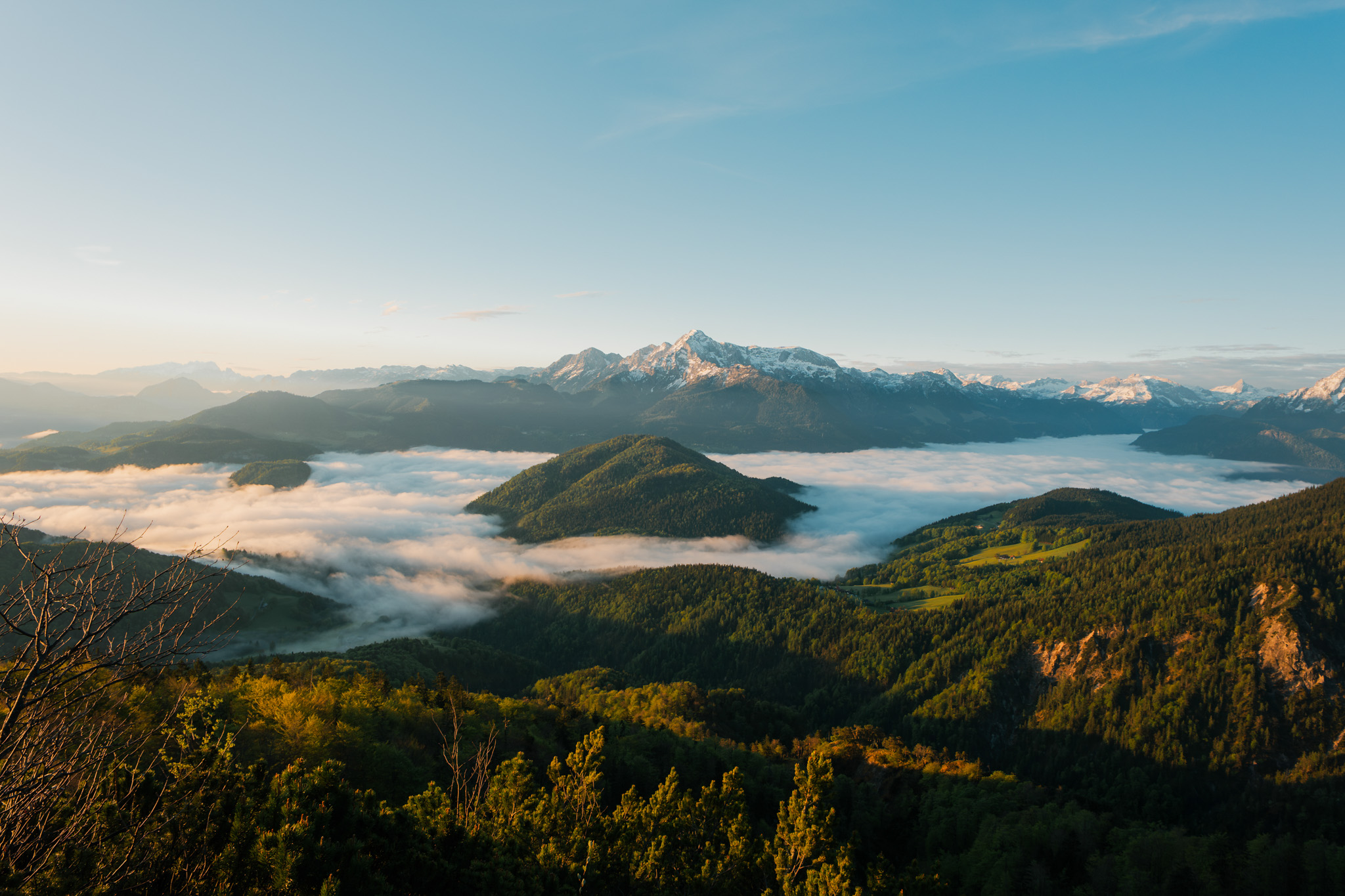
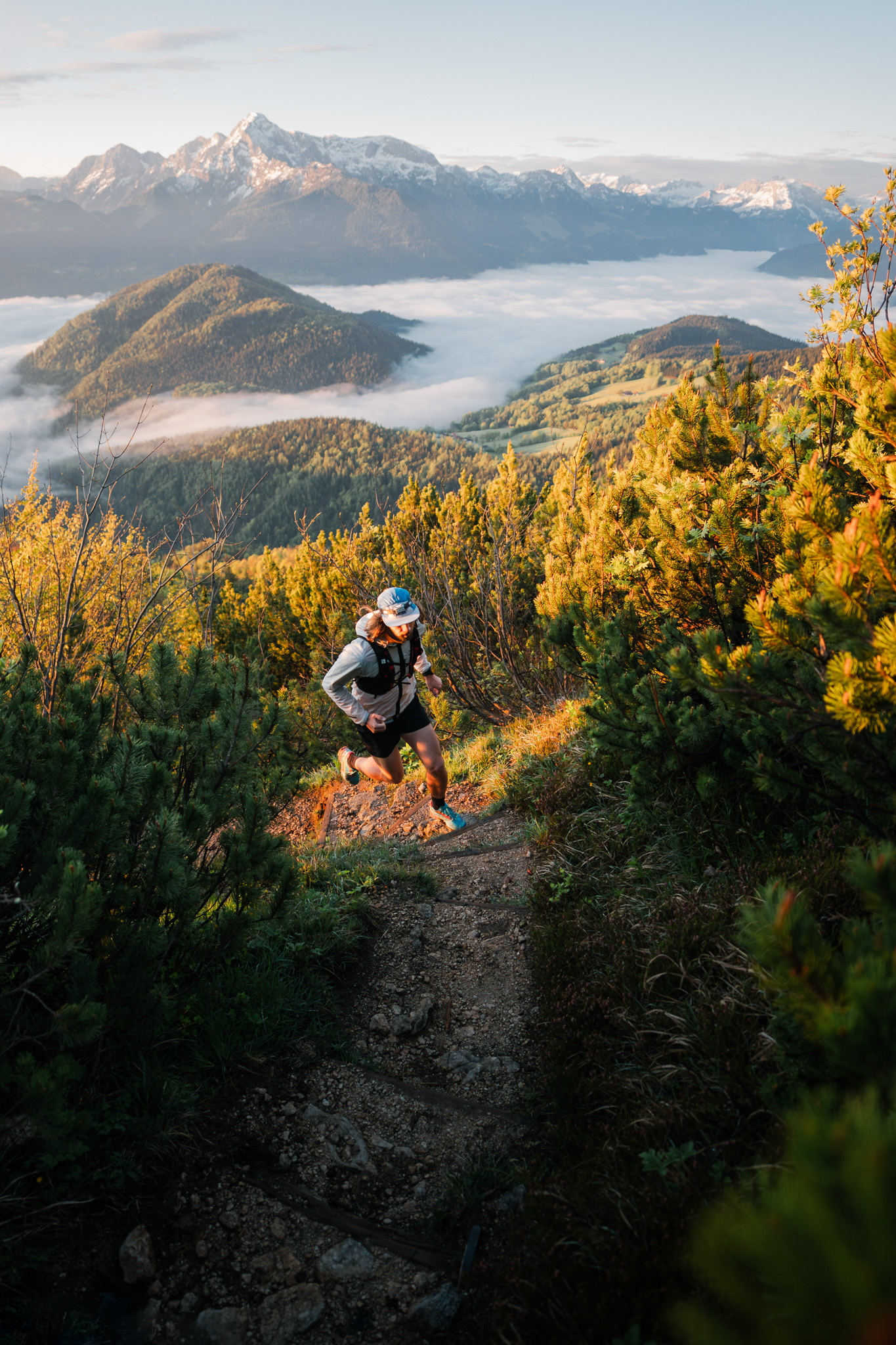
“Before we headed out I was a little worried that the 12mm focal length might be way too wide for what we had planned.
I thought my subject could be too small and get lost in the landscape background. Luckily this was not the case. The lens feels more like 16mm on full-frame. And with that I think it makes it so much more versatile.
Combined with the almost not noticeable distortion, you can really push it and shoot the classic super wide shots, but also details on your subject.”

Sony ZV-E10 II
ISO 160,F4.0, 1/1250s
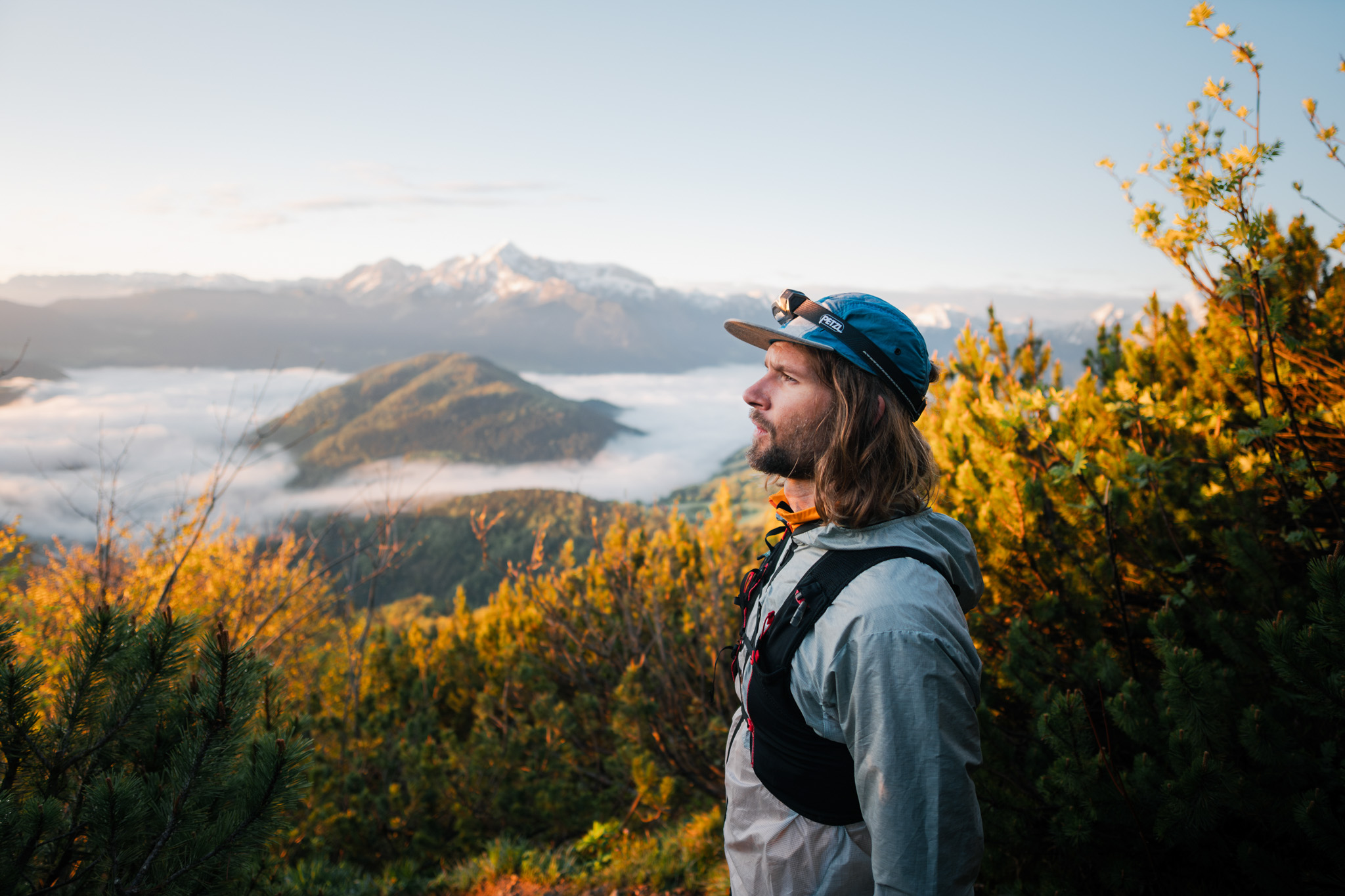
Sony ZV-E10 II
ISO 200, F1.4, 1/1000s
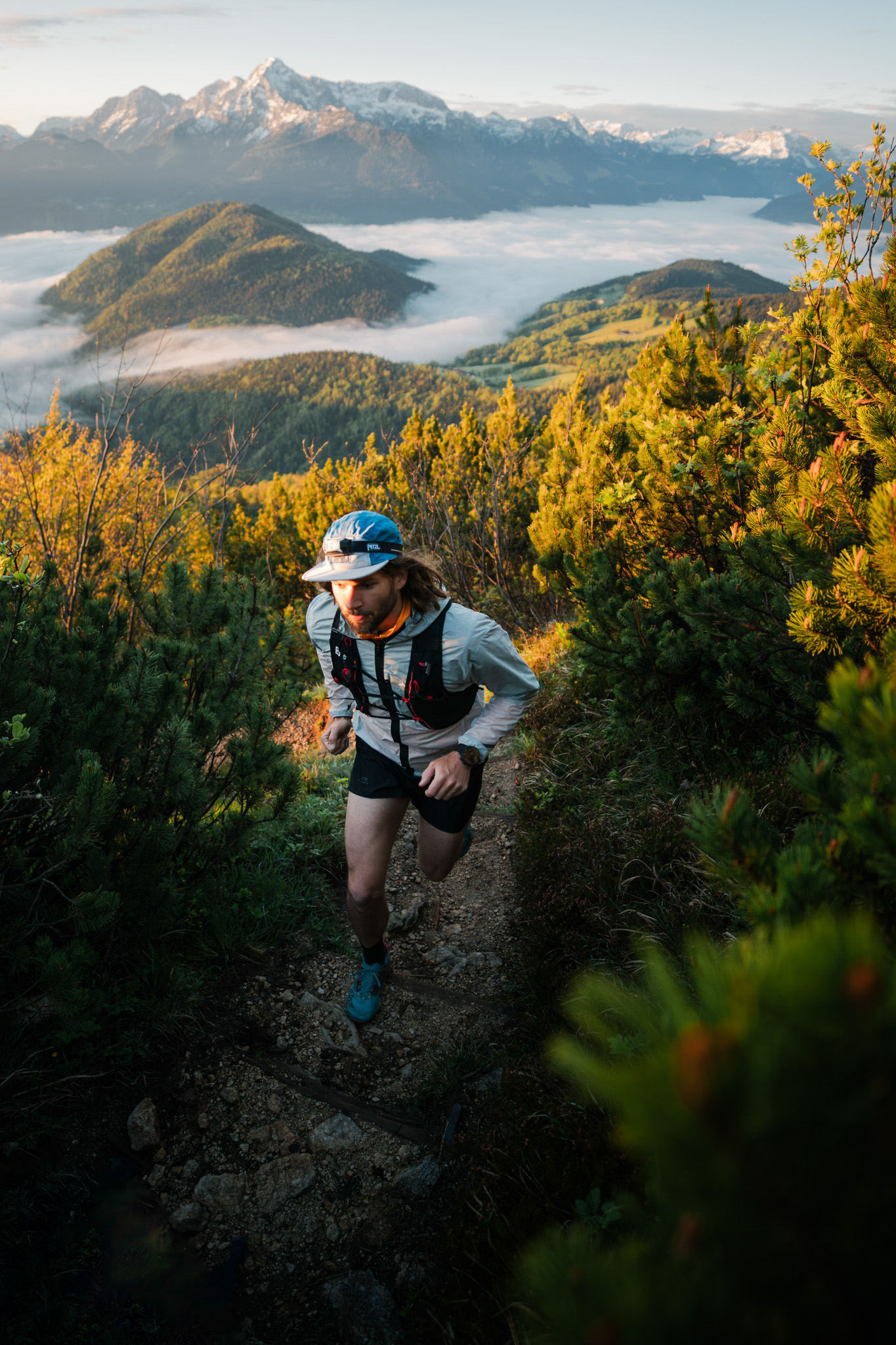
Sony ZV-E10 II
ISO 200, F1.4, 1/1000s
Would I say it’s a one-and-done lens? No, there are other options for that.
Is it an amazing piece of glass that can do way more than you expect? 100% yes.
I think it can be a great addition to your APS-C kit if you are looking for a lens with a better low light performance while still checking all of the other boxes of a prime lens.
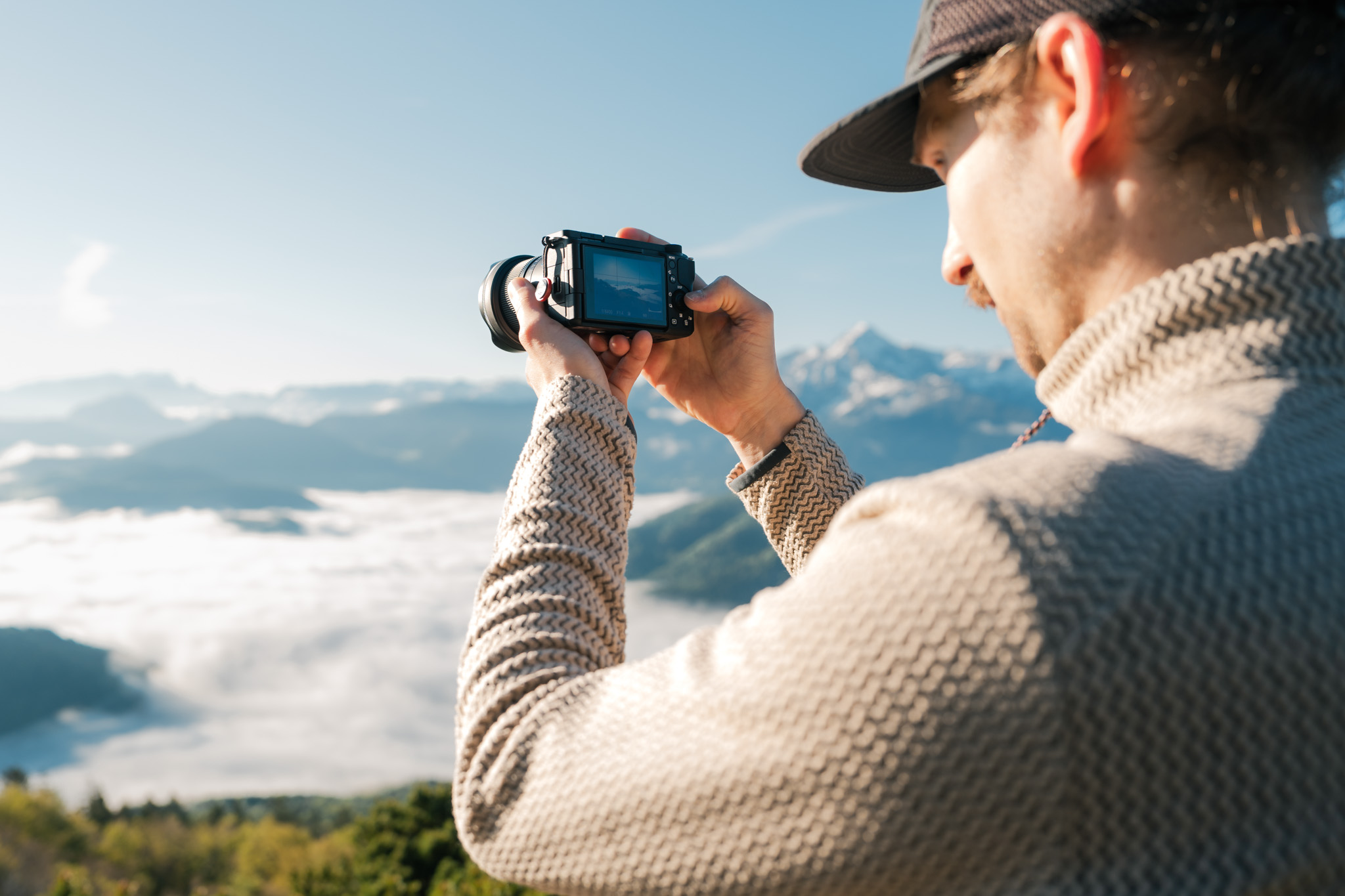
Sony ZV-E10 II
ISO 200, F1.4, 1/1000s