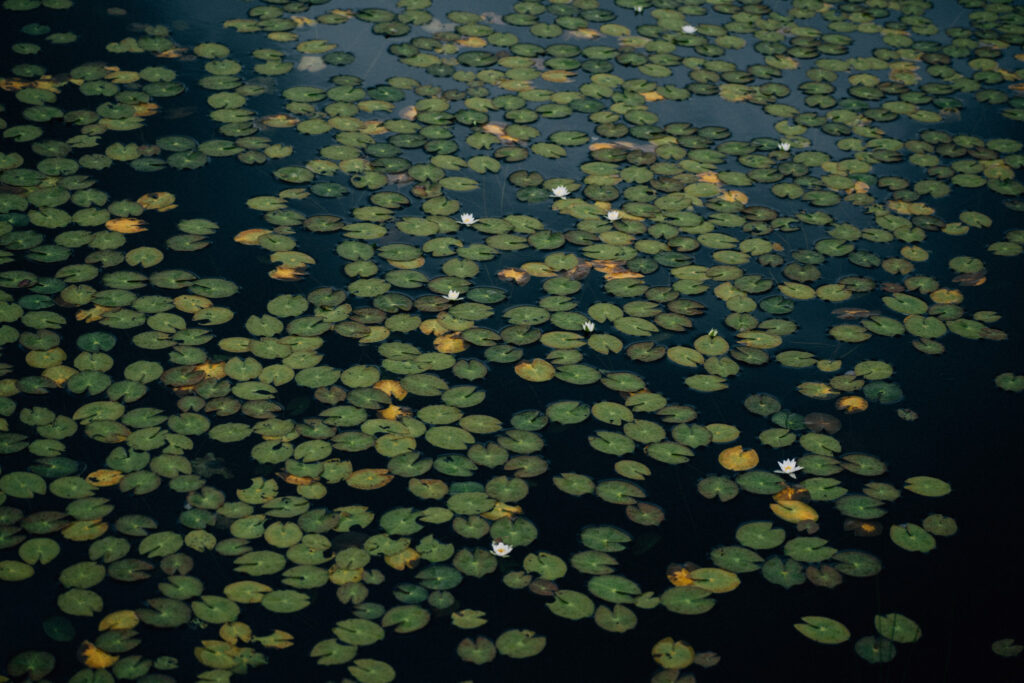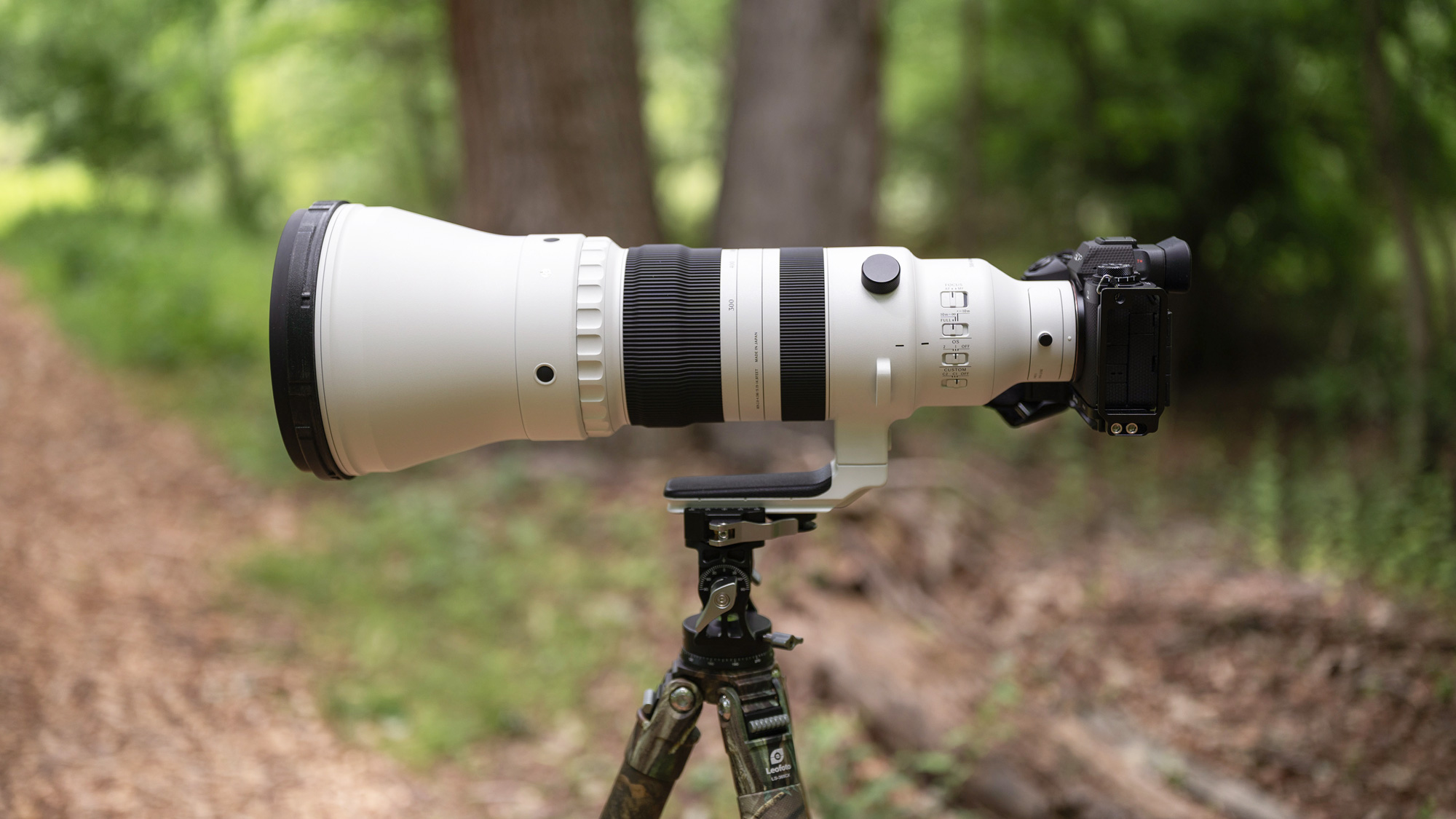
In December 2024, when the Sigma CEO Kazuto Yamaki teased that Sigma would be releasing a lens that never existed before, he was not exaggerating!
Since the inception of the very first 600mm F4, various iterations of that renowned prime lens have captured the aspirations of photographers, including yours truly. While we have witnessed advancements in both optical performance and weight, an internal zoom version of this lens, with an constant aperture of F4, had not been released — until Sigma announced this beauty in 2025, which I purchased as soon as it became available.
LENS PERFORMANCE
Versatility
The Sigma 300-600mm F4 DG OS | Sports is a more versatile option when compared to 600mm primes. The 300-600mm zoom range is ideal for capturing wildlife, landscapes, and many other subjects. For me, there have been numerous occasions where the 300-600mm range proved advantageous, whereas a 600mm prime would be too restrictive. Opting for an F4 zoom with superior optics is undoubtedly a wise decision.
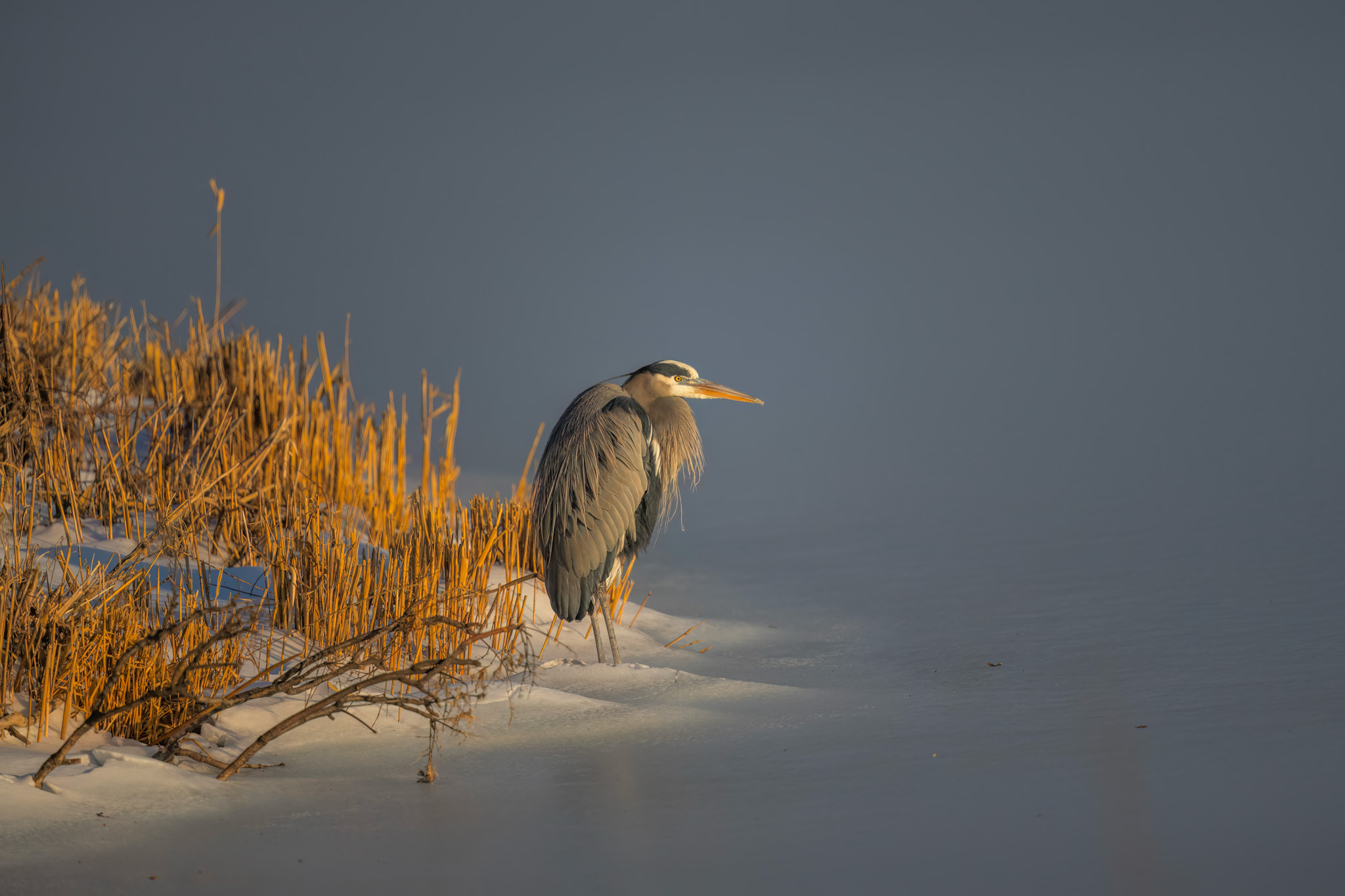
Sony A1
600mm, F4, 1/2500s, ISO 500

Sony A1 II
600mm, F4, 1/1250s, ISO 2500
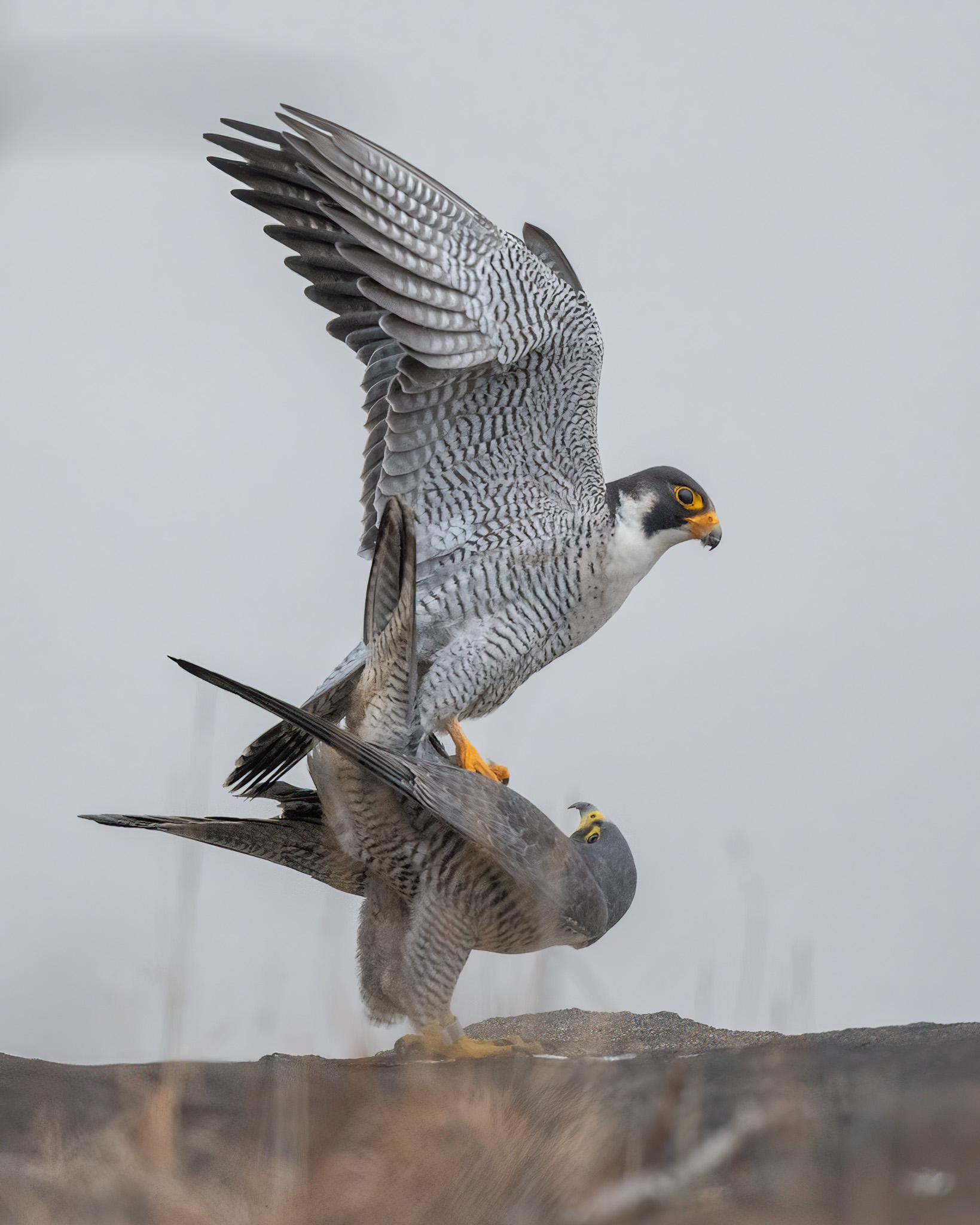
Sony A1 II
436mm, F4.5, 1/2500s, ISO 5000
Bokeh
The constant F4 aperture is a standout feature of this exceptional piece of glass, and one of the primary reasons I bought the lens. In addition to its light-gathering capability, leading to faster shutter speeds and less noise, the bokeh is aesthetically pleasing and unobtrusive. Using a lens like this for wildlife photography has enhanced the experience of capturing a variety of animal species. This is a real winner!
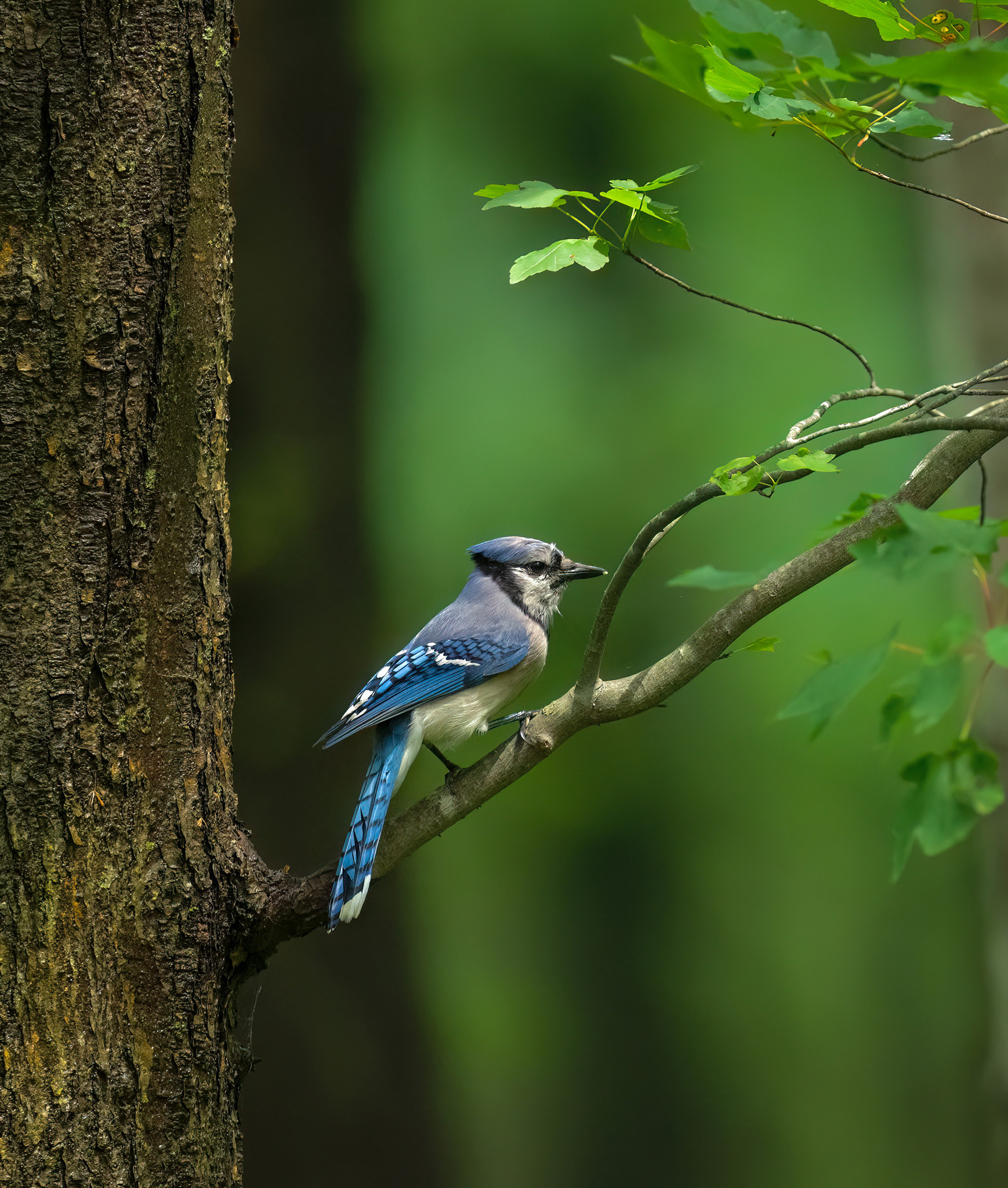
Sony A1 II
600mm, F4, 1/1250s, ISO 1600

Sony A1 II
600mm, F4, 1/1000s, ISO 1000
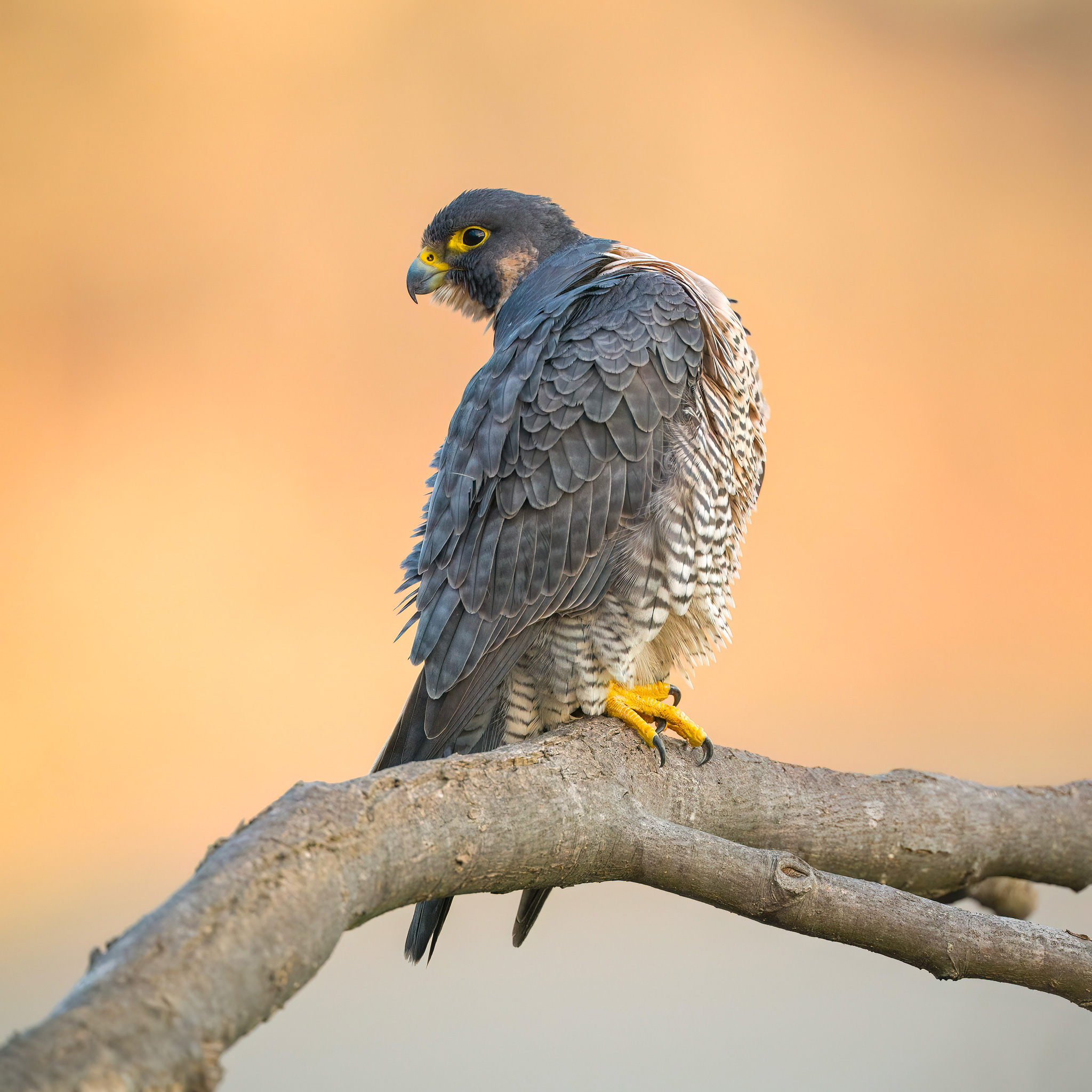
Sony A1
567mm, F4, 1/2000s, ISO 1250
Sharpness
The 300-600mm F4 DG OS | Sports has impressive and consistent sharpness across the entire zoom range. Everything looks sharp in the entire frame of the images. Even when I crop my images from the 50MP sensor on the Sony A1 and A1 II, the images look fantastic. This lens produces superior image quality — even in low light conditions.
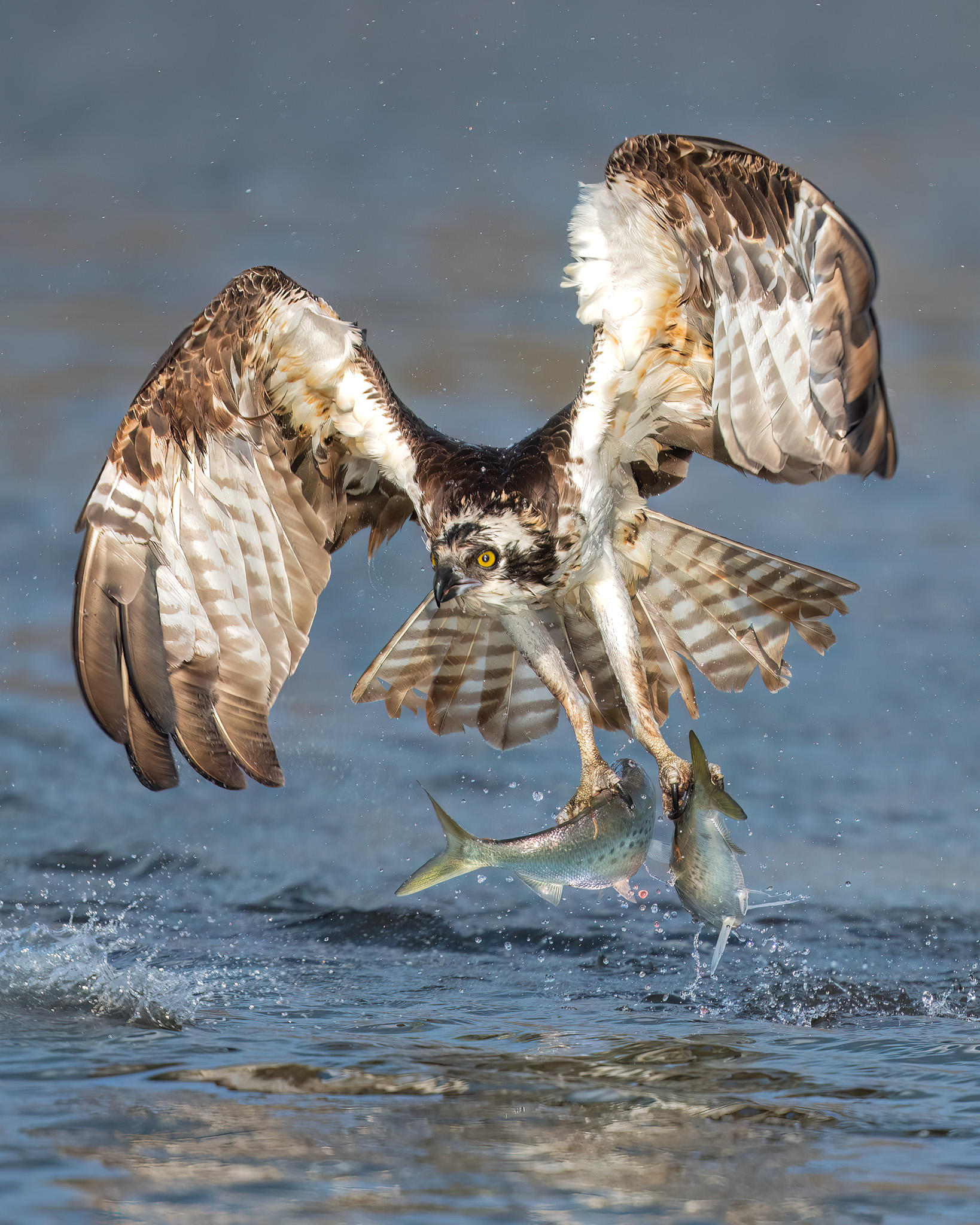
Sony A1 II
600mm, F4, 1/3200s, ISO 500
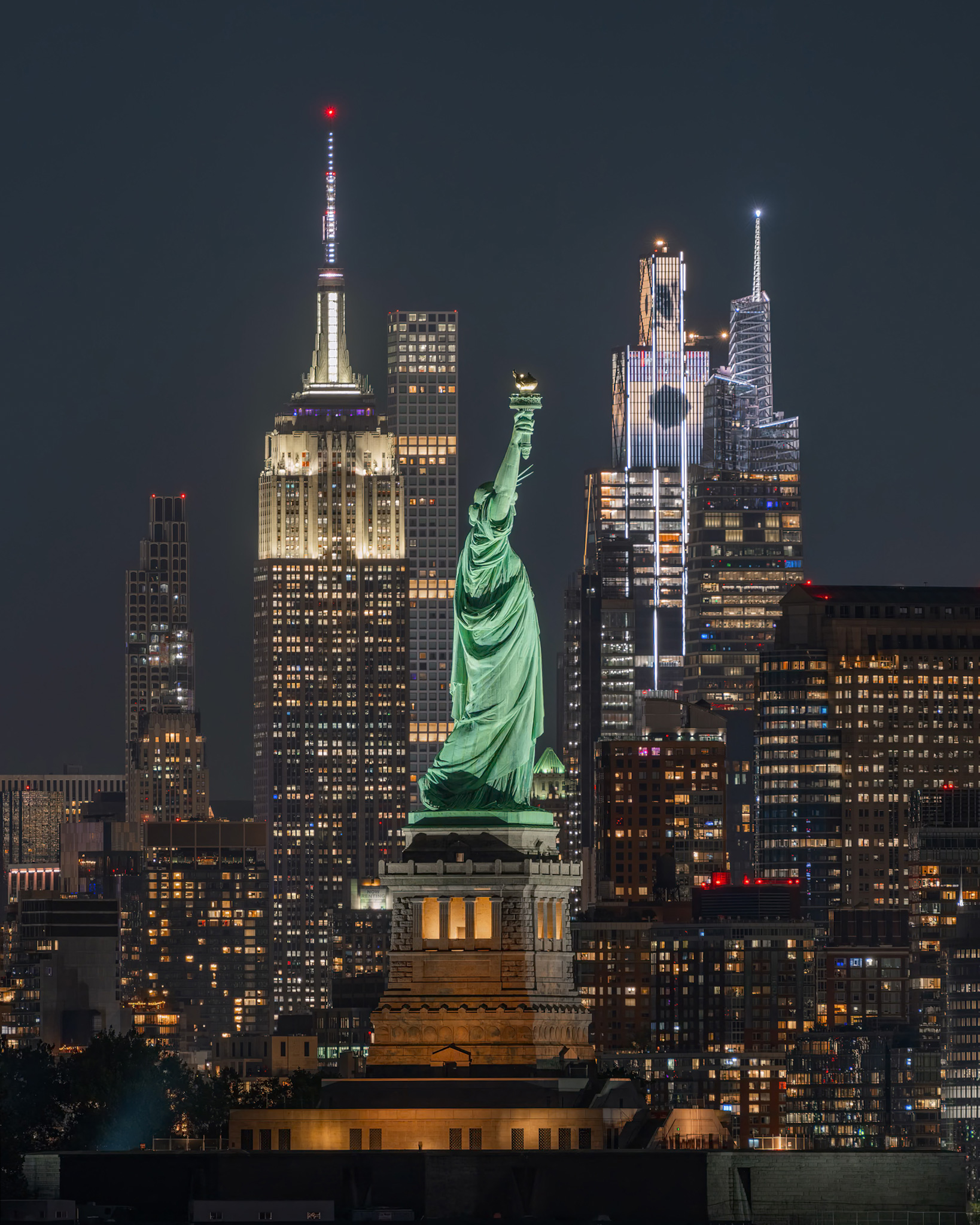
Sony A1 II
600mm, F6.3, 2s, ISO 100
Autofocus / Tracking
I was delighted to see how fast the autofocus locks onto subjects with the 300-600mm F4. The focus motors of this lens lock right onto the subject with ease. I was able to track birds in flight, as well as birds diving into the water, with excellent precision.

Sony A1 II
574mm, F4, 1/3200s, ISO 1600
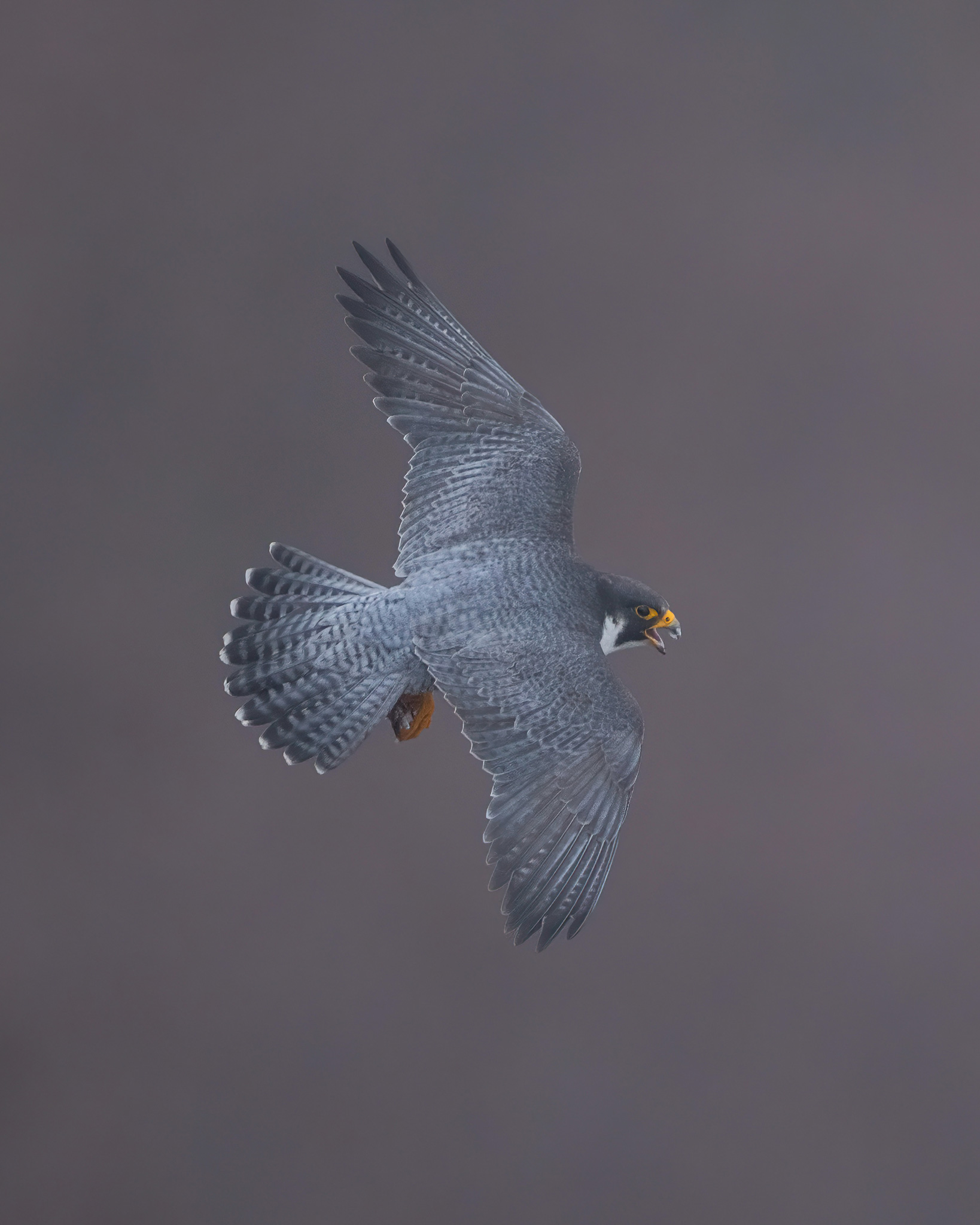
Sony A1
597mm, F4, 1/1600s, ISO 1600
Handheld Shooting / Image Stabilization
There is a common misconception that a lens like this cannot be used to capture images handheld. I must clarify that this is not accurate. In my experience, I find it much easier to photograph wildlife shooting handheld. I’ve missed many shots from a monopod, tripod, or gimbal, because I’ve felt restricted to certain compositions. Also, my response time was slower than it would be if I had full control of the action.
If the lens becomes too tiring to carry, I’ll place it on my gimbal or monopod. My other solution is to wear a camera harness vest which helps me hold this lens and body without any issues. Is the lens heavy? Yes, but it’s certainly manageable, and for me, the pros outweigh the cons.
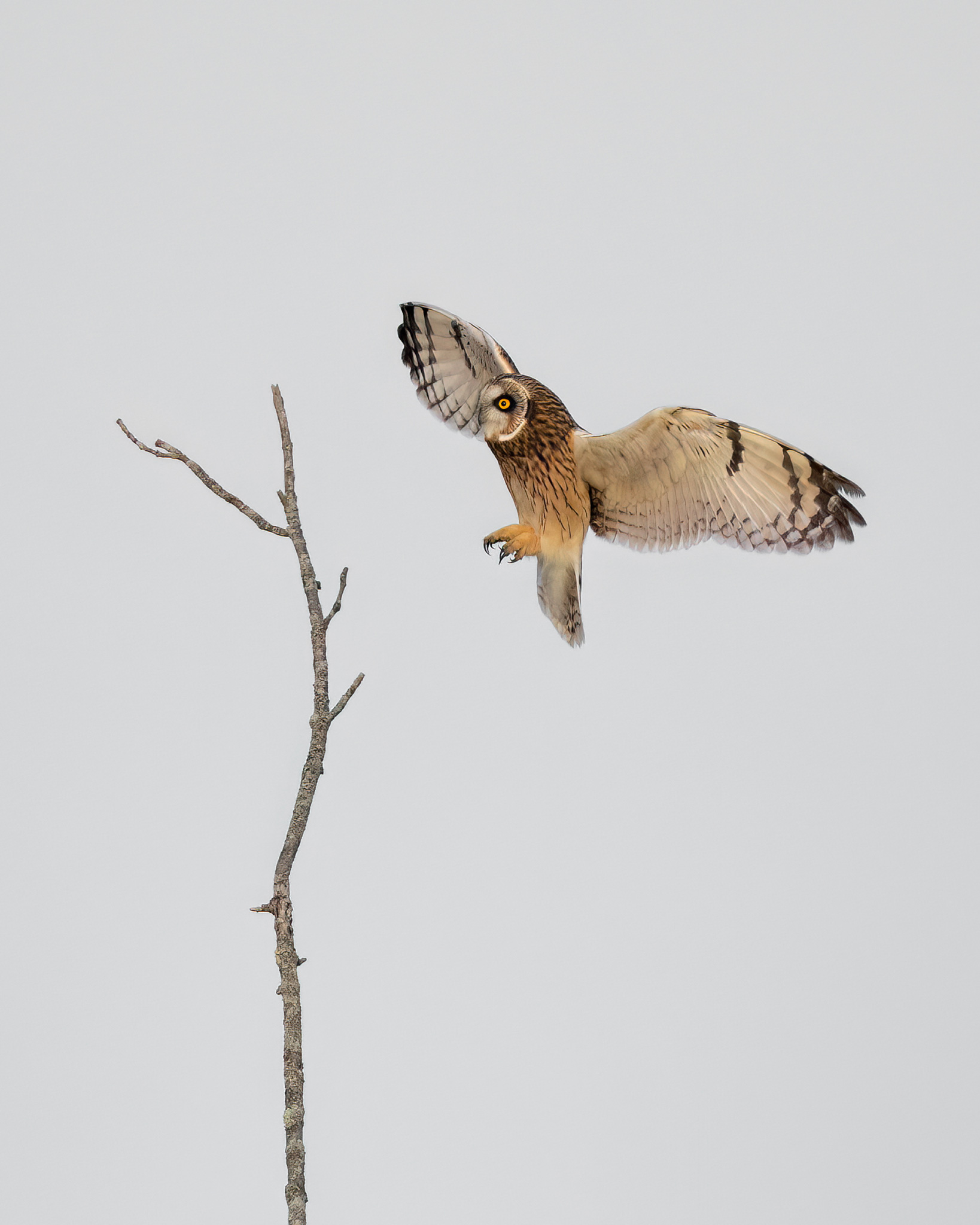
Sony A1
570mm, F4, 1/2500s, ISO 1250
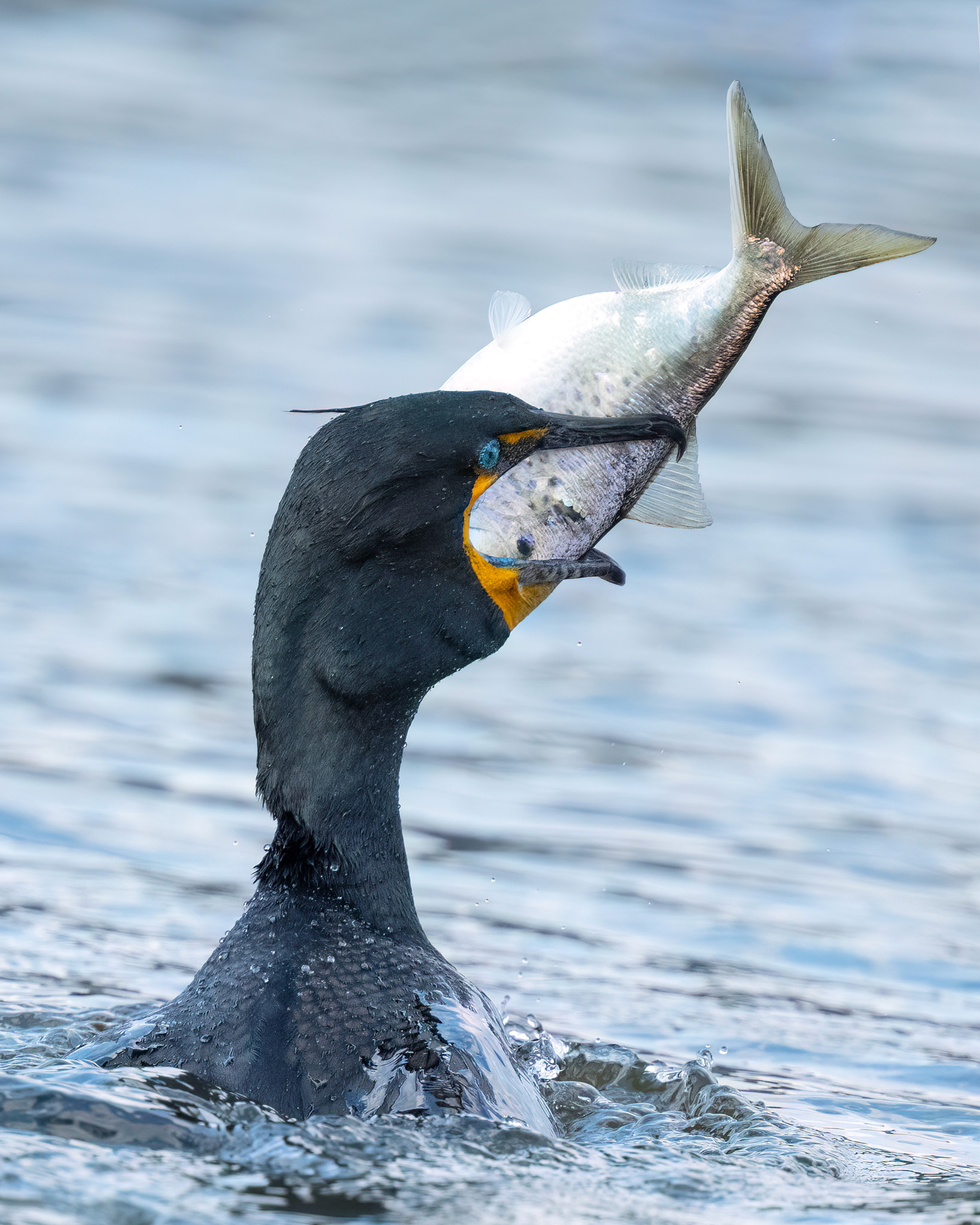
Sony A1 II
597mm, F4, 1/3200s, ISO 1000
Moon Photography
I love using this lens for night photography, particularly for capturing moon alignments and cityscapes. The constant F4 aperture on a zoom lens allows me to maintain a lower ISO for improved image quality while providing flexibility in focal lengths for various perspectives.
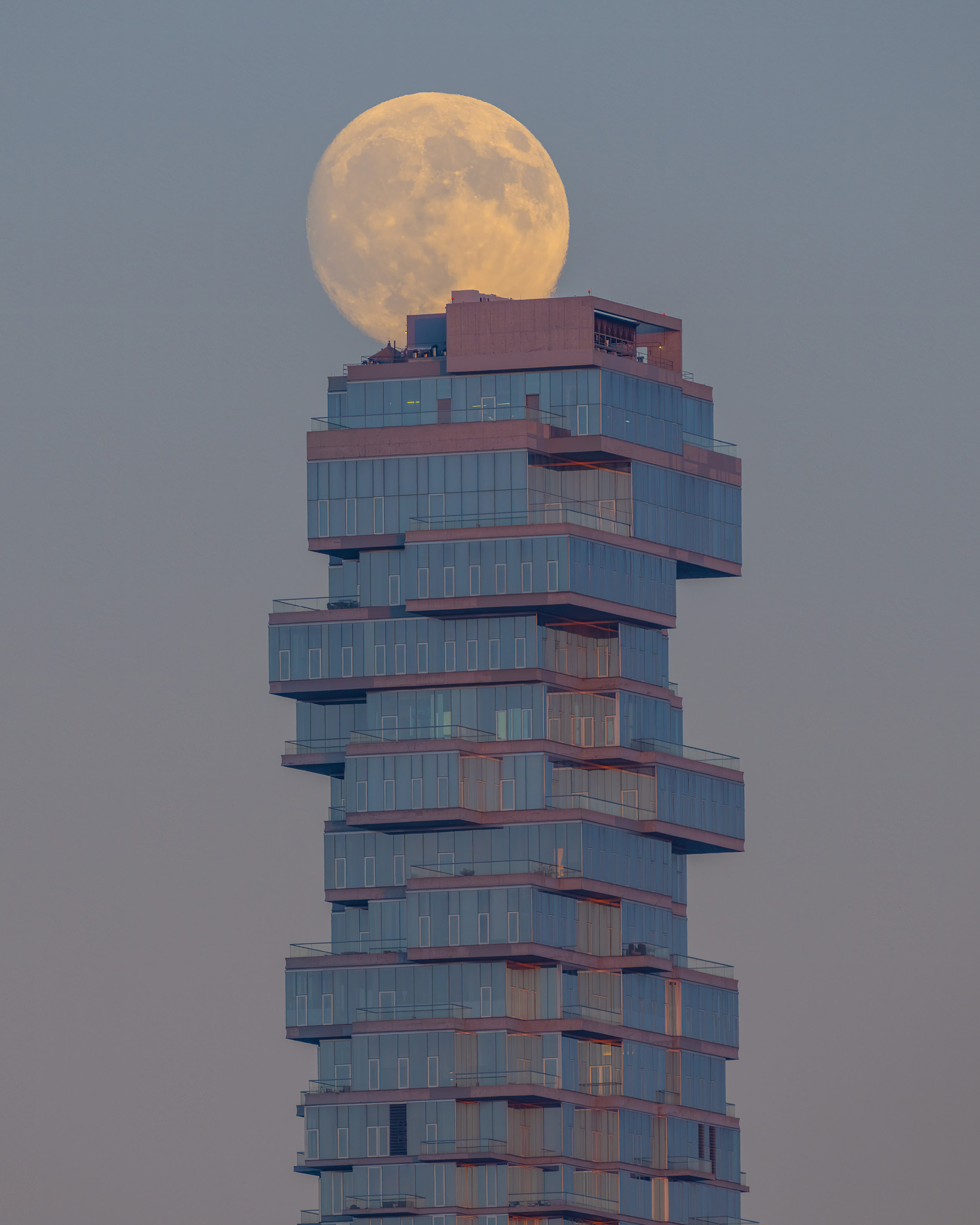
Sony A1
574mm, F6.3, 1/250s, ISO 100
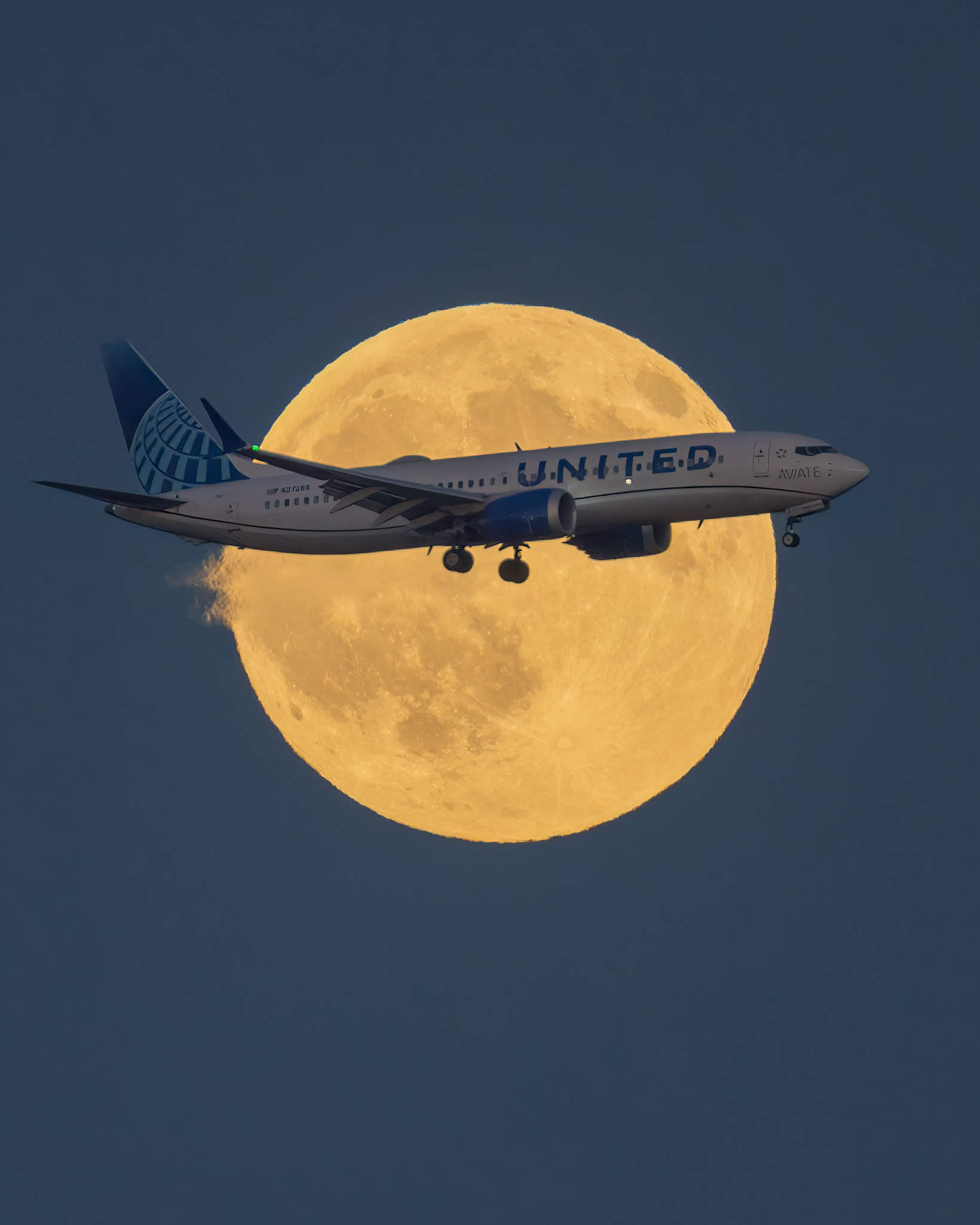
Sony A1
508mm, F4, 1/640s, ISO 640
TECHNICAL FEATURES
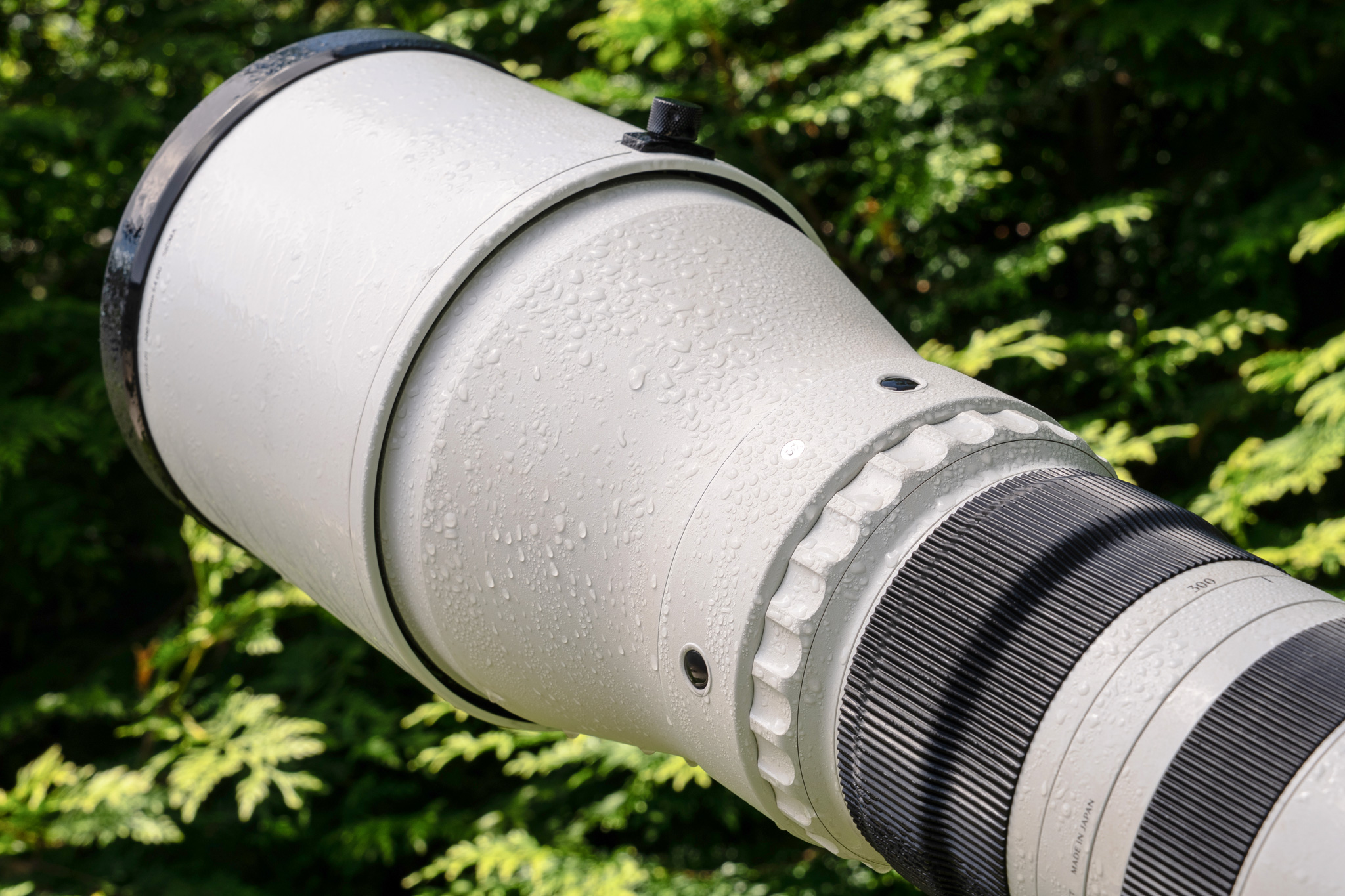
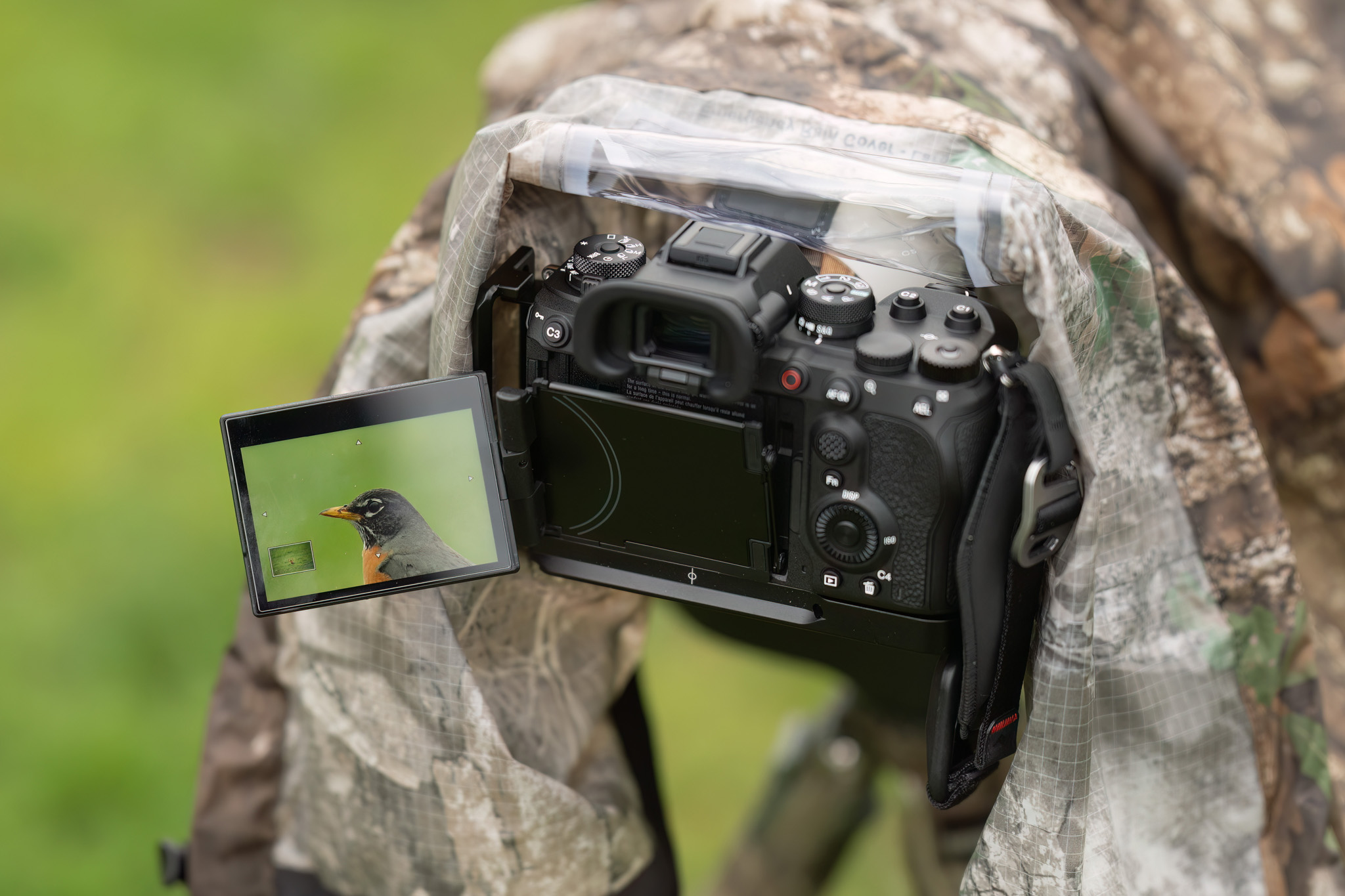
Weather Resistance
The Sigma 300-600mm F4 DG OS | Sports lens is designed with a professional-grade structure that is resistant to dust and splashes. I have used this lens in various weather conditions and I appreciate the carefully designed weather sealing. Even so, in the event of heavy rainfall, it is my recommendation to bring a rain cover and a microfiber cloth, or perhaps a custom rain cover for extra peace of mind.
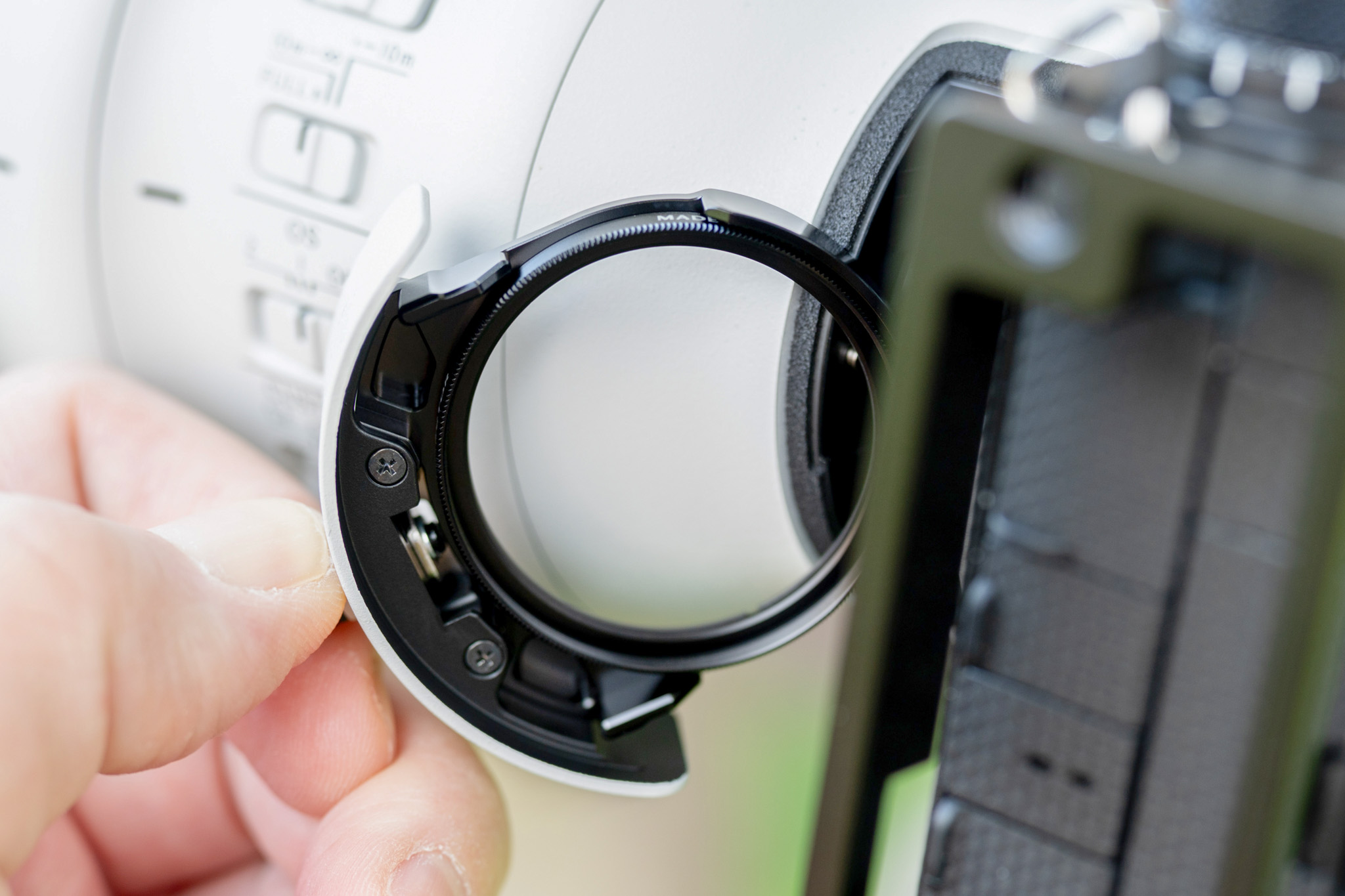
Drop-In Filter
The 40.5mm drop-in filter slot is a great addition to this lens as I have the ability to use inexpensive ND and CPL filters for situations where the sunlight is very bright for certain alignments that I’m planning. When I’m not using a special filter, I keep the included high-quality protector filter installed, which seals the rear optical path and safeguards your lens against dust, moisture, and scratches, all while preserving the exposure and color reproduction of your images.
Lens Foot
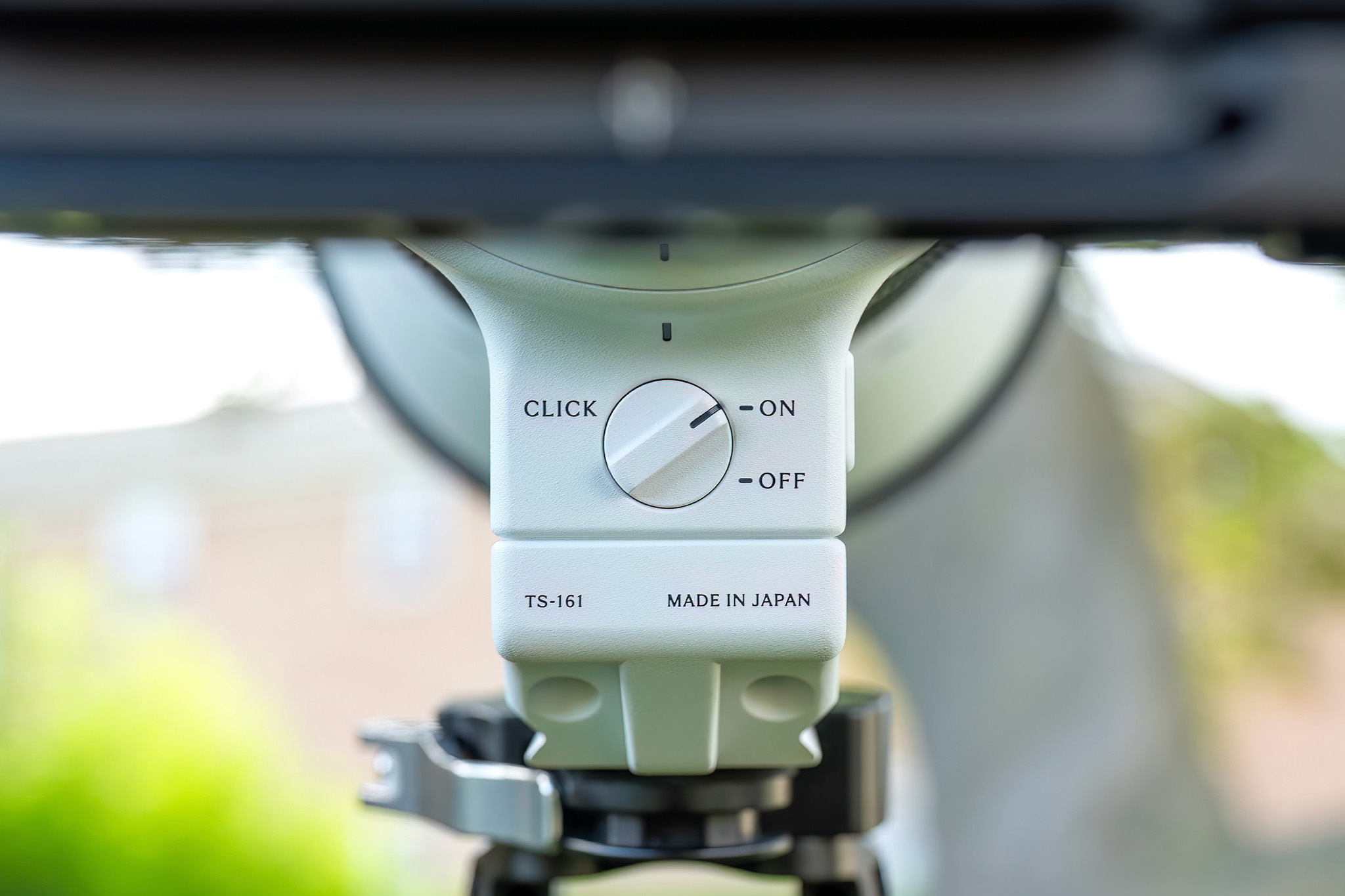
The heavy-duty lens foot is very comfortable to hold and easy to mount on my tripod heads. I leave the “click” option engaged when I’m switching from horizontal to vertical orientations. This ensures that my lens is properly balanced.
Teleconverters
If you shoot with an L-Mount camera (including Panasonic, Leica, Sigma), Sigma makes both 1.4x and 2x teleconverters that extend the reach of this lens dramatically (up to 1200mm). While there are no officially-licensed teleconverters for Sony E-mount, there are some options on the market that I have personally used with good results.

Sony A1 + 2.0x Teleconverter
1200mm, F4, 1/640s, ISO 1000

Sony A7 V + 2.0x Teleconverter
1200mm, F4, 1/2500s, ISO 1250
Flare & Chromatic Aberration Resistance
This lens has exceptional flare and ghosting resistance. Sigma has engineered this lens their proprietary Nano Porous Coating with addition to their Super Multi-Layer Coating. As you can see, I shot directly into the sun with great results. I didn’t experience any weird phenomenon while I was capturing a sunset or a lunar eclipse. Additionally, in my experience, this lens virtually eliminates color fringing, even when shooting wide open at F4. It was refreshing to see these results.
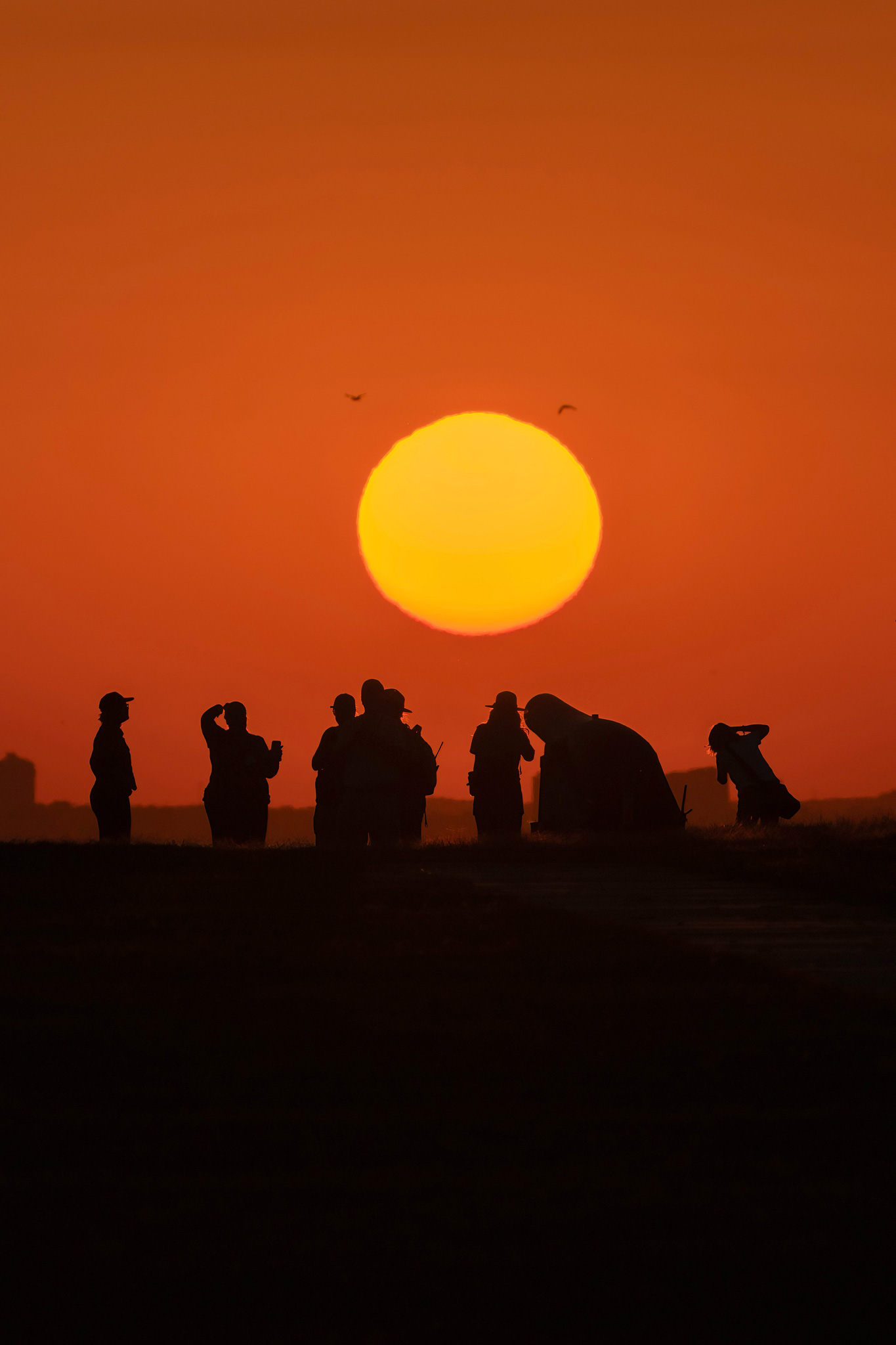
Sony A1
386mm, F10, 1/3200s, ISO 100
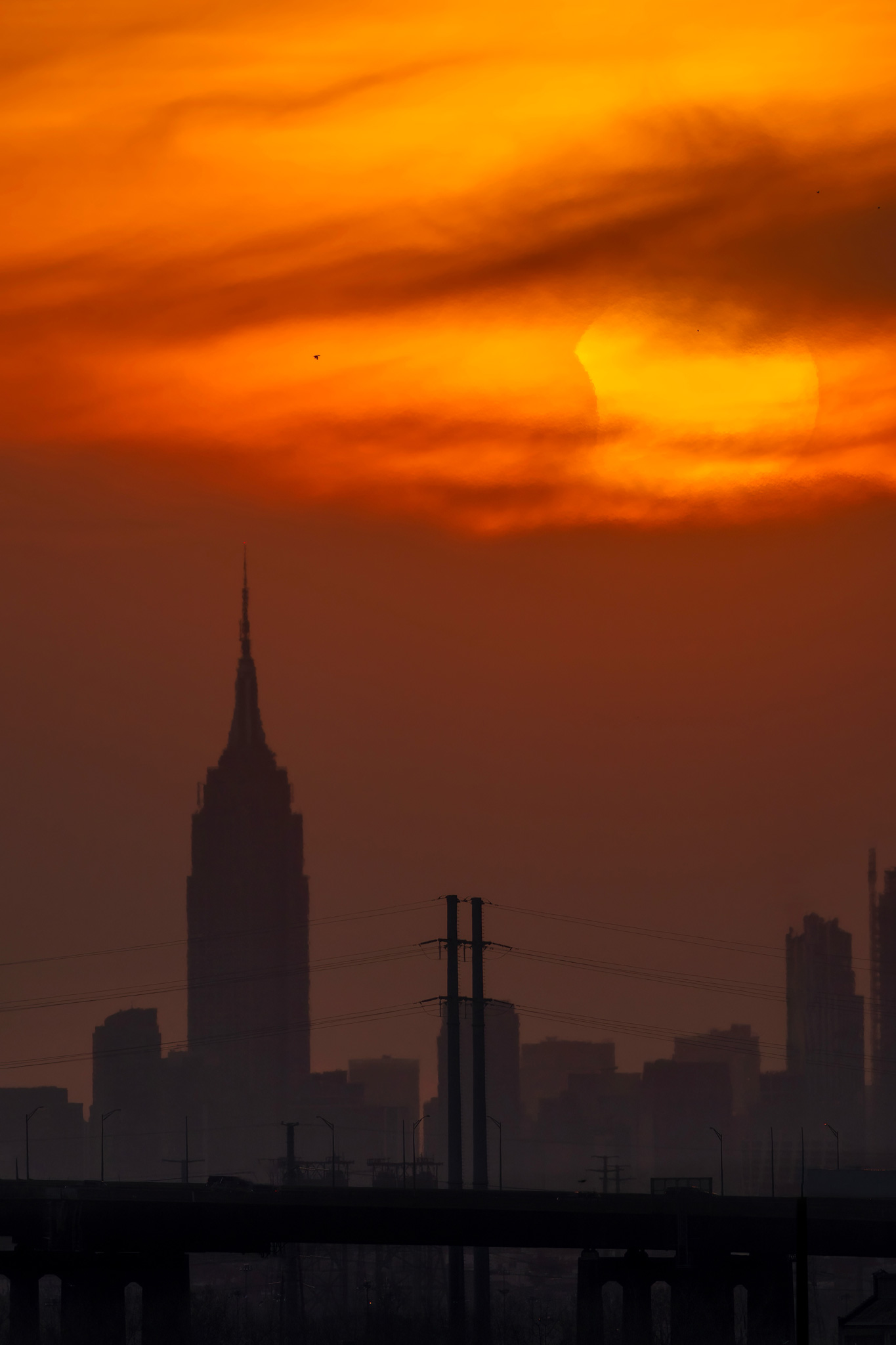
Sony A7R V
544mm, F6.3, 1/1600s, ISO 100
CONCLUSION
I have always considered the possibility of owning a 600mm F4 lens, but I have hesitated over the years due to its cost and fixed focal length. However, when Sigma announced the 300-600mm F4 DG OS | Sports, it offered a well-rounded solution by featuring a versatile internal zoom with a constant F4 aperture, all at a much more approachable price, and with superior optics. That’s the ticket!

Get your flagship Sigma zoom