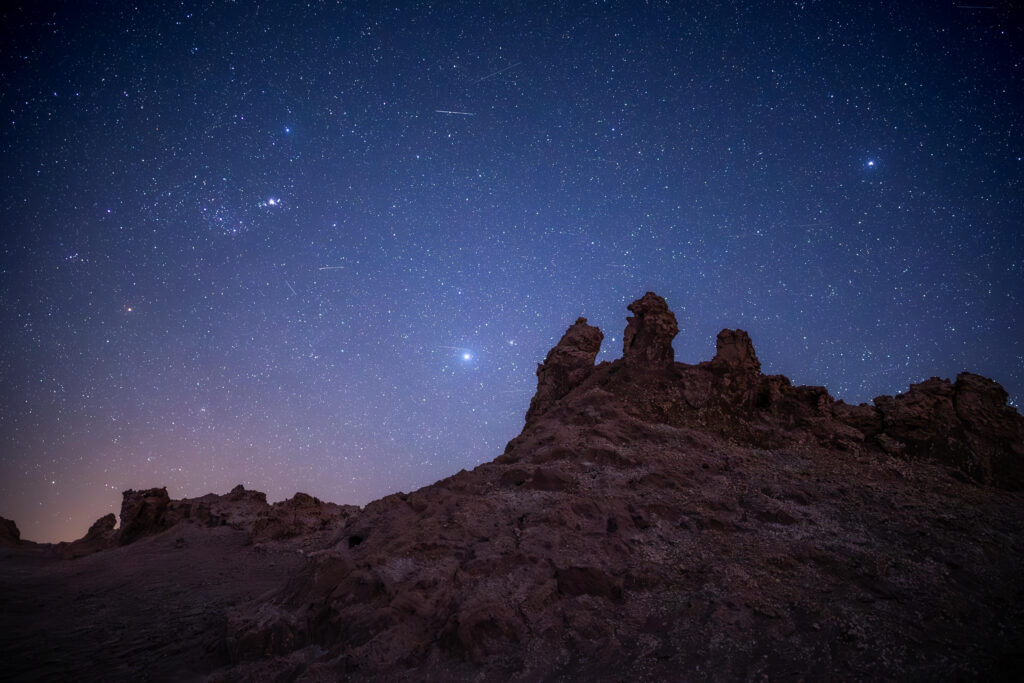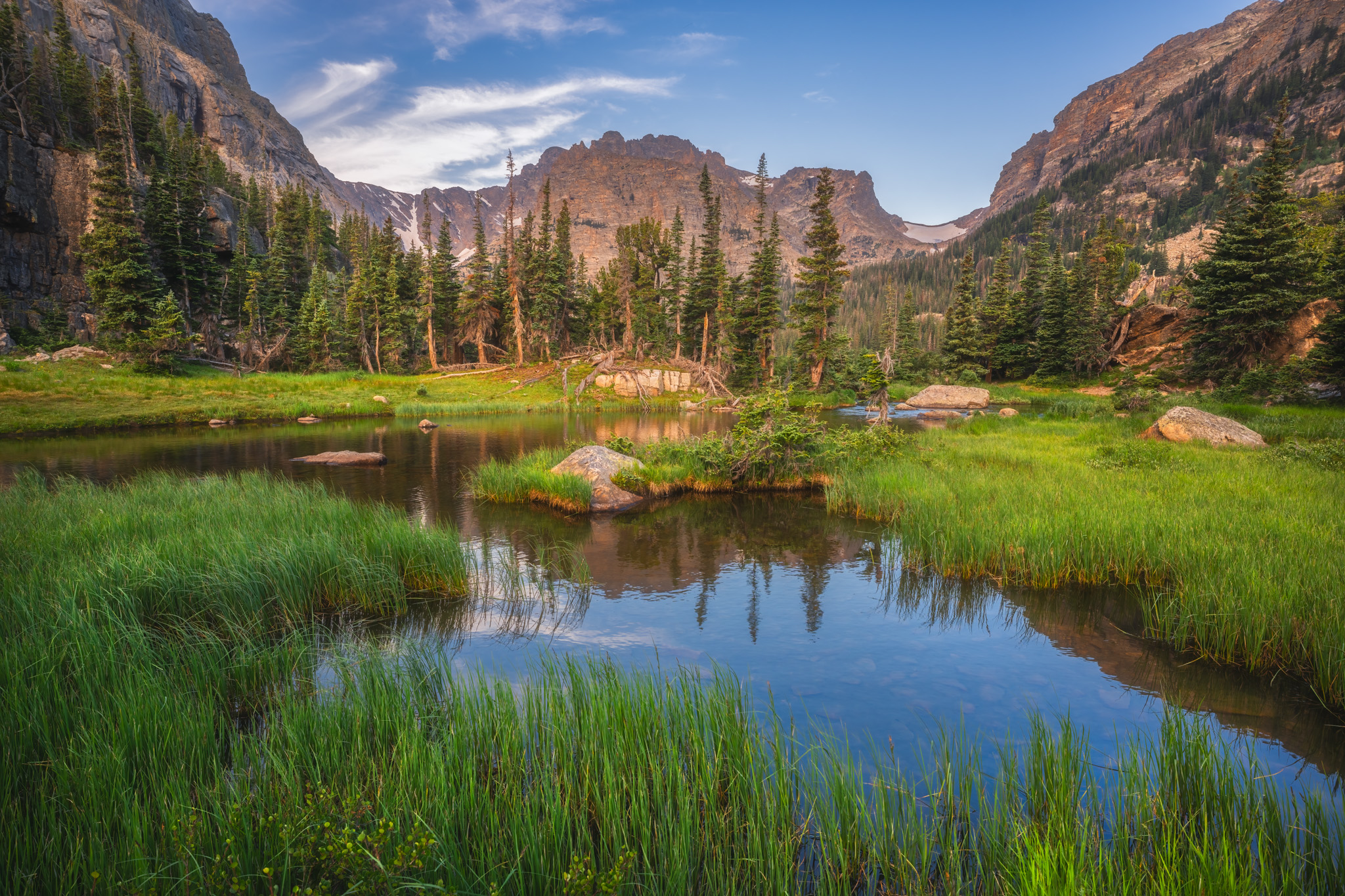
Nikon Z8 (Sony E to Nikon Z adapter)
1/30s, F6.3, ISO 64
Recently, photographer Darren White decided to downsize his usual pack of gear a bit, hoping to cut down on weight in the field, and to have more portable lenses when traveling. In particular, he put the Sigma 16-28mm F2.8 DG DN | Contemporary lens to the test in place of his usual choice, the 14-24mm F2.8 DG DN | Art. While both lenses offer wide focal ranges and a fast F2.8 aperture, there are definitely advantages to the smaller 16-28mm, as Darren explains below.
Early impressions
It started out as a plan to only take one lens and camera to Vermont when we dropped our daughter off at college. I knew we’d be traveling up and down the east coast, and wanted something smaller than the 14-24mm. Mind you, the mirrorless version of the Sigma 14-24mm is much smaller than the DSLR version, yet the 16-28mm is even smaller and lighter than that.
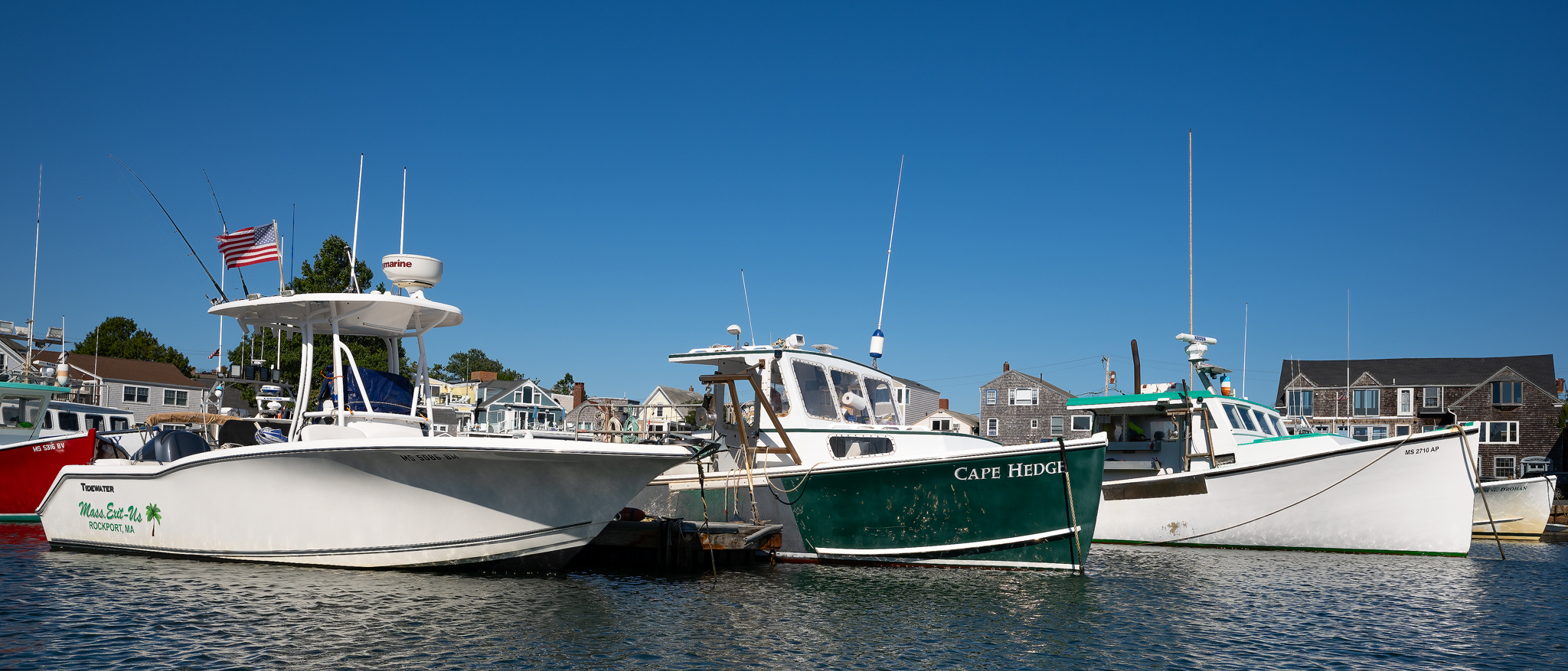
Nikon Z8
1/250s, F10, ISO 64
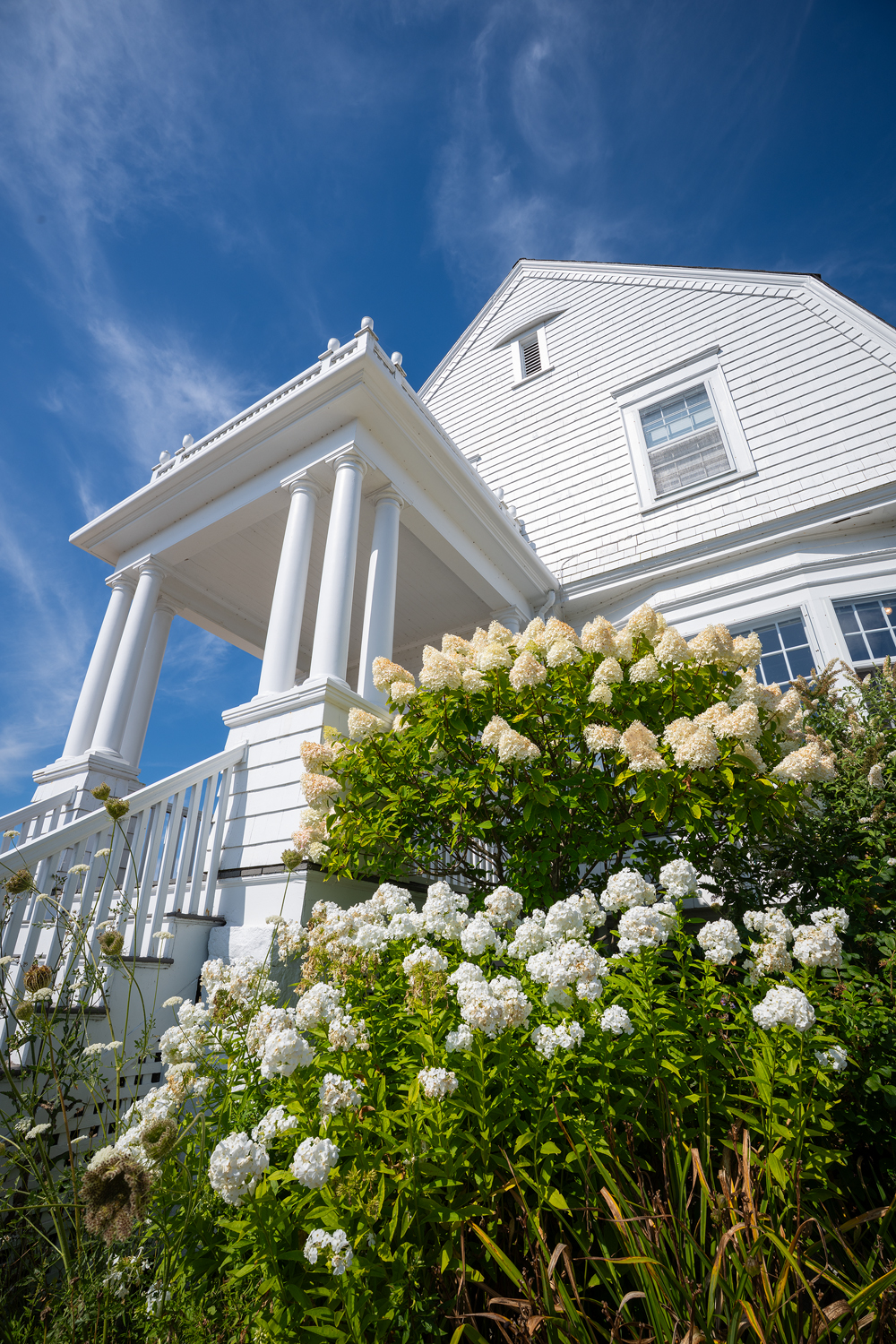
This was my first outing with the lens and as luck would have it, we didn’t get any clouds on this trip. I first found myself back in Rockport, MA to check out the harbor and take a few snapshots with the lens. Anytime I’m using a lens for the first time, what I’m really checking is how well it resolves the light onto the sensor. In other words, how clear is the image and can these images be printed if needed? I also look for color, clarity and lens flare, if any. While editing plays a huge part in the photography process, capture is just as critical, and the Sigma 16-28mm ensures that the initial image capture will have amazing quality, even in the raw files.
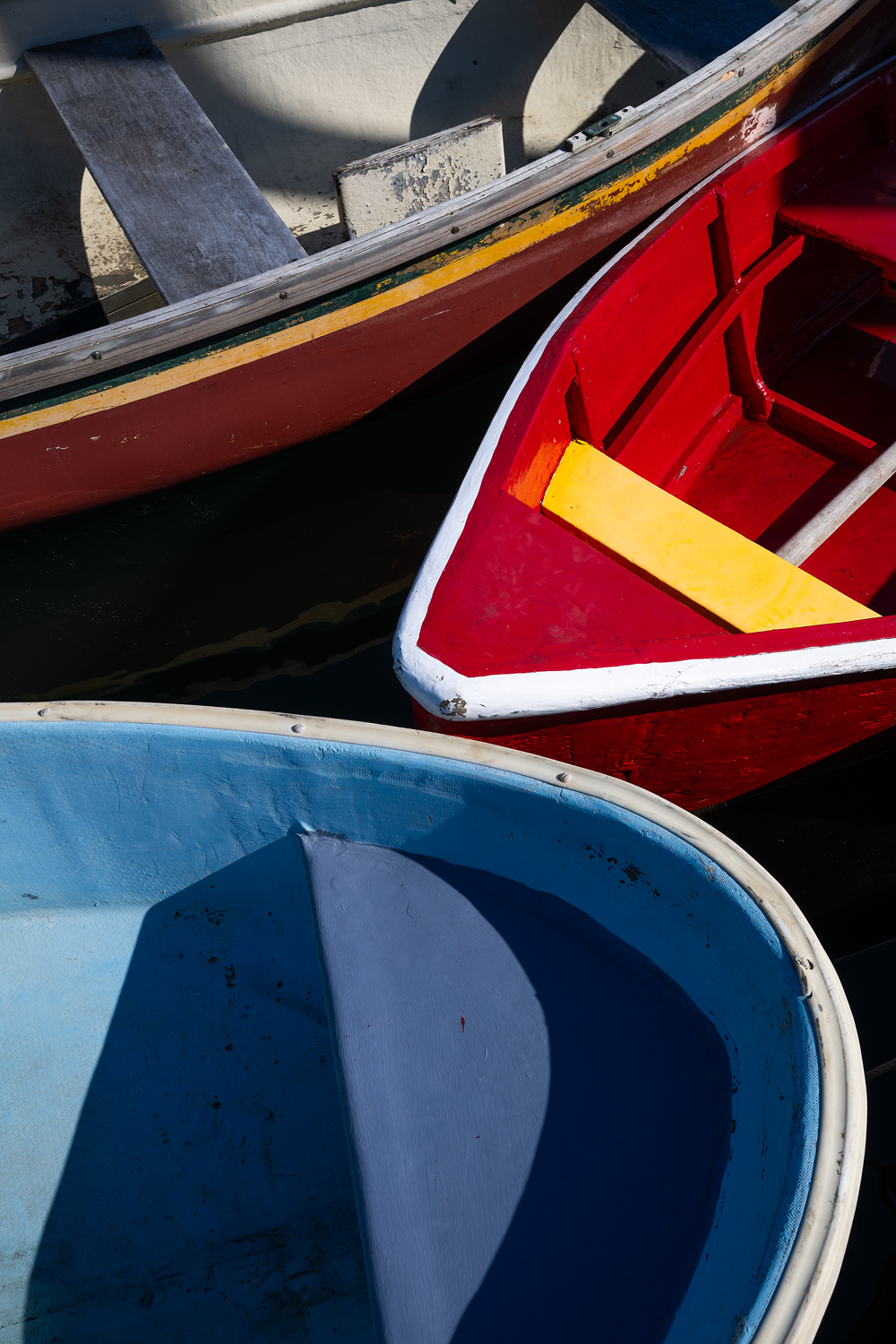
Nikon Z8 (Sony E to Nikon Z adapter)
1/250s, F10, ISO 64
Nikon Z8 (Sony E to Nikon Z adapter)
1/30s, F7.1, ISO 64
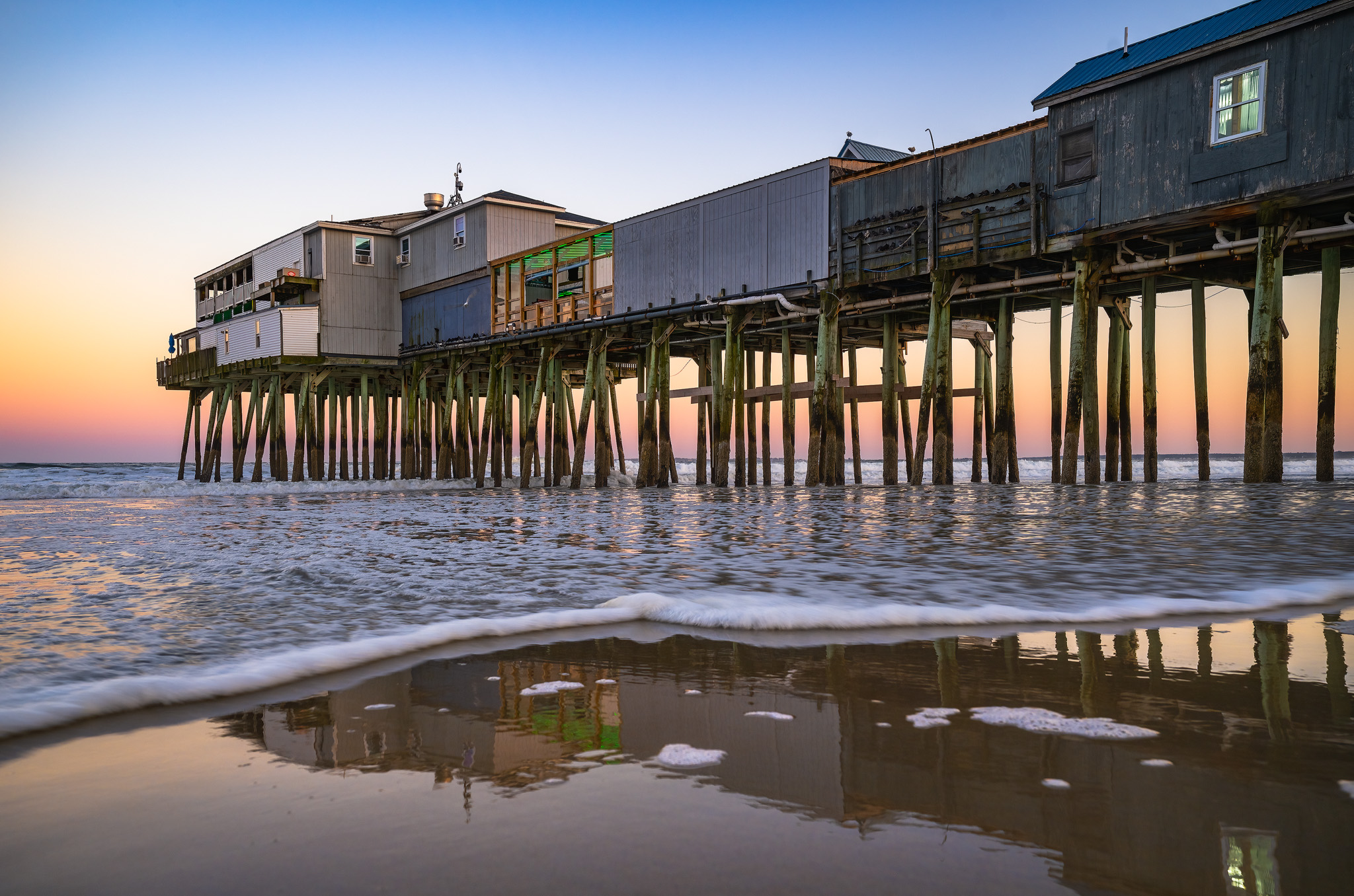
I didn’t do as much shooting along the east coast as I had planned. Lots of snapshots, but not much “real photography” as I would define it. We wrapped up our trip, and back to Colorado we went. When I started looking at the images I did shoot, I realized that the lens performed very well. All the photos I took were clean and crisp. Easily printable. And now that I was back in Colorado, I wanted to put it to the test and photograph some grand landscapes, rushing water, and try focus stacking as well.
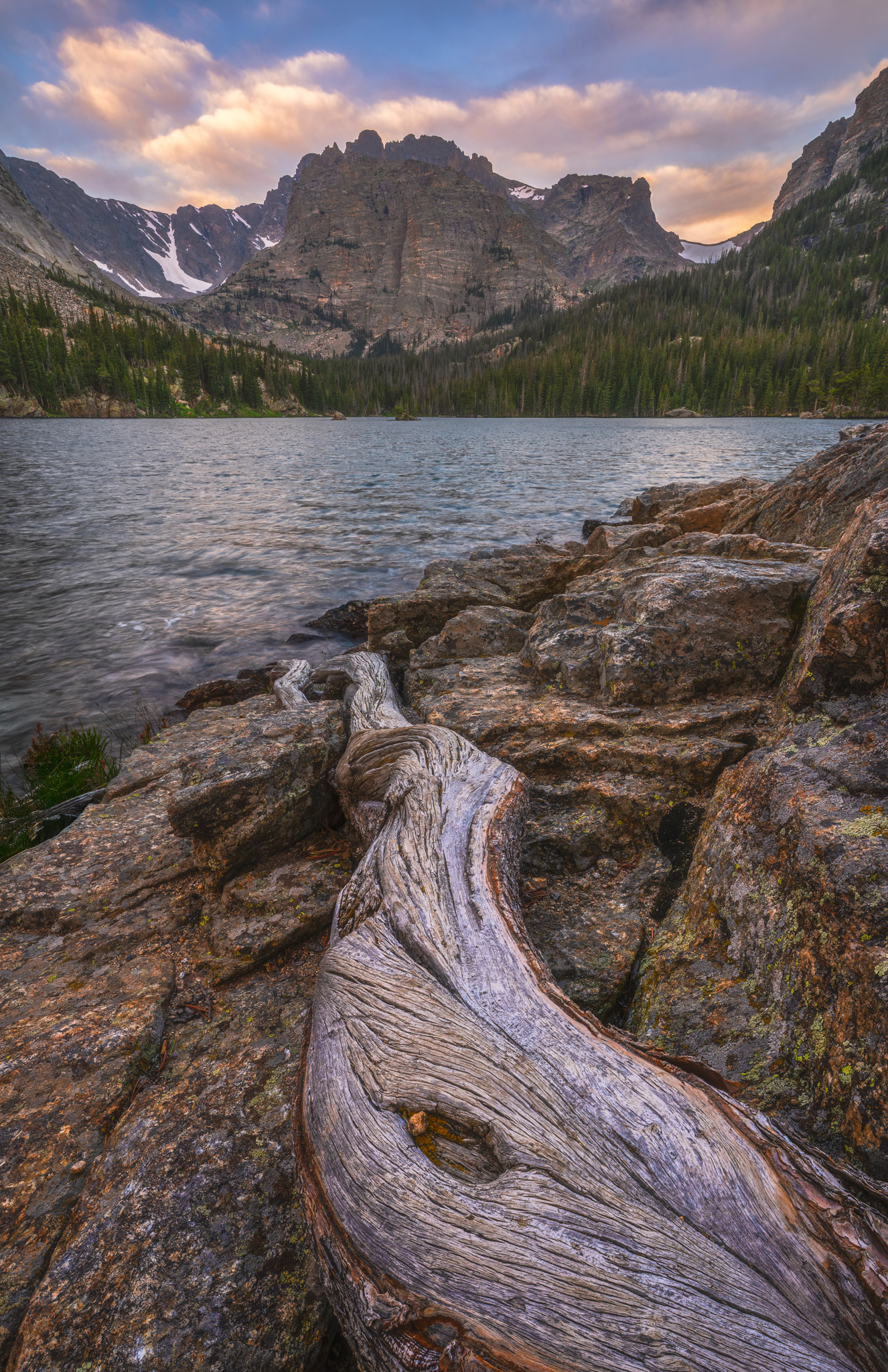
Nikon Z8 (Sony E to Nikon Z adapter)
0.4s, F14, ISO 64, focus stacked
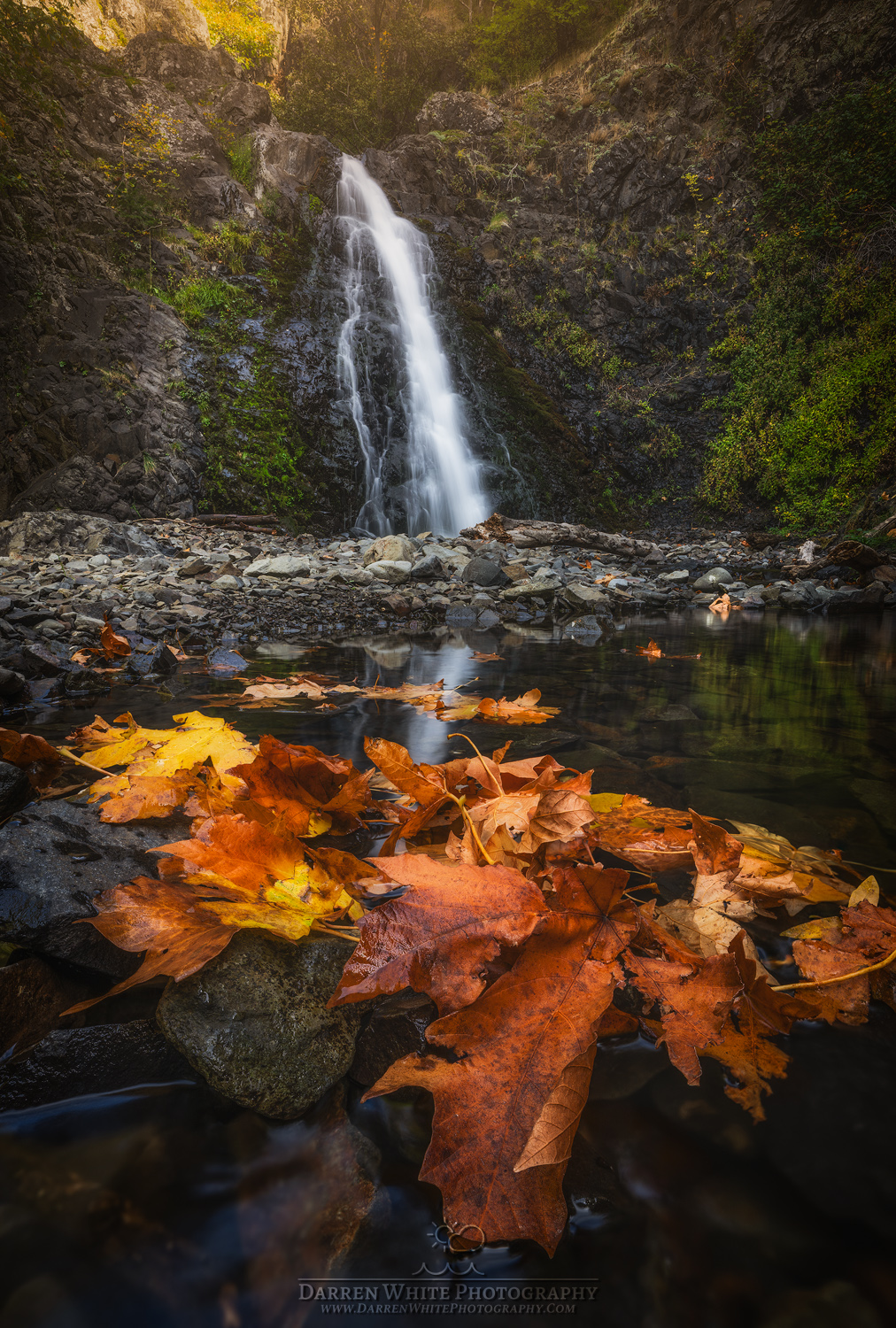
Nikon Z8 (Sony E to Nikon Z adapter)
1 sec., F14, ISO 64, focus stacked
With the lens being nice and wide at 16mm with a minimum focusing distance of just under 10 inches, you can get super close to your foreground to bring a bigger impact to your landscape photos. Because the lens is so small and light, you also don’t have to worry about camera or lens shake during the exposures. By focus stacking the images, you can see the extreme amount of detail capture from front to back and side-to-side. The 16-28mm is nice and sharp to begin with, so the final image is even that much better.
Durability
I’d never tell you that it’s 100% okay to shoot in a massive downpour with any lens. However, I can tell you from my personal experience that this lens held up well and I didn’t have any issues with it while shooting in the rain. I also didn’t leave the water on the gear for a long period of time. I’d wipe if off occasionally, and the lens continued to perform just fine. As it turns out, this lens is not even considered weather-resistant by Sigma (except at the mount where there is a rubber gasket), but the quality of the construction kept water from getting inside nonetheless.
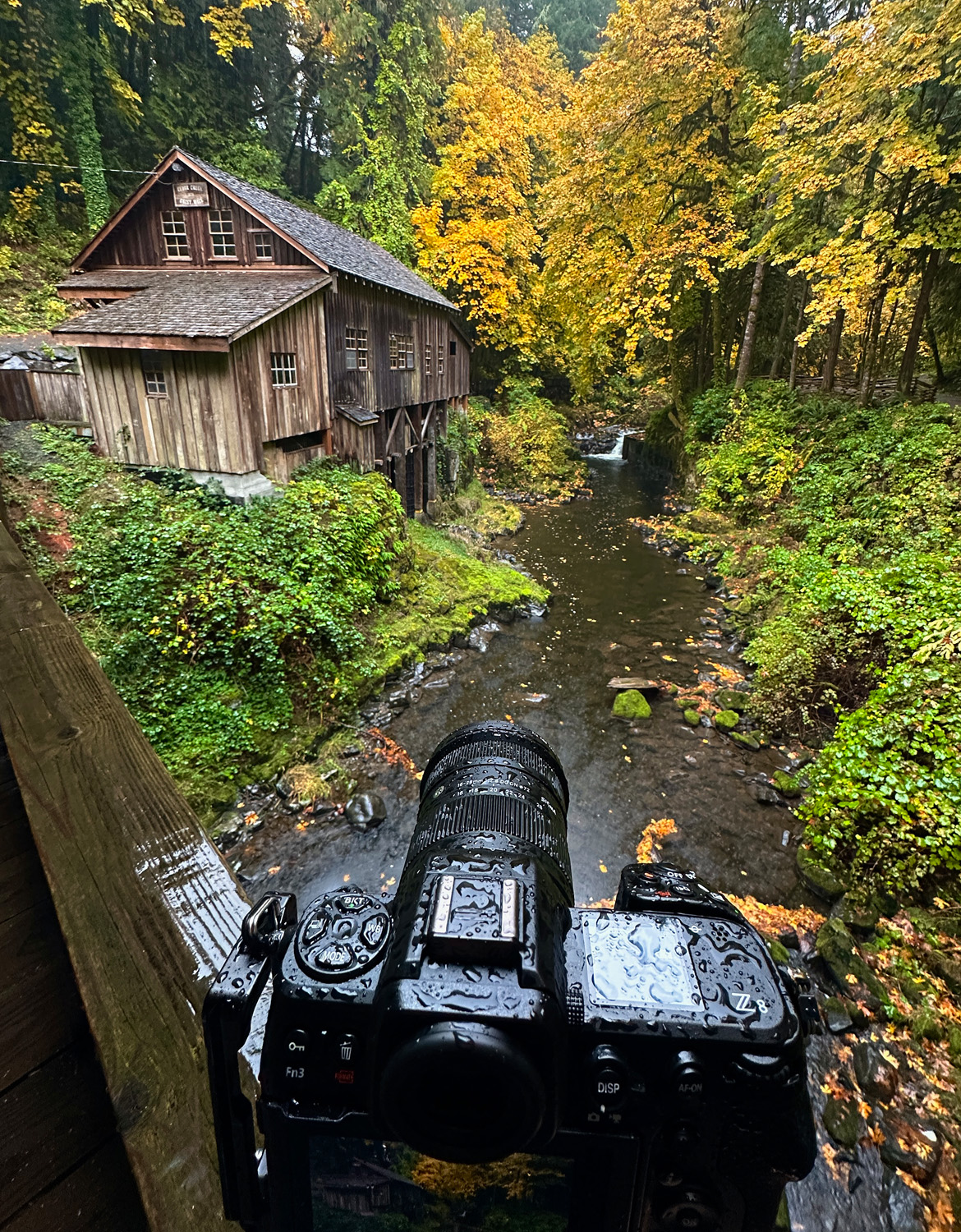
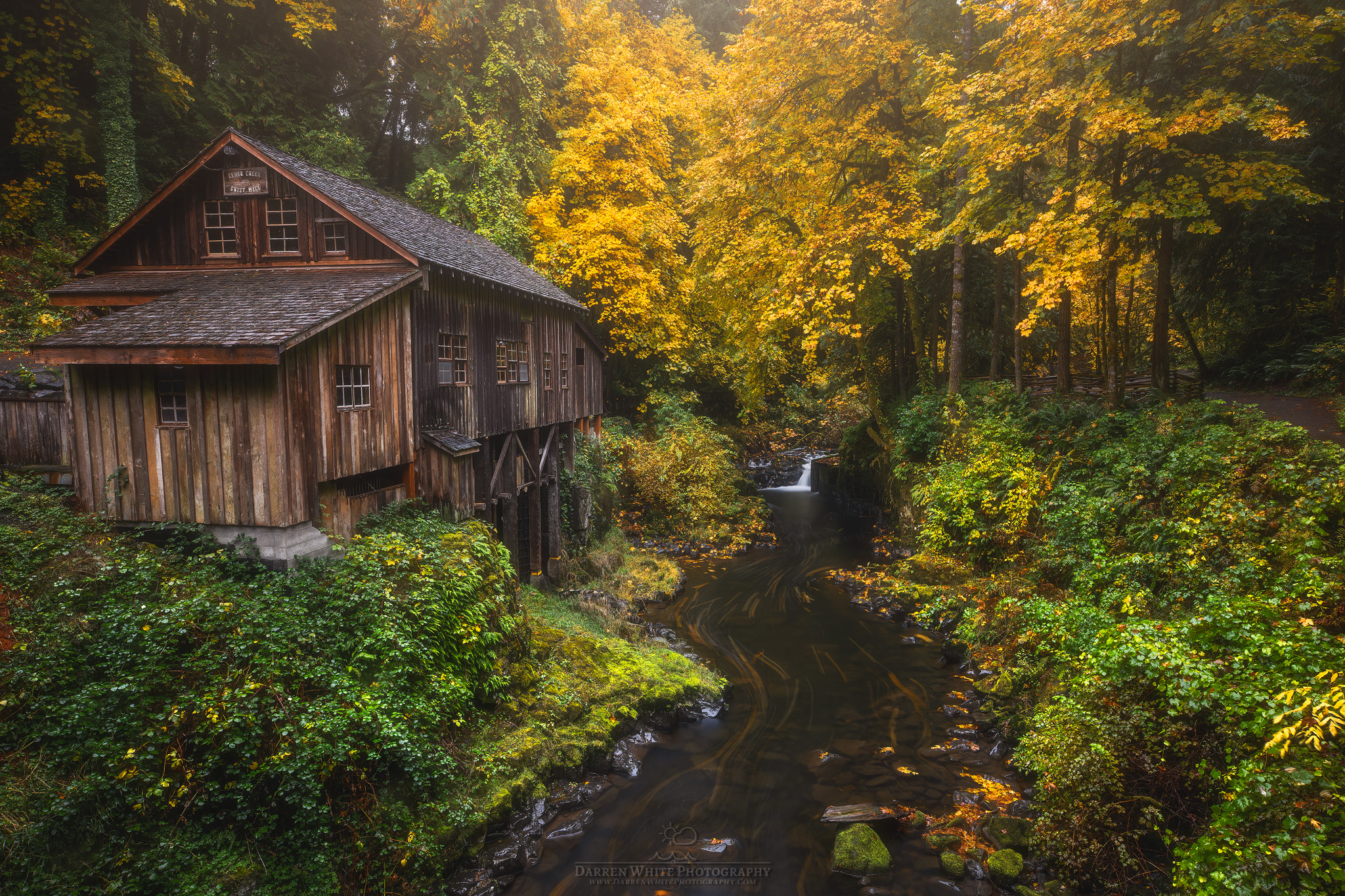
Nikon Z8 (Sony E to Nikon Z adapter)
20s, F18, ISO 32
Knowing I didn’t need to worry about a few splashes of water, I was able to photograph the below scene with confidence. The lens performs great when you use the hyper-focal technique and your near foreground doesn’t have to be tack sharp. I focused on the second rock up from the bottom, and by using an f-stop of F16, that was enough to bring everything I needed into focus, including the rock in front of it.
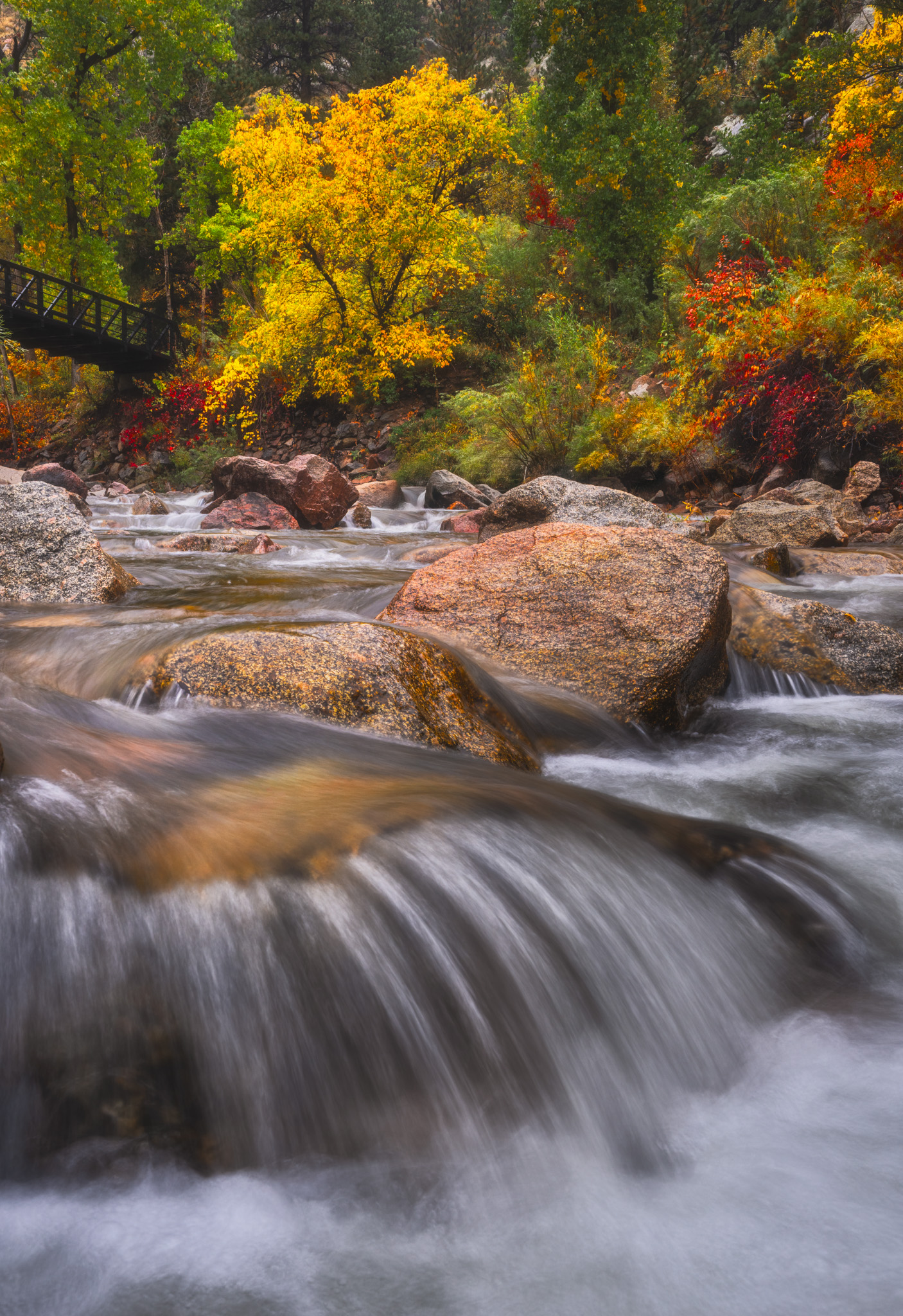
Nikon Z8 (Sony E to Nikon Z adapter)
1/5s, F16, ISO 100
The following image was shot at 19mm and the camera was up a little bit higher and further away, but still within range of the splashing stream. F18 was perfect for bringing the entire scene into focus. The focus point for this image was right where the water starts cascading over the rocks.
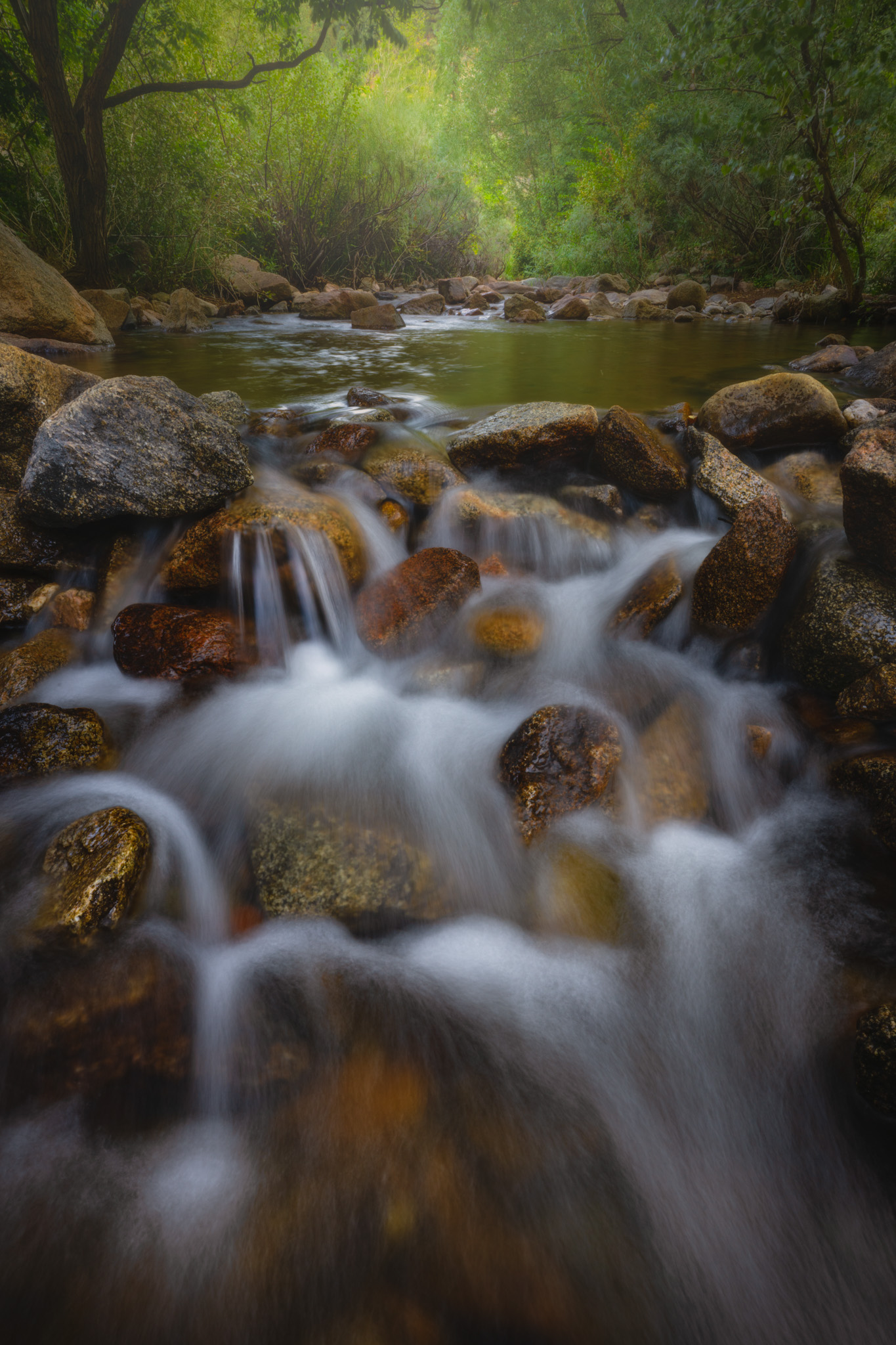
Nikon Z8 (Sony E to Nikon Z adapter)
0.8s, F18, ISO 64
Image quality at both large and small f-stops
Let’s switch gears for a second and see how the smaller f-stops work when you’re shooting into the light. During the peak of fall color here in Colorado, I often find myself in Aspen groves toward the end of my shooting day. By this time, the sun is up and over the hills as it shines through the trees. I was surprised by how well the sunstar came out when I shot up into the colorful aspen trees.
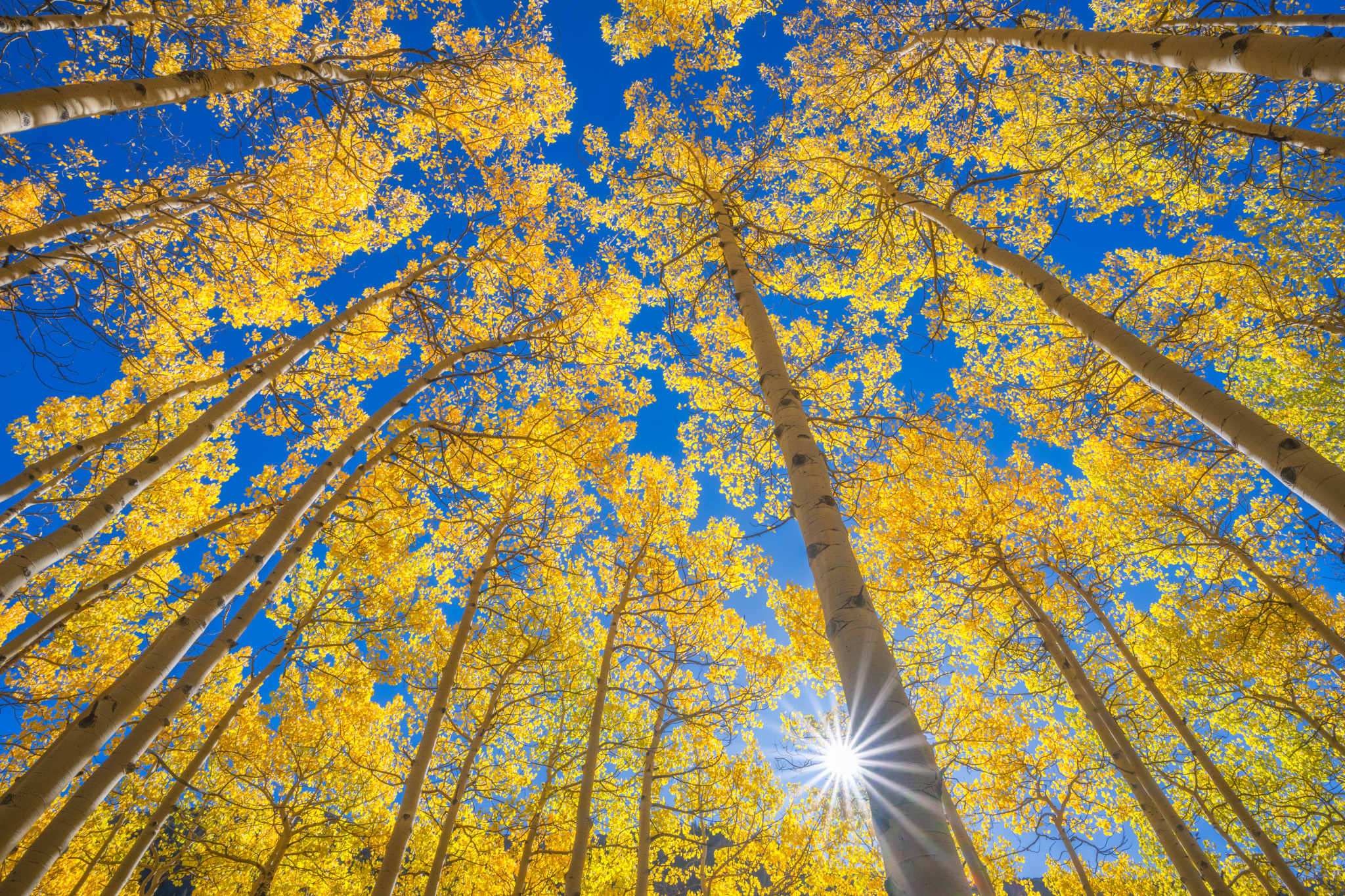
Nikon Z8 (Sony E to Nikon Z adapter)
1/60s, F16, ISO 64
Now, let’s go the other way and see what F2.8 looks like with this lens. I was in the eastern plains of Colorado near Pawnee Buttes when I found an abundance of these pink flowers. I used F2.8 and focused right on the top of the highest one. I loved the soft background and close foreground. Details are razor sharp where the lens was focused, rendering beautiful colors in both the flowers and the sky.
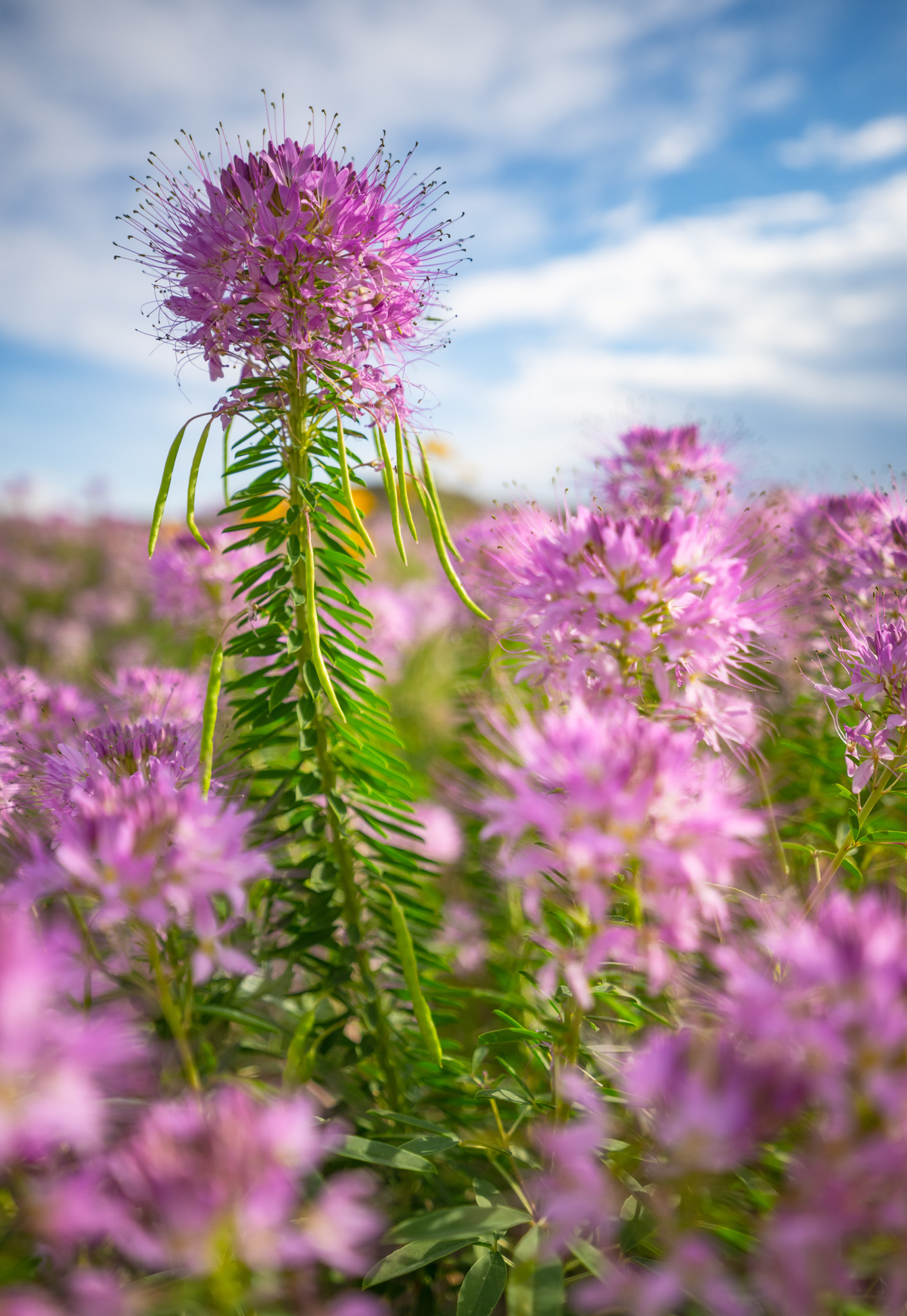
Nikon Z8 (Sony E to Nikon Z adapter)
1/3200s, F2.8, ISO 200
Final thoughts
As you may know from previous articles, I also own Sigma 14-24mm F2.8 Art lenses (one for DSLR, one for mirrorless). I love them both and use them a lot. For me, it was the lighter weight, smaller size and ability to use filters on the 16-28mm F2.8 DG DN | Contemporary that really made me want to try it. This small lens offers a lot in terms of image quality, value, packability and versatility.
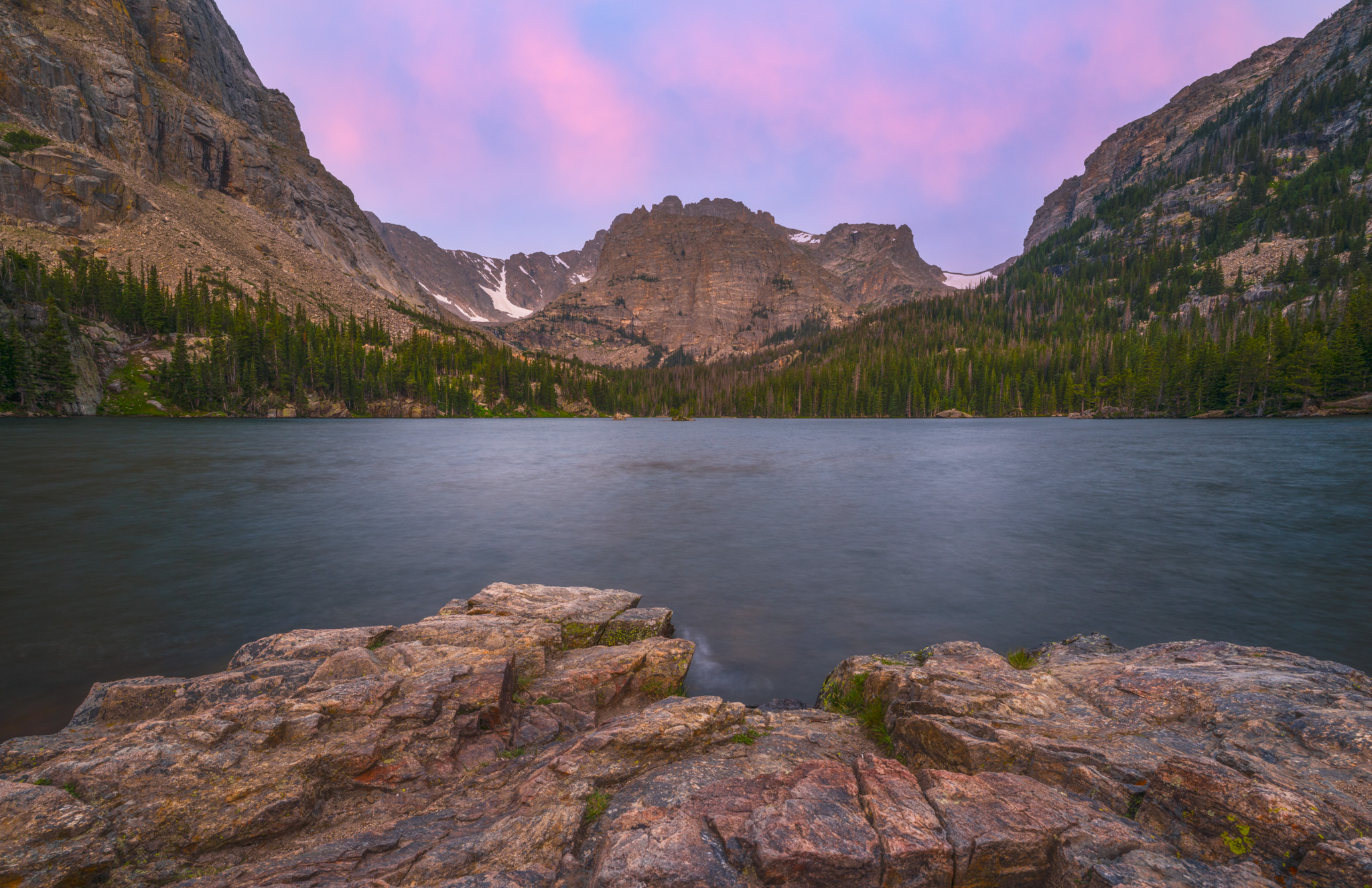
Nikon Z8 (Sony E to Nikon Z adapter)
5s, F14, ISO 64
I should also note that it performs very well at night. I’ve shot it several times for astrophotography, and while I still need to finish up those images, here is one that is ready to share.
This is an image from northern Colorado looking southwest on September 24, 2025. The image is a blend of the cabin and the sky, all photographed with the 16-28mm F2.8 DG DN | Contemporary.
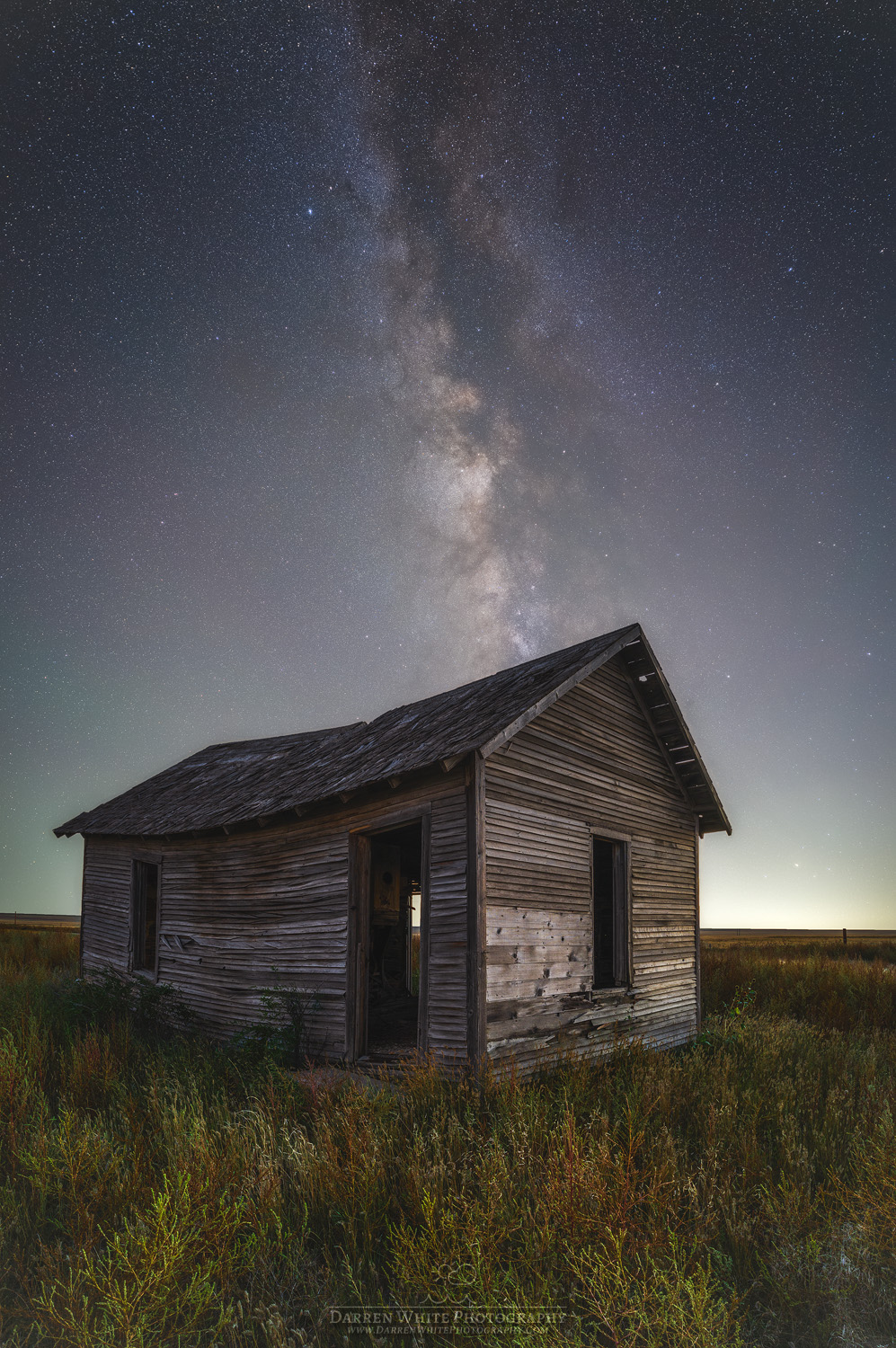
Nikon Z8 (Sony E to Nikon Z adapter)
2-shot composite, foreground at F11, sky at F2.8
If you’re looking for a great lens for landscape or astro, and don’t want to fork over more money than you have to, check out this lens. I think you’ll be very pleased with it.

Pack light, shoot epic
This article was edited and republished with permission. The original article can be seen here:
https://www.letschaselight.com/post/small-mighty-sigma-16-28mm-2-8-c