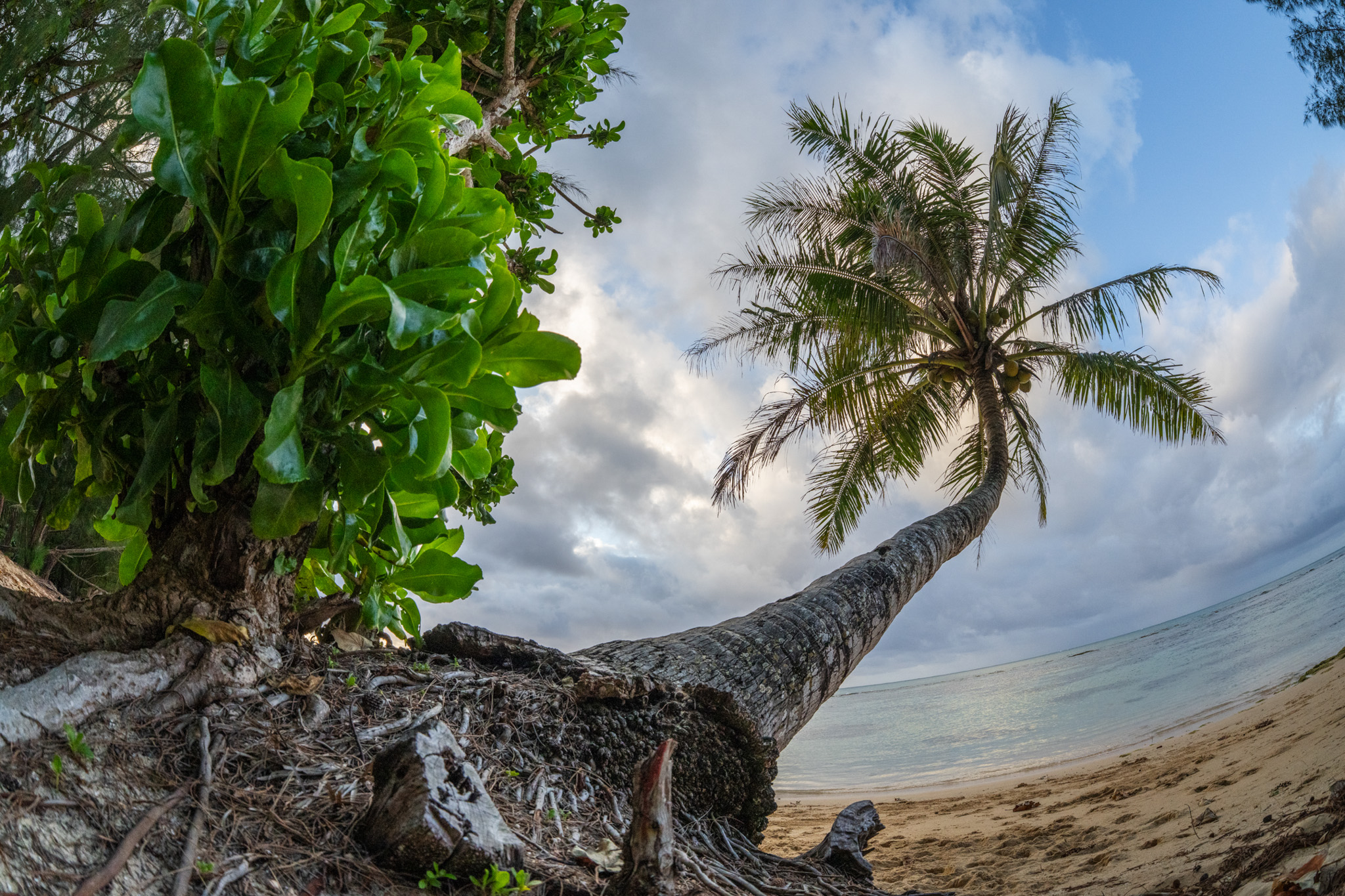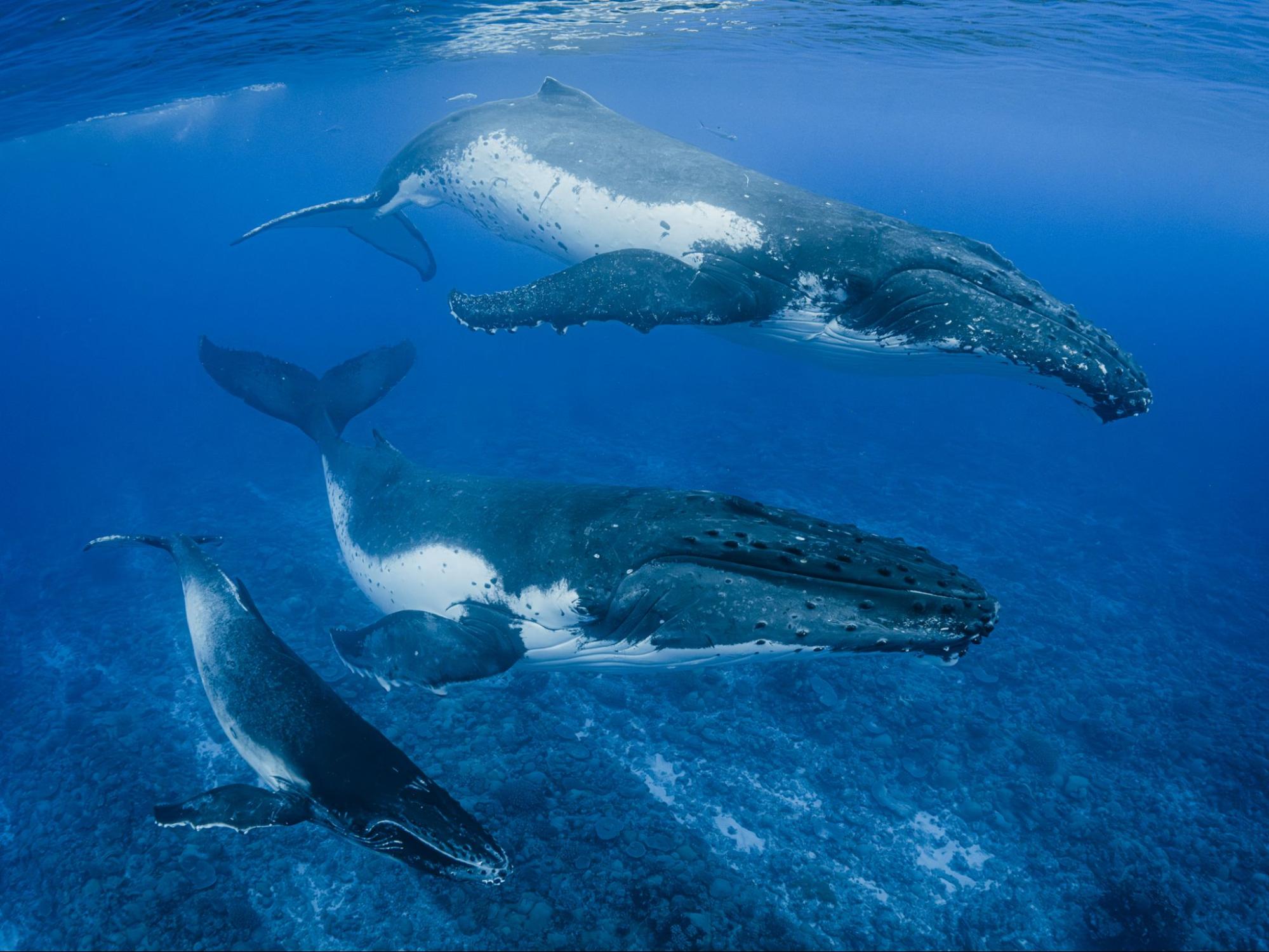
Sony A1
F11, 1/800s, ISO 4000
I recently returned from a remote island in the middle of the Pacific, where I spent the season photographing my favorite subject: humpback whales (among other ocean life). When working with some of the largest animals on Earth, I wanted a lens that could capture not just their size, but their presence. I landed on the Sigma 15mm F1.4 DG DN Diagonal Fisheye | Art – a lens that’s quickly becoming my go-to for photographing ocean giants.
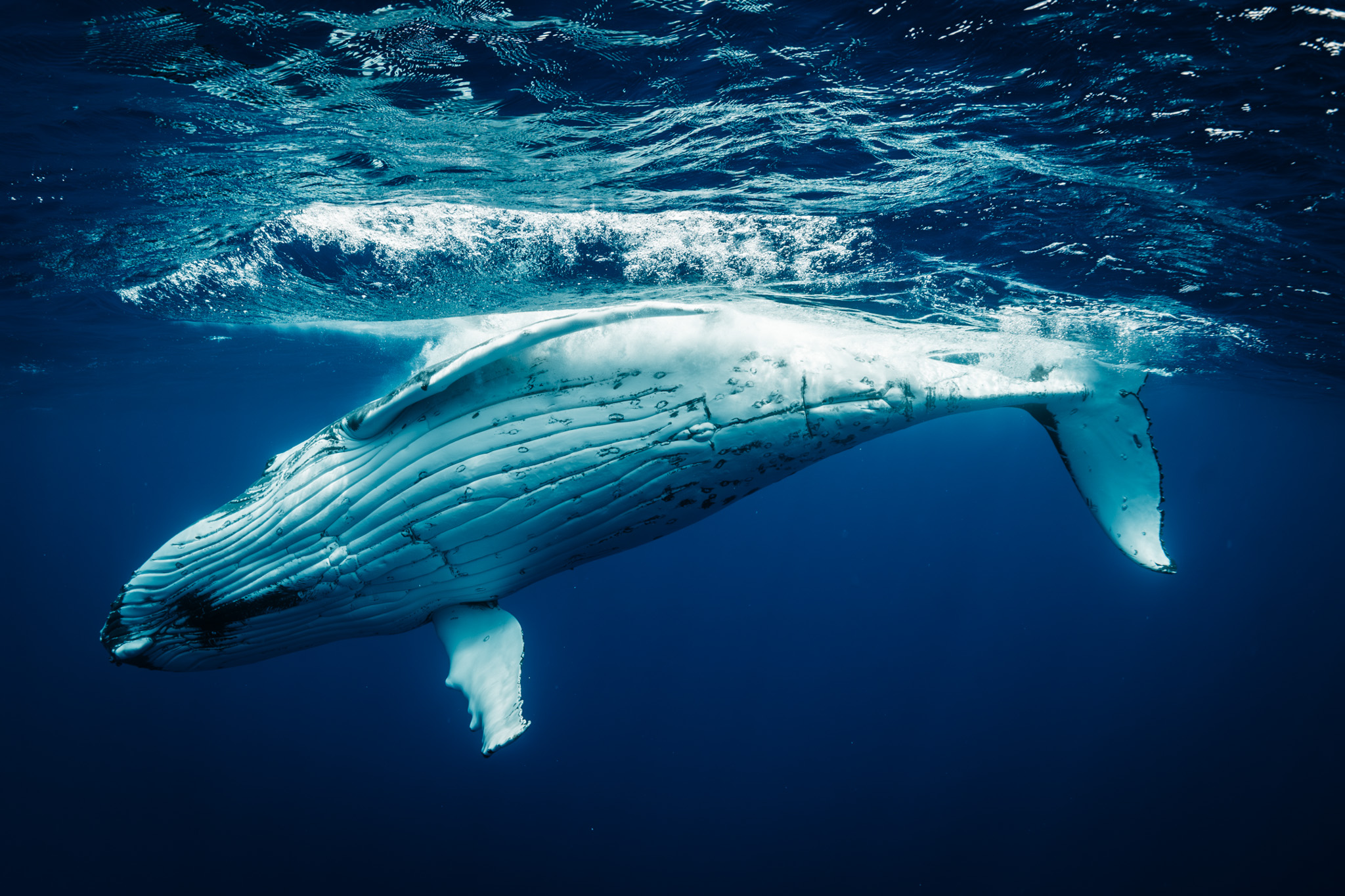
Sony A1
F8, 1/800s, ISO 800
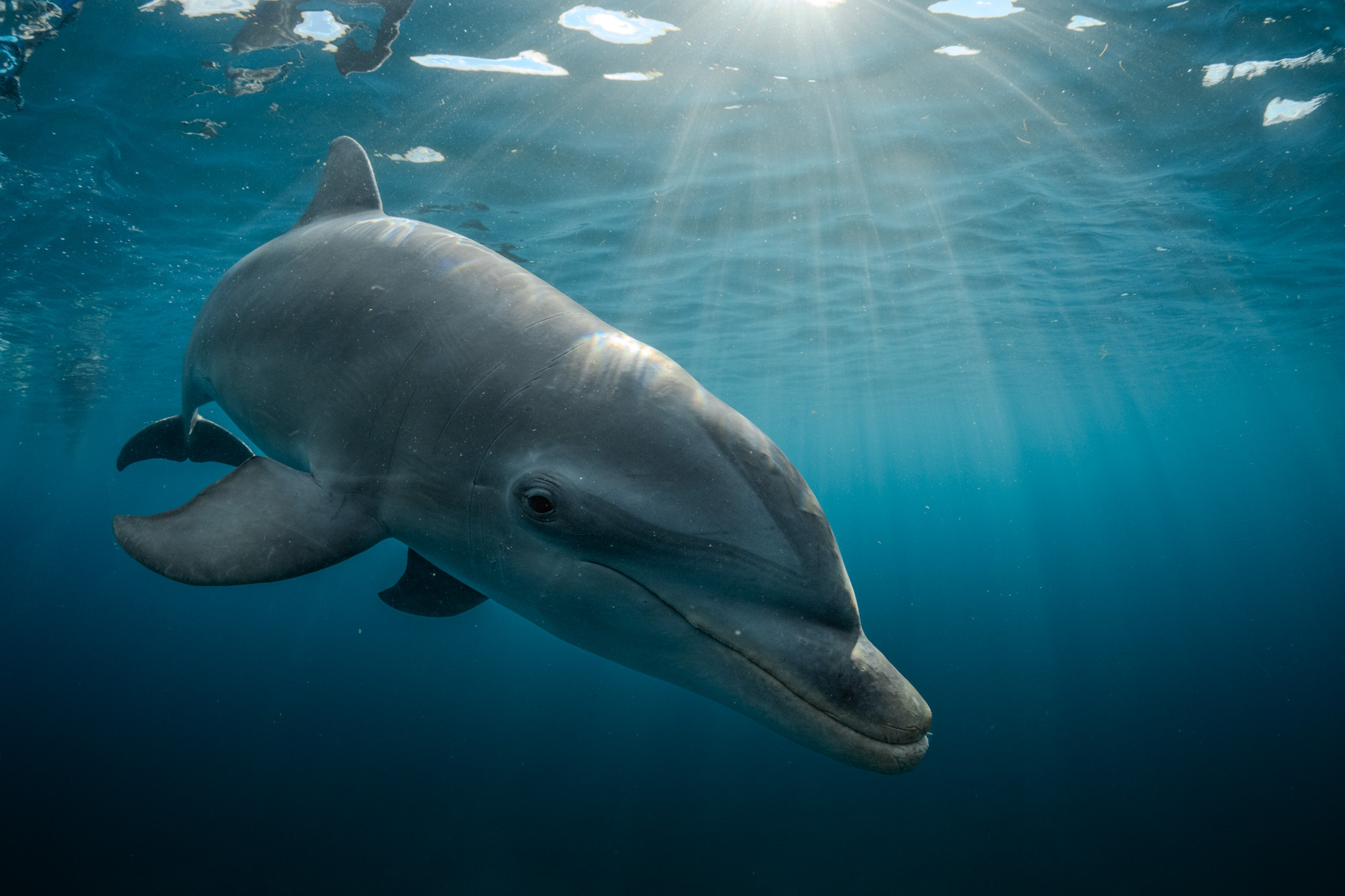
Sony A1
F13, 1/800s, ISO 2500
A True 180° Field of View
One of my favorite underwater lenses to date has been the Sigma 14mm F1.4 DG | Art. In 2024, I used the 14mm for its edge-to-edge sharpness and its 130° field of view, and I absolutely loved it (see the article here to learn more). But for a few very specific shots I’ve been chasing, it simply wasn’t wide enough.
Sony A1
F16, 1/800s, ISO 5000
Sony A1
F11, 1/800s, ISO 3200
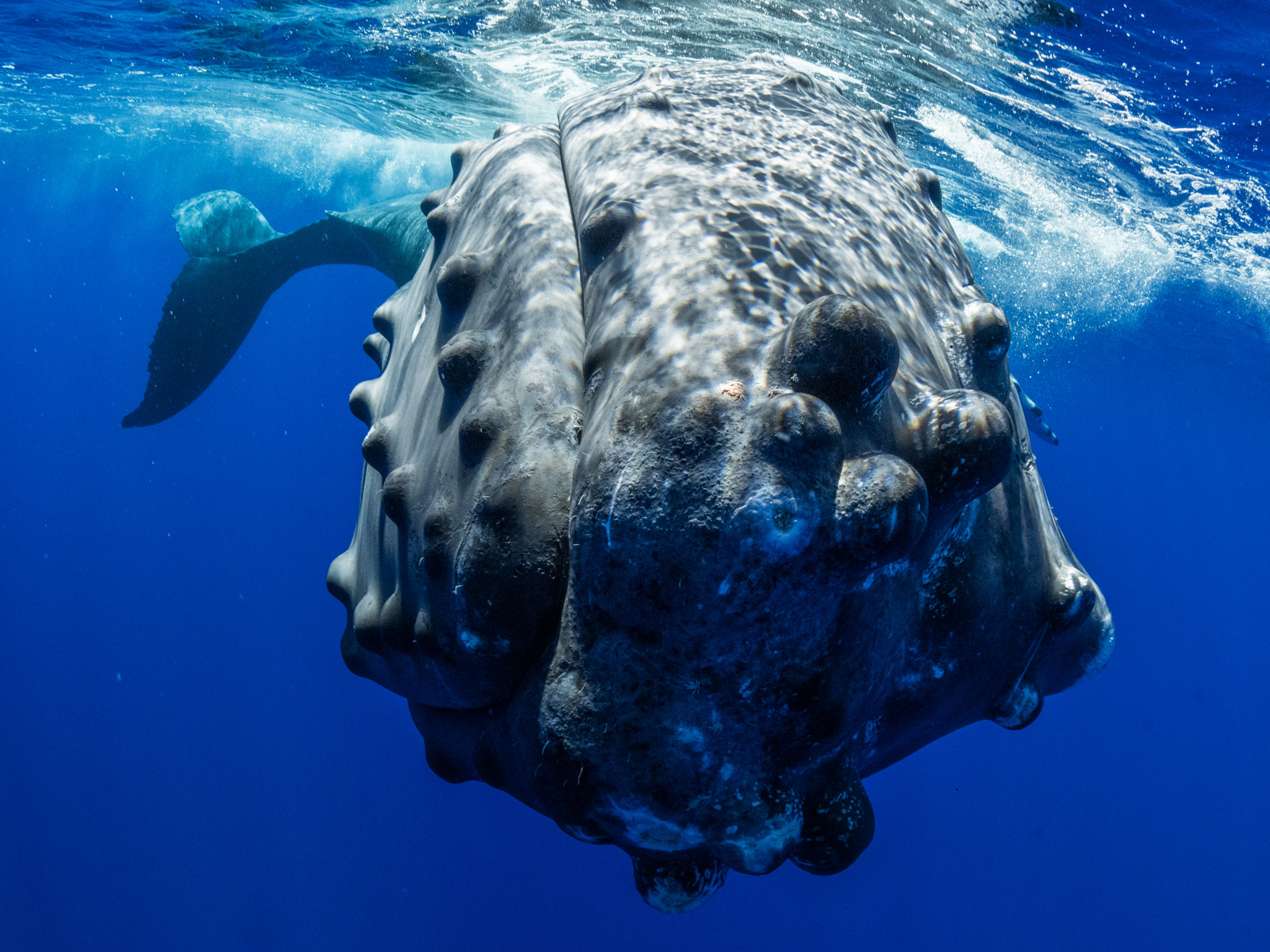
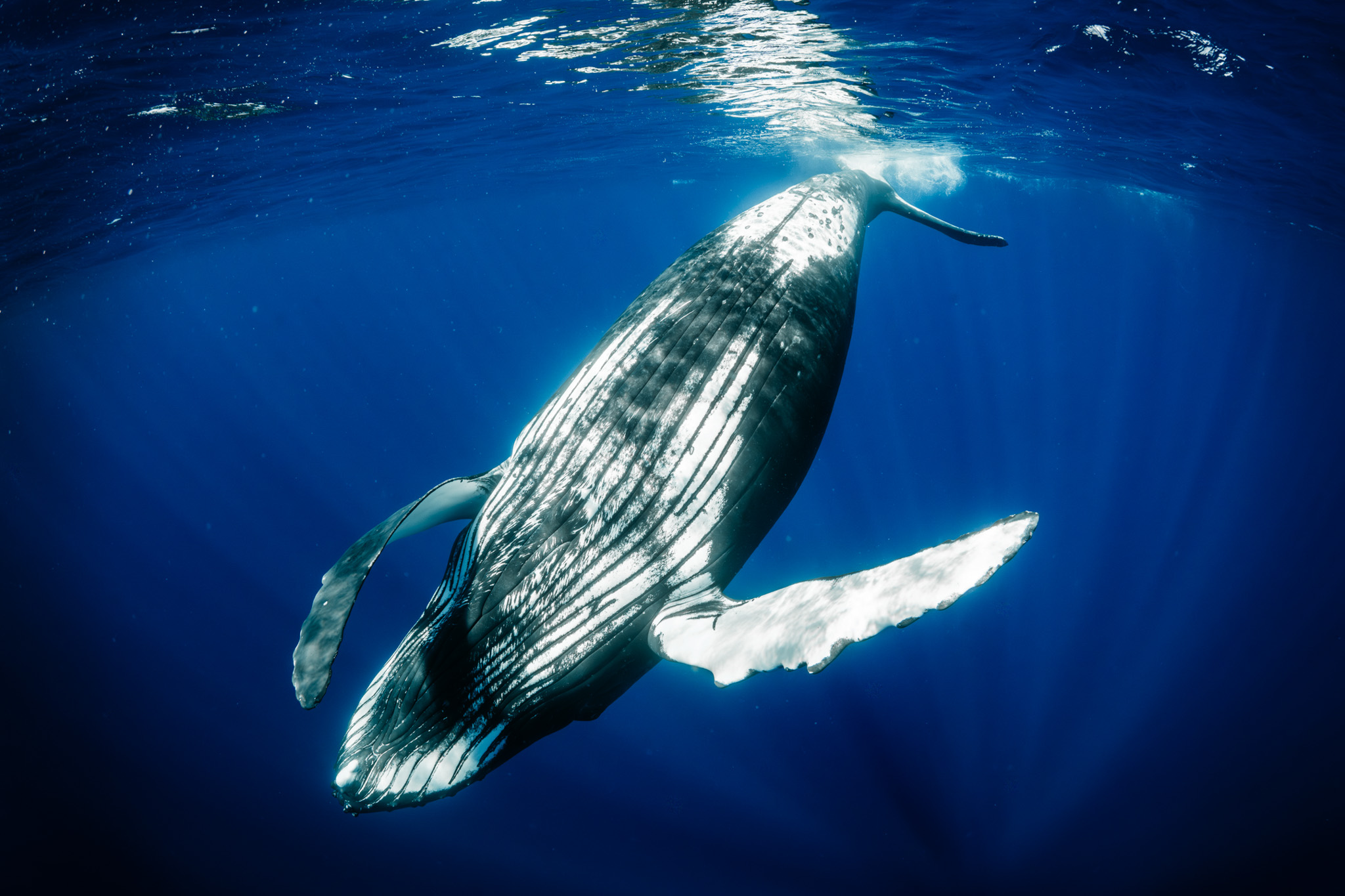
When a 30-plus-foot, 30-ton sentient mega-giant swims toward your dome port to investigate, you want the widest field of view you can get. That’s where the 15mm F1.4 DG DN Diagonal Fisheye | Art‘s full 180° field of view becomes invaluable. Anything in front of the lens is visible. This season, that decision paid off repeatedly with curious whales that came close enough to practically touch the glass.
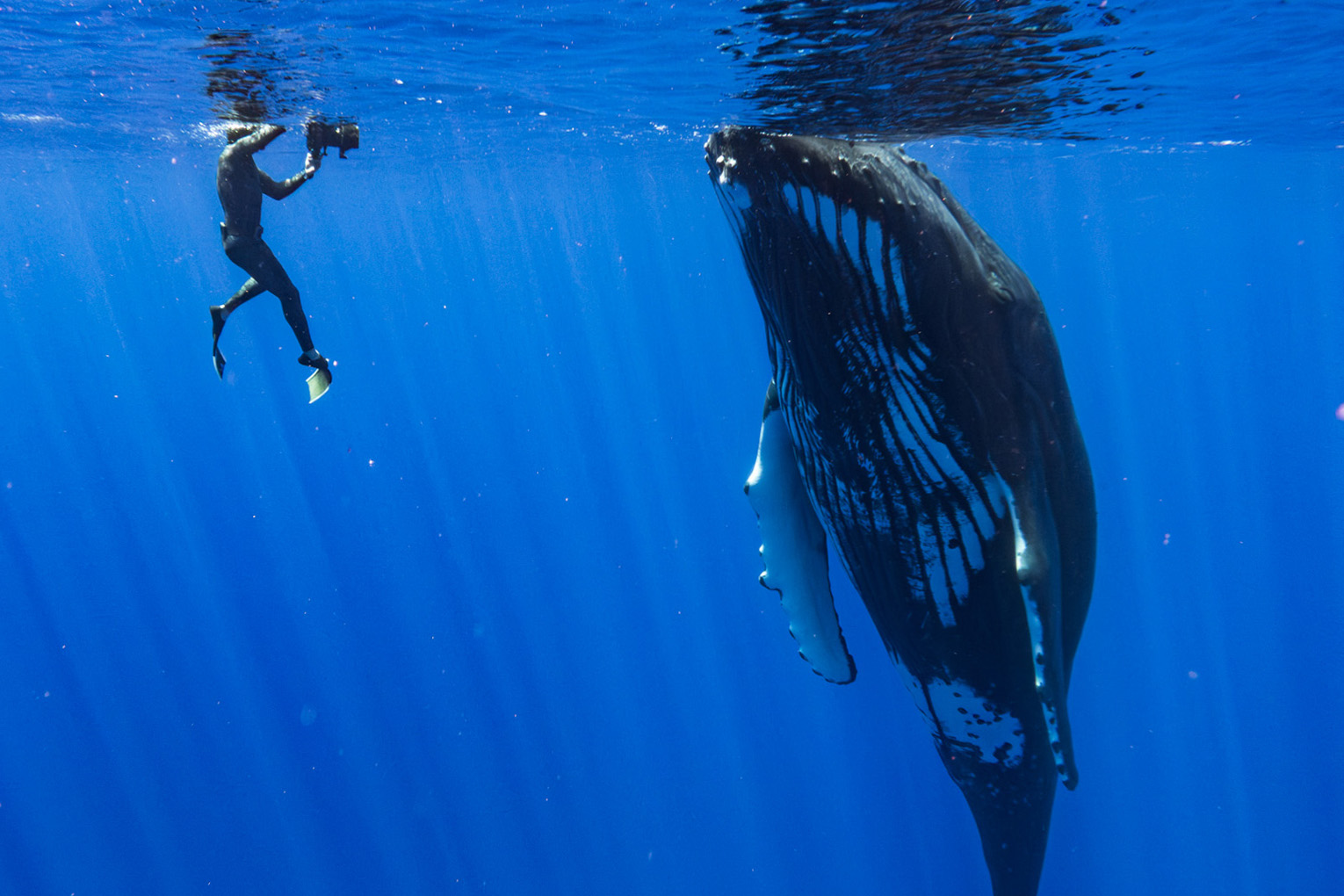
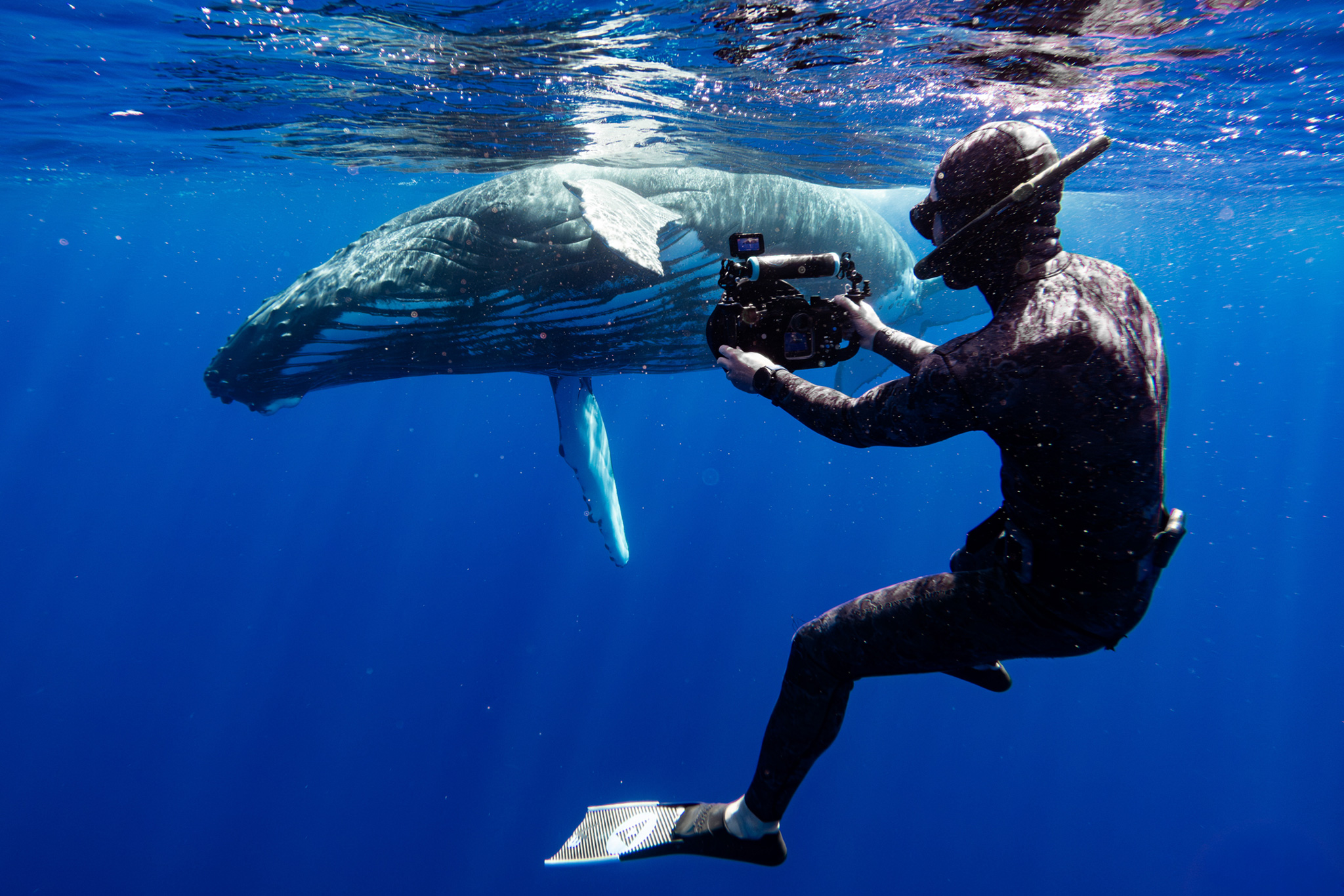
When a whale is that close, it’s hard to stay glued to your viewfinder. Moments unfold fast, and framing isn’t always the top priority. Having a frame that wide takes some of the pressure off – your subject is almost guaranteed to be in the shot. That frees you to focus on positioning, light, and respecting the animal’s space, rather than on perfectly lining up the edges of your composition.
An Over-Under Dream
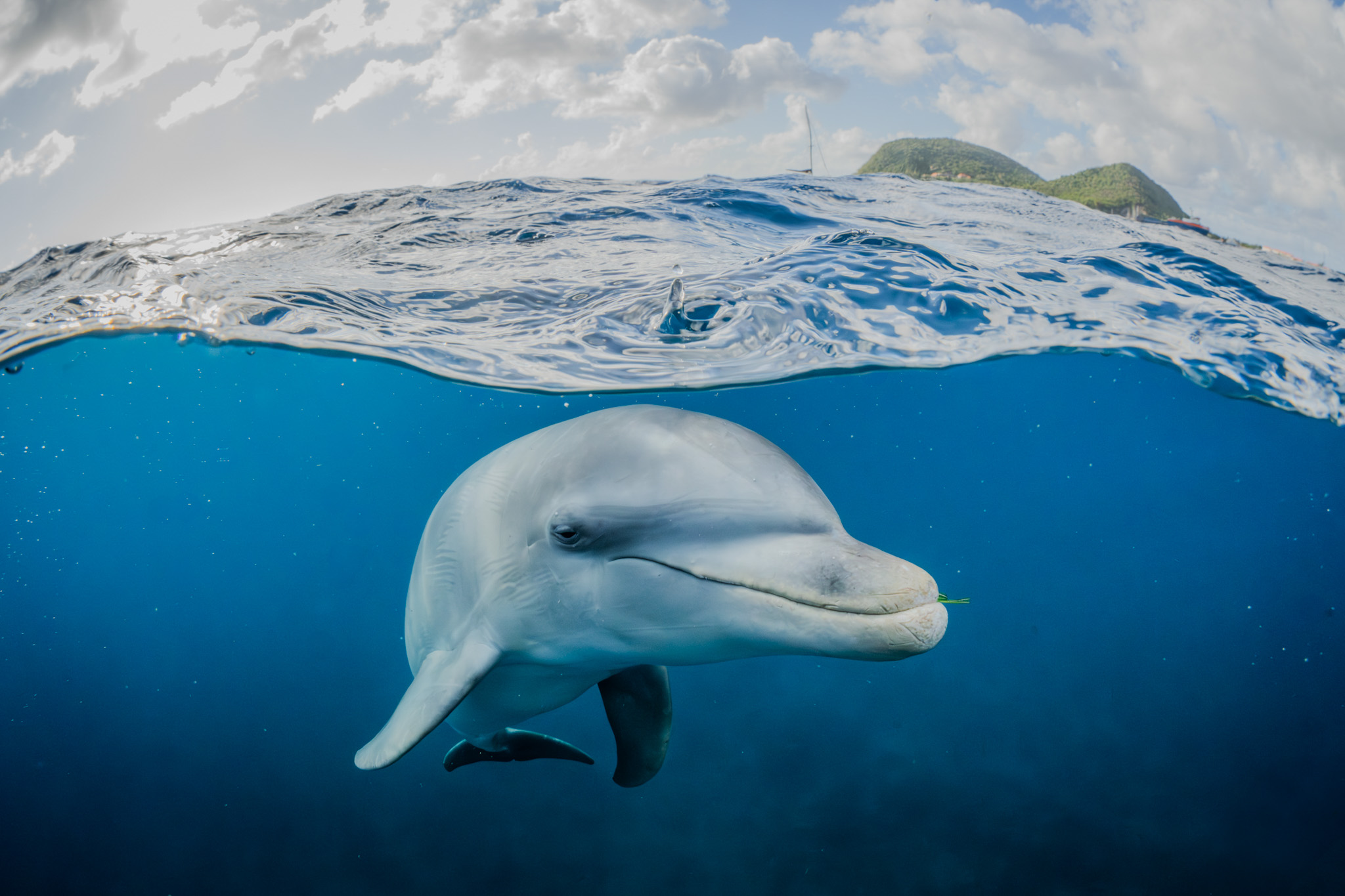
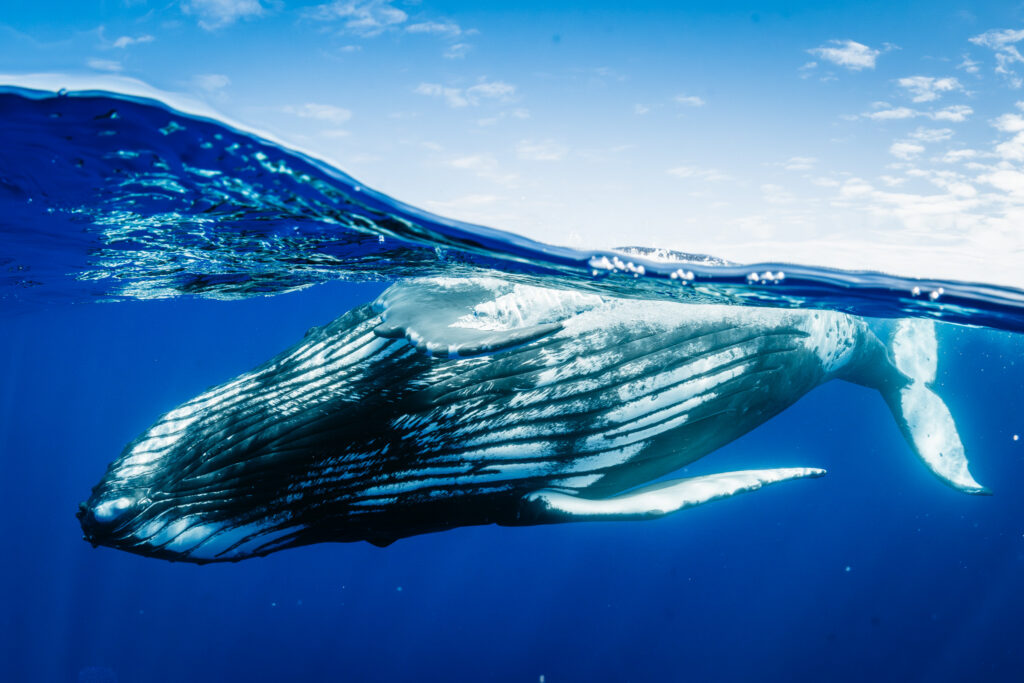
One of my favorite underwater styles is the over-under – the half-above, half-below frame that reveals both worlds at once. These images captivate because they show the ocean the way we seldom experience it: as a boundary between two entirely different realms.
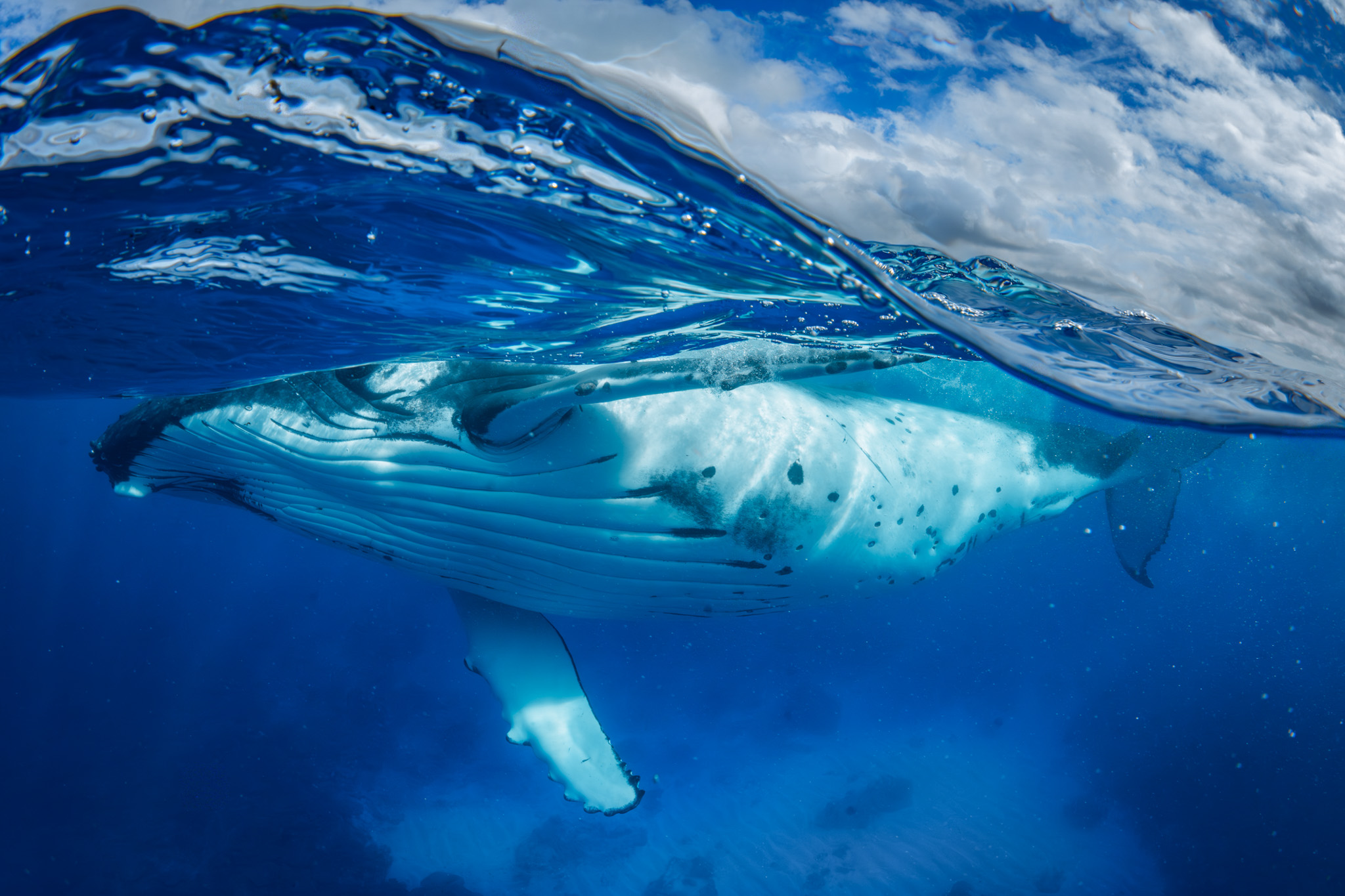
Sony A1
F16, 1/800s, ISO 2500
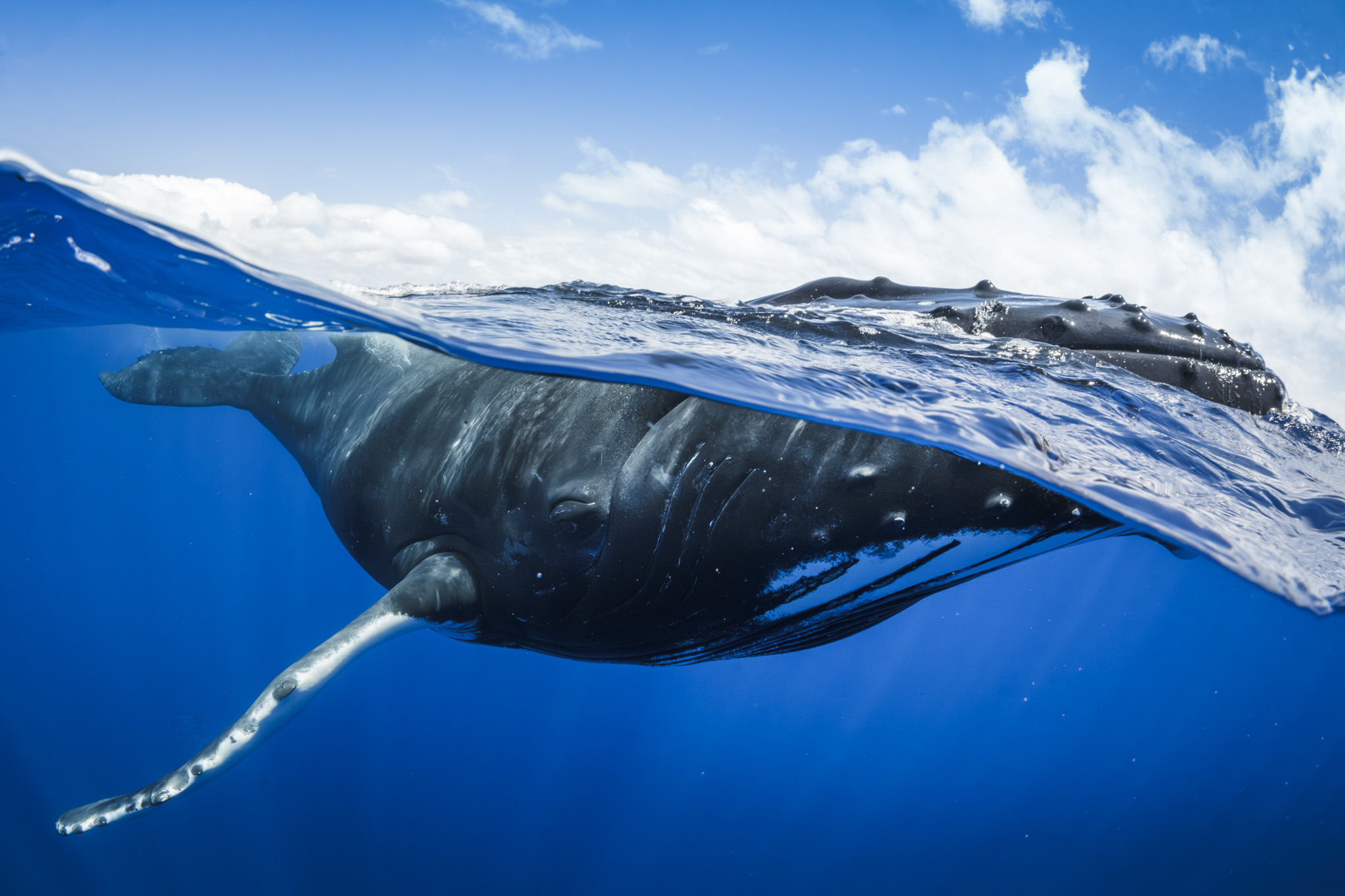
Sony A1
F16, 1/800s, ISO 2500
Paired with a large dome port such as the Nauticam 230mm glass port, the 15mm F1.4 DG DN Diagonal Fisheye | Art handles over-unders beautifully. This season, one whale in particular gave me endless opportunities to test this setup. We named her Tappo – Italian for “cork” – because she floated vertically with her snout poking out of the water like a bobbing stopper. Thanks to her patient curiosity, I captured some of my favorite over-unders to date with this lens.
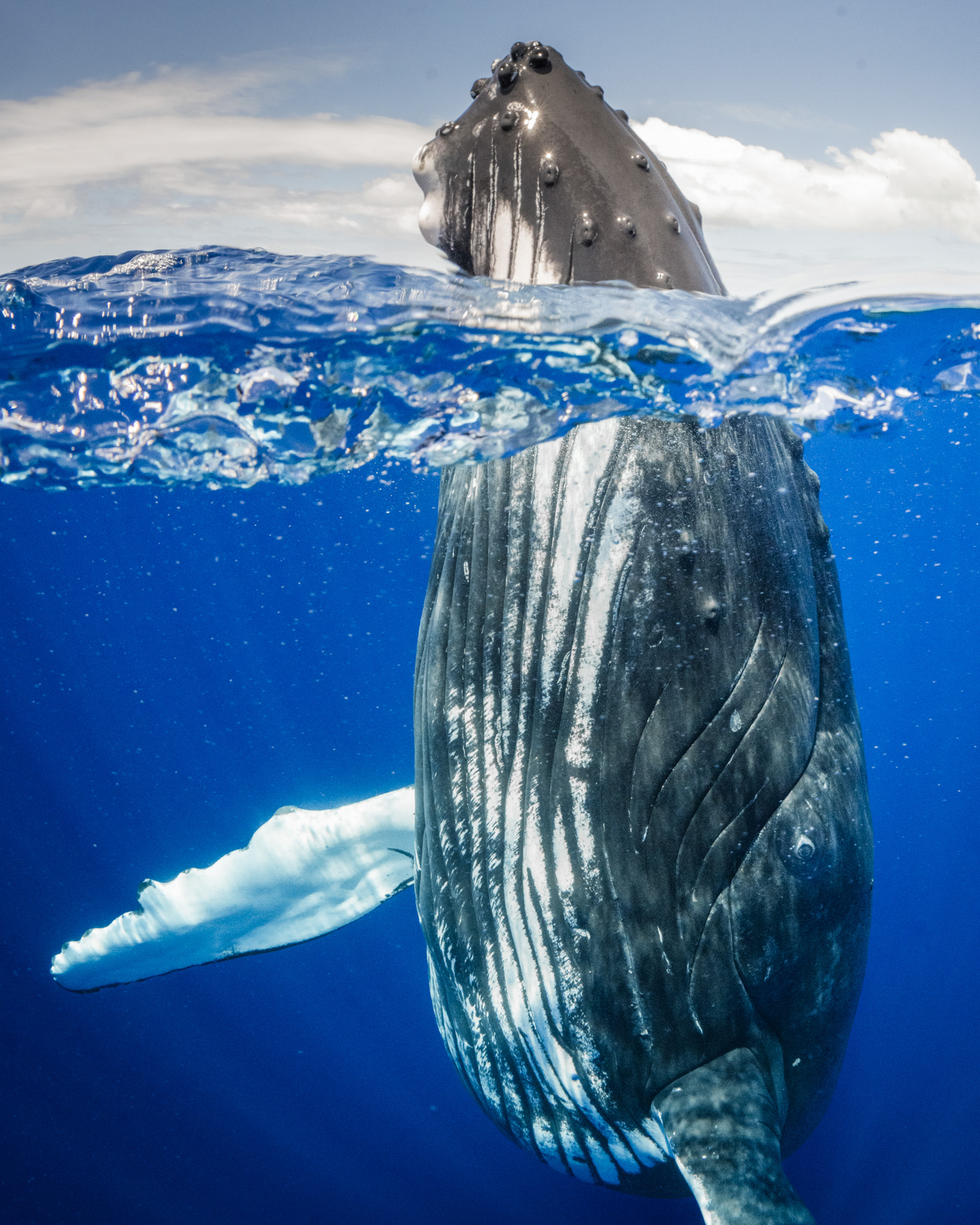
Sony A1
F16, 1/800s, ISO 3200
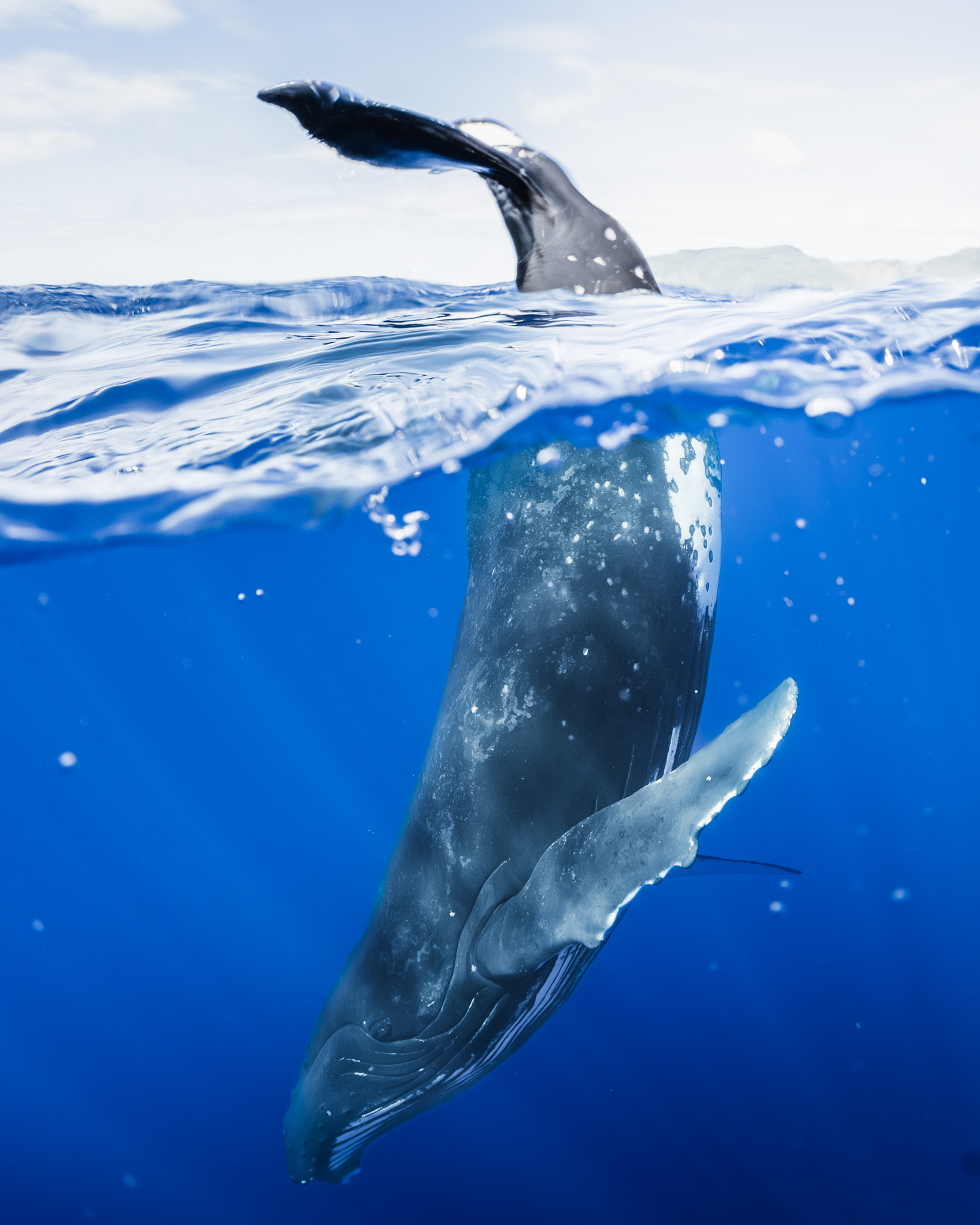
Sony A1
F9, 1/800s, ISO 1000
Unique Look, High-End Performance
The optical engineering behind this lens is designed to correct aberrations across the entire image circle. In practical terms, that means you get exceptional performance from corner to corner – something extraordinarily rare in a fisheye.
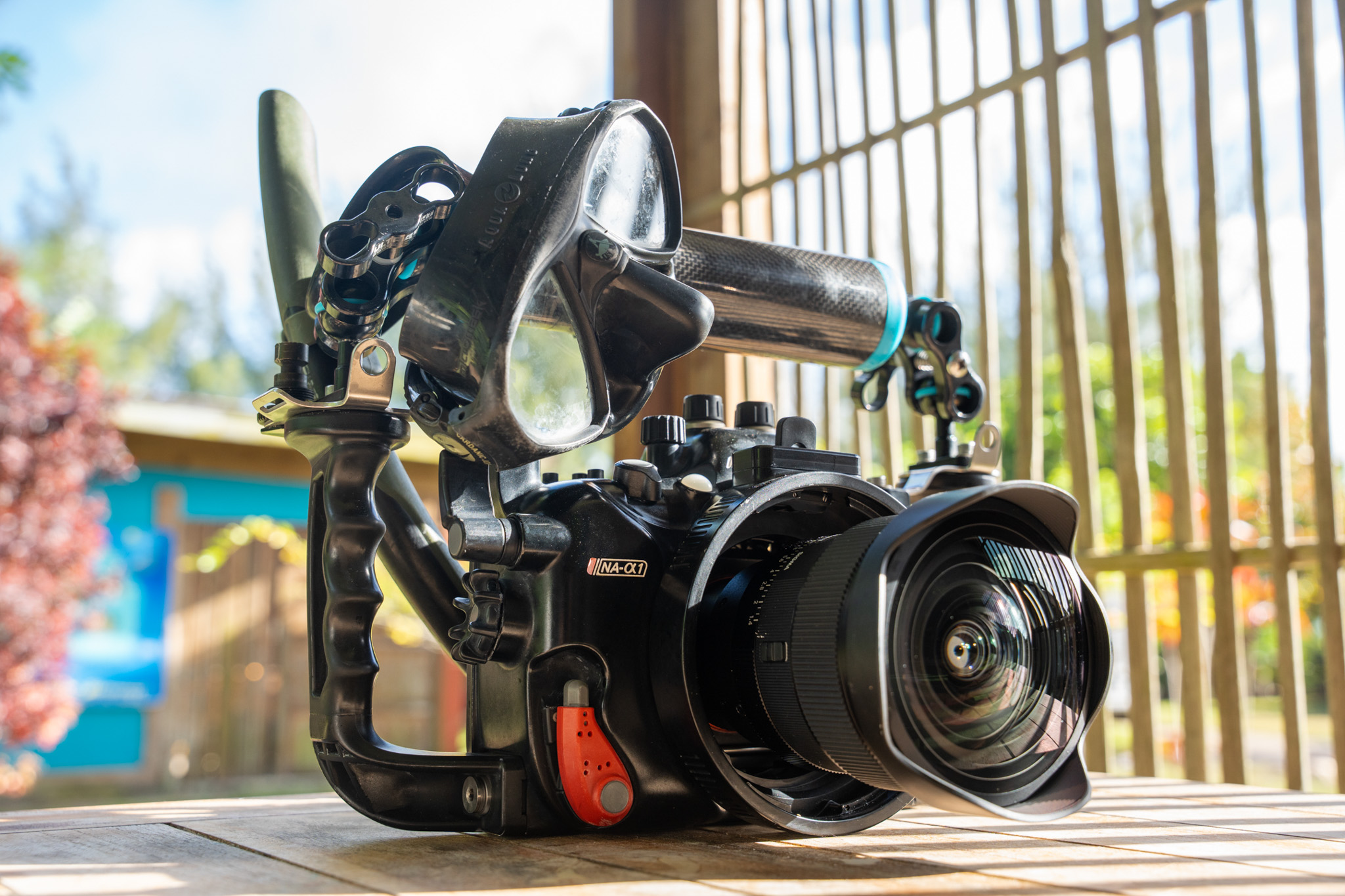
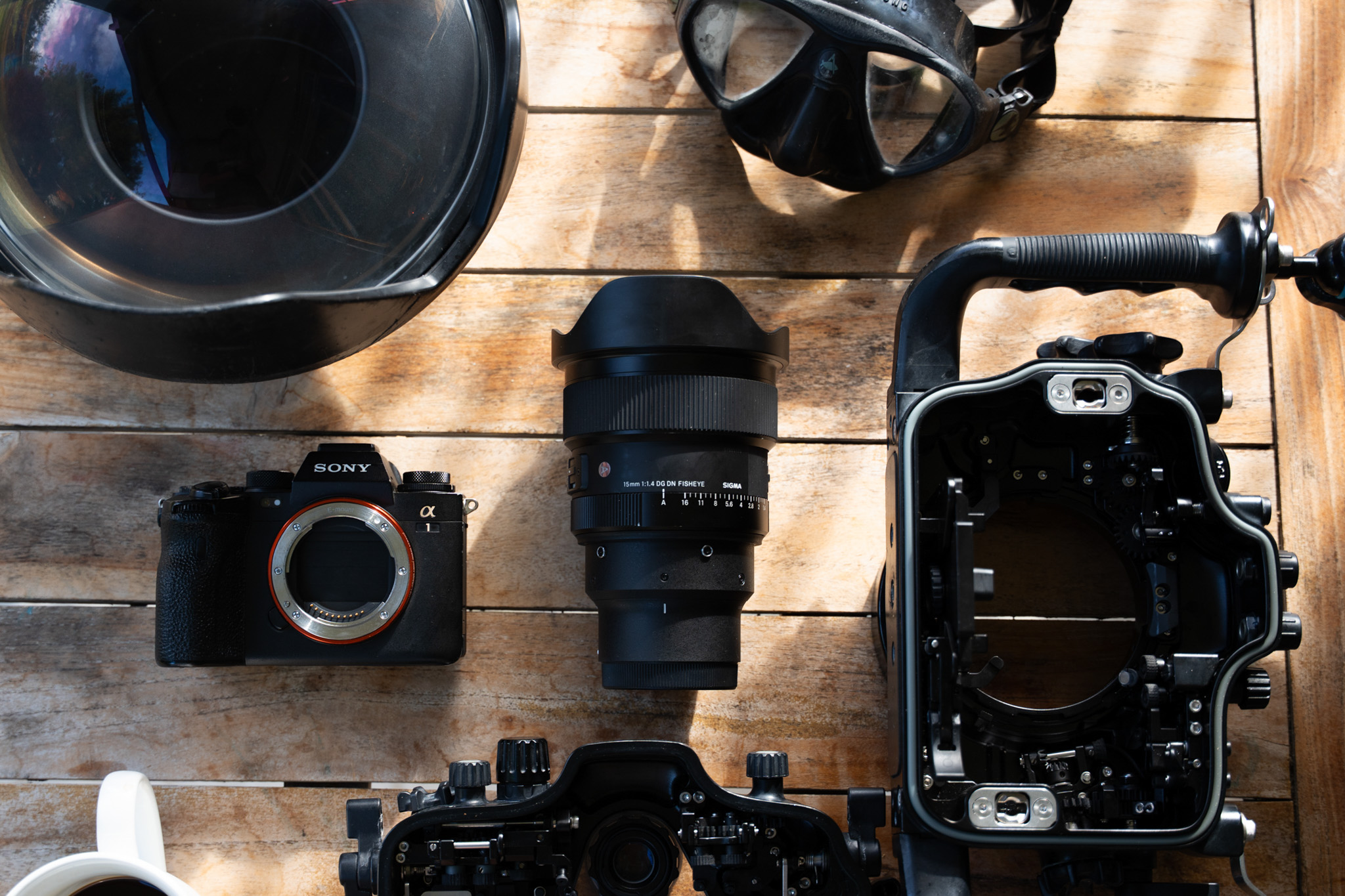
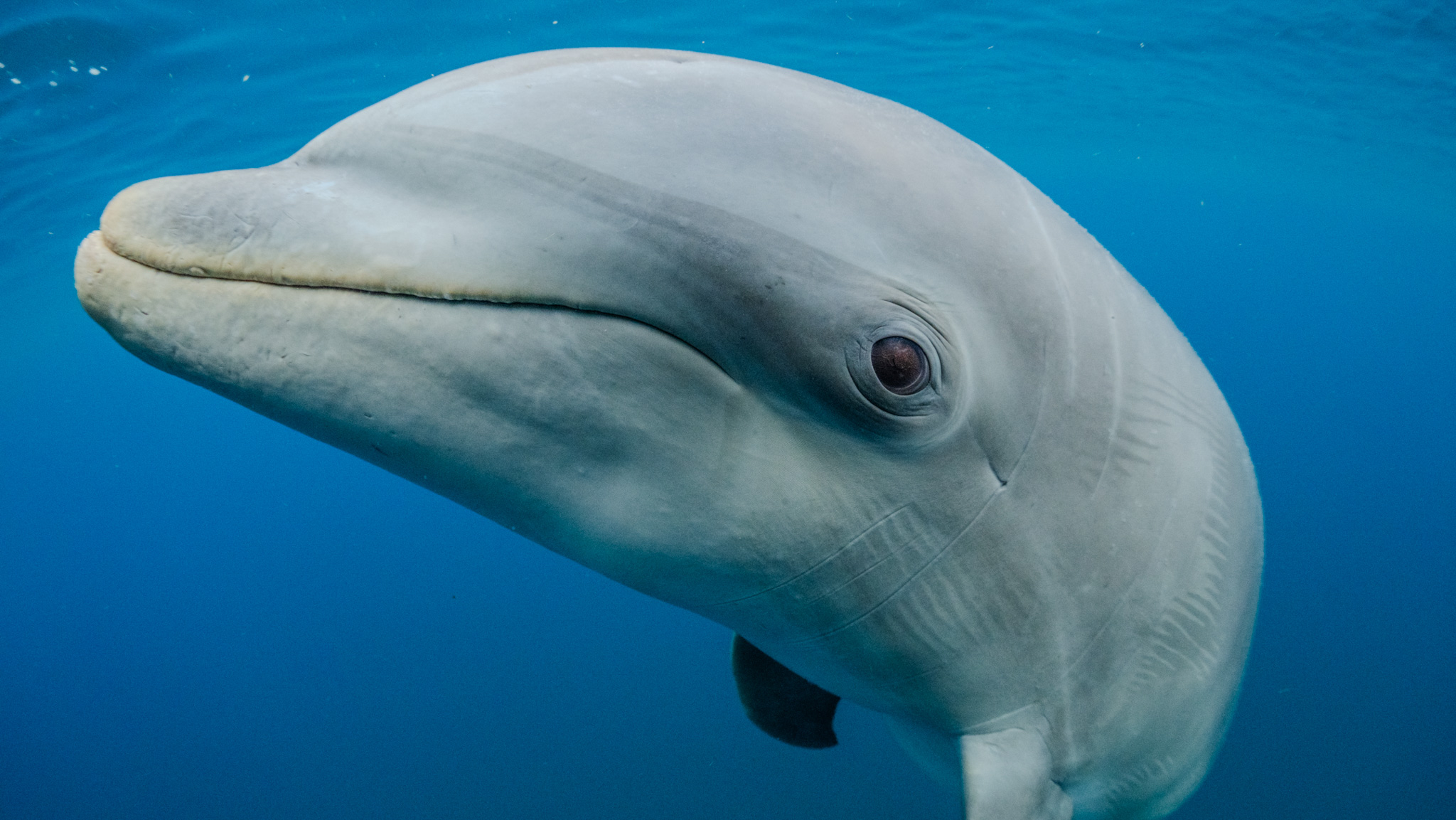
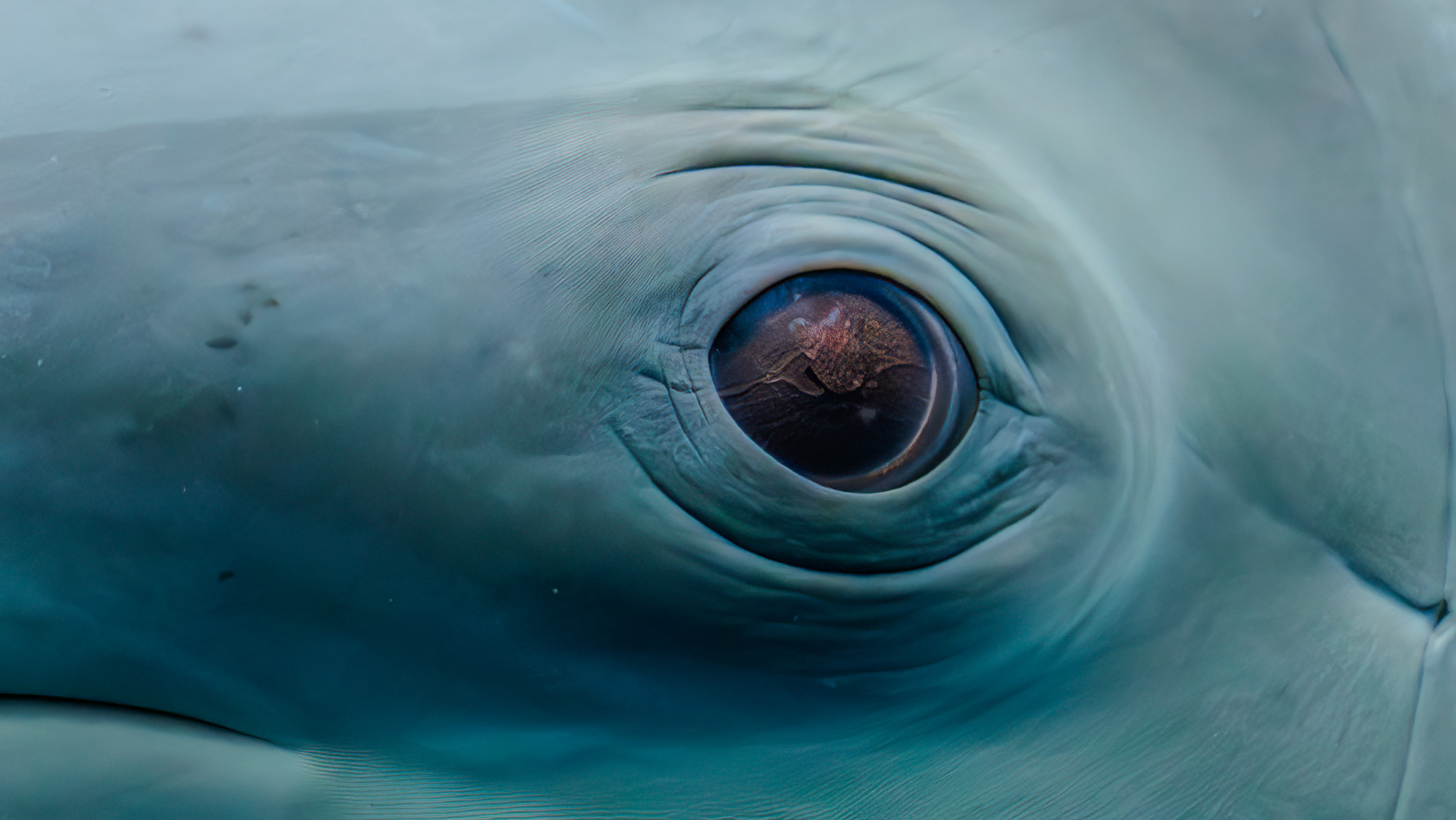
Light is evenly distributed across the sensor with virtually no vignetting, and the lens maintains edge and corner sharpness even with significant curvature. This has become one of my favorite aspects of the 15mm F1.4, especially because I rely heavily on cropping for detailed underwater shots – eyes, skin texture, and other subtle features that draw viewers in. Having consistent sharpness throughout the frame gives me total freedom when editing.
Sony A1
F8, 1/800s, ISO 3200
Video Capabilities
This lens has also become one of my favorite tools for video work. The F1.4 aperture allows for shooting in low-light environments, and it opens the door to more stylized, atmospheric shots that simply aren’t possible with slower lenses.
Is This Lens Right for Your Underwater Toolkit?
If you know you’ll be working up close with large marine animals, I can’t imagine a better lens. The 15mm F1.4 also excels at capturing wide underwater landscapes – from coral gardens to kelp forests – where that expansive field of view and edge-to-edge clarity shine.
It’s safe to say the Sigma 15mm F1.4 DG DN Diagonal Fisheye | Art lens has earned a permanent spot in my underwater media kit.
Dive in to learn more and get yours
Bonus Photo Gallery
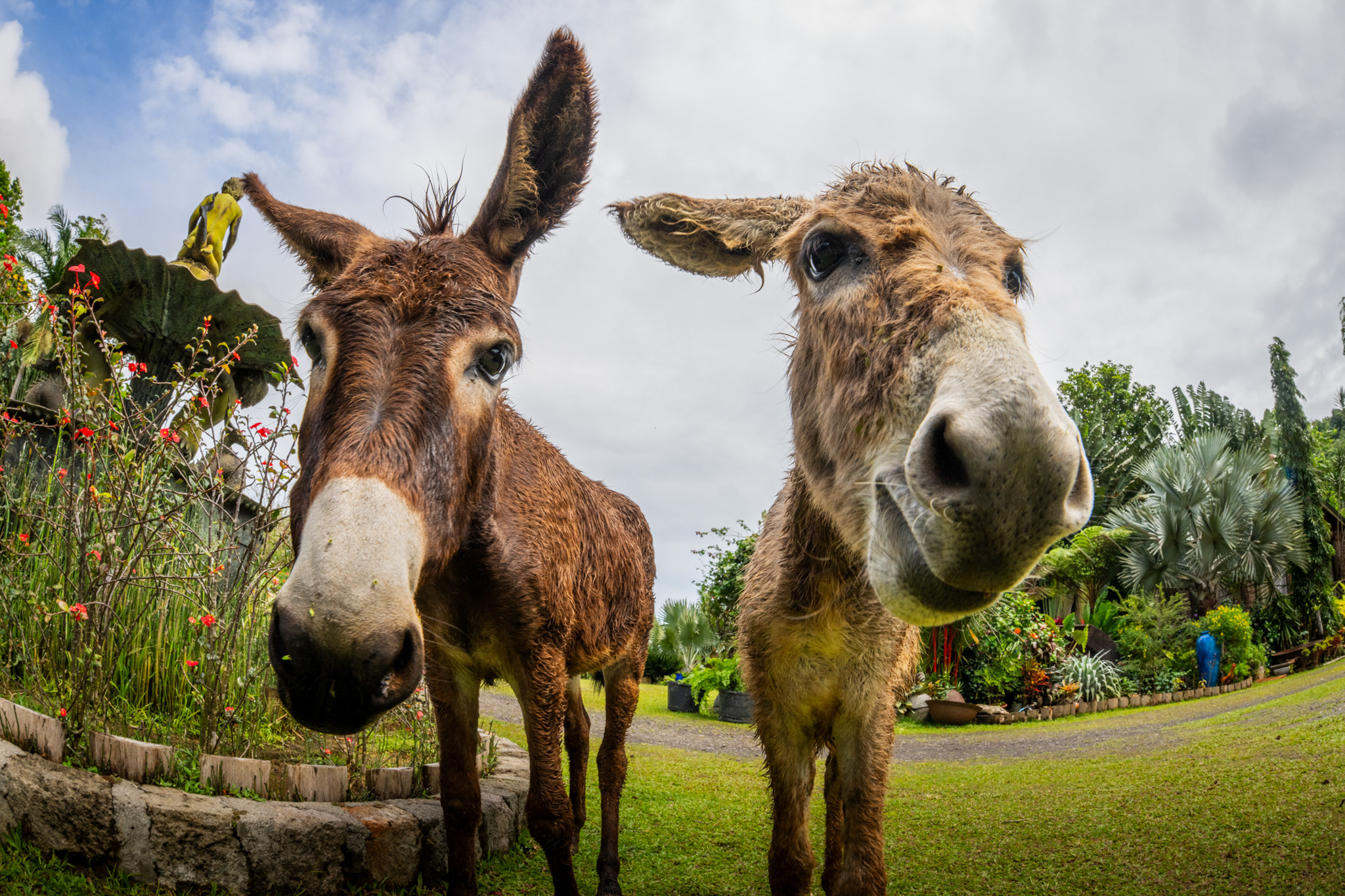
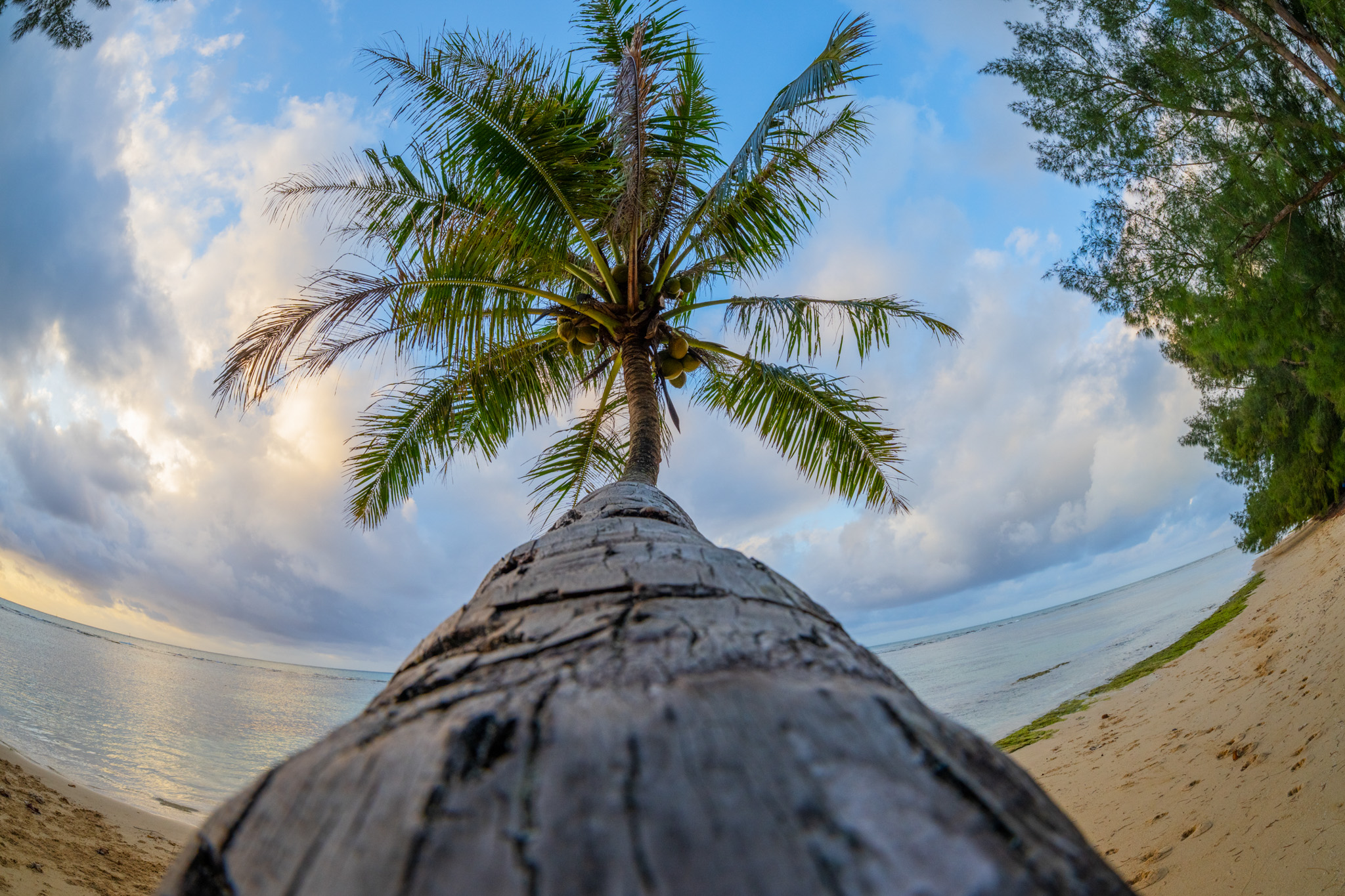
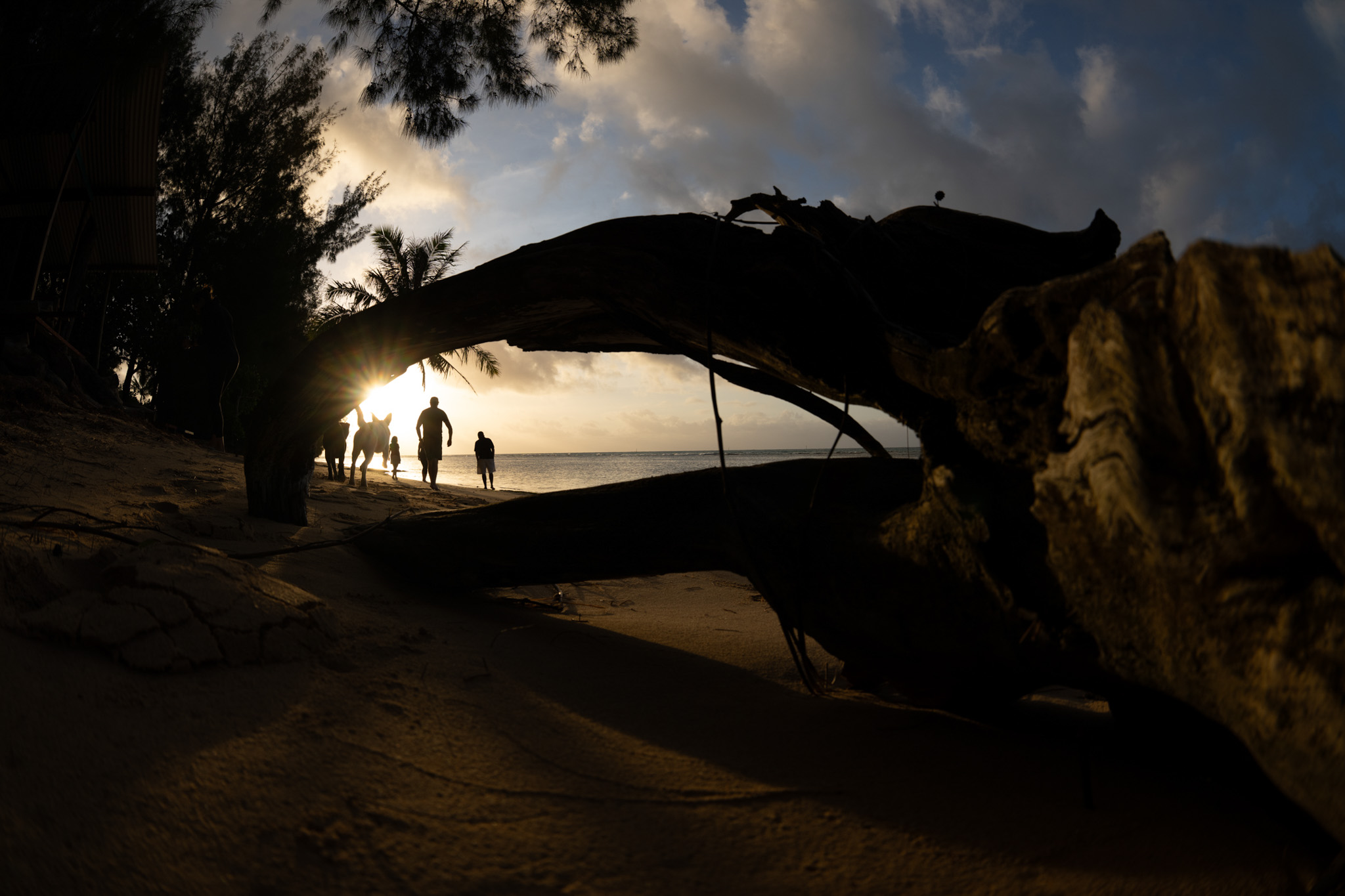
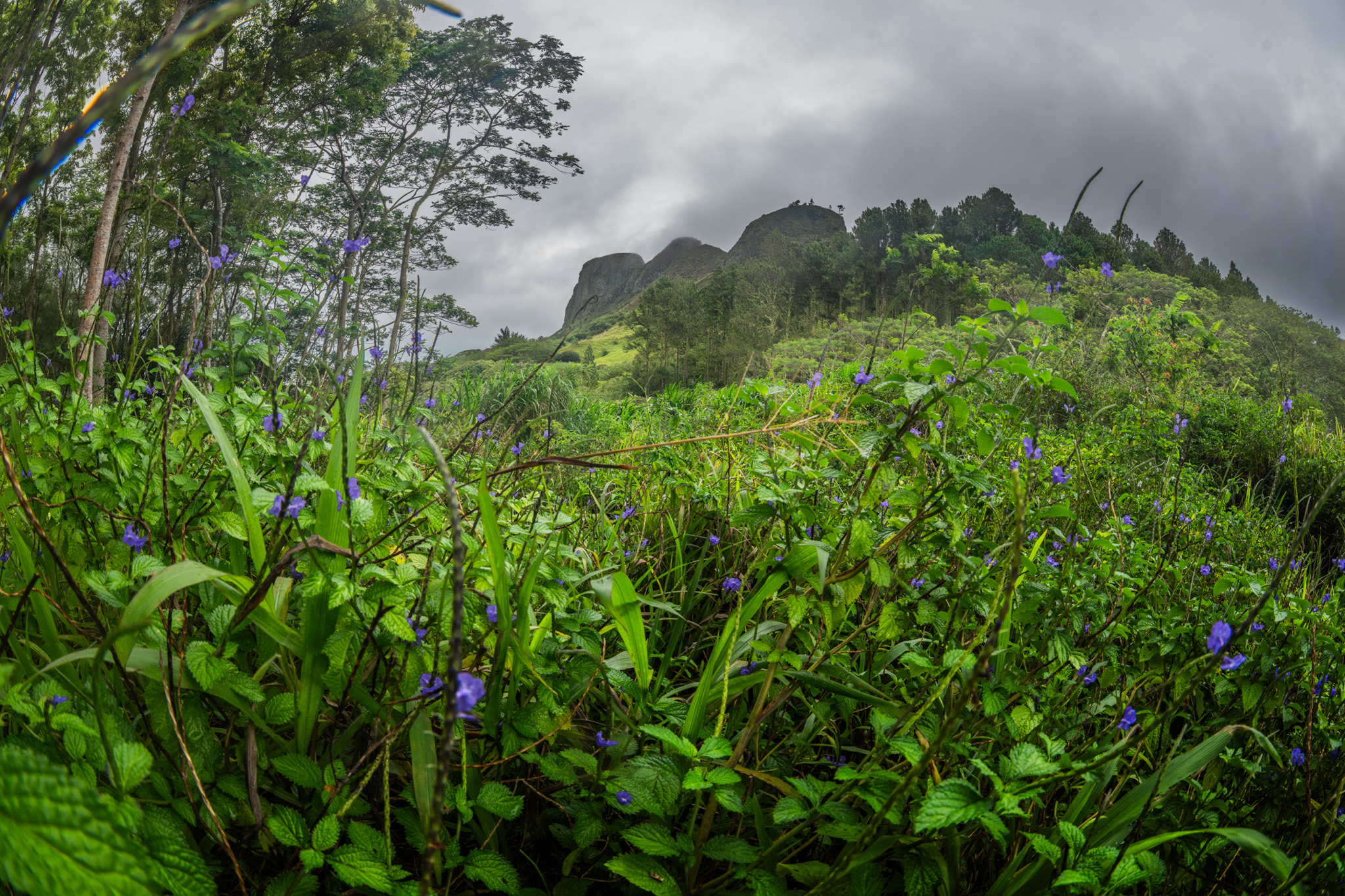
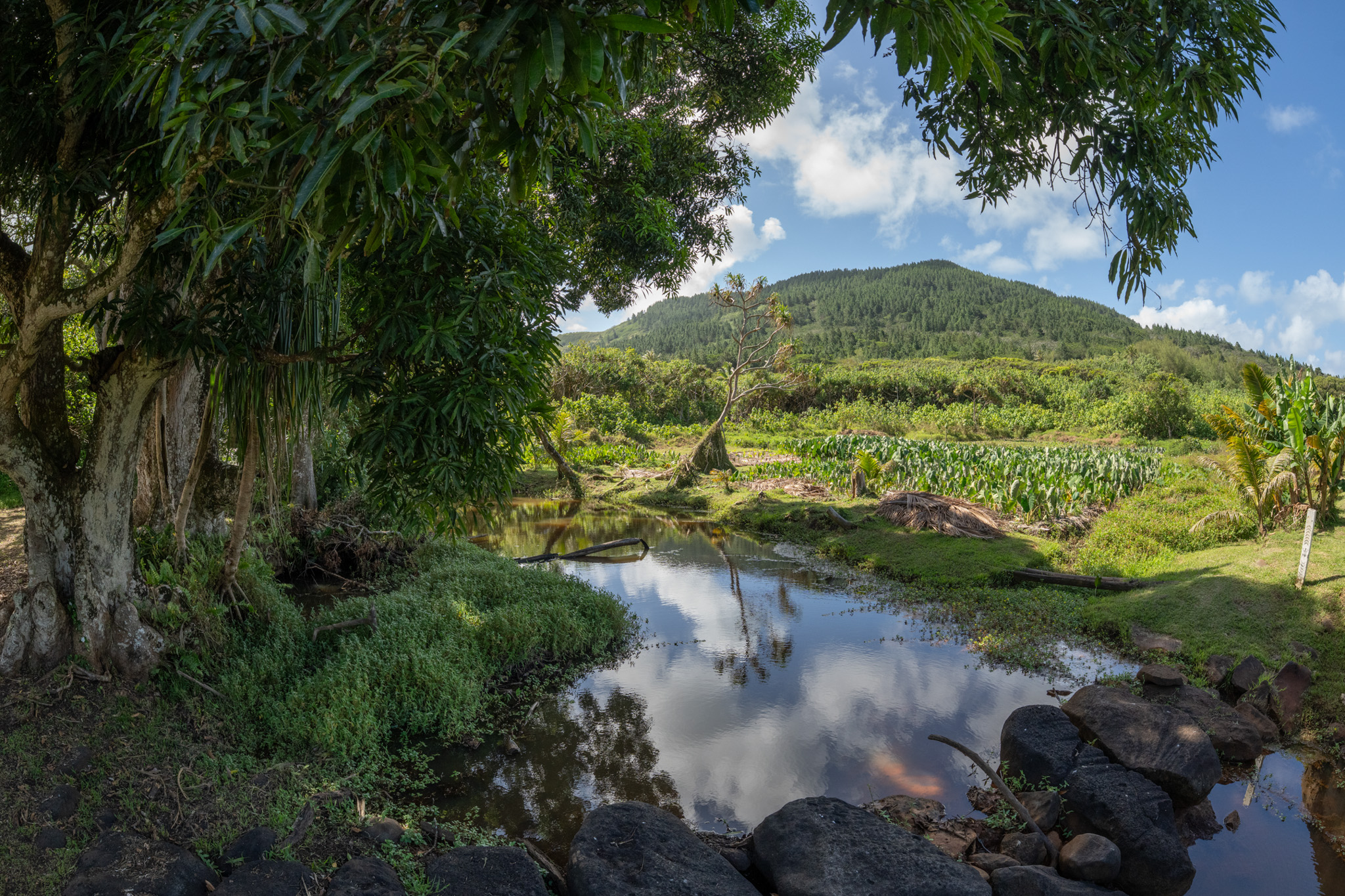
All images photographed with the Sigma 15mm F1.4 DG DN Diagonal Fisheye | Art lens.