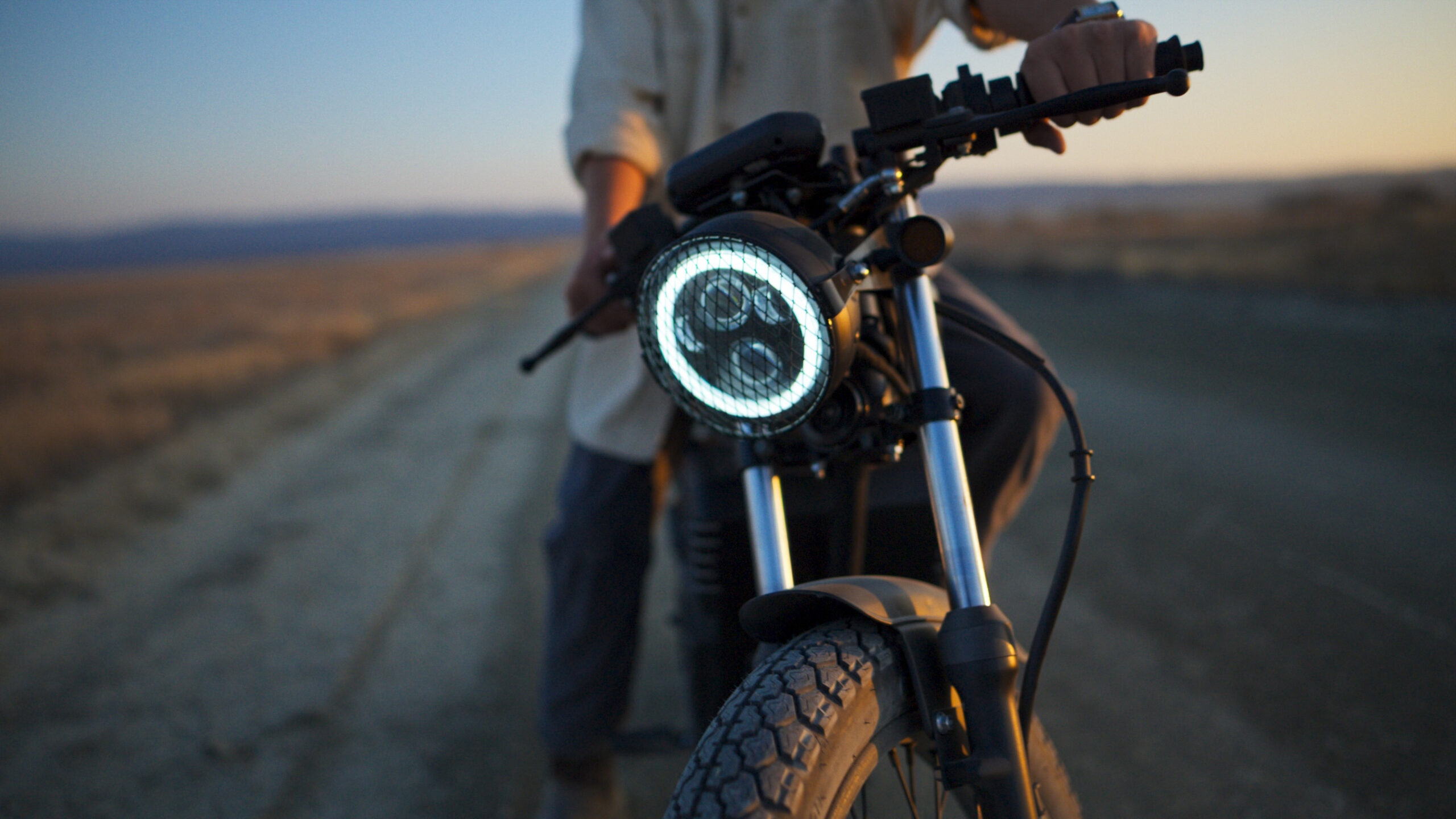
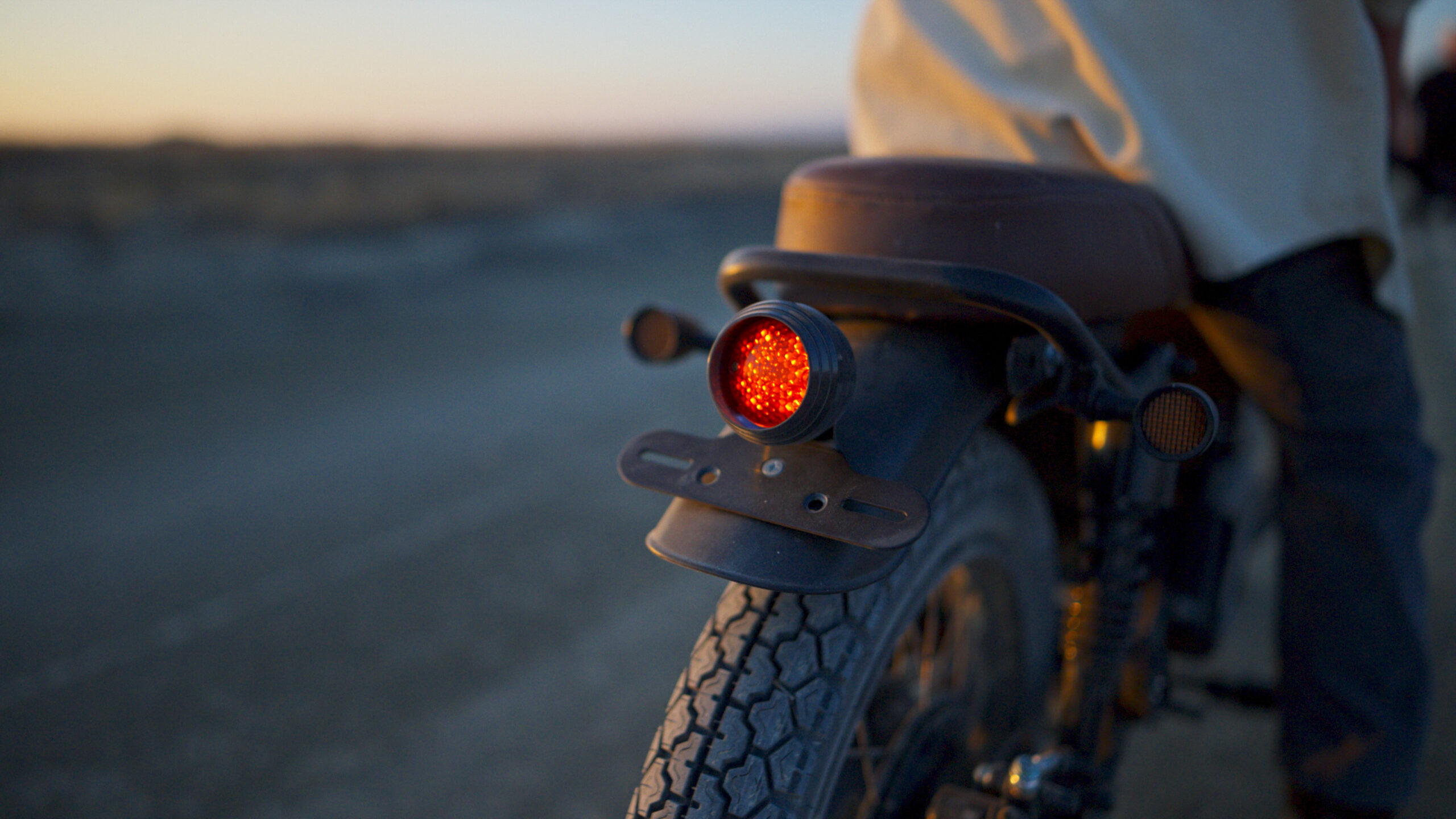
Modern machines channeling classic souls, photographed with cutting-edge, high-speed optics.
Sigma’s creative team recently joined forces with photographer Max Loewenstein on location to craft a high-octane campaign for Toronto-based Beachman Bikes and the London-born INEOS Grenadier.
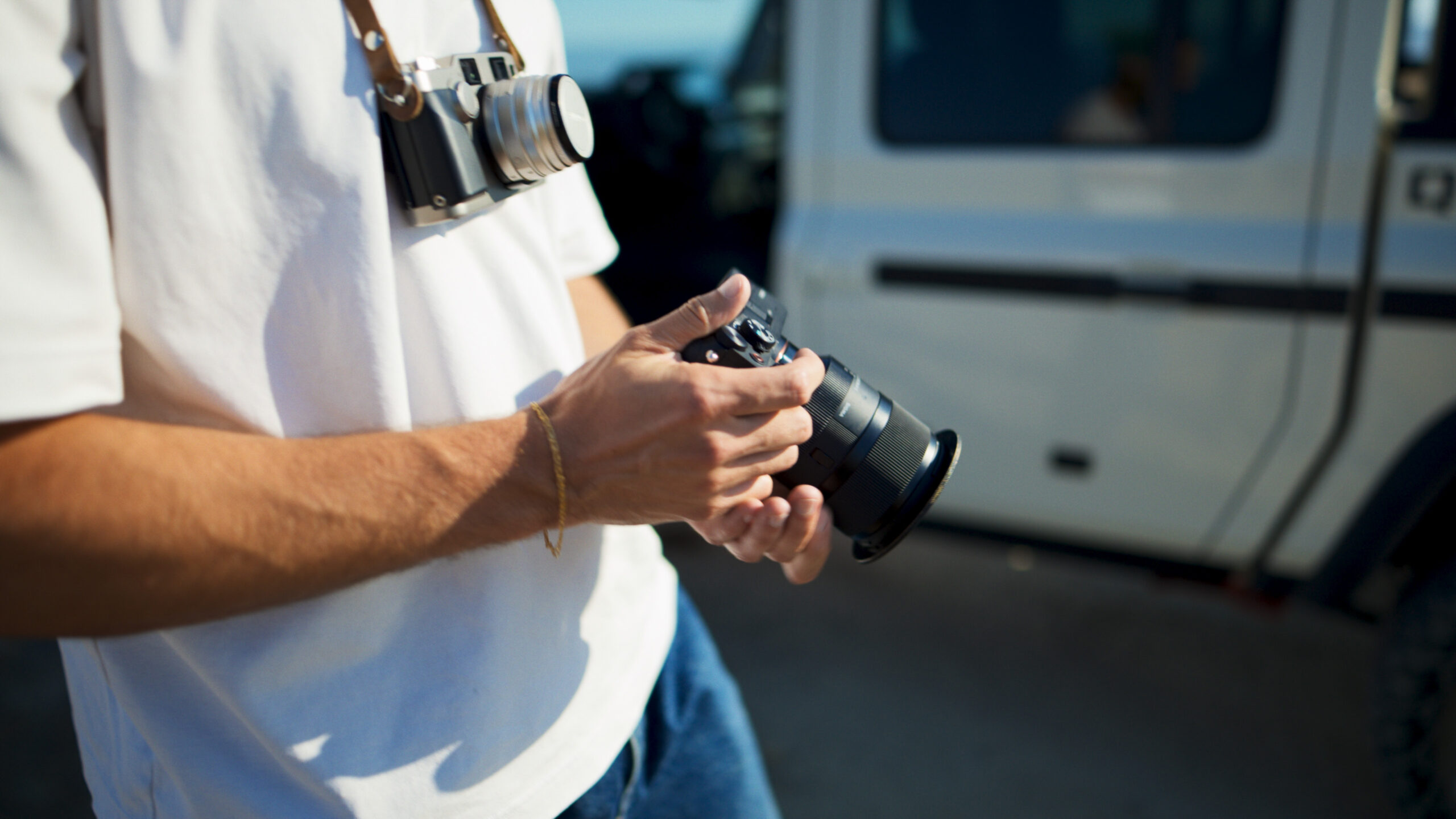
Armed with Sigma’s Art and Sports line glass and the newest Aizu Prime Cine lenses, Loewenstein and Sigma translated motion, metal, dust, and light into striking frames. Following the shoot, Max shared insights about his process, the logistics of shooting in physically demanding conditions, and what it takes to capture the true spirit of off-road adventure.
Pre-Production
Sigma:
This shoot took us miles into Carrizo Plain on the periphery of Soda Lake in California — an expansive landscape with harsh, mid-day light, high contrast, vivid colors, and no shortage of dust… How do you approach a remote location like this to start shaping your visual strategy and gear considerations?
Loewenstein:
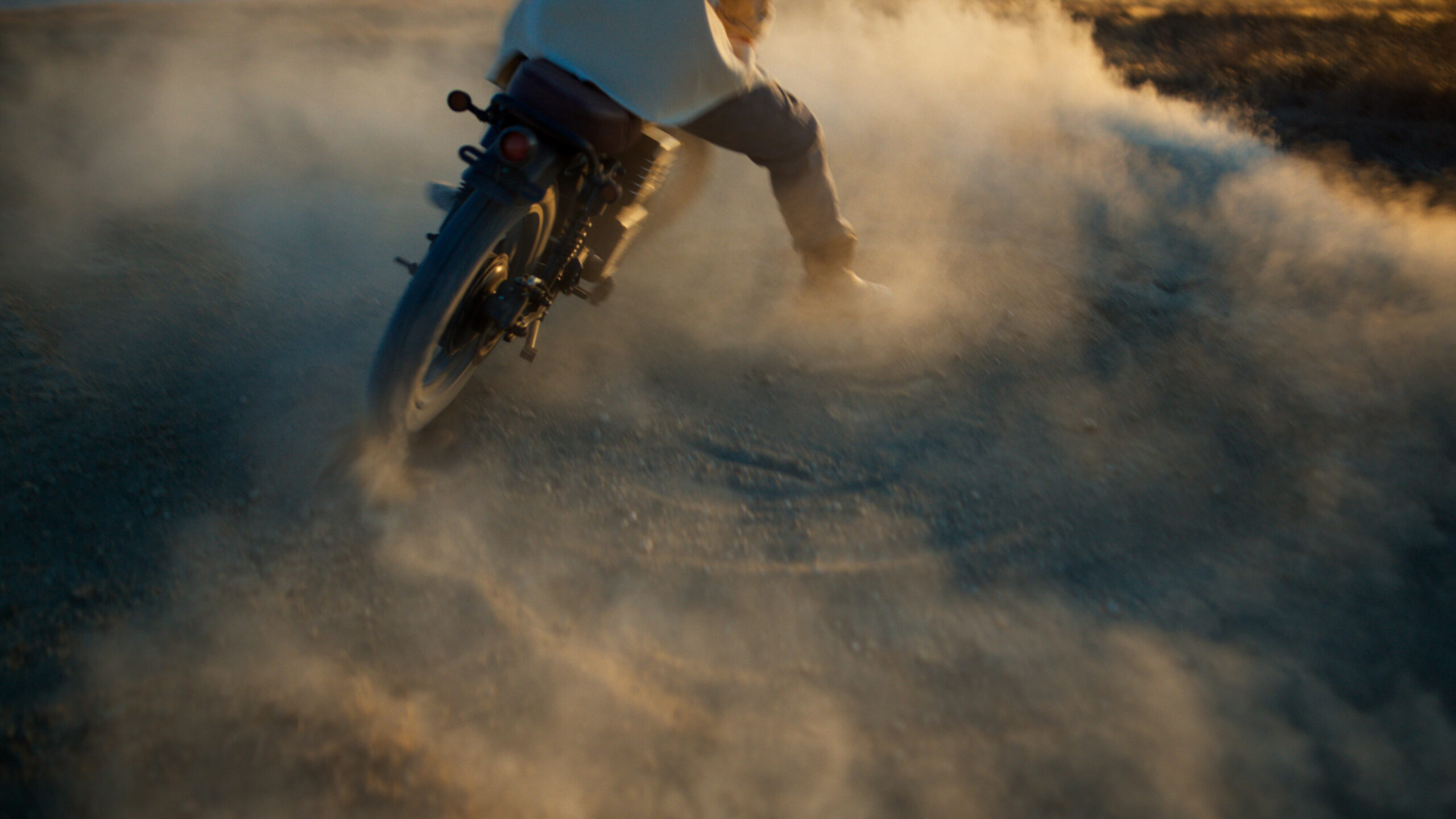
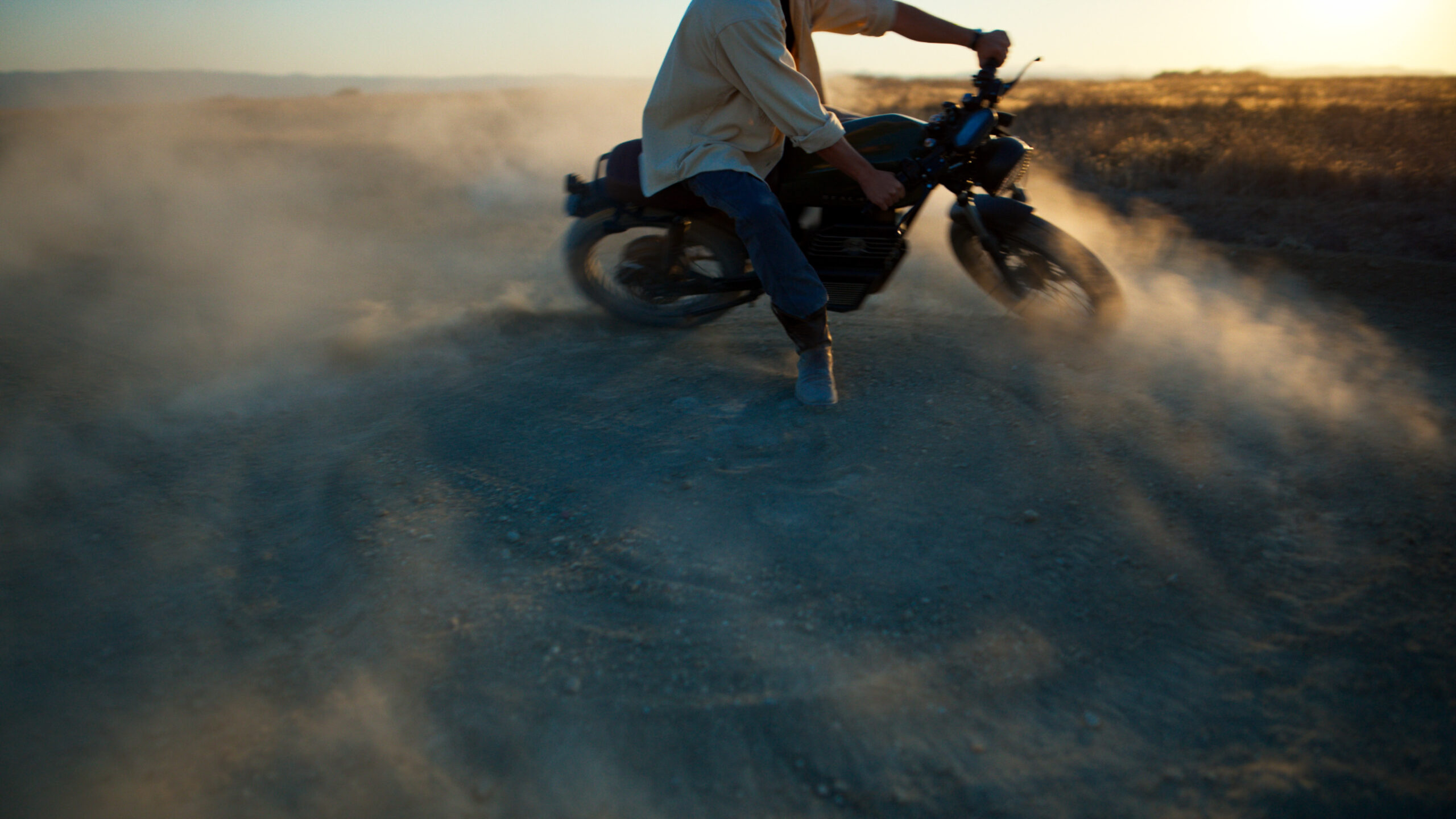
I usually pick a location with a few specific images in mind. For this one, I wanted a wide open space where we could kick up dust without worrying about other people around. We had to travel a good distance into the desert to find it, but it was perfect.
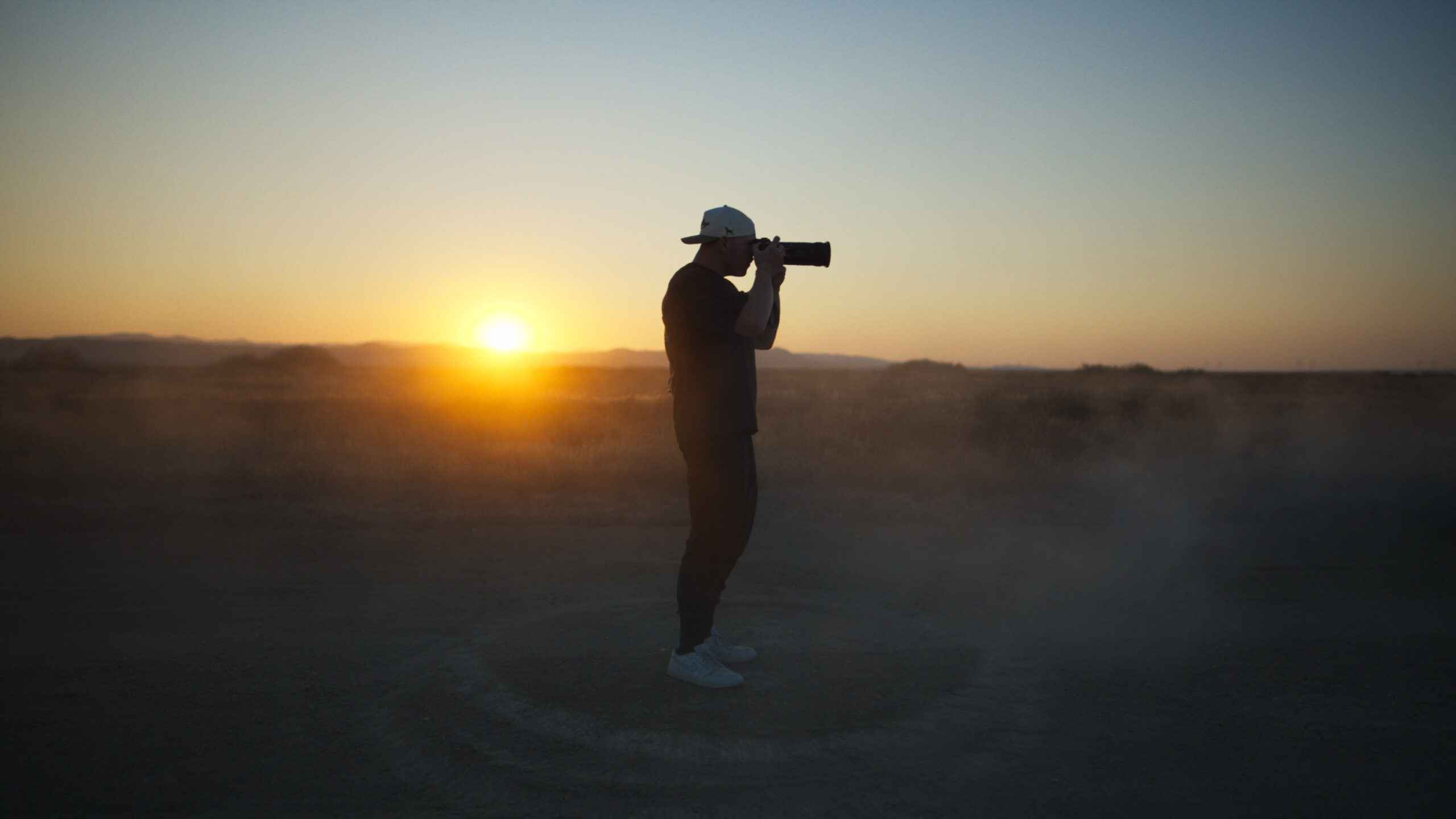
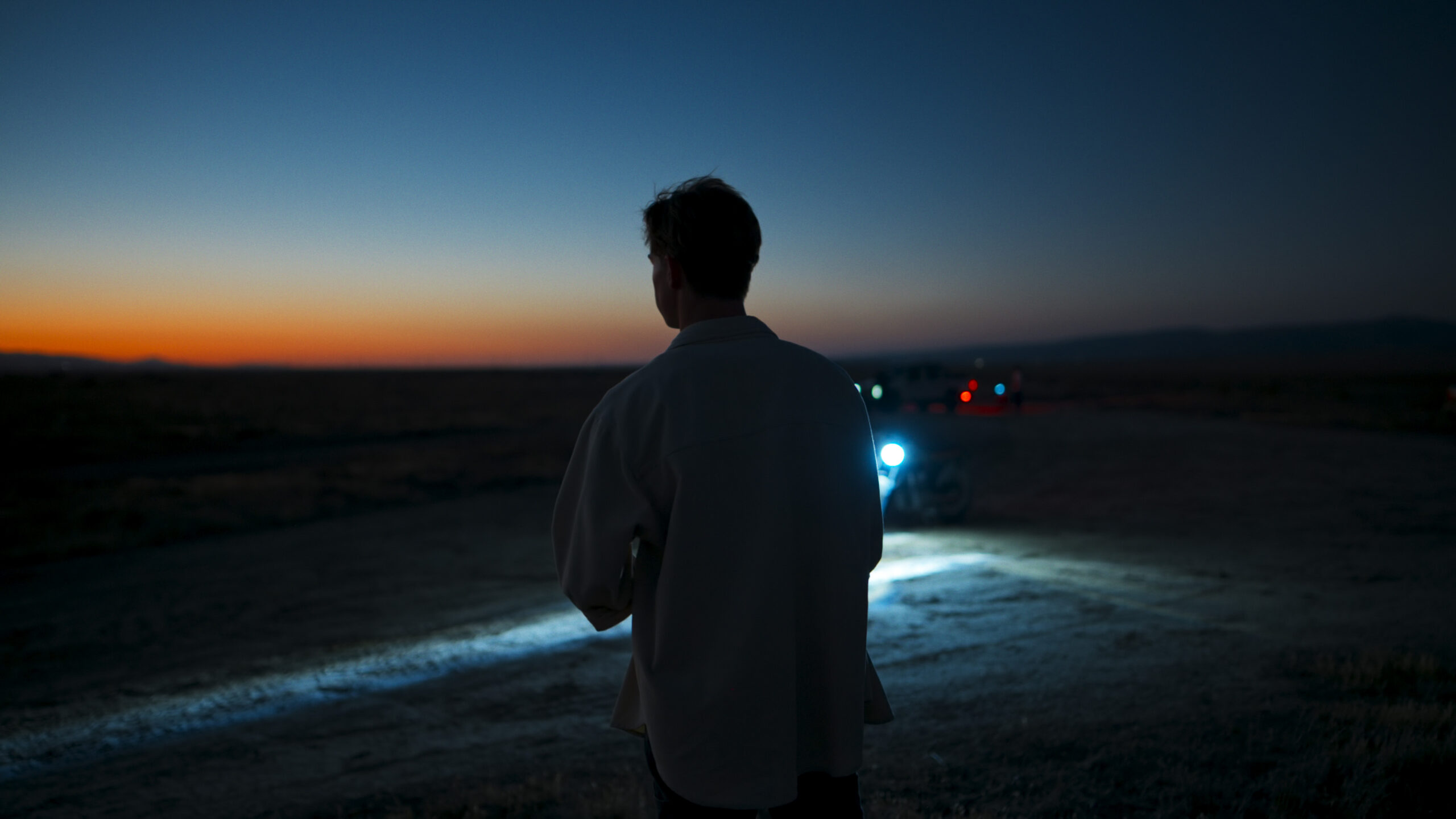
Harsh light isn’t a problem with shoots like these because I’m okay with blown highlights and dusty frames. What I’m really after is that golden light you get when nothing blocks the sun as it sets. The glow mixed with the dust in the air creates a cinematic atmosphere that makes for incredible automotive photos, whether it’s a bike or a car.
Consistency and Theme
Sigma:
When you’re balancing two very different subjects, a palpably vintage inspired electric motorcycle and a rugged gas-powered 4×4, how do you find a cohesive look that ties both products together?
Loewenstein:
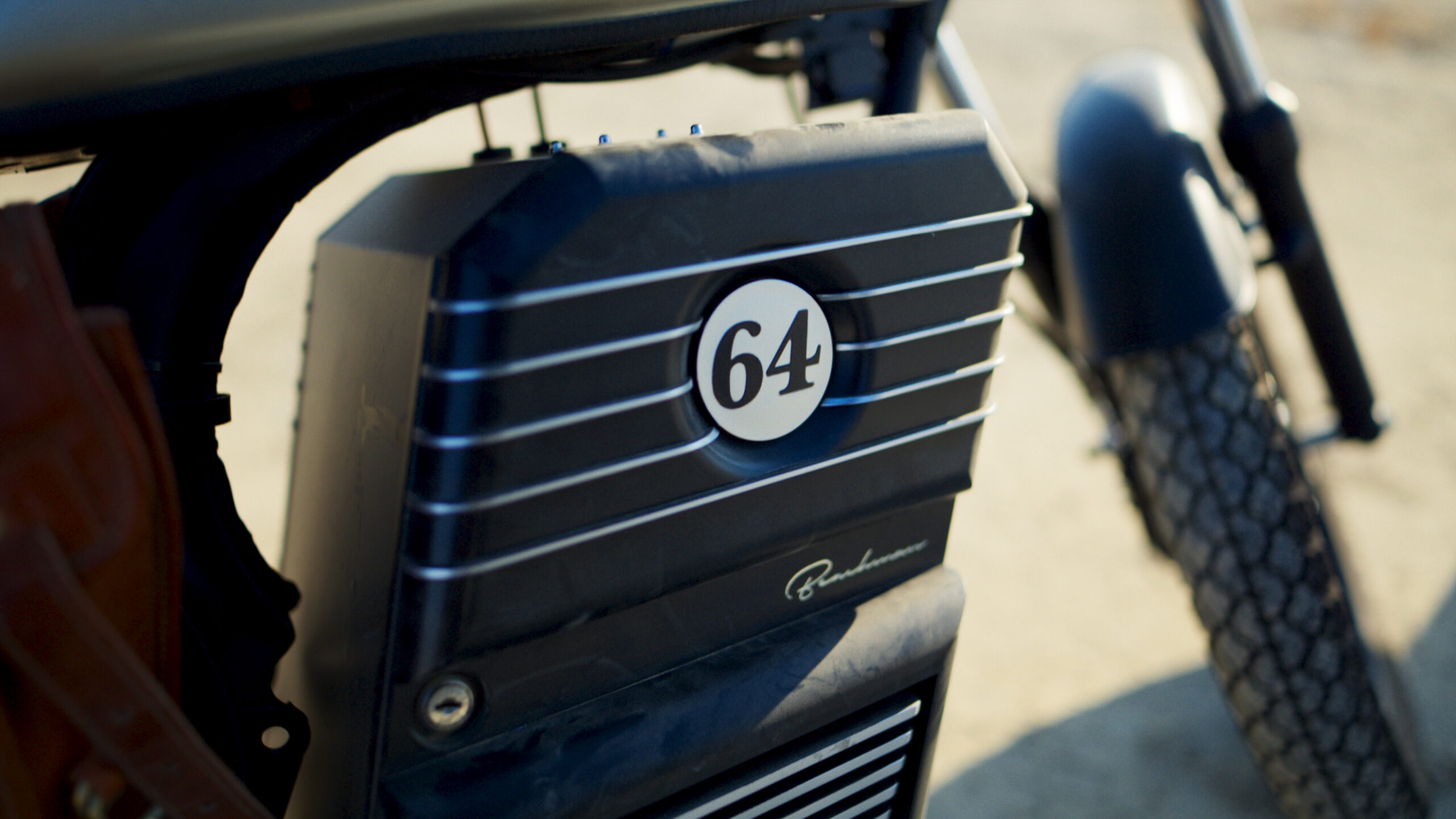
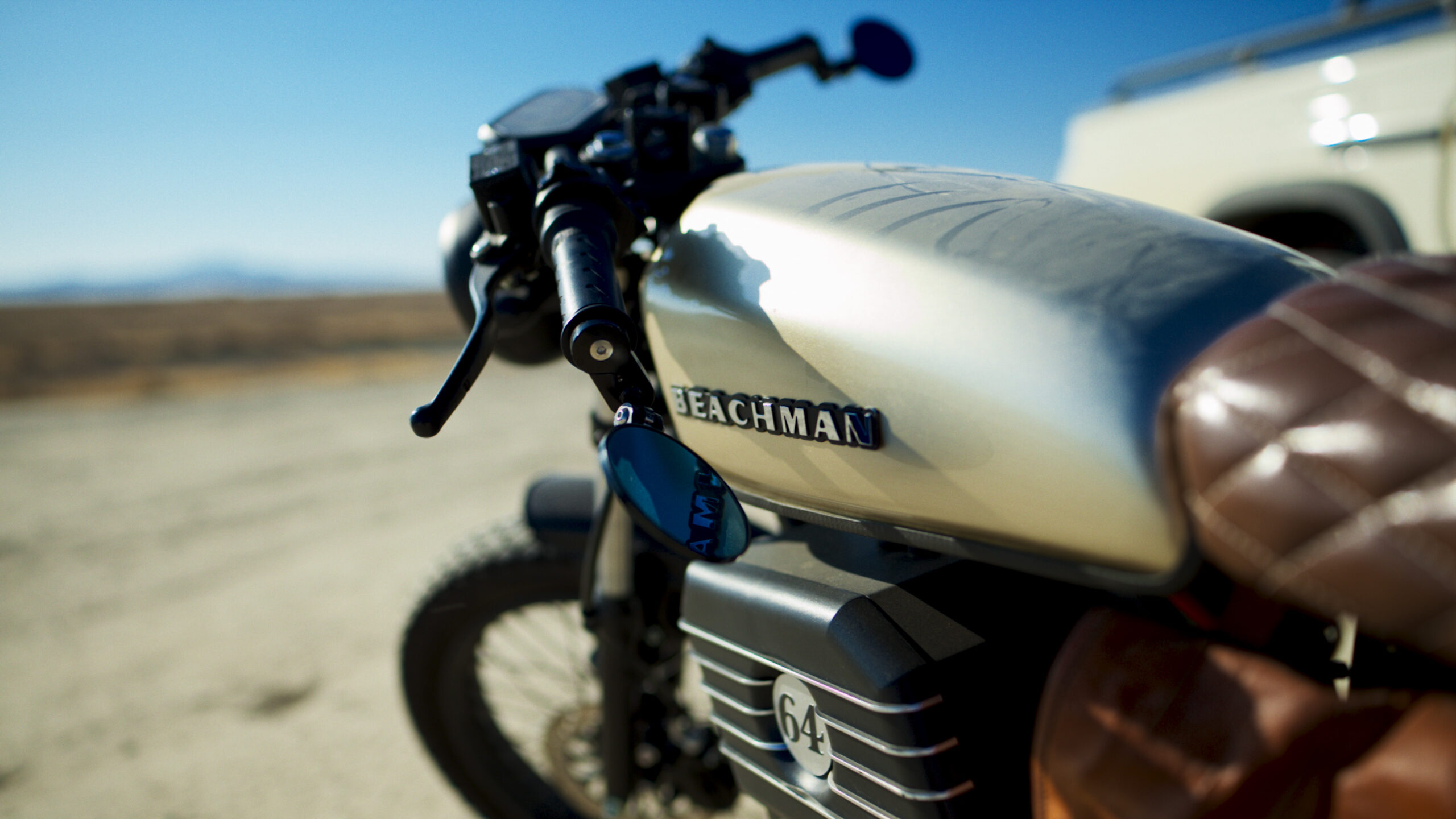
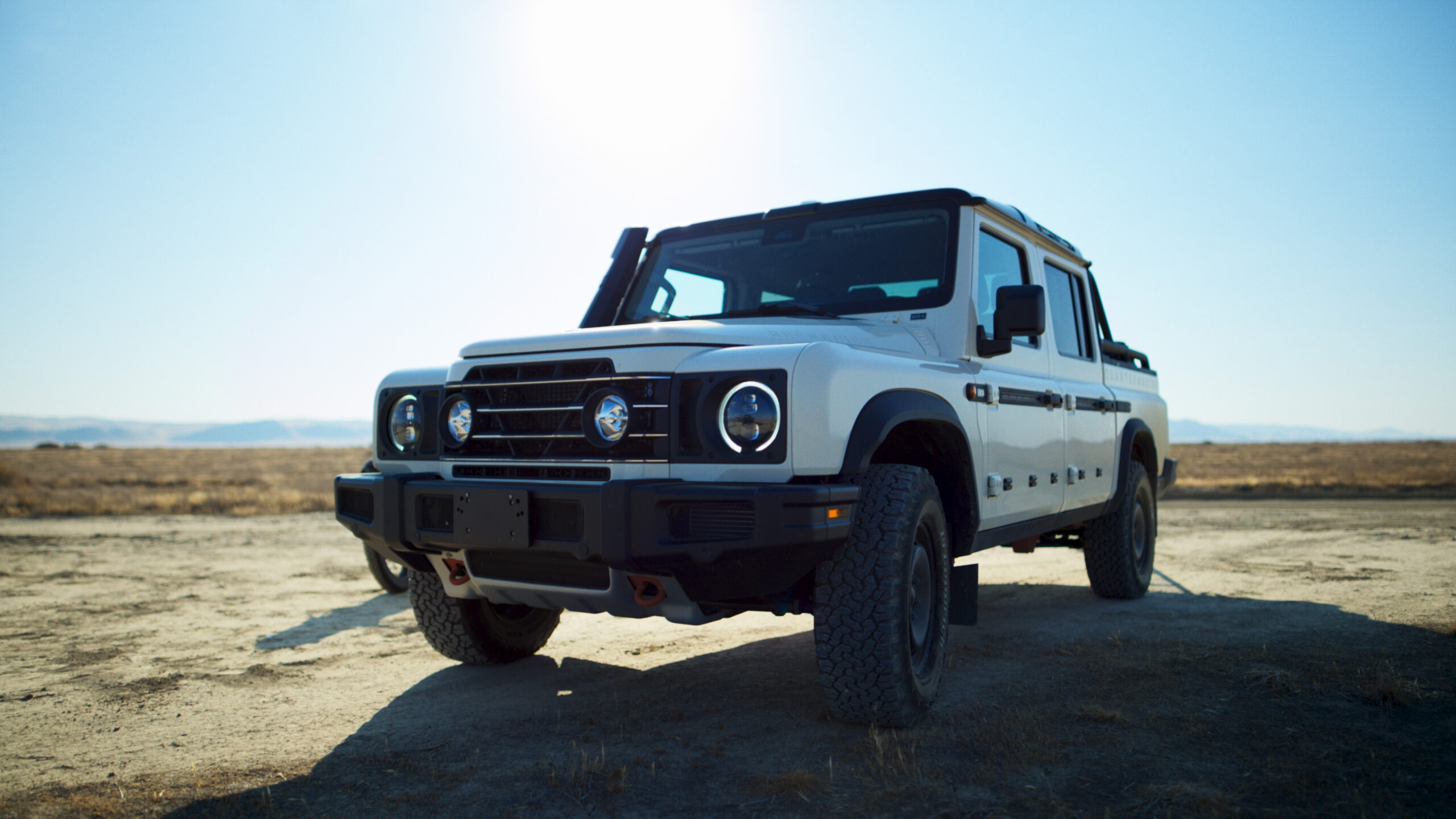
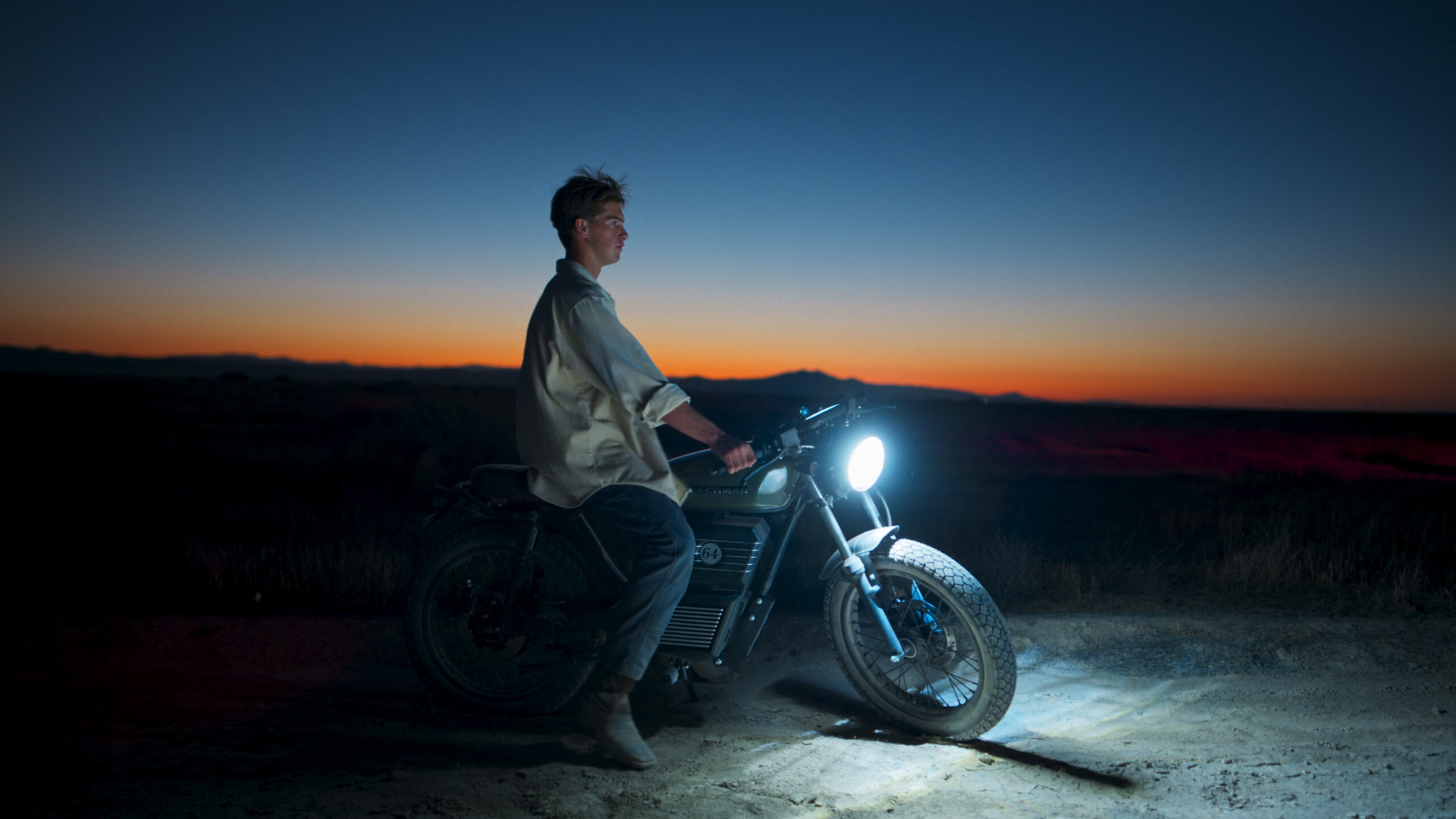
Both the Beachman ’64 and the Grenadier Quartermaster are vintage-inspired in their own ways, which actually made it easier to connect them visually. What really ties them together is the raw, adventurous spirit they both represent. They’re built for exploring, getting dirty, and having fun out in the elements. Once you focus on that shared energy, everything else naturally falls into place photo-wise.
Optical Considerations
Sigma:
Fill us in on your choice of glass. You had a wide range of subject matter and a difficult environment to shoot in. What lenses did you primarily lean on?
Loewenstein:
I normally lean toward the Sigma 24-70mm F2.8 DG DN II | Art for its versatility, the 70-200mm F2.8 DG DN OS | Sports for compression, and the 50mm F1.2 DG DN | Art for precision and bokeh. Each of those lenses could carry an entire shoot on its own, but using all three lets me build variety into the story. I can move between tight, detailed shots and wide, cinematic frames without ever feeling limited by my gear.
“Rollers”
Sigma:
Motion blur has become a signature element in a lot of your automotive work. You’ve dubbed these shots “rollers.” What’s your process for incorporating that technique intentionally and would you recommend certain lens choices or focal lengths to make this possible?
Loewenstein:
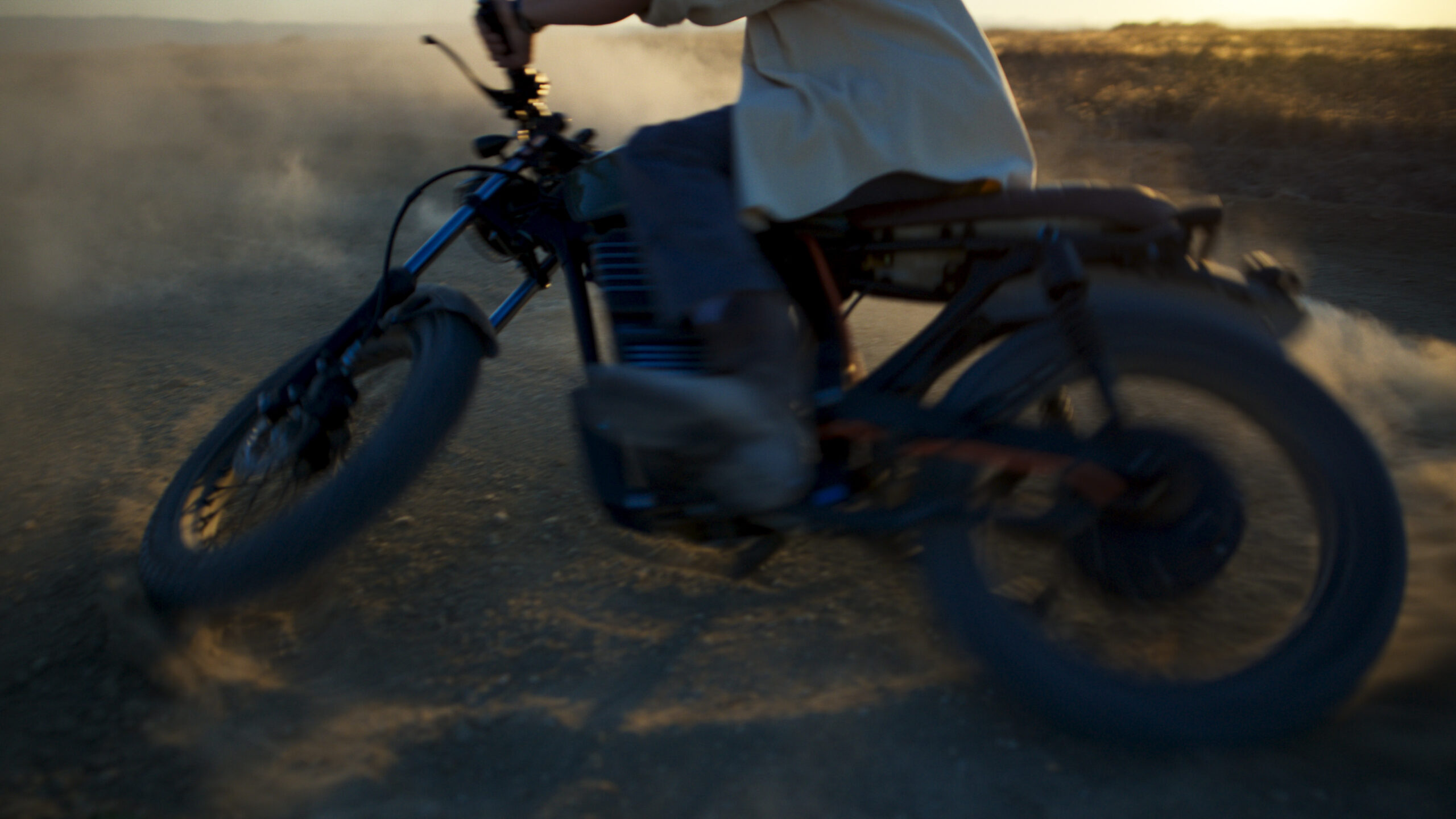
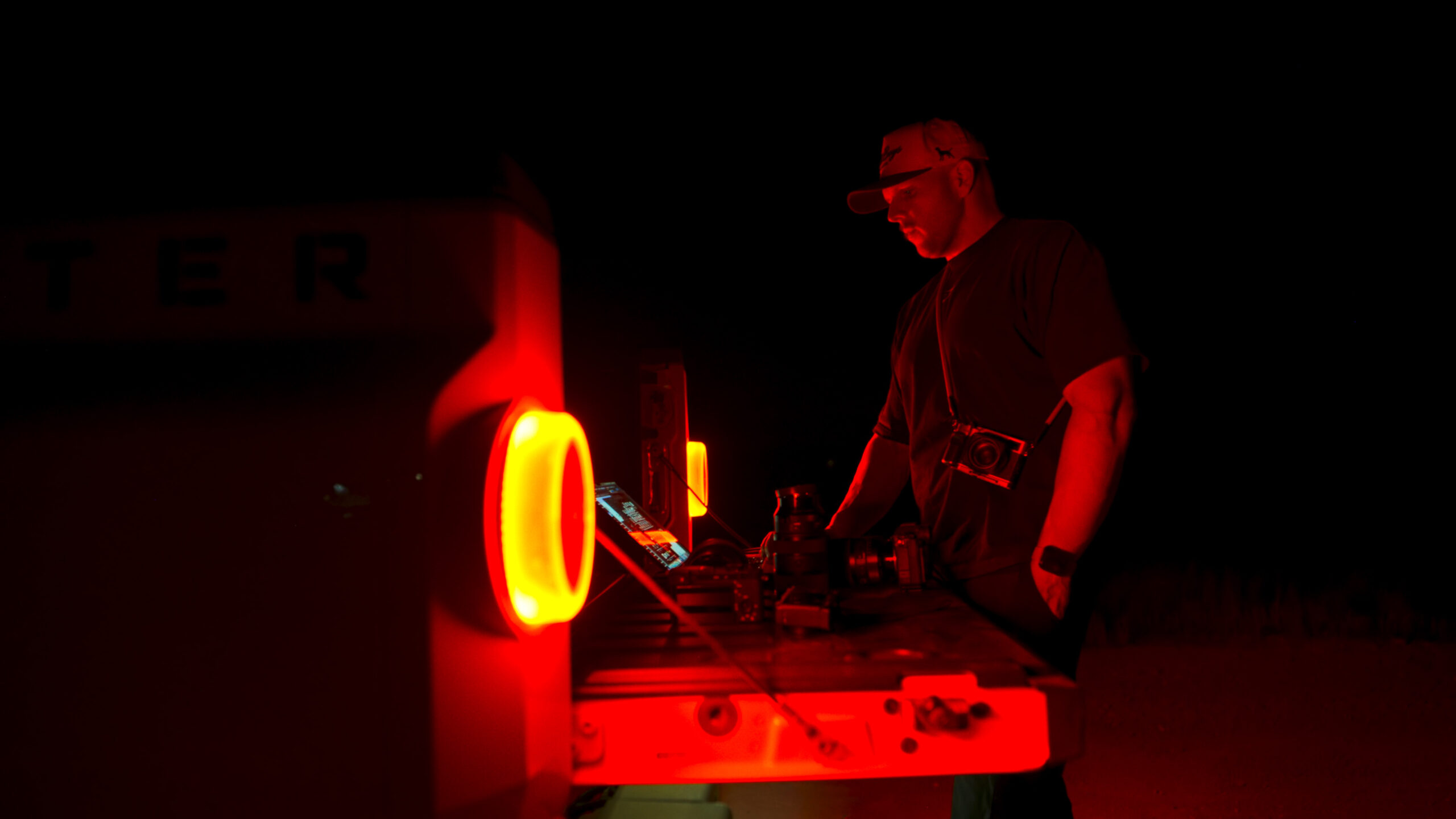
It definitely requires a team. You need someone driving the chase car and someone shooting the target car, with both speeds perfectly matched. The shooter needs a stable spot to shoot from, usually a truck bed in my case, with a harness for safety, cameras strapped down, and walkies on hand to control speed and positioning. An ND filter is a must so you can slow your shutter speed while keeping your aperture fairly open.
After that, it’s all about repetition — for every 500 roller shots, maybe 20 to 40 land perfectly sharp. I make it harder on myself by shooting wide open at 2.8 because I love the separation it creates, but it definitely makes nailing focus tougher. I usually shoot rollers on the Sigma 24-70mm F2.8 DG DN II | Art since I rarely need to go wider than 24, and the ability to zoom in gives me flexibility when framing from a moving vehicle.
Hybrid Workflow
Sigma:
Shooting both video and stills side-by-side can be a challenge. How do you manage switching between those modes while keeping your deliverables consistent? How does gear choice apply?
Loewenstein:
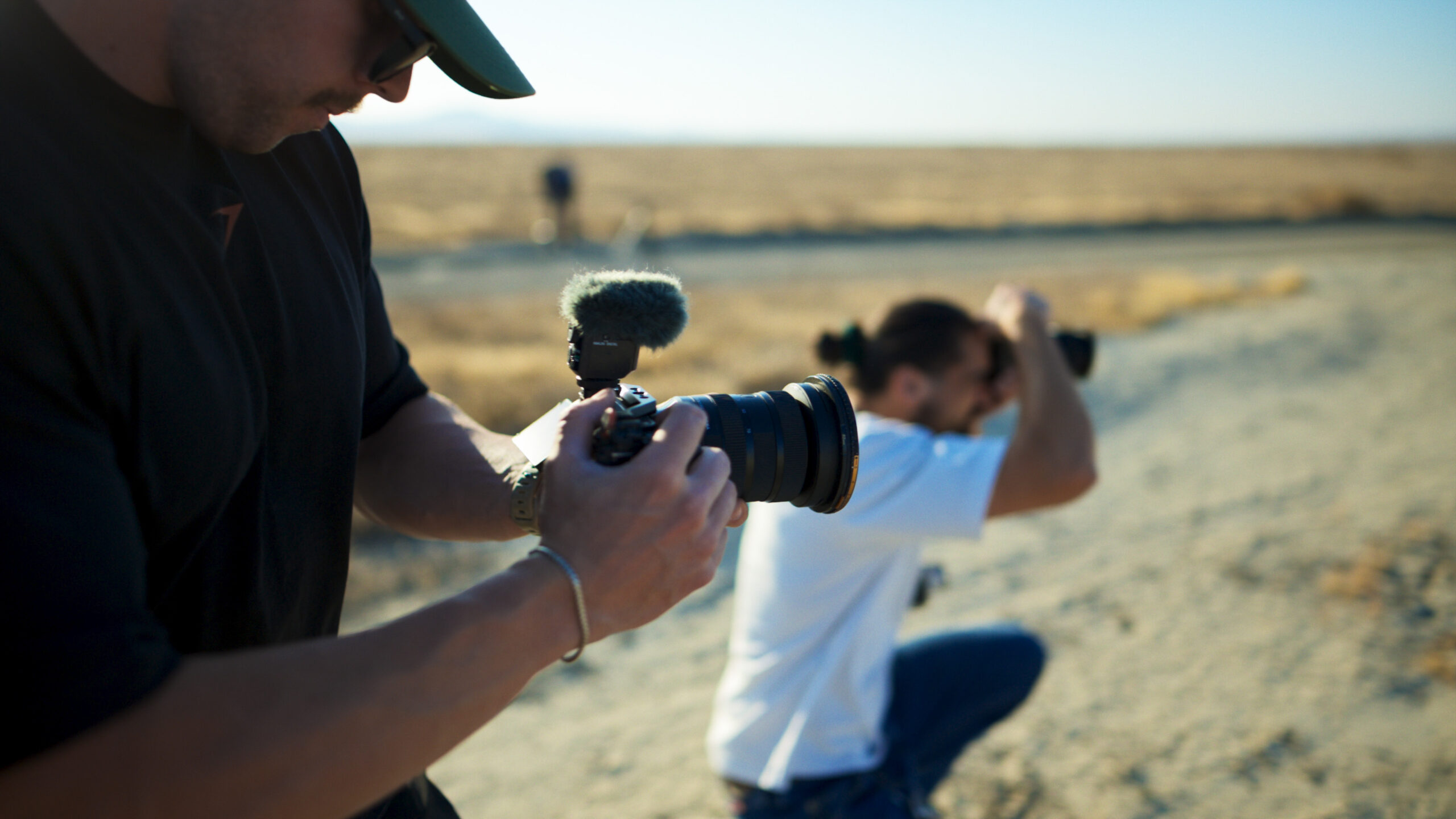
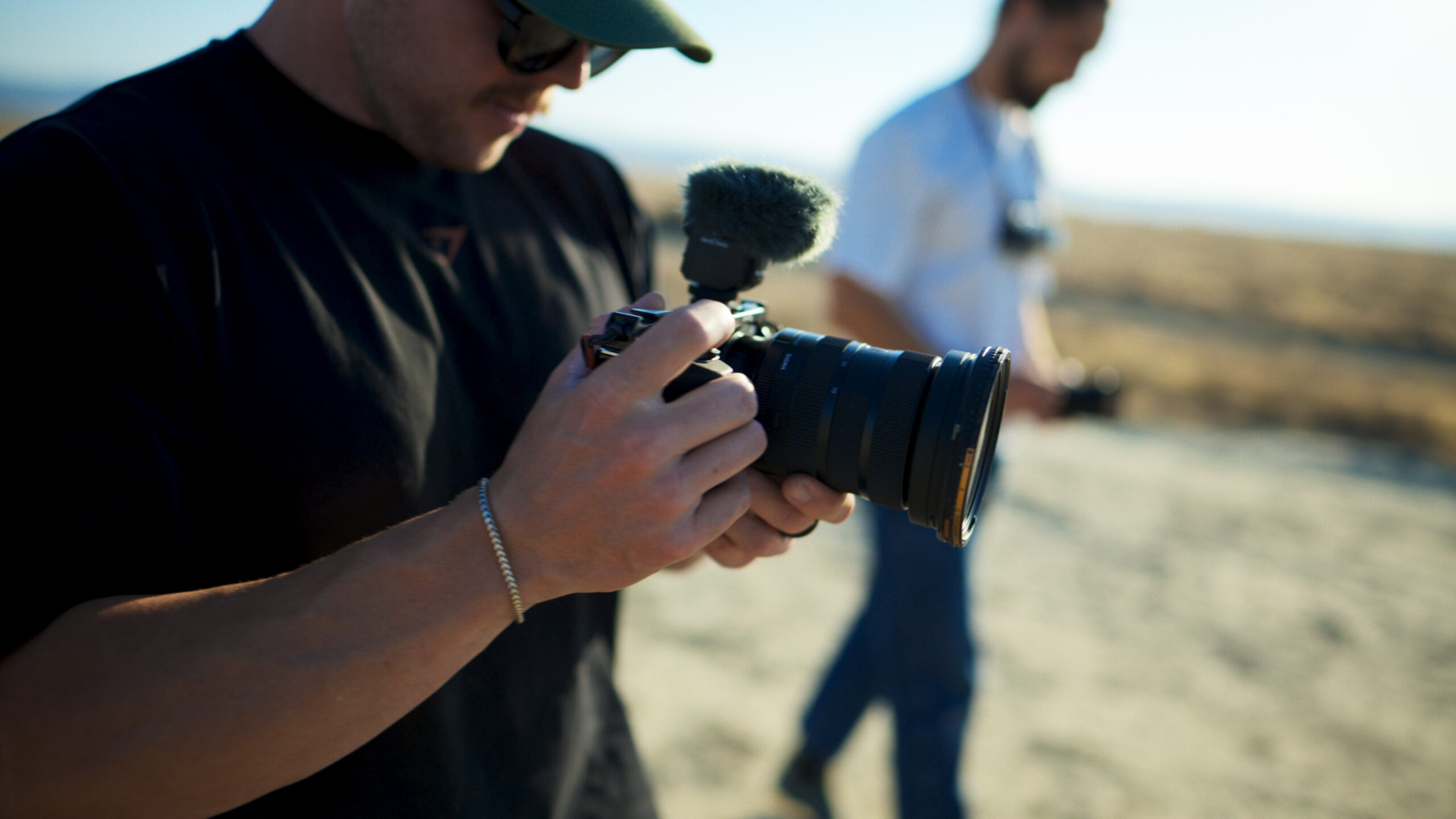
It’s definitely not ideal, but having the right gear makes it a lot easier. I usually run a completely different setup for video than for photos. For video, I’ll often use the ZV-E1 with the Sigma 18-35mm T2 FF cine lens. That setup gives me a wider frame that I can crop into later if needed. I rely heavily on in-body stabilization, which adds a crop factor, so starting wide helps me keep the full scene in view while still having room to tighten up the shot when needed.
Durability
Sigma:
Dust, heat, and long hours can wear on both the crew and even more so, the gear. From a technical perspective, did you do anything in particular to keep everything running smoothly out there? Was the dust-resistant build of the 70-200mm F2.8 DG DN OS | Sports lens a consideration in pre-production?
Loewenstein:
Yeah, that was definitely a factor. I normally lean toward the Sigma 24-70mm F2.8 DG DN II | Art for its versatility, but the build quality made it an easy choice for this kind of environment. Out there, everything gets covered in dust, so I made sure to keep microfiber cloths, compressed air, and lens wipes close by to clean between setups.
I also try to minimize lens changes to keep dust off the sensor, and when we weren’t shooting, I kept my gear sealed up in the Grenadier. I have a lot of trust in my gear and I’m not afraid to put it through its paces — that’s part of what makes shoots like this fun.
Takeaways
Sigma:
Looking back at this project, what creative or technical insights are you most excited to bring into your next automotive assignments?
Loewenstein:
This shoot reminded me how much I love combining vehicles with natural environments. There’s something special about showing machines built for adventure actually out in it. It also reinforced how valuable it is to trust instinct over over-planning.
Some of my favorite shots came from moments that weren’t on the shot list — just reacting to the light, the dust, and the energy of the scene. I want to carry more of that spontaneity into future projects.
Beachman + Sigma Reel Shot with Aizu Prime Lenses
A look behind the scenes:
Shop for lenses featured above