Hello, I’m Heather Larkin, and I’m a professional portrait photographer in Athens, Georgia. I’ve been in business for over 20 years photographing kids, families, and fairytale photos. I want my pictures to feel as magical as possible, and to me, a lot of that comes down to my lens choice. So when I learned that Sigma was making the world’s first 135mm F1.4 autofocus lens, I immediately knew it was going to top my list of must-have glass… and it does not disappoint!
Out out the box
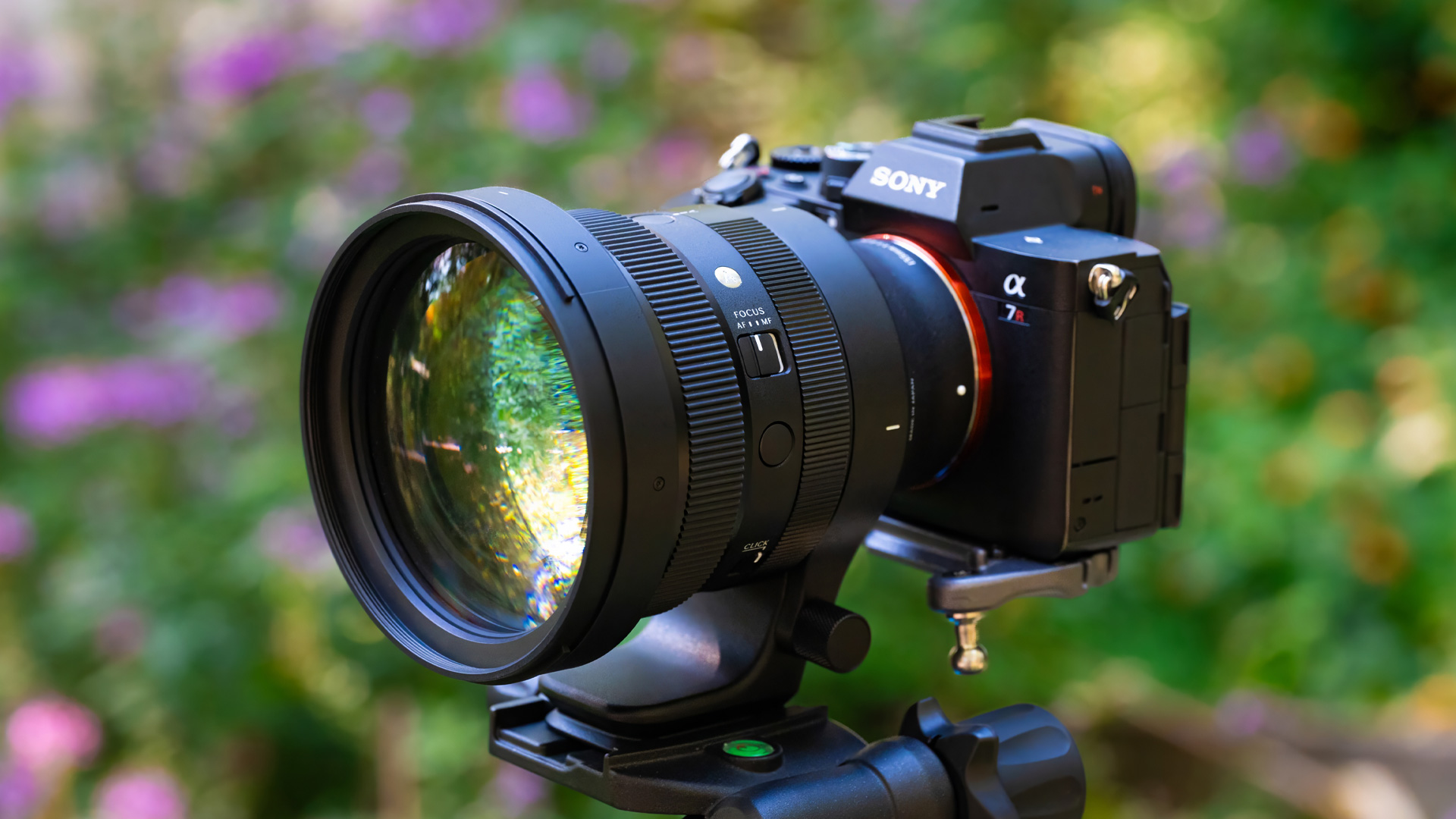
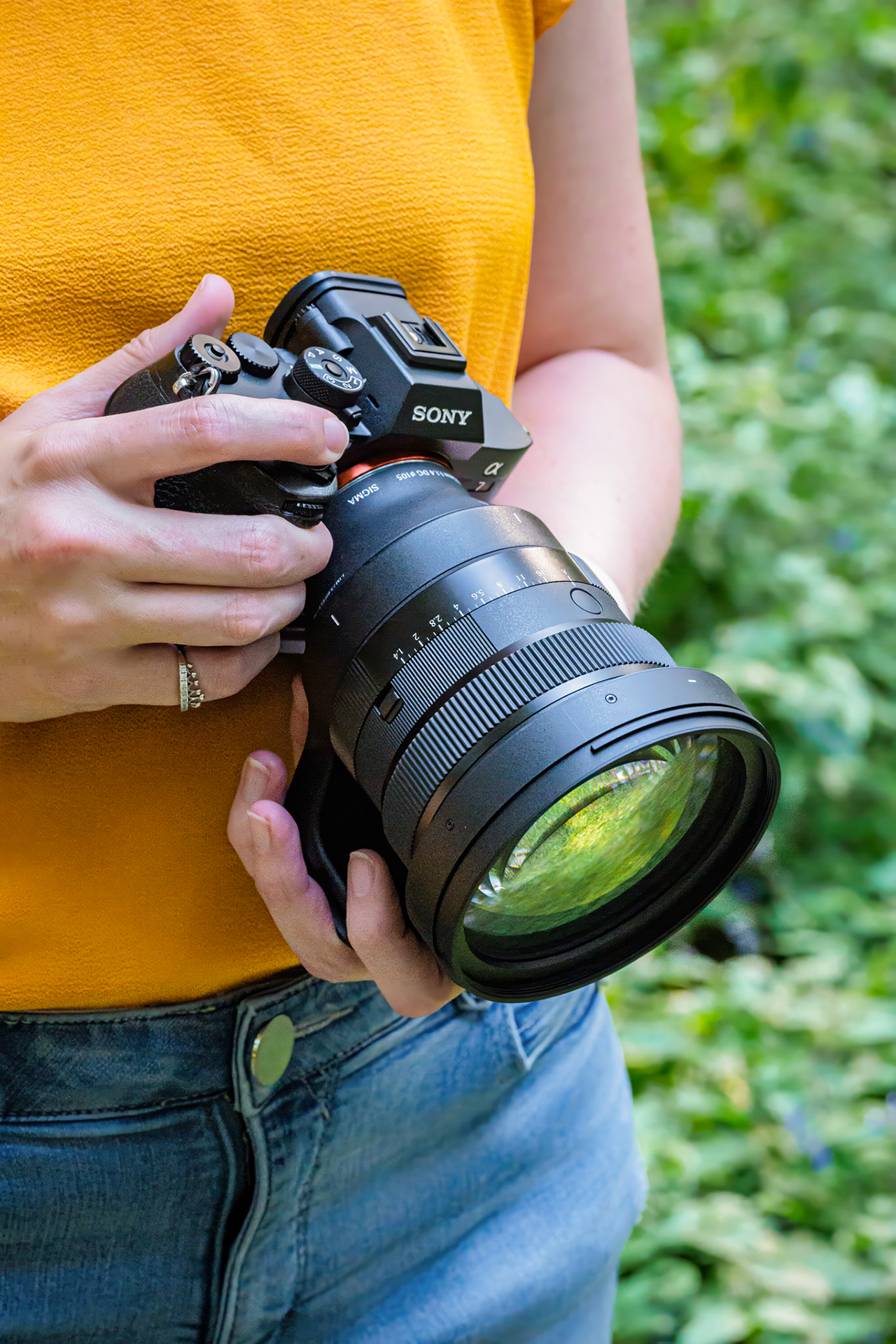
The Sigma 135mm F1.4 DG | Art is actually smaller than I expected it to be. I thought it was going to be huge and extremely heavy, but that’s not the case. No, it’s not tiny, and it’s also not light, but honestly that weight feels good and reassuring. It tells me there’s a lot of glass in here doing some serious work. And even though it is on the heavier side of portrait lenses, it’s incredibly balanced. I used the now-discontinued Sigma 105mm F1.4 for years, and that was physically longer than this new 135mm. Because it’s shorter, the weight rests differently and doesn’t feel like it’s a strain to use. I’ve developed some tendon pain in my camera hand, so anything that is front heavy is painful for me and the new 135mm was a lot nicer.
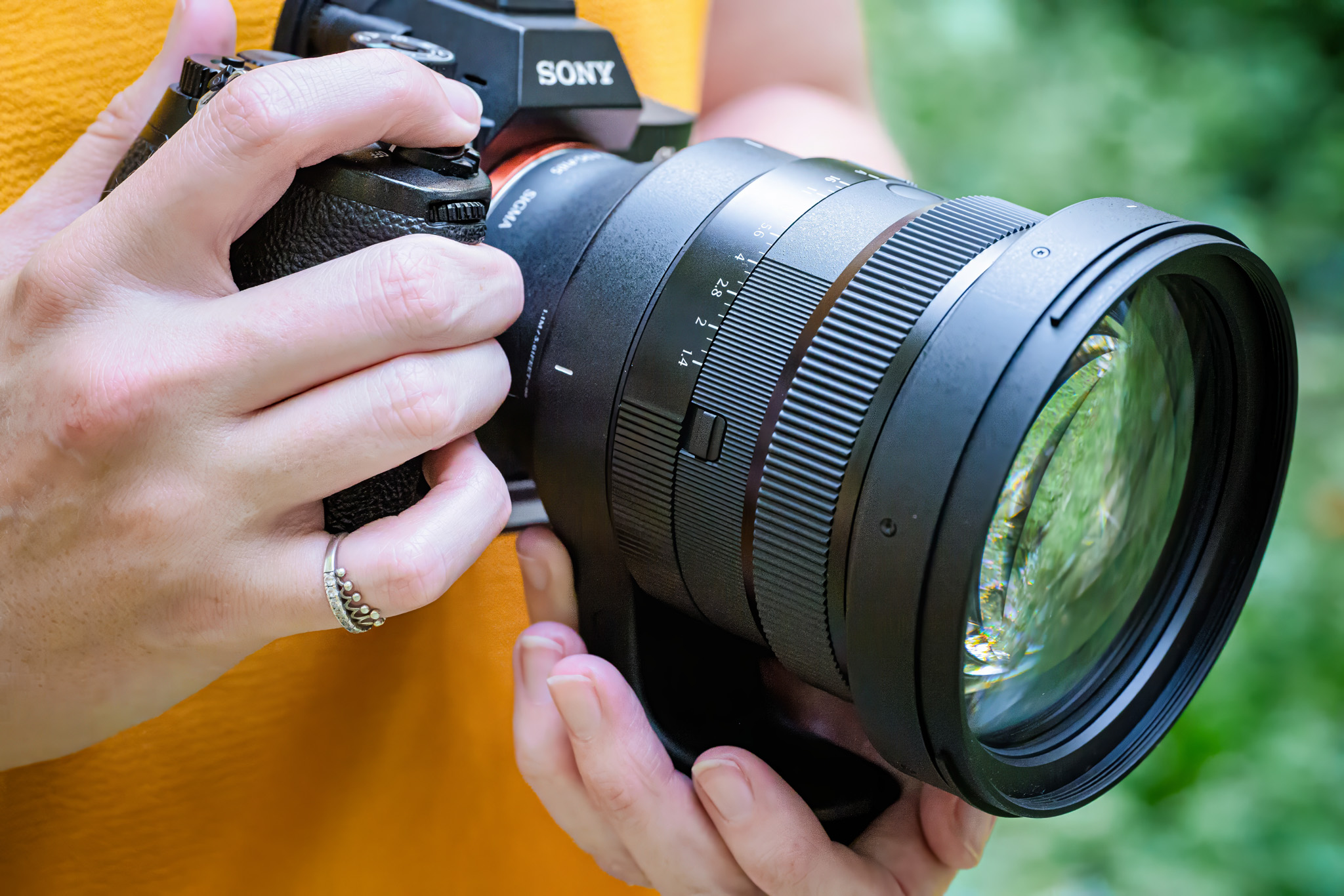
The build quality is solid and professional, nothing flimsy, and very much in line with Sigma’s Art line reputation. No cheap, plasticky feel for this. It feels like a lens that’s going to hold up through years of heavy use. Or me dropping it on the ground or falling on it… like I tend to do. Being part of the Art line, you know optical performance is the priority. Everything about it feels engineered for image quality first. Sigma definitely didn’t compromise here.
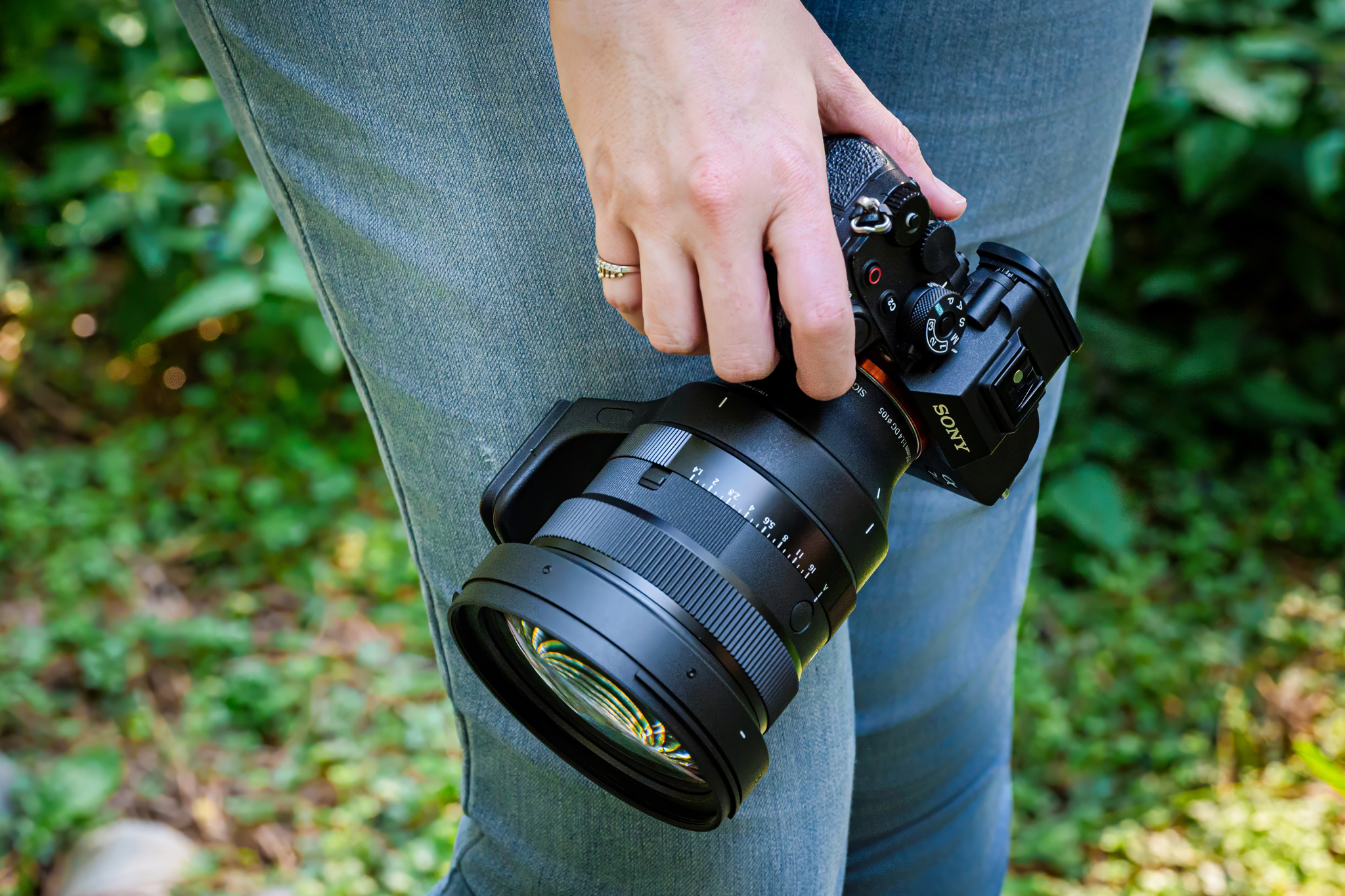
It has Dual HLA autofocus which means it has two motors in there, moving two different groups of glass at the same time, so it’s quick to achieve focus and accurate when it gets there. This means everything to me with running toddlers or jumping ballerinas. I simply can’t use a lens that doesn’t get the right focus immediately.
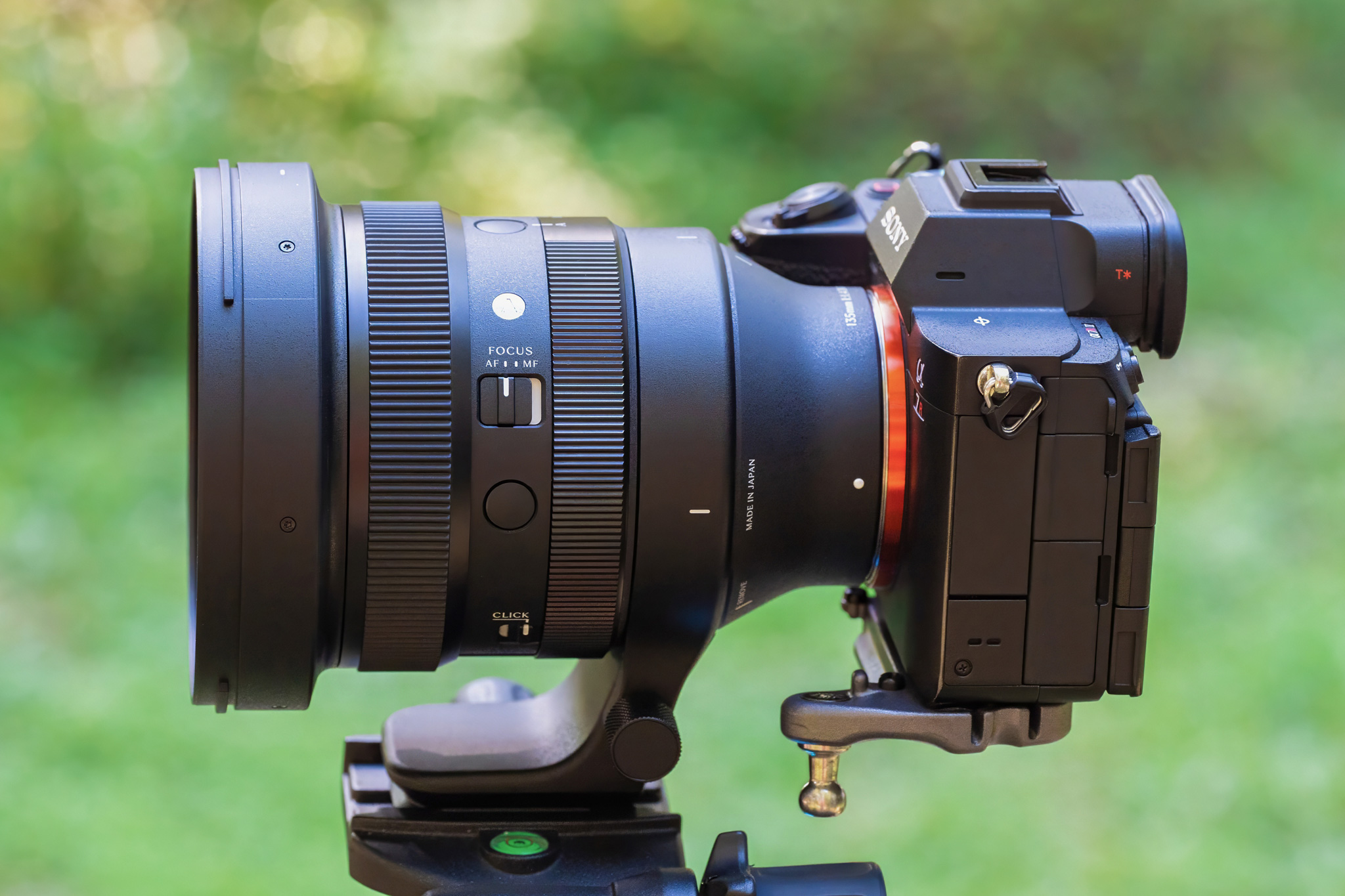
The minimum focus distance is 110cm. So for the non-metric people that’s a little over 3½ feet. I know I harp on minimum focus distance a lot in my other articles and that’s because I am also a macro photographer, and close focusing is extremely important to me, but for this lens I will say that it didn’t matter. I never once felt like I needed to be closer than the minimum distance. At 135mm, any closer wouldn’t be a portrait anymore, it would probably just be a picture of someone’s nostrils, and if I wanted that, I could get it with my macro lens.
Bokeh
The 135mm F1.4 DG | Art has 13 aperture blades for a smooth transition between each blade making for highlights that stay round even closer to the edges of the frame at F1.4, and stopping down even a little makes each of those circles fully round.

Sony A7R V
F1.4, 1/1000s, ISO 125
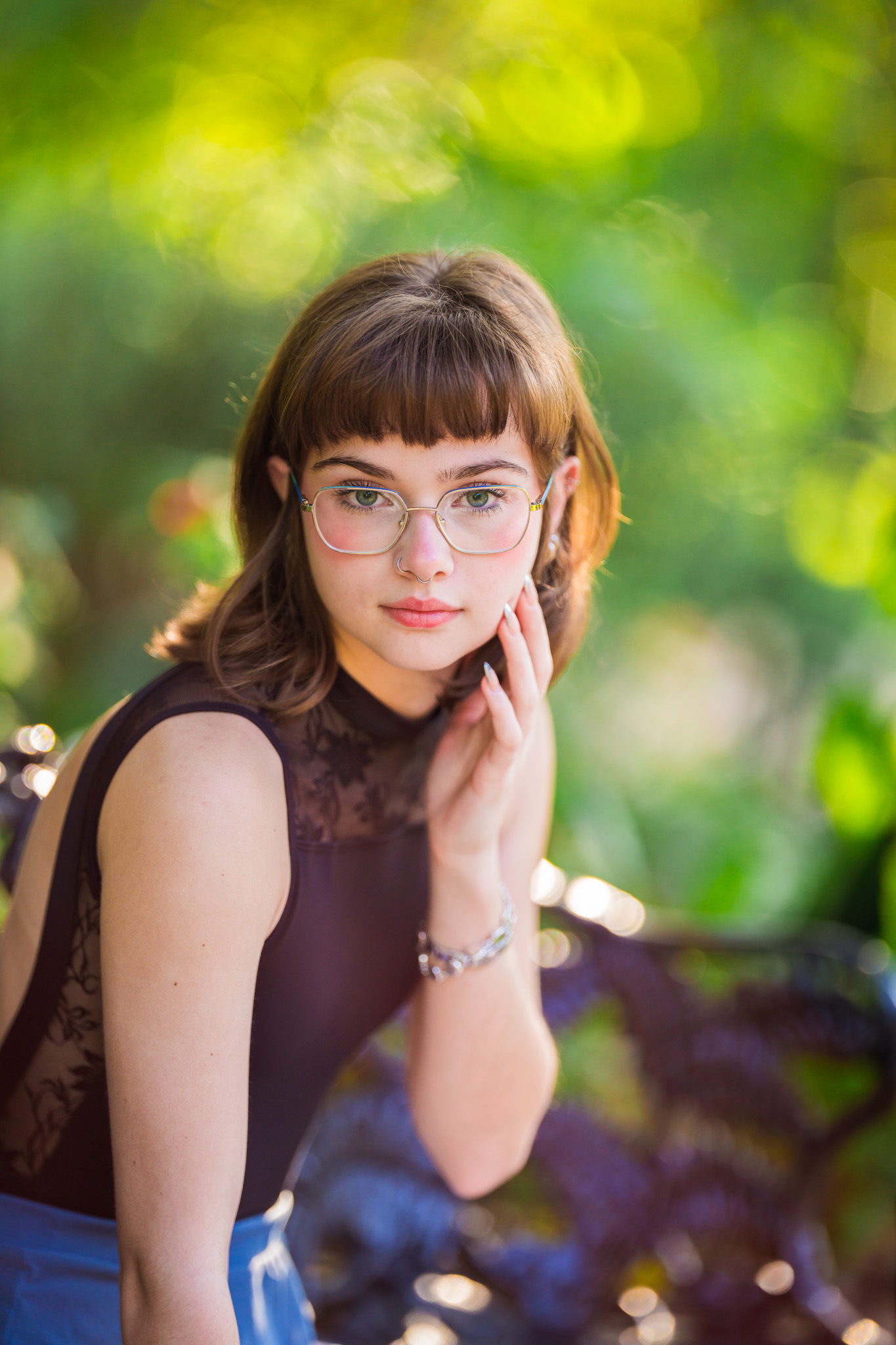
Sony A7R V
F1.4, 1/500s, ISO 640
The background just melts away in a way that feels soft but not distracting, perfect for portraits where you want your subject to pop. There’s also a very impressionistic, dreamy quality to that background blur in the colors. It’s very painterly in the transition between shadow and light and color into another color. I will absolutely not use a lens where the color feels blocky or crunchy, and this is probably the smoothest I’ve ever seen.

Sony A7R V
F2.2, 1/2500s, ISO 250
135mm as a portrait lens
I used the 135mm F1.4 DG | Art for some of my client sessions for dancers, and some child photo sessions as well. I purposely chose some really cluttered and unflattering backgrounds for some of the dancers to see how the lens would blur that out. I also used it in some of my favorite, most magical locations for kids, to see if it made things any more amazing than I’m used to.
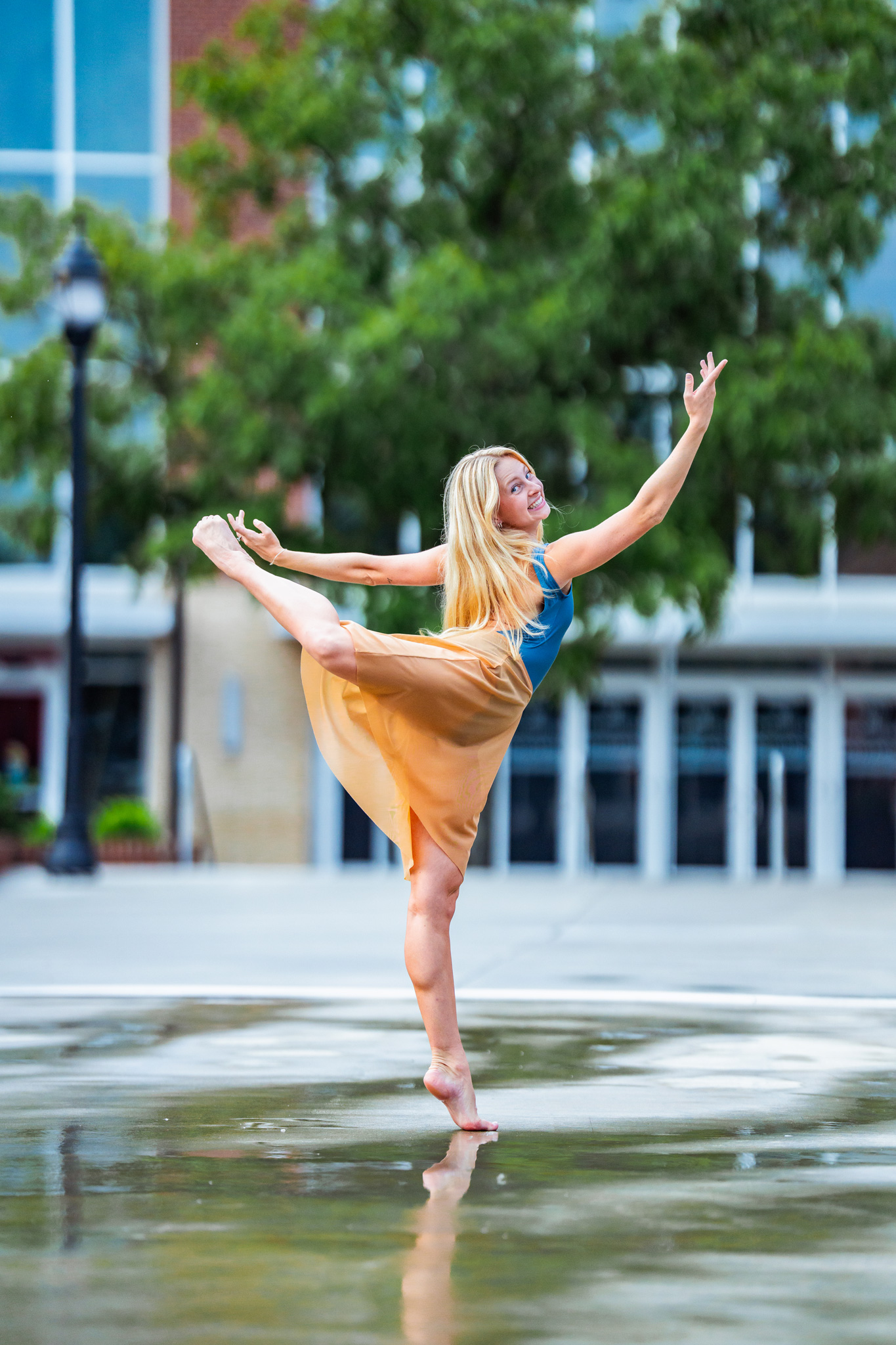
Sony A7R V
F1.4, 1/8000s, ISO 1250
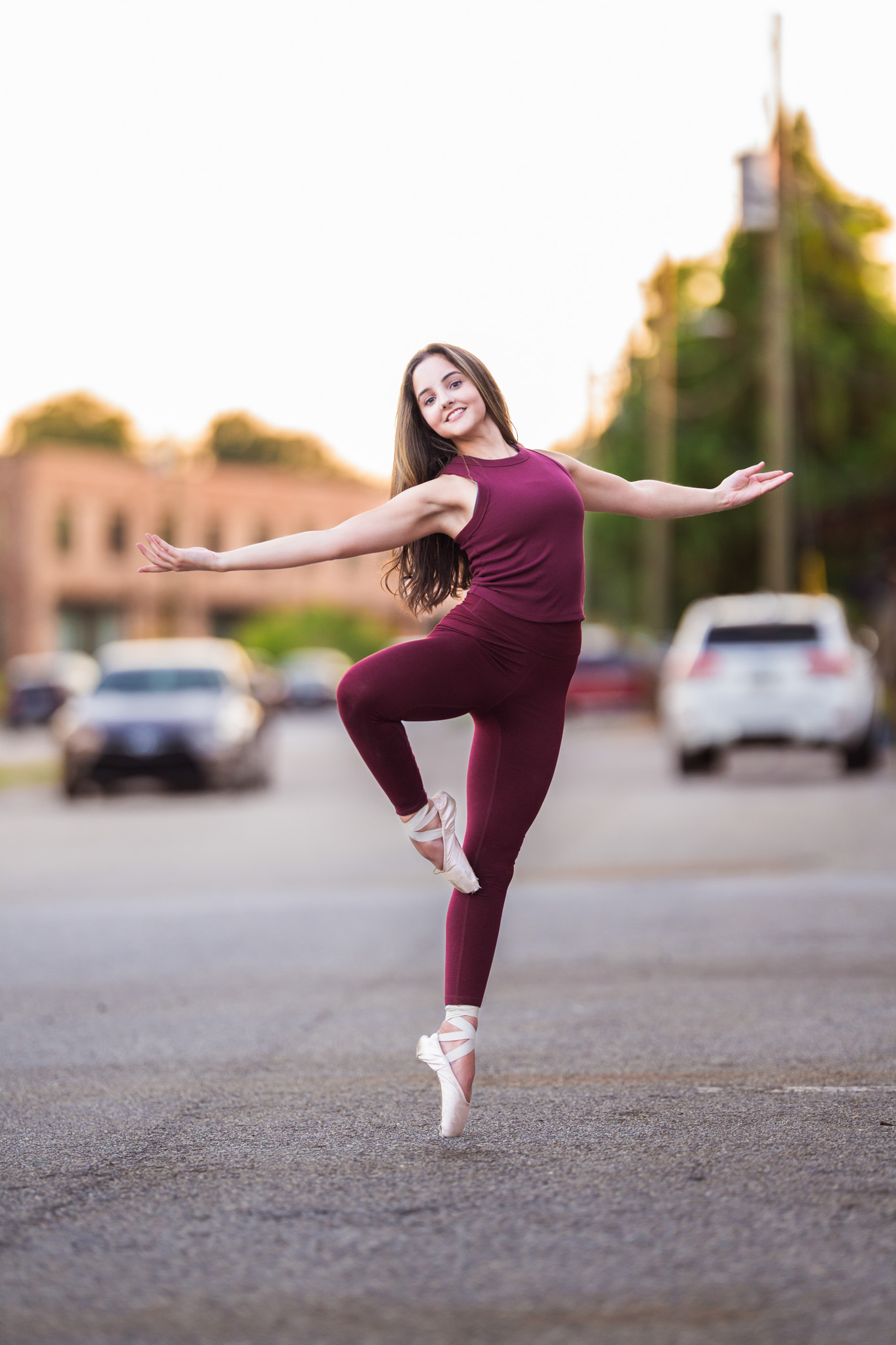
Sony A7R V
F1.4, 1/1600s, ISO 1250
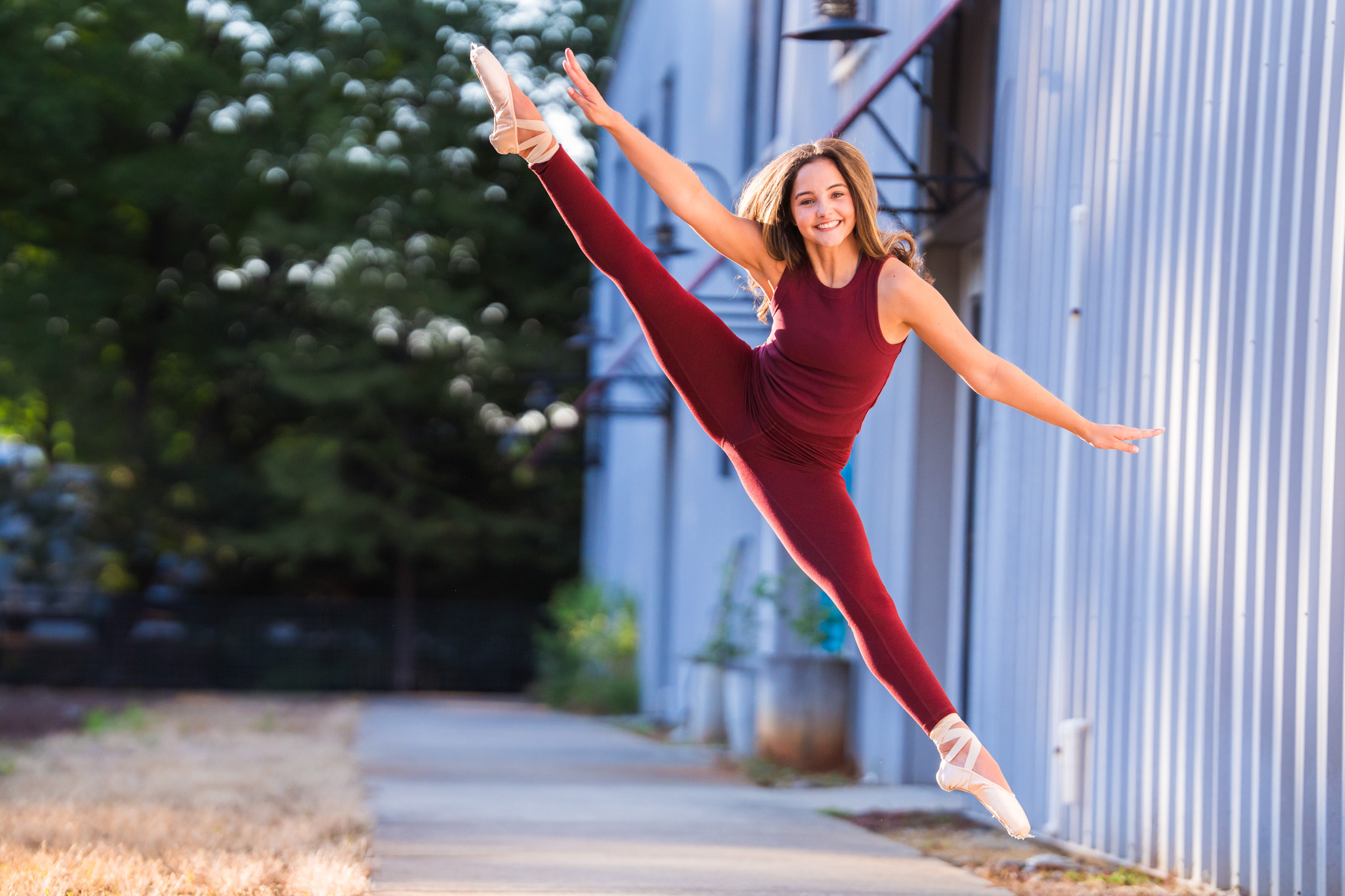
Sony A7R V
F2.2, 1/8000s, ISO 1250
The 135mm focal length gives a touch of that classic flattering compression, making for nice faces and making backgrounds feel closer and more dramatic. The reach is also nice. You get the ability to step back and still fill the frame, which gives you breathing room when working with people. This is an amazing advantage to working with some children with special needs so they don’t feel crowded. Also probably pretty amazing for headshots with nervous clients. As with the rest of Sigma’s Art line, the lens is also super sharp. I can count eyelashes and freckles on a full body portrait.
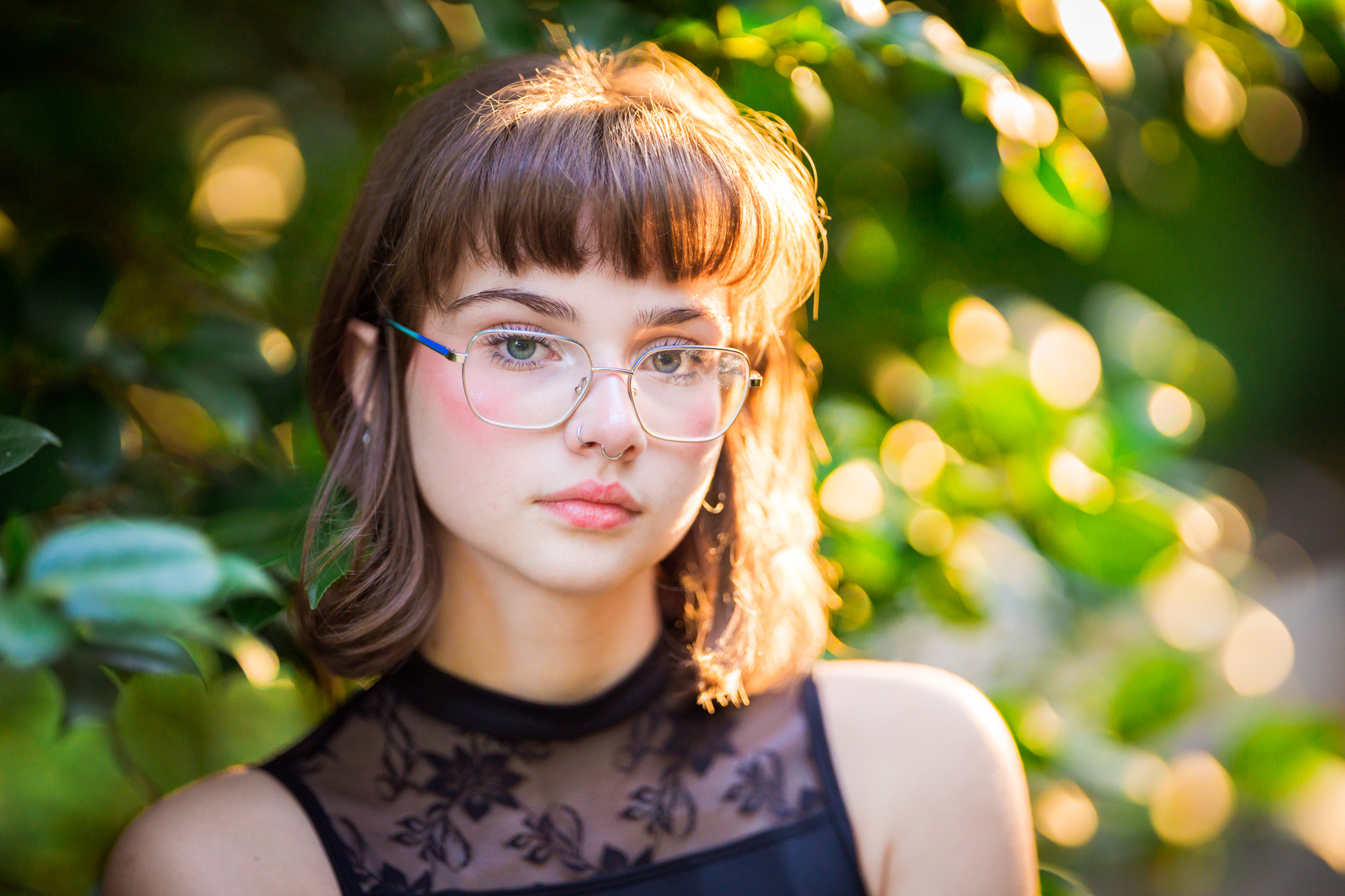
Sony A7R V
F1.4, 1/1600s, ISO 1250
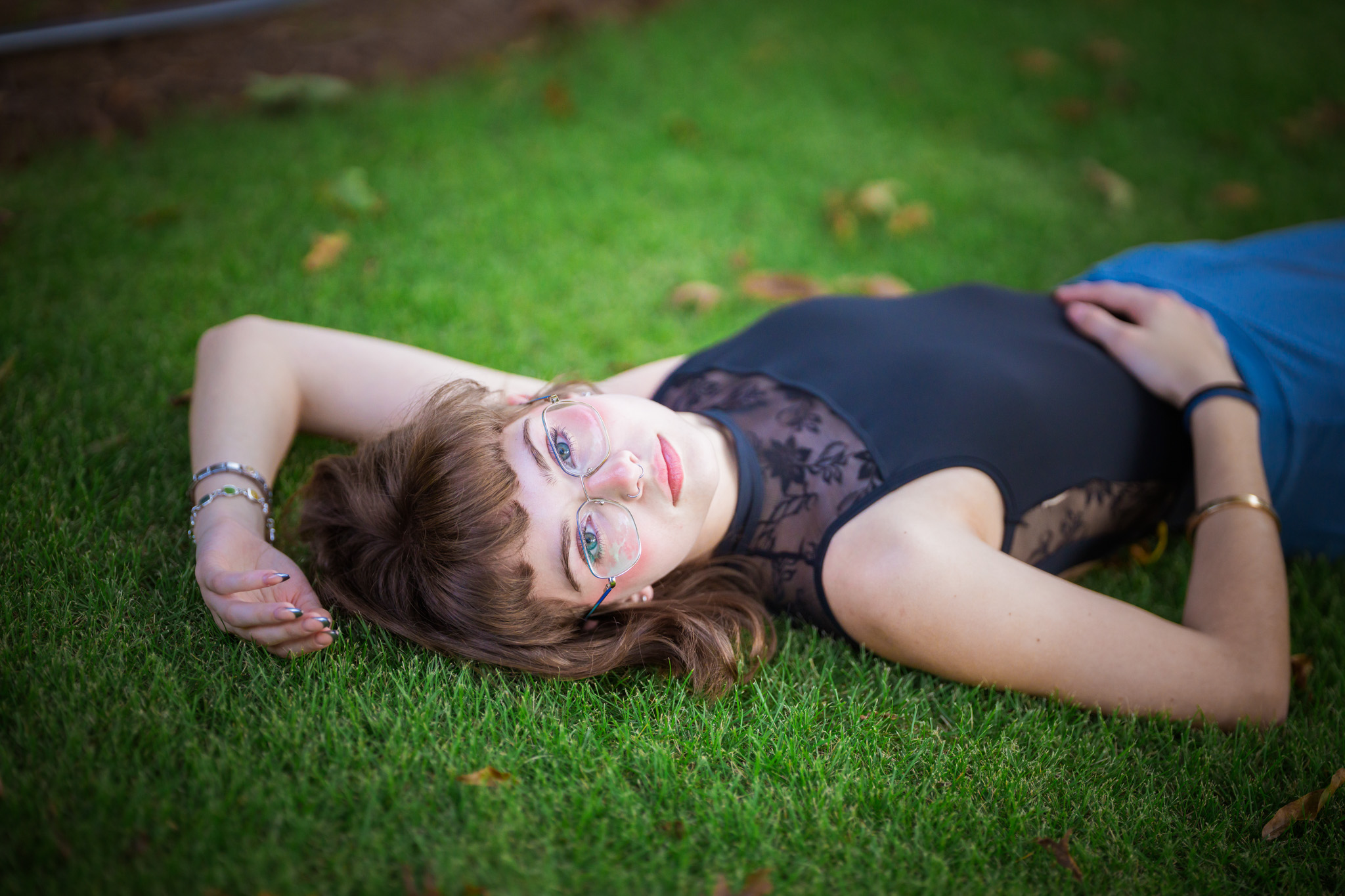
Sony A7R V
F1.4, 1/2500s, ISO 1250

Sony A7R V
F1.4, 1/2500s, ISO 1250
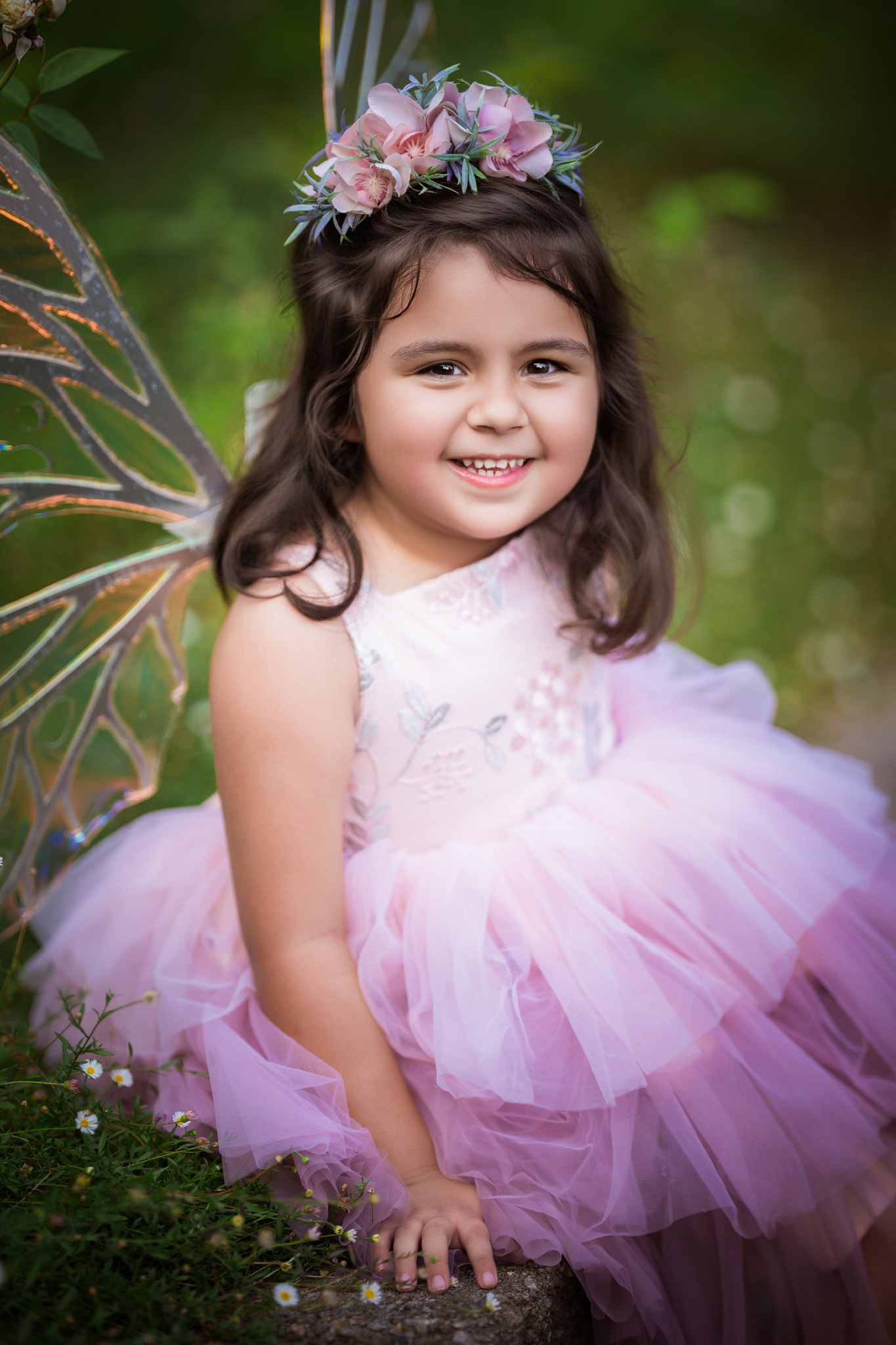
Sony A7R V
F1.4, 1/2000s, ISO 400
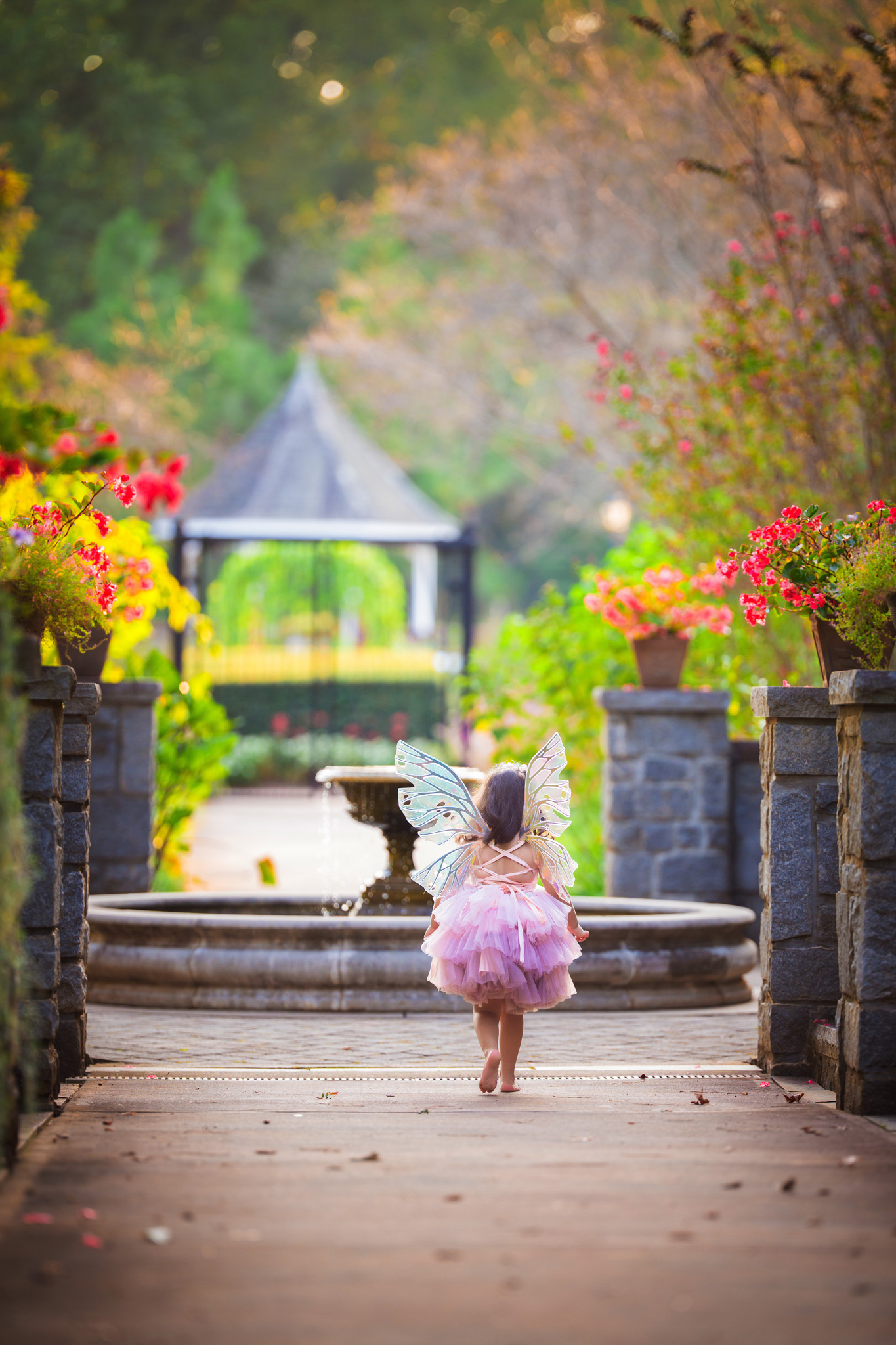
Sony A7R V
F1.4, 1/800s, ISO 400
On paper, the Dual HLA autofocus sounds impressive, but it’s even more amazing in practice. The lens is snappy and still accurate when it focuses. I had children literally running circles around me and as long as they were outside of that minimum focus distance, they were in focus.

Sony A7R V
F1.4, 1/1600s, ISO 2500
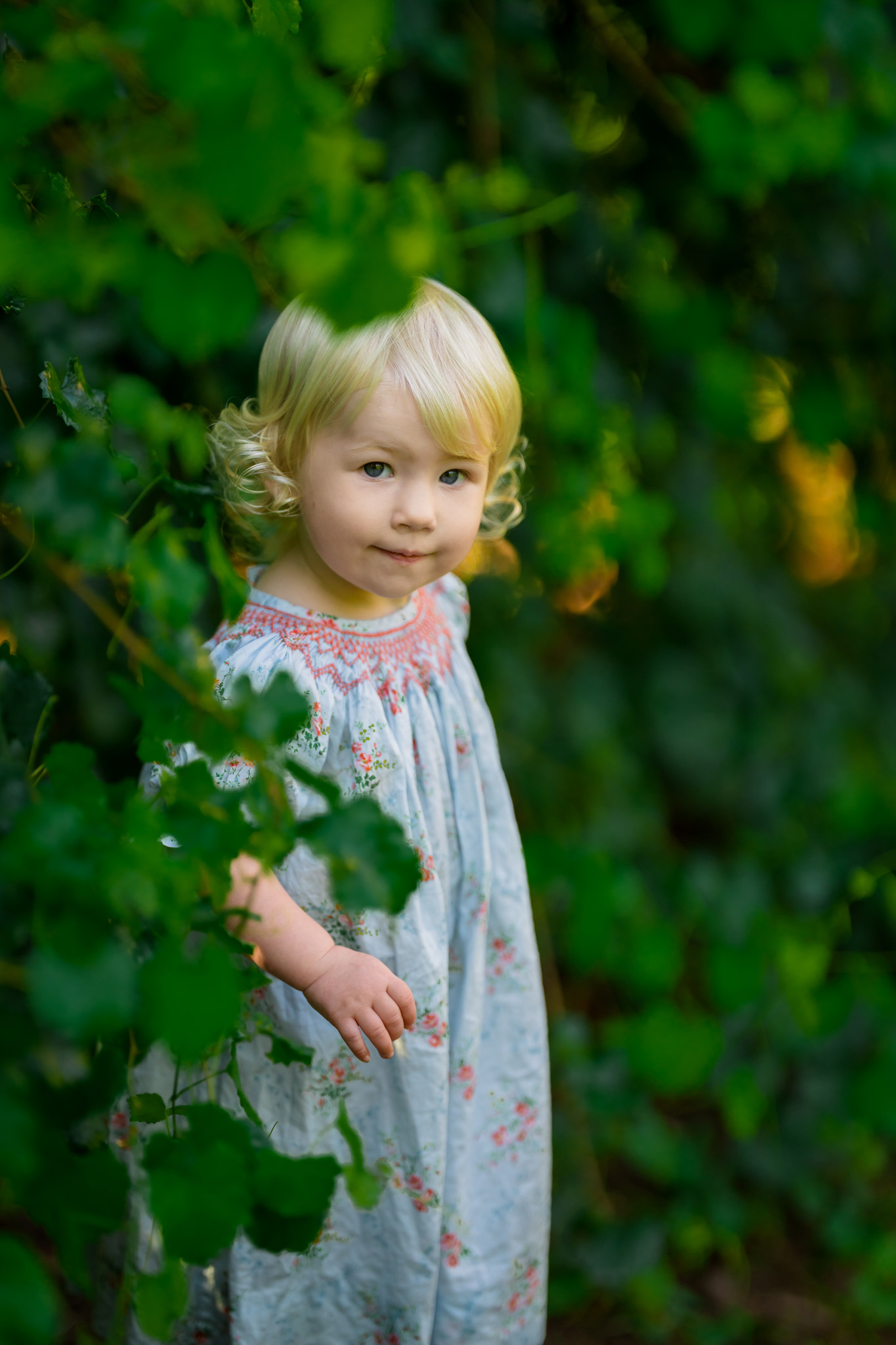
Sony A7R V
F1.4, 1/2500s, ISO 640

Sony A7R V
F1.4, 1/800s, ISO 1000
Now let’s talk about the bokeh at F1.4. Look, you don’t buy a 135mm F1.4 lens to use it at F5.6 all the time. No. You want to see what it does wide open. I feel like that’s literally the entire point of this lens is to photograph at F1.4.
The answer? It’s absolutely stunning. Every single image at F1.4 looks incredible. Even some of the images where my lighting wasn’t the best and the child didn’t cooperate fully, I still would say are lovely images thanks to the painterly quality of this lens.
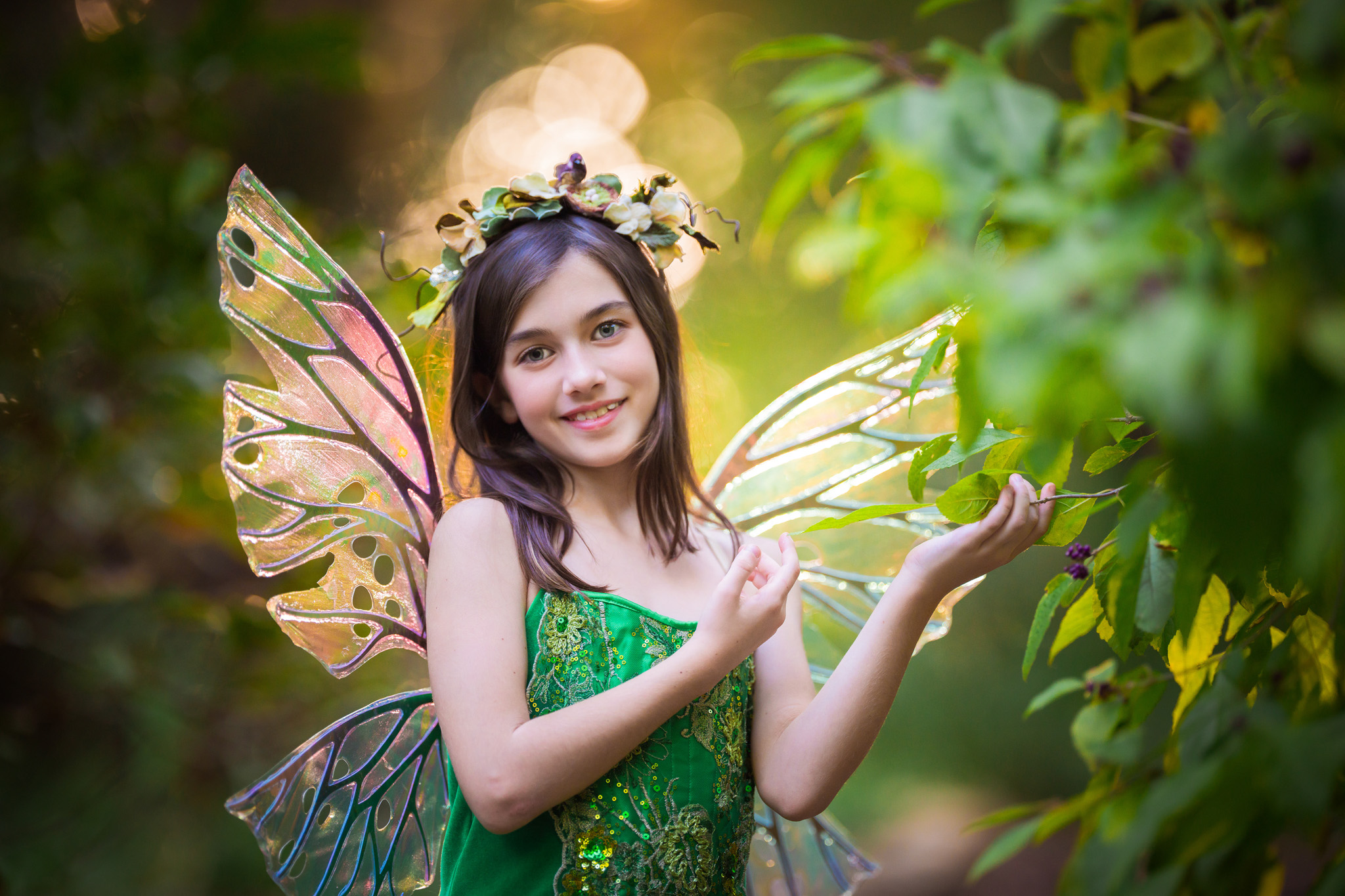
Sony A7R V
F1.4, 1/1250s, ISO 1000
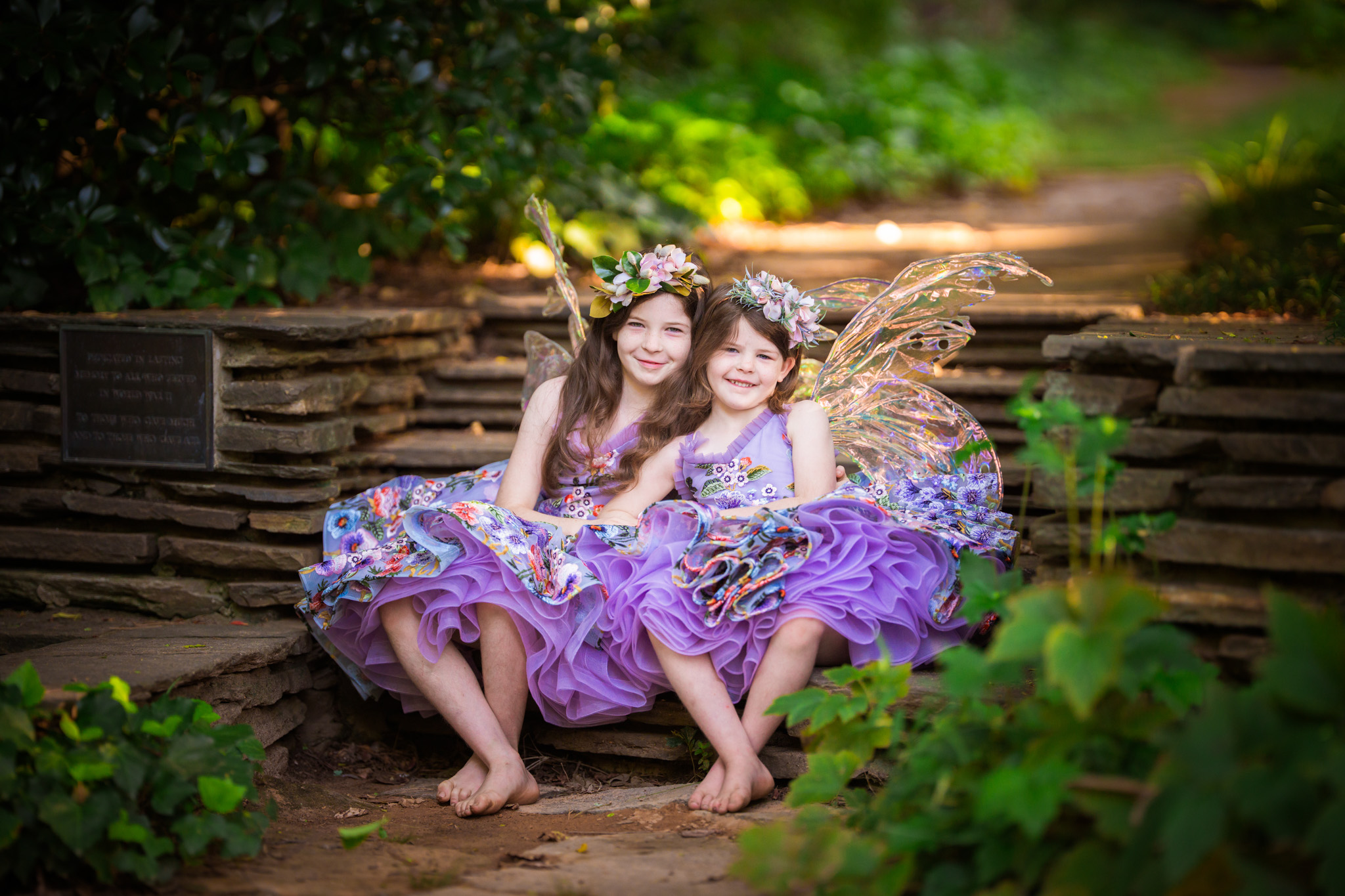
Sony A7R V
F1.4, 1/1600s, ISO 1250
Of course, if you want to stop down and increase your depth of field, you certainly can. Even at F5.6 the blur is still really pleasing, so you aren’t losing that subject isolation if you need more of your subject in focus.
One of the things I loved the most about the old 105mm F1.4 was its ability to take strong backlighting and turn it into magic instead of just crunchy blown out whites. I had high hopes for the new 135mm to do that as well, and I’d say it does a great job. I also love putting the subject in front of something that sparkles like a fountain to see what the background magic does, and this lens is perfect for that too.
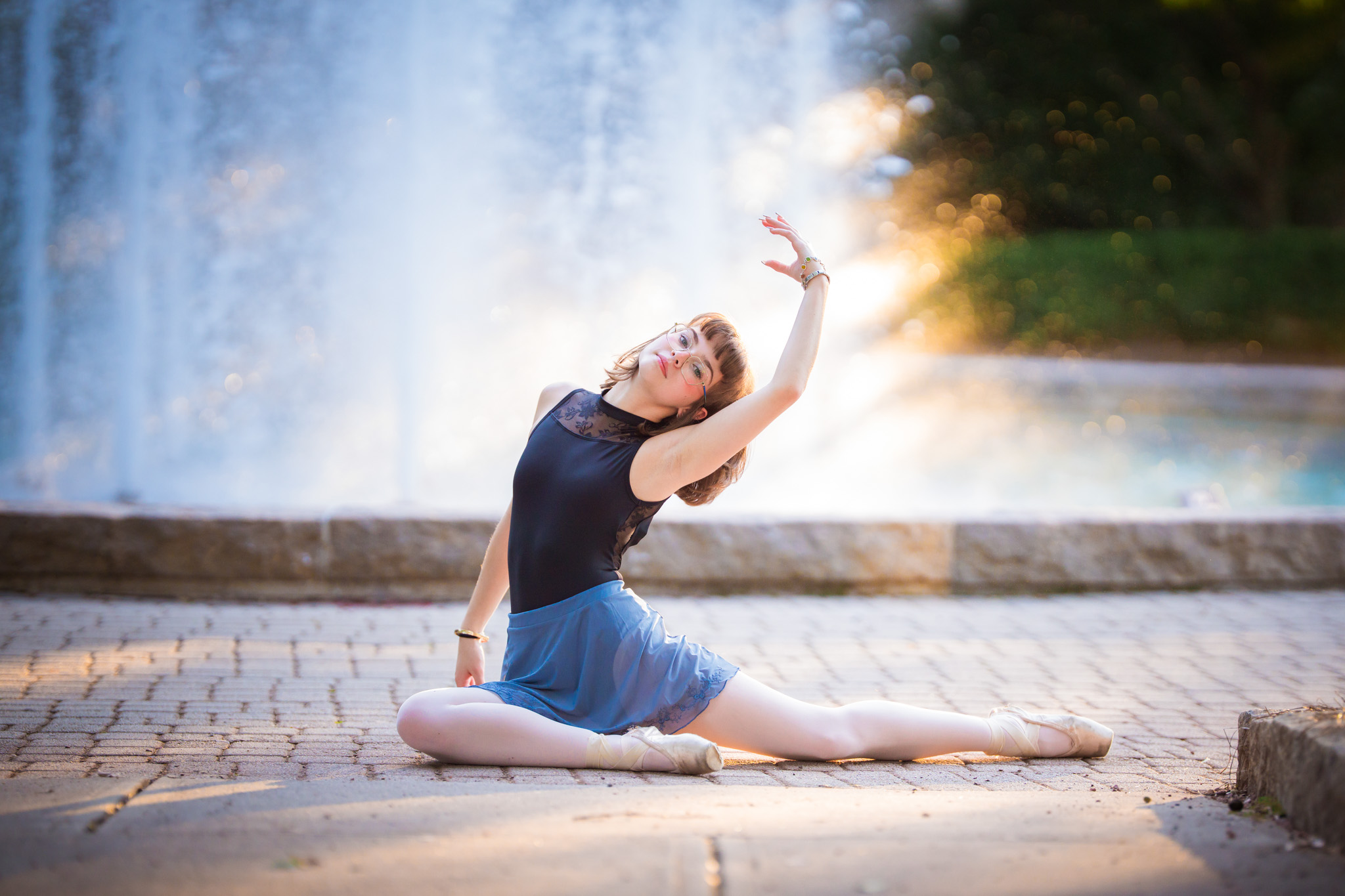
Sony A7R V
F1.4, 1/2500s, ISO 1250
135mm for other things
I feel like the 135mm F1.4 DG | Art is truly meant as a portrait lens, but it works as a great creative lens for anything where the subject isolation and smooth backgrounds is important to you. I used this lens for some nice flower portraits. I could also see it being used for some beautiful pet portraits. With the relatively long reach, you could photograph skittish butterflies with it, and it would make a great indoor sports lens in low-light gymnasiums, etc.

Sony A7R V
F1.4, 1/800s, ISO 640
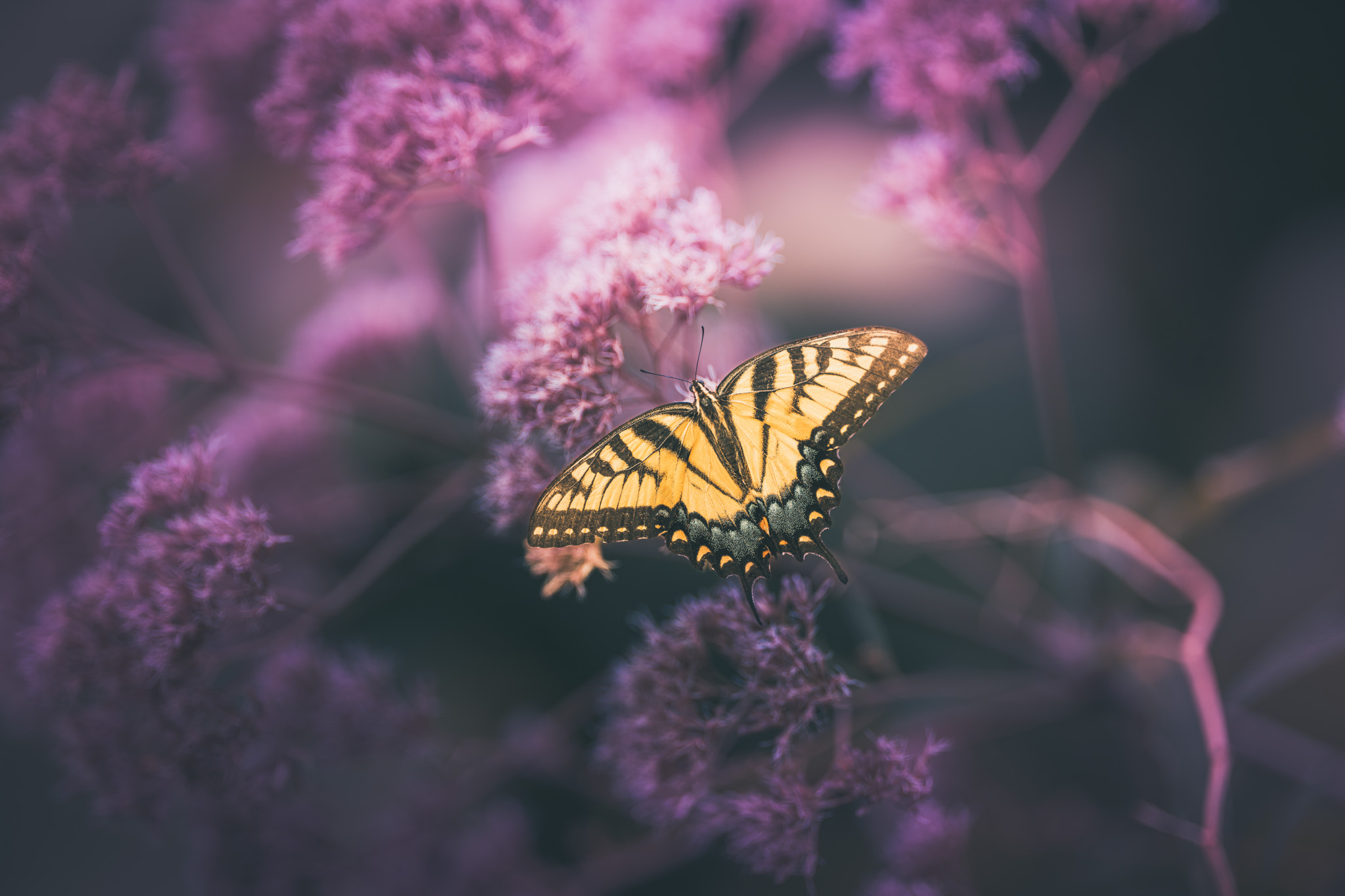
Sony A7R V
F1.4, 1/500s, ISO 125
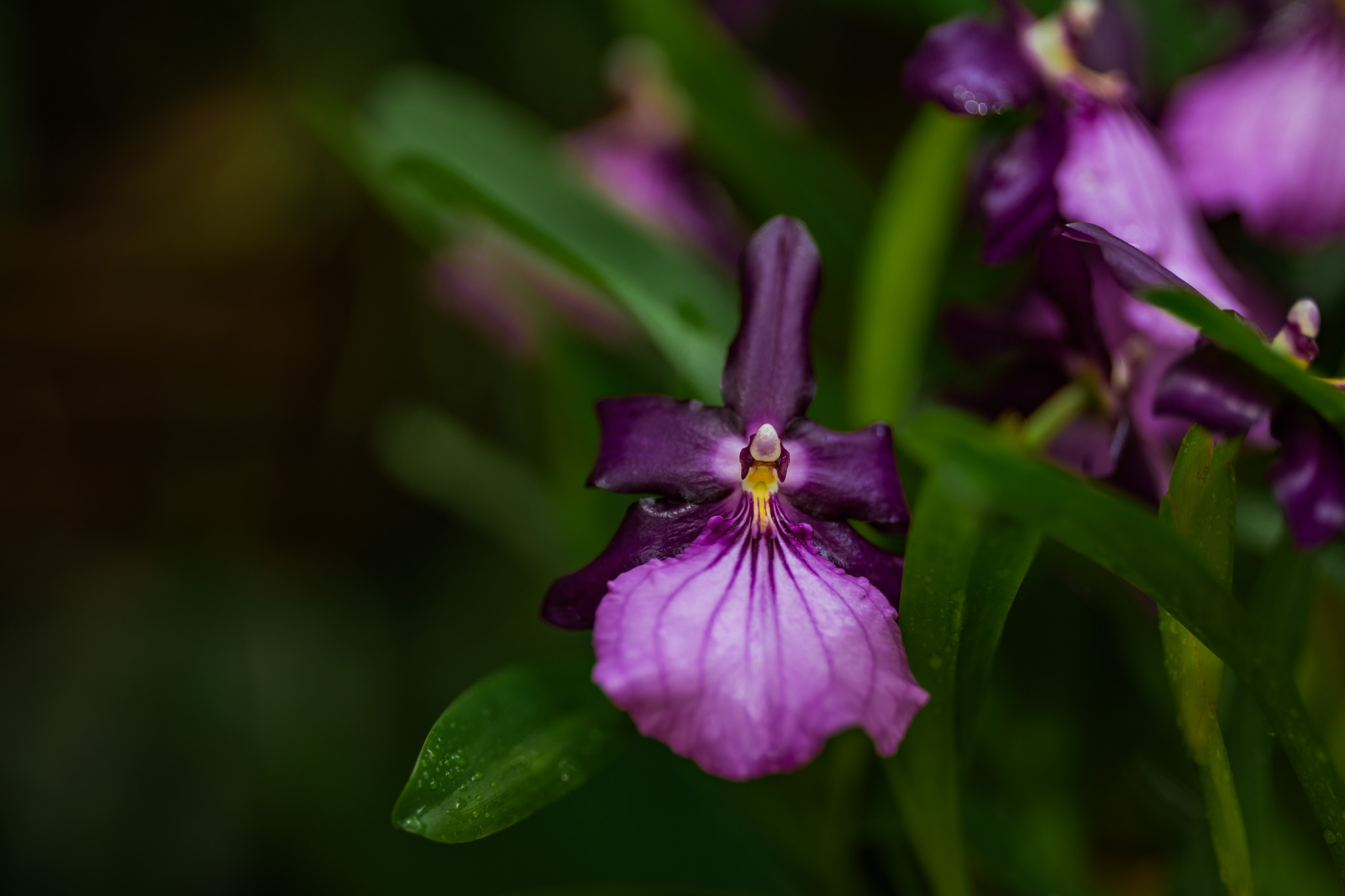
Sony A7R V
F1.4, 1/800s, ISO 100
In conclusion
True, it’s a large lens, but I don’t really see it being much larger than any other telephoto except for the front element. Which, incidentally, is the same filter size as the front element on the Sigma 200mm F2.
Yes, it’s on the heavy side for a portrait lens, but I also don’t care. The results are so good that carrying that extra weight and size doesn’t matter… the Sigma 135mm F1.4 DG | Art might be the best portrait lens in the world right now, and it’s one that will keep me using it at F1.4 all day long.

Shop now for this powerful portrait lens