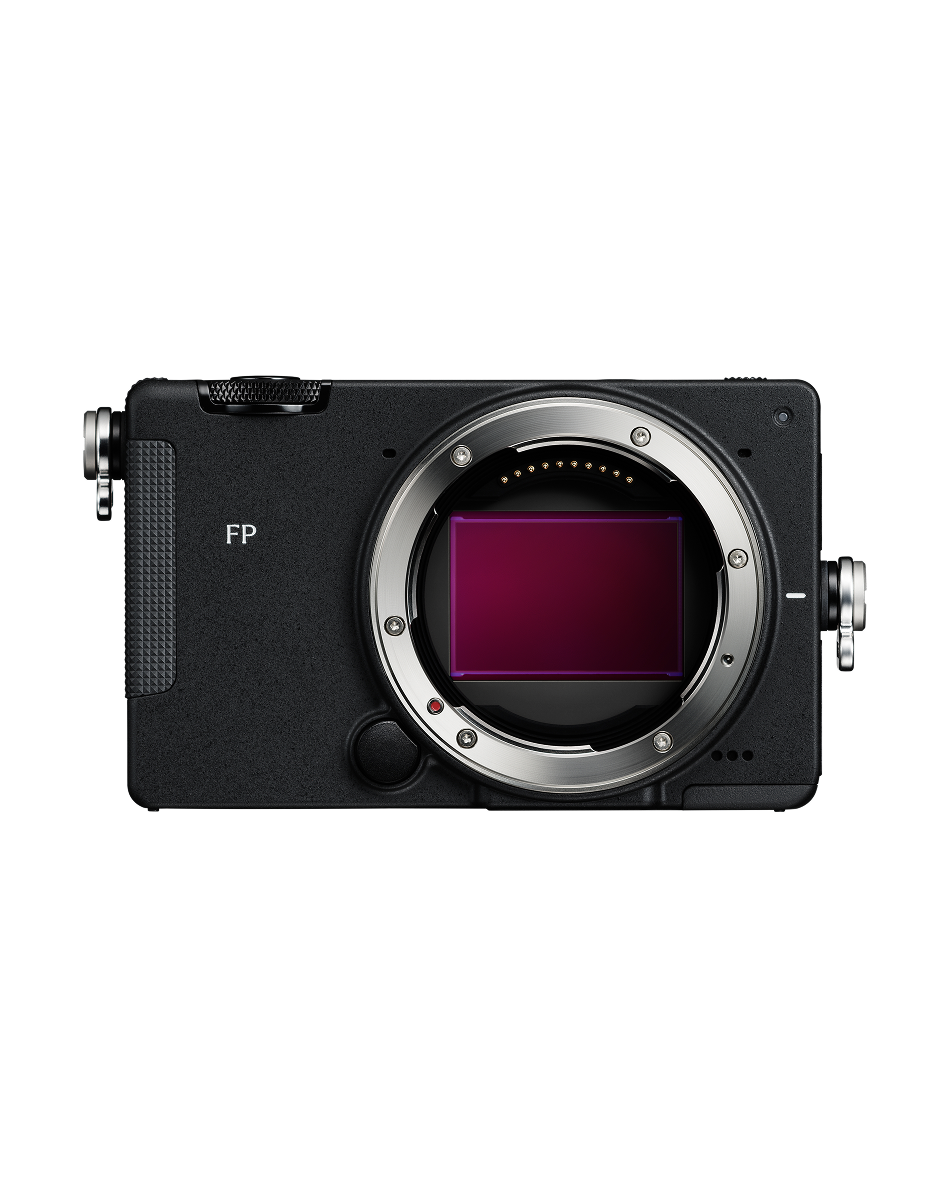
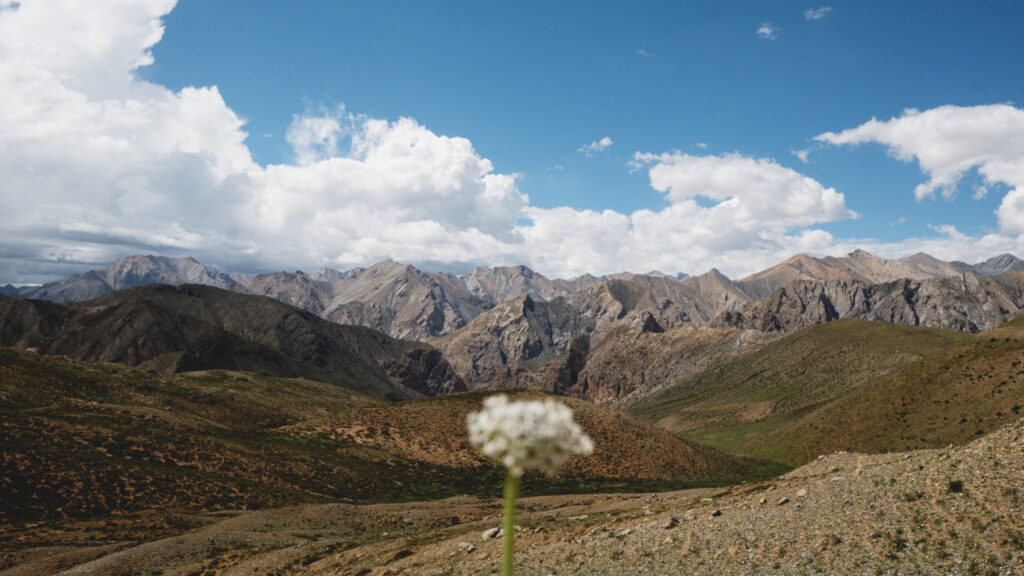
The Sigma FP2 camera was announced on October 23, 2026, and while it made a splash on launch day, it was kept strictly under wraps for months, even internally, prior to its release. So much so, that only three people outside the company were able to get their hands on the camera in the days before the announcement, at least here in the US. Those three people – Sarah Teng, Kyler Steele and Graham Sheldon – not only helped us reveal the camera in New York City, but shared their work for this article.
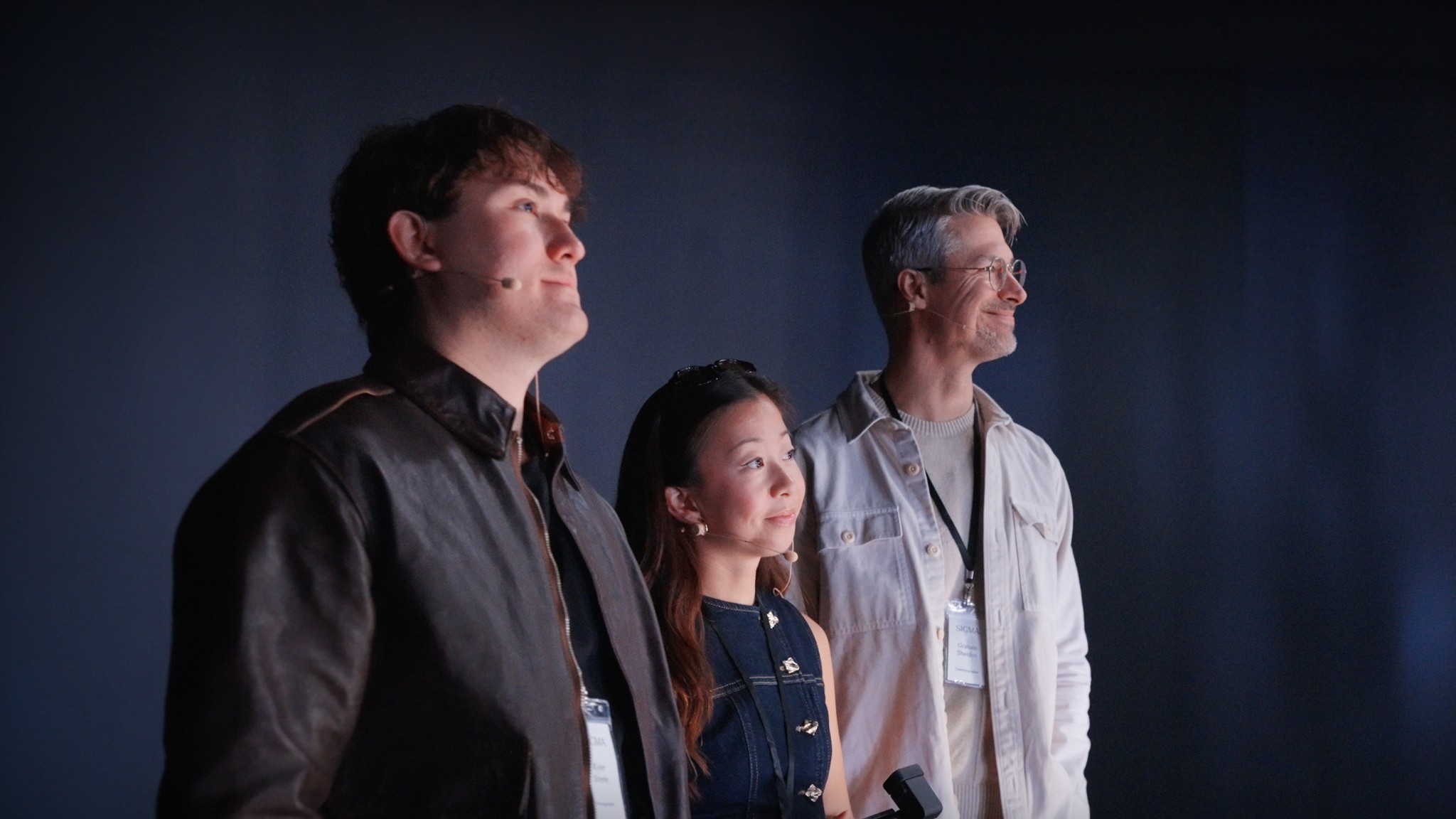
Let’s find out what each creator thought about the FP2 and see how they put it to use in a very limited amount of time.
Sarah Teng
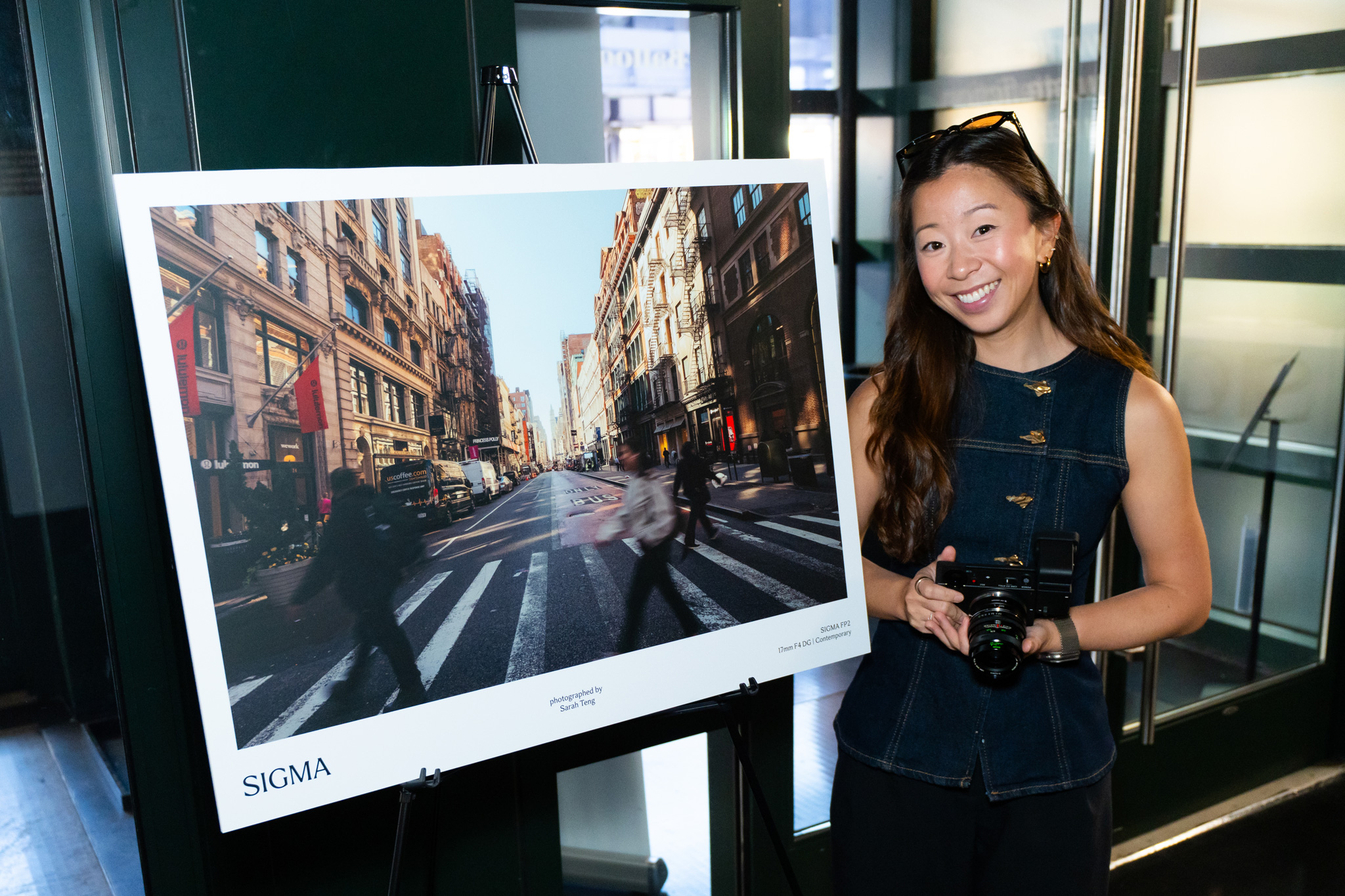
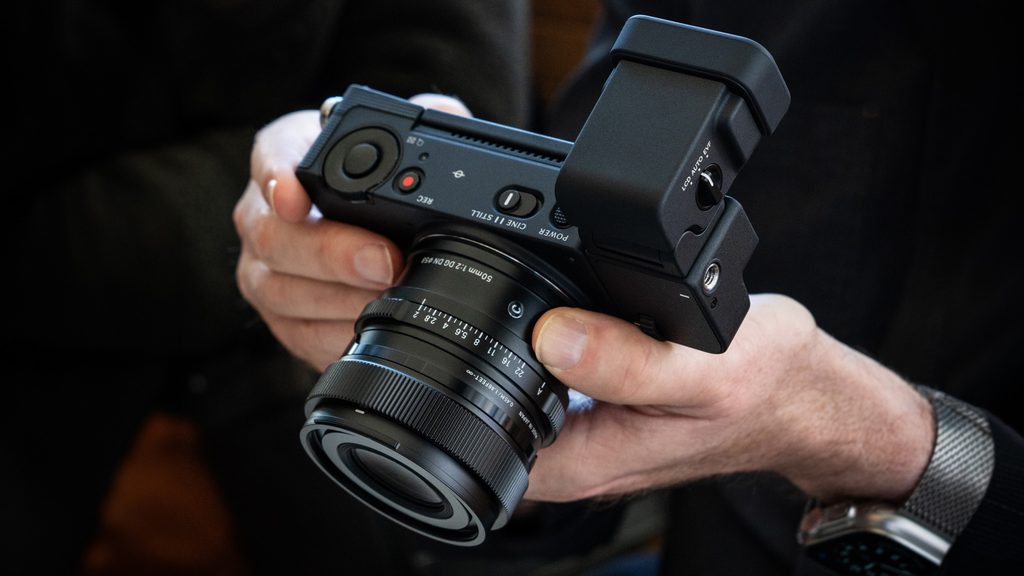
“I have very small hands and so I always really appreciate a smaller build of camera, and this one obviously is the smallest there is. It feels like the same size as a large bar of soap, which is crazy to think about, but it’s full frame so I really love that it has all of the capabilities of the cameras that I’m used to using, but in a much smaller build.”
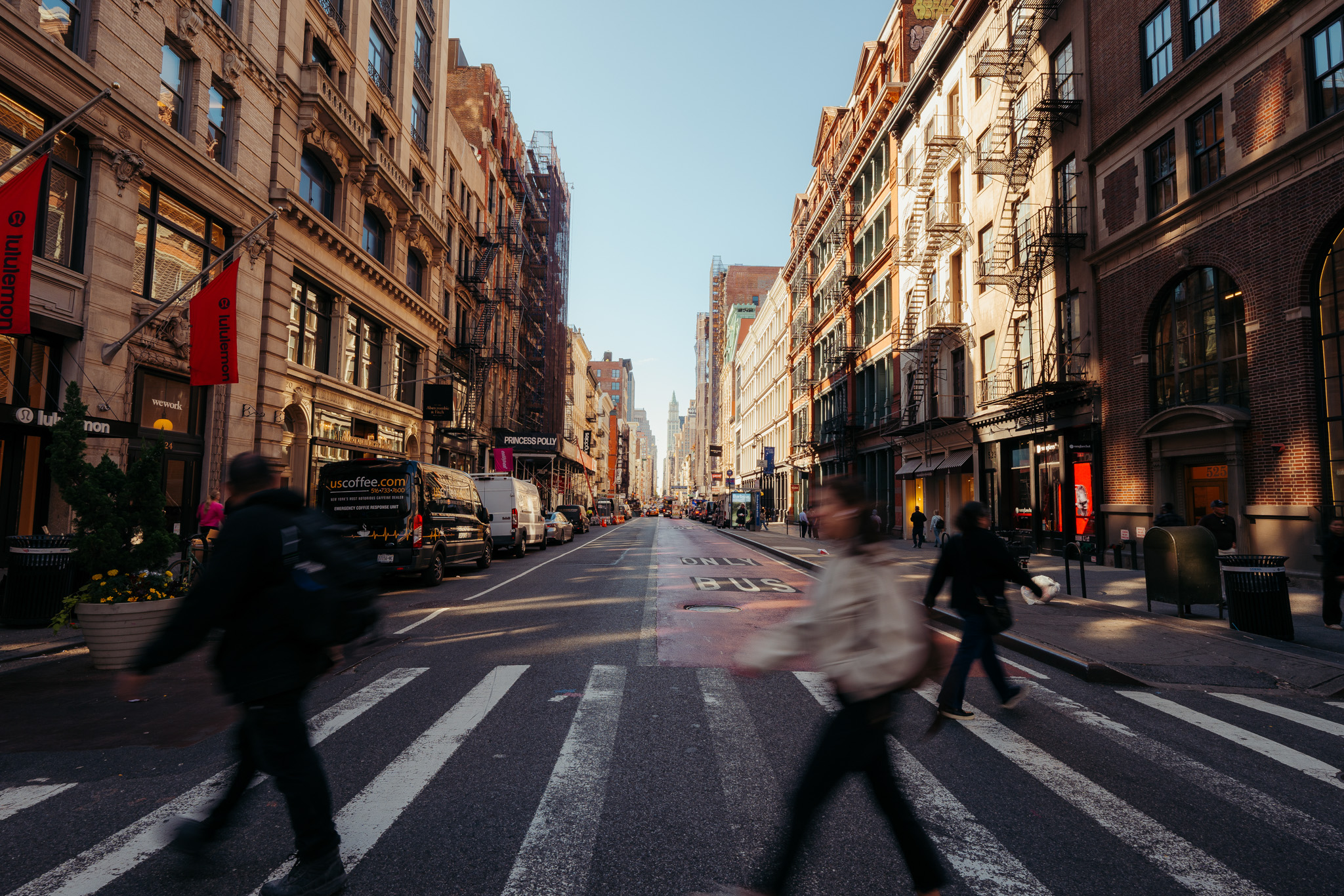
17mm F4 DG | Contemporary
F14, 1/20s, ISO 100
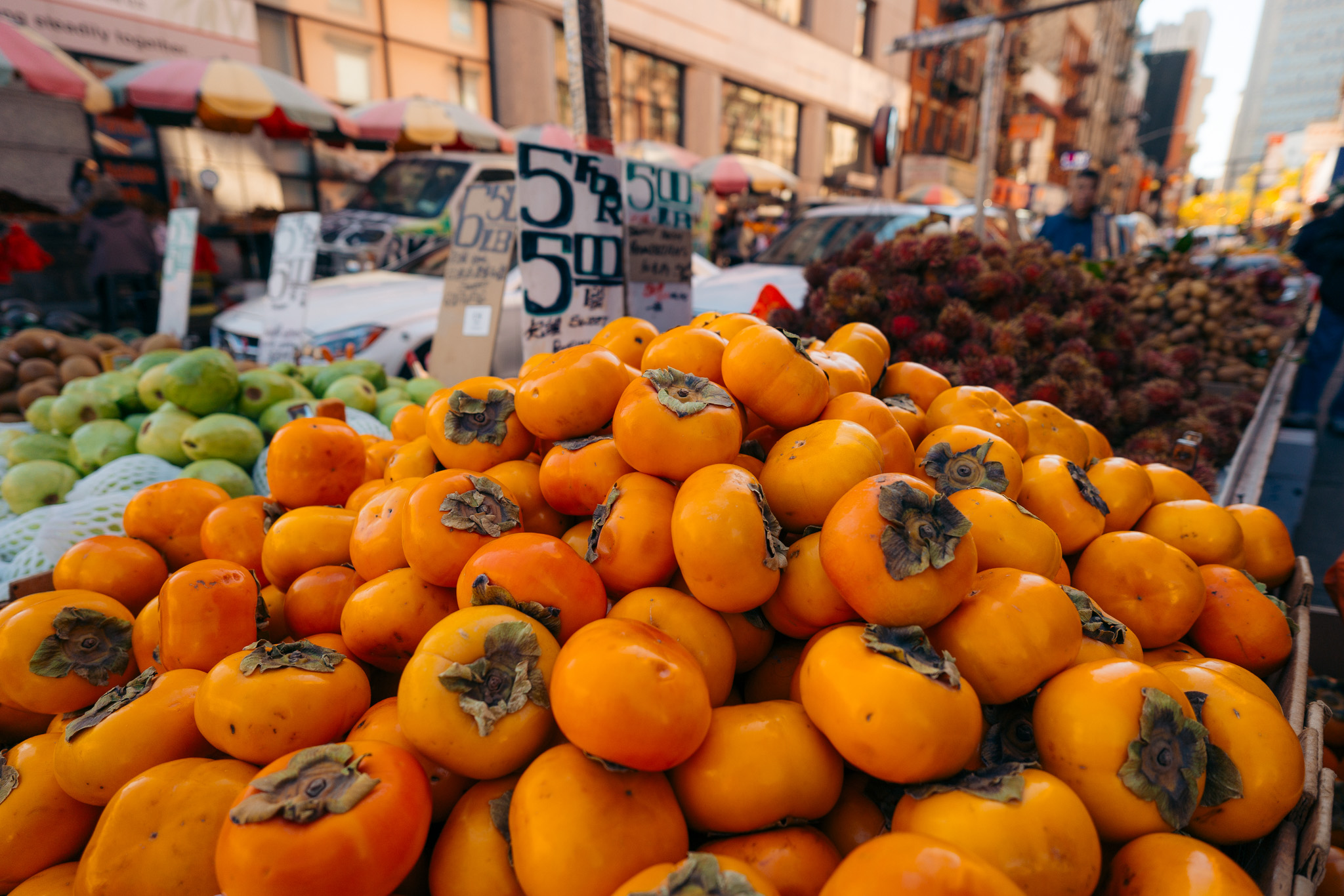
17mm F4 DG | Contemporary
F4, 1/20s, ISO 100
“I really love the viewfinder. I have never worked with a camera that had a removable, detachable viewfinder; but I actually love having the flexibility of that, because if I wanted to have a much smaller kit, I would just leave the house without the viewfinder. But having it on me, and being able to throw it in my bag because it is so small, is also a really great option. I actually thought it looked a little bit strange at first, but having used it, I love that it is on the side because it really does clear up my face. My face is usually right behind the screen, but having it on the side actually makes for a much more comfortable shooting experience.”

24-70mm F2.8 DG DN II | Art
48mm, F2.8, 1/250s, ISO 4000

24-70mm F2.8 DG DN II | Art
24mm, F2.8, 1/10s, ISO 320

24-70mm F2.8 DG DN II | Art
70mm, F4, 1/13s, ISO 640
“The color modes are really great. I had a lot of experience using those with the Sigma BF as well. I think it’s really fun to be able to customize and offload immediately from the camera as well. If I have a USB-C cable, it’s really easy to transfer to my phone, so I can have those ready-to-post photos that are already treated with those color modes, and then just do quick edits in my phone.”
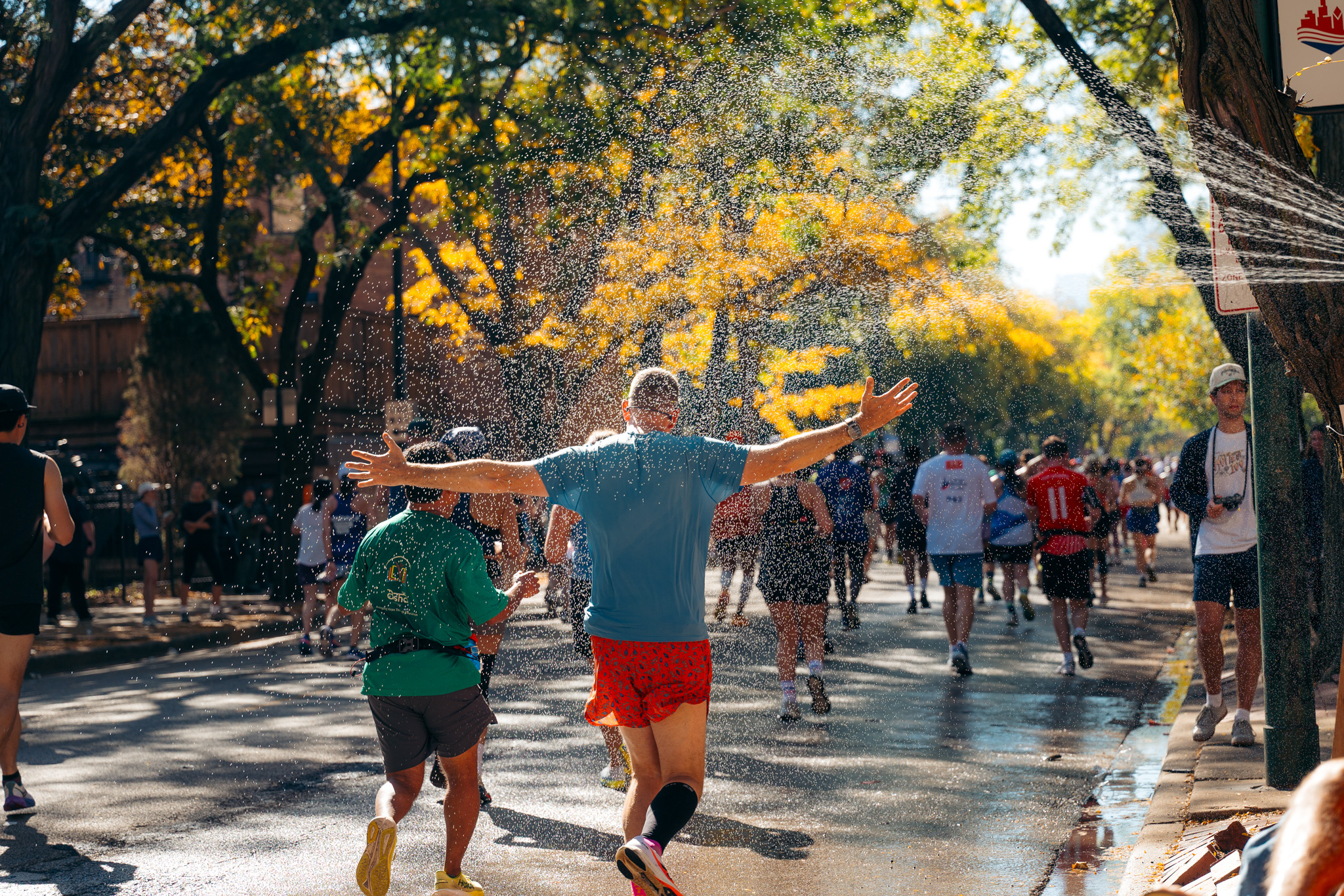
24-70mm F2.8 DG DN II | Art
70mm, F2.8, 1/800s, ISO 100
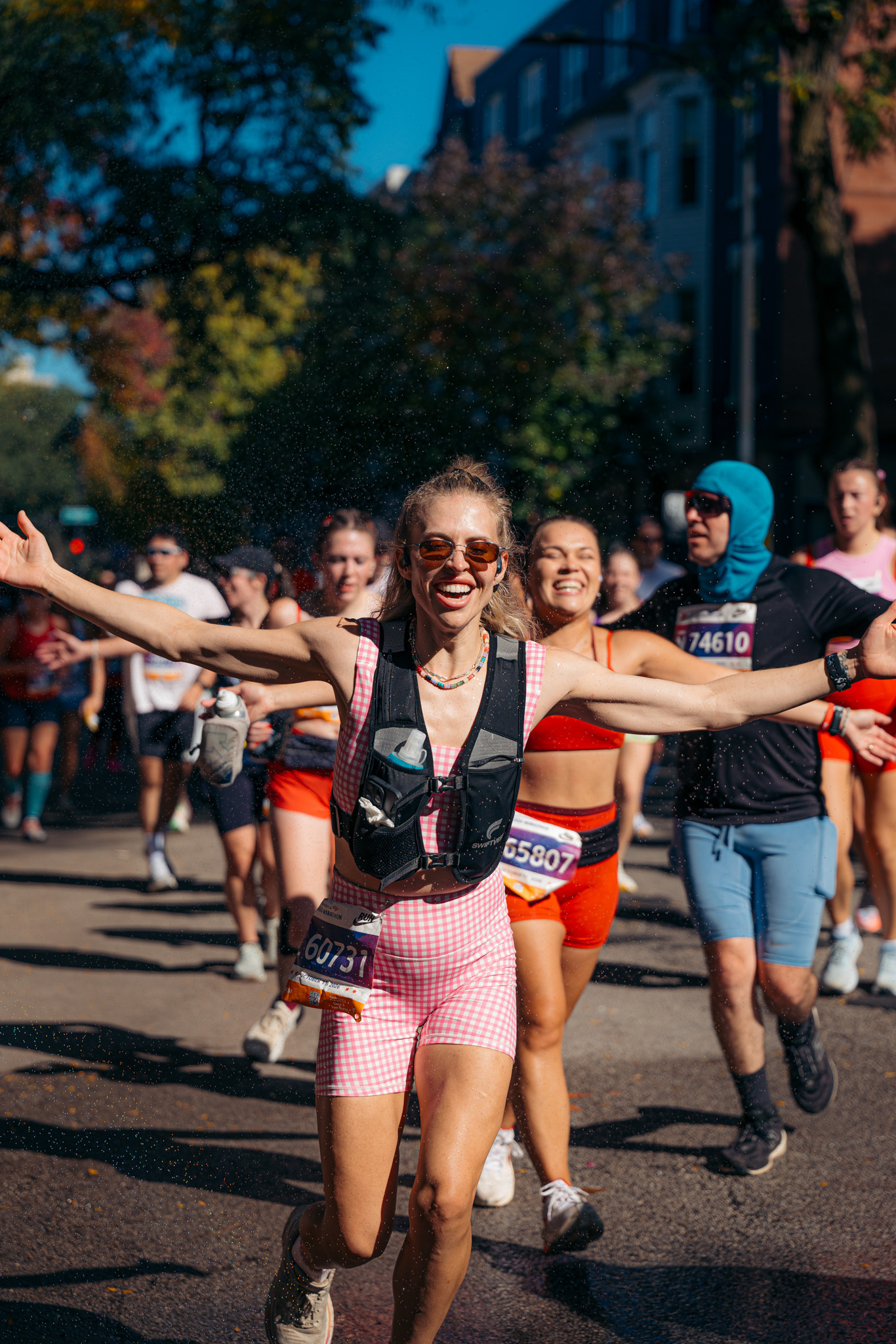
24-70mm F2.8 DG DN II | Art
70mm, F2.8, 1/2500s, ISO 100
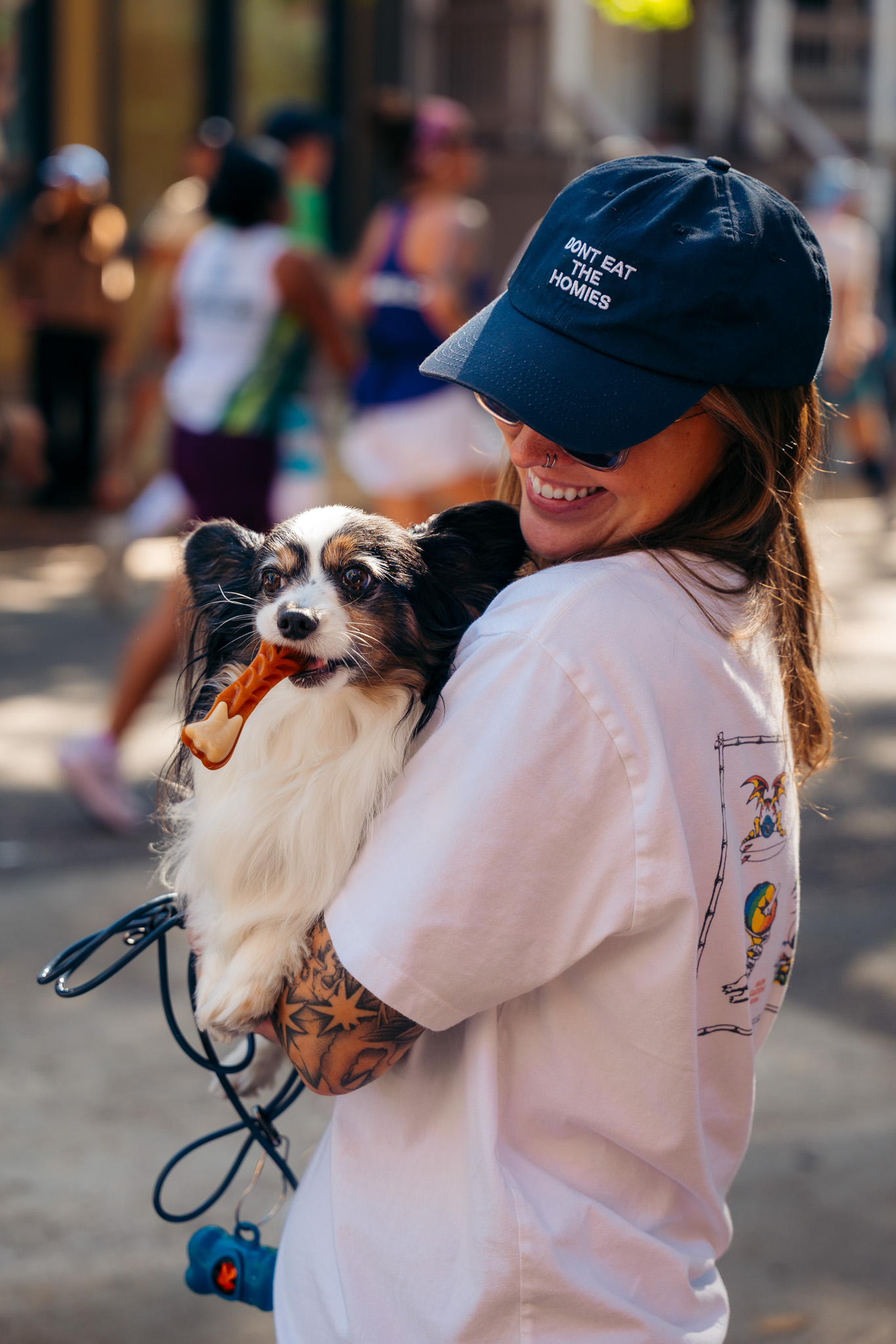
24-70mm F2.8 DG DN II | Art
70mm, F2.8, 1/160s, ISO 160
“Something else that I really love about the camera is using vintage lenses on it. For example, I used an old Sigma 28mm lens with a Minolta MD to L-Mount adapter, and it still creates a really small kit that’s very easy to carry around, but it also creates that manual experience, just like I’m shooting a film camera, which is really great, especially with the viewfinder. You can save different manual lens profiles to the camera, so you can tell the camera which lens you’re using, save a color shading compensation profile to it, and then you can very easily switch between different lenses. I love to shoot film and use manual cameras, and being able to recreate that experience on this new camera has been really cool.“
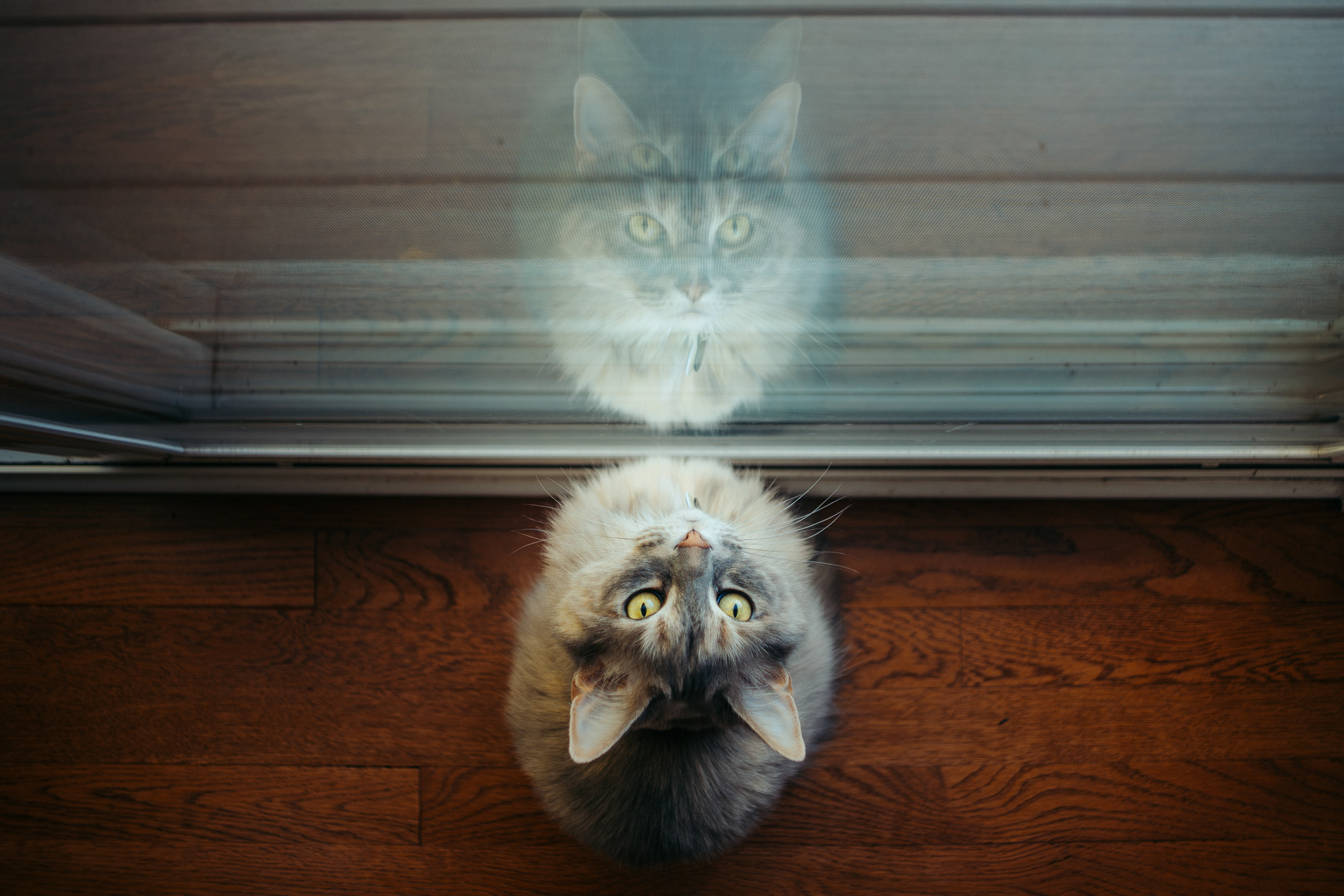
Sigma 28mm F2.8 Mini-Wide II
F4, 1/100s, ISO 500
Kyler Steele
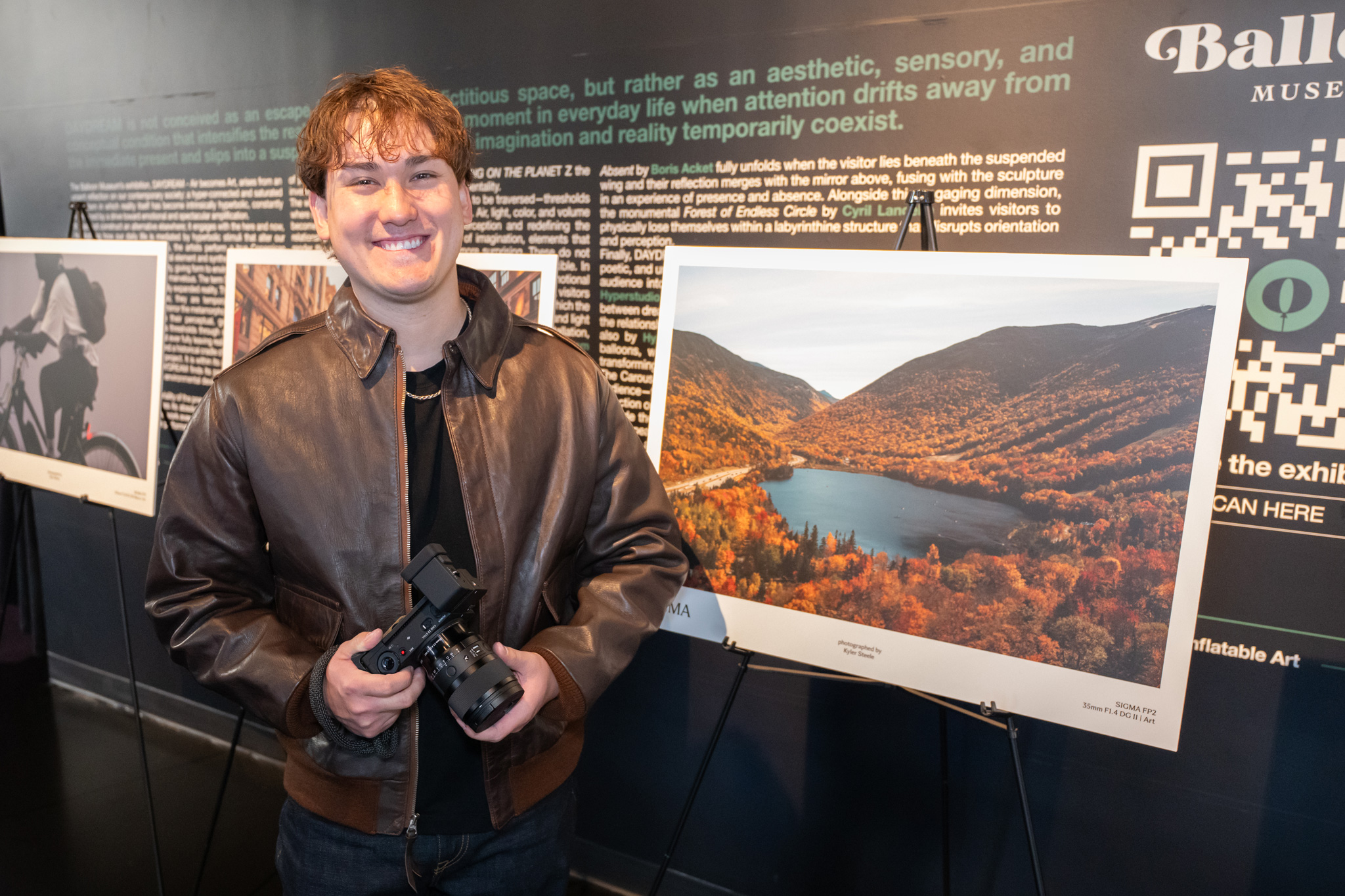
“As a hybrid creator, this camera has really impressed me for its size, portability, and then on top of that, the modularity and performance that the camera has. With both photo and video mode, I’ve really enjoyed the autofocus of the camera, and I’ve especially enjoyed using this tilting EVF that comes with the camera. It does add a little bit of size, but it’s been very useful to monitor both my images and my video during the daytime.”

35mm F1.4 DG II | Art
F8, 1/320s, ISO 400
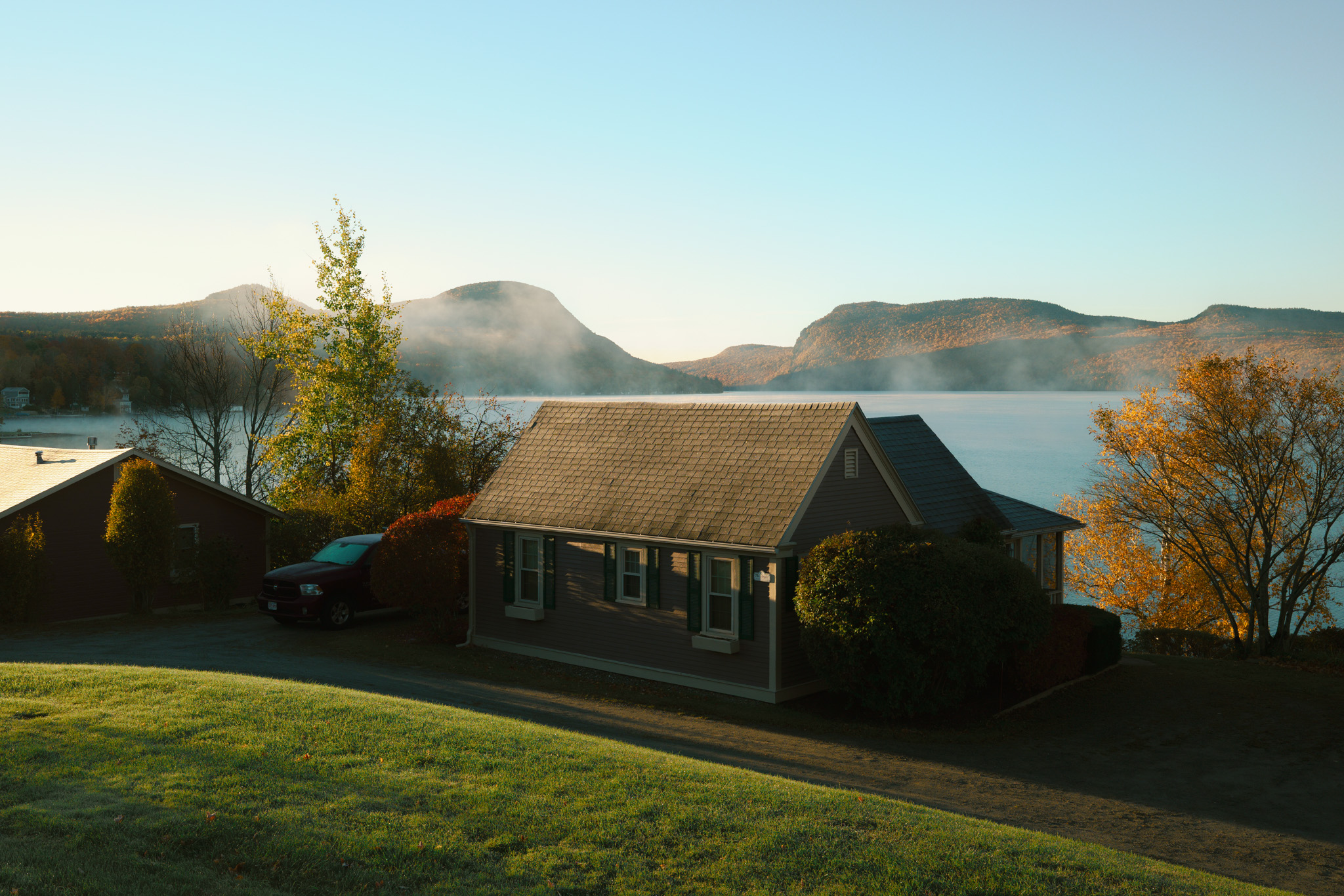
35mm F1.4 DG II | Art
F8, 1/320s, ISO 400
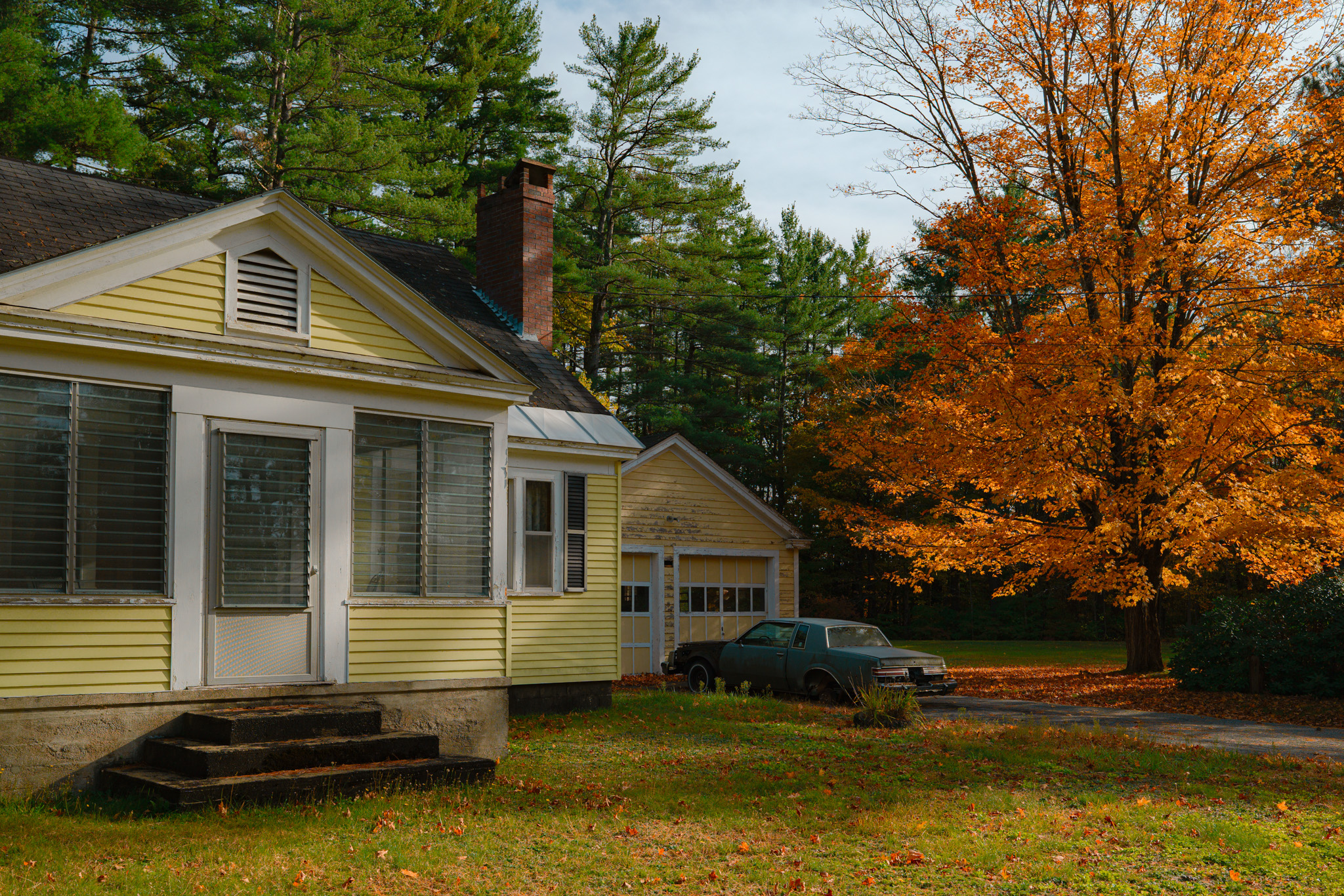
35mm F1.4 DG II | Art
F8, 1/400s, ISO 400
“When I’m taking photos with the FP2, I really enjoy using the color modes. It allows me to preview what a final edit might look like, and I’ve really been impressed with the dynamic range of the images that I’ve been getting out of the camera.”

35mm F1.4 DG II | Art
F8, 1/640s, ISO 400

35mm F1.4 DG II | Art
F11, 1/500s, ISO 400
“On the video side of things, I’ve been using the 6.2K open gate L-Log video, which has been really easy to color grade, and has also allowed me to crop my videos in post for different social media platforms.”
“The ability to quickly switch the accessories on the camera, and also having a powerful photo and video mode, has really made this one hybrid camera feel like I’m carrying multiple powerful cameras with me. This camera really makes me excited to pick it up because it’s beautifully designed and it has a very simple menu system and button layout. And on top of that, I’m super excited for the community to get their hands on the FP2 because I’d love to see the mods that come out for it.”
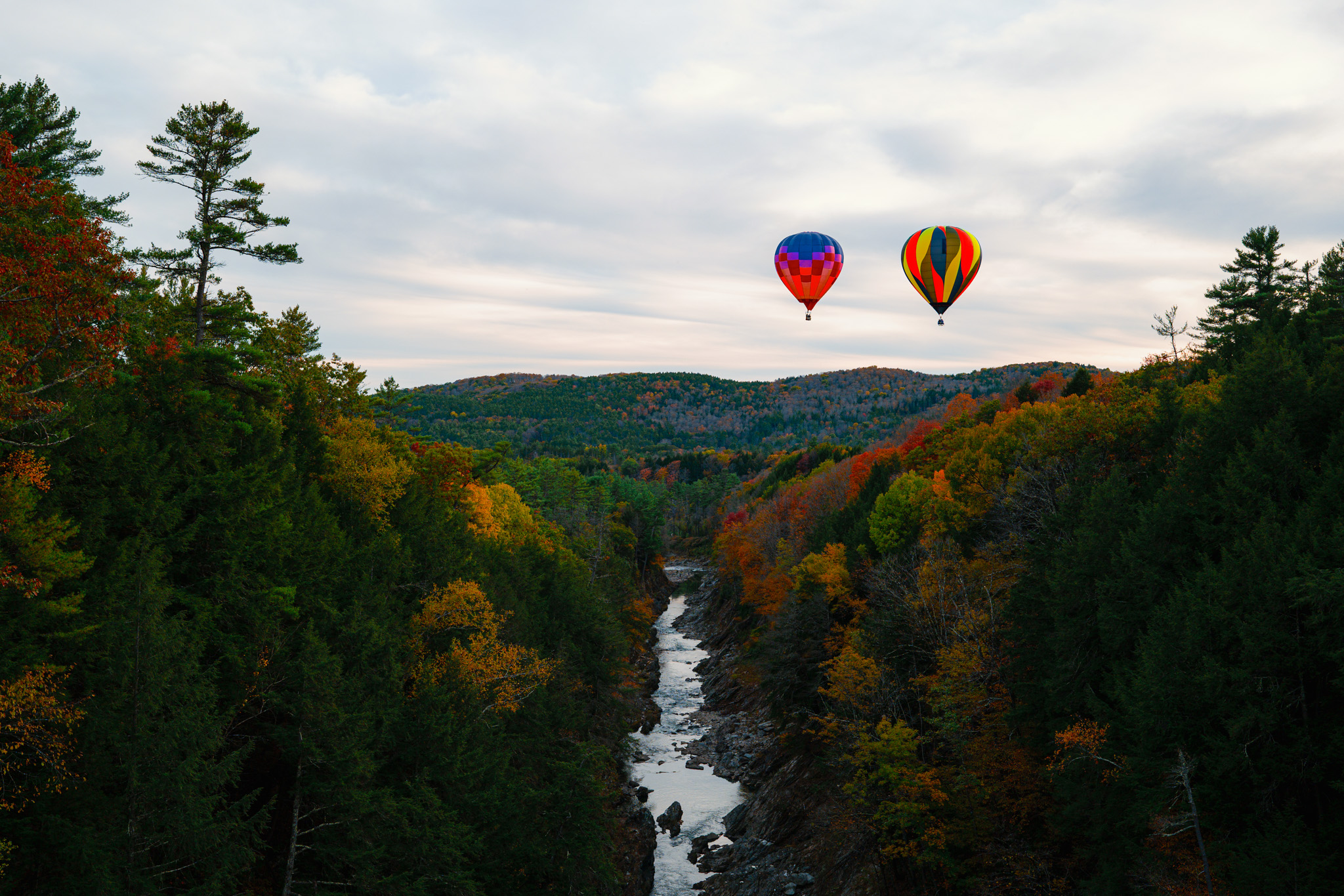
35mm F1.4 DG II | Art
F8, 1/125s, ISO 400
Graham Sheldon
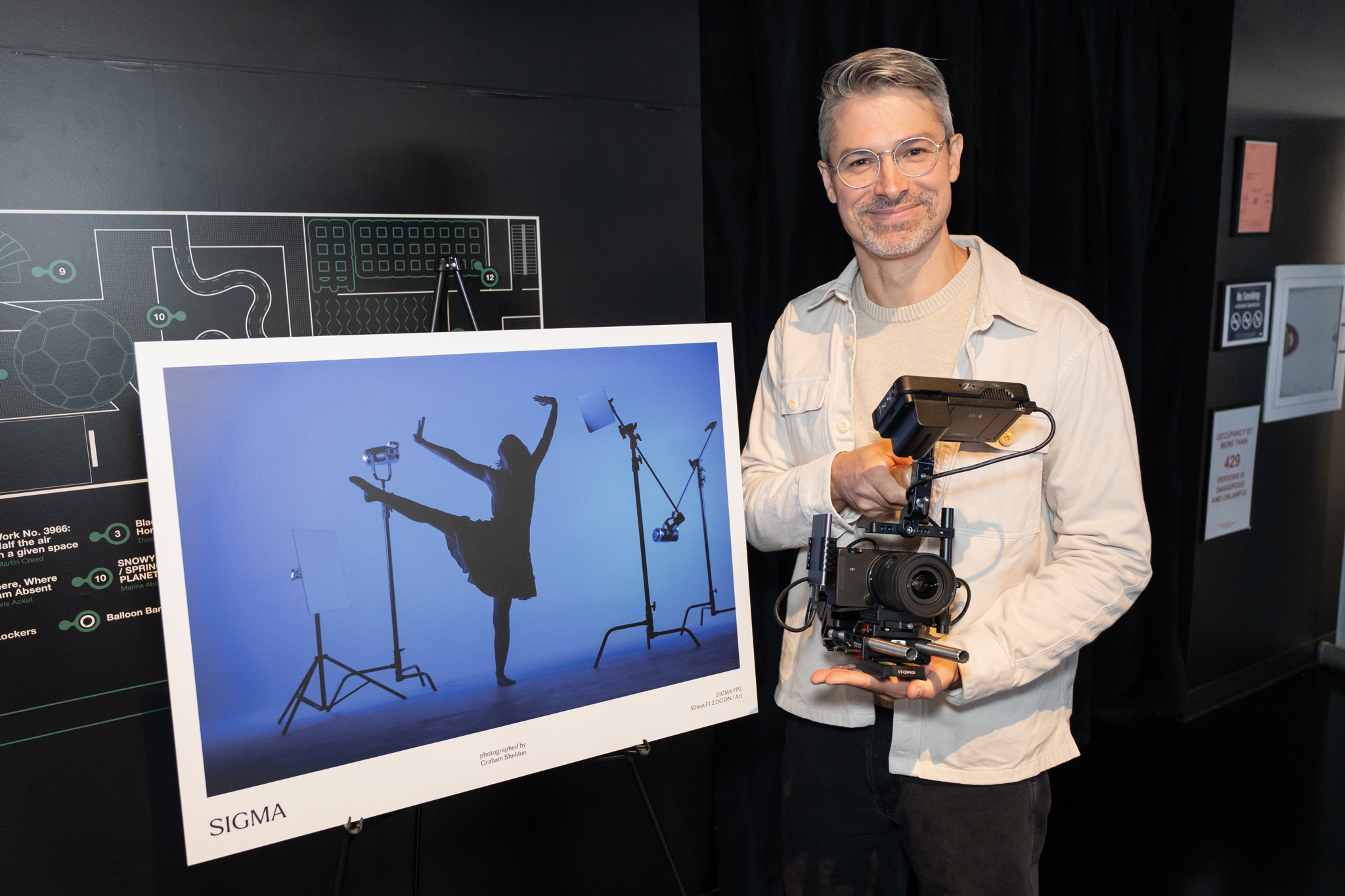
“The original fp has been a fixture of my kit for years and the FP2 feels like a beautiful evolution of that original camera.”
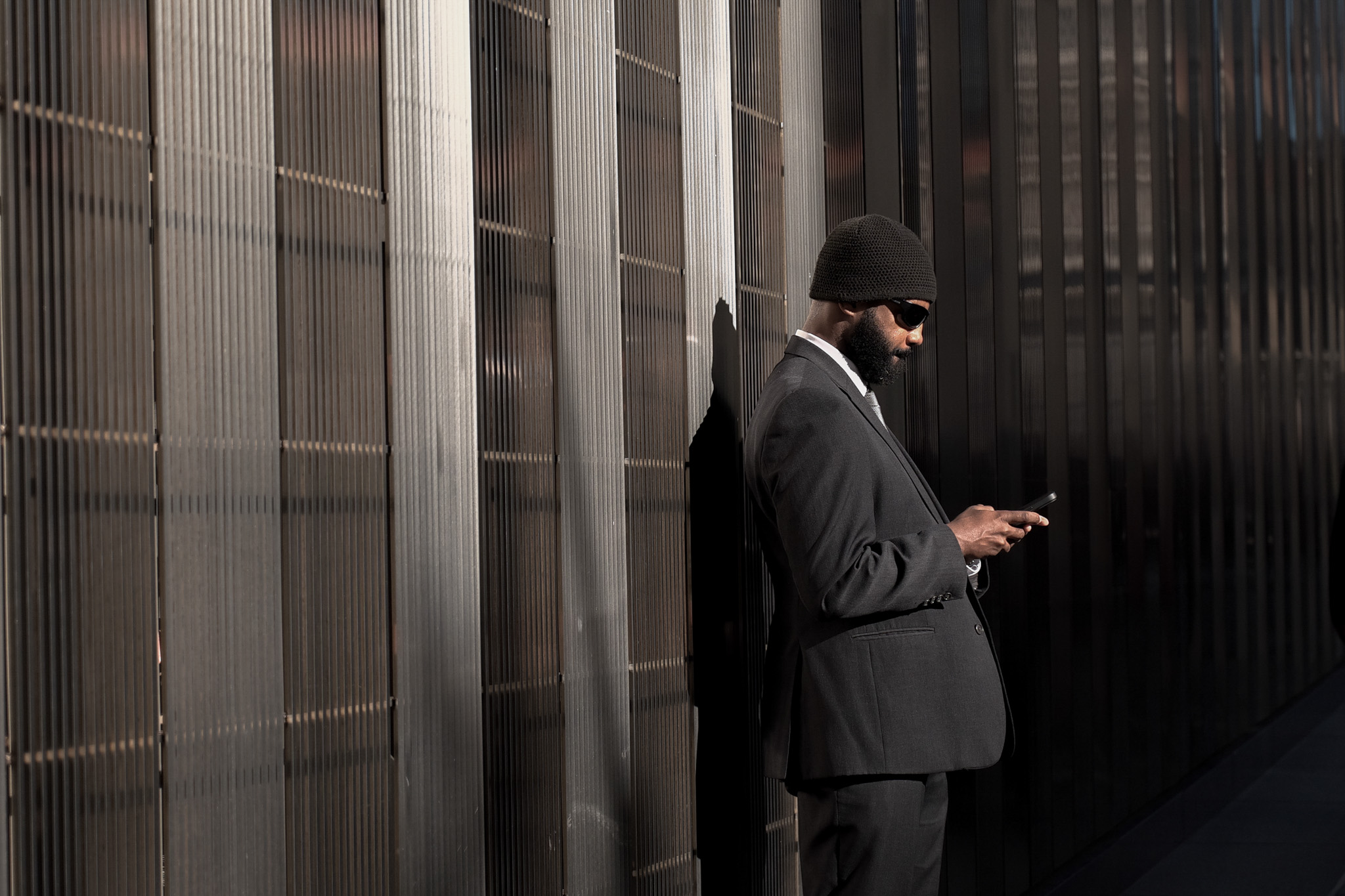
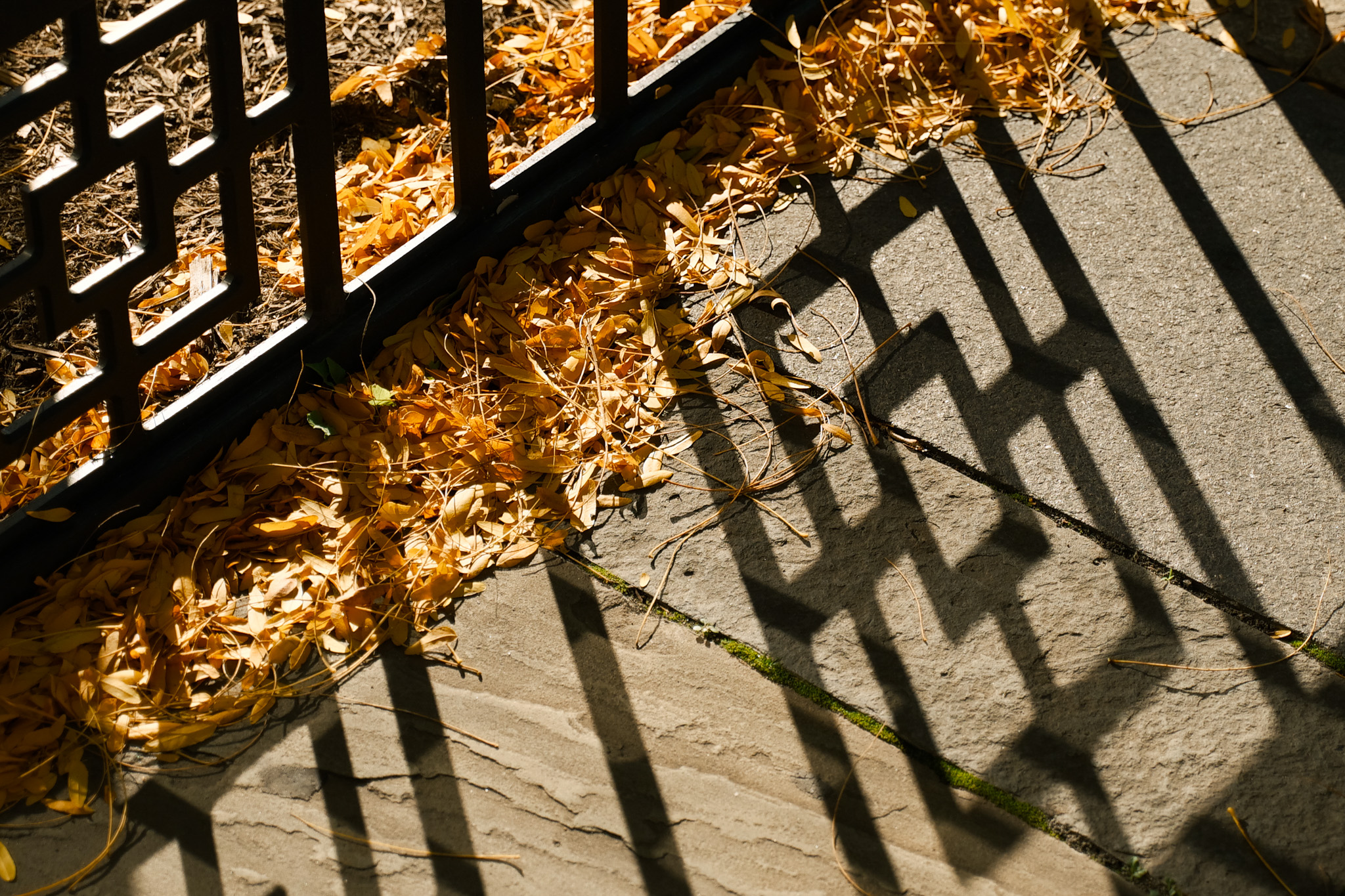
20-60mm F2.8-4 DG | Contemporary
60mm, F4, 1/320s, ISO 500
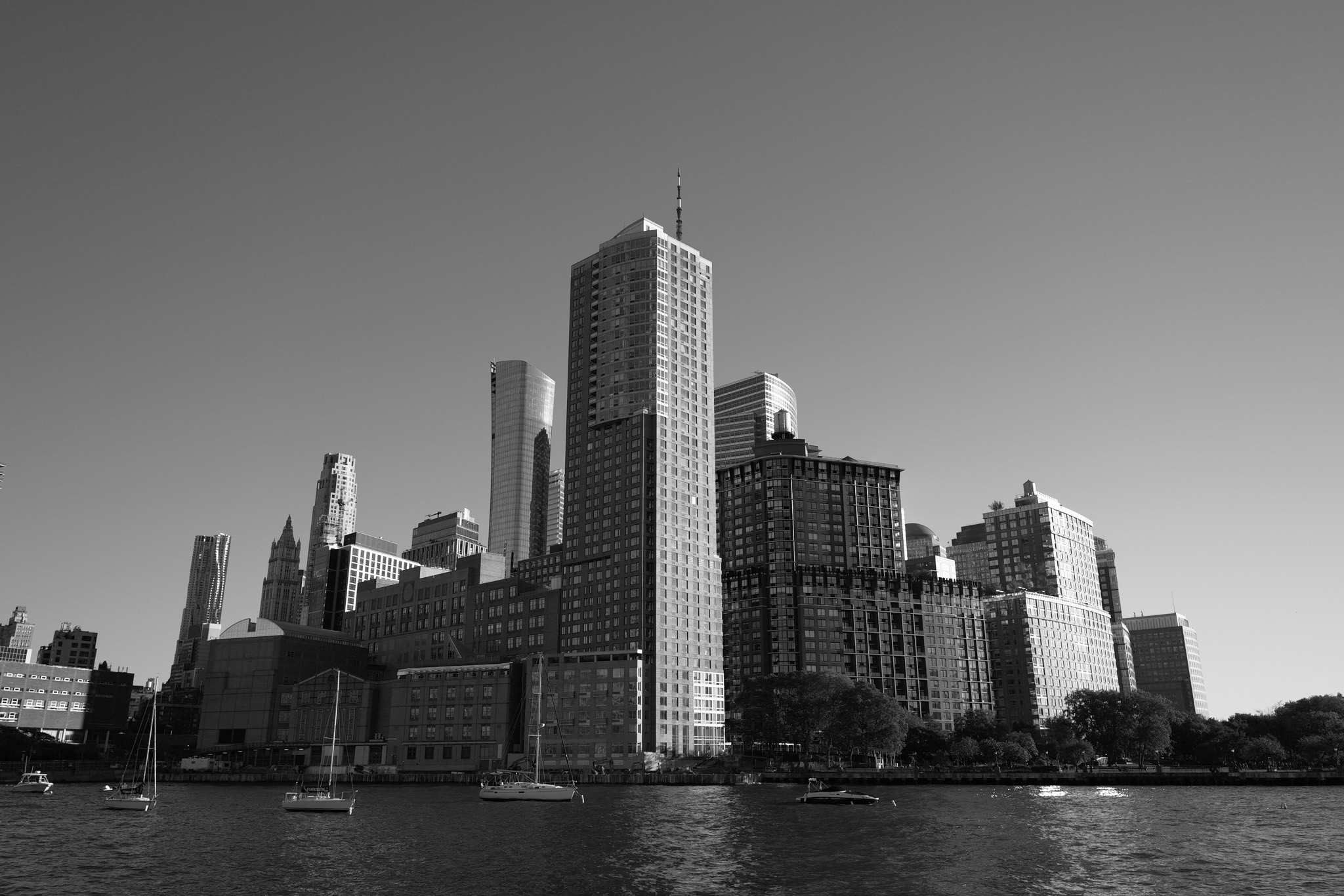
20-60mm F2.8-4 DG | Contemporary
60mm, F4, 1/250s, ISO 320
20-60mm F2.8-4 DG | Contemporary
27mm, F4, 1/800s, ISO 800
“Everything feels more streamlined and more cinema-friendly right down to a full-sized HDMI port. But under the hood is where things get really interesting. Having 14 stops of dynamic range and 6K 3×2 open gate in a camera this size is incredible.”
“Like the original fp, the FP2 is easy for me or an AC to build up into a full cinema configuration with a wide range of compatible vintage and even anamorphic glass. The FP2 also de-squeezes in-camera for 1.5x, 1.8x, 2x, and more. Sigma doesn’t make anamorphic lenses, but they made sure FP2 shooters can use them. That speaks to the friendly Sigma philosophy of building a camera platform that works for everyone, which is pretty cool.”
“Crew sizes grow and shrink as the jobs demand, and the FP2 changes with those demands. On a small run-and-gun doc shoot, I’m going to have a very compact build, and the improved autofocus is yet another tool I can lean on. When the crew gets bigger, I could add an L-Mount to PL adapter and rig the FP2 with a wireless follow focus and a cine prime lens, and presto, I have a fully functioning cinema camera for the big jobs.”
“The director’s viewfinder mode was one of my favorite features back in the day, and it now supports the latest flagship cinema bodies from my favorite brands. I can preview shots in a variety of aspect ratios, and I can use the actual optics I’m using on that project, not a phone app that is giving me a rough digital approximation of the scene in question.”
Small. Powerful. Adaptable.