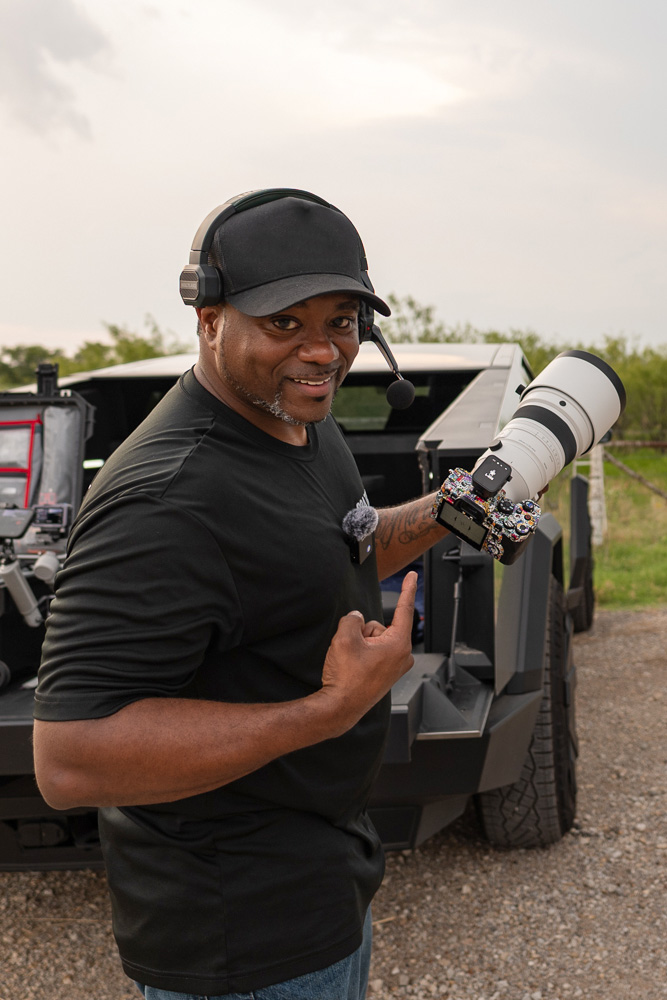
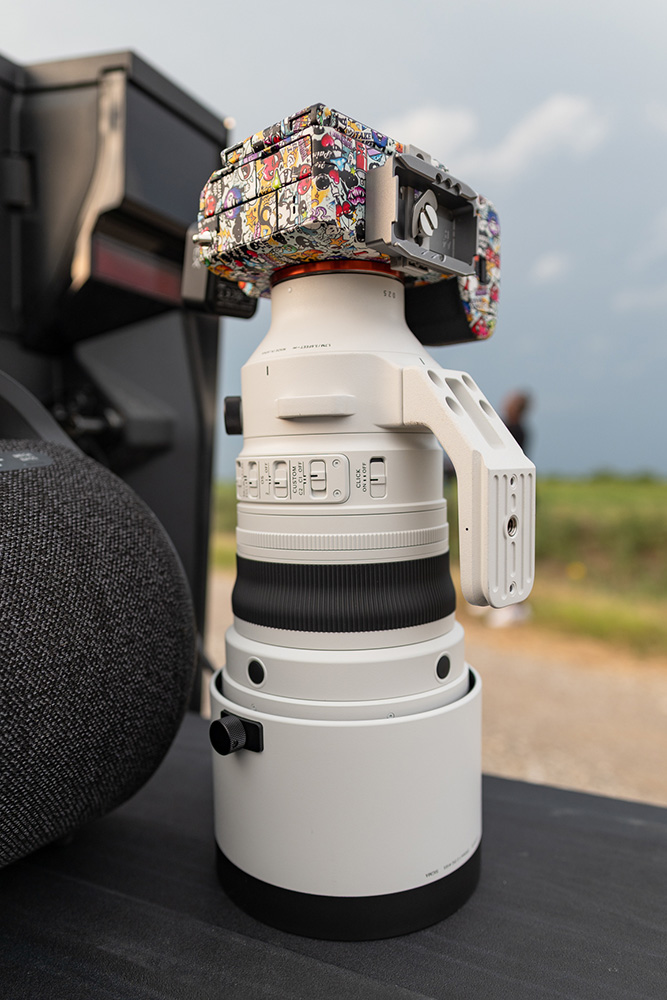
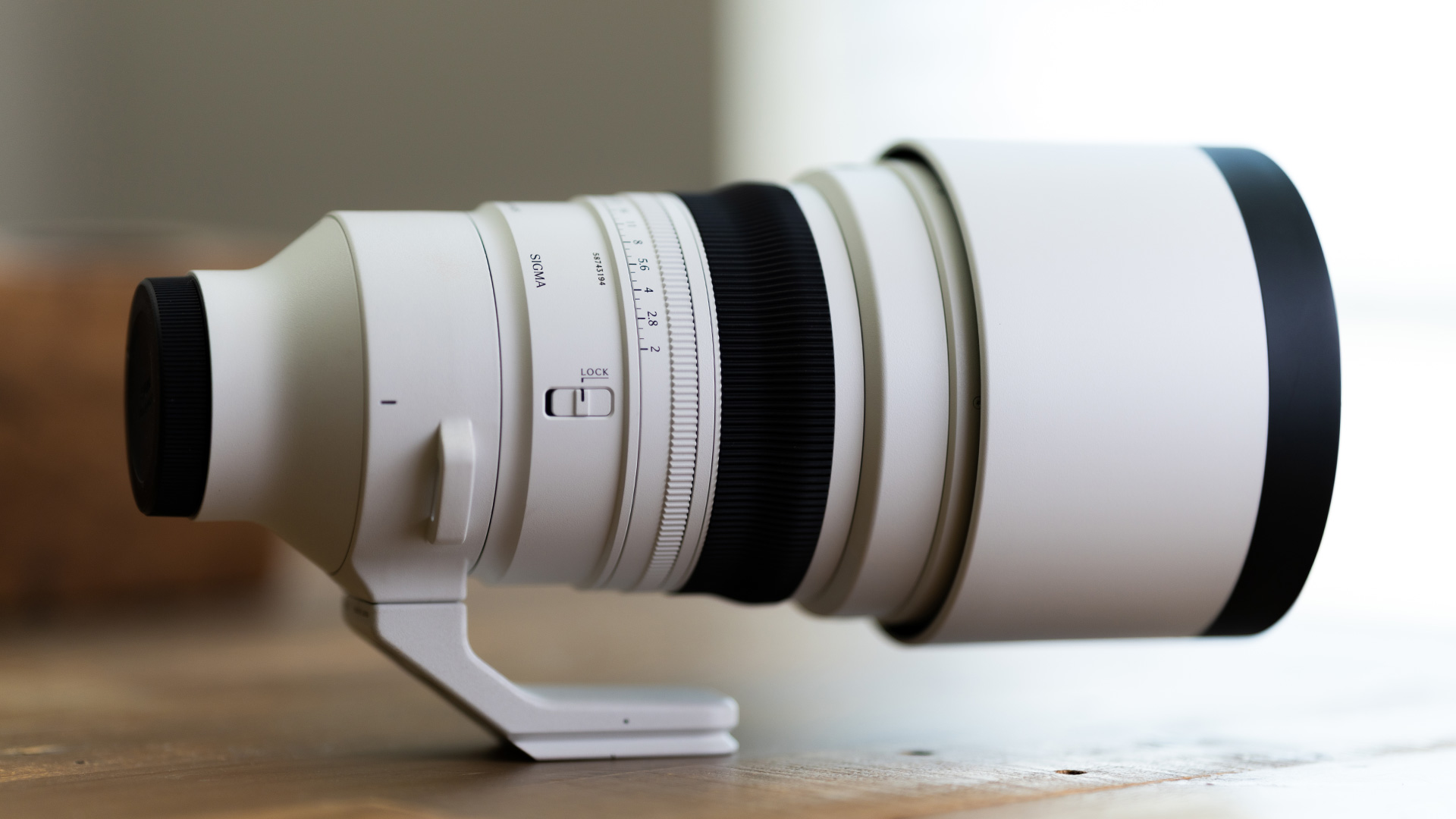
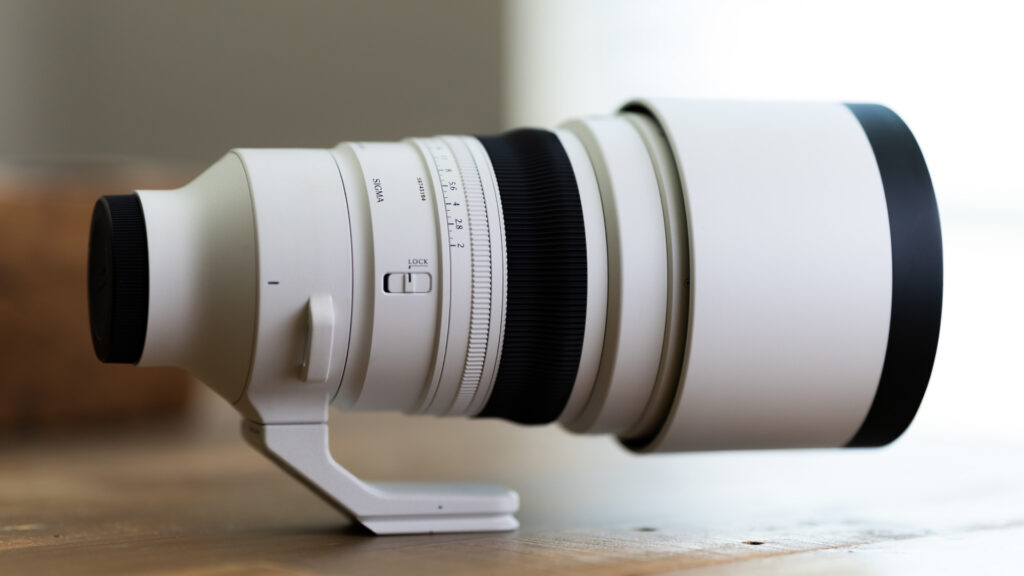
When I first laid eyes on the Sigma 200mm F2 DG OS | Sports, I was amazed at its light weight and unique color choice. But let’s be honest — those details aren’t why you’re here. You’re here to find out if this $3,300 lens can truly stand toe-to-toe with the legendary Nikkor 200mm f/2.
The short answer? Yes. Absolutely, yes.
But stick around — I want to walk you through exactly why this has quickly become one of my favorite portrait lenses.
Why a 200mm for Portraits?
Some may argue that the 200mm focal length is a “sports lens” and that you should stick to the classic 85mm or even 105mm focal length for portraits. While there’s some truth in that — if you want to stick to a traditional look — I’ve always been an outside-the-box type of photographer.
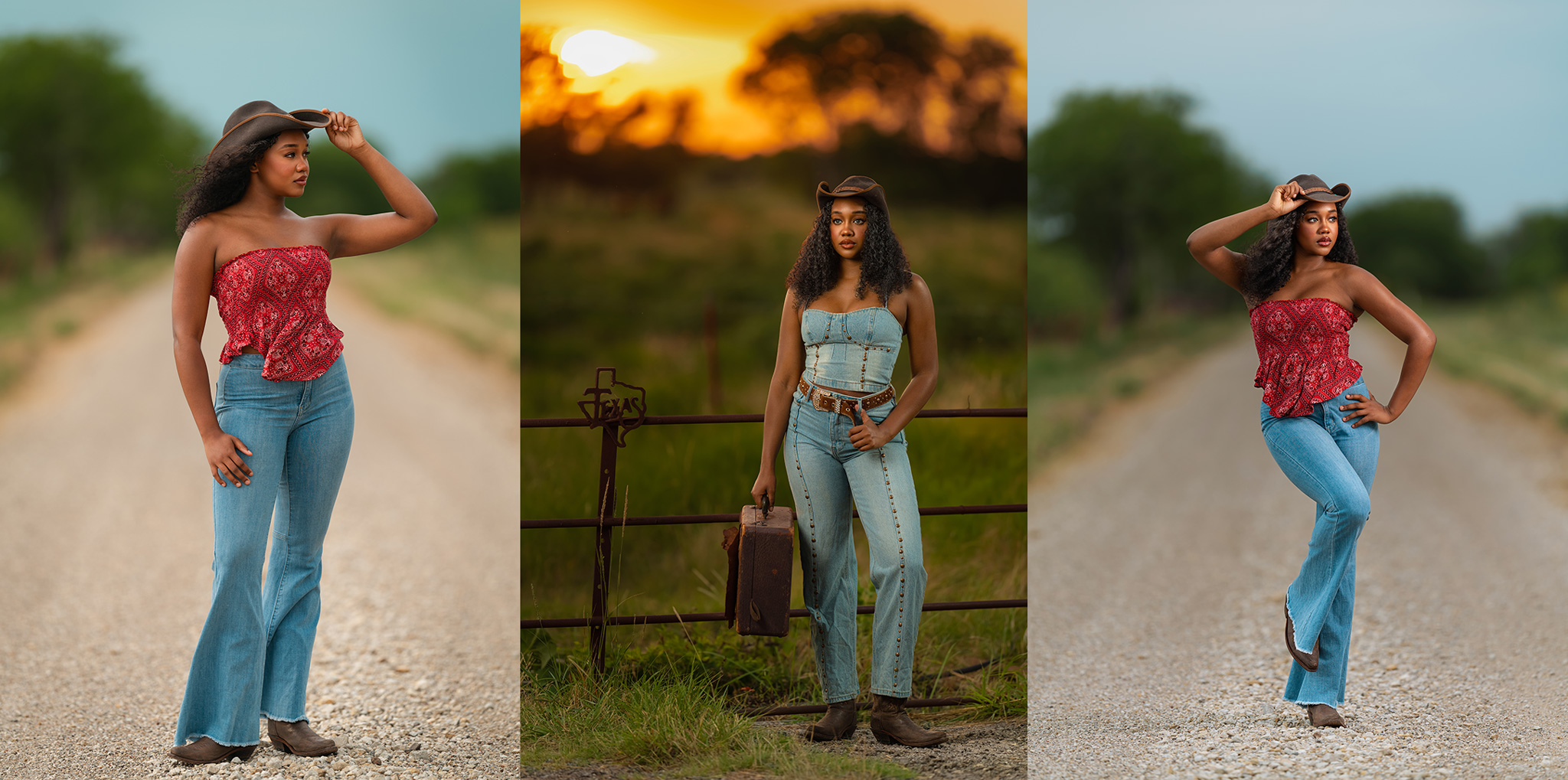
The Sigma 200mm F2 DG OS | Sports creates a look that no other lens can replicate. You can attempt to fake it in post, but it’s never quite the same as the organic compression and subject separation this lens naturally delivers.
On my first shoot with Cori, this lens didn’t disappoint once. Every image came out tack-sharp, with autofocus that locked onto my subject and refused to let go.
Lens Comparison Tests: 200mm vs 70-200mm vs 105mm
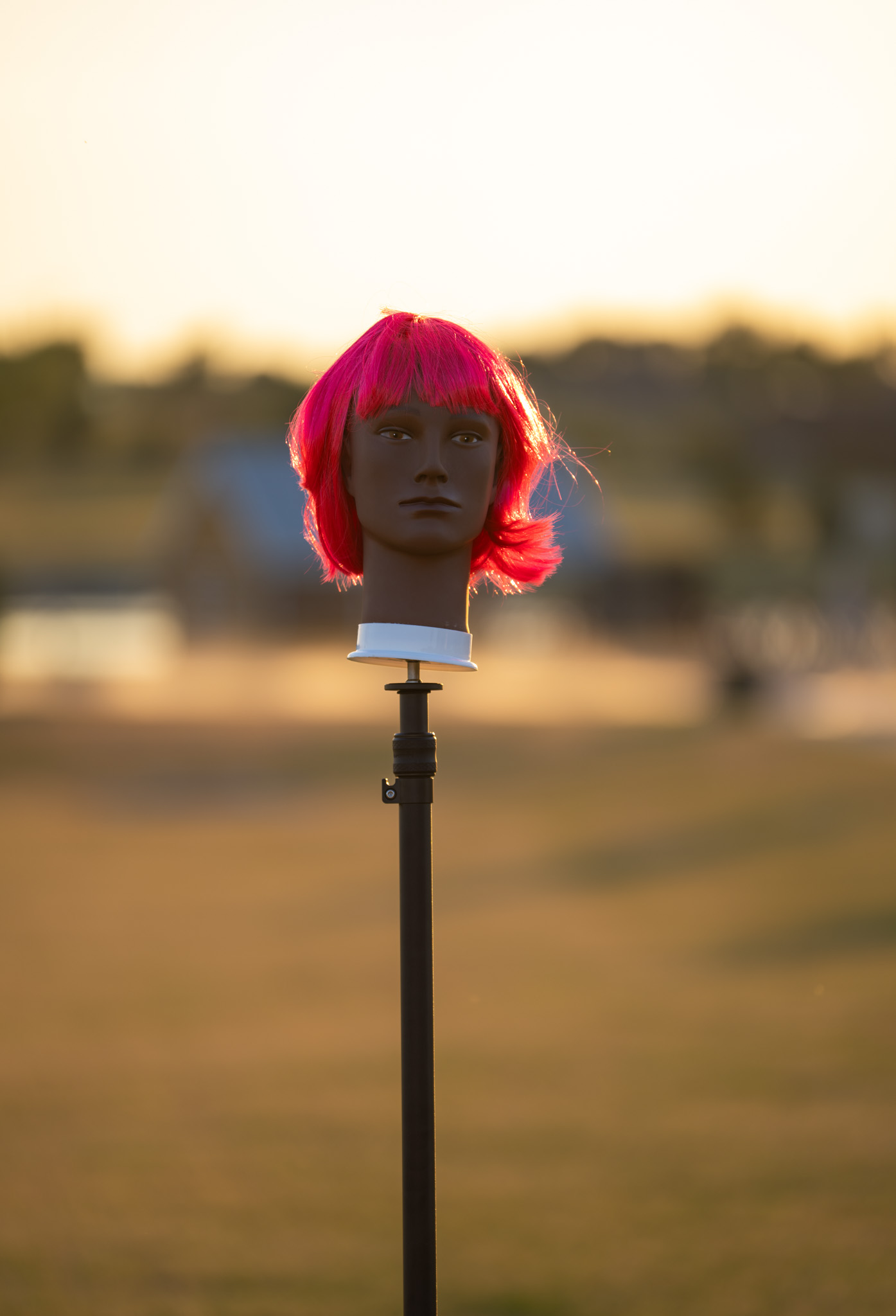
Before diving into that portrait session, I wanted to put the 200mm up against two other Sigma favorites: the 70–200mm F2.8 DG DN OS | Sports and the old 105mm F1.4 DG HSM | Art.
Utilizing a simple mannequin head for testing purposes, as expected, the 200mm had the slight edge in rendering and compression. Even though I moved in closer with the 105mm to make the comparison fairer, the results spoke for themselves — all three lenses are fantastic, but the 200mm just has that magic.
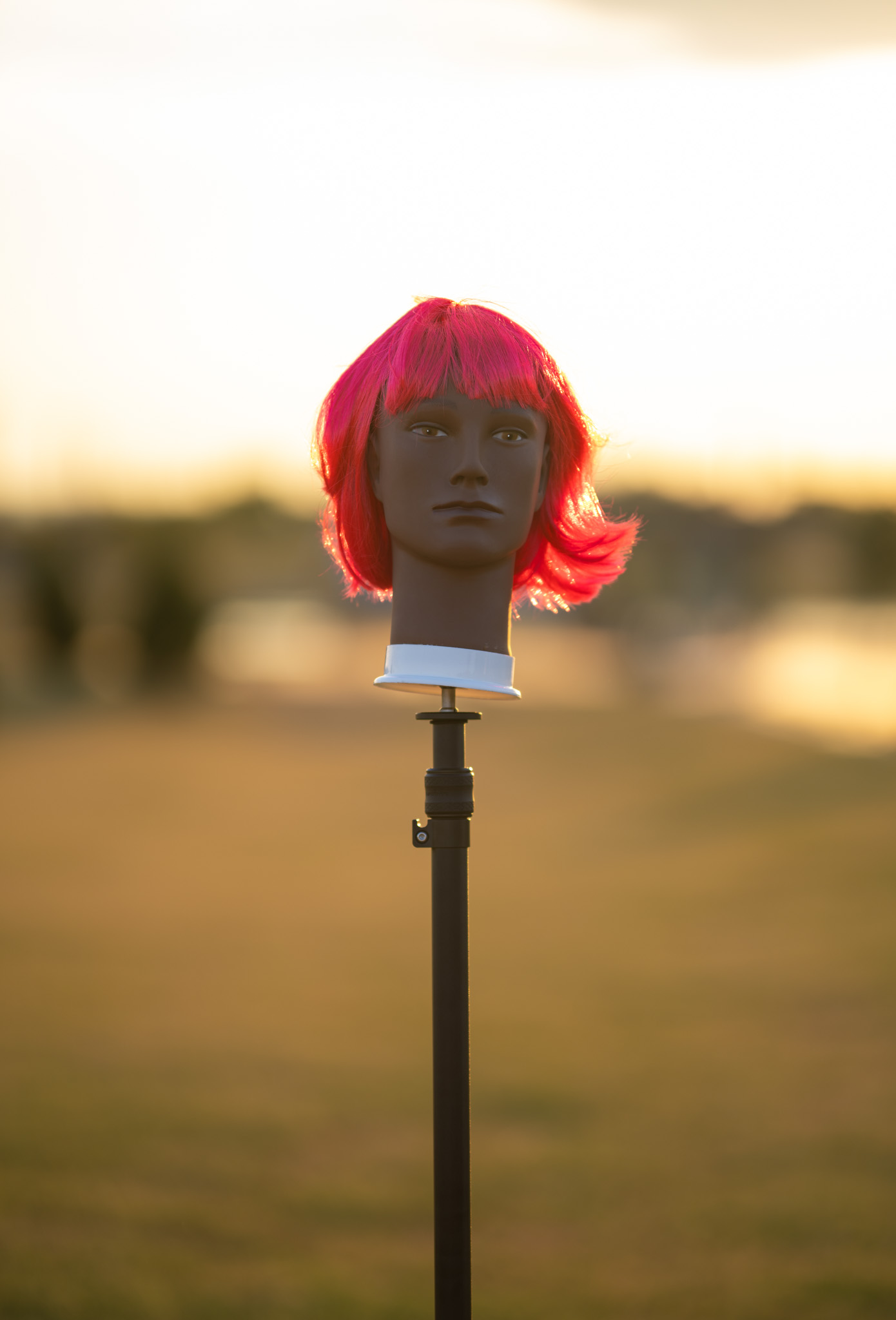
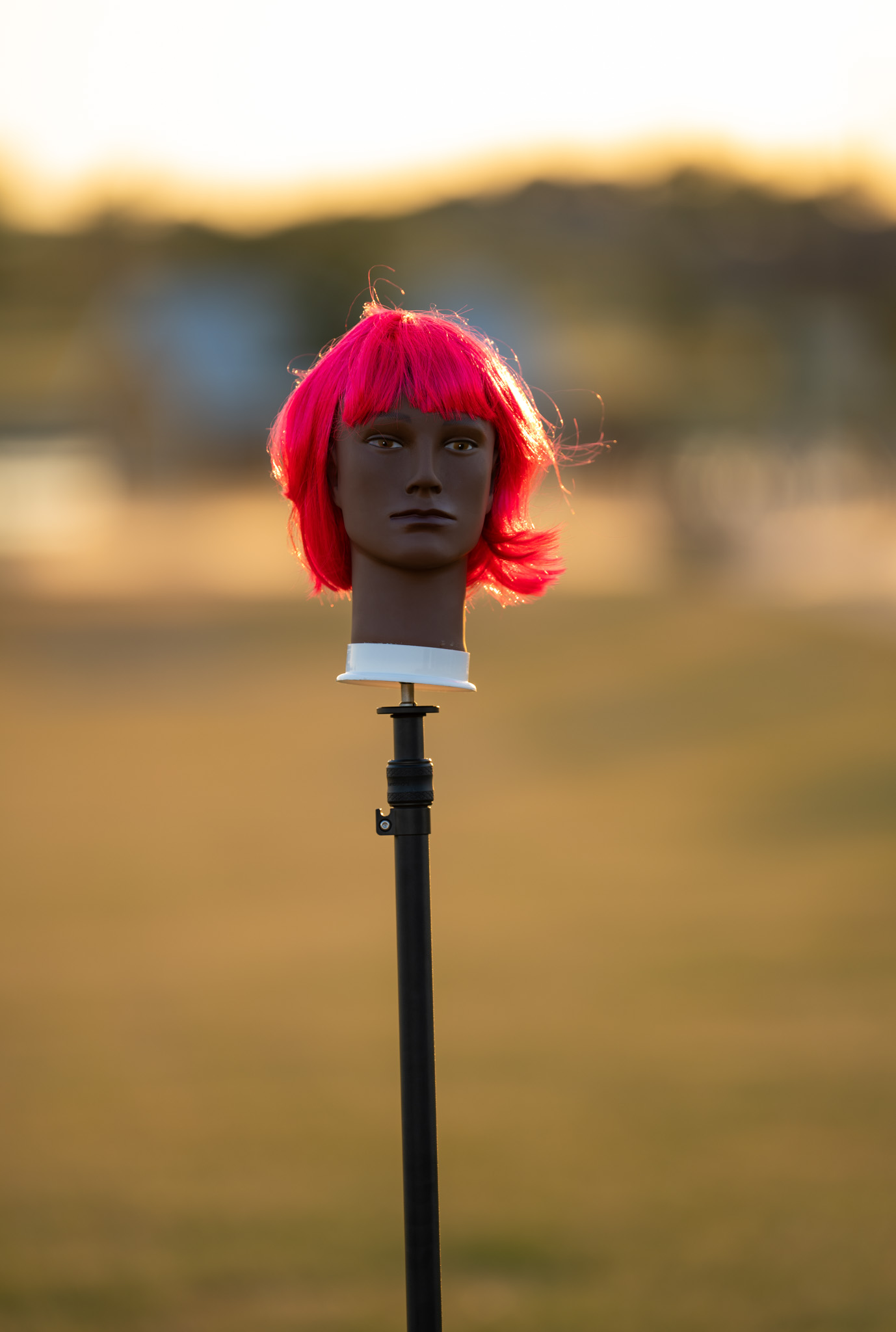
Autofocus Test: Fast-Moving Subjects
That same day, I met Baron — the dog who became my autofocus test subject. Switching my Sony A7RV to animal tracking, continuous focus and wide AF mode, the Sigma 200mm F2 DG OS | Sports handled everything I threw at it. Even with the sun setting behind him as backlight, the lens performed beyond expectations.

Sony a7RV
F2, 1/320s, ISO 50
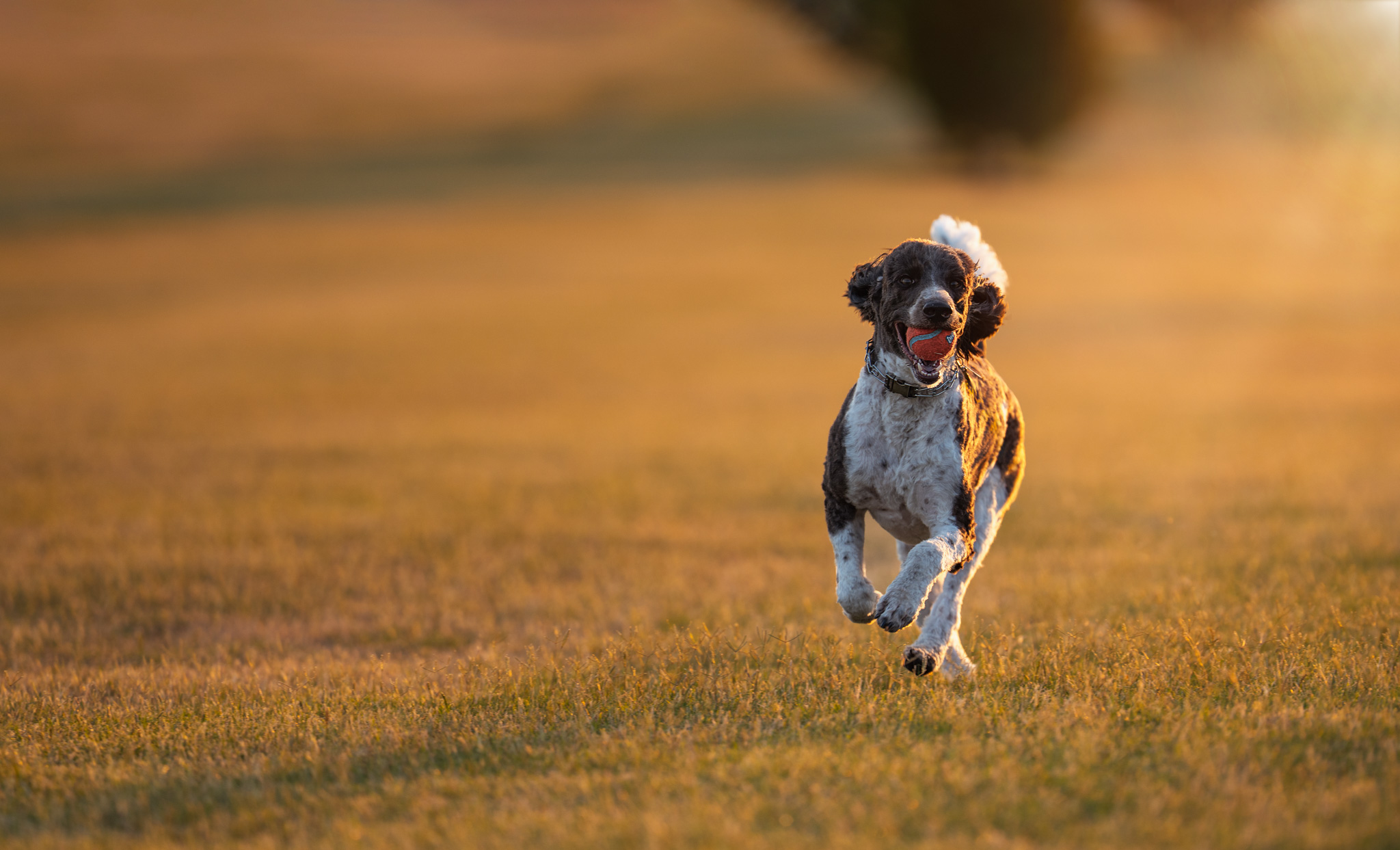
Sony a7RV
F2, 1/800s, ISO 125
Ergonomics & Handling
Sigma includes a tripod collar (TS-171) with this pretty hefty lens, which made a huge difference. It doubles as a comfortable carry handle and makes handheld shooting far easier. The balance of this lens is remarkable considering its size and power.
Themed Shoot with Cori
For the official shoot, my team and I created a country-themed concept. We headed to a quiet backroad near Denton, Texas, with almost no traffic — perfect for what we had in mind.
We timed the shoot for sunset after seeing how well the lens handled backlight with Baron.
Natural Light Test
To start, we shot with nothing but natural light. The background just melted away in that creamy Sigma style.

Sony a7RV
F2, 1/320s, ISO 50
One-Light Setup
Next, I added a single light: 1x Godox AD600Pro II in a Geekoto E36 double-diffused softbox, metered for F2. The image popped, but I wanted more depth.
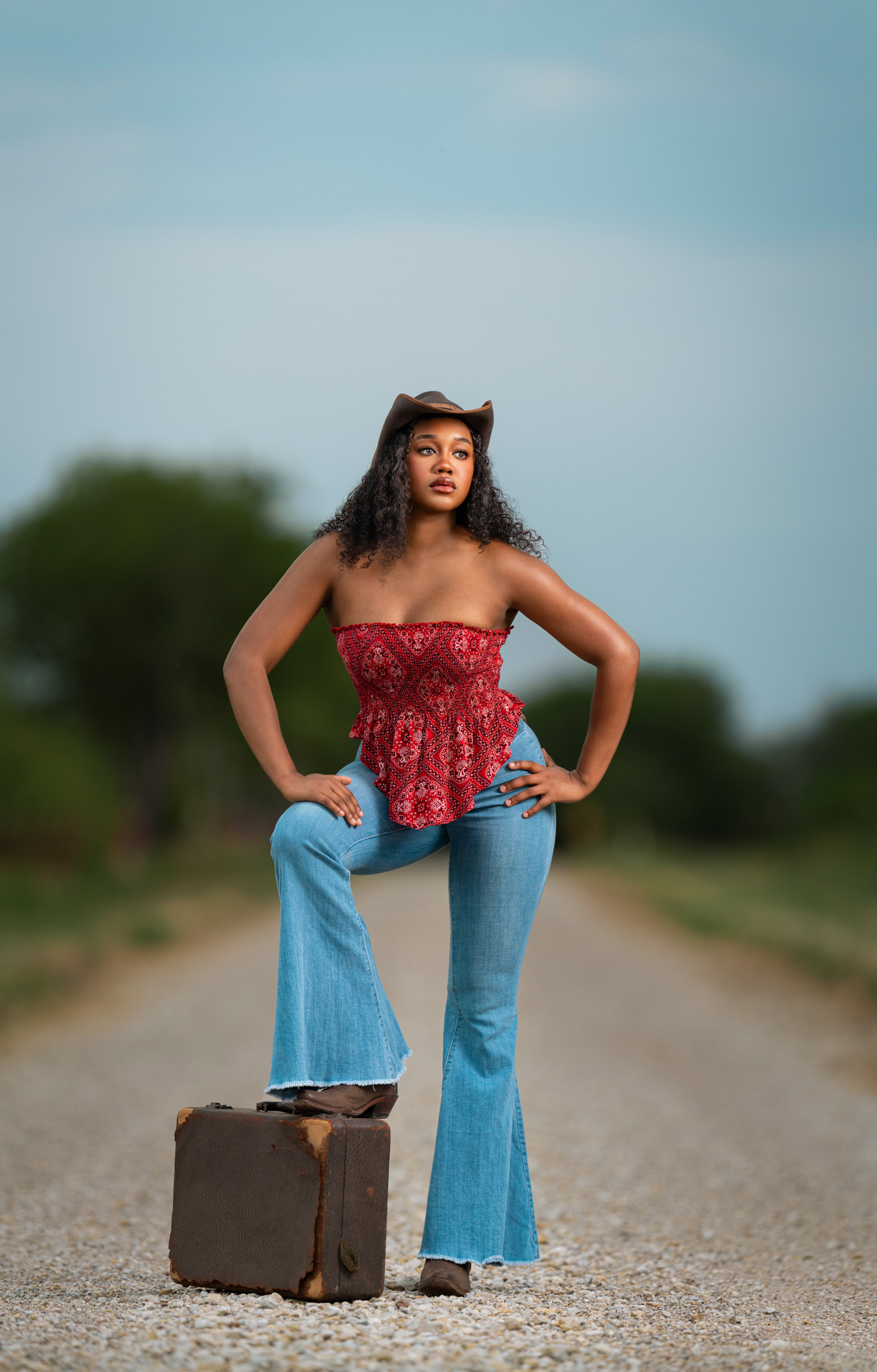
Sony a7RV
F2, 1/320s, ISO 80
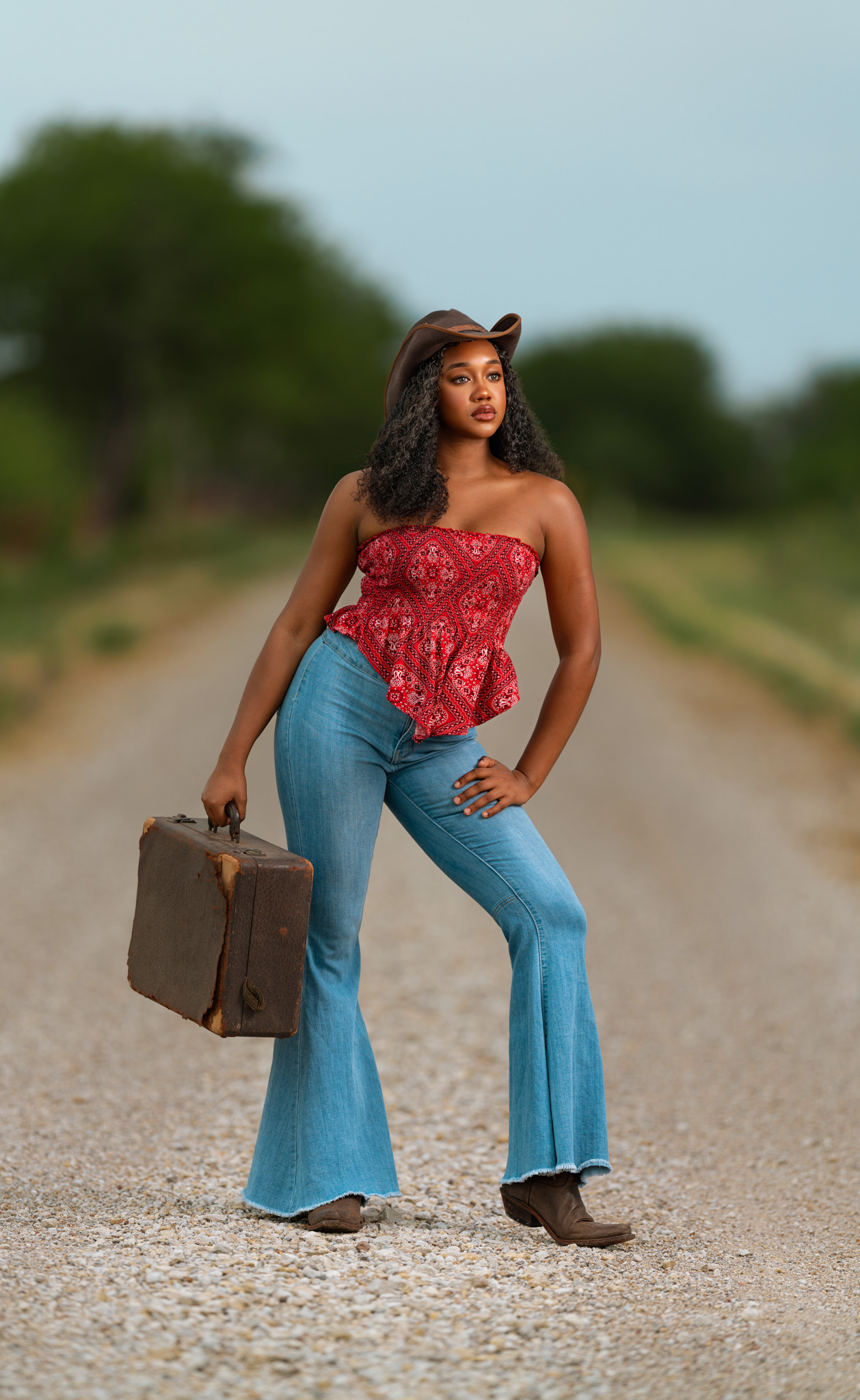
Sony a7RV
F2, 1/320s, ISO 80
Two-Light Setup
We then introduced a second light: 1x Godox AD200Pro II in a Geekoto Quicky softbox, also double diffused and metered for F2. I originally aimed for a 2:1 lighting ratio but settled on 1:1, which gave the image balance and drama.
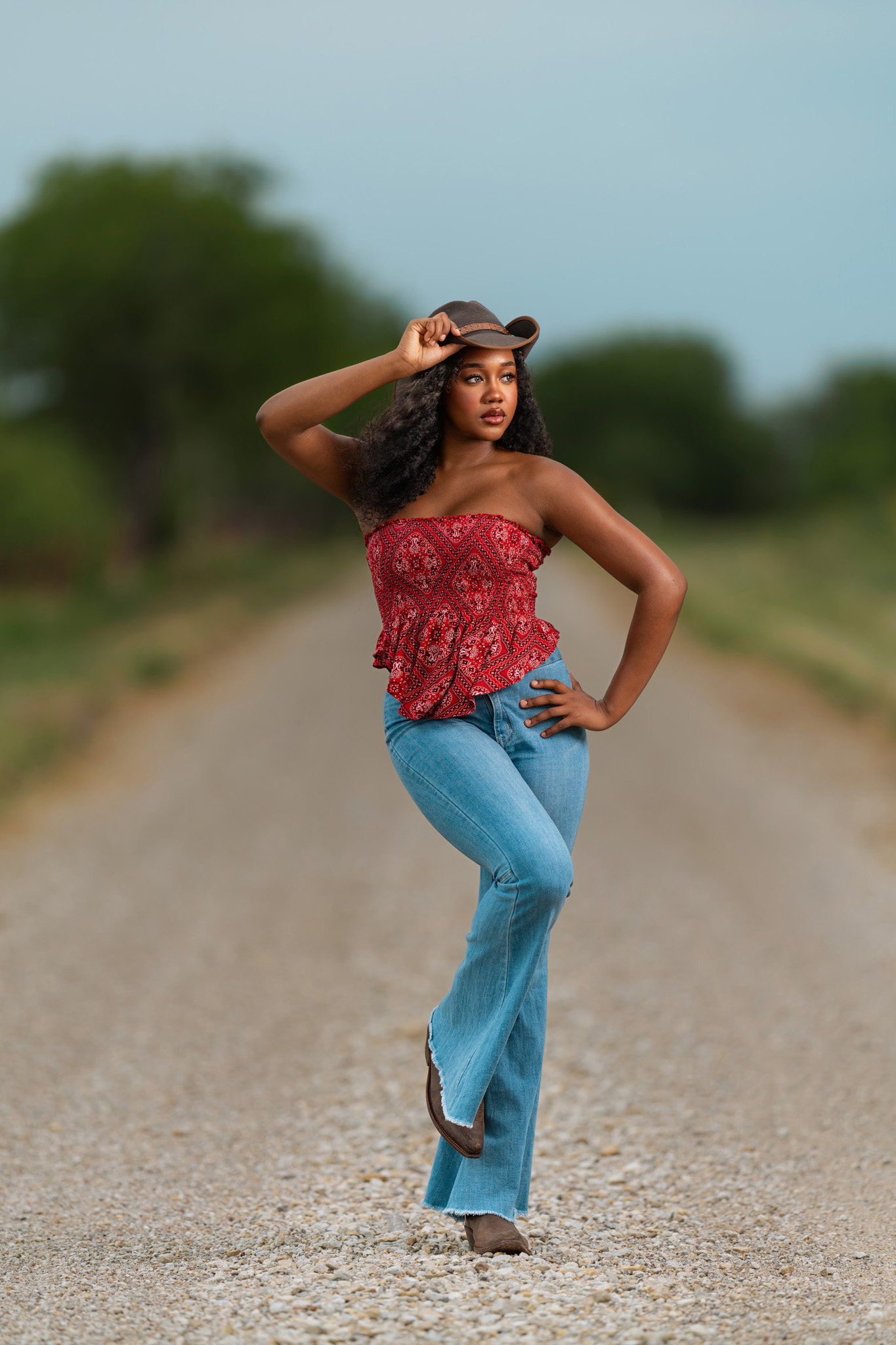
Sony a7RV
F2, 1/320s, ISO 50
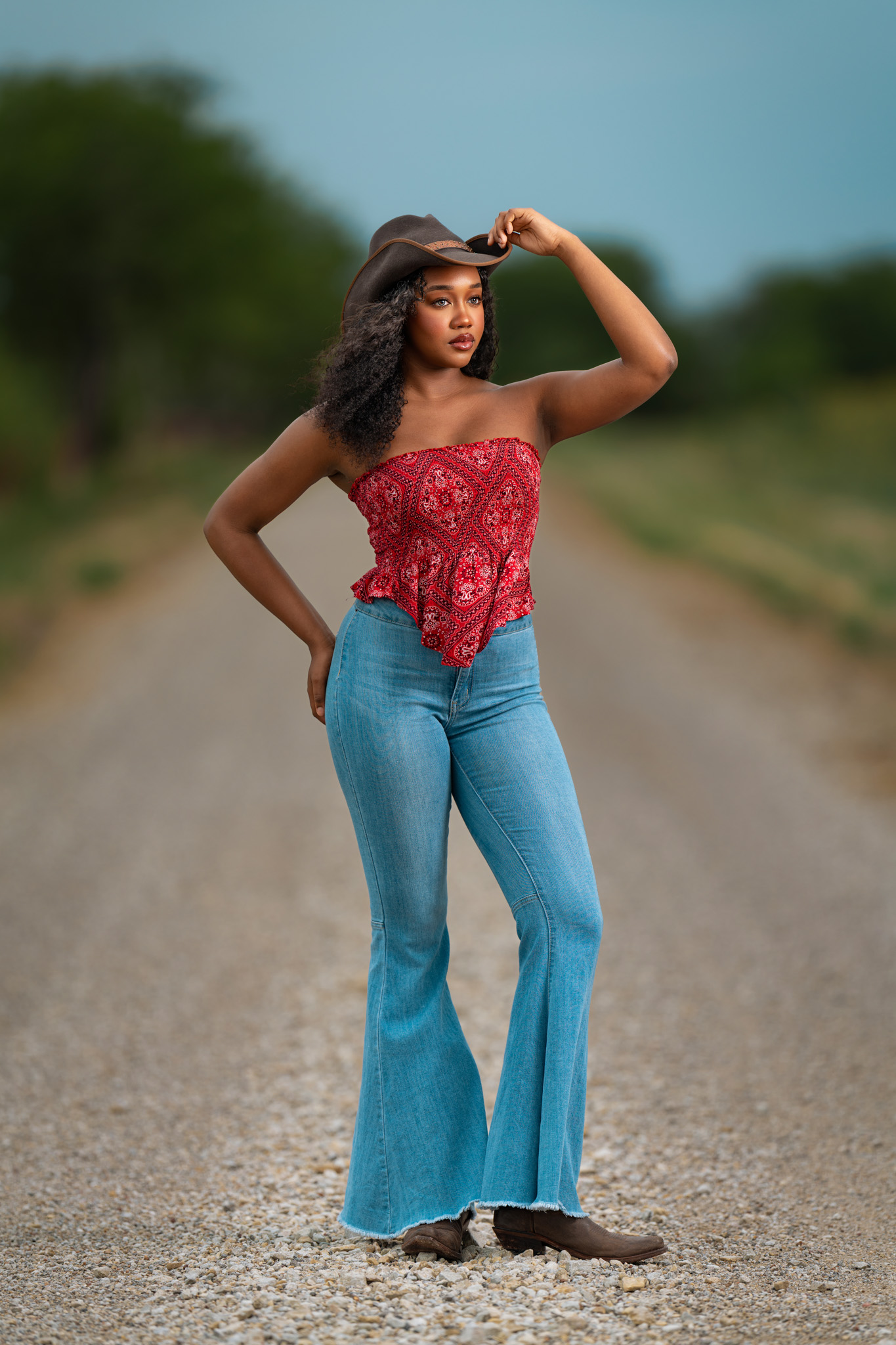
Sony a7RV
F2, 1/320s, ISO 50
Storytelling Shots
For variety, I asked Cori to act as if she were searching through her suitcase on the side of the road, captured with the same two-light setup.

Sony a7RV
F2, 1/320s, ISO 125
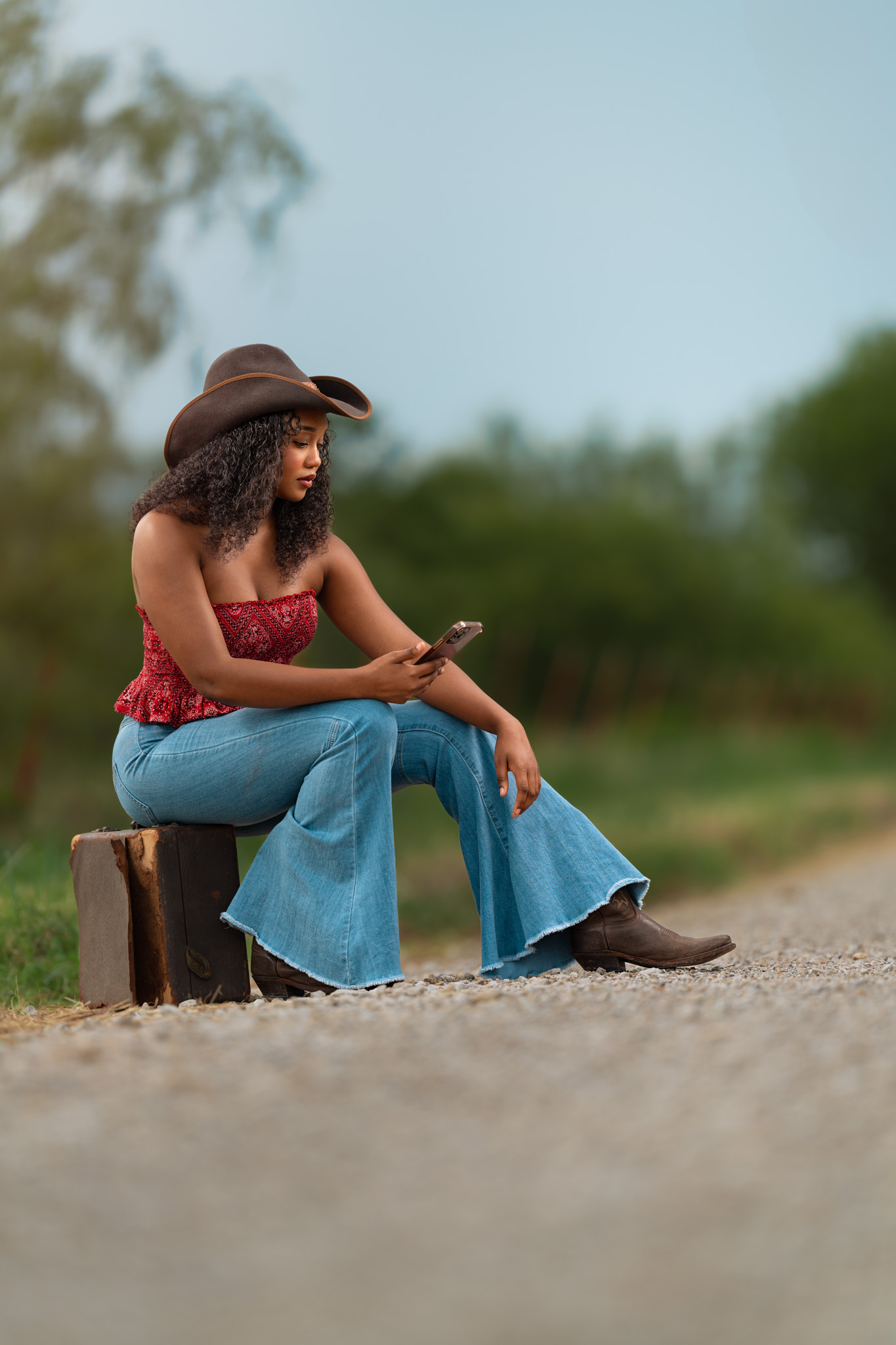
Sony a7RV
F2, 1/320s, ISO 125

Sony a7RV
F2, 1/320s, ISO 125
And to close the day, Cori changed into a denim outfit just as the sunset peaked. The final frames ended up being my absolute favorites — warm, cinematic, and exactly the images I envisioned.
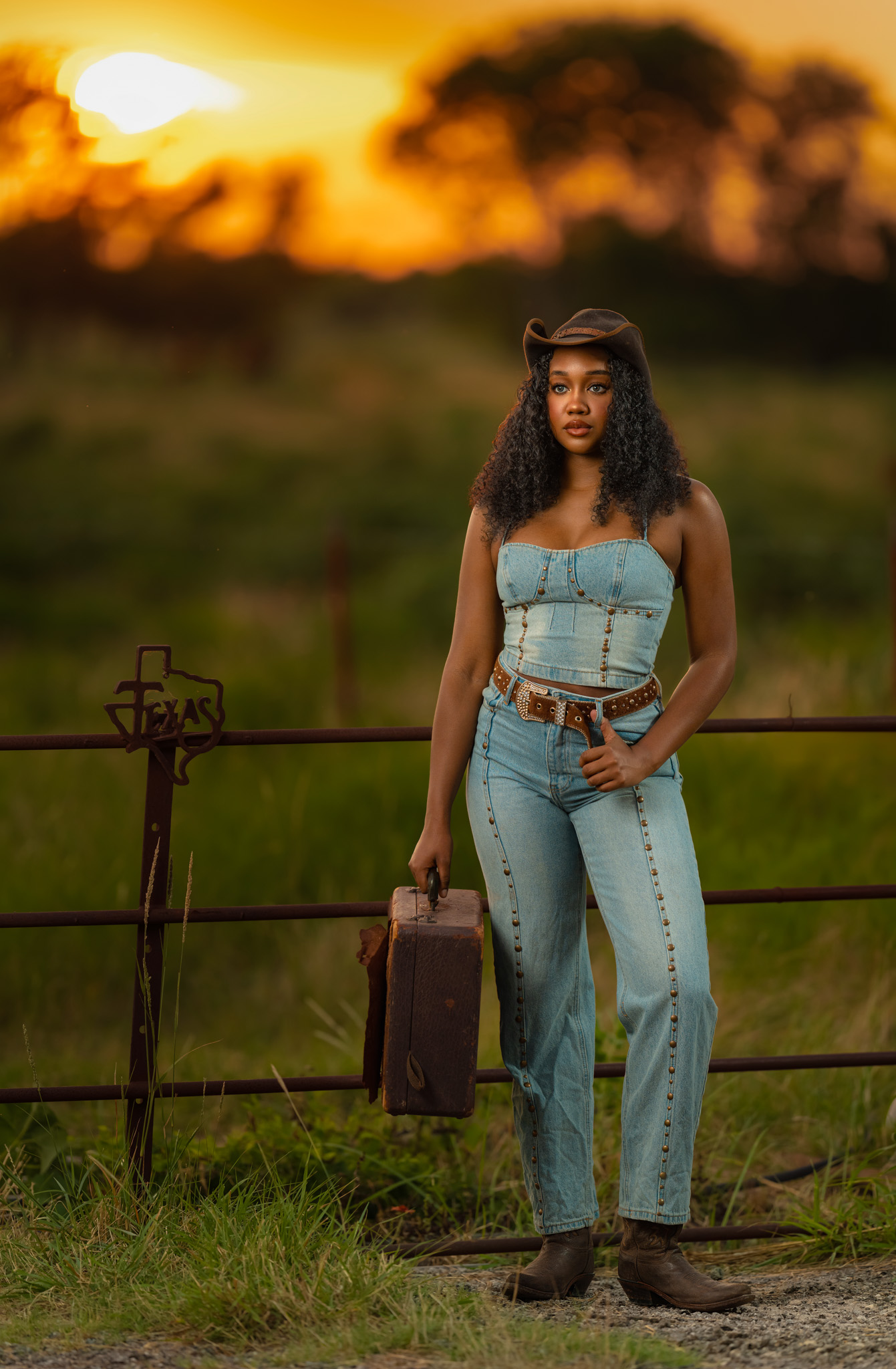
Sony a7RV
F2, 1/200s, ISO 320
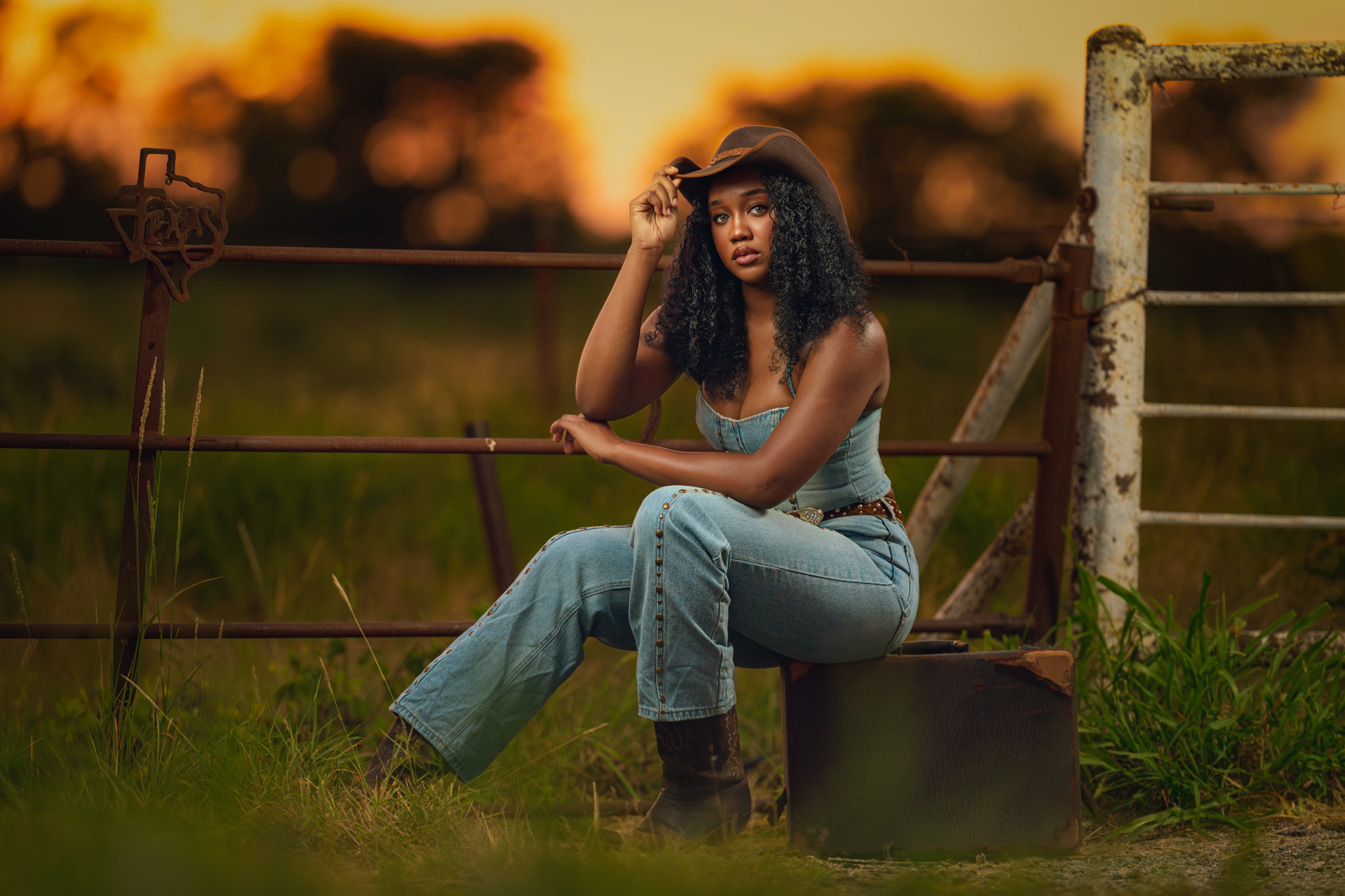
Sony a7RV
F2, 1/160s, ISO 640
Final Thoughts
After just two months of use, I can confidently say the Sigma 200mm F2 DG OS | Sports has earned its place in my collection. If you love compression, subject separation, and a unique organic rendering, you’ll be blown away by this lens.
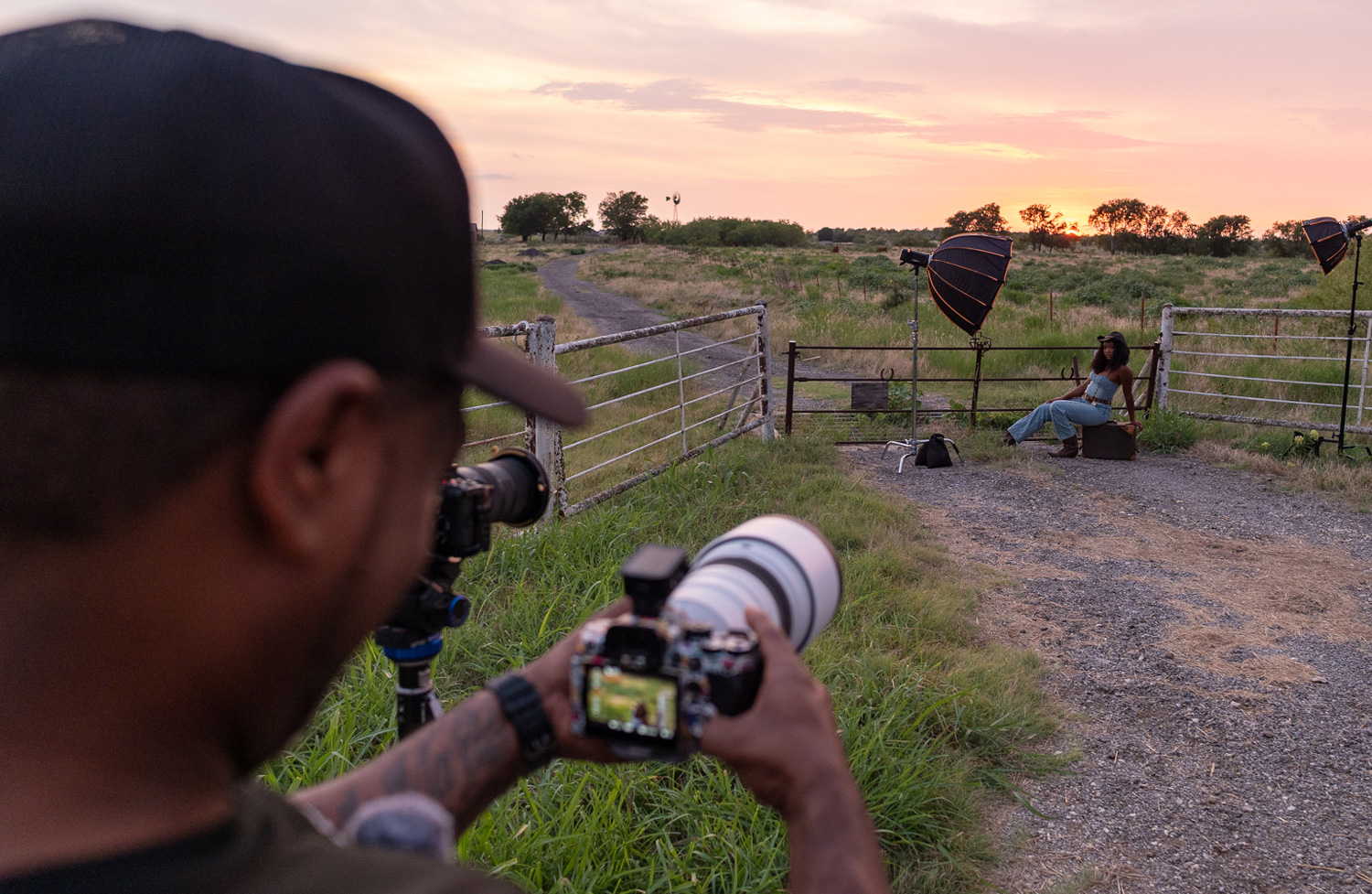
I want to thank Sigma for the opportunity to test this beauty. If you want to see more behind-the-scenes and results, check out the full video on YouTube.
Learn more and get yours