Canon EOS R5
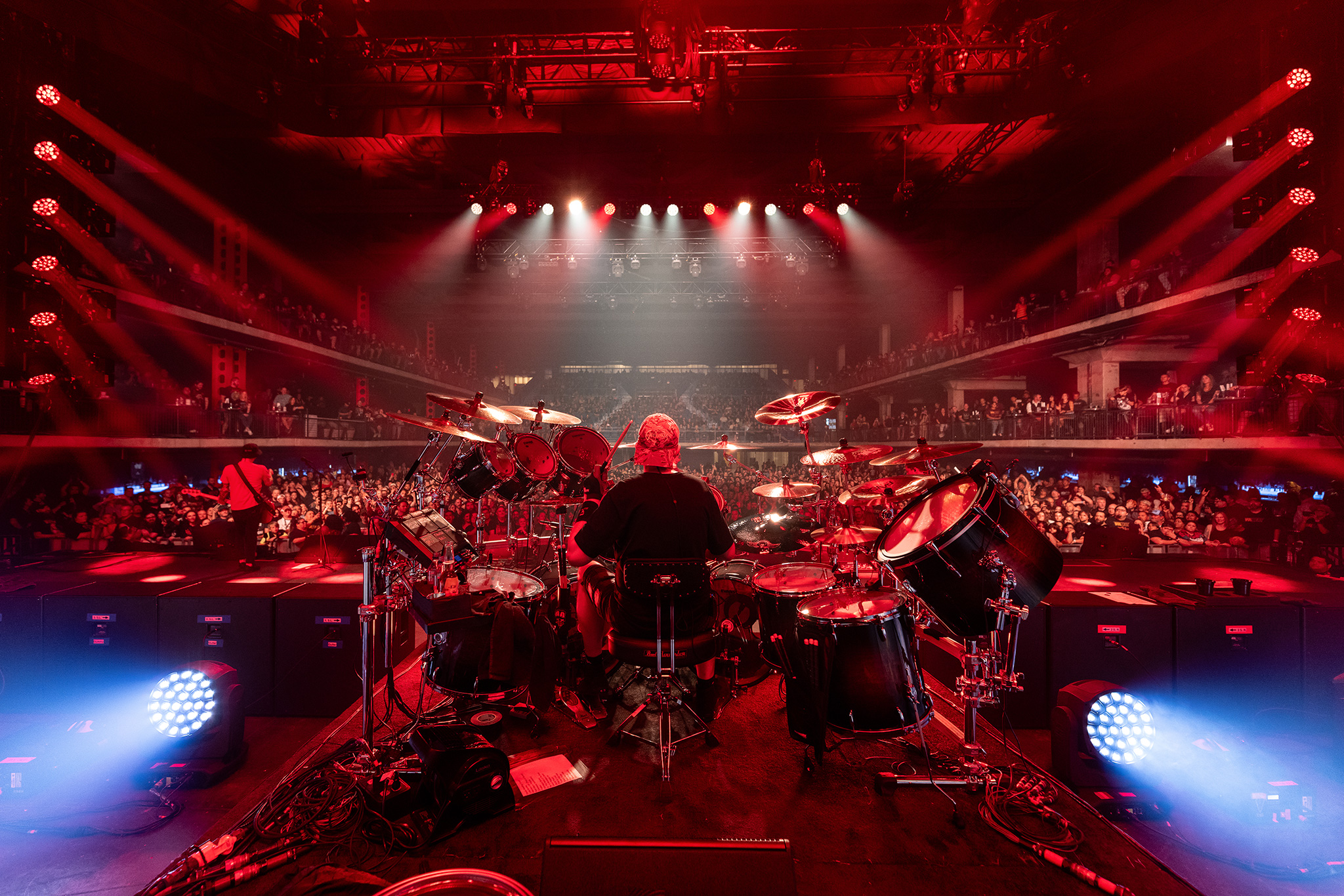
14mm, F3.2, 1/400s, ISO 2500
In Fall 2025, tour photographer Britt Bowman returned to Los Angeles from the first half of Volbeat’s G.O.A.T. World Tour, photographing night after night under stage lights all across the US and western Canada. With a touring career spanning more than a decade now, she’s shot with artists from Tinashe and Miguel, to the Red Hot Chili Peppers, and now serves as the official touring photographer for Disturbed and Volbeat.
Tour planning and prep
Sigma:
You just wrapped the North American half of Volbeat’s G.O.A.T. Tour and are off again for the European leg in October 2025. When you step into a run like this spanning months at a time, there must be significant planning involved. Could you walk us through your pre-production?
Bowman:
Luckily for me, I have a pretty well-oiled system with Volbeat since I’ve been with them for nine years. That makes things easier and more predictable, which really helps when planning what equipment I might need. I like to look at the location first — is it indoors or outdoors, and what size venues are we playing? All of that determines what I end up bringing with me, but I try to have as versatile of a kit as possible to get me through all the venue variations we will encounter on a tour.
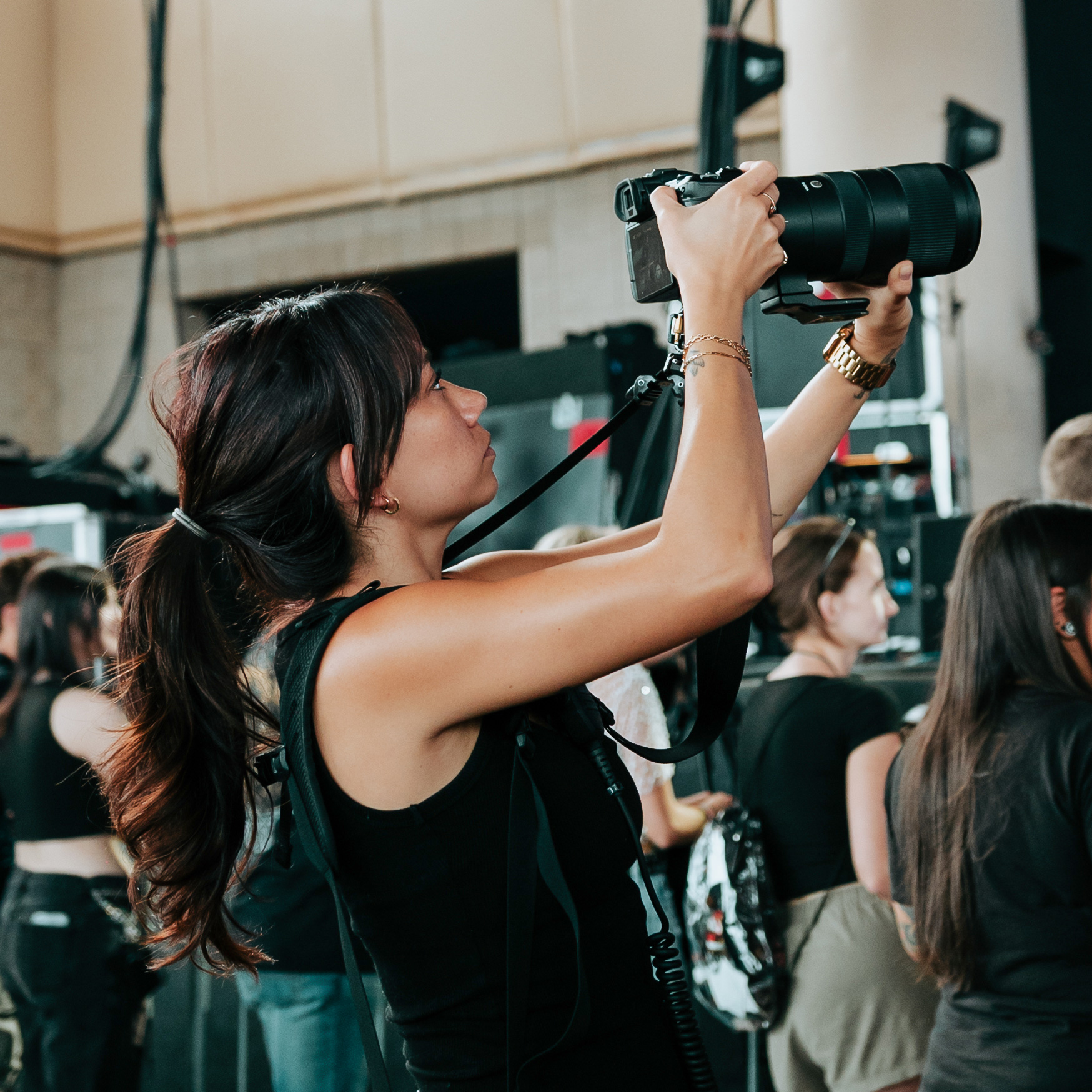
Mental prep is just as important for me. Long tours take a toll — the travel, being away from home and your people, little sleep, not being able to take care of yourself the way you’d like. It adds up. On top of that, so much of the job is about being creative every day. There’s constant photo and video work for socials, press, etc. — and you want shots other photographers aren’t getting so your band’s content stands out. You’ve got to stay sharp and motivated, or things get stale fast.
This tour is 71 shows spread out over six months, and when it started, I had just come off the road with Disturbed, where we did 37 shows in four months. So, mental prep to avoid burnout was a big priority during my 2-week break between tours. I’ve learned that staying tuned into myself and the flow of the tour is key to avoiding burnout, so I try to carve out little moments for myself whenever I can, especially during breaks.
Lens selection
Sigma:
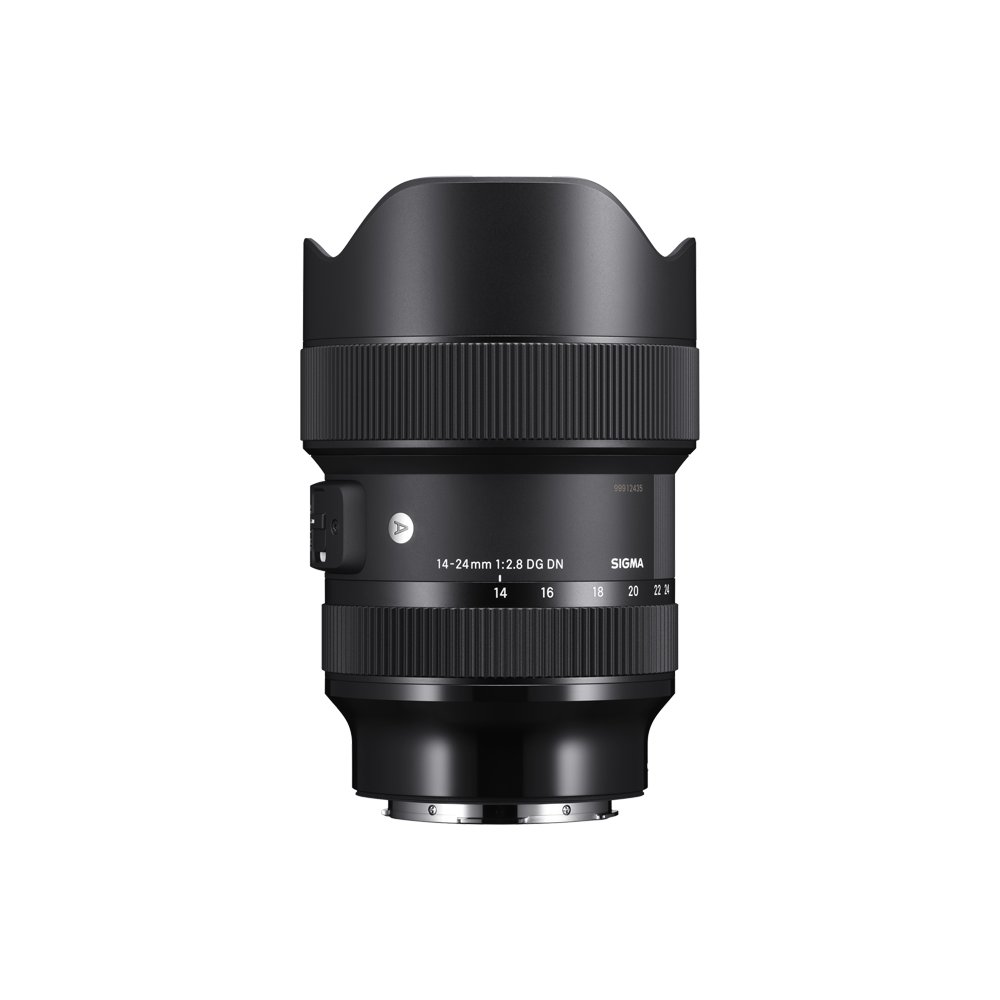
You carried a Sigma 14-24mm F2.8 Art wide-angle zoom on this run — how did that focal range fit into your work?
Bowman:
This focal range was perfect and essential for this tour. I love a good wide lens—there’s so much you can do with it for both photo and video. It really became a universal lens for me, one that I rarely took off my camera. It’s incredibly versatile: the F2.8 aperture and wide focal length allowed me to move seamlessly from dark backstage dressing rooms to big, crowded, fast-paced shows without needing to switch lenses.
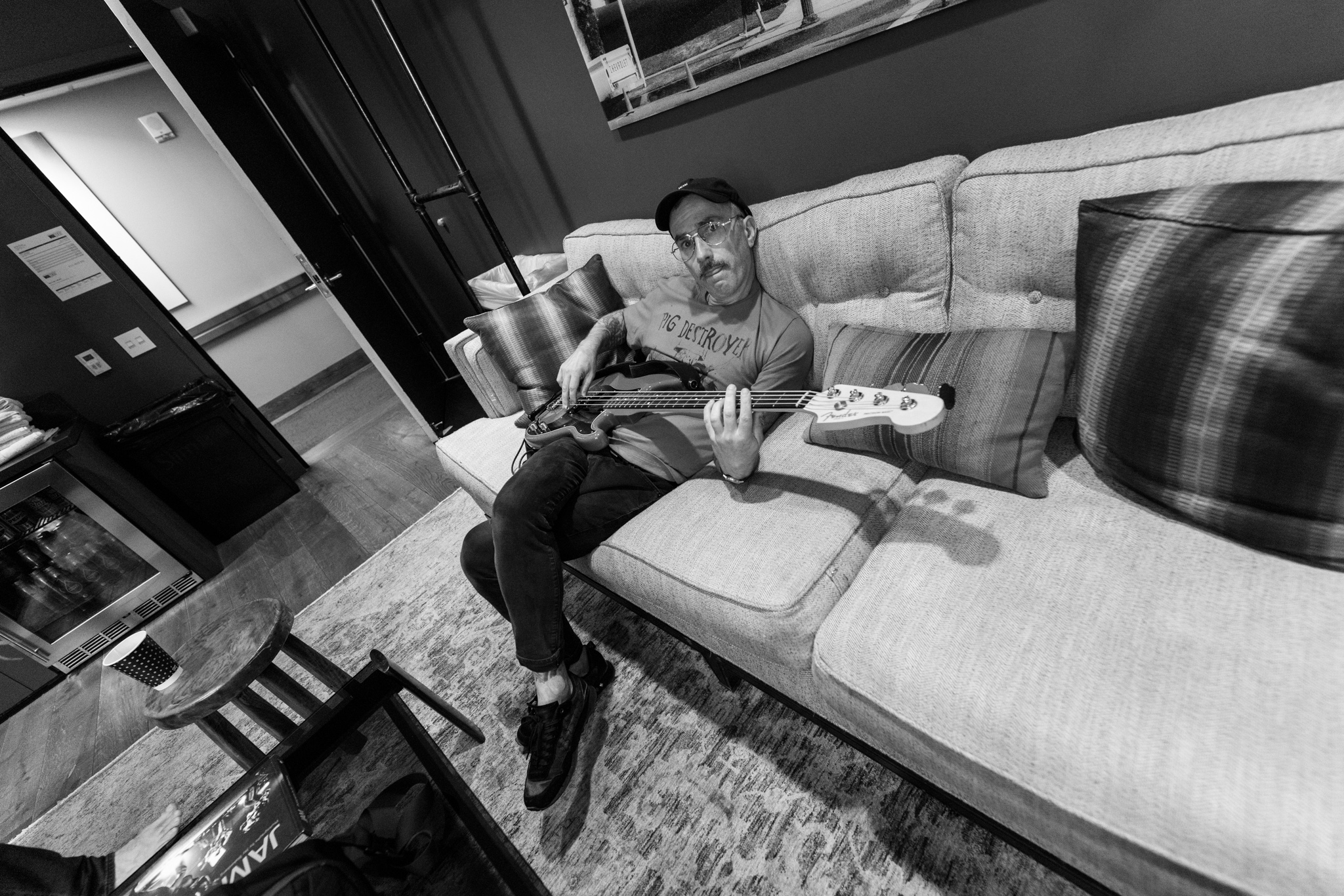
Canon EOS R5 Mark II
15mm, F3.2, 1/125s, ISO 3200
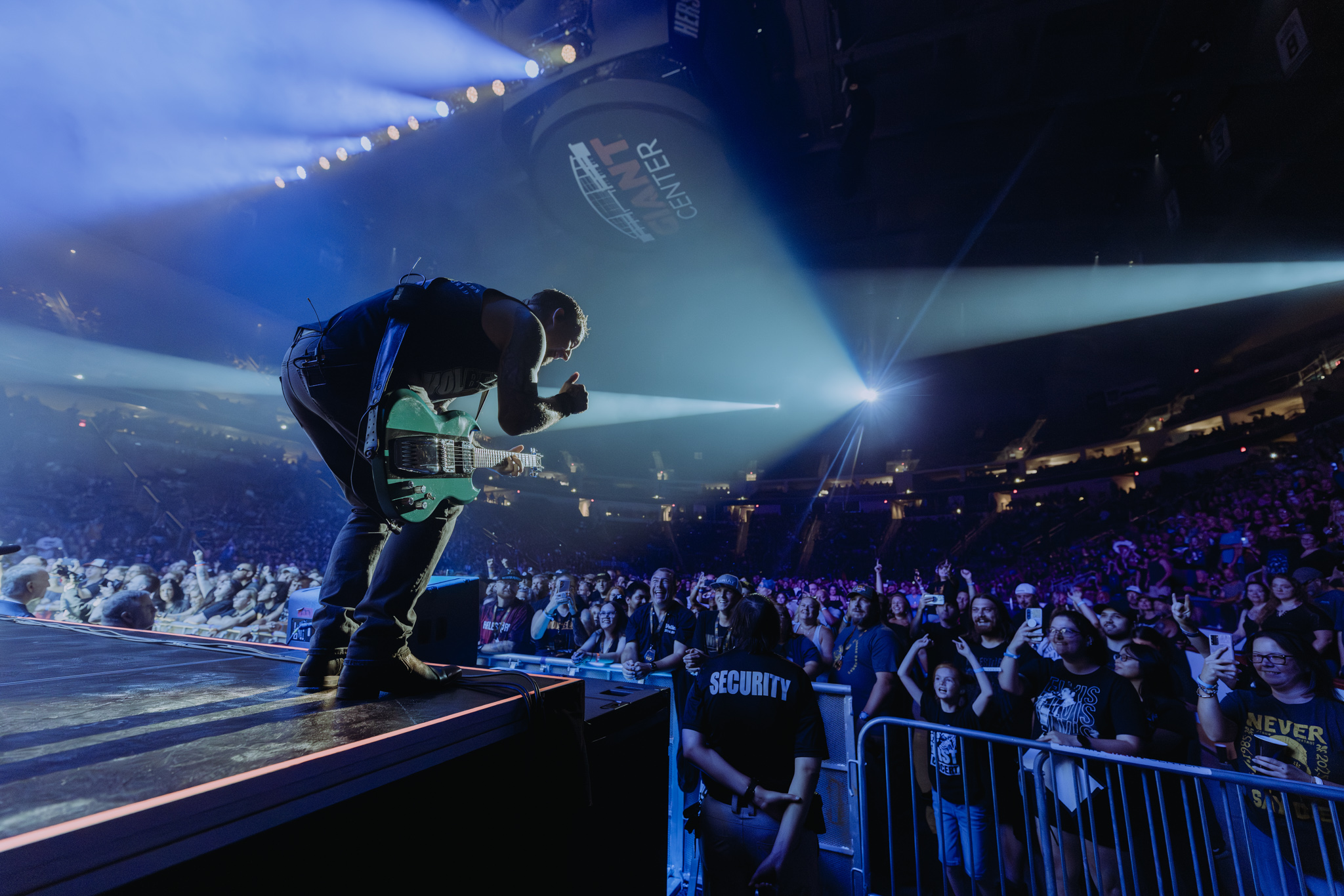
Canon EOS R5
14mm, F3.2, 1/320s, ISO 5000
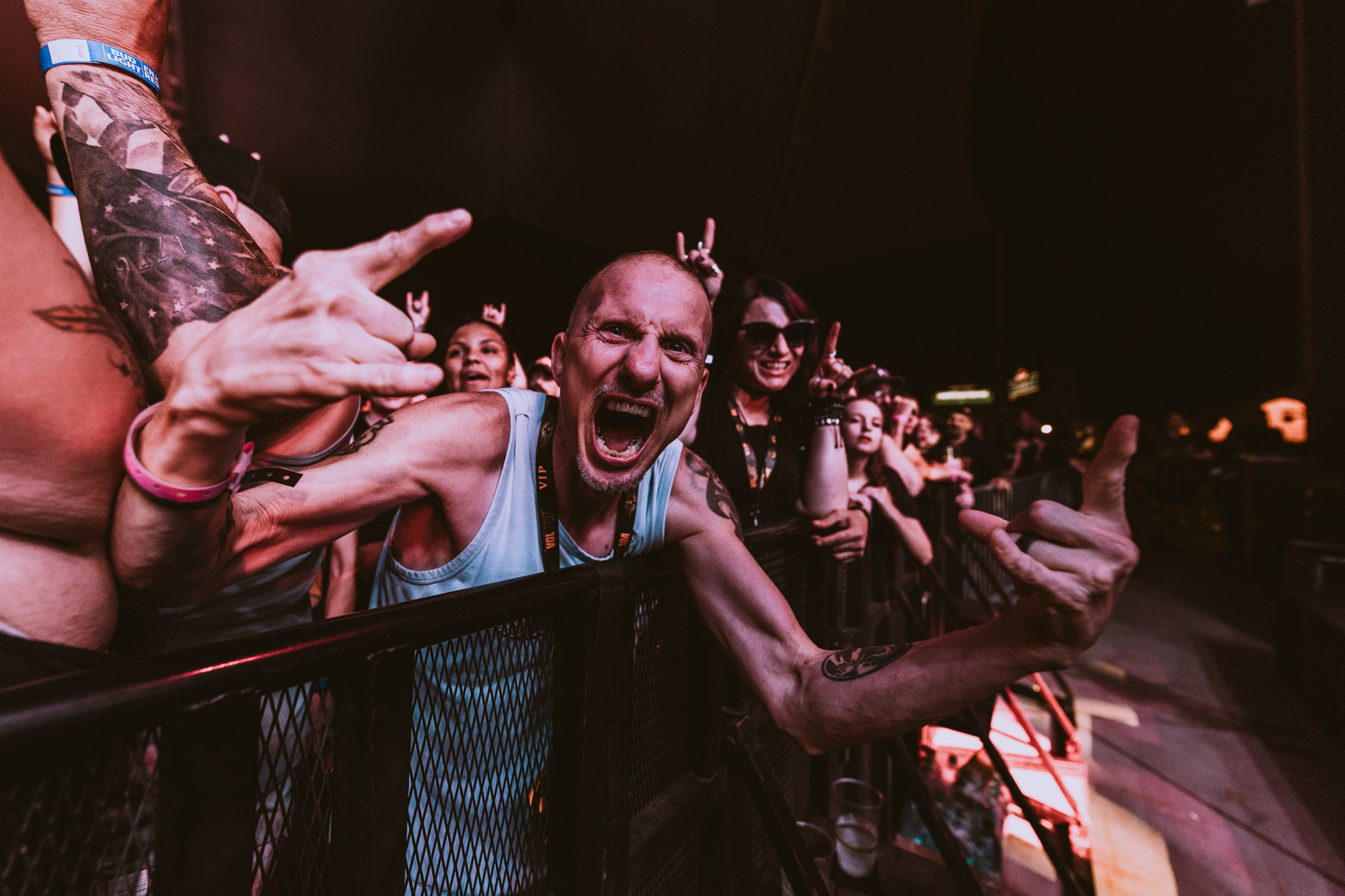
Canon EOS R5
14mm, F2.8, 1250s, ISO 1250
The 14mm focal length easily let me capture the scale of the show without a ton of distortion or loss of detail, and having the ability to zoom into 24mm gave me the flexibility to grab a quick portrait-style shot of the band on stage, then turn around and capture a wider moment of the audience reacting to the song. It quickly became my go-to lens in my kit.

Canon EOS R5 Mark II
14mm, F5, 1/500s, ISO 32300
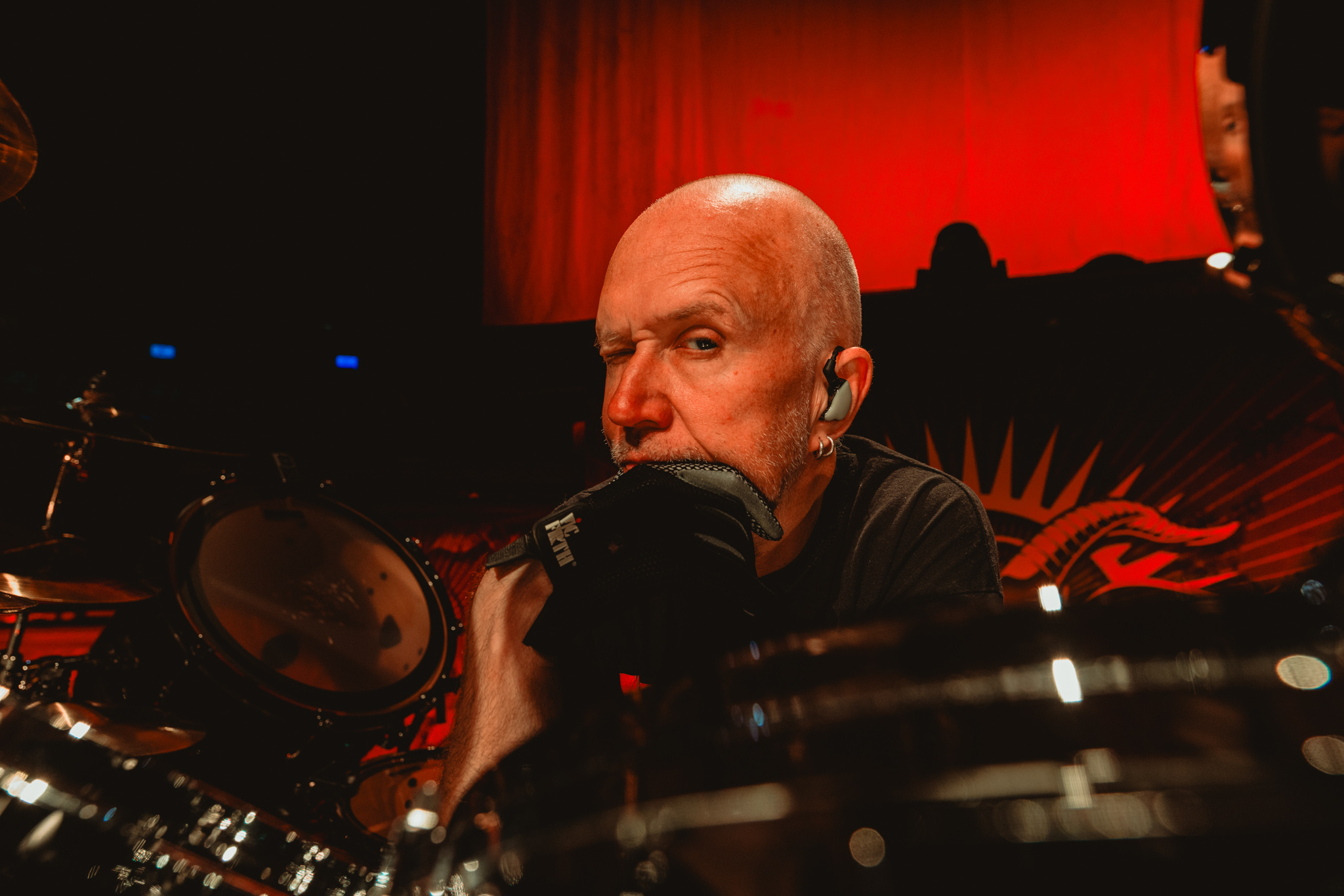
Canon EOS R5 Mark II
24mm, F5.6, 1/160s, ISO 1250
Sigma:
The Sigma 70-200mm F2.8 Sports was also in your kit. What made it essential for you on this tour, and how did you lean on it differently than the 14-24mm?
Bowman:
I loved this lens. This focal length is a staple in any live music kit. I’d switch between this and another lens on my second body, depending on where I was during the show. No two venues are the same — sometimes the pit is narrow, wide, or doesn’t exist at all. Stage size and height change too; one night you can see over the edge, the next you’re shooting a band on a tall, deep stage.
All of that affects where the best shooting spots are. Being able to zoom up to 200mm gave me the flexibility to capture details from different angles and distances. I often preferred shooting from the back of the standing pit, right in the crowd, and this lens was perfect for that.

Canon EOS R5 Mark II
171mm, F2.8, 1/640s, ISO 2500

Canon EOS R5
98mm, F7.1, 1/100s, ISO 1600
I also liked how the zoom ring was at the end of the lens instead of closer to the camera body. It made the setup easier to hold and balance. Most of the time you’re lifting the camera over people’s heads, which gets tiring, but being able to keep my hand at the end of the lens while making quick adjustments took a lot of pressure off my body.
Having a focal length range like this is crucial on tour because you can’t predict where you’ll need to be. Shows move fast, and rock shows can get especially chaotic — at one gig we had over a hundred crowd surfers. Fun, but also a little scary when you’re carrying gear like this.
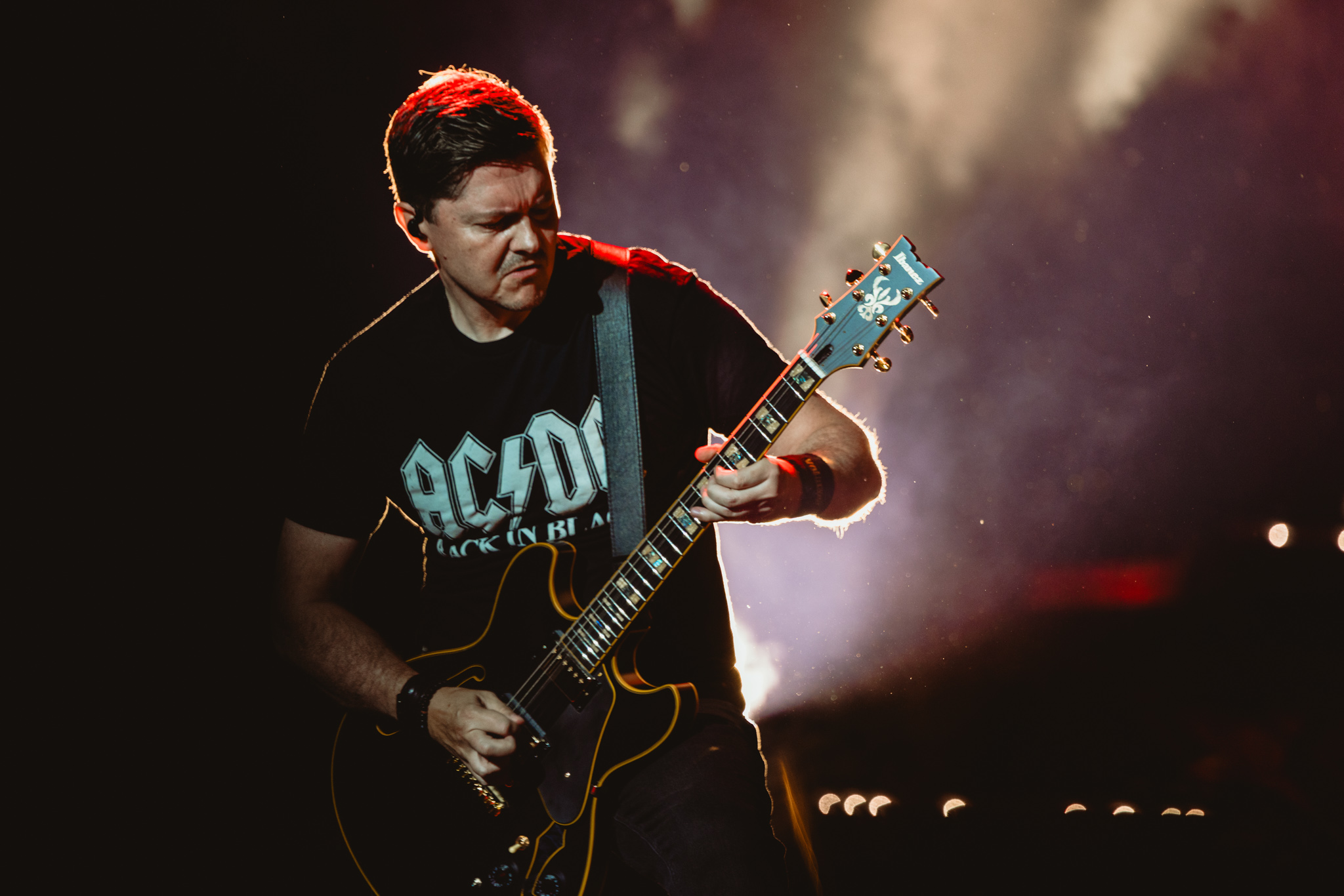
Canon EOS R5 Mark II
185mm, F3.5, 1/200s, ISO 1000
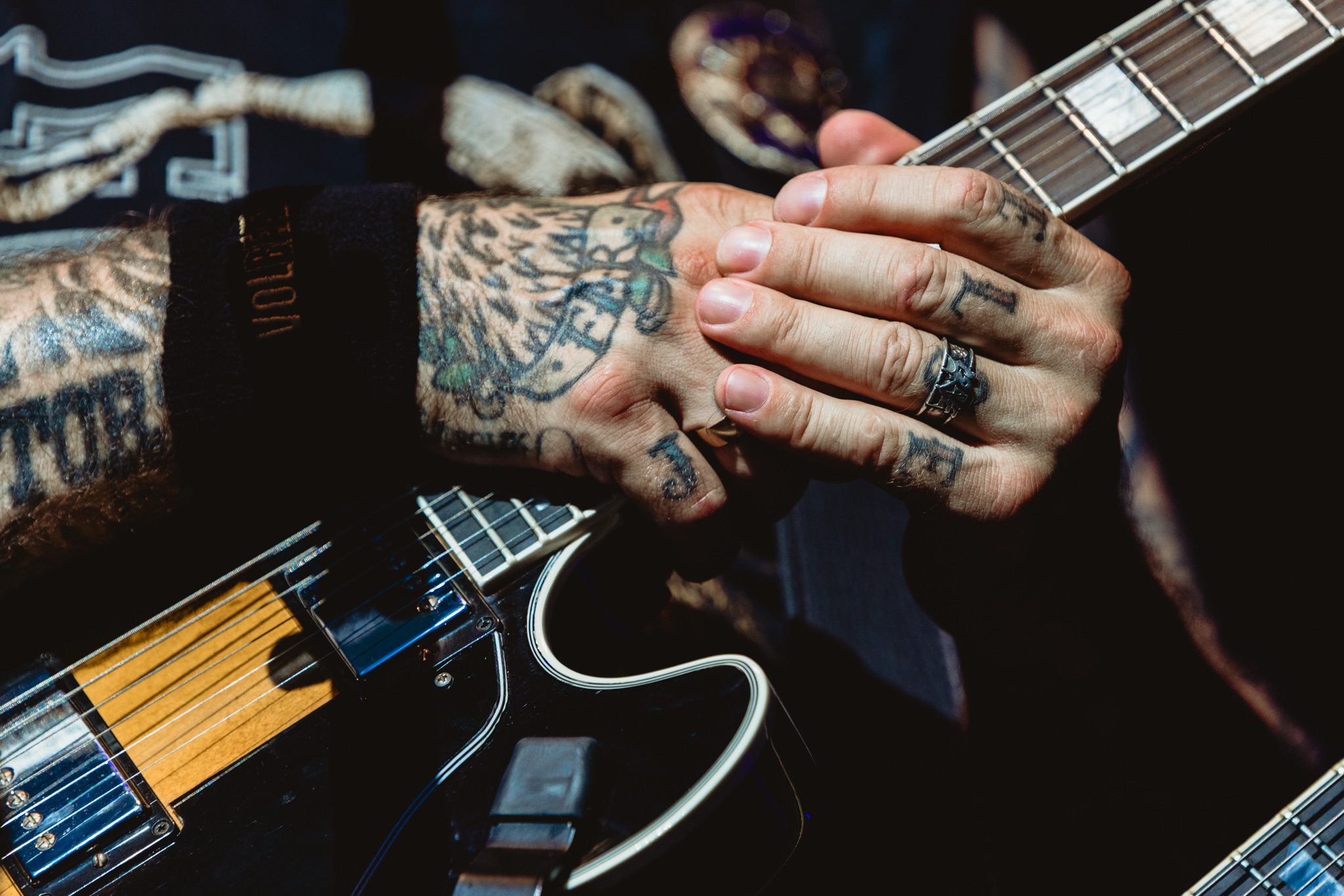
Canon EOS R5 Mark II
200mm, F4, 1/250s, ISO 1600
One of my favorite things to do during those moments was slide on stage, hide behind the guitar amps, and zoom in on crowd surfers and moshers having the time of their lives — all while staying safely out of the way. Live music brings out so many emotions, and with this lens, I could capture those moments without being intrusive.
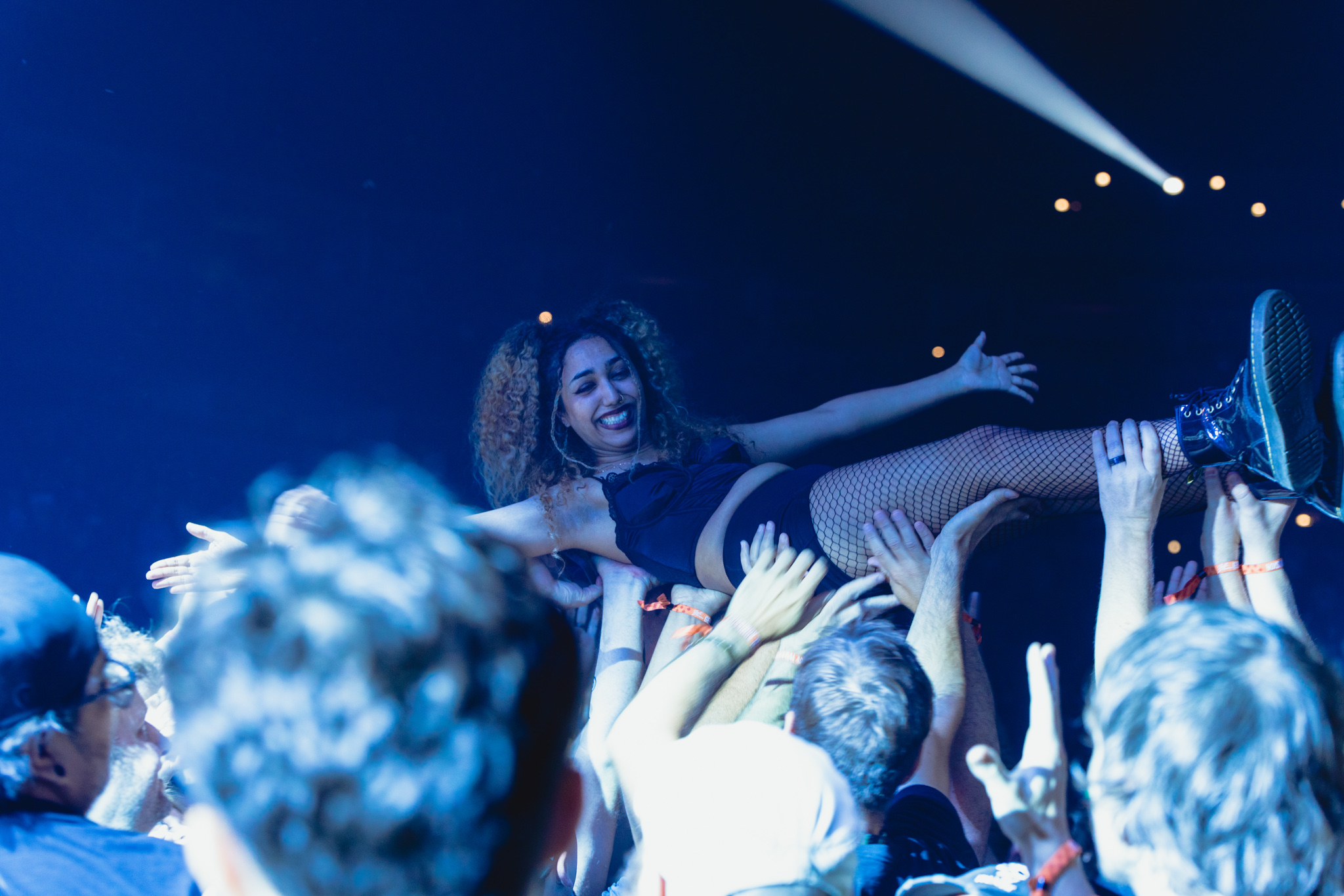
Canon EOS R5
70mm, F4, 1/60s, ISO 1600
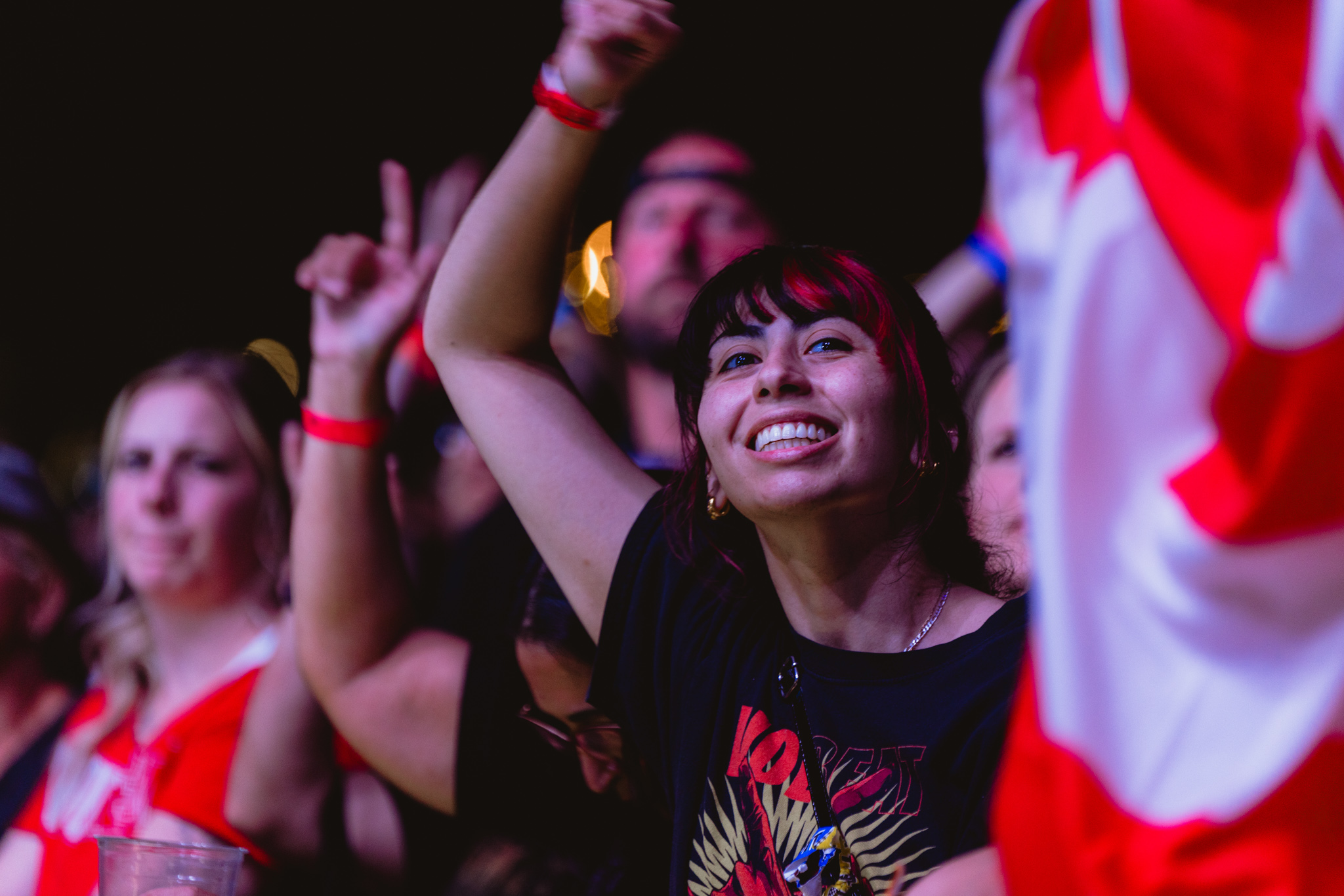
Canon EOS R5 Mark II
151mm, F2.8, 1/125s, ISO 1600

Canon EOS R5
70mm, F4.5, 1/200s, ISO 3200
Speed and durability on tour
Sigma:
Both of these lenses open up to F2.8, and obviously, aperture (speed) plays a huge role when shooting in low-light conditions. That is, being able to open up the lens and allow as much light as possible to hit the sensor. Is speed a deciding factor when selecting a lens for this type of work?
Bowman:
Speed is everything in this kind of work. It’s kind of like sports photography — you’ve got a bunch of people moving around fast, except it’s dark and there are flashing lights on top of it. For music photography, shooting at F2.8 or lower is pretty much the standard, and it gives you the versatility to work an entire show day without needing to switch lenses around.
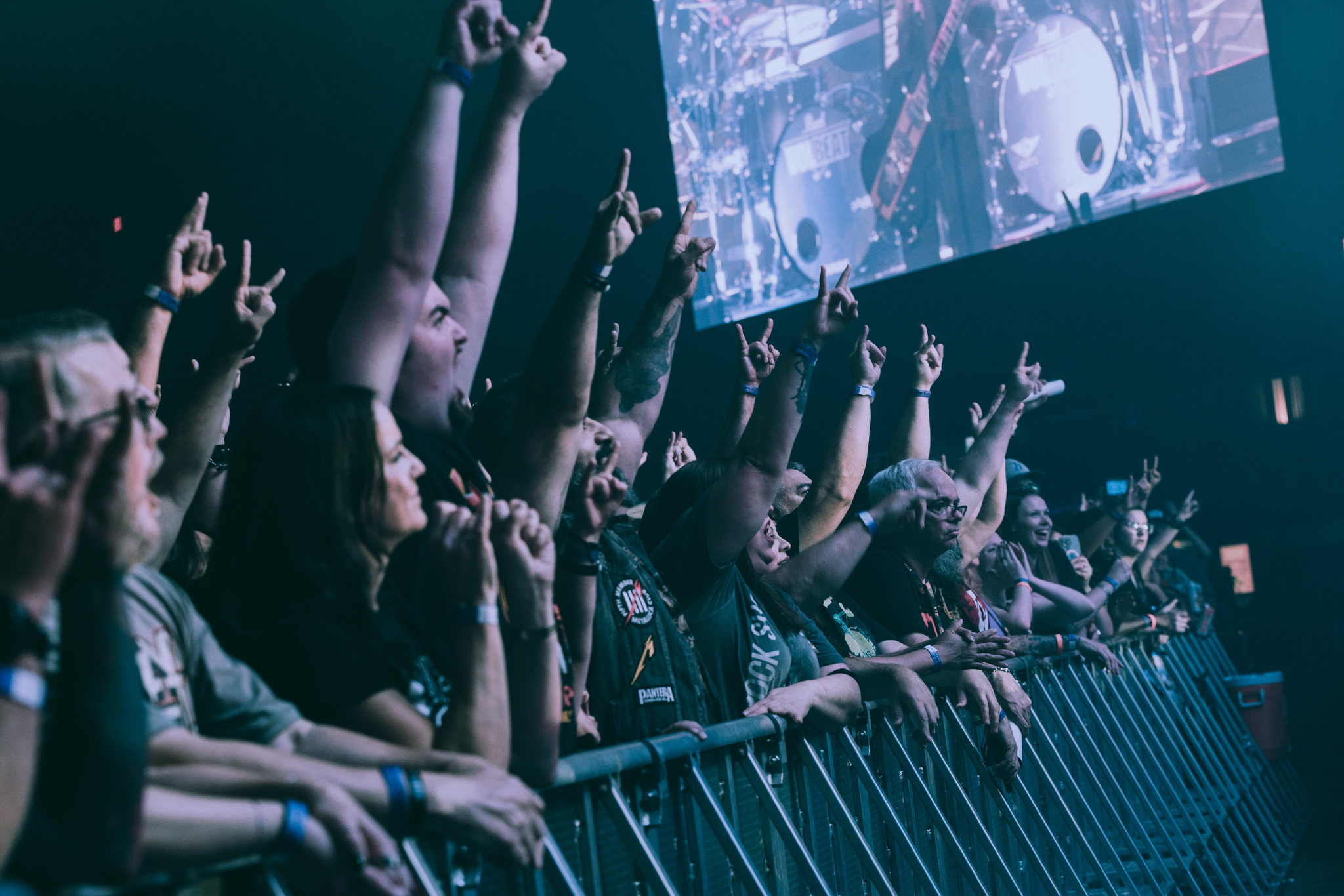
Canon EOS R5 Mark II
82mm, F5, 1/125s, ISO 1250
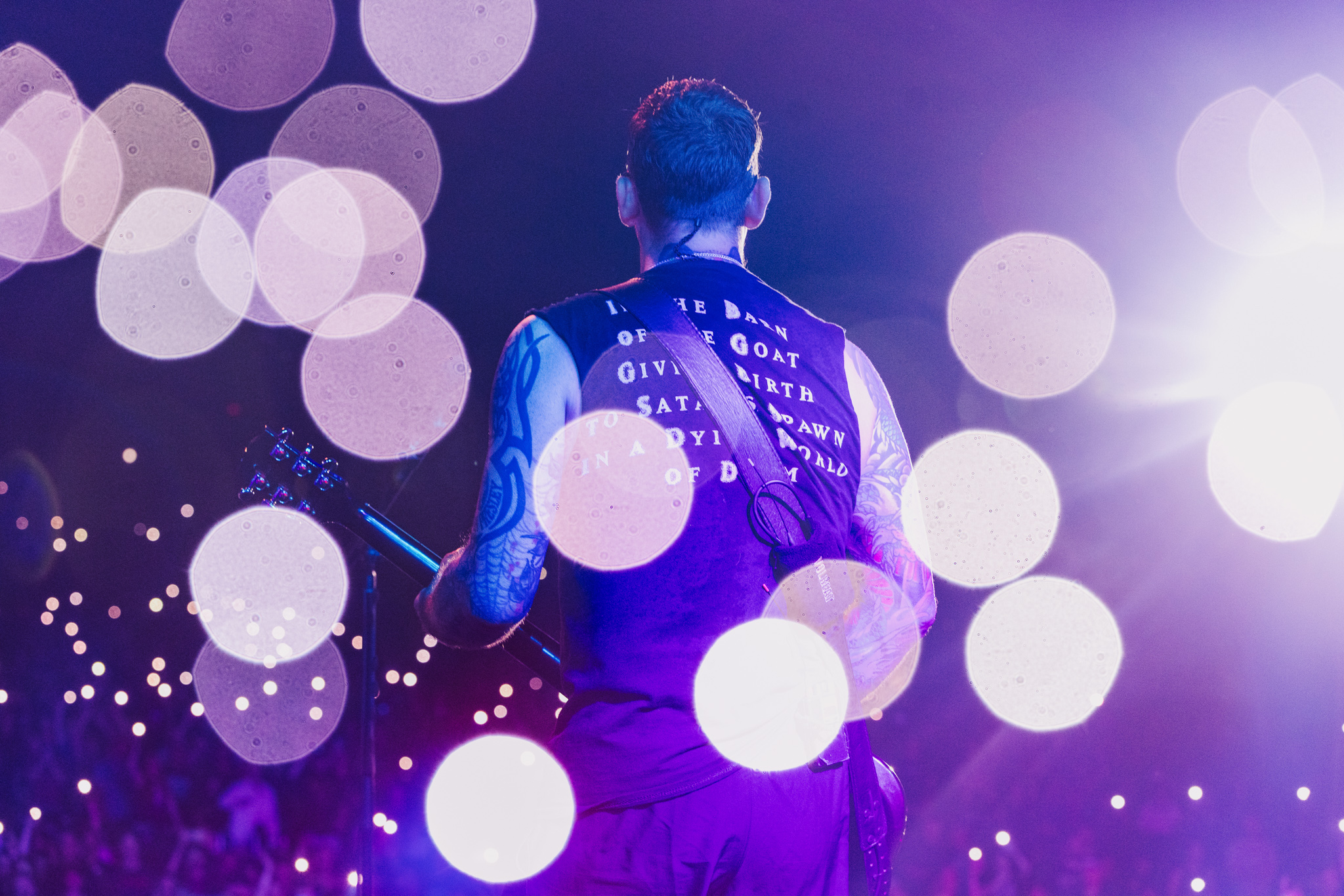
Canon EOS R5
179mm, F4.5, 1/320s, ISO 3200
Sigma:
How did the lenses hold up in terms of AF speed and accuracy when the stages were at their most chaotic?
Bowman:
I felt really locked in with these lenses. After a couple of shows, I knew I could trust them and only needed to make small adjustments here and there. That made shooting more fun with less to worry about, and more freedom to focus on the important stuff: being creative.
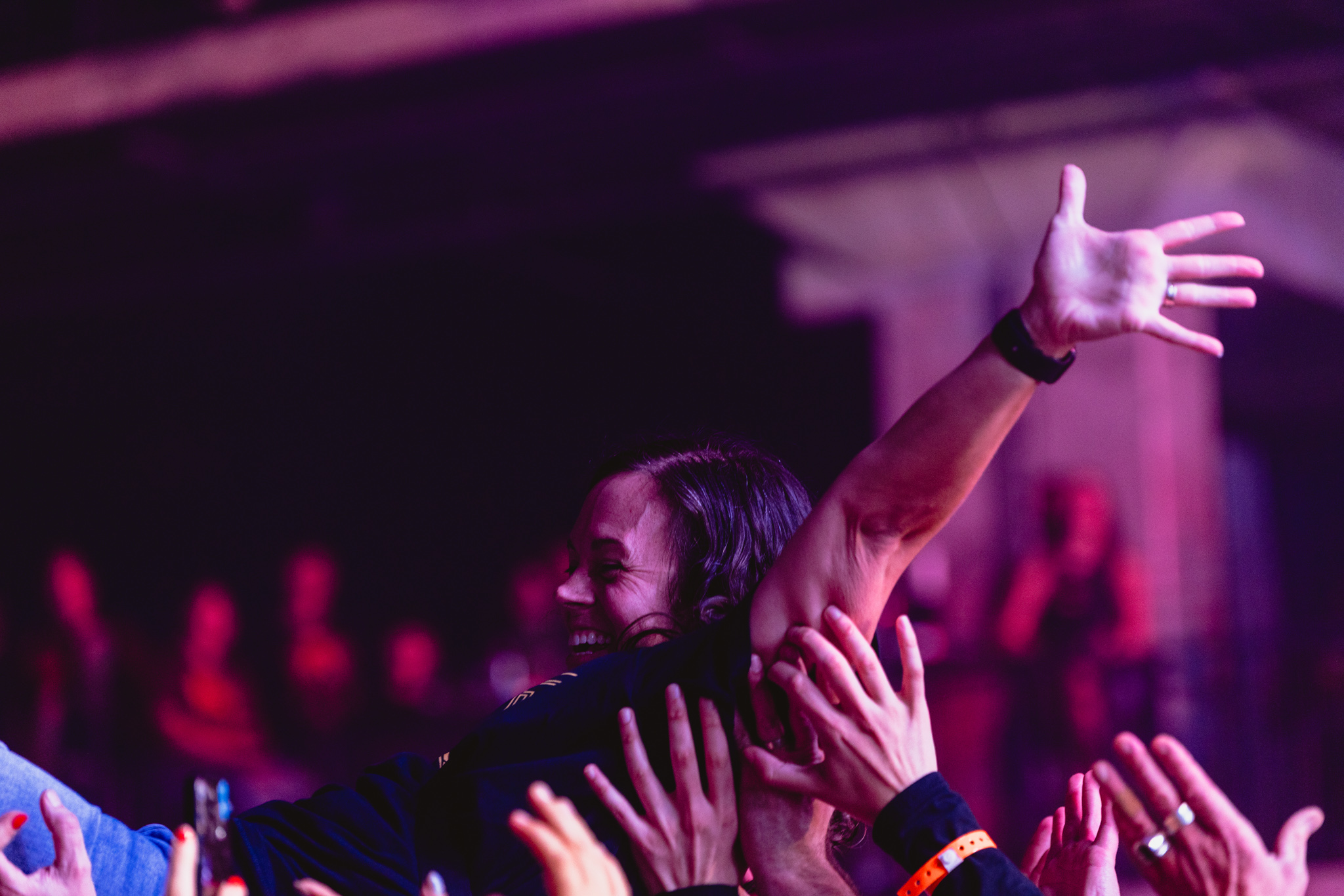
Canon EOS R5
146mm, F3.2, 1/200s, ISO 2000
Sigma:
Similar to sports photography, touring puts a lot of wear and tear on gear. How did these lenses hold up to the travel, the climate shifts, and the pace of back-to-back shows for months on end?
Bowman:
I’m pretty rough with gear. I move so fast that I sometimes forget I have things dangling off my body, and they get bumped around quite a lot. Even so, I had zero issues with these lenses. Despite the weather shifts, I didn’t notice any negative effects.
Thinking about the future
Sigma:
As you head into the European leg of Volbeat’s G.O.A.T. tour, are there any new ideas or approaches you’d like to try that your lens choices might help you achieve?
Bowman:
Absolutely. In Europe, our production has doubled in size, with venues ranging anywhere from 8,000 to 20,000 people depending on the country. In anticipation of that, having a wide lens like the 14-24mm really helps me capture the scale. I also love using a 70–200mm in Europe because our stages are generally at least six feet tall, so it’s nice to have the ability to zoom in and make it feel like I’m closer to the band than I actually am. Overall, I want to capture as much as possible and really showcase the passion the European fans have for this band.

Get Britt’s go-to concert lenses